
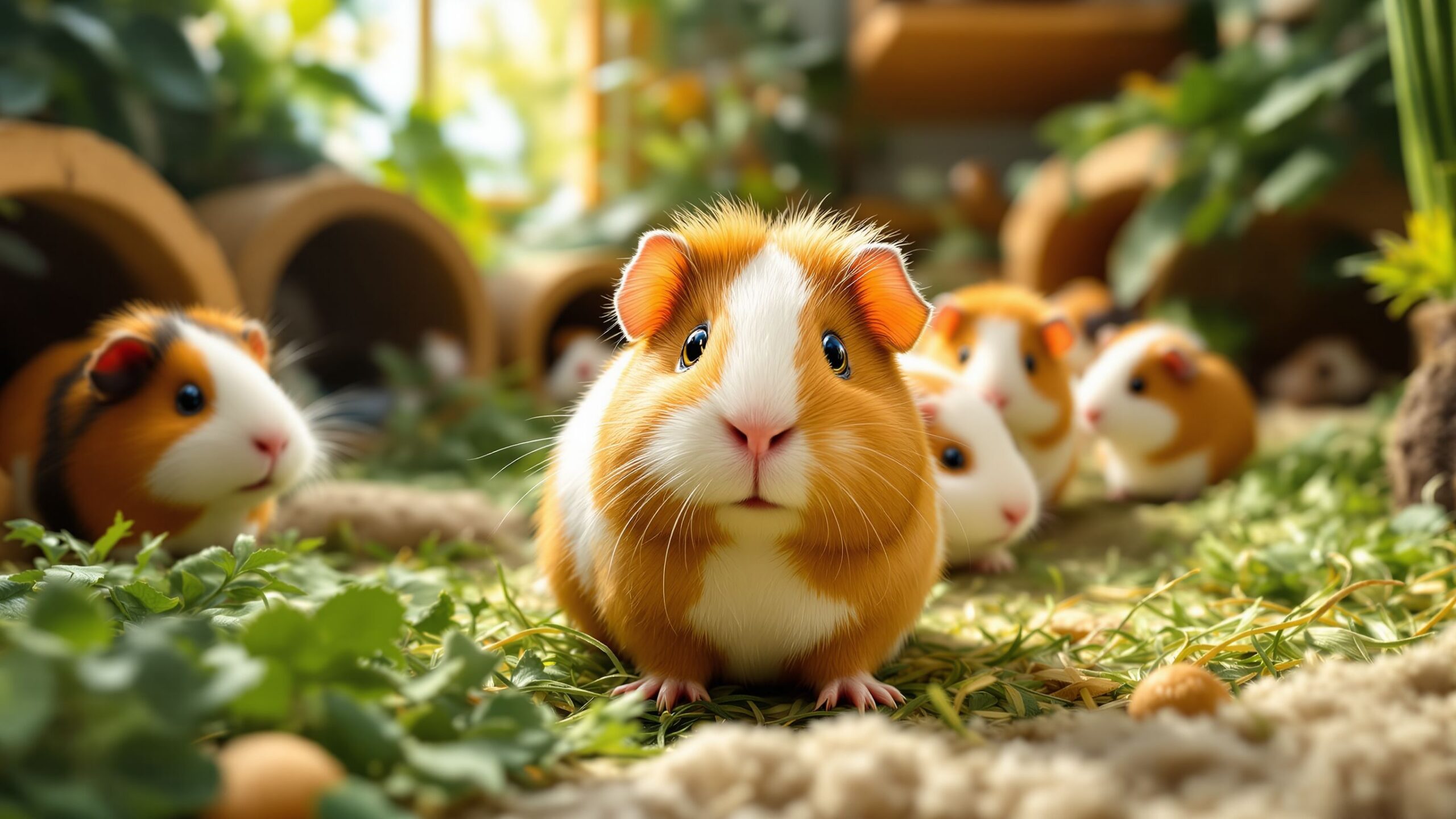
#1: Guinea Pig (Length: 8–12 in.; Weight: 1.5–2.6 lb.; Lifespan: About 4–8 Years)
Guinea pigs earn the number-one position because they offer an appealing combination of sociability, visibility, personality, and manageable care for a dedicated beginner. Adult guinea pigs are usually around 8 to 12 inches long and commonly weigh about 1.5 to 2.6 pounds, making them large enough to handle more comfortably than extremely tiny rodents while still remaining compact household pets. One of the first surprises new owners discover is just how expressive guinea pigs can be. They are famous for the high-pitched sound often called wheeking, especially when food is involved. A guinea pig can quickly learn that the refrigerator door, rustling vegetable packaging, or particular footsteps mean something delicious may be approaching. Before long, simply walking toward the kitchen can trigger an entire chorus from the enclosure. Guinea pigs are also highly social animals. Compatible companions may eat hay together, follow one another, rest nearby, communicate through squeaks and rumbles, and establish distinct social relationships. This means beginners should generally plan for appropriate guinea pig companionship rather than assuming one guinea pig will always be happiest alone. Their history is equally fascinating. Guinea pigs originated in the Andean region of South America, where their ancestors were domesticated thousands of years ago. Europeans encountered them after Spanish exploration of the region, and guinea pigs eventually appeared as unusual household animals in Europe. Despite the name, guinea pigs are neither pigs nor from Guinea. The exact origin of the English name remains debated, although their rounded bodies and piglike vocalizations likely helped inspire part of it. Nutrition is one of the most important areas for beginners to understand. Guinea pigs require abundant suitable grass hay because fiber is essential for digestion and because their teeth continue growing throughout life. They also have a nutritional trait they share with humans: guinea pigs cannot manufacture their own vitamin C. They must receive it through an appropriate diet. Fresh vegetables, guinea-pig-specific pellets, suitable hay, and clean drinking water therefore play important roles. Their enclosure also needs much more horizontal floor space than many small pet-store cages provide. Guinea pigs are ground-dwelling animals rather than natural climbers, so wide floor space, comfortable solid flooring, hideouts, tunnels, and easy access to hay are particularly important. One hidden gem of guinea pig ownership is popcorning. An excited guinea pig may suddenly leap into the air, twist, land, sprint, and repeat the performance. Young guinea pigs can look almost electrified when they start popcorning around a fresh habitat. They also have surprisingly individual personalities. One may be bold and demanding while another carefully observes everything before approaching. Some immediately learn to beg for vegetables, while others prefer quietly exploring. Their larger size and visible daytime activity can make them especially rewarding for beginners who want a pet they can regularly observe and interact with. Veterinary care still matters, and owners should identify an exotic-animal veterinarian before an emergency occurs. Guinea pigs can hide illness, so regular weight checks and appetite monitoring are extremely useful. For someone willing to provide appropriate companionship, generous floor space, quality nutrition, and daily care, guinea pigs are among the most satisfying small mammals a beginner can choose.
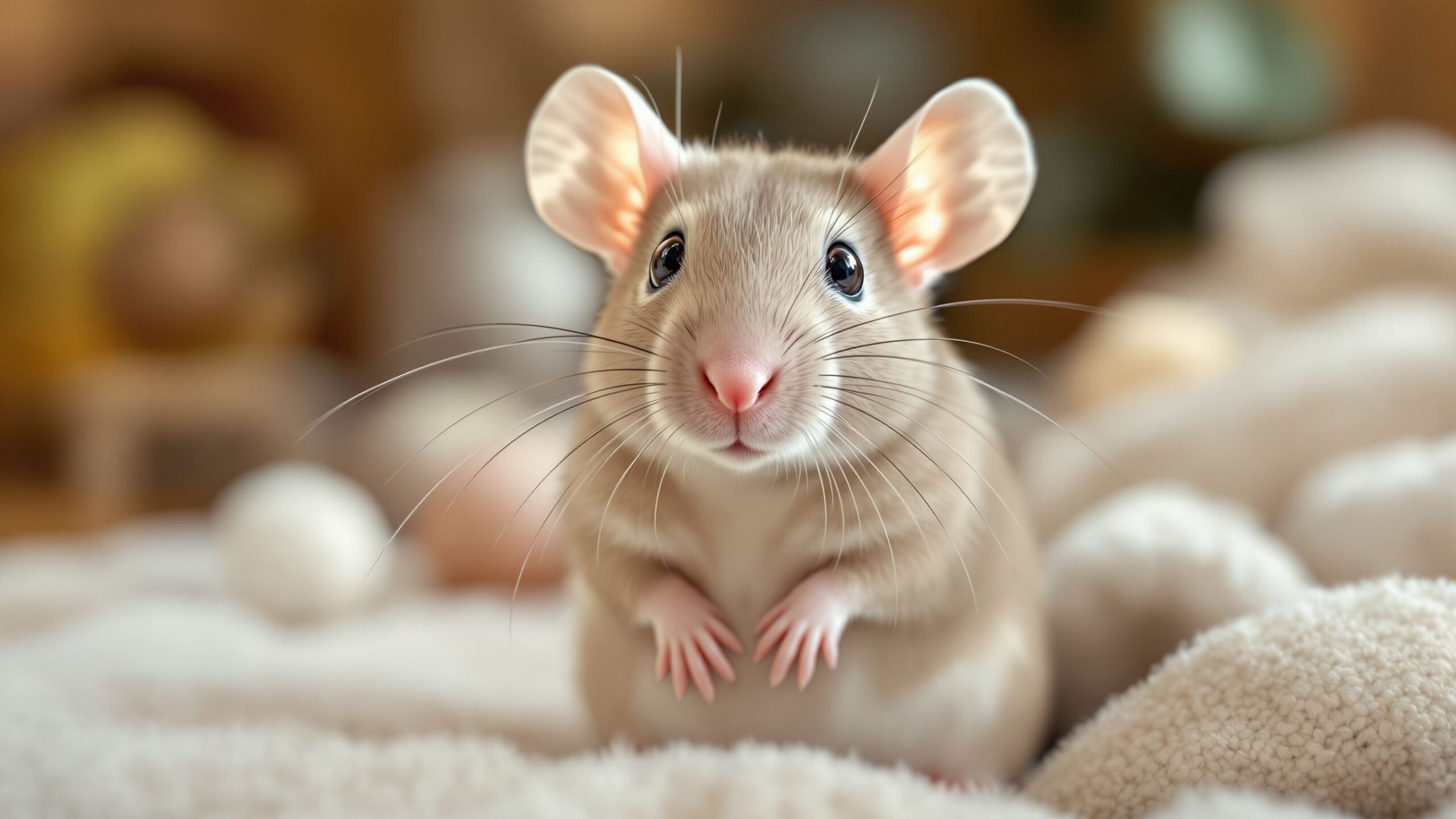
#2: Fancy Rat (Body Length: 7–10 in., Excluding Tail; Weight: 0.5–1.5 lb.; Lifespan: About 2–3 Years)
Fancy rats are one of the most underrated companion animals in the small-mammal world. Their reputation often suffers because people associate them with wild city rats, but domesticated fancy rats have been selectively bred for generations and can be remarkably social, intelligent, playful, and interactive pets. Their bodies are generally around 7 to 10 inches long before including the tail, and adults often weigh approximately 0.5 to 1.5 pounds depending on sex, genetics, and build. Their size makes them easier for many beginners to handle than mice or dwarf hamsters, while still allowing them to live comfortably in a thoughtfully designed indoor enclosure. What truly makes fancy rats special is intelligence. Rats can learn routines, recognize familiar people, navigate simple obstacle courses, respond to targets, enter carriers on cue, and learn entertaining tricks through positive reinforcement. Some owners teach them to spin, fetch objects, climb onto shoulders, or return when called. They are curious enough that even everyday cage cleaning can turn into an investigation because a rat may insist on inspecting everything you move. Scientific research has also revealed impressive learning, memory, navigation, and social abilities in rats, which has contributed to their importance in behavioral science. Another major characteristic is their social nature. Rats generally thrive with compatible rat companions. A pair or small group may sleep in a pile, groom one another, play wrestle, share nesting areas, and communicate constantly. Human interaction is still valuable, but another rat provides companionship that people cannot completely replace. Their cage should therefore be large enough to accommodate multiple animals and should include opportunities for climbing, nesting, exploring, and foraging. Unlike guinea pigs, rats make excellent use of vertical space. Hammocks, ropes, shelves, tunnels, cardboard boxes, ledges, and climbing structures can transform the habitat into a three-dimensional playground. Enrichment is especially important because intelligent animals can become bored in environments that never change. A quirky behavior that surprises many new rat owners is bruxing, in which the rat grinds its teeth. During particularly relaxed or stimulated moments, this may be accompanied by boggling, where the eyes appear to move or bulge slightly as muscles around the jaw contract. It can look alarming the first time you see it, but in a comfortable context it may accompany contentment. Rats also form routines quickly. A pet rat may learn the exact sound of the cage door, the time evening play normally begins, or which person usually delivers favorite treats. Some become so social that they wait at the door of the enclosure when their owner enters the room. The primary disadvantage is lifespan. Two to three years can feel painfully short when an animal is this interactive. Rats are also prone to several medical concerns, including respiratory disease and tumors, so access to an exotic-animal veterinarian matters. They require regular cage cleaning and can be messy little homemakers, frequently dragging nesting material into places you did not intend. Still, for beginners seeking a small mammal that can genuinely participate in training, interaction, and daily household routines, fancy rats are extraordinary. Their intelligence and affection frequently surprise people who never expected a rodent to behave almost like a miniature dog.
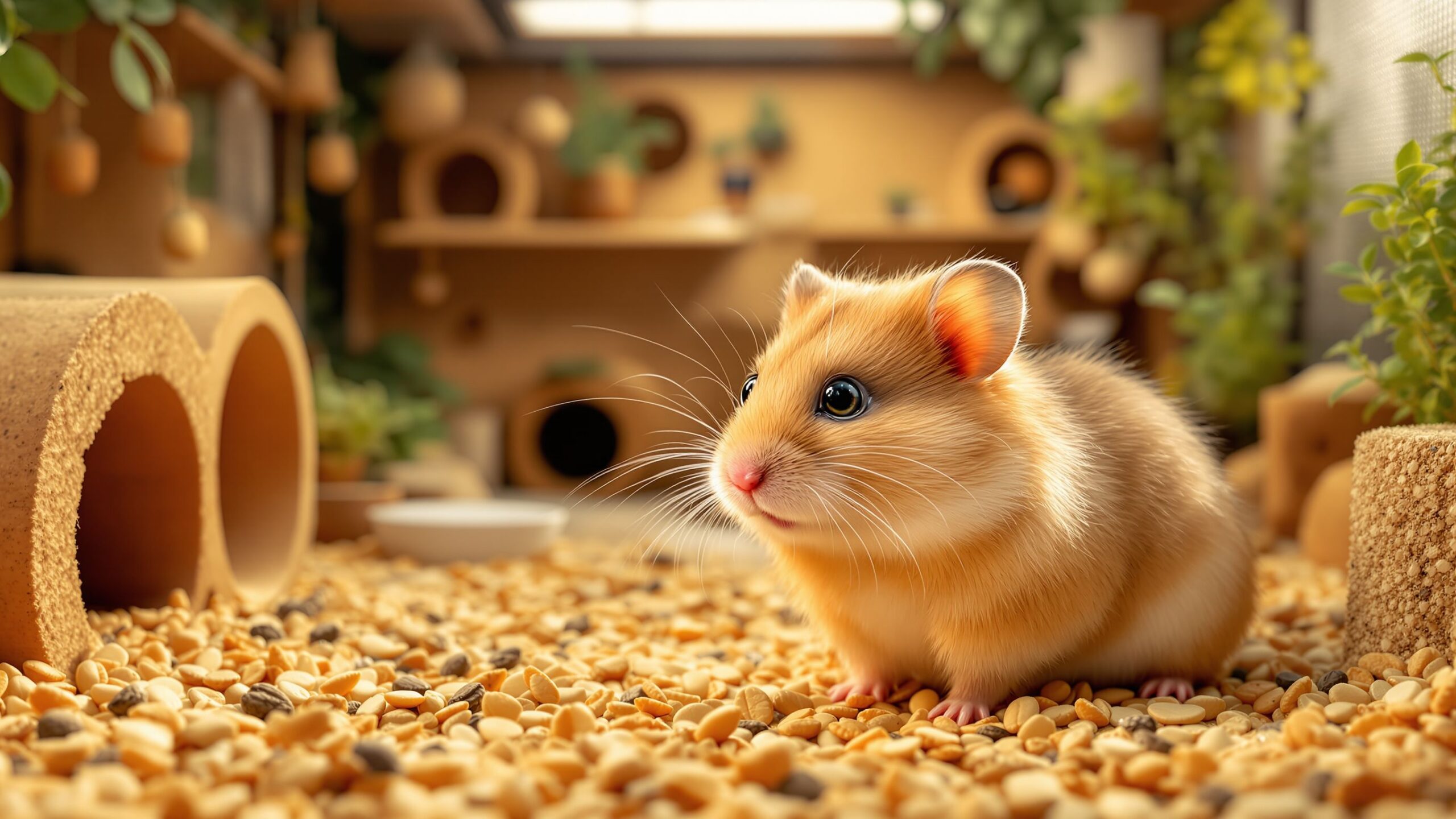
#3: Syrian Hamster (Length: 5–7 in.; Weight: 4–7 oz.; Lifespan: About 2–3 Years)
The Syrian hamster is one of the most recognizable small mammals in the world and remains an excellent option for beginners who want a solitary pet. Adults generally measure about 5 to 7 inches long and weigh approximately 4 to 7 ounces, making them larger and often easier to handle than dwarf hamster species. They are also famously round, with expandable cheek pouches capable of making a hamster’s face look almost twice as wide after a successful food-gathering mission. Syrian hamsters are solitary adults and should live alone. This simplifies ownership for someone who does not want to manage multiple animals or social bonding, although it also means the enclosure must provide plenty of stimulation for one very busy hamster. The history of the Syrian hamster is unexpectedly interesting. Modern pet populations trace much of their ancestry to hamsters collected in Syria during the early 20th century. A female with young was captured near Aleppo in 1930, and descendants from early populations contributed to the spread of Syrian hamsters through laboratories and eventually the pet trade. That relatively recent introduction makes their popularity today especially remarkable. Their natural behavior is centered heavily around burrowing, collecting, and storing food. A hamster may carry food in its cheek pouches back to a hidden chamber and create a stash that seems ridiculous compared with the size of the animal. This hoarding instinct is completely normal and comes from the need to collect resources in environments where food availability can change. Deep bedding is therefore one of the most important features of a good Syrian hamster enclosure. Given enough substrate, hamsters can build surprisingly elaborate underground tunnel systems with sleeping chambers, food storage areas, and multiple passages. One of the hidden pleasures of hamster ownership is discovering how much architecture happens beneath the surface while the household sleeps. Exercise is also essential. Syrian hamsters can cover impressive distances during an active night, making a properly sized solid-surface wheel extremely important. The wheel should allow the hamster to run without dramatically bending its spine. Tiny novelty wheels and miniature cages are among the most common husbandry problems beginners encounter. A hamster may be physically small, but that does not mean it needs only a tiny amount of floor space. Syrian hamsters are generally most active in the evening and nighttime. This makes them perfect for night owls and people who come home after work wanting to watch a pet become active, but less ideal for someone expecting daytime play. Constantly waking a hamster from deep sleep can cause stress and increase the likelihood of defensive behavior. Gentle socialization works best when the hamster is already awake. Rather than grabbing, owners can offer treats and allow the hamster to walk onto an open palm. Over time, many Syrians become comfortable exploring hands and supervised play areas. Another interesting fact is that Syrian hamsters are sometimes called golden hamsters because the wild-type coat is golden brown, although selective breeding has produced many colors, patterns, and coat types. Their relatively simple social requirements, manageable diet, and entertaining behavior make them an excellent first pet when housed correctly. The biggest lesson for beginners is that a hamster is not a tiny cage decoration. Give a Syrian hamster deep bedding, space, a large wheel, enrichment, and nighttime peace, and you will likely discover an animal with far more personality than its sleepy daytime appearance suggests.
#4: Gerbil (Body Length: 4–5 in., Excluding Tail; Weight: 2–4 oz.; Lifespan: About 3–4 Years)
Gerbils are enthusiastic diggers, chewers, tunnel builders, and social little engineers. Adult Mongolian gerbils typically have bodies around 4 to 5 inches long before the tail and often weigh about 2 to 4 ounces. Their long hind legs and furry tails give them a distinctive appearance compared with hamsters, and their constant movement makes them fascinating to observe. Gerbils originated in the dry grasslands and semidesert regions of Central Asia, where digging elaborate burrow systems helped protect them from temperature extremes and predators. That underground lifestyle remains strongly expressed in domestic pets. Give a pair of gerbils several inches of appropriate bedding and they may quickly begin designing a network of tunnels, chambers, and entrances. For a beginner interested in creating naturalistic habitats, few small mammals are more rewarding. Gerbils are social animals and are usually kept with compatible same-sex companions. Bonded animals may sleep together, groom one another, chase and wrestle playfully, and work on the same burrow system. This social nature makes them entertaining, but it requires thoughtful management. Adult gerbils cannot simply be introduced casually because territorial aggression can occur. Experienced owners often use a technique known as the split-cage method when carefully introducing unfamiliar individuals. Their digging behavior is only part of the entertainment. Gerbils are also enthusiastic chewers. Cardboard tubes, plain boxes, and other safe chewable materials can disappear with impressive speed. This is useful because their teeth grow continuously, and chewing is an important natural behavior. A gerbil habitat that looks beautifully organized in the morning may look completely redesigned by bedtime because the occupants decided your decorating choices needed improvement. Another fascinating behavior is hind-foot thumping. A gerbil may rapidly stomp its hind legs when alarmed or excited, producing a surprisingly noticeable rhythm. Other gerbils can respond to this signal, giving the group an efficient warning system. Gerbils are often considered relatively low-odor compared with some other small rodents when their habitat is appropriately maintained. Their adaptation to dry environments means they produce relatively concentrated waste, although proper cleaning is still necessary. Their activity schedule is also appealing to some owners because gerbils can wake and sleep in cycles throughout the day and night rather than remaining almost entirely nocturnal. Handling requires care because gerbils are quick and agile. They should never be picked up by the tail, since serious injury can occur. Instead, allow them to climb onto your hands or gently scoop them while staying close to a secure surface. Their speed can make them more challenging for very young children, so adults should supervise all handling. Housing should prioritize deep substrate, adequate floor space, safe chewing materials, hiding areas, a suitable exercise wheel, and opportunities to forage. Glass tanks or other secure enclosures with excellent ventilation are popular because they can contain deep bedding more effectively than many wire cages. Gerbils rank highly for beginners because their basic care is manageable, their social lives are fascinating, and their natural behaviors provide endless entertainment. They are especially good for someone who wants to observe animals doing more than simply running on a wheel. Give gerbils enough bedding and they will turn their enclosure into a miniature underground city.
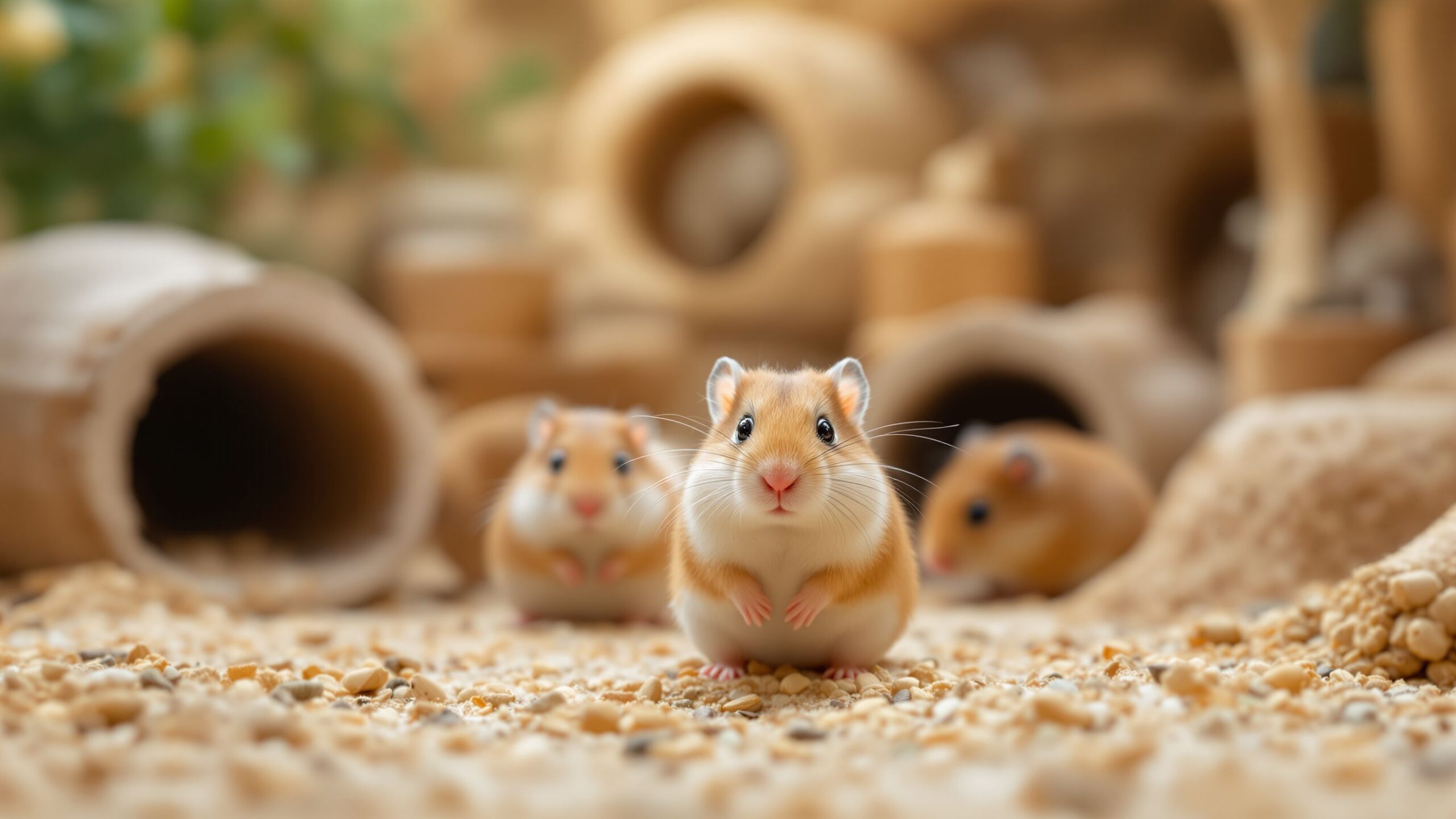
#5: Rabbit (Length: About 8–20+ in.; Weight: 2–15+ lb.; Lifespan: About 8–12 Years)
Rabbits are often grouped with small mammals, although some breeds can grow large enough to make the word “small” feel misleading. A tiny Netherland Dwarf may weigh only around 2 pounds, while large and giant breeds can exceed 10 or even 15 pounds. Their body length can range dramatically, from roughly 8 inches in very small individuals to well over 20 inches in larger rabbits. Rabbits are intelligent, expressive companions capable of learning household routines, using litter boxes, responding to positive reinforcement, and forming strong relationships with people. They rank fifth rather than first because they are excellent pets for prepared beginners but far more demanding than many first-time owners expect. Domestic rabbits descend from the European rabbit, Oryctolagus cuniculus, and centuries of selective breeding have produced a remarkable variety of breeds. Lop-eared rabbits, compact dwarfs, long-haired Angoras, giant Flemish rabbits, and many others all belong to the same domesticated species but can look dramatically different. Rabbits have a rich history in agriculture, companionship, art, mythology, and popular culture, which is one reason they are so familiar around the world. Their personality can be equally fascinating. A happy rabbit may perform a binky, suddenly leaping into the air and twisting its body before racing away. A completely relaxed rabbit may dramatically flop onto its side so quickly that an inexperienced owner briefly wonders whether it fainted. Rabbits can also be surprisingly opinionated. Some nudge hands for attention, push objects out of their preferred paths, rearrange blankets, or become annoyed when their environment changes. One common misconception is that rabbits love being carried. Because they are prey animals, many feel insecure when lifted from the ground. A rabbit may deeply trust its owner and still prefer affection while sitting safely on the floor. Some of the strongest rabbit-human bonds are built by simply sitting quietly in a bunny-proofed space and allowing the rabbit to approach voluntarily. Housing is one of the most important considerations. Tiny cages do not provide enough room for rabbits to run, hop, stretch, stand upright, and explore. Many modern rabbit owners use exercise pens, dedicated rooms, or carefully bunny-proofed areas. Bunny-proofing can become a surprisingly large project because rabbits naturally chew. Electrical cords, baseboards, carpet edges, houseplants, and furniture may all become targets. Their diet is centered heavily around appropriate hay, which supports digestion and helps wear continuously growing teeth. Rabbits have sensitive gastrointestinal systems, and a rabbit that stops eating or producing normal droppings can become seriously ill quickly. Spaying or neutering is another important part of responsible rabbit care, affecting reproductive health, behavior, and litter habits. Many rabbits become excellent litter-box users, making indoor living practical. Their lifespan is much longer than that of hamsters or rats, often reaching around 8 to 12 years. That means adoption is a serious long-term commitment. Veterinary care should come from a rabbit-experienced or exotic-animal veterinarian. Rabbits are ideal for beginners who want a highly interactive companion and are prepared for substantial space, daily care, and years of responsibility. They are not a good choice for someone simply looking for an easy pet to keep in a small cage. Treated properly, however, a rabbit can feel less like a traditional small pet and more like a quiet, clever, slightly mischievous roommate.
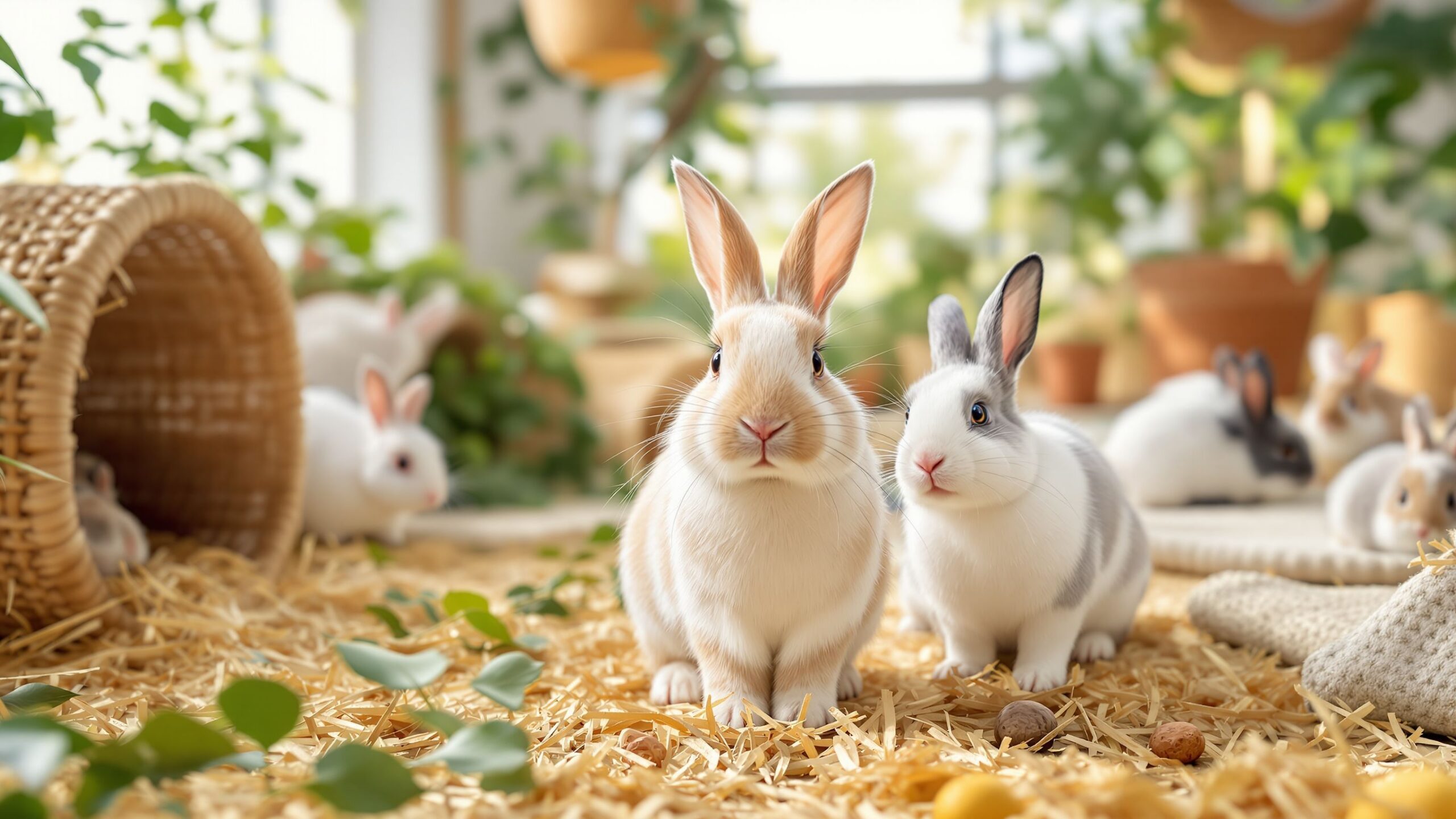
#6: Fancy Mouse (Body Length: 2.5–4 in., Excluding Tail; Weight: 0.6–1.5 oz.; Lifespan: About 1.5–3 Years)
Fancy mice are tiny, lively, and endlessly busy animals capable of turning an ordinary enclosure into an elaborate miniature world. Adults usually measure around 2.5 to 4 inches long before the tail and often weigh somewhere around 0.6 to 1.5 ounces. Despite their small size, mice are active explorers that enjoy climbing, burrowing, nesting, chewing, foraging, and interacting with their environment. Fancy mice have been selectively bred for generations, producing a huge variety of colors, markings, coat types, and body characteristics. Organized mouse breeding and exhibition developed particularly strongly in Europe and later North America, where “mouse fancy” communities treated these tiny animals much like dog or cat breeders treat recognized varieties. One of the most important things for beginners to understand is that social housing depends on sex. Female mice are social and are generally happiest with compatible female companions. A group may sleep together, groom one another, share nests, investigate new items, and establish a surprisingly complex social world. Adult male mice, on the other hand, can be extremely territorial with other males and may fight seriously, so housing recommendations are different. That sex-specific difference is one reason mice require more research than their tiny size suggests. Mice are excellent climbers and can take advantage of an enclosure’s full height. Ropes, branches, platforms, hanging toys, cardboard structures, wheels, tunnels, and nesting materials can create a far richer environment than a bare cage. They also enjoy deep enough bedding for digging and hiding. One of the most charming behaviors to watch is nest building. Give a group safe paper nesting material and individuals may carry pieces across the enclosure one at a time, assembling an increasingly elaborate sleeping area. Mice also communicate in ways people cannot fully hear. Much of mouse vocal communication occurs at ultrasonic frequencies above normal human hearing. Researchers have recorded these sounds during social interaction, courtship, play, and other situations, revealing that what appears to be a quiet enclosure may contain an entire invisible conversation. Another surprising trait is their intelligence. Mice can learn routines, solve simple problems, recognize environmental cues, and become comfortable approaching familiar caregivers. Food-based positive reinforcement can encourage them to climb voluntarily onto hands. Handling should always be gentle because mice are small, delicate, and extremely fast. A mouse that escapes from a hand can disappear under furniture almost instantly, so early handling is safest inside a secure area or close to the floor. Secure housing is equally important because mice can squeeze through openings that look impossibly small. Their short lifespan is perhaps their greatest drawback. One and a half to three years can pass quickly, especially once an owner becomes attached to individual personalities. Mice are also susceptible to respiratory disease and other health problems, making access to an exotic-animal veterinarian important. They rank sixth because their care is relatively manageable but their speed, tiny size, and social-housing differences can challenge first-time owners. For someone who enjoys watching active animals create nests, climb through elaborate habitats, and interact socially, however, fancy mice are wonderful. They prove that even an animal weighing around an ounce can have a surprisingly complicated and entertaining life.
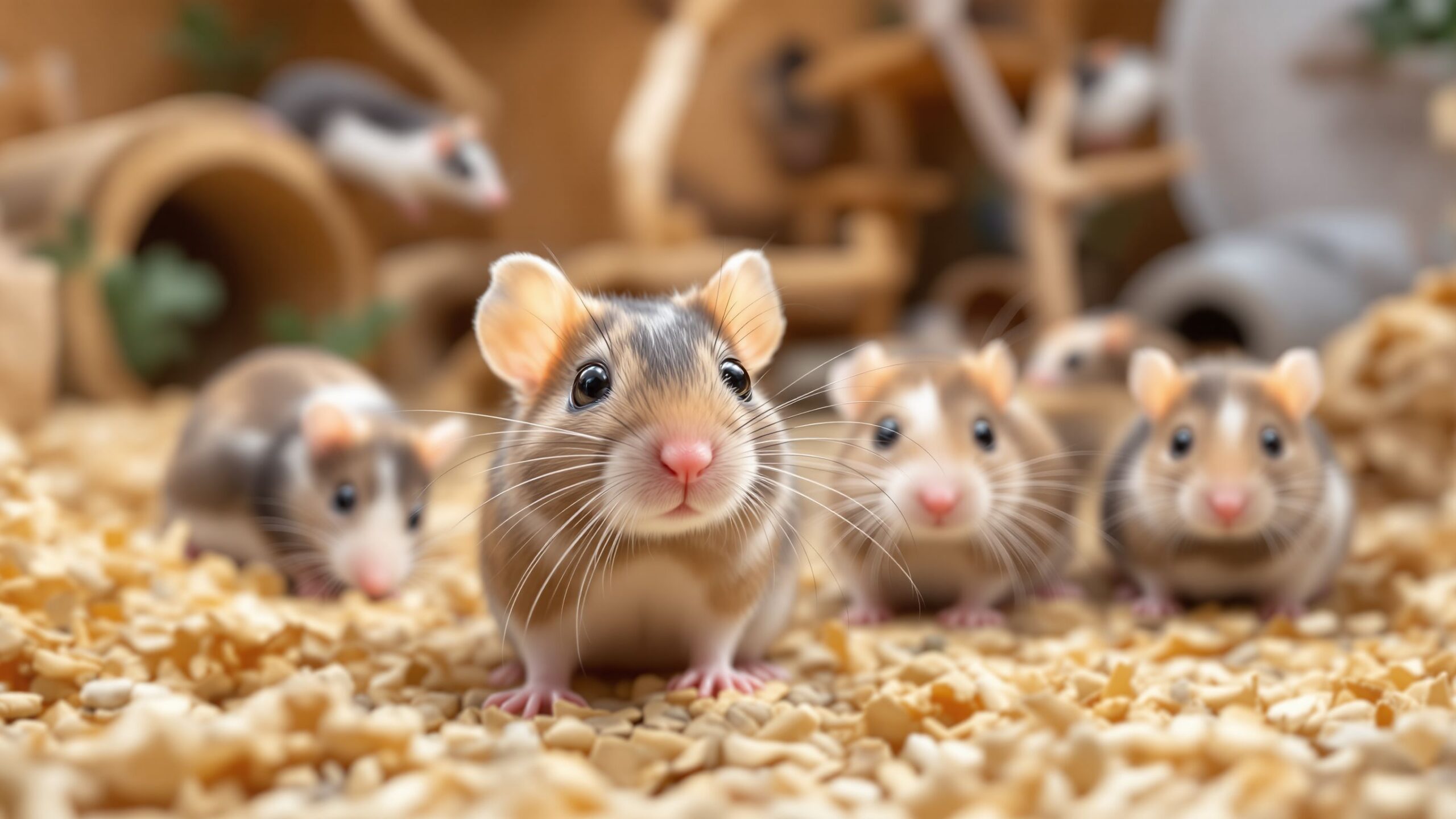
#7: Dwarf Hamster (Length: 2–4 in.; Weight: 0.7–2 oz.; Lifespan: About 1.5–3 Years)
Dwarf hamsters pack an extraordinary amount of energy into bodies that may be only a few inches long. Depending on the species, adults are commonly around 2 to 4 inches long and may weigh approximately 0.7 to 2 ounces. Their miniature size, round appearance, and quick movements make them incredibly appealing, but they also require a more delicate touch than larger Syrian hamsters. Several hamster species are commonly placed under the dwarf hamster label, including Campbell’s dwarf hamsters, winter white hamsters, and Roborovski hamsters. Chinese hamsters are also sometimes casually grouped with dwarf species even though they belong to a different genus and have a longer, more mouse-like body shape. Roborovski hamsters are particularly famous for speed. A tiny Roborovski can cross an enclosure so quickly that watching it feels more like watching a furry blur than a traditional pet. That speed makes them fantastic observation animals but sometimes more challenging for beginners who dream of long cuddle sessions. Their size creates one of the biggest misconceptions in hamster care: people assume a tiny animal needs a tiny habitat. Dwarf hamsters still need generous floor space, deep bedding, hiding areas, an appropriately sized wheel, opportunities to forage, and suitable chewing materials. Burrowing is a major natural behavior, and deep substrate allows them to create tunnels and nesting chambers. Sand bathing is another fascinating part of dwarf hamster care. Many enjoy rolling, digging, grooming, and kicking sand around a properly designed bath area. One of the most interesting historical and biological traits belongs to the winter white dwarf hamster. Wild individuals can become noticeably lighter during winter as seasonal changes influence the coat. This camouflage helped animals living in snowy environments blend into their surroundings. Captive lighting and selective breeding mean pet winter whites may not always show the dramatic transformation seen in nature, but the trait remains a fascinating reminder of their wild ancestry. Dwarf hamster social behavior can be confusing. Some sources historically described certain dwarf species as potentially social, but even littermates can develop aggression. Cohousing carries real risk, and many pet owners choose solitary housing as the safer option unless they have substantial species-specific experience. A peaceful pair one week can become incompatible later, so owners must be prepared to separate animals immediately if conflict develops. Dwarf hamsters are primarily active during evening and nighttime hours, although individuals may briefly wake at other times. Bonding should take place while the hamster is naturally awake rather than repeatedly disturbing daytime sleep. Taming usually begins with calm presence, treats, and an open hand placed inside the enclosure. The hamster can gradually learn to approach voluntarily. Because these animals are tiny and quick, handling close to a secure surface is essential. They should never be chased around the enclosure or squeezed. Dwarf hamsters rank seventh because their basic care can be beginner-friendly while their speed and fragility make interaction more challenging. They are perfect for someone who enjoys nighttime activity, burrow design, sand bathing, and watching tiny animals live surprisingly busy lives. They may be among the smallest mammals on the list, but they are definitely not lacking personality.
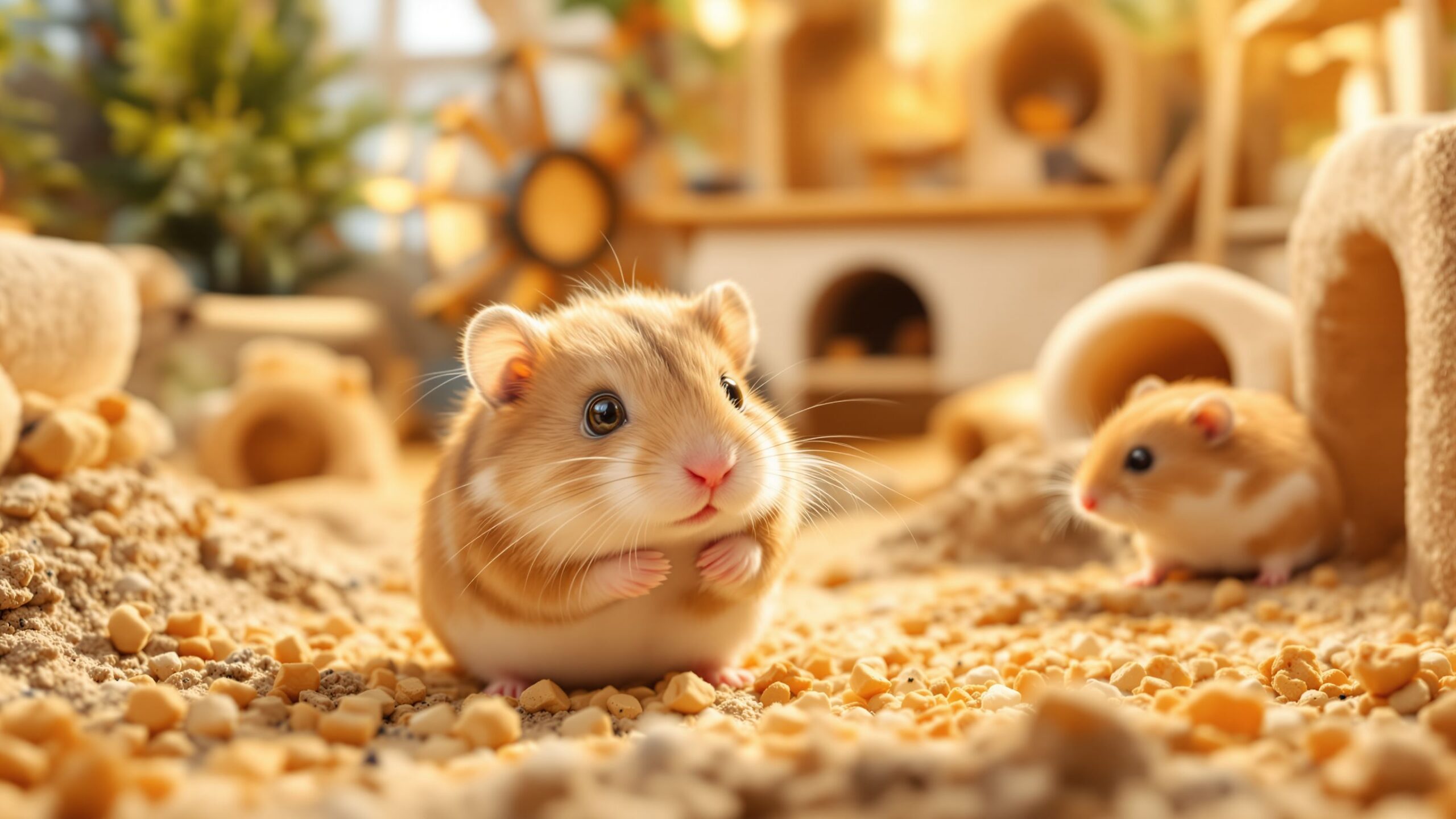
#8: Chinchilla (Body Length: 9–15 in., Excluding Tail; Weight: 1–1.5 lb.; Lifespan: About 10–20 Years)
Chinchillas look almost unreal. Their enormous rounded ears, expressive eyes, bushy tails, and famously dense fur give them the appearance of animated plush toys, yet their care is far more specialized than their cuddly appearance suggests. Adults generally have bodies around 9 to 15 inches long before the tail and often weigh around 1 to 1.5 pounds. Their lifespan can extend roughly 10 to 20 years, making them one of the longest commitments on this list. Chinchillas originated in the Andes Mountains of South America, where their dense fur helped protect them against cool, dry mountain conditions. Unfortunately, that luxurious coat also made wild chinchillas highly valuable in the fur trade, leading to severe historical population declines. Modern companion chinchillas are bred in captivity, while wild chinchilla conservation remains an important issue. Their famous fur is one of the densest among land mammals, with many fine hairs growing from each follicle. That remarkable adaptation explains one of the strangest parts of chinchilla care: dust baths. Instead of routine water bathing, chinchillas roll vigorously through fine species-appropriate dust, coating themselves as they twist and spin. Watching a chinchilla launch into a dust bath can be hilarious, but the behavior serves an important grooming purpose by helping remove excess oils and moisture from the dense coat. Traditional water baths are generally inappropriate because their fur dries very slowly and can trap moisture. Temperature control is another major requirement. Chinchillas are adapted to cool environments and can be extremely vulnerable to overheating. Homes in warm climates may need reliable air conditioning to maintain safe conditions. This single environmental requirement is enough to make chinchillas more complicated than guinea pigs or hamsters. Their teeth grow continuously, so a high-fiber diet based around suitable hay and appropriate chewing opportunities is essential. Their digestive systems are also sensitive, so sugary foods and random treats should be avoided. Chinchillas are energetic jumpers that benefit from spacious, tall enclosures offering movement and safe climbing opportunities. They can leap surprisingly high and may use platforms, ledges, and enrichment with impressive athleticism. Many are most active during evening and nighttime hours. Someone keeping a chinchilla in a bedroom may quickly discover that nighttime jumping and rearranging can be louder than expected. In terms of personality, chinchillas can become comfortable with people but are not automatically cuddly. Some enjoy climbing on their owners, accepting treats, or exploring during supervised interaction while disliking prolonged restraint. Their coat may make people want to squeeze them, but respectful handling is crucial. One fascinating fact is that a frightened chinchilla may release patches of fur in a defense known as fur slip. This can help a wild chinchilla escape from a predator’s grasp, but it means rough handling can cause noticeable coat loss. Their long lifespan is both an advantage and a responsibility. A chinchilla adopted by a teenager could still be alive many years into adulthood. Specialized veterinary care, temperature management, diet, housing, and long-term planning make them better for highly prepared beginners than casual owners. For someone willing to learn their unusual biology, however, chinchillas are one of the most fascinating mammals available as companions.
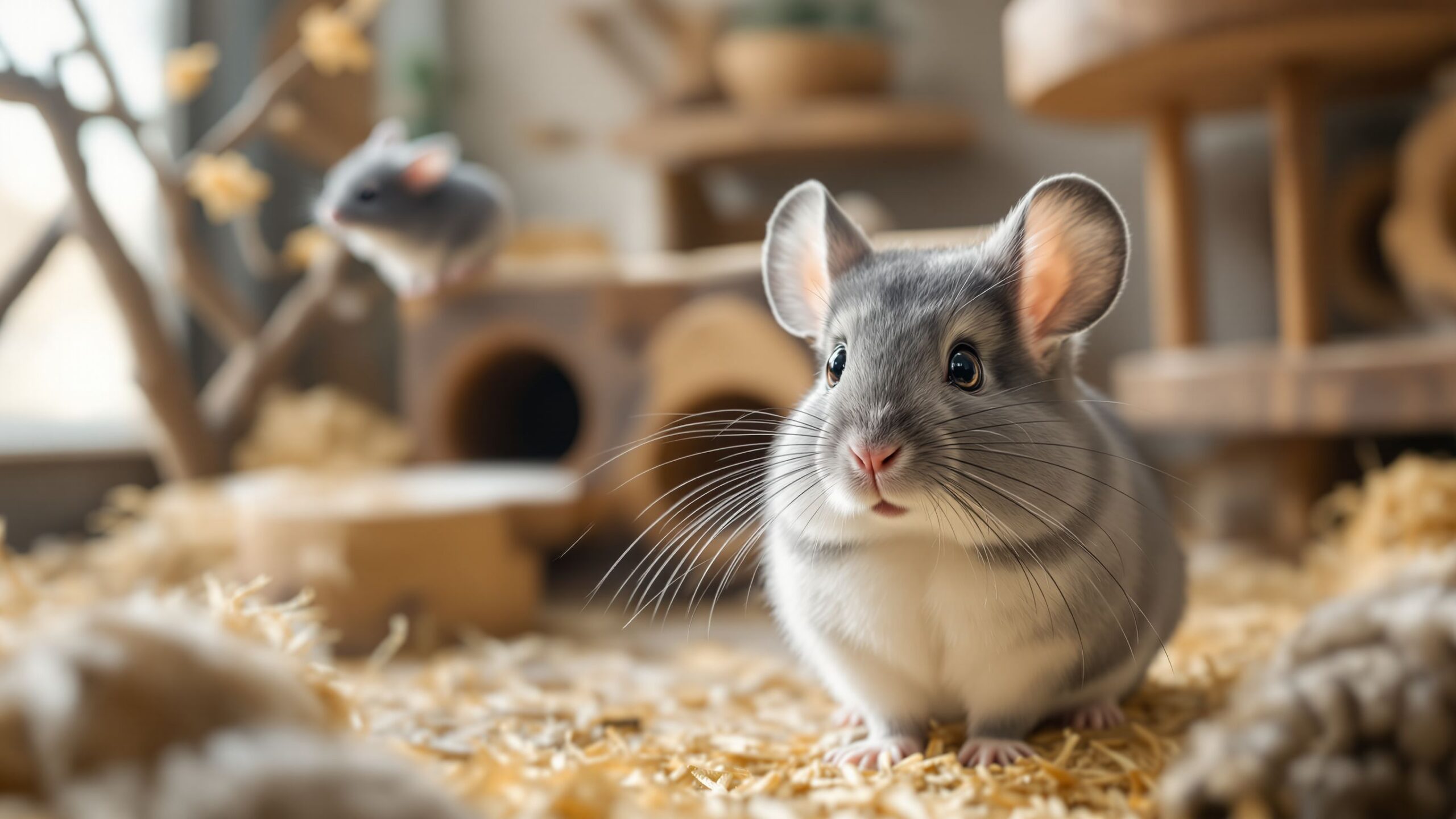
#9: Degu (Body Length: 5–8 in., Excluding Tail; Weight: 6–11 oz.; Lifespan: About 5–8 Years)
Degus remain one of the small-pet world’s best-kept secrets. Native to central Chile, these energetic rodents look somewhat like a cross between a gerbil, chinchilla, squirrel, and rat. Adults typically have bodies around 5 to 8 inches long before the tail and often weigh roughly 6 to 11 ounces. Their warm brown fur, rounded ears, expressive faces, long tails, and constant curiosity make them immediately appealing to people who encounter them. What makes degus especially interesting is their intelligence and highly social lifestyle. In the wild, they live in complex groups, and companion degus generally require compatible same-species companionship. Bonded animals may groom each other, sleep together, communicate through numerous vocalizations, explore as a group, and establish recognizable social relationships. Human interaction can become important, but another degu provides the kind of constant social contact people cannot duplicate. Degus are also excellent learners. With positive reinforcement, many can learn routines, step onto hands, enter carriers, respond to cues, and participate in simple training. This makes them especially appealing to owners who like the intelligence of pet rats but want a somewhat different species. Their teeth contain one of the most surprising hidden facts on this list. Healthy adult degu incisors are naturally yellow-orange rather than white. Iron-containing pigments in the enamel contribute to this coloration. A beginner unfamiliar with the species might assume orange teeth indicate poor hygiene, when they can actually be completely normal. Diet is one of the major reasons degus rank ninth rather than higher. They are particularly prone to problems with sugar metabolism and can develop diabetes, so sugary foods need to be severely limited. Fruit and sweet commercial treats that might appear harmless for another small mammal can be inappropriate for degus. Their everyday nutrition should be carefully designed around appropriate high-fiber foods. Housing is equally important. Degus need generous space for movement, climbing, digging, chewing, and foraging. They are extremely strong chewers and can destroy unsuitable plastic accessories rapidly. A large safe exercise wheel, chew materials, shelves, branches, tunnels, and other enrichment help keep them active. Like chinchillas, degus enjoy dust baths and may enthusiastically roll through suitable dust as part of normal coat maintenance. Their social life can create challenges because introductions need to be handled carefully. Unfamiliar degus may fight, and incompatible groups can require separation. This makes proper pairing and group management important. Veterinary care can also be harder to find because degus are less common than rabbits, hamsters, or guinea pigs. Prospective owners should locate an exotic-animal veterinarian familiar with the species before adoption. Historically and scientifically, degus have attracted attention because they are naturally diurnal compared with many small rodents, meaning they are often active during daylight hours. They have also been studied in research involving social behavior, metabolism, and age-related diseases. Their daytime activity can be a major advantage for people who want a small mammal that is awake when they are. Degus rank ninth because their diet, social needs, housing, and veterinary requirements demand more research than many beginner species. Still, an organized first-time owner who enjoys learning may find them incredibly rewarding. Their combination of intelligence, vocal communication, social behavior, and daytime activity makes them one of the most unique small mammals available.
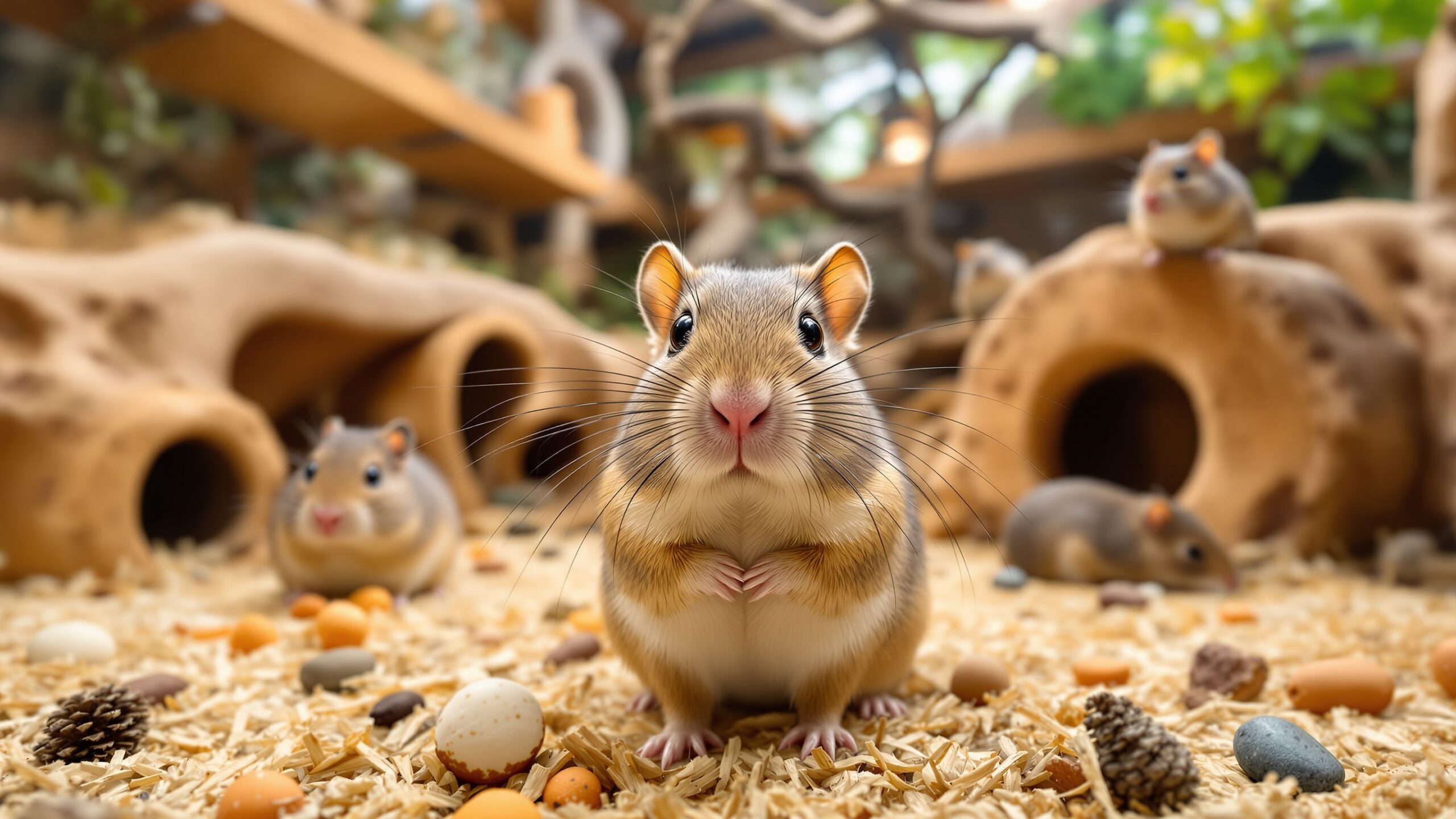
#10: African Pygmy Hedgehog (Length: 5–8 in.; Weight: 0.5–1.5 lb.; Lifespan: About 3–6 Years)
The African pygmy hedgehog rounds out the top 10 because it is one of the most distinctive small mammals a person can keep, but it also comes with specialized care requirements that make it better suited to a thoroughly prepared beginner. Adults generally measure around 5 to 8 inches long and commonly weigh approximately 0.5 to 1.5 pounds. Their pointed faces, tiny paws, round bodies, and thousands of protective spines make them look unlike nearly every other common household pet. Pet African pygmy hedgehogs are domesticated hybrids developed primarily from African hedgehog species rather than simply miniature versions of European hedgehogs. Their spines are modified hairs made largely from keratin, the same basic protein found in human hair and nails. Unlike porcupines, hedgehogs do not shoot their quills. Instead, they defend themselves by tightening specialized muscles and curling into a ball so the spines point outward. A nervous hedgehog can transform from an adorable face into what looks like a tightly closed pincushion within seconds. That defense explains why bonding often requires patience. A new hedgehog may huff, pop, twitch, or curl up when approached. Consistent gentle interaction can teach many individuals that humans are safe, but owners should not expect immediate cuddling. One of the strangest behaviors in the entire small-mammal world is hedgehog self-anointing. When encountering certain unfamiliar smells or tastes, a hedgehog may produce foamy saliva, contort its body into an almost impossible position, and spread the foam across its spines. The exact function is still not completely understood. The first time an owner witnesses self-anointing, it can look so bizarre that they assume something is medically wrong. Hedgehogs are generally solitary and are typically housed individually, simplifying social management compared with rats, guinea pigs, or degus. Their temperature requirements, however, add complexity. African pygmy hedgehogs need an appropriately warm, stable environment, and temperatures that become too low can trigger dangerous physiological responses. Proper heating equipment and temperature monitoring may therefore be necessary depending on the home. They are also primarily nocturnal and may spend much of the day sleeping before becoming surprisingly active at night. A properly sized solid-surface wheel is an essential form of exercise because hedgehogs can cover significant distances during nighttime activity. Owners are sometimes astonished by how much running such a round little animal can accomplish. Their diet requires careful planning because obesity can occur when calorie intake exceeds activity. Veterinary care should come from an exotic-animal veterinarian familiar with hedgehogs. Another major consideration is legality. Hedgehog ownership is restricted in certain states, cities, and jurisdictions, so checking local regulations before adoption is essential. Their lifespan of roughly 3 to 6 years is longer than that of some hamsters but shorter than rabbits or chinchillas. Hedgehogs rank tenth because their environmental requirements, nocturnal lifestyle, specialized diet, veterinary needs, and legal restrictions make them more complicated than the animals at the top of the list. Yet for someone willing to provide the right setup, they can be fascinating companions. There is something uniquely rewarding about watching a once-defensive ball of spines slowly uncurl, sniff your hand, begin exploring, and eventually decide that the giant human nearby is not a threat after all.
Conclusion
The best small mammal for a beginner depends on far more than which animal looks cutest in a photograph. Guinea pigs take the top position because they combine visible social behavior, manageable handling, entertaining vocalizations, and relatively approachable care when owners provide enough space and appropriate companionship. Fancy rats follow closely because of their remarkable intelligence and potential for interaction, while Syrian hamsters are excellent for people who prefer a solitary animal and enjoy nighttime activity. Gerbils are perfect for anyone fascinated by burrowing and social behavior, while rabbits offer a deeper, longer-term relationship for owners prepared to provide substantial room and commitment. Fancy mice and dwarf hamsters prove that tiny animals can still have enormous personalities, although their speed and delicate bodies demand careful handling. Chinchillas offer unforgettable fur, impressive athleticism, and a potentially decades-long commitment, while degus reward knowledgeable owners with intelligence, daytime activity, and complex social lives. African pygmy hedgehogs complete the list as unusual solitary companions that require more specialized environmental planning. Before choosing any small mammal, investigate its lifespan, housing requirements, diet, social needs, veterinary care, natural activity schedule, and total cost. Prepare the complete habitat before bringing the animal home rather than relying on a temporary starter cage. Most importantly, remember that “small pet” never means small responsibility. Every animal on this list has instincts, preferences, routines, health needs, and a complete lifetime dependent on the person who brings it home. Match the right species with the right household, provide thoughtful lifelong care, and that tiny new companion may quickly become one of the biggest personalities in your home.