

Saltwater Fish Species is your gateway to the living color, motion, and mystery of the world’s oceans. From dazzling reef dwellers flashing neon blues and fiery oranges to powerful open-water predators built for speed, saltwater fish display some of nature’s most extraordinary adaptations. This collection explores the immense diversity of marine life, spotlighting iconic species, rare finds, and misunderstood fish that play vital roles beneath the waves. You’ll dive into habitat profiles, behavior patterns, feeding strategies, and reef relationships that shape coral ecosystems and ocean food chains alike. Whether you’re an aquarium enthusiast planning a marine tank, a diver eager to identify what swims past your mask, or a curious reader drawn to ocean life, these articles are designed to educate and inspire. Expect clear guides, fascinating facts, conservation insights, and stunning species stories from shallow lagoons to the deep blue. Every page invites you to look closer, learn deeper, and appreciate the remarkable fish that keep our seas alive for beginners, experts, families, classrooms, and anyone who loves the ocean and its endless wonders.
A: Captive-bred clownfish, many gobies, firefish, and some blennies are popular starter picks.
A: Sometimes—use tank size, rockwork, and careful stocking order to reduce bullying.
A: It’s strongly recommended; quarantine is the best way to prevent parasites from reaching your display tank.
A: Common causes include stress, new-tank nerves, poor water quality, and harassment from tankmates.
A: Add a tight lid or mesh top, reduce sudden light changes, and provide secure hiding spots.
A: Many species are fine, but some wrasses, hawkfish, and triggers may prey on inverts—research species behavior.
A: Most do well with 1–2 feedings daily; some (like anthias) may need smaller, more frequent meals.
A: Many tang species need long tanks due to constant swimming—smaller tanks often lead to stress and aggression.
A: Add the most peaceful fish first, then semi-aggressive species later, and avoid adding multiple territorial fish at once.
A: The fish may behave in a reef tank, but could nip corals/inverts depending on the individual and feeding routine.
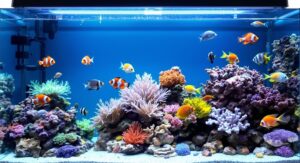
Top 10 Saltwater Fish for Beginners
Starting a saltwater aquarium feels like opening the door to an entirely different world. Bright colors, graceful swimming patterns, living coral landscapes, and the peaceful rhythm of a marine tank create something truly mesmerizing inside your home. For many new aquarium hobbyists, however, the idea of keeping saltwater fish can feel intimidating. Marine tanks are often seen as complicated, expensive, and difficult to maintain. The truth is that success often