

Fish Tank Activities & Enrichment is your gateway to creating an aquarium that does more than just look beautiful—it comes alive with curiosity, stimulation, and natural behavior. This category explores the exciting world of mental and physical enrichment for fish, showing you how even small additions can transform a tank into a dynamic environment where your aquatic pets stay active, engaged, and emotionally healthy. From clever tank layouts to interactive feeding techniques, enrichment turns everyday care into an adventure. Here, you’ll discover how enrichment encourages natural instincts like foraging, exploring, hiding, and problem-solving. You’ll learn why fish benefit from changing scenery, rotating décor, varied diets, and safe challenges that mimic life in the wild. Whether you keep shy bottom dwellers, energetic schooling fish, or clever labyrinth species, enrichment helps every fish thrive with confidence and reduced stress. Fish Tank Activities & Enrichment isn’t just fun—it’s essential. These articles guide you in designing a stimulating underwater world that supports vibrant colors, improved health, and happier, more expressive fish. When you enrich their world, you enrich yours too.
A: Small changes every week or two work well—enough variety to stay interesting, but not constant upheaval.
A: Only if they’re aquarium-safe, non-metallic, non-toxic, and thoroughly cleaned—when in doubt, skip them.
A: Very limited, supervised use can be fine for some species, but constant mirror exposure can cause stress.
A: Yes—though the type and intensity should match their species, temperament, and tank size.
A: Watch for frantic darting, constant hiding, faded color, or refusal to eat after changes.
A: No—enrichment is a bonus layer on top of correct husbandry, not a fix for poor conditions.
A: Some fish tolerate them, but many prefer more natural tones and shaded areas—watch their behavior as a guide.
A: Limit deep rearranging to maintenance days; frequent big changes can unsettle territory-focused species.
A: Absolutely—extra hiding spots and gentle layout tweaks can help them feel safe enough to explore.
A: Start with more varied hardscape and hiding spots, then add simple feeding and flow-based activities over time.

Top 10 Fish Tank Activities to Keep Freshwater Fish Happy and Active
Freshwater fish need more than food and clean water to thrive. Explore the best fish tank activities and enrichment ideas to keep aquarium fish active, curious, and healthy.
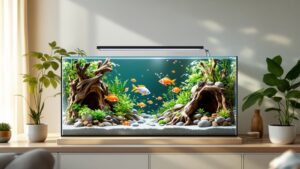
How to Enrich a Freshwater Fish Tank Without Stressing Your Fish
Freshwater fish need stimulation, but too much change can cause stress. Learn how to safely enrich your aquarium with plants, hiding spaces, and natural fish activities.
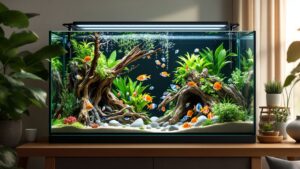
Fish Tank Enrichment Ideas Every Beginner Should Try
Fish need more than food and clean water to thrive. Explore easy fish tank enrichment ideas that help beginner aquarium owners create happier, healthier freshwater tanks.