

Fish Adoption & Rescue is where compassion meets aquatic stewardship, guiding aquarists who want to make a meaningful difference in the lives of fish in need. This category opens the door to a world where re-homing, rescue, and species conservation come together—proving that every aquarium has the power to become a safe haven. Whether you’re offering a second chance to abandoned goldfish, rehabilitating stressed bettas from poor conditions, or helping rehome oversized species that outgrew their tanks, this space shows you how impactful responsible care can truly be. Here, you’ll explore the realities of the aquarium rescue community: identifying neglect, rebuilding trust through proper care, and preparing stable long-term homes for fish with challenging histories. You’ll also dive into conservation-minded practices, from choosing sustainable species to supporting captive-breeding programs that protect wild populations. Fish Adoption & Rescue isn’t just about taking in new fish—it’s about advocating for their future. With each article, you’ll gain the knowledge to make compassionate choices, guide others in responsible fishkeeping, and become a guardian for aquatic lives that depend on second chances and dedicated care.
A: Check local rescues, aquarium clubs, online re-homing groups, and community boards for fish needing homes.
A: Make sure you have a cycled tank, appropriate space, basic gear, and time to handle potential health issues.
A: You can, but be prepared for extra care, quarantine, and possible vet or medication costs.
A: Be honest about size, behavior, and health; use reputable groups or local clubs—not wild release.
A: No—released fish can become invasive, spread disease, and harm native wildlife.
A: Choose captive-bred fish when possible, support conservation groups, and avoid buying endangered species.
A: Not always, but research is essential; some fisheries are sustainable while others are very damaging.
A: Ask about age, size, behavior, tank history, water parameters, and any known illnesses or treatments.
A: Yes, if they start with hardy species, get guidance, and are ready to learn quickly.
A: Share accurate care guides, talk about your rescue stories, and gently correct myths in hobby spaces.
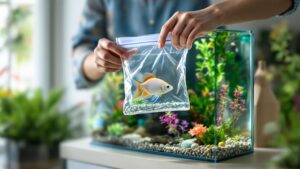
How to Rehome a Pet Fish Responsibly Without Stressing It Out
Rehoming a pet fish takes more than handing it to someone new. Learn how to reduce stress, choose the right home, and protect your fish’s health during the move.

Freshwater Fish Rescue Guide: How to Save and Rehome Aquarium Fish
Rescuing and rehoming freshwater fish takes patience and proper care. Learn how to protect aquarium fish, find the right home, and make the transition stress-free.

Where to Surrender Pet Fish Near You: A Complete Owner’s Guide
Need to surrender a pet fish? Learn the safest places to rehome aquarium fish, from local fish stores to rescue groups, and how to make the process stress-free.