

Saltwater Fish Adoption & Rescue is about giving marine pets a second chance and creating thoughtful, lasting homes for fish in need. From hobbyists rehoming fish due to life changes to rescues stepping in when aquariums can no longer be maintained, adoption plays an important role in responsible saltwater fish keeping. Welcoming a rescued saltwater fish means understanding its history, respecting its needs, and offering patience as it adjusts to a new environment. Some fish may arrive stressed, undernourished, or unfamiliar with stable care, making calm routines, proper nutrition, and excellent water quality essential during the transition. Adoption also encourages mindful ownership by reducing impulse purchases and supporting sustainable aquarium practices. This collection explores how to prepare your tank for an adopted fish, what questions to ask before rehoming, and how to support recovery and long-term wellness. Whether you’re adopting from a local hobbyist, aquarium shop, or marine rescue effort, these guides help you turn compassion into action—building safe, healthy, and loving homes for saltwater fish that deserve a fresh start.
A: Local hobbyist groups, reef clubs, rehoming posts, some stores, and occasional rescue networks.
A: Yes—assume unknown history. QT protects your display from parasites and gives the fish a calm recovery space.
A: Commonly 2–6 weeks depending on symptoms, species, and your treatment/observation plan.
A: Tank size, diet, aggression notes, disease history, how long they’ve owned it, and why it’s being rehomed.
A: Reduce stress (dim light, hiding spots), offer variety, and keep water stable; appetite often returns as it settles.
A: Not recommended—rescues need stable, cycled water. A cycled QT is a safer starting point.
A: After QT, use an acclimation box and add during low light; watch community behavior closely for a week.
A: Don’t adopt it. Choose fish you can house for its full adult size and behavior needs.
A: Sometimes—but stress and unknown history can also mean hidden issues. Treat them as high-priority care cases.
A: If it’s not thriving or is incompatible—finding the right home is still a rescue success.
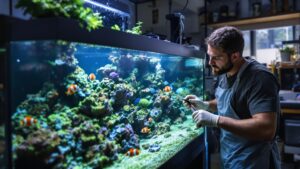
How to Rescue a Neglected Saltwater Aquarium Safely
A neglected saltwater aquarium can recover with the right approach. Discover how to safely restore fish health, water quality, and reef tank balance without causing more stress.
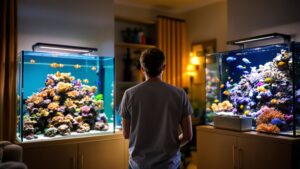
Saltwater Fish Adoption vs Buying: Which Is Better for Your Tank?
Should you adopt or buy saltwater fish for your aquarium? Learn the pros, risks, and best choices for building a healthy and responsible marine tank.
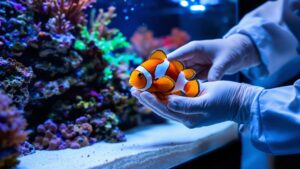
How to Take in an Abandoned Clownfish and Help It Thrive
Rescuing an abandoned clownfish takes patience and planning. Discover how to safely rehome, quarantine, and help your clownfish recover in a stable reef tank.