

Fish with Jobs explores the incredible ways aquatic animals enrich human lives beyond the home aquarium, revealing their surprising roles in science, education, therapy, and conservation. This category shines a spotlight on the hardworking fish that help teach biology in classrooms, soothe emotions in therapy tanks, and inspire millions in public aquariums around the world. These aren’t just fish—they’re ambassadors, educators, and silent partners in some of the most meaningful human experiences. Here, you’ll dive into the fascinating world of how fish support scientific research, from behavioral studies to environmental monitoring. You’ll discover how therapeutic aquariums bring calmness to hospitals, counseling offices, and care facilities, providing comfort simply through their presence. You’ll also explore the behind-the-scenes magic of public aquariums, where professional caretakers work alongside remarkable species to spark curiosity, protect ecosystems, and encourage future conservationists. Fish with Jobs celebrates purpose, connection, and the often-overlooked impact fish have on our world. With each article, you’ll gain a deeper appreciation for these extraordinary aquatic partners and the valuable roles they quietly play every single day.
A: They can be, if their tanks are properly sized, well-maintained, and designed around their specific needs.
A: Peaceful, hardy fish that tolerate stable room conditions and gentle activity nearby are ideal.
A: Yes, but focus on fish welfare first: proper cycling, stocking, and maintenance come before the relaxing vibes.
A: Good facilities provide enrichment like varied foods, changing flow, and complex habitats to keep them engaged.
A: Absolutely—under adult supervision, they can feed, test water, log data, and learn responsibility.
A: Look for clean tanks, active fish, clear educational signage, and staff willing to answer care questions.
A: Ethical labs follow strict welfare protocols and oversight; ask about their standards if information is available.
A: Yes—photos, videos, classroom visits, or virtual tours can turn your tank into a mini teaching tool.
A: Donate to reputable aquariums, volunteer, share accurate info, or help local schools set up responsible tanks.
A: Not necessarily—when cared for properly, many live normal or even longer lives thanks to expert support.
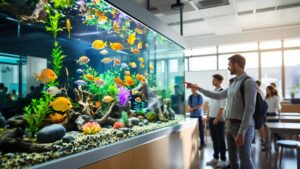
Top 10 Freshwater Fish Used in Science Classrooms and School Aquariums
School aquariums make science more exciting and hands-on. Explore the best freshwater fish for classrooms, from hardy beginners’ species to educational favorites for students.

How Therapy Fish Tanks Help Reduce Stress and Improve Mental Health
Therapy fish tanks do more than decorate a room. Learn how watching aquarium fish can reduce stress, improve focus, and create a calming space for better mental health.
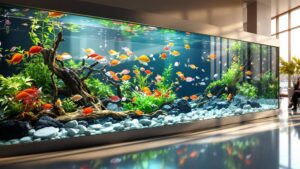
The Best Freshwater Fish for Office Therapy Tanks and Waiting Rooms
Office therapy tanks and waiting room aquariums create calm and comfort. Explore the best freshwater fish species for peaceful, low-stress, and visually relaxing aquarium spaces.