

The Reptile & Amphibian Species hub is your gateway to the astonishing diversity of the herp world—a living library of creatures that have evolved into some of the most captivating forms on Earth. Here, you’ll meet animals that shimmer like gemstones, climb with effortless grace, breathe underwater, blend into forests, glow with impossible colors, and move with ancient rhythms shaped over millions of years. Each species profile brings you closer to understanding these remarkable animals, exploring their natural habitats, instincts, dietary needs, behaviors, and the environmental conditions that allow them to thrive. Whether you’re fascinated by geckos with velvety feet, tree frogs that dance across leaves, snakes that navigate through sand like flowing water, or salamanders with otherworldly patterns, every creature here has a story to tell. This page helps keepers, hobbyists, and wildlife enthusiasts discover new species, compare traits, and dive deeper into the ecosystems that shaped them. Step inside and explore a world where evolution becomes art, survival becomes brilliance, and every species reveals something extraordinary.
A: Over millions of years, populations adapted to different climates, habitats, and food sources, branching into new species through evolution.
A: Not always. Many are, but some harmless species mimic dangerous ones with similar colors as a protective strategy.
A: They compare details like scale patterns, bone structure, genetics, calls, and exact distribution ranges to distinguish closely related species.
A: Isolation limits gene flow; over time, populations evolve unique traits, becoming distinct species with very small native ranges.
A: No. Some species grow too large, have specialized diets, or need complex habitats that make them poor choices for captivity.
A: Field guides, reputable care sheets, and herpetology references list species by their Latin binomial names alongside common names.
A: Endemic species are native to and found only in a specific area, such as a single country, island group, or ecosystem.
A: Sometimes, yes—many share overlapping ranges, but they often use different microhabitats, diets, or activity times to reduce competition.
A: Even with similar body shapes, species may have evolved different hunting strategies, social behaviors, or reproductive cycles.
A: Support habitat conservation, avoid wild-caught pets from sensitive species, learn local laws, and share accurate information about herps with others.
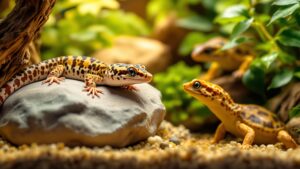
Top 10 Reptiles for Beginners
Looking for the perfect beginner reptile? Explore the top 10 reptiles for beginners, from leopard geckos and corn snakes to bearded dragons and tortoises. This complete guide covers easy-care reptiles that are friendly, manageable, and ideal for first-time reptile owners.