
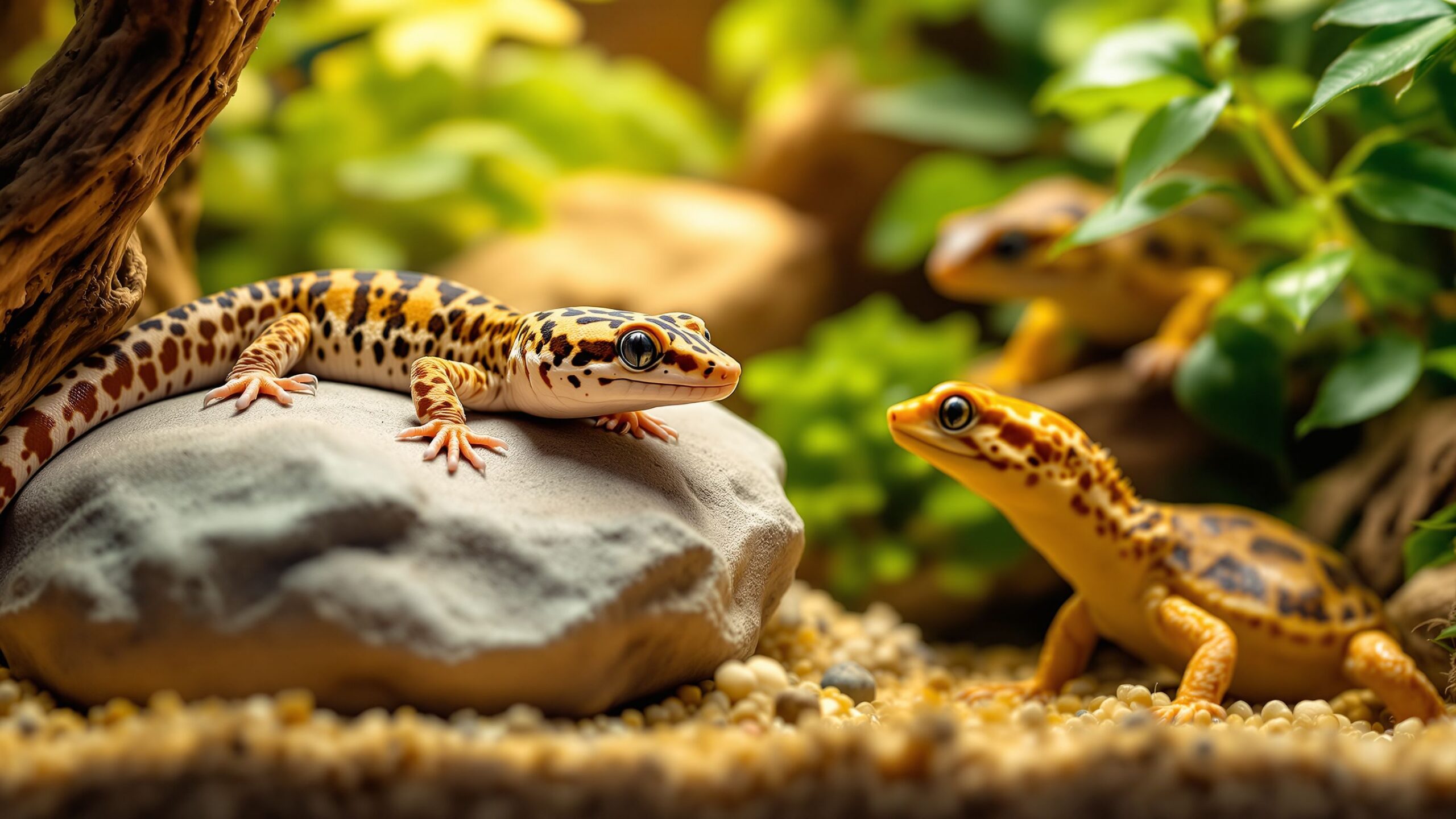
Reptiles have become some of the most exciting and rewarding pets in the modern world. Their fascinating behaviors, prehistoric appearances, colorful scales, and calm personalities attract millions of reptile enthusiasts every year. For beginners, reptiles offer a unique alternative to traditional pets because many species are quiet, relatively low-maintenance, and incredibly enjoyable to observe. Whether someone dreams of owning a tiny gecko, a gentle snake, or a relaxed tortoise basking under warm lights, the reptile world is filled with beginner-friendly species that make fantastic first pets.
Choosing the right reptile is one of the most important decisions a new reptile owner can make. Some reptiles require advanced care, extremely precise humidity levels, large custom enclosures, or highly specialized diets that can overwhelm inexperienced keepers. Other species are much more forgiving and easier to manage, making them ideal for first-time reptile owners learning the basics of reptile care. Beginner reptiles are typically calm, manageable in size, tolerant of handling, and able to thrive in practical home enclosures.
The reptile hobby has grown enormously over the past decade. Better terrarium technology, improved lighting systems, and more accessible reptile care information have helped reptiles live healthier and longer lives in captivity. Today’s beginner reptile keepers have access to high-quality habitats, heating equipment, nutritional supplements, and expert guidance that make reptile ownership easier than ever before.
This guide explores ten of the best reptiles for beginners. Each species offers unique appearances, personalities, and care styles that allow future reptile owners to discover which reptile best fits their lifestyle. From friendly bearded dragons to peaceful geckos and calm snakes, these reptiles represent some of the safest and most rewarding introductions to the reptile world.
A: Leopard geckos, corn snakes, and crested geckos are often top choices because their care is manageable and their setups are not overly complicated.
A: Yes, but they need more space, UVB lighting, fresh vegetables, insects, and consistent heat than many smaller reptiles.
A: Crested geckos are very beginner-friendly because they can eat a prepared powdered diet mixed with water.
A: Corn snakes, rosy boas, and ball pythons are common beginner options when purchased captive-bred and housed correctly.
A: Some tolerate handling well, but most reptiles prefer gentle, short sessions instead of constant attention.
A: The animal may be affordable, but the enclosure, heating, lighting, thermostat, food, and vet care can add up quickly.
A: Not all reptiles require the same level of UVB, but many lizards and tortoises benefit from or require proper UVB lighting.
A: Yes, with adult supervision, careful hygiene, and an understanding that reptiles are delicate and not cuddly toys.
A: Look for clear eyes, steady movement, healthy weight, clean skin, normal breathing, and interest in food once settled.
A: A reputable captive breeder or rescue is often best because they can provide age, feeding history, care details, and health background.
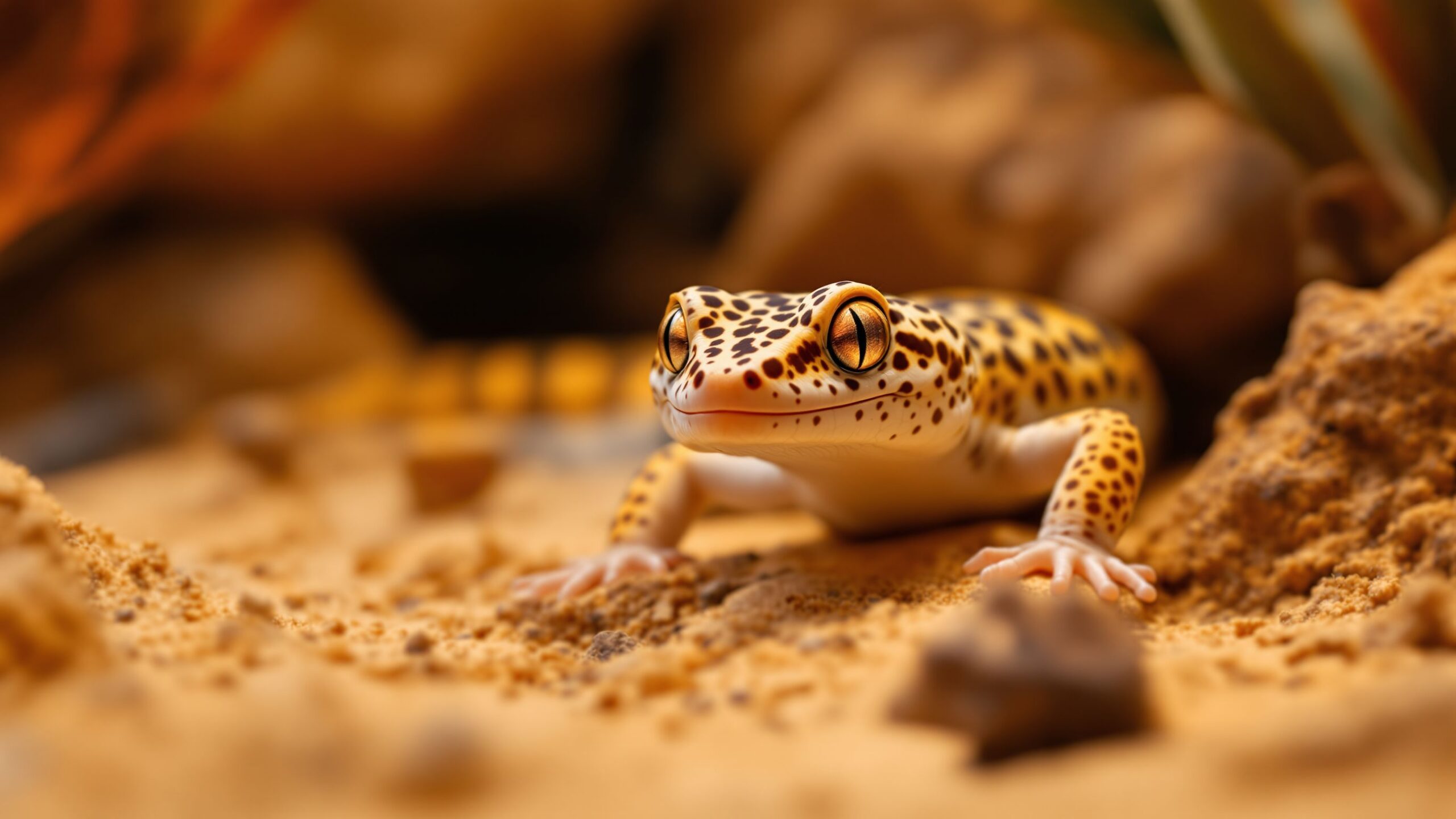
Leopard Gecko
The leopard gecko is often considered the ultimate beginner reptile. Native to dry regions of Afghanistan, Pakistan, and India, these small nocturnal lizards are famous for their spotted patterns, expressive faces, and calm personalities. Leopard geckos have remained one of the most popular pet reptiles for decades because they are hardy, easy to care for, and highly forgiving of beginner mistakes.
One of the biggest advantages of leopard geckos is their simple habitat setup. Unlike tropical reptiles that require complicated humidity systems, leopard geckos thrive in dry terrariums with proper heating, hiding spots, and clean substrate. Their smaller size also makes them ideal for apartments and homes with limited space.
Leopard geckos eat insects such as crickets, mealworms, and dubia roaches. Watching them hunt can quickly become one of the most entertaining parts of reptile ownership. Their feeding routine is simple, and most leopard geckos become reliable eaters once comfortable in their environment.
Their calm personality is another reason they are perfect for beginners. Leopard geckos usually tolerate handling very well once they trust their owners. Their slower movements and relaxed behavior make them far less intimidating than many larger reptiles. With proper care, leopard geckos can live fifteen to twenty years, making them long-term companions that grow alongside their owners.
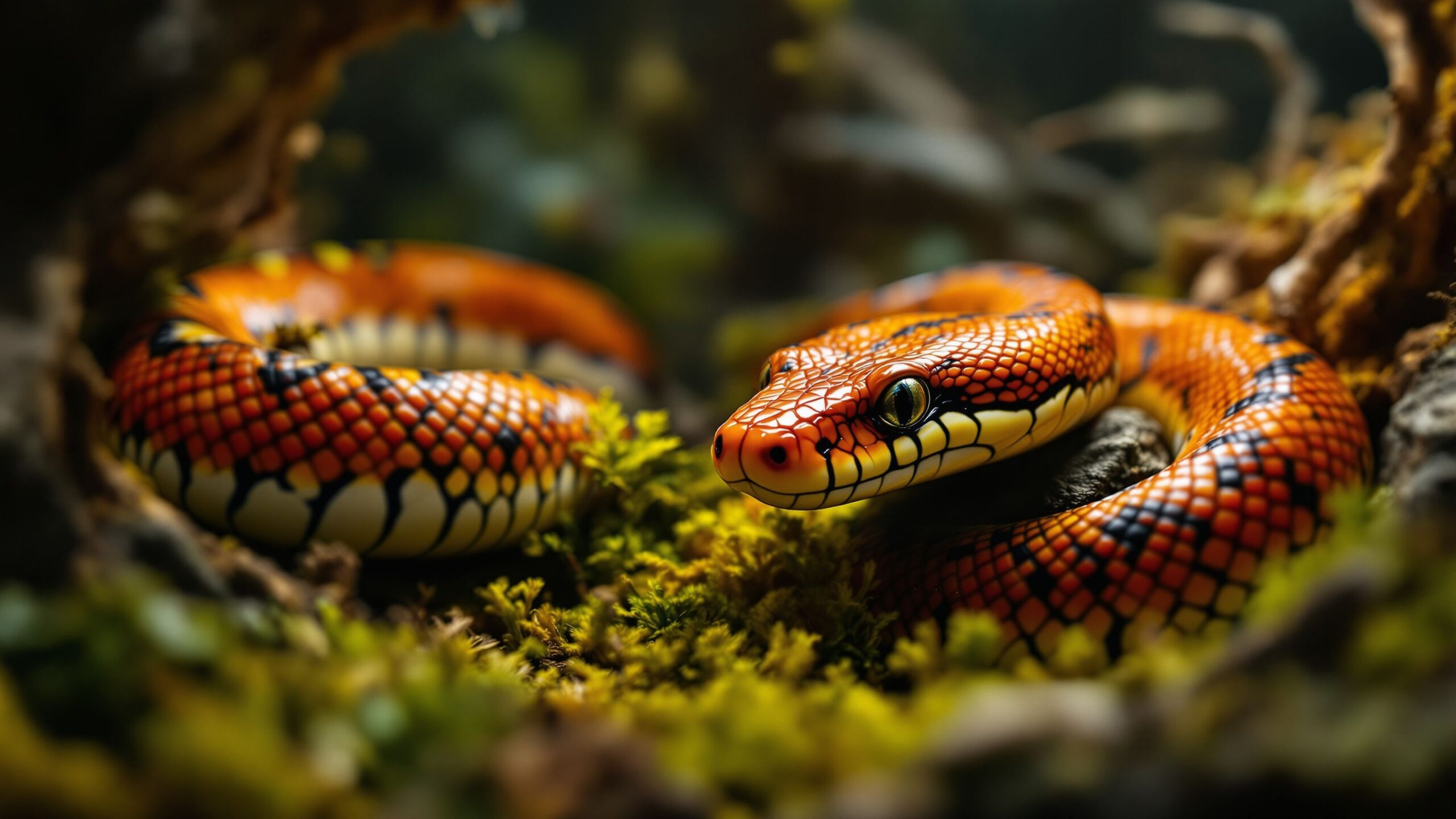
Corn Snake
Corn snakes are widely viewed as one of the best beginner snakes available. These beautiful snakes are known for their colorful patterns, gentle behavior, and easy care requirements. Native to North America, corn snakes have become one of the most recommended reptiles for first-time snake owners because they are manageable, calm, and easy to feed.
Corn snakes usually grow between three and five feet long, making them impressive without becoming difficult to handle. Their calm nature allows beginners to become comfortable with snake handling relatively quickly. Unlike some defensive snake species, corn snakes are generally curious and tolerant.
Feeding corn snakes is straightforward because they usually eat frozen-thawed mice with little trouble. Their feeding schedule is also very manageable since adult snakes only eat every several days. Compared to mammals that require constant feeding and attention, corn snakes are surprisingly low-maintenance pets.
Corn snakes also have relatively simple enclosure requirements. A secure terrarium with proper heating, hiding areas, climbing opportunities, and fresh water is usually enough to keep them healthy. Since they are excellent escape artists, beginners quickly learn the importance of maintaining secure enclosures.
Another reason corn snakes are so popular is the incredible variety of color morphs available today. Bright orange, red, lavender, white, and striped variations give beginners endless options when choosing their first snake.
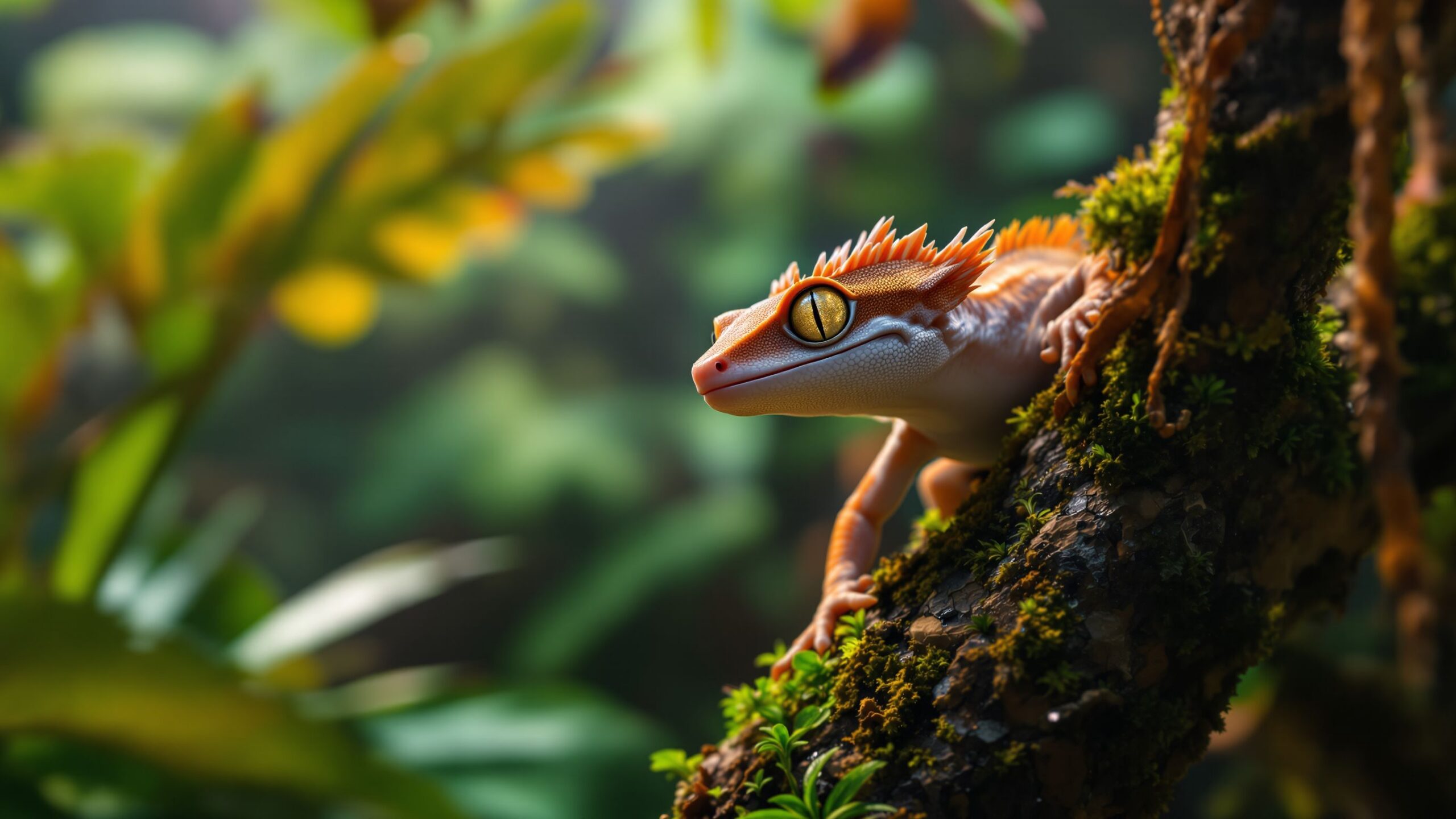
Crested Gecko
Crested geckos have become one of the fastest-growing reptiles in the pet industry. Native to New Caledonia, these tropical geckos are famous for their huge eyes, climbing abilities, and crest-like ridges above their heads that give them a permanently expressive appearance. Their easy care and adorable looks make them ideal beginner reptiles.
One of the biggest advantages of crested geckos is their convenient diet. Unlike many reptiles that rely heavily on insects, crested geckos can thrive on specially formulated powdered diets mixed with water. Insects can still be offered occasionally for enrichment, but their primary diet remains simple and beginner-friendly.
Crested geckos are arboreal reptiles that love climbing branches, vines, and plants. Their enclosures often become beautiful tropical displays filled with greenery and vertical climbing structures. This makes them especially appealing for reptile keepers who enjoy creating natural-looking habitats.
Their personality is another major advantage. Crested geckos are generally calm and tolerate handling reasonably well after becoming comfortable with people. However, they can jump suddenly, so gentle handling is important.
Unlike reptiles that require intense basking temperatures, crested geckos often thrive at moderate room temperatures in many homes. Their manageable care requirements and unique appearance make them one of the best reptiles for beginners interested in tropical species.
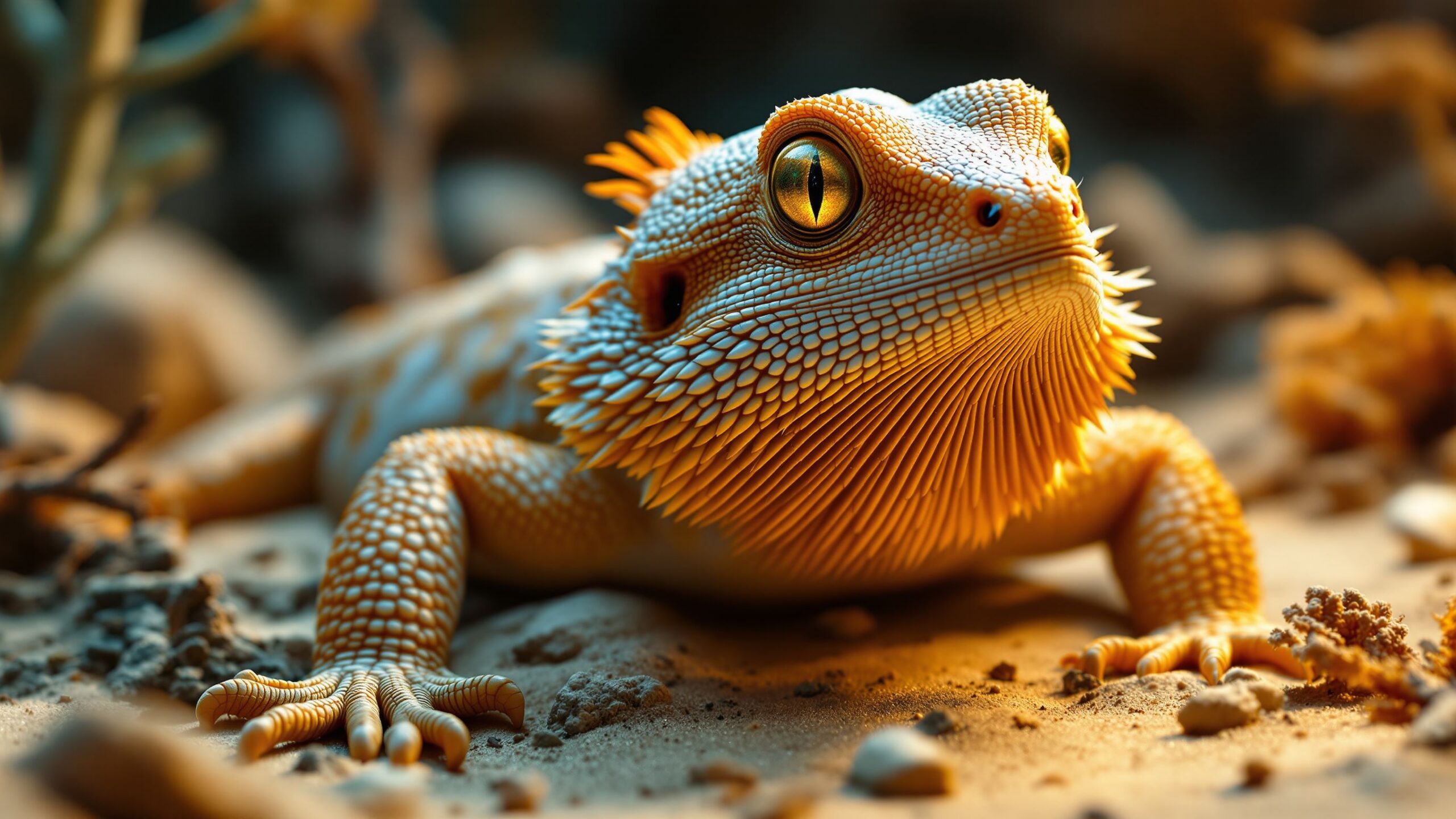
Bearded Dragon
Few reptiles are as popular as the bearded dragon. Native to Australia, these medium-sized lizards are famous for their relaxed behavior, outgoing personalities, and surprisingly interactive nature. Many reptile enthusiasts describe bearded dragons as some of the most personable reptiles available.
Bearded dragons are excellent beginner reptiles because they are usually friendly and easy to handle. Unlike shy reptiles that spend most of their time hiding, beardies are often active during the day and enjoy observing their surroundings. Some even appear to recognize feeding routines and familiar people.
Their diet includes leafy greens, vegetables, and insects, creating a balanced feeding routine that beginners can learn fairly quickly. Young dragons require more insects for growth, while adults consume larger amounts of plant matter.
Proper UVB lighting and heating are essential for bearded dragons. While their habitat setup is slightly more advanced than some beginner reptiles, many first-time owners succeed easily with proper preparation and research.
Bearded dragons are also known for their fascinating body language. Head bobbing, arm waving, and beard puffing all add personality and excitement to reptile ownership. Their intelligence, calmness, and visible behaviors make them one of the most rewarding beginner reptiles available.
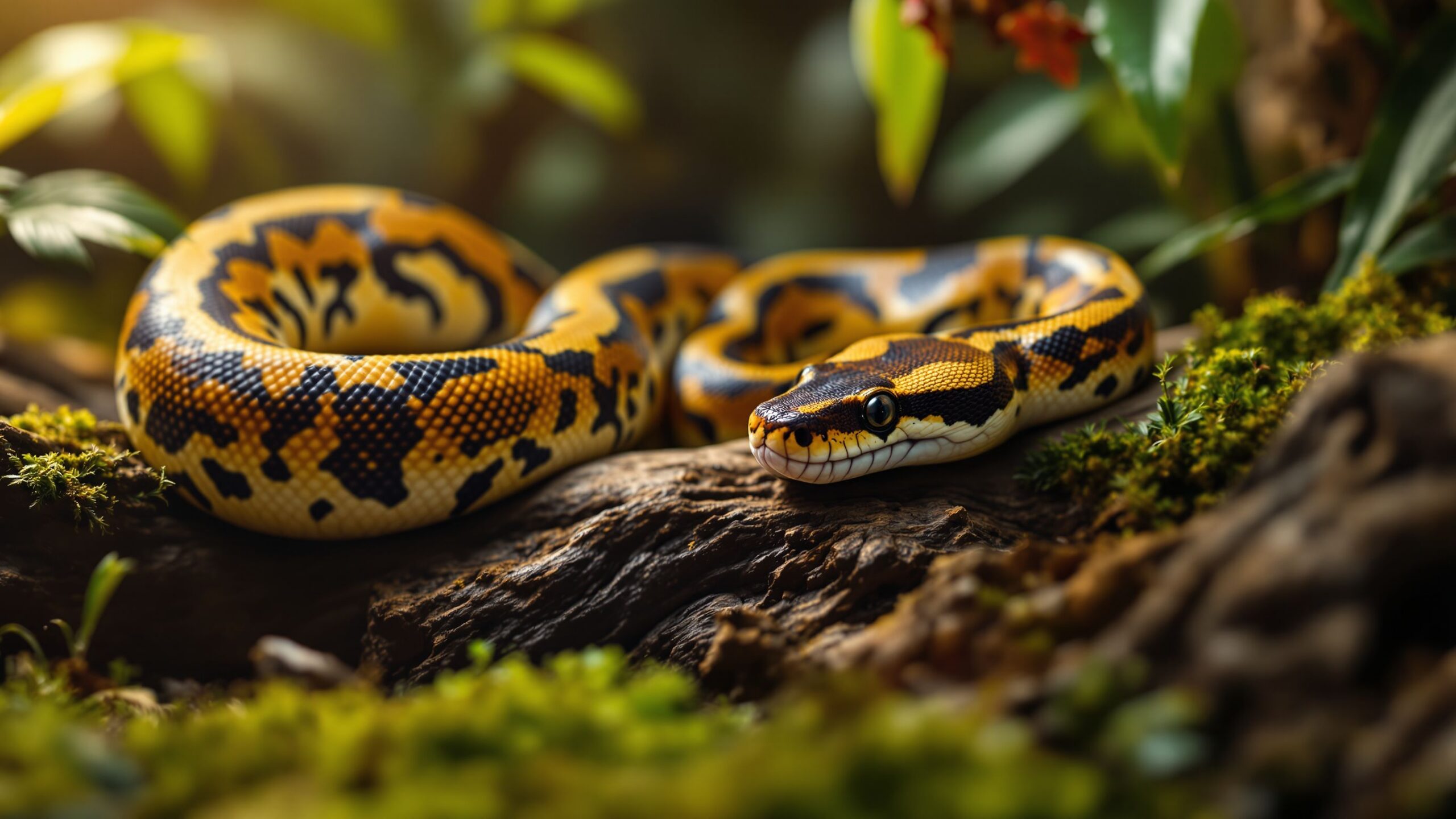
Ball Python
Ball pythons are among the most beloved pet snakes in the world. Native to Africa, these snakes are famous for their calm temperament and their tendency to curl into a tight ball when nervous. Their manageable size and relaxed behavior make them ideal beginner snakes.
Most ball pythons grow between three and five feet long, making them large enough to feel impressive while remaining easy to handle. Their slow movements help many beginners overcome nervousness around snakes.
Ball pythons require proper humidity and heating to remain healthy. While maintaining humidity is slightly more important for ball pythons than some other beginner snakes, modern reptile equipment has made this much easier than in the past.
One of the biggest attractions of ball pythons is the huge variety of available morphs. Breeders have developed hundreds of stunning color combinations ranging from bright yellows and oranges to dramatic black-and-white patterns.
Ball pythons can occasionally become picky eaters, but most remain manageable with patience and proper husbandry. Their long lifespan, often exceeding twenty-five years, means they become long-term reptile companions.
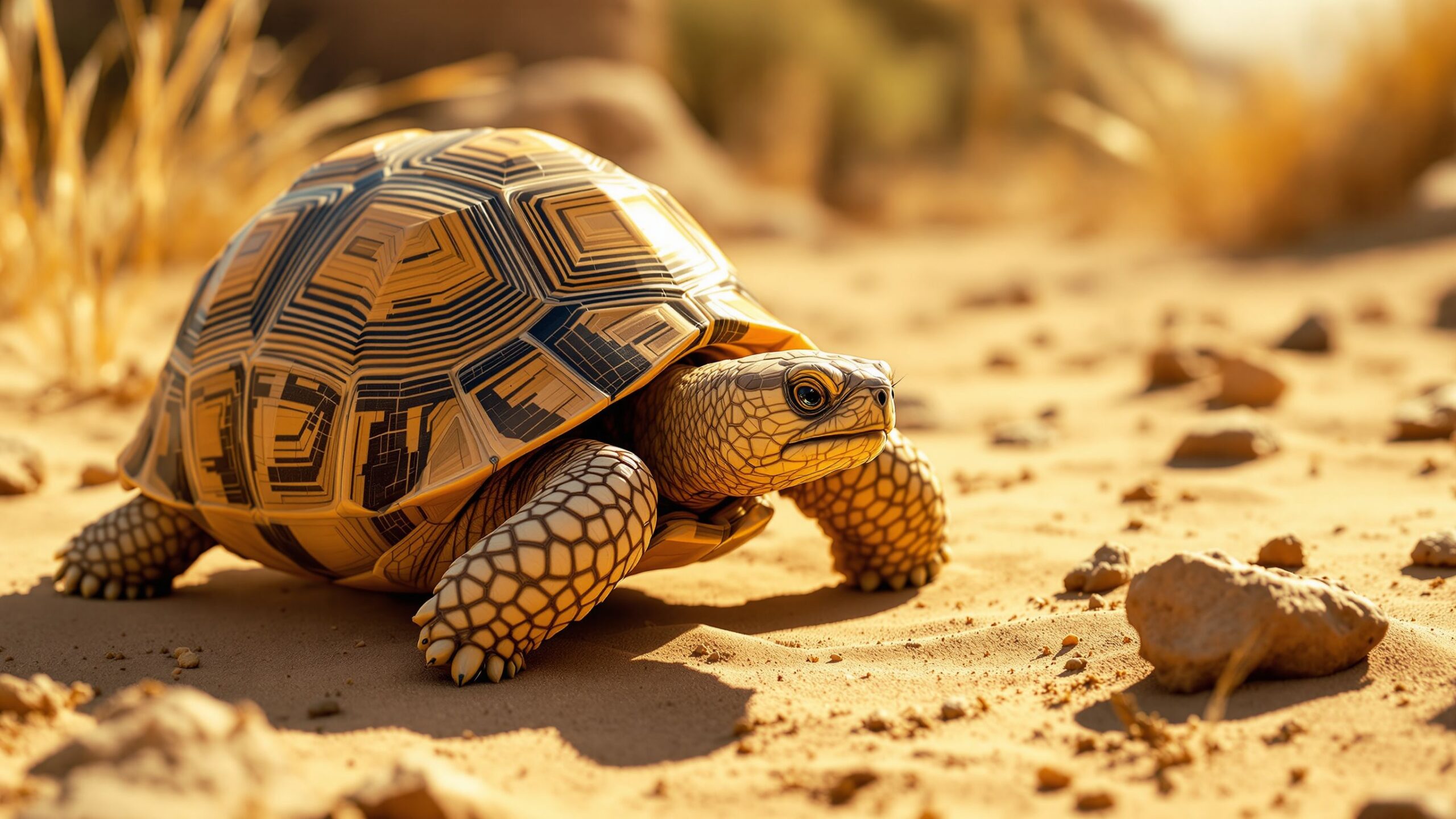
Russian Tortoise
The Russian tortoise is one of the best beginner tortoise species available today. These small tortoises are hardy, active, and easier to manage than many larger tortoise species. Their manageable size and herbivorous diet make them ideal for first-time reptile keepers.
Russian tortoises thrive on leafy greens and vegetables, creating a feeding routine that is simple and affordable. Owners uncomfortable feeding insects or rodents often appreciate their plant-based diet.
These tortoises are surprisingly active and curious. They spend much of their time exploring, digging, and basking under heat lamps. Watching their slow but determined behavior creates a relaxing and rewarding reptile experience.
Like many reptiles, Russian tortoises require proper UVB lighting and heating to maintain healthy shell growth and overall wellness. Their habitat setup remains manageable for beginners willing to learn the basics of reptile care.
Russian tortoises can live for several decades with proper care, making them long-term pets that require commitment and responsibility.
Kenyan Sand Boa
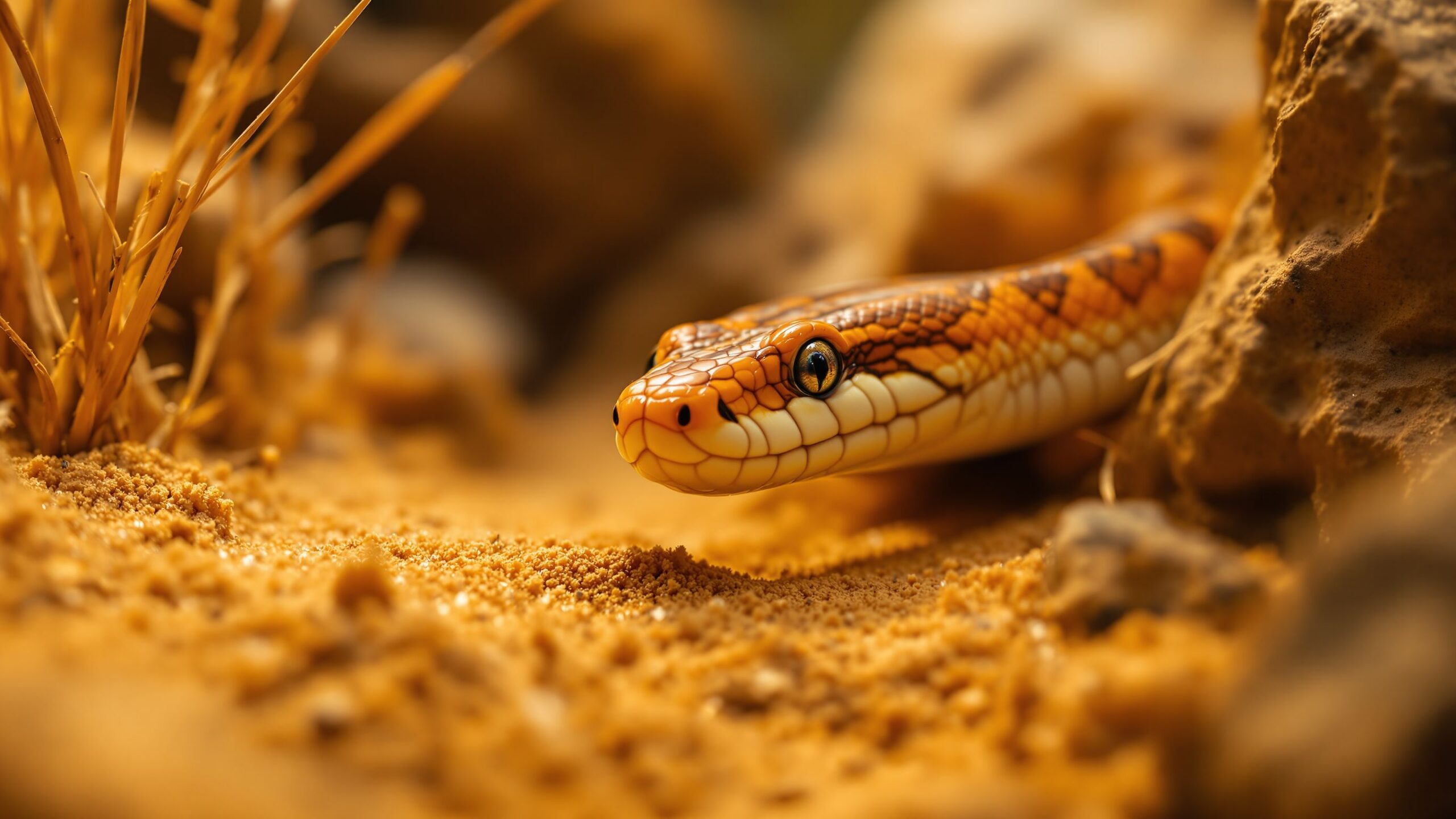
The Kenyan sand boa is one of the most unique beginner snakes available. These small, thick-bodied snakes spend much of their lives buried beneath substrate, waiting patiently for prey. Their unusual appearance and calm personality make them fascinating reptiles for first-time owners.
Kenyan sand boas remain relatively small, with females usually reaching around two to three feet long. Their compact size makes them easy to house and handle.
Their care requirements are straightforward. A warm enclosure with deep substrate allows them to display natural burrowing behavior. Watching only their eyes and nose peek from the sand creates a fun and memorable reptile experience.
Feeding is generally easy because most Kenyan sand boas readily accept frozen-thawed rodents. Their infrequent feeding schedule also adds to their low-maintenance appeal.
Their bright oranges, yellows, and black markings make them visually striking despite their smaller size. For beginners wanting an unusual but manageable snake, Kenyan sand boas are excellent choices.
Gargoyle Gecko
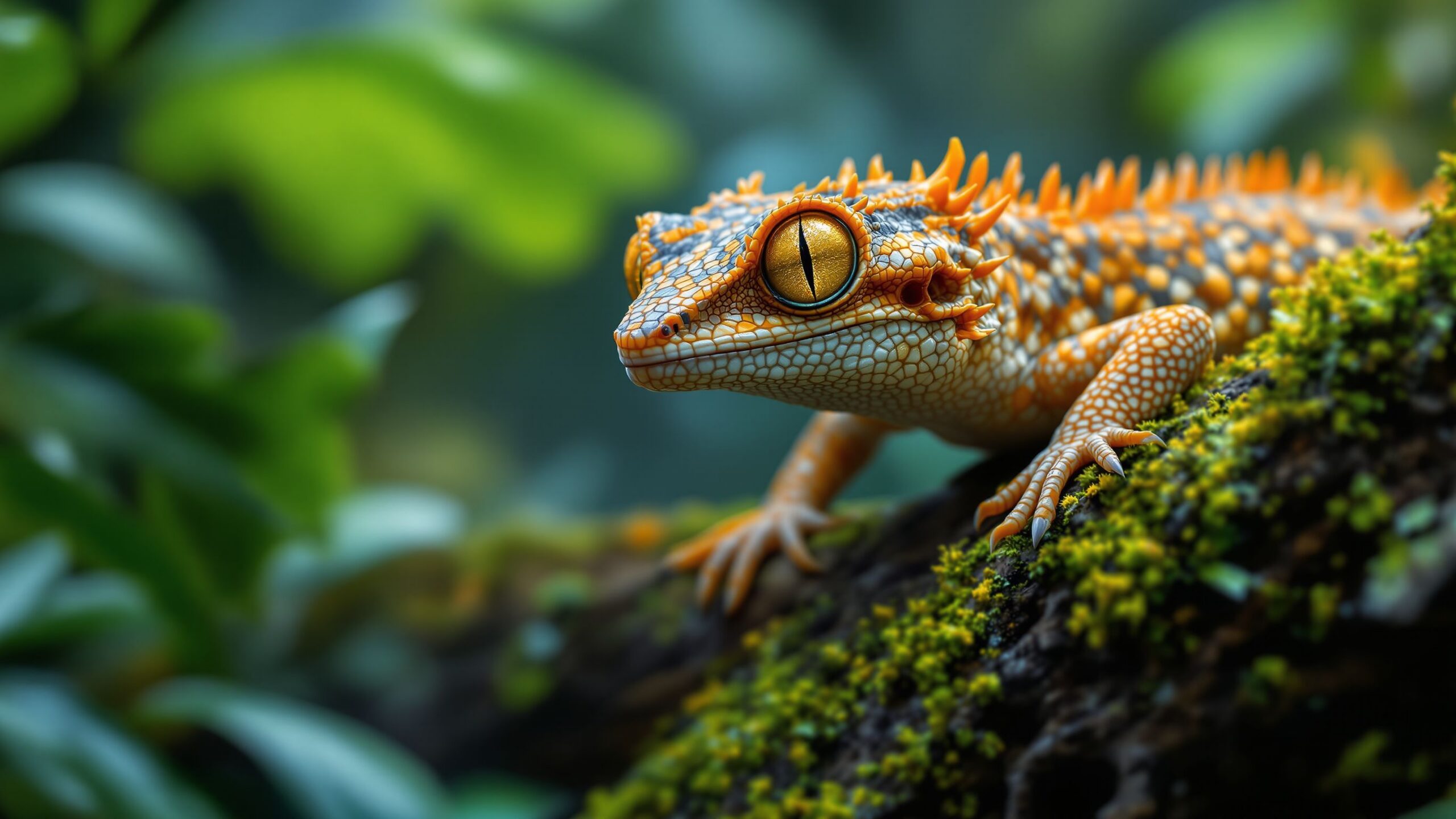
The gargoyle gecko combines beginner-friendly care with an exotic prehistoric appearance. Native to New Caledonia, these geckos feature rough skin, horn-like bumps, and dramatic color patterns that make them look almost mythical.
Gargoyle geckos share many care similarities with crested geckos. They thrive on powdered gecko diets supplemented occasionally with insects and fruit. Their habitat includes moderate humidity, climbing branches, and tropical décor.
These geckos are generally calm and easier to handle than many faster gecko species. With regular gentle interaction, many become comfortable being handled by their owners.
One fascinating feature of gargoyle geckos is their ability to change color intensity depending on mood, temperature, and lighting conditions. This creates an ever-changing appearance that many reptile enthusiasts love.
Their manageable care and incredible appearance make gargoyle geckos some of the most exciting reptiles for beginners wanting something unique.
Blue-Tongued Skink
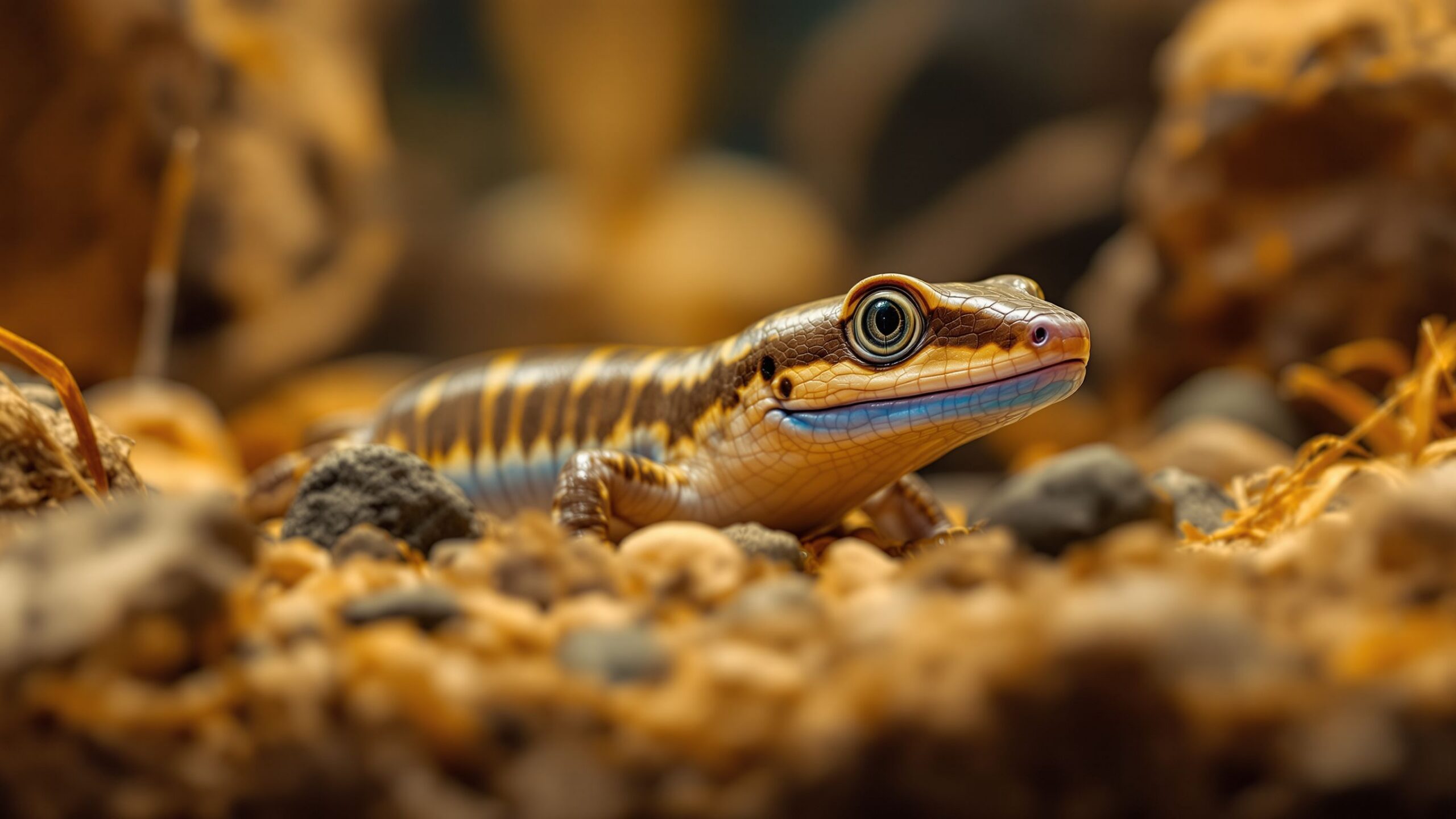
Blue-tongued skinks are large-bodied lizards famous for their bright blue tongues and calm personalities. These intelligent reptiles are sturdy, easy to handle, and surprisingly interactive, making them excellent beginner reptiles for people interested in larger lizards.
Blue-tongued skinks have diverse diets that include vegetables, proteins, fruits, and prepared foods. Their flexible feeding habits make them easier to manage than reptiles requiring highly specialized diets.
These reptiles are generally slow-moving and confident, which helps beginners feel more comfortable handling them. Unlike fragile or extremely fast reptiles, blue-tongued skinks feel sturdy and secure when held properly.
Their enclosure requires proper heating, UVB lighting, and enough space for movement and exploration. Once their habitat is established, their care routine becomes very manageable.
One of the most entertaining aspects of blue-tongued skinks is their defensive display. When startled, they open their mouths and flash their bright blue tongues to scare predators. Combined with their curious behavior and unique appearance, this makes them unforgettable reptile companions.
African Fat-Tailed Gecko
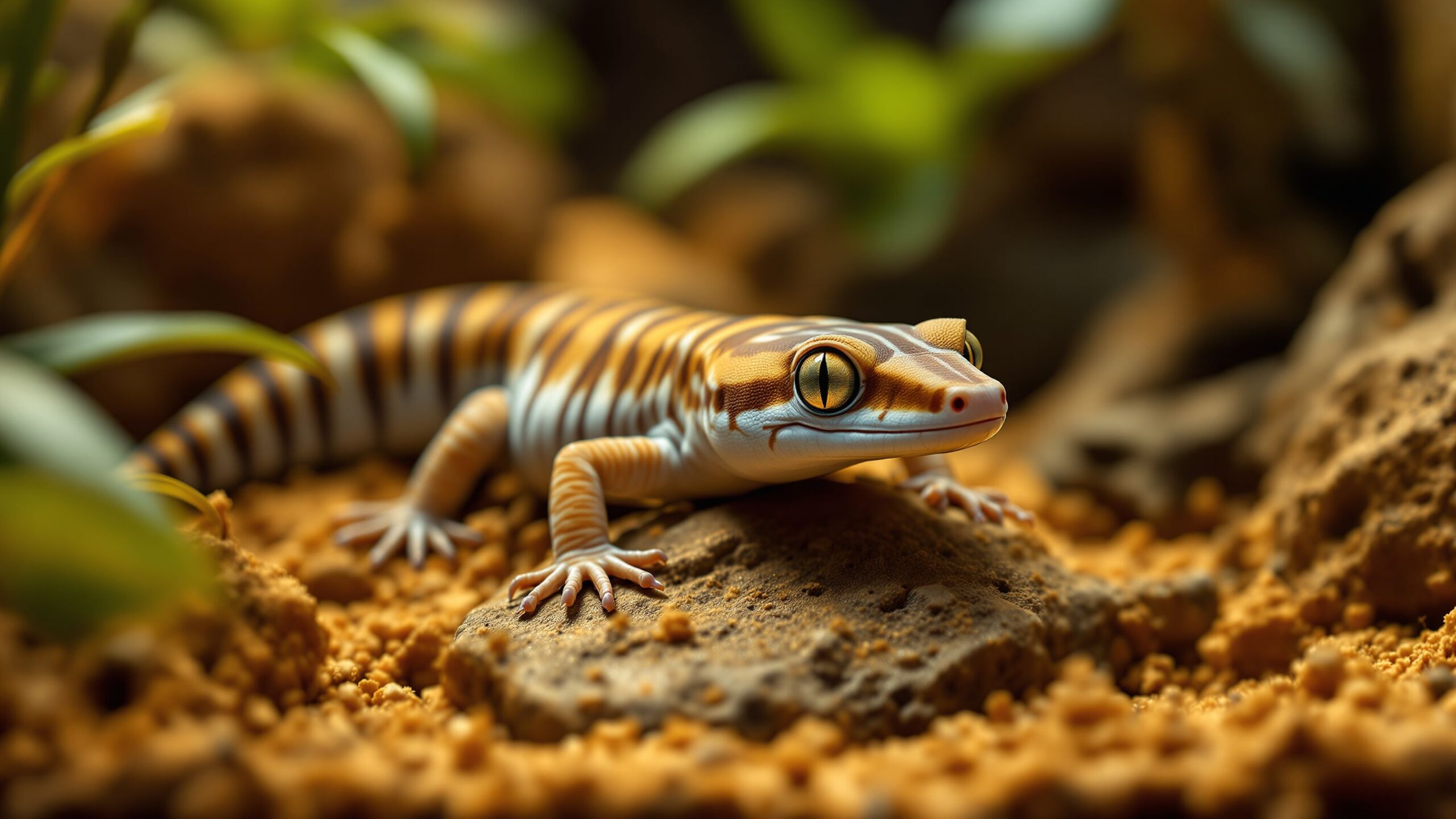
African fat-tailed geckos are often compared to leopard geckos because of their similar appearance and beginner-friendly care requirements. However, they possess softer patterns, larger tails, and calmer personalities that make them uniquely appealing.
Their enclosure setup is simple and includes warm temperatures, hiding spots, and moderate humidity levels. Their manageable care requirements make them approachable for inexperienced reptile keepers.
Like leopard geckos, African fat-tailed geckos eat insects and usually become reliable feeders once comfortable in their environment. Their slower movements and calm nature often make handling easier for nervous beginners.
These geckos are generally quieter and less active than some other reptile species, creating a more relaxed reptile ownership experience. Many owners appreciate their peaceful behavior and adorable appearance.
Their thick tails store fat reserves, helping them remain hardy and resilient reptiles. Combined with their gentle personalities and beautiful patterns, African fat-tailed geckos remain hidden gems within the beginner reptile world.
Choosing the Right Beginner Reptile
Choosing the right reptile depends on personality, available space, handling preferences, and long-term commitment. Some beginners prefer highly interactive reptiles like bearded dragons, while others enjoy the peaceful elegance of snakes or geckos. Feeding preferences, habitat maintenance, and lifespan should all play major roles in the decision-making process.
Future reptile owners should always research the full care requirements of any species before bringing one home. Many reptiles live far longer than people expect, and proper lighting, heating, nutrition, and veterinary care are essential for long-term success.
One of the greatest rewards of reptile ownership is the confidence and knowledge gained over time. Beginner reptiles often inspire lifelong passions involving terrarium design, reptile conservation, and advanced reptile care.
Final Thoughts
The reptile world offers an incredible variety of beginner-friendly species that are fascinating, beautiful, and rewarding to care for. Leopard geckos, corn snakes, bearded dragons, ball pythons, tortoises, and skinks each provide unique experiences that help newcomers learn reptile care safely and confidently.
Owning a reptile is far more than simply maintaining a terrarium. It involves understanding behavior, creating healthy habitats, and developing appreciation for some of nature’s oldest and most extraordinary creatures. With patience, proper research, and consistent care, beginner reptiles can become amazing companions that inspire years of excitement and curiosity.
For anyone considering entering the reptile hobby, there has never been a better time to begin. Modern reptile care resources and beginner-friendly species make reptile ownership more accessible than ever before. Whether someone dreams of holding a calm snake, feeding a curious gecko, or watching a tortoise slowly explore its enclosure, the perfect beginner reptile is waiting to open the door into an unforgettable world.
Pet Product Reviews
Explore Duffy Street’s Pet Product Reviews! Sniff out the top-rated toys, treats, gear, and gadgets for your pets with our fun, easy-to-read comparisons. We’ve done the digging so you can find the perfect products for your pet friends!