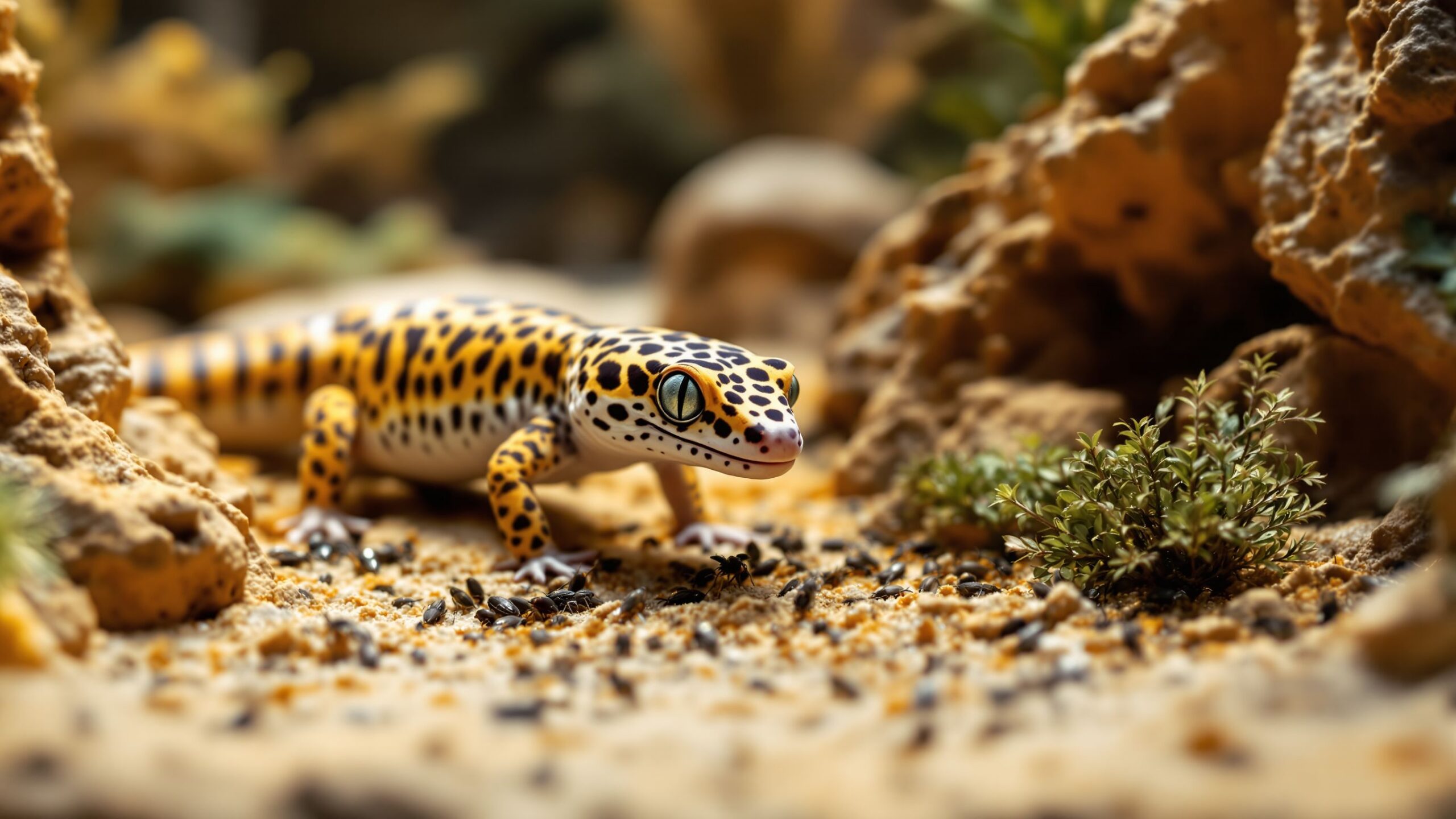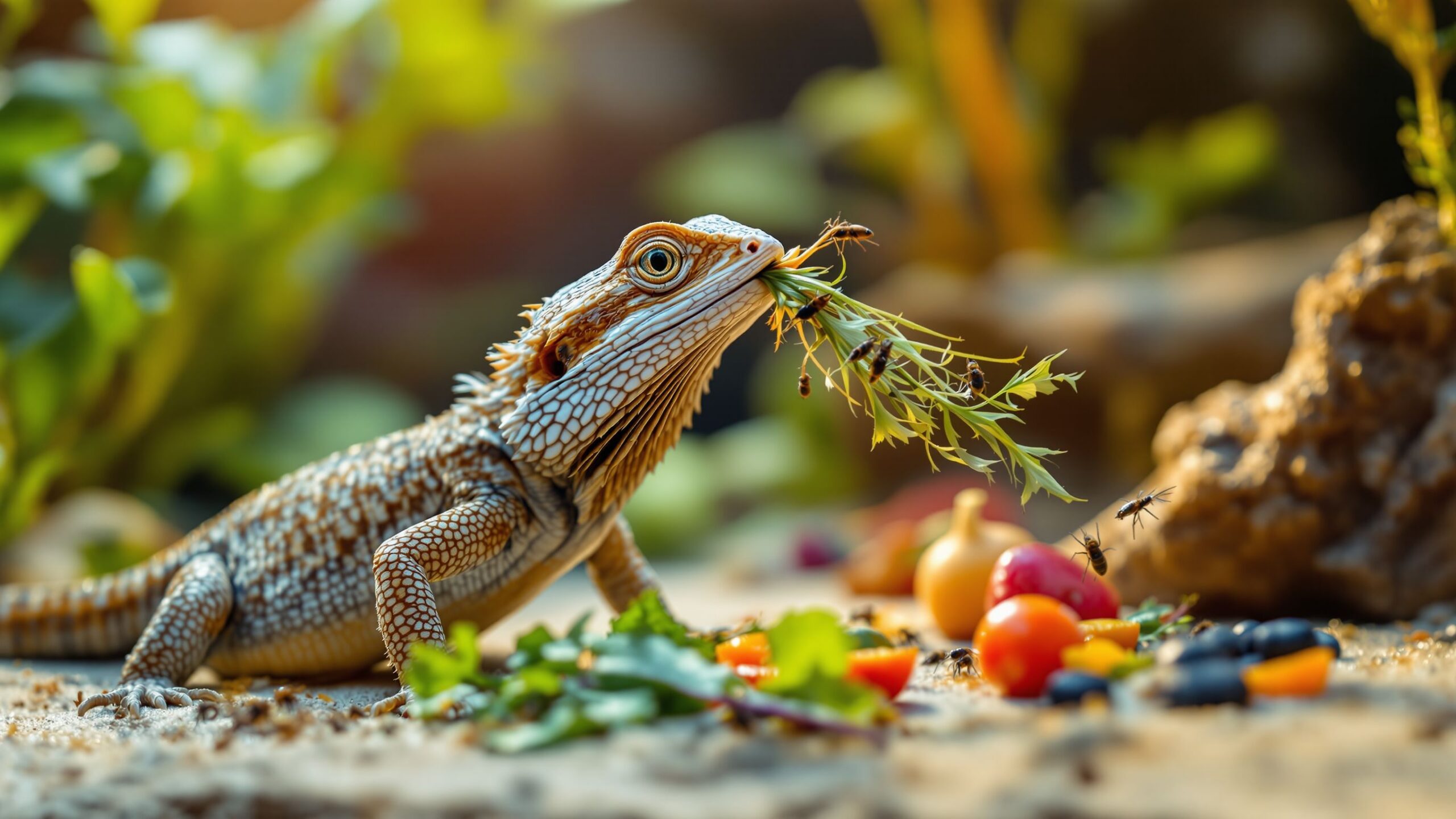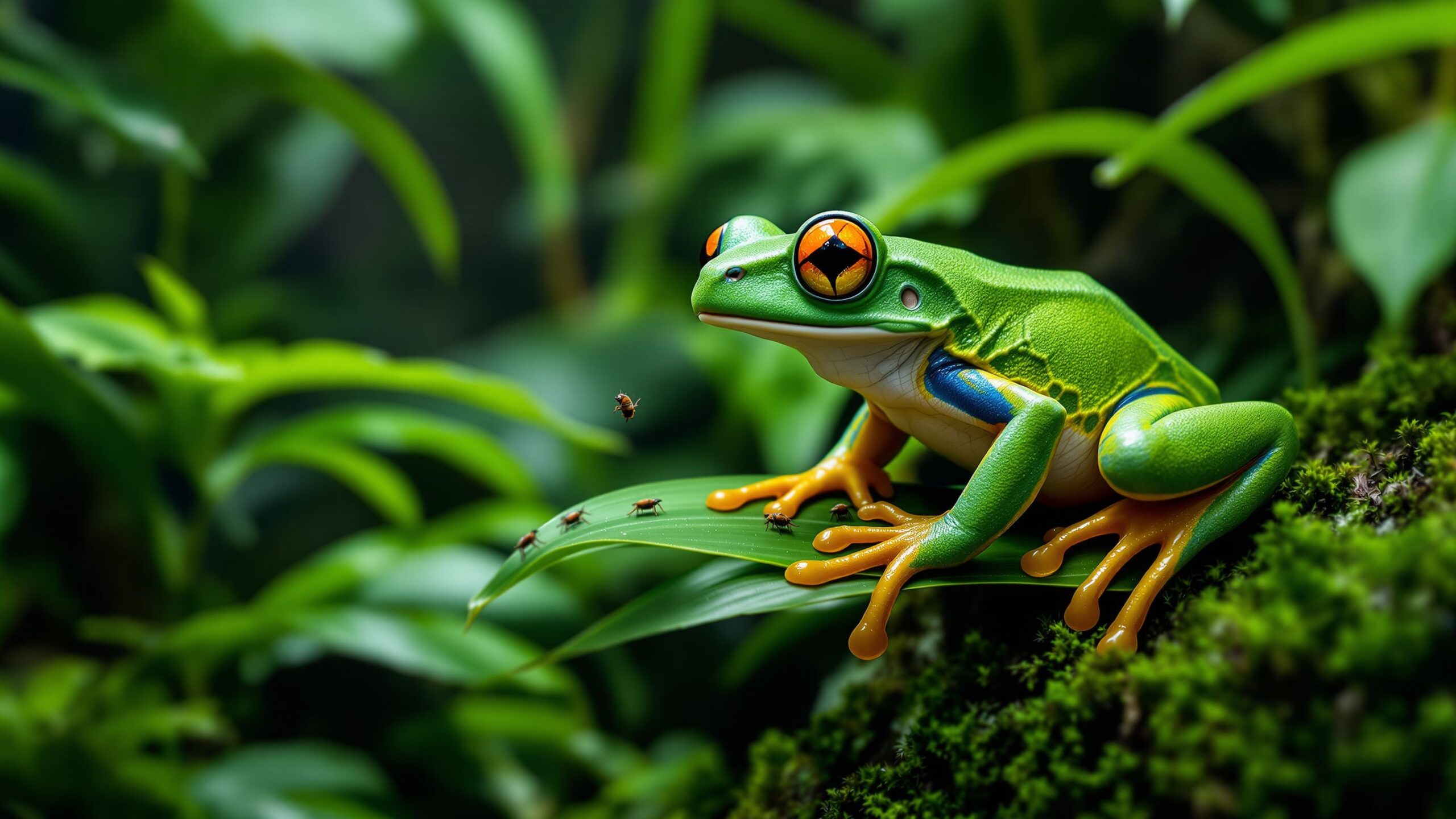
Frogs are some of the most fascinating and unique pets in the exotic animal world. From colorful tree frogs and tiny dart frogs to powerful Pacman frogs and aquatic African dwarf frogs, these amphibians attract owners with their unusual behaviors, striking appearances, and incredible diversity. While frogs are often considered low-maintenance pets, proper nutrition is one of the most important parts of keeping them healthy. Feeding pet frogs involves much more than occasionally dropping insects into a tank. Different frog species have different dietary needs, feeding schedules, hydration requirements, and nutritional sensitivities that owners must understand in order to provide proper care.
Healthy frogs depend heavily on balanced nutrition for growth, immune function, skin health, energy levels, hydration, and long-term survival. Poor diets may lead to serious health problems including vitamin deficiencies, metabolic bone disease, obesity, dehydration, digestive issues, and weakened immune systems. Because many frogs are sensitive to environmental and nutritional changes, even small feeding mistakes can quickly affect their health.
Understanding what pet frogs really need begins with learning how frogs eat in the wild and how those natural feeding habits translate into captive care.
A: Most pet frogs eat live insects and invertebrates such as crickets, roaches, worms, fruit flies, and larvae.
A: Most pet frogs do not eat fruits or vegetables directly because they are carnivorous insect hunters.
A: Feeding frequency depends on species, age, size, temperature, and body condition.
A: Yes, many captive frogs benefit from calcium-dusted feeders to support bones and muscle function.
A: It is best to avoid wild bugs because they may carry pesticides, parasites, or toxins.
A: Appetite loss may come from stress, low temperatures, dehydration, illness, shedding, or unsuitable enclosure conditions.
A: Yes, crickets are common feeders, but they should be gut-loaded and dusted appropriately.
A: A common rule is to offer prey no wider than the space between the frog’s eyes.
A: Yes, remove insects that remain too long so they do not stress, bite, or overwhelm the frog.
A: Call an exotic or amphibian vet if your frog refuses food for an unusual length of time, loses weight, acts weak, or shows swelling, wounds, or breathing trouble.
Understanding the Natural Diet of Frogs
Most pet frogs are carnivorous insectivores, meaning they primarily eat live prey such as insects and small invertebrates. In the wild, frogs hunt opportunistically and rely heavily on movement to trigger feeding responses. Their diets vary depending on species, habitat, age, and body size.
Small frogs often eat tiny insects such as fruit flies, springtails, ants, and pinhead crickets. Larger frogs may consume worms, roaches, moths, beetles, and even small vertebrates in some species. Because frogs evolved to hunt moving prey, live food is usually necessary to stimulate natural feeding behavior in captivity.
Wild frogs consume a wide variety of prey items, which naturally provides balanced nutrition. Captive frogs benefit greatly from this same variety because different feeder insects provide different nutrients, hydration levels, protein content, and fat levels.
Understanding the specific species being kept is extremely important because dietary requirements differ dramatically between tropical tree frogs, terrestrial frogs, aquatic frogs, and giant predatory species.
Best Live Foods for Pet Frogs
Live insects form the foundation of most pet frog diets. Choosing nutritious feeder insects is essential for maintaining healthy growth and proper body condition.
Crickets are one of the most commonly used feeder insects because they are affordable, active, and easy to find. Their movement encourages natural hunting behavior and provides mental stimulation during feeding. Crickets should always be gut-loaded before feeding to improve their nutritional value.
Dubia roaches are another excellent feeder option for larger frog species. They contain high protein levels, are relatively low in fat, and are easier to digest than some alternatives. Many owners prefer dubia roaches because they are quieter and less messy than crickets.
Fruit flies are essential for tiny frog species such as dart frogs and juvenile tree frogs. Flightless fruit flies are especially popular because they are easy to contain inside terrariums while still encouraging active hunting behavior.
Black soldier fly larvae provide valuable calcium and are especially useful for supporting healthy bone development. Silkworms are also highly nutritious while offering additional moisture and soft digestible bodies.
Earthworms are excellent feeders for many larger frogs because they contain valuable nutrients and hydration. Nightcrawlers are especially popular for Pacman frogs and larger terrestrial species.
Waxworms and butterworms should usually be treated as occasional treats rather than staple foods because of their high fat content. Overfeeding fatty insects may quickly lead to obesity and health problems.
Wild-caught insects should never be fed because they may carry pesticides, parasites, bacteria, or toxic chemicals.
Gut-Loading Feeder Insects
Gut-loading is one of the most important parts of frog nutrition. This process involves feeding nutritious foods to feeder insects before offering them to frogs.
Healthy feeder insects become more nutritious when fed vegetables, grains, and commercial insect diets rich in vitamins and minerals. Without gut-loading, many feeder insects provide poor nutritional balance.
Common gut-loading foods include carrots, squash, collard greens, sweet potatoes, and specially designed insect diets. Hydrating feeder insects properly is also important because frogs receive some moisture from their prey.
Well-fed insects create healthier frogs by transferring nutrients directly through the food chain.
Calcium and Vitamin Supplementation
Supplementation is essential for nearly all captive frogs. Calcium deficiencies are especially dangerous because they may lead to metabolic bone disease, muscle weakness, deformities, and neurological problems.
Calcium powder is usually dusted lightly onto feeder insects before feeding. This helps support healthy bones, muscle function, and proper metabolism. Young frogs and rapidly growing species often require more frequent calcium supplementation.
Vitamin supplements are also important because captive diets may lack certain nutrients naturally found in wild prey. Vitamins support immune health, skin condition, vision, and organ function.
Proper supplementation must be balanced carefully because excessive vitamin use may create health problems as well. Following species-specific care recommendations helps prevent nutritional imbalances.
UVB lighting may also benefit certain frog species by supporting vitamin D3 production and calcium metabolism, although requirements vary significantly depending on species and habitat type.
Feeding Baby Frogs and Froglets
Young frogs grow rapidly and require frequent feeding to support healthy development. Froglets usually need small prey items offered daily because their metabolisms are extremely active during growth stages.
Tiny crickets, springtails, fruit flies, pinhead roaches, and other appropriately sized insects are commonly used for baby frogs. Prey should always be small enough to fit comfortably inside the frog’s mouth.
Young frogs often require more careful monitoring because dehydration and nutritional deficiencies can develop quickly. Frequent feeding combined with proper supplementation supports healthy growth and immune function.
Monitoring appetite is especially important because feeding changes may indicate stress, illness, or environmental problems.
Feeding Adult Frogs
Adult frogs generally require less frequent feeding than juveniles, although schedules vary greatly depending on species size, metabolism, and activity levels.
Tree frogs and smaller insectivorous species may eat several times per week, while larger frogs such as Pacman frogs often eat larger meals less frequently. Overfeeding can quickly lead to obesity in captive frogs because they usually expend less energy than wild animals.
A varied diet helps provide balanced nutrition while encouraging natural hunting instincts. Rotating feeder insects also prevents picky eating behaviors from developing.
Healthy adult frogs should appear alert, responsive, and well-proportioned without excessive fat buildup.
Hydration and Water Requirements
Hydration is one of the most important aspects of frog care because amphibians absorb moisture directly through their skin. Poor hydration can quickly become life-threatening.
Clean water should always be available, but water quality is equally important. Many frogs are extremely sensitive to chlorine, chemicals, and contaminants commonly found in untreated tap water. Dechlorinated or purified water is usually recommended for most species.
Humidity requirements vary depending on species. Tropical frogs often require high humidity levels and regular misting, while some terrestrial species prefer drier conditions with access to moist hiding areas.
Dehydrated frogs may appear lethargic, thin, wrinkled, or weak. Poor shedding, appetite loss, and sunken body appearance may also indicate dehydration.
Proper humidity, hydration, and enclosure design all play major roles in maintaining healthy amphibian skin and organ function.
Feeding Aquatic Frogs
Aquatic frogs such as African dwarf frogs have slightly different feeding requirements compared to terrestrial species. These frogs typically eat underwater and rely heavily on scent and movement to locate food.
Bloodworms, brine shrimp, blackworms, and aquatic frog pellets are common food sources for aquatic species. Some aquatic frogs struggle to compete with fish during feeding, making direct feeding or separate feeding areas important.
Water quality is especially critical for aquatic frogs because leftover food may quickly pollute the enclosure and increase bacterial growth.
Balanced diets and proper portion control help prevent obesity and digestive issues in aquatic amphibians.
Foods Frogs Should Avoid
Certain foods should never be fed to frogs because they may create serious health risks. Wild-caught insects are extremely dangerous due to pesticides, parasites, and toxins.
Fireflies are highly toxic and can kill frogs quickly if consumed. Large prey items capable of injuring the frog should also be avoided.
Processed human foods, dairy products, bread, vegetables, fruits, and seasoned foods are inappropriate for most frog species because their digestive systems are adapted specifically for animal prey.
Feeding oversized insects may increase choking risks or digestive complications. Prey should generally be smaller than the width of the frog’s head.
Obesity and Overfeeding
Obesity is surprisingly common in captive frogs because many species are opportunistic eaters that rarely refuse food. Owners may accidentally overfeed frogs by offering meals too frequently or relying heavily on fatty feeder insects.
Overweight frogs may develop rounded body shapes, reduced activity levels, and fat deposits around the limbs and abdomen. Obesity can place stress on organs and reduce overall lifespan.
Pacman frogs are especially vulnerable to obesity because they are naturally sedentary ambush predators. Portion control and appropriate feeding schedules are extremely important for maintaining healthy body condition.
Monitoring weight and appearance regularly helps owners recognize unhealthy changes before serious complications develop.
Feeding Behavior and Hunting Instincts
Feeding time provides important mental stimulation and enrichment for frogs. Most frogs rely heavily on movement to identify prey, which is why live feeding encourages natural hunting behavior.
Some frogs stalk prey carefully before striking, while others ambush insects instantly. Observing these natural behaviors is one of the most rewarding parts of frog ownership.
Lack of feeding response may indicate stress, incorrect temperatures, illness, or environmental problems. Healthy frogs are usually responsive hunters when enclosure conditions are correct.
Understanding species-specific behavior helps owners create more natural and enriching feeding experiences.
Signs of a Healthy Frog Diet
Frogs receiving proper nutrition are usually alert, responsive, active, and well-proportioned. Healthy frogs maintain smooth skin, strong movement, bright eyes, healthy body weight, and regular feeding behavior.
Consistent appetite, successful shedding, stable growth, and active hunting responses are also strong indicators of balanced nutrition. Healthy amphibians generally show good muscle tone without appearing overly thin or bloated.
Monitoring appetite, activity, body condition, and waste appearance regularly helps identify health problems early.
Common Feeding Mistakes Beginners Make
One of the biggest mistakes beginners make is feeding only one type of insect long term. Lack of dietary variety may create nutritional deficiencies and poor overall health.
Improper supplementation is another major issue. Frogs without enough calcium support are highly vulnerable to metabolic bone disease and muscle weakness.
Poor hydration and incorrect humidity levels frequently contribute to dehydration and shedding problems. Overfeeding fatty insects may also lead to obesity and reduced activity.
Understanding the specific dietary needs of each frog species is essential because feeding requirements vary dramatically between different amphibians.
Final Thoughts
Proper nutrition is one of the most important parts of successful frog care. Healthy diets support growth, hydration, skin condition, immune function, digestion, energy levels, and overall lifespan. While frogs may appear simple to feed, they require balanced nutrition, supplementation, hydration, and species-specific care in order to thrive.
The best frog diets include nutritious live insects, proper gut-loading, calcium supplementation, hydration support, and varied feeding schedules that mimic natural hunting behavior. Variety and moderation are key because different prey items provide different nutritional benefits.
By avoiding common feeding mistakes and maintaining proper husbandry conditions, frog owners can help their amphibians live healthier and more active lives. A properly fed frog is usually alert, curious, responsive, and fascinating to observe, making attentive feeding one of the most rewarding aspects of amphibian ownership.
Pet Product Reviews
Explore Duffy Street’s Pet Product Reviews! Sniff out the top-rated toys, treats, gear, and gadgets for your pets with our fun, easy-to-read comparisons. We’ve done the digging so you can find the perfect products for your pet friends!