

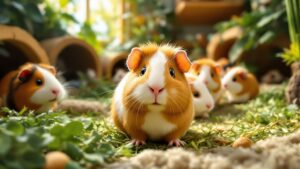
Guinea Pig
Small bodies, huge personalities, and enough squeaks to run the household—guinea pigs are far more fascinating than they first appear. Discover where these lovable cavies came from, how they communicate, what they need to thrive, and why Cavia porcellus has become one of the world’s most treasured small companion animals.
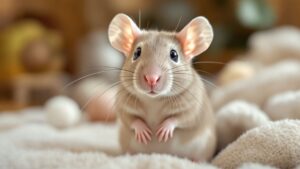
Fancy Rat
Clever, affectionate, playful, and endlessly curious, fancy rats are among the most misunderstood companion animals. Learn how Rattus norvegicus domestica became a beloved pet, what these remarkable rodents need to thrive, and why their intelligence and social personalities continue to surprise new owners.
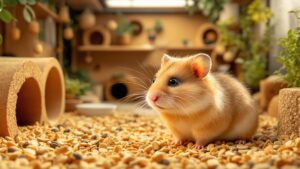
Syrian Hamster
Fluffy cheeks, nighttime adventures, and a personality all their own—Syrian hamsters are among the most recognizable small pets. Learn where Mesocricetus auratus came from, how they behave, what they need to stay healthy, and why proper housing and solitary care matter so much.
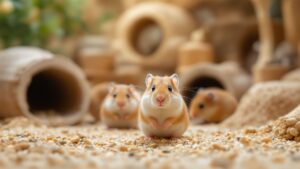
Gerbil
Fast, curious, social, and endlessly entertaining, gerbils are far more complex than their tiny size suggests. Learn how Meriones unguiculatus became a beloved companion animal, what these desert-adapted rodents need to thrive, and why digging, chewing, companionship, and enrichment are so important to their well-being.
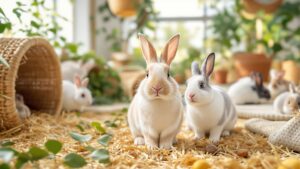
Rabbit
Gentle, intelligent, expressive, and full of personality, rabbits are far more complex than many people realize. Learn how Oryctolagus cuniculus became a beloved companion animal, what rabbits need to stay healthy, and why proper diet, space, enrichment, and social care matter so much.
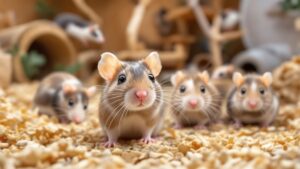
Fancy Mouse
Tiny, clever, social, and full of personality, fancy mice are far more fascinating than many people realize. Learn how Mus musculus domesticus became a beloved companion animal, what these active rodents need to thrive, and why proper housing, enrichment, nutrition, and social care matter so much.
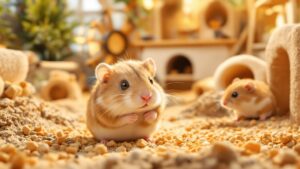
Dwarf Hamster
Tiny bodies, lightning-fast energy, and huge personalities make dwarf hamsters unforgettable pets. Learn about their different species, natural behaviors, housing needs, diet, health, and what it really takes to help these miniature explorers thrive.
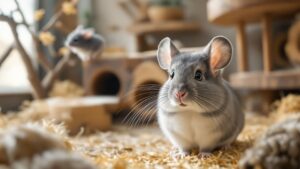
Chinchilla
Famous for their impossibly soft fur, energetic leaps, and curious personalities, chinchillas are far more complex than they look. Learn how Chinchilla lanigera became a beloved companion animal, what makes their care unique, and why cool temperatures, hay, dust baths, and enrichment are essential for a healthy life.
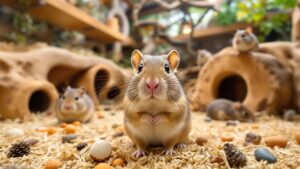
Degu
Curious, social, athletic, and remarkably intelligent, degus are fascinating small mammals with needs unlike most common pets. Learn how Octodon degus lives, communicates, eats, bonds, and thrives—and why companionship, low-sugar nutrition, and enrichment are so important.
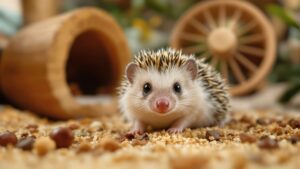
African Pygmy Hedgehog
Tiny feet, curious noses, and thousands of protective spines make African pygmy hedgehogs unlike almost any other small pet. Discover their fascinating behavior, specialized care needs, nighttime habits, diet, health, and what it takes to help these solitary little explorers thrive.