


African Fat-Tailed Gecko
The African Fat-Tailed Gecko is one of the most popular pet geckos thanks to its calm temperament, adorable appearance, manageable size, and beginner-friendly care needs. This detailed guide explores its origins, behavior, habitat, feeding habits, morphs, health concerns, and lasting popularity among reptile enthusiasts worldwide.

Ball Python
The Ball Python is one of the most beloved snakes in the reptile world thanks to its calm temperament, manageable size, beautiful patterns, and beginner-friendly care needs. This detailed guide explores its natural habitat, feeding habits, behavior, morphs, health concerns, and lasting popularity among reptile enthusiasts worldwide.

Bearded Dragon
The Bearded Dragon is one of the most beloved reptiles in the exotic pet world thanks to its calm temperament, expressive behavior, manageable size, and beginner-friendly care needs. This detailed guide explores its origins, habitat, feeding habits, behavior, morphs, health concerns, and lasting popularity among reptile enthusiasts worldwide.
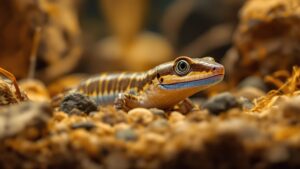
Blue-Tongued Skink
The Blue-Tongued Skink is one of the most popular pet reptiles thanks to its bright blue tongue, calm personality, sturdy build, and beginner-friendly care needs. This detailed guide explores its origins, behavior, habitat, feeding habits, morphs, health concerns, and lasting popularity among reptile enthusiasts worldwide.

Corn Snake
The Corn Snake is one of the most beloved pet snakes thanks to its calm temperament, beautiful colors, manageable size, and beginner-friendly care requirements. This detailed guide explores its natural habitat, behavior, feeding habits, morphs, health concerns, and lasting popularity among reptile enthusiasts worldwide.

Crested Gecko
The Crested Gecko is one of the most beloved pet reptiles thanks to its unique eyelashes, calm personality, climbing abilities, and beginner-friendly care needs. This detailed guide explores its origins, behavior, habitat, feeding habits, morphs, health concerns, and lasting popularity among reptile enthusiasts worldwide.

Gargoyle Gecko
The Gargoyle Gecko is one of the most fascinating pet geckos thanks to its horn-like head crests, climbing abilities, calm personality, and beginner-friendly care requirements. This detailed guide explores its origins, behavior, habitat, feeding habits, morphs, health concerns, and lasting popularity among reptile enthusiasts worldwide.
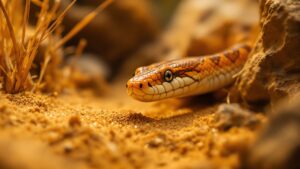
Kenyan Sand Boa
The Kenyan Sand Boa is one of the most fascinating pet snakes thanks to its burrowing lifestyle, calm temperament, manageable size, and beginner-friendly care needs. This detailed guide explores its natural habitat, feeding habits, behavior, morphs, health concerns, and lasting popularity among reptile enthusiasts worldwide.
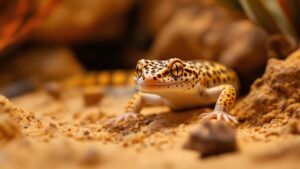
Leopard Gecko
The Leopard Gecko is one of the most beloved reptiles in the pet world thanks to its calm personality, beautiful spotted patterns, and beginner-friendly care needs. This in-depth guide explores its origins, behavior, habitat, feeding habits, morphs, health concerns, and lasting popularity among reptile enthusiasts worldwide.

Russian Tortoise
The Russian Tortoise is one of the most beloved pet tortoises thanks to its hardy nature, manageable size, charming personality, and beginner-friendly care needs. This detailed guide explores its origins, behavior, habitat, feeding habits, health concerns, and lasting popularity among reptile enthusiasts worldwide.