The Russian Tortoise is one of the most popular and recognizable tortoise species in the world of reptile keeping. Known for its hardy nature, manageable size, curious personality, and relatively approachable care requirements, this fascinating reptile has become a favorite among both beginner and experienced tortoise keepers. Native to the dry grasslands, deserts, and rocky regions of Central Asia, the Russian tortoise combines impressive survival adaptations with a surprisingly interactive personality that makes it one of the most beloved pet tortoises available today. Unlike aquatic turtles that spend much of their lives in water, Russian tortoises are fully terrestrial reptiles built for life on land. They are strong diggers, determined explorers, and surprisingly active animals that often spend their days walking, climbing, burrowing, basking, and searching for food. Their calm but persistent nature gives them a unique charm that many reptile enthusiasts quickly grow attached to. Over the years, Russian tortoises have become icons within tortoise culture because they are relatively small compared to many tortoise species, adaptable to captivity when cared for properly, and capable of forming long-term bonds through regular interaction and recognition of routines.
A: Yes, they are considered one of the best beginner tortoise species.
A: They mainly eat leafy greens, weeds, flowers, and safe plant matter.
A: Yes, proper UVB lighting is extremely important for shell and bone health.
A: Many can live 40 years or longer with proper care.
A: Gentle handling is possible, but they generally prefer exploring over being held often.
A: Digging is a natural behavior used for shelter, cooling down, and exploring.
A: Yes, in safe climates with secure outdoor enclosures and predator protection.
A: Some may brumate naturally depending on environmental conditions and health.
A: Stress, incorrect temperatures, illness, seasonal changes, or husbandry issues may affect appetite.
A: They may become territorial, so careful monitoring is important if housing multiple tortoises.
Origins and Natural Habitat
The natural habitat of the Russian Tortoise stretches across regions of Central Asia including parts of Russia, Afghanistan, Pakistan, Iran, and surrounding countries. These tortoises inhabit dry grasslands, rocky deserts, scrublands, and semi-arid environments where temperatures can fluctuate dramatically between day and night. Russian tortoises are highly adapted to harsh climates with hot summers, cool nights, and limited rainfall. In the wild, they spend much of their time digging burrows beneath the soil to escape extreme temperatures and predators. These burrows provide important shelter from intense daytime heat and cold nighttime conditions while also helping maintain moisture levels. Russian tortoises are especially well known for their digging abilities and may create surprisingly deep tunnels in search of security and stable environmental conditions. Their natural coloration helps them blend into dusty soil, rocks, and dry vegetation, providing camouflage against predators. During periods of extreme heat or cold, Russian tortoises may enter states of dormancy such as brumation or aestivation to conserve energy and survive difficult environmental conditions. Understanding their natural habitat is extremely important because proper captive care depends on recreating suitable temperatures, lighting, substrate, and environmental stability that reflect the conditions these tortoises evolved to survive in.
Physical Appearance and Features
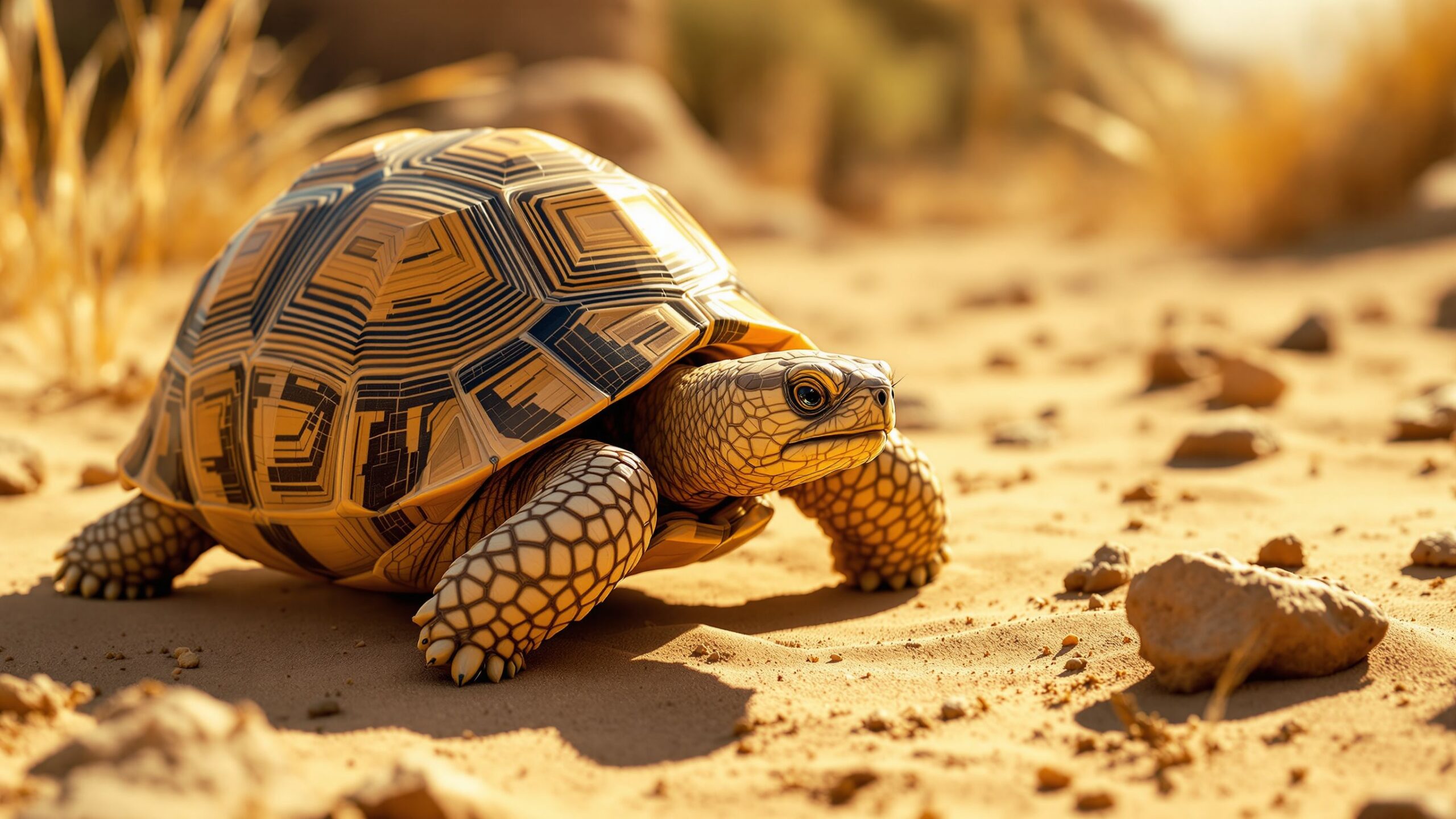
Russian tortoises are relatively small tortoises compared to many other commonly kept species. Most adults reach between five and ten inches in shell length depending on sex, genetics, and overall care. Females are typically larger than males, although both sexes remain manageable in size for captivity. One of the most recognizable features of the Russian Tortoise is its rounded domed shell. The shell usually displays earthy brown, olive, tan, and black coloration that blends naturally into dry landscapes. Each scute, or shell plate, often features darker markings that create a rugged and natural appearance. Russian tortoises possess sturdy elephant-like legs designed for walking across rough terrain and digging powerful burrows. Unlike aquatic turtles with webbed feet, Russian tortoises have thick claws specialized for life on land. One especially unique characteristic of the species is the presence of four toes on each front foot, while many other tortoise species possess five. Their heads are relatively small with dark alert eyes and a beak-like mouth adapted for grazing on tough vegetation. Although they may appear slow, Russian tortoises are surprisingly determined and active reptiles capable of climbing obstacles and exploring large areas in search of food and shelter.
Russian Tortoise Behavior
The Russian Tortoise is known for having a curious, persistent, and surprisingly engaging personality. While they are not social in the same way as domesticated mammals, many Russian tortoises become familiar with their owners and recognize feeding routines and enclosure activity. Russian tortoises are naturally active during the daytime, making them diurnal reptiles. Much of their day is spent walking, grazing, basking, climbing, digging, or exploring their environment. Owners often describe them as surprisingly determined because they constantly investigate their surroundings and attempt to push through obstacles or climb over enclosure décor. Digging is one of their strongest natural instincts. Russian tortoises frequently burrow into substrate to rest, cool down, or feel secure. Providing opportunities for digging and exploration is extremely important for both physical and mental enrichment. Although generally peaceful reptiles, Russian tortoises may become stressed if kept in unsuitable conditions. Signs of stress may include lethargy, refusal to eat, excessive hiding, shell pyramiding, or constant attempts to escape the enclosure. Understanding their natural behaviors helps owners create healthier and more enriching environments that support long-term wellbeing.
Why Russian Tortoises Are Popular Pets
Russian tortoises are widely considered one of the best tortoise species for beginners because they remain relatively small, hardy, and manageable compared to giant tortoise species that require enormous outdoor spaces. Their active daytime behavior allows owners to observe them regularly, making them more interactive than many nocturnal reptiles. Another reason for their popularity is their herbivorous diet. Russian tortoises primarily eat leafy greens, weeds, flowers, and other plant matter, making feeding routines relatively simple and affordable compared to carnivorous reptiles that require insects or rodents. Their long lifespan also contributes to their appeal. With proper care, Russian tortoises commonly live forty years or longer, and some may live several decades beyond that. This long lifespan makes them lifelong companions that require serious long-term commitment. Many reptile enthusiasts are also drawn to the tortoise’s ancient appearance and calm steady movements. Their rugged shells, determined behavior, and prehistoric look create a fascinating connection to reptile evolution and natural history.
Creating the Perfect Habitat
Providing a suitable habitat is one of the most important aspects of caring for the Russian Tortoise. Because these tortoises are active and constantly exploring, they require spacious enclosures with room to walk, dig, bask, and forage. Indoor enclosures often include tortoise tables or large custom habitats with open floor space. Outdoor enclosures are also extremely popular in suitable climates because natural sunlight provides excellent UVB exposure and enrichment opportunities. Proper heating and UVB lighting are essential for indoor setups. Russian tortoises require basking areas with temperatures typically reaching the mid-90s Fahrenheit while cooler areas remain significantly lower. UVB lighting is especially important because it allows the tortoise to synthesize vitamin D3 and absorb calcium properly. Without proper UVB exposure, serious health conditions such as metabolic bone disease may develop. Substrate should allow natural digging behavior while remaining safe and dry. Common substrates include soil blends, coconut fiber, cypress mulch, or tortoise-safe earth mixtures. Hides, rocks, edible plants, and varied terrain encourage exploration and enrichment. Water dishes should remain shallow and easy to enter while still allowing the tortoise to drink and soak safely.
Feeding and Nutrition
The Russian Tortoise is a strict herbivore that feeds primarily on leafy greens, weeds, grasses, flowers, and fibrous plant matter. A healthy diet is one of the most important factors in maintaining proper shell growth and long-term health. Common foods include dandelion greens, collard greens, mustard greens, endive, escarole, hibiscus flowers, and other tortoise-safe plants. High-fiber weeds and grasses are especially beneficial because they closely resemble the tortoise’s natural diet in the wild. Fruits should generally be limited because excessive sugar can disrupt digestion and overall health. Calcium supplementation is often recommended to support strong shell and bone development, especially for indoor tortoises that rely on artificial UVB lighting. Fresh clean water should always be available even though Russian tortoises come from dry environments. Many tortoises also benefit from occasional soaking sessions that support hydration and healthy digestion. Watching a Russian tortoise forage through greens and plants is one of the most rewarding parts of ownership because it highlights their natural grazing instincts and active personalities.
Shedding, Shell Growth, and Development
Unlike snakes and lizards that shed large sections of skin, tortoises grow gradually over time through continuous shell and body development. Russian tortoises may occasionally shed small patches of skin as they grow, particularly around the legs and neck. Healthy shell growth is extremely important and depends heavily on proper nutrition, UVB exposure, hydration, and environmental conditions. A healthy shell should appear smooth and evenly shaped. Poor husbandry may lead to pyramiding, a condition where shell scutes grow unevenly into raised pyramid-like shapes. Growth rates vary depending on genetics, diet, and overall care quality. Juvenile Russian tortoises grow more rapidly than adults, although they continue developing slowly over many years. Because tortoises are long-lived reptiles, healthy gradual growth is far more important than rapid growth caused by overfeeding.
Common Health Problems
Although Russian tortoises are considered hardy reptiles, they can still develop health problems if their care is inadequate. One of the most common issues is metabolic bone disease, which may result from improper UVB lighting or calcium deficiency. Symptoms can include soft shells, weakness, deformities, or difficulty walking. Respiratory infections may develop if enclosure temperatures are too low or humidity levels are inappropriate. Signs may include wheezing, mucus, lethargy, or open-mouth breathing. Dehydration is another serious concern, especially if tortoises are not provided with fresh water, soaking opportunities, or suitable environmental conditions. Shell rot may occur in damp unsanitary environments and can cause discoloration, soft spots, or infections of the shell. Parasites, overgrown beaks, eye irritation, and digestive issues may also occur if husbandry is poor. Monitoring appetite, shell condition, activity levels, and overall behavior helps owners identify potential problems early. Finding a reptile veterinarian experienced with tortoises is strongly recommended for proper diagnosis and treatment whenever health concerns arise.
Breeding and Reproduction
Russian tortoises reproduce sexually, with breeding activity often increasing during warmer seasons. Males may become more active and persistent during courtship, sometimes chasing females or displaying territorial behaviors. Females lay eggs in shallow nests dug into the soil where the eggs incubate naturally under warm conditions. Hatchlings emerge fully independent and begin grazing on vegetation shortly after birth. Baby Russian tortoises are tiny but surprisingly active and resilient when provided with proper temperatures, hydration, and nutrition. Responsible breeding requires careful attention to genetics, environmental conditions, incubation methods, and overall animal welfare. Breeding tortoises without proper preparation can lead to health complications for both adults and hatchlings.
Russian Tortoises in Modern Reptile Culture
The Russian Tortoise has become one of the most influential tortoise species in the exotic pet world. Their manageable size, hardy nature, and active daytime behavior have introduced countless people to reptile ownership. Social media, reptile expos, online communities, and educational programs have all contributed to the growing popularity of Russian tortoises worldwide. Owners frequently share enclosure designs, outdoor tortoise gardens, feeding routines, and enrichment ideas with fellow reptile enthusiasts online. Educational programs often use Russian tortoises to teach children and adults about reptiles, desert ecosystems, herbivorous diets, and responsible exotic pet ownership. Their calm demeanor and approachable appearance make them excellent ambassador animals for reptile education and outreach.
Responsible Ownership and Long-Term Care
Owning a Russian tortoise is a long-term commitment that requires preparation, consistency, and extensive research. Although they are considered beginner-friendly tortoises, they still rely entirely on their owners for proper heating, UVB lighting, hydration, nutrition, enclosure maintenance, and veterinary care. Potential owners should thoroughly research tortoise-safe diets, habitat design, substrate selection, UVB lighting systems, and long-term space requirements before bringing home a Russian tortoise. Captive-bred tortoises from reputable breeders are generally healthier and better adapted to captivity than wild-caught individuals. Respecting the natural instincts and behaviors of tortoises is also important. Russian tortoises are highly driven to explore, dig, bask, and forage, and they thrive best in environments that allow these natural behaviors to occur safely. Many owners find the greatest enjoyment comes from observing their tortoise’s daily routines, determined personality, and steady interaction with its environment.
The Enduring Popularity of the Russian Tortoise
The lasting popularity of the Russian Tortoise comes from its remarkable combination of hardiness, personality, manageable size, and beginner-friendly care requirements. Few tortoise species balance active behavior with such approachable husbandry needs and fascinating natural instincts. Whether admired for their rugged shells, curious behavior, digging abilities, or long lifespans, Russian tortoises continue to captivate reptile enthusiasts around the world. They have become ambassadors for tortoise appreciation and helped introduce countless people to the fascinating world of reptiles and exotic pets. For general readers, the Russian tortoise represents far more than just a popular pet tortoise. It is an extraordinary example of adaptation, survival, and resilience. From the harsh grasslands and deserts of Central Asia to carefully designed tortoise habitats around the world, the Russian tortoise continues to inspire fascination, curiosity, and admiration among animal lovers everywhere.
Pet Product Reviews
Explore Duffy Street’s Pet Product Reviews! Sniff out the top-rated toys, treats, gear, and gadgets for your pets with our fun, easy-to-read comparisons. We’ve done the digging so you can find the perfect products for your pet friends!