The Kenyan Sand Boa is one of the most unusual and beloved snakes in the exotic pet world. Known for its burrowing behavior, smooth scales, manageable size, and calm personality, this fascinating snake has become increasingly popular among reptile enthusiasts of all experience levels. Native to the dry regions of eastern Africa, the Kenyan sand boa combines unique natural adaptations with relatively simple care requirements that make it one of the most approachable pet snakes available today. Unlike many snakes that actively climb or explore large territories, Kenyan sand boas spend much of their lives hidden beneath loose sand and soil. Their bodies are specially designed for burrowing, allowing them to move beneath the surface with remarkable efficiency while remaining almost completely hidden from predators and prey. Their short thick bodies, blunt tails, and small heads give them an appearance unlike most other snake species, making them instantly recognizable within the reptile hobby. Over the years, Kenyan sand boas have become especially popular because they remain relatively small, generally display calm behavior, and are available in a growing variety of colors and morphs through selective breeding.
A: Yes, they are considered beginner-friendly because of their calm temperament and smaller size.
A: No, Kenyan sand boas are nonvenomous constrictors.
A: They primarily eat appropriately sized rodents.
A: Burrowing is completely natural behavior for this species.
A: Many live 15–25 years or longer with proper care.
A: They rarely bite and are usually calm when handled gently.
A: Yes, most tolerate gentle handling once comfortable.
A: UVB is not always considered essential, though some keepers provide low-level UVB.
A: Feeding schedules depend on age and size, but many adults eat every 1–2 weeks.
A: Separate housing is generally safest to reduce stress and feeding problems.
Origins and Natural Habitat
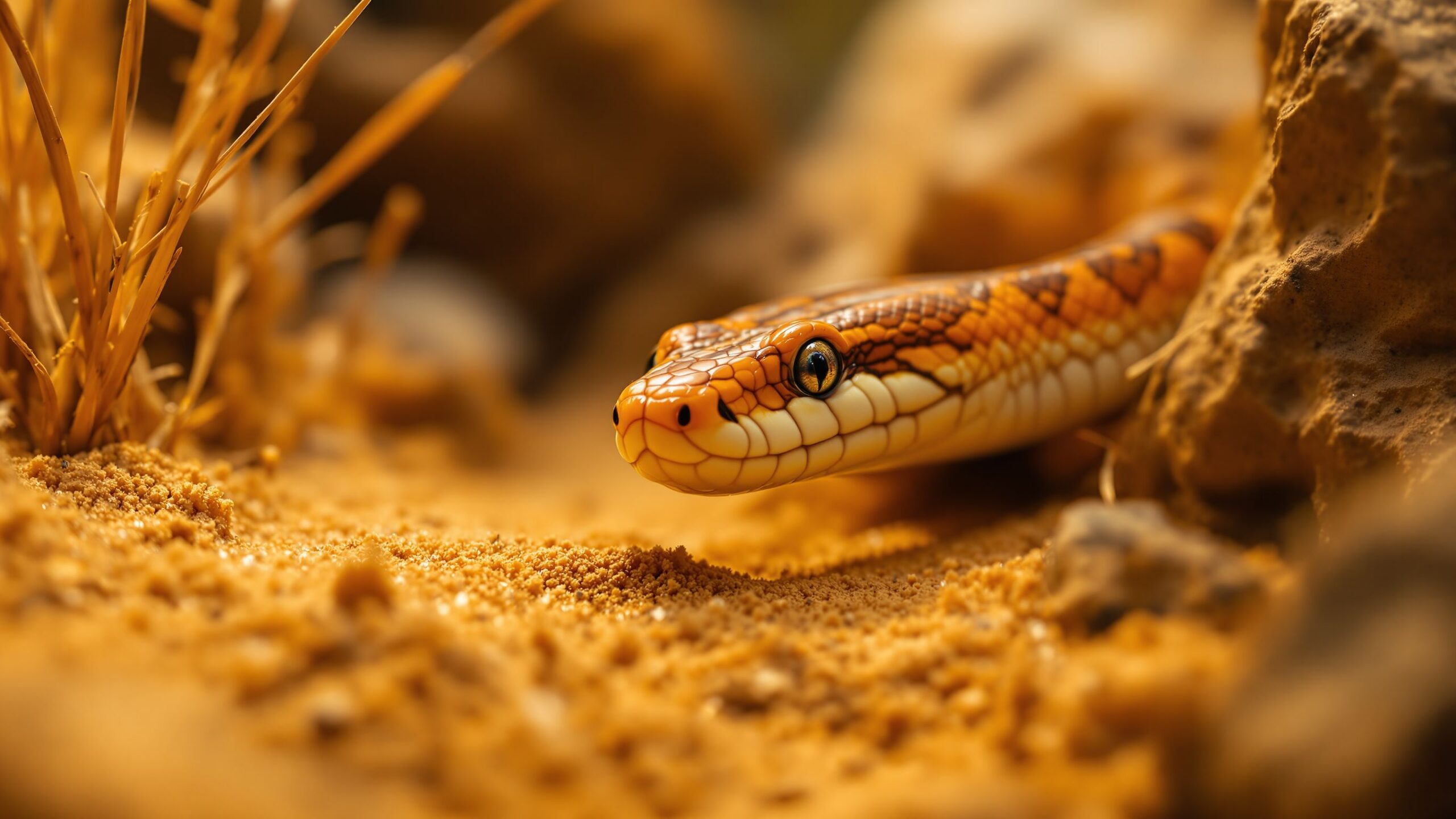
The natural habitat of the Kenyan Sand Boa stretches across parts of eastern Africa including Kenya, Tanzania, Egypt, Sudan, and surrounding regions. These snakes inhabit dry grasslands, scrublands, rocky deserts, and sandy environments where loose substrate allows them to burrow effectively. Kenyan sand boas are highly adapted to life beneath the surface. Instead of actively roaming above ground for long periods, they spend much of their time hidden beneath sand with only their eyes and nostrils exposed. This ambush strategy allows them to remain concealed while waiting for prey animals such as rodents or small reptiles to pass nearby. The hot arid environments they inhabit often experience dramatic temperature changes between day and night. During the hottest hours of the day, burrowing beneath the sand helps protect the snake from overheating and dehydration. Their natural coloration also acts as camouflage, blending into sandy and rocky terrain while helping them remain hidden from predators. Understanding their natural habitat is extremely important because successful captive care depends on recreating appropriate temperatures, humidity levels, substrate depth, and environmental conditions that support their instinctive burrowing behavior.
Physical Appearance and Features
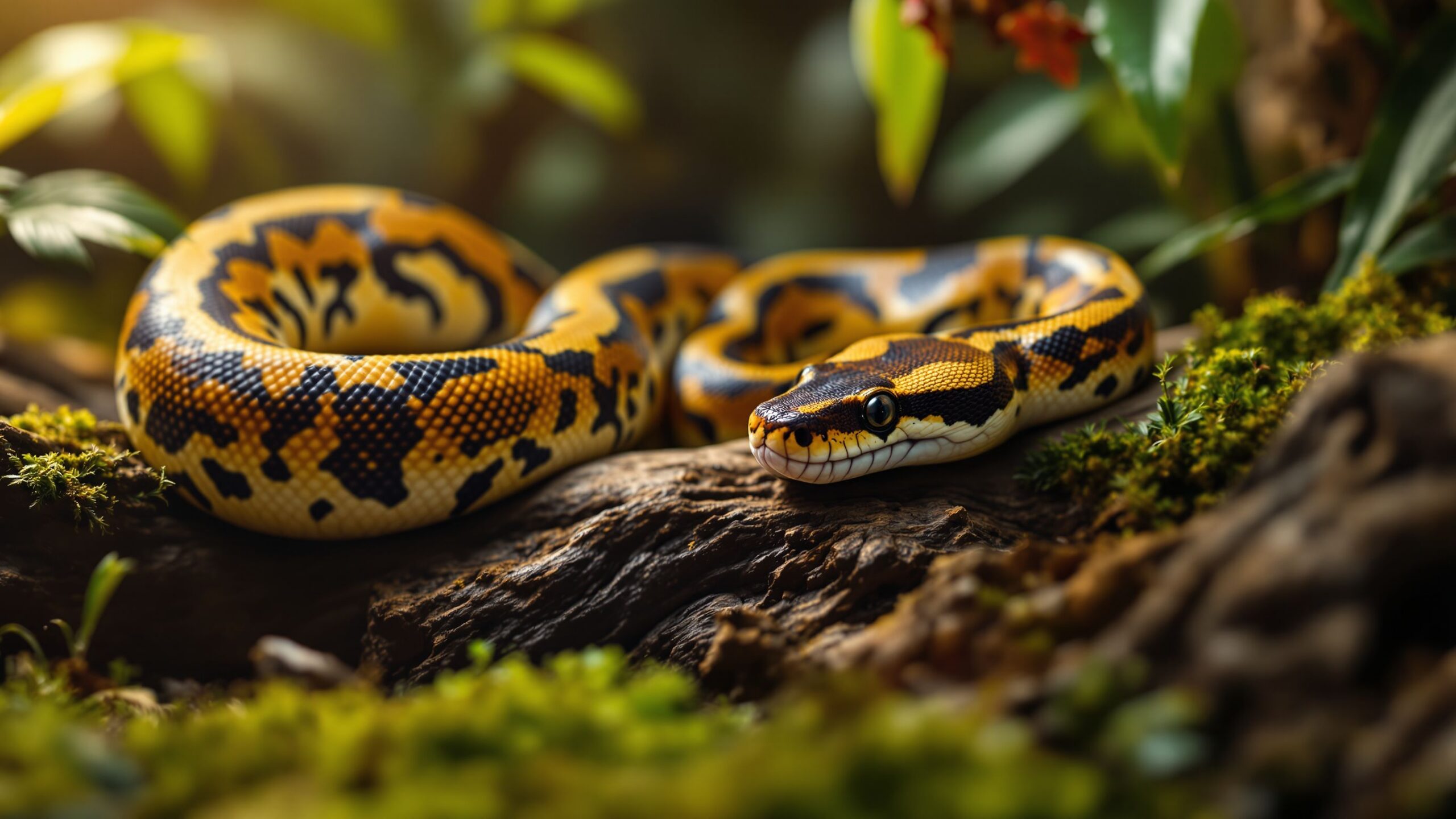
Kenyan sand boas are relatively small constrictor snakes that typically reach between one and three feet in length depending on sex and genetics. Females are usually much larger and thicker than males, while males tend to remain smaller and more slender throughout adulthood. One of the most distinctive features of the Kenyan Sand Boa is its unique body shape. These snakes possess thick muscular bodies with small wedge-shaped heads that blend smoothly into the neck, helping them move efficiently through loose substrate. Their tails are short and blunt, often causing people unfamiliar with the species to mistake the tail for the head. This adaptation may help confuse predators in the wild. Their scales are smooth, glossy, and tightly arranged, reducing friction while burrowing beneath sand. Wild-type Kenyan sand boas commonly display orange, yellow, tan, or brown bodies covered with dark blotches and speckled patterns that blend naturally into desert terrain. Through selective breeding, reptile enthusiasts have developed numerous morphs featuring bright oranges, whites, reduced patterns, striped designs, and other dramatic color combinations. Their eyes are relatively small and positioned near the top of the head, allowing the snake to remain mostly buried while still observing the environment above the sand.
Kenyan Sand Boa Behavior
The calm and secretive nature of the Kenyan Sand Boa is one of the main reasons it is considered a good beginner snake. Most Kenyan sand boas are naturally shy rather than aggressive and often prefer remaining hidden beneath substrate instead of actively exploring open areas. Unlike highly active snake species, Kenyan sand boas spend much of their time buried beneath the substrate with only portions of the body occasionally visible. This hidden lifestyle can surprise new owners who expect constant activity, but observing their natural ambush behavior is part of what makes the species so fascinating. Kenyan sand boas are primarily nocturnal or crepuscular, becoming more active during nighttime or early evening hours. Owners may occasionally observe them surfacing to explore, drink water, or reposition within the enclosure. These snakes are solitary animals and should generally be housed alone to avoid stress or accidental injury. Although generally calm, Kenyan sand boas may become defensive if startled suddenly or handled roughly. Defensive behaviors may include hissing, striking, or attempting to burrow away from perceived danger. However, bites are uncommon and usually harmless when the snake is treated gently and respectfully.
Why Kenyan Sand Boas Are Popular Pets
Kenyan sand boas are widely considered excellent beginner snakes because they combine manageable care requirements with unique behavior and relatively small adult size. Unlike large constrictors that require enormous enclosures and advanced experience, Kenyan sand boas remain compact and relatively easy to house. Their calm temperament also makes them approachable for people who may initially feel nervous about snakes. Another major reason for their popularity is their fascinating burrowing behavior. Watching a Kenyan sand boa disappear beneath the substrate or emerge slowly from the sand provides a completely different experience compared to keeping more active climbing snakes. Their feeding behavior is also intriguing because they often ambush prey from beneath the substrate with sudden explosive strikes. Selective breeding has further increased their popularity by producing beautiful morphs with dramatic colors and patterns. Reptile enthusiasts can choose from traditional wild-type snakes or vivid modern morphs depending on personal preference. With proper care, Kenyan sand boas commonly live fifteen to twenty years or longer, making them long-term companions for reptile enthusiasts.
Creating the Perfect Habitat
Providing a suitable habitat is one of the most important aspects of caring for the Kenyan Sand Boa. Because these snakes are burrowers, the enclosure should provide deep loose substrate that allows natural digging behavior. Adult Kenyan sand boas are commonly housed in twenty-gallon enclosures or larger depending on the size of the snake. Although they do not require tall climbing setups, they still benefit from secure hides, textured surfaces, and environmental enrichment opportunities. Warm-side temperatures are usually maintained in the upper 80s to low 90s Fahrenheit while cooler areas remain several degrees lower. Heating equipment such as under-tank heaters and thermostats are commonly used to maintain proper temperatures safely. Humidity requirements are relatively moderate because Kenyan sand boas originate from dry environments. Excessively damp conditions may contribute to respiratory issues or scale problems. However, slight humidity increases during shedding cycles can help support healthy skin removal. Substrate is one of the most important aspects of enclosure design. Aspen bedding, reptile-safe sand-soil mixtures, and other loose burrowing substrates are commonly used to allow natural behavior. Decorations such as rocks, branches, cork bark, and hides provide security and enrichment while creating a more naturalistic appearance.
Feeding and Nutrition
The Kenyan Sand Boa is a carnivorous constrictor that primarily feeds on rodents in captivity. Young snakes usually begin with pinky mice before gradually progressing to larger prey items as they grow. Frozen-thawed prey is strongly recommended over live feeding because it greatly reduces the risk of injury to the snake. Rodents can bite or scratch snakes in self-defense, potentially causing serious wounds or infections. Most Kenyan sand boas adapt well to frozen-thawed prey when husbandry conditions are maintained properly. Feeding frequency depends on age, metabolism, and body condition. Juveniles often eat every five to seven days while adults may eat every one to two weeks. Overfeeding should be avoided because obesity may negatively impact health and lifespan. Fresh water should always be available in a clean shallow bowl. Although Kenyan sand boas originate from relatively dry environments, hydration remains essential for proper shedding, digestion, and overall health. Watching a Kenyan sand boa feed can be especially fascinating because of its ambush hunting style. Many strike suddenly from beneath the substrate with surprising speed and precision.
Shedding and Growth
Like all snakes, Kenyan sand boas shed their skin regularly as they grow. Younger snakes shed more frequently because of rapid growth while adults shed less often. Before shedding, the snake’s colors may appear dull and the eyes may develop a cloudy bluish appearance caused by fluid beneath the old skin layer. During this period, many snakes become more secretive and may temporarily refuse food. Proper humidity and hydration are important for healthy shedding. Most healthy Kenyan sand boas shed their skin in one complete piece. Incomplete sheds may occur if the snake is dehydrated or if humidity levels are too low. Retained shed around the tail tip or eyes may lead to complications if not addressed carefully. Healthy growth depends on balanced nutrition, proper temperatures, hydration, and overall husbandry quality. Kenyan sand boas generally reach adult size within several years depending on sex and feeding schedules.
Common Health Problems
Although Kenyan sand boas are considered hardy snakes, they can still develop health issues if their care is incorrect. Respiratory infections are among the most common concerns and may occur if humidity levels are too high or enclosure temperatures are too low. Symptoms may include wheezing, mucus, bubbling around the mouth, or labored breathing. Shedding problems may develop if the snake becomes dehydrated or if humidity levels are too low during shedding cycles. Retained eye caps and stuck shed should be addressed carefully to avoid long-term complications. Scale rot may occur in excessively damp or unsanitary conditions and can lead to discoloration, blistering, or infection of the scales. Parasites, dehydration, obesity, and mouth infections may also occur if husbandry is poor. Monitoring appetite, body condition, shedding quality, and activity levels helps owners identify problems early. Finding a reptile veterinarian experienced with snakes is strongly recommended whenever health concerns arise.
Kenyan Sand Boa Morphs
The world of Kenyan sand boa morphs continues growing through selective breeding efforts within the reptile hobby. Morphs are genetic traits that alter coloration, pattern, or appearance. Popular morphs include albinos, paradoxes, striped morphs, snow morphs, anerythristics, and various reduced-pattern combinations. Some display bright oranges and yellows while others feature creamy whites, pale pinks, or highly contrasted markings. Selective breeding has become a major part of Kenyan sand boa culture, with enthusiasts studying genetics carefully to create increasingly unique combinations. Responsible breeding practices are important to avoid health complications associated with poor genetic diversity or irresponsible pairings. For many reptile keepers, selecting a morph is one of the most exciting parts of owning a Kenyan sand boa. Some owners prefer natural wild-type coloration while others seek visually dramatic modern morphs.
Breeding and Reproduction
Kenyan sand boas reproduce sexually, with females giving birth to live young rather than laying eggs. This reproductive strategy is known as ovoviviparity. After mating, females retain developing embryos internally until fully formed babies are born. A single litter may contain several young depending on the size and health of the female. Baby Kenyan sand boas are fully independent from birth and begin hunting small prey shortly afterward. Hatchlings often display vivid coloration and surprisingly strong feeding responses from an early age. Responsible breeding requires careful attention to genetics, nutrition, environmental conditions, and animal welfare. Breeding snakes without proper preparation can lead to complications for both adults and offspring.
Kenyan Sand Boas in Modern Reptile Culture
The Kenyan Sand Boa has become increasingly influential within the exotic pet community because of its unusual appearance, manageable size, and beginner-friendly care requirements. Social media, reptile expos, educational programs, and online reptile communities have all helped expand interest in the species worldwide. Owners frequently share enclosure builds, feeding videos, morph collections, and photos of their boas partially buried in substrate. Educational programs often use Kenyan sand boas to teach children and adults about reptile adaptation, desert ecosystems, burrowing behavior, and responsible exotic animal care. Their unusual appearance and calm nature make them especially memorable ambassador animals for reptile education.
Responsible Ownership and Long-Term Care
Owning a Kenyan sand boa is a long-term commitment that requires preparation, consistency, and research. Although they are considered beginner-friendly snakes, they still rely entirely on their owners for proper temperatures, substrate, hydration, feeding, enclosure maintenance, and healthcare. Potential owners should thoroughly research heating systems, substrate depth, feeding schedules, shedding support, and enclosure security before bringing home a Kenyan sand boa. Captive-bred snakes from reputable breeders are generally healthier and better adapted to captivity than wild-caught individuals. Respecting the natural instincts and behaviors of snakes is also important. Kenyan sand boas are highly specialized burrowing reptiles and thrive best in environments that allow them to express these natural behaviors safely. Many owners find the most rewarding aspect of ownership comes from observing the snake’s hidden ambush lifestyle and unique interactions with its environment.
The Enduring Popularity of the Kenyan Sand Boa
The lasting popularity of the Kenyan Sand Boa comes from its remarkable combination of calm temperament, unusual appearance, manageable size, and fascinating natural behavior. Few snakes balance beginner-friendly care requirements with such distinctive adaptations and visual charm. Whether admired for their burrowing lifestyle, glossy scales, blunt tails, or beautiful morph diversity, Kenyan sand boas continue to captivate reptile enthusiasts around the world. They have become ambassadors for snake appreciation and helped introduce countless people to the fascinating diversity of reptiles and exotic pets. For general readers, the Kenyan sand boa represents far more than just a popular pet snake. It is an extraordinary example of adaptation, survival, and specialization. From the sandy deserts and grasslands of Africa to carefully designed terrariums around the world, the Kenyan sand boa continues to inspire fascination, curiosity, and admiration among animal lovers everywhere.
Pet Product Reviews
Explore Duffy Street’s Pet Product Reviews! Sniff out the top-rated toys, treats, gear, and gadgets for your pets with our fun, easy-to-read comparisons. We’ve done the digging so you can find the perfect products for your pet friends!