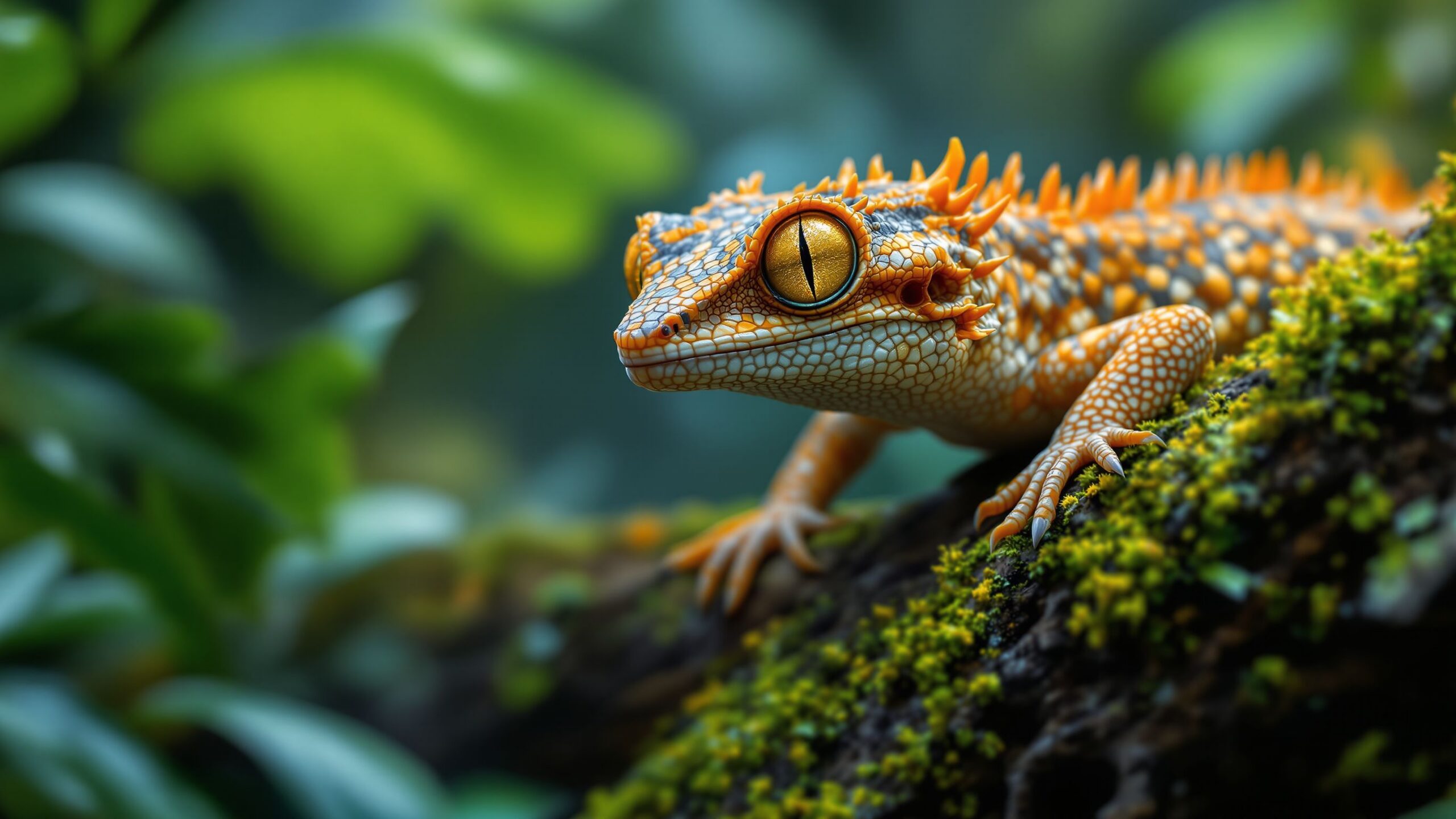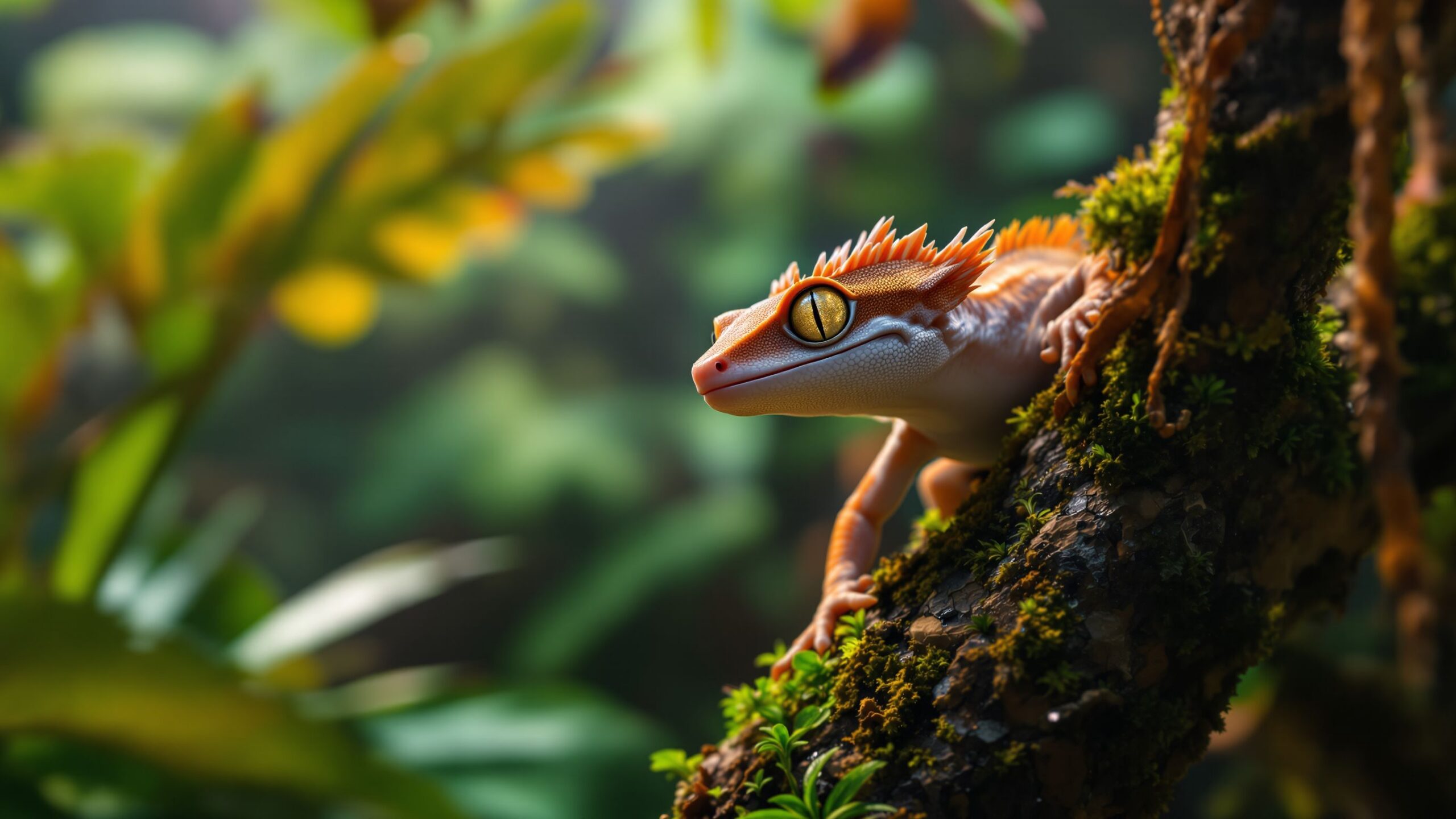
The Crested Gecko is one of the most recognizable and beloved reptiles in the exotic pet world. Famous for its dramatic eyelashes, soft textured skin, climbing abilities, and calm personality, this fascinating gecko has become a favorite among beginner and experienced reptile keepers alike. Native to the tropical islands of New Caledonia in the South Pacific, the crested gecko combines unusual physical features with manageable care requirements that make it one of the most approachable reptiles available today. Unlike many reptiles that require intense heating systems or highly specialized diets, crested geckos are considered relatively easy to care for when their basic environmental needs are met properly. Their expressive faces, large eyes, and unique crests give them an almost cartoon-like appearance that many reptile enthusiasts find incredibly charming. Over the years, crested geckos have become icons within reptile culture because they are hardy, adaptable, visually diverse, and available in a huge variety of colors and patterns. Through selective breeding, reptile breeders have produced stunning morphs featuring bright oranges, creams, reds, yellows, dark chocolate tones, tiger striping, dalmatian spots, and countless other combinations that continue to captivate reptile lovers around the world.
A: Yes, they are considered one of the best beginner pet geckos.
A: They commonly eat prepared crested gecko diet mixes along with occasional insects.
A: Many benefit from occasional feeder insects as enrichment and supplemental nutrition.
A: No, unlike some geckos, their tails usually do not grow back.
A: They rarely bite and are usually gentle when handled calmly.
A: Many live 15–20 years or longer with proper care.
A: Some keepers provide low-level UVB, though care methods may vary.
A: Stress, shedding, breeding season, or incorrect temperatures may affect appetite.
A: Cohabitation can cause stress or fighting, so many keepers prefer separate housing.
A: Yes, they are mainly active during the night and evening hours.
Origins and Natural Habitat
The natural habitat of the Crested Gecko is found within the humid tropical forests of New Caledonia, a group of islands located east of Australia. These geckos spend most of their lives in trees, shrubs, and dense vegetation where they climb branches and leaves in search of food and shelter. Crested geckos are arboreal reptiles, meaning they are specially adapted for life above the ground. Their environments are warm, humid, and filled with dense plant growth that provides hiding spaces and climbing opportunities. For many years, scientists believed the crested gecko was extinct after it disappeared from recorded observations for decades. However, the species was rediscovered in the 1990s after tropical storms led researchers to encounter surviving populations in New Caledonia’s forests. This rediscovery dramatically changed the reptile world and eventually led to the species becoming one of the most popular pet geckos globally. In the wild, crested geckos are primarily nocturnal. They emerge at night to hunt insects, lick fruit nectar, and explore the forest canopy while avoiding daytime predators and heat. During the day, they often rest hidden among leaves, bark, or tree hollows where they remain protected and camouflaged. Their natural coloration helps them blend into bark, moss, and tropical vegetation, providing effective camouflage against predators.
Physical Appearance and Features
Crested geckos are medium-sized geckos that typically reach between six and ten inches in total length, including the tail. One of their most recognizable features is the row of soft crests running from above the eyes down both sides of the head and back. These crests resemble eyelashes, which is why crested geckos are sometimes nicknamed “eyelash geckos.” Their large lidless eyes are designed for nighttime activity and give them excellent vision in low-light conditions. Unlike humans, crested geckos clean their eyes using their tongues because they do not have movable eyelids. Their skin feels soft and velvety compared to many other reptiles, and their bodies are lightweight yet muscular for climbing. One of the most fascinating adaptations of the Crested Gecko is its specialized toe pads. Tiny microscopic structures called setae allow the gecko to cling to glass, branches, leaves, and other smooth surfaces with incredible grip. Their semi-prehensile tails also help with balance and climbing, although crested geckos can drop their tails when frightened. Unlike some lizards, crested geckos do not regrow lost tails. Tail-less crested geckos are commonly referred to as “frogbutts” within the reptile community because of their rounded appearance after tail loss. Selective breeding has created an enormous variety of colors and patterns within captivity. Some crested geckos display tiger stripes, dalmatian-like spots, cream pinstriping, harlequin patterns, or fiery orange and red coloration that becomes especially vibrant after shedding or during periods of excitement.
Crested Gecko Behavior
The calm and manageable temperament of the Crested Gecko is one of the biggest reasons for its popularity as a pet. While individual personalities vary, many crested geckos become tolerant of gentle handling and appear curious about their surroundings. Young geckos can sometimes be energetic and jumpy, but many calm down significantly as they mature. Crested geckos are nocturnal animals, meaning they become most active during nighttime hours. Owners frequently observe them climbing glass walls, leaping between branches, licking food from surfaces, and exploring every corner of their enclosure after sunset. These geckos are surprisingly athletic and capable of impressive jumps relative to their size. Their sticky toe pads and lightweight bodies allow them to move effortlessly through vertical environments. Although they are generally peaceful reptiles, crested geckos may become stressed if handled excessively or housed improperly. Signs of stress may include hiding constantly, refusing food, vocalizing, or dropping the tail. Like many reptiles, crested geckos rely heavily on body language to communicate their mood and comfort levels. Unlike some territorial reptiles, crested geckos are often more tolerant of limited social interaction, although males should not be housed together due to territorial aggression. Careful monitoring is important whenever multiple geckos share an enclosure.
Why Crested Geckos Are Popular Pets
Crested geckos are considered one of the best beginner reptiles because they combine fascinating behaviors with relatively simple care requirements. Unlike many reptiles that require intense basking temperatures or expensive lighting systems, crested geckos thrive at moderate room temperatures in many households. Their diet also contributes heavily to their popularity. Commercial powdered diets formulated specifically for crested geckos have simplified feeding dramatically. These diets are mixed with water into a fruit-based paste that provides balanced nutrition. Many crested geckos eagerly lick these prepared diets from feeding ledges or bowls, making feeding easier than caring for insect-only reptiles. Another major reason for their popularity is the incredible variety of morphs available through captive breeding. Reptile enthusiasts can choose from hundreds of colors, patterns, and trait combinations ranging from subtle earthy tones to vibrant high-contrast designs. Their manageable size and relatively calm demeanor also make them appealing to people who may feel intimidated by larger reptiles. With proper care, crested geckos often live fifteen to twenty years or more, allowing owners to build long-term connections with their pets.
Creating the Perfect Habitat
Providing a proper habitat is one of the most important parts of caring for the Crested Gecko. Because these geckos are arboreal, vertical space is far more important than floor space. Tall terrariums filled with climbing branches, vines, cork bark, and live or artificial plants help replicate the forest environments they naturally inhabit. Adult crested geckos are commonly housed in enclosures around eighteen by eighteen by twenty-four inches or larger, although bigger habitats provide additional enrichment opportunities. The enclosure should include plenty of hiding places where the gecko can rest during daytime hours. Humidity is extremely important for crested gecko health. Their enclosure usually requires regular misting to maintain humidity levels that support hydration and healthy shedding. However, proper ventilation is equally important because stagnant overly wet environments can encourage mold or respiratory problems. Temperatures for crested geckos remain relatively moderate compared to many reptiles. Most thrive in temperatures ranging from the low 70s to upper 70s Fahrenheit. Excessive heat can be dangerous or even fatal for crested geckos, making temperature monitoring extremely important. Substrates often include coconut fiber, bioactive soil blends, paper towels, or moss-based materials that help maintain humidity. Many keepers also create naturalistic bioactive enclosures filled with live plants, cleanup insects, and natural décor that closely resemble tropical rainforest ecosystems.
Feeding and Nutrition
The Crested Gecko is an omnivorous reptile that eats both fruit matter and insects. In captivity, most owners feed commercially prepared powdered diets specifically formulated for crested geckos. These diets contain balanced nutrients, vitamins, proteins, and fruit ingredients designed to support long-term health. The powdered food is mixed with water into a soft paste that geckos lick eagerly from bowls or feeding ledges. In addition to prepared diets, many owners offer live insects such as crickets, dubia roaches, or black soldier fly larvae as supplemental enrichment and protein sources. Insects are often dusted with calcium and vitamin supplements to ensure balanced nutrition. Feeding schedules vary depending on age and activity levels. Juveniles generally eat more frequently due to rapid growth, while adults may eat several times per week. Fresh water should always be available, although crested geckos often prefer licking water droplets from leaves and enclosure surfaces after misting. Watching a crested gecko hunt insects or lick fruit diet from surfaces can be fascinating because it highlights the species’ natural feeding instincts and behaviors.
Shedding and Growth
Like all reptiles, crested geckos shed their skin regularly as they grow. Younger geckos shed more frequently because of rapid development, while adults shed less often. Before shedding, their colors may appear dull or faded as the old skin layer loosens. Proper humidity is extremely important during shedding cycles because it helps soften the old skin and allows it to peel away smoothly. Most healthy crested geckos remove their shed successfully on their own and often consume the old skin afterward. Problems can occur if humidity levels are too low or if the gecko becomes dehydrated. Retained shed around the toes, tail, or crests may restrict circulation and require careful attention. Healthy growth depends on proper temperatures, balanced nutrition, hydration, and overall husbandry quality. Crested geckos generally reach adult size within one to two years depending on genetics and feeding schedules.
Common Health Problems
Although crested geckos are considered hardy reptiles, they can still experience health issues if their care is inadequate. One of the most common problems is metabolic bone disease, usually caused by calcium deficiency or improper supplementation. Symptoms may include weak limbs, tremors, deformities, or difficulty climbing. Dehydration can also become a serious issue if humidity levels are too low or if the gecko is unable to drink properly. Signs of dehydration may include wrinkled skin, lethargy, or sunken eyes. Respiratory infections can develop if ventilation is poor or if temperatures and humidity levels are consistently incorrect. Symptoms may include wheezing, mucus, or labored breathing. Other concerns include parasites, mouth infections, shedding problems, and injuries caused by falls or enclosure hazards. Monitoring appetite, activity levels, climbing ability, and body condition helps owners identify health concerns early. Finding a veterinarian experienced with reptiles is highly recommended for proper diagnosis and treatment when health issues arise.
Crested Gecko Morphs
The world of crested gecko morphs is enormous and continues expanding every year. Selective breeding has produced an incredible variety of patterns, colors, and trait combinations that make each gecko unique. Popular morph categories include flame, harlequin, pinstripe, tiger, brindle, dalmatian, quadstripe, lily white, and axanthic varieties. Some display bright orange and cream coloration, while others feature dark chocolate tones, heavy spotting, or dramatic pattern contrast. Breeding projects have become a major aspect of crested gecko culture, with enthusiasts studying genetics carefully to create new and exciting combinations. Responsible breeding practices are important to avoid health complications associated with certain traits or poor genetic diversity. For many reptile keepers, choosing a morph is one of the most exciting parts of owning a crested gecko. Some owners prefer natural earthy tones resembling wild geckos, while others seek rare and visually dramatic combinations.
Breeding and Reproduction
Crested geckos reproduce sexually, with females laying pairs of eggs after mating. Under healthy conditions, females may produce multiple clutches throughout the breeding season. The eggs are usually buried in moist substrate where they incubate under controlled temperature and humidity conditions. Baby crested geckos emerge fully independent and begin climbing and feeding shortly after hatching. Hatchlings are tiny, energetic, and often display surprisingly vivid coloration from an early age. Responsible breeding requires careful attention to genetics, nutrition, environmental conditions, and overall animal health. Females should only be bred when healthy and mature enough to handle the physical demands of egg production safely.
Crested Geckos in Modern Reptile Culture
The Crested Gecko has become one of the most influential reptiles in the exotic pet industry. Their approachable care requirements, expressive appearance, and incredible morph diversity have introduced countless people to reptile keeping. Social media, reptile expos, online communities, and educational programs have all helped increase the popularity of crested geckos around the world. Owners frequently share enclosure builds, morph collections, breeding projects, and feeding videos with fellow enthusiasts online. Educational programs often use crested geckos to teach children and adults about reptiles, rainforest ecosystems, adaptation, and responsible pet ownership. Their manageable size and calm demeanor make them excellent ambassador animals for reptile education.
Responsible Ownership and Long-Term Care
Owning a crested gecko is a long-term commitment that requires preparation, consistency, and research. Although they are considered beginner-friendly reptiles, they still rely entirely on their owners for proper feeding, humidity, hydration, enclosure maintenance, and healthcare. Potential owners should research habitat design, misting routines, diet preparation, supplementation, and behavioral needs before bringing home a crested gecko. Captive-bred geckos from reputable breeders are generally healthier and better adapted to captivity than wild-caught animals. Respecting the natural instincts and limitations of reptiles is also important. Crested geckos may tolerate gentle handling, but they are still wild animals with behaviors shaped by evolution and survival instincts. Many owners find the most rewarding part of ownership comes from observing their climbing behaviors, nighttime activity, and unique personalities within well-designed habitats.
The Enduring Popularity of the Crested Gecko
The lasting popularity of the Crested Gecko comes from its remarkable combination of beauty, personality, adaptability, and beginner-friendly care. Few reptiles balance fascinating behaviors with such manageable husbandry requirements and visual diversity. Whether admired for their eyelashes, climbing abilities, expressive faces, or incredible morph combinations, crested geckos continue to captivate reptile enthusiasts around the world. They have become ambassadors for reptile appreciation and helped introduce countless people to the fascinating world of exotic pets. For general readers, the crested gecko represents far more than just a popular pet reptile. It is an extraordinary example of adaptation, biodiversity, and survival. From the rainforests of New Caledonia to carefully designed terrariums around the world, the crested gecko continues to inspire fascination, curiosity, and admiration among animal lovers everywhere.
Pet Product Reviews
Explore Duffy Street’s Pet Product Reviews! Sniff out the top-rated toys, treats, gear, and gadgets for your pets with our fun, easy-to-read comparisons. We’ve done the digging so you can find the perfect products for your pet friends!