The African Fat-Tailed Gecko is one of the most charming and beginner-friendly reptiles in the exotic pet world. Known for its thick tail, gentle personality, soft appearance, and manageable care requirements, this fascinating gecko has become increasingly popular among reptile enthusiasts of all experience levels. Native to parts of western Africa, the African fat-tailed gecko combines unique natural adaptations with a calm temperament that makes it one of the most approachable reptiles available in captivity. At first glance, African fat-tailed geckos are often compared to leopard geckos because of their similar body shape and terrestrial lifestyle. However, they possess their own distinct personality, environmental needs, and appearance that set them apart. Their thick tails serve as fat-storage reserves, helping them survive periods when food may be limited in the wild. Their soft earthy coloration and banded patterns also provide excellent camouflage among soil, bark, and leaf litter in their natural environment. Over the years, African fat-tailed geckos have become especially beloved because they are relatively hardy, easy to handle, visually adorable, and available in a growing variety of morphs and color patterns through selective breeding.
A: Yes, they are usually calm, manageable, and beginner-friendly when their heat and humidity needs are met.
A: They eat live insects such as crickets, dubia roaches, mealworms, and other appropriate feeders.
A: No, they are insectivores and do not need fruits or vegetables.
A: Many live 15–20 years or longer with proper care.
A: Yes, many tolerate gentle handling after they settle into their enclosure.
A: They can bite if frightened, but most are calm and reluctant to bite.
A: Low-level UVB can be beneficial, though calcium and vitamin routines are still important.
A: Hiding during the day is normal because they are mostly nocturnal.
A: Separate housing is usually safest because cohabitation can cause stress or fighting.
A: Stress, shedding, low temperatures, illness, or environmental problems may affect appetite.
Origins and Natural Habitat
The natural habitat of the African Fat-Tailed Gecko stretches across regions of western Africa including countries such as Ghana, Senegal, Cameroon, and surrounding areas. Unlike the dry desert habitats of leopard geckos, African fat-tailed geckos inhabit more humid savannas, grasslands, forest edges, and lightly wooded environments. These geckos spend much of their lives hidden beneath logs, rocks, bark, leaf litter, or inside burrows where humidity levels remain higher and temperatures are more stable. Their natural environments experience warm temperatures and seasonal rainfall that create slightly humid microclimates important for hydration and healthy shedding. African fat-tailed geckos are primarily nocturnal reptiles, meaning they become active during nighttime hours when temperatures are cooler and predators are less active. During the day, they remain hidden in secure shelters where they conserve moisture and avoid excessive heat. Their earthy brown, tan, and striped coloration helps them blend naturally into the forest floor and surrounding terrain, providing camouflage against predators while hunting insects. Understanding their natural habitat is extremely important because successful captive care depends on recreating proper temperatures, humidity levels, hiding opportunities, and environmental stability that support their natural behaviors and biological needs.
Physical Appearance and Features
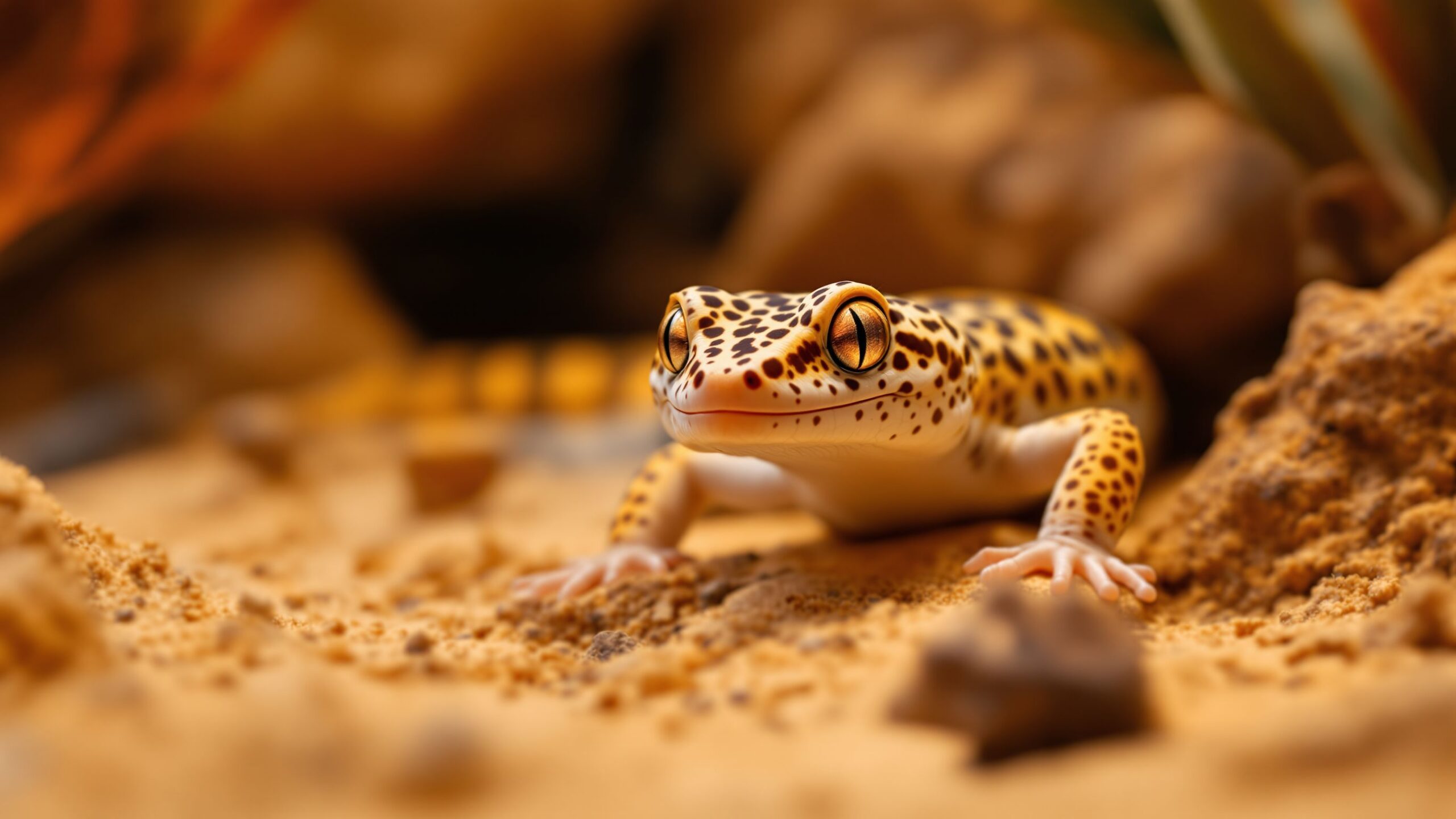
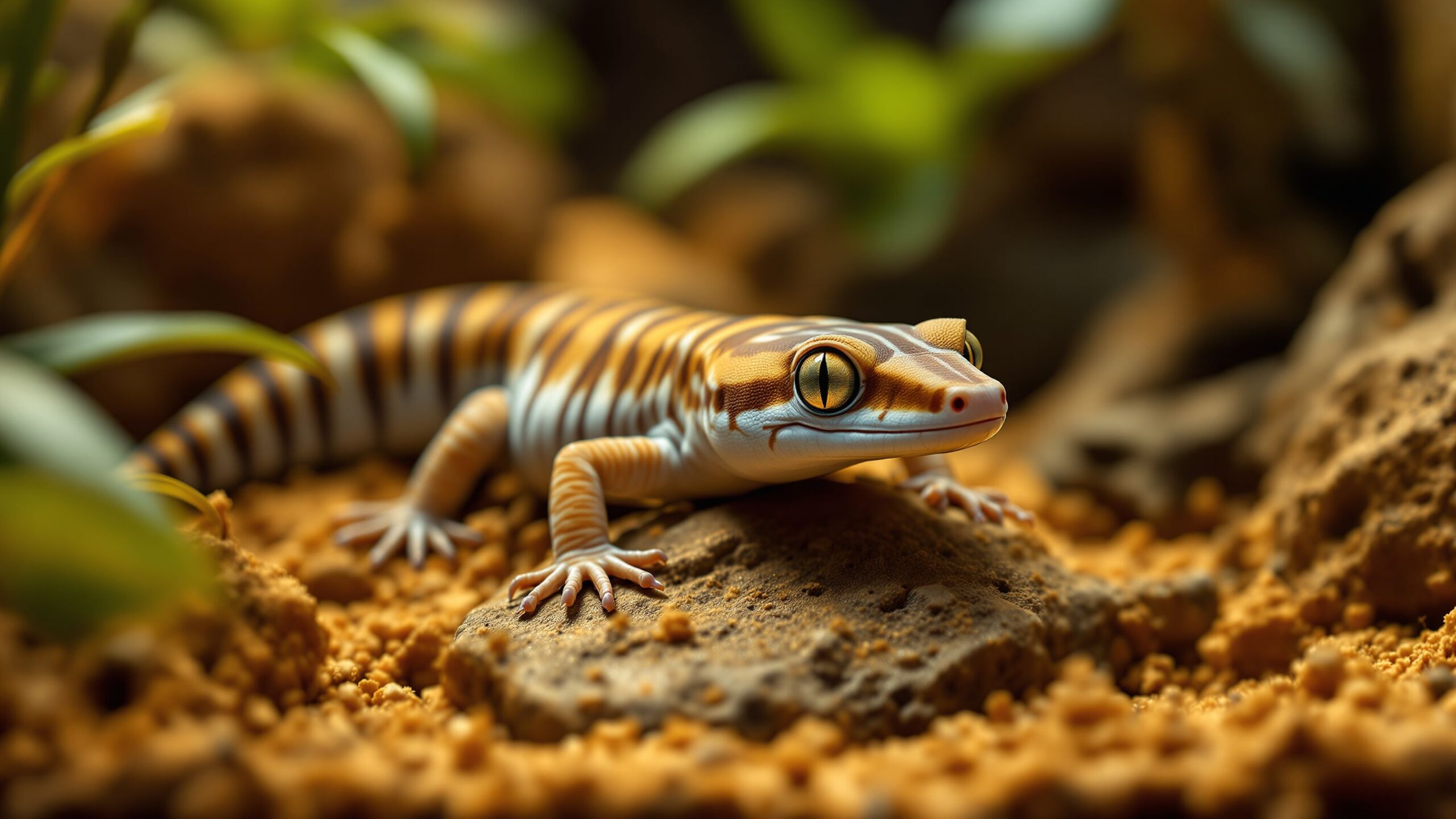
African fat-tailed geckos are medium-sized terrestrial geckos that typically reach between seven and nine inches in total length when fully grown. One of the most recognizable features of the African Fat-Tailed Gecko is its thick fat-storing tail. This tail acts as an energy reserve that helps the gecko survive during periods when food may become scarce. A healthy fat tail is often considered a strong indicator of proper nutrition and overall health. Their bodies are sturdy and muscular with smooth slightly bumpy skin that feels soft compared to many reptiles. Wild-type African fat-tailed geckos commonly display earthy browns, tans, blacks, and creamy bands that provide excellent camouflage within natural habitats. Their large eyes feature vertical slit pupils adapted for nighttime hunting, and unlike many geckos, they possess movable eyelids that allow them to blink and clean their eyes. Their feet lack sticky climbing pads found in arboreal geckos because they are primarily ground-dwelling reptiles. Instead, their claws are adapted for walking across soil, bark, and rough terrain. Through selective breeding, reptile enthusiasts have developed numerous morphs featuring bright oranges, whites, reduced patterns, striped appearances, and unique color combinations that continue expanding within the reptile hobby.
African Fat-Tailed Gecko Behavior
The calm and gentle temperament of the African Fat-Tailed Gecko is one of the biggest reasons for its popularity as a pet reptile. While every gecko has its own personality, many African fat-tailed geckos become tolerant of handling and display relatively relaxed behavior compared to more nervous reptile species. These geckos are naturally shy and secretive animals. In the wild, they spend much of their time hidden during daylight hours and emerge after dark to hunt insects and explore their surroundings. Owners frequently observe them becoming active during the evening, slowly exploring the enclosure, climbing over decorations, and stalking feeder insects. African fat-tailed geckos are generally solitary animals and are usually housed alone in captivity to reduce stress and territorial conflict. Males especially may become aggressive toward one another if housed together. Although they are usually calm, African fat-tailed geckos may become defensive if frightened suddenly or handled improperly. Defensive behaviors may include tail waving, vocalizations, or attempts to retreat into hiding. However, bites are relatively uncommon and usually harmless when the gecko is treated gently and respectfully.
Why African Fat-Tailed Geckos Are Popular Pets
African fat-tailed geckos are widely considered excellent beginner reptiles because they combine manageable care requirements with calm personalities and adorable appearances. Their relatively slow movements and tolerant nature often make handling easier for new reptile owners compared to faster or more defensive species. Another major reason for their popularity is their manageable size. Unlike larger lizards that require enormous enclosures, African fat-tailed geckos can thrive comfortably in reasonably sized habitats when their environmental needs are met properly. Their feeding habits are also straightforward because they primarily eat insects such as crickets, dubia roaches, mealworms, and black soldier fly larvae. Watching them hunt prey can be one of the most entertaining aspects of ownership because of their slow stalking behavior and sudden precise strikes. Selective breeding has further increased their popularity by producing beautiful morphs and color combinations. Reptile enthusiasts can choose from traditional wild-type geckos or dramatic modern morphs depending on personal preference. With proper care, African fat-tailed geckos commonly live fifteen to twenty years or longer, making them long-term companions for reptile enthusiasts.
Creating the Perfect Habitat
Providing a suitable habitat is one of the most important aspects of caring for the African Fat-Tailed Gecko. Because these geckos are terrestrial, floor space is generally more important than vertical climbing height. Adult African fat-tailed geckos are commonly housed in twenty-gallon enclosures or larger depending on individual size and activity level. The enclosure should include both a warm side and a cool side so the gecko can regulate body temperature naturally. Warm-side temperatures are usually maintained in the upper 80s to low 90s Fahrenheit while cooler areas remain several degrees lower. Heating systems such as under-tank heaters paired with thermostats are commonly used to maintain stable temperatures safely. Humidity is especially important for African fat-tailed geckos because they originate from environments more humid than those of leopard geckos. A humid hide filled with damp moss helps support hydration and healthy shedding while also providing a secure resting area. Hides are essential because these geckos naturally seek enclosed secure spaces where they feel protected. Most setups include at least a warm hide, cool hide, and humid hide. Suitable substrates often include coconut fiber, soil blends, paper towels, reptile carpet, or other reptile-safe materials that help maintain moderate humidity. Decorations such as bark, rocks, branches, and textured surfaces encourage exploration and environmental enrichment.
Feeding and Nutrition
The African Fat-Tailed Gecko is an insectivorous reptile that feeds primarily on insects. Common feeder insects include crickets, dubia roaches, mealworms, black soldier fly larvae, and occasional waxworms as treats. Providing dietary variety helps ensure balanced nutrition while also encouraging natural hunting behavior. Feeder insects should be gut-loaded before feeding, meaning they are fed nutritious foods that transfer important nutrients to the gecko. Calcium and vitamin supplementation are extremely important for maintaining healthy bones and preventing nutritional deficiencies. Insects are commonly dusted with calcium powder and vitamin supplements before feeding sessions. Juvenile geckos generally eat more frequently because of rapid growth while adults often eat several times per week. Appetite may fluctuate depending on temperature, stress, breeding season, or shedding cycles. Fresh water should always be available in a shallow clean dish. Watching an African fat-tailed gecko hunt insects is often one of the most rewarding aspects of ownership because of their patient stalking behavior and sudden accurate strikes.
Shedding and Growth
Like all reptiles, African fat-tailed geckos shed their skin regularly as they grow. Younger geckos shed more frequently because of rapid development while adults shed less often. Before shedding, the gecko’s skin may appear pale or dull as the old layer loosens from the body. Proper humidity is extremely important during shedding cycles because it softens the old skin and allows it to peel away properly. Most healthy African fat-tailed geckos remove their shed successfully on their own and often consume the old skin afterward. Problems may occur if humidity levels are too low or if the gecko becomes dehydrated. Retained shed around the toes, tail, or eyes may restrict circulation and require careful attention. Healthy growth depends on balanced nutrition, proper temperatures, hydration, humidity, and overall husbandry quality. African fat-tailed geckos generally reach adult size within one to two years depending on genetics and feeding schedules.
Common Health Problems
Although African fat-tailed geckos are considered hardy reptiles, they can still develop health issues if their care is incorrect. One of the most common concerns is metabolic bone disease, usually caused by calcium deficiency or improper supplementation. Symptoms may include weak limbs, tremors, deformities, or difficulty walking. Shedding problems may occur if humidity levels are too low or if the gecko becomes dehydrated. Retained shed around the toes can become especially dangerous if not removed carefully. Respiratory infections may develop if humidity becomes excessively high without proper ventilation or if enclosure temperatures remain too low. Symptoms may include wheezing, mucus, or labored breathing. Other concerns include parasites, dehydration, mouth infections, tail injuries, and digestive issues. Monitoring appetite, body condition, tail thickness, shedding quality, and activity levels helps owners identify problems early. Finding a reptile veterinarian experienced with geckos is strongly recommended whenever health concerns arise.
African Fat-Tailed Gecko Morphs
The world of African fat-tailed gecko morphs continues growing through selective breeding efforts within the reptile hobby. Morphs are genetic traits that alter coloration, pattern, or appearance. Popular morph categories include albinos, patternless varieties, striped morphs, white-outs, ghost morphs, and various orange or reduced-pattern combinations. Some geckos display bright oranges and creams while others feature pale whites, dark contrasts, or unusual pattern arrangements. Selective breeding has become a major aspect of African fat-tailed gecko culture, with breeders carefully studying genetics to create increasingly dramatic combinations. Responsible breeding practices are important to avoid health complications associated with poor genetic diversity or irresponsible pairings. For many reptile keepers, selecting a morph is one of the most exciting parts of ownership. Some owners prefer traditional earthy wild-type coloration while others seek bold visually striking modern morphs.
Breeding and Reproduction
African fat-tailed geckos reproduce sexually, with females laying eggs after mating. During healthy breeding conditions, females may produce multiple clutches throughout the breeding season. Eggs are usually buried in moist substrate where they incubate under carefully controlled temperature and humidity conditions. Hatchlings emerge fully independent and begin hunting small insects shortly after birth. Baby African fat-tailed geckos are often highly energetic and display strong feeding responses from an early age. Responsible breeding requires careful attention to genetics, environmental conditions, nutrition, and overall animal welfare. Breeding reptiles without proper preparation can lead to complications for both adults and offspring.
African Fat-Tailed Geckos in Modern Reptile Culture
The African Fat-Tailed Gecko has become increasingly influential within the exotic pet world because of its calm personality, manageable care requirements, and adorable appearance. Social media, reptile expos, educational programs, and online reptile communities have all contributed to the growing popularity of African fat-tailed geckos worldwide. Owners frequently share feeding videos, morph collections, enclosure builds, and photos highlighting the gecko’s expressive appearance and thick tail. Educational programs often use African fat-tailed geckos to teach children and adults about reptiles, nocturnal adaptation, insectivorous diets, and responsible exotic animal care. Their calm demeanor and approachable appearance make them especially effective ambassador animals for reptile education and outreach.
Responsible Ownership and Long-Term Care
Owning an African fat-tailed gecko is a long-term commitment that requires preparation, consistency, and research. Although they are considered beginner-friendly reptiles, they still rely entirely on their owners for proper temperatures, humidity, hydration, feeding, supplementation, enclosure maintenance, and healthcare. Potential owners should thoroughly research habitat design, humidity management, feeding schedules, supplementation routines, and gecko behavior before bringing home an African fat-tailed gecko. Captive-bred geckos from reputable breeders are generally healthier and better adapted to captivity than wild-caught individuals. Respecting the natural instincts and behaviors of reptiles is also important. African fat-tailed geckos thrive best in environments that allow them to hide, hunt, explore, and maintain secure nighttime routines naturally. Many owners find the most rewarding part of ownership comes from observing their gecko’s personality, hunting behavior, and gradual trust-building over time.
The Enduring Popularity of the African Fat-Tailed Gecko
The lasting popularity of the African Fat-Tailed Gecko comes from its remarkable combination of calm temperament, adorable appearance, manageable size, and beginner-friendly care requirements. Few reptiles balance approachable behavior with such fascinating adaptations and charming personality. Whether admired for their thick tails, soft earthy coloration, expressive eyes, or growing morph diversity, African fat-tailed geckos continue to captivate reptile enthusiasts around the world. They have become ambassadors for reptile appreciation and helped introduce countless people to the fascinating world of exotic pets. For general readers, the African fat-tailed gecko represents far more than just a popular pet reptile. It is an extraordinary example of adaptation, survival, and biodiversity. From the humid savannas and forests of western Africa to carefully designed terrariums around the world, the African fat-tailed gecko continues to inspire fascination, curiosity, and admiration among animal lovers everywhere.
Pet Product Reviews
Explore Duffy Street’s Pet Product Reviews! Sniff out the top-rated toys, treats, gear, and gadgets for your pets with our fun, easy-to-read comparisons. We’ve done the digging so you can find the perfect products for your pet friends!