Reptiles have become some of the most fascinating pets in the world. From the curious leopard gecko to the friendly bearded dragon and the mysterious ball python, reptiles offer a pet ownership experience unlike any other. Their ancient appearance, unique behaviors, and incredible diversity have attracted millions of animal lovers who want something different from traditional household pets. Watching a reptile explore its habitat, hunt for food, or bask under a heat lamp can be both entertaining and educational. However, reptiles are not the perfect pet for everyone. While they may not require daily walks or constant attention like dogs, they have specialized needs that require commitment and preparation. Proper heating, lighting, nutrition, and habitat design are essential for their health and happiness. Before bringing one home, it is important to understand exactly what reptile ownership involves. This guide will help you determine whether a reptile is the right pet for your lifestyle and provide the information needed to get started successfully.
A: Yes, if you choose a beginner-friendly species and set up the enclosure correctly before bringing it home.
A: Leopard geckos, corn snakes, and crested geckos are often great beginner choices.
A: Some tolerate gentle handling, but most reptiles prefer calm, limited interaction.
A: The reptile itself may be affordable, but the enclosure, heating, lighting, food, and vet care can add up.
A: Many do, but the exact heating setup depends on the species and enclosure type.
A: Not all, but many lizards and turtles benefit from or require UVB for proper calcium use.
A: Yes, but adults should handle setup, cleaning, feeding supervision, and safety rules.
A: A clean enclosure should not smell strongly; odor usually means waste, old food, or poor maintenance.
A: It depends on species, age, and diet; some eat daily, while others eat once a week or less.
A: A reputable captive breeder is often the best choice because the animal’s health, age, and feeding history are clearer.
Why Reptiles Have Become So Popular
The popularity of reptiles has increased dramatically over the last few decades. Advances in reptile care knowledge, better equipment, and responsible breeding programs have made these animals more accessible than ever before. Today, people can find detailed information about nearly every species, making it easier to provide proper care.
Many owners are drawn to reptiles because they are incredibly unique. Unlike dogs and cats, reptiles represent a completely different branch of the animal kingdom. Their behaviors, physical adaptations, and survival strategies are fascinating to observe. Every species offers something different, whether it is the climbing abilities of a gecko, the calm nature of a ball python, or the curious personality of a bearded dragon.
Another reason for their popularity is their relatively quiet nature. Reptiles do not bark, meow, or create significant noise. This makes them attractive pets for apartment dwellers, students, and people who prefer a peaceful home environment.
Understanding What Makes Reptiles Different
One of the first things prospective owners need to understand is that reptiles are fundamentally different from mammals. They do not regulate their body temperature internally like humans, dogs, or cats. Instead, they rely on external heat sources to maintain proper body functions.
This means their environment is directly tied to their health. Temperature gradients, humidity levels, and lighting conditions all play critical roles in their daily lives. A reptile that does not receive proper heat may struggle to digest food, fight off illness, or remain active.
Reptiles also tend to display affection differently than mammals. While some become comfortable being handled, they generally do not seek attention in the same way as traditional pets. Owners often find satisfaction in observing natural behaviors rather than expecting constant interaction.
Understanding these differences helps establish realistic expectations and creates a stronger foundation for successful reptile ownership.
The Benefits of Owning a Reptile
Reptiles offer numerous advantages that make them excellent pets for the right individuals. One of the biggest benefits is that many species require less direct attention than traditional pets. While their habitats need maintenance, they do not require multiple walks per day or constant companionship.
Many reptiles are also surprisingly clean animals. Properly maintained enclosures produce very little odor compared to many other pets. Routine cleaning and habitat management help keep the environment fresh and pleasant.
Another benefit is their educational value. Reptile ownership often inspires people to learn about biology, ecosystems, evolution, and conservation. Children especially can gain valuable lessons about responsibility and animal care through reptile ownership.
Reptiles also come in an incredible variety of sizes, colors, and personalities. Whether someone wants a small gecko, a colorful lizard, or a calm snake, there is likely a species that matches their interests and lifestyle.
The Challenges of Reptile Ownership
Although reptiles offer many rewards, they also present challenges that should not be ignored. One of the most common misconceptions is that reptiles are inexpensive pets. While some species themselves may be affordable, the cost of proper equipment can add up quickly.
A quality enclosure, heating equipment, lighting systems, thermometers, humidity gauges, substrate, decorations, and food supplies all contribute to the initial investment. Purchasing proper equipment from the beginning is essential because cutting corners can lead to health problems later.
Veterinary care can also be more specialized than many people expect. Not every veterinarian treats reptiles, so finding an experienced exotic animal veterinarian may require additional research.
Feeding can present challenges as well. Depending on the species, owners may need to provide insects, rodents, vegetables, fruits, or specialized prepared diets. Some people discover they are uncomfortable feeding live insects or handling frozen rodents.
Being aware of these challenges beforehand helps ensure a positive ownership experience.
Questions to Ask Before Getting a Reptile
Before purchasing any reptile, take time to evaluate your lifestyle honestly. Ask yourself whether you are willing to learn about habitat management and environmental requirements. Reptiles depend completely on their owners to create suitable living conditions.
Consider your budget carefully. Beyond the initial setup costs, there will be ongoing expenses for food, electricity, replacement bulbs, supplements, and veterinary care. These costs can vary depending on the species.
Think about how much space you have available. Some reptiles remain small throughout their lives, while others require large enclosures as adults. Planning for the animal’s full adult size is critical.
You should also consider long-term commitment. Many reptiles live much longer than people realize. Bringing one home means accepting responsibility for years or even decades of care.
Best Reptiles for Beginners
Certain reptile species consistently stand out as excellent choices for first-time owners. Leopard geckos are among the most recommended beginner reptiles because they are generally hardy, manageable, and easy to care for. Their small size and calm nature make them popular among families and individuals alike.
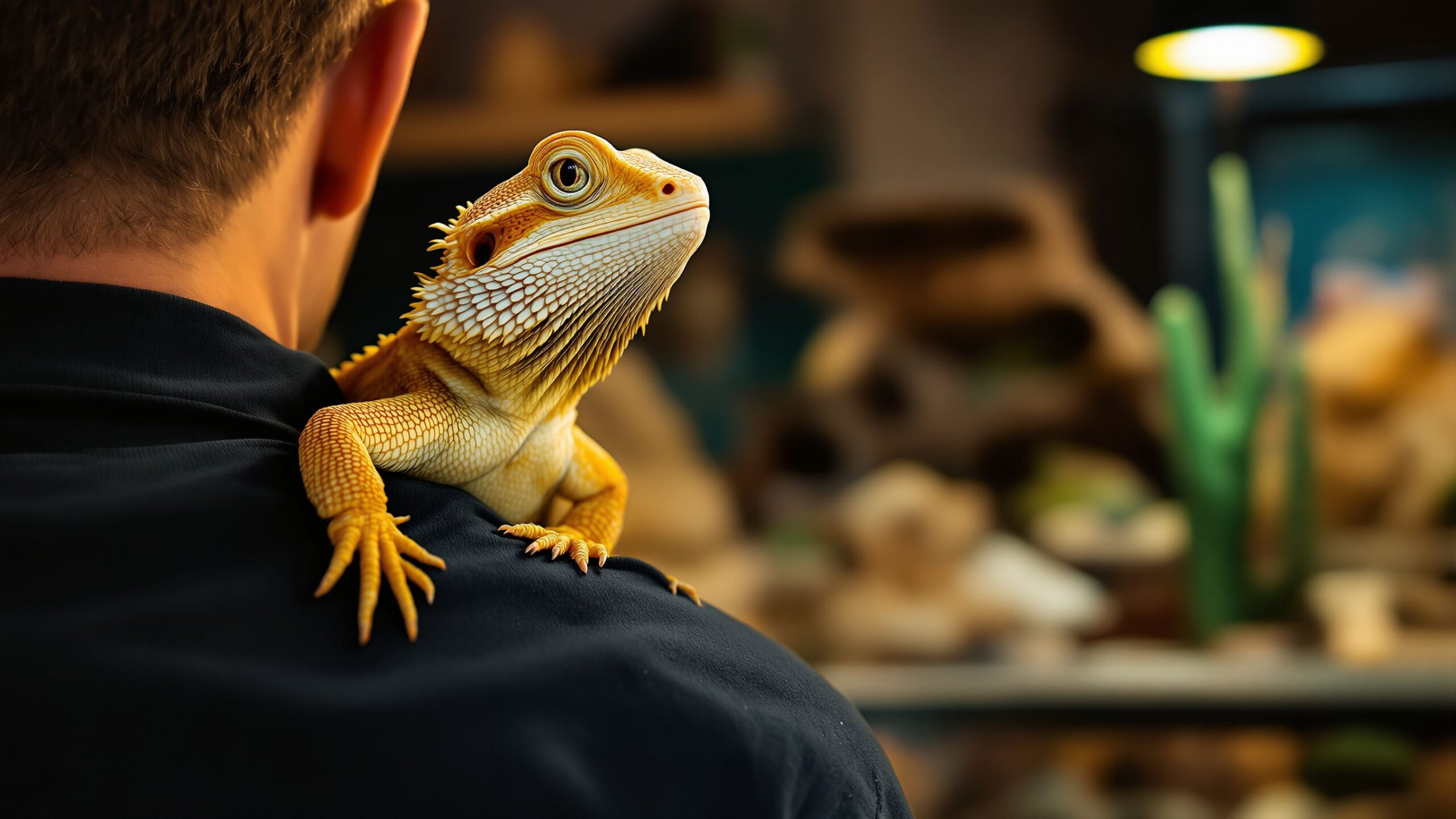
Bearded dragons are another outstanding beginner species. Known for their engaging personalities and tolerance of handling, they often become favorite pets among reptile enthusiasts. They do require specialized lighting and a larger enclosure, but many owners find them highly rewarding.
Crested geckos are appreciated for their relatively simple care requirements. They often thrive at normal room temperatures and can eat commercially prepared diets, reducing some of the complexity associated with feeding.
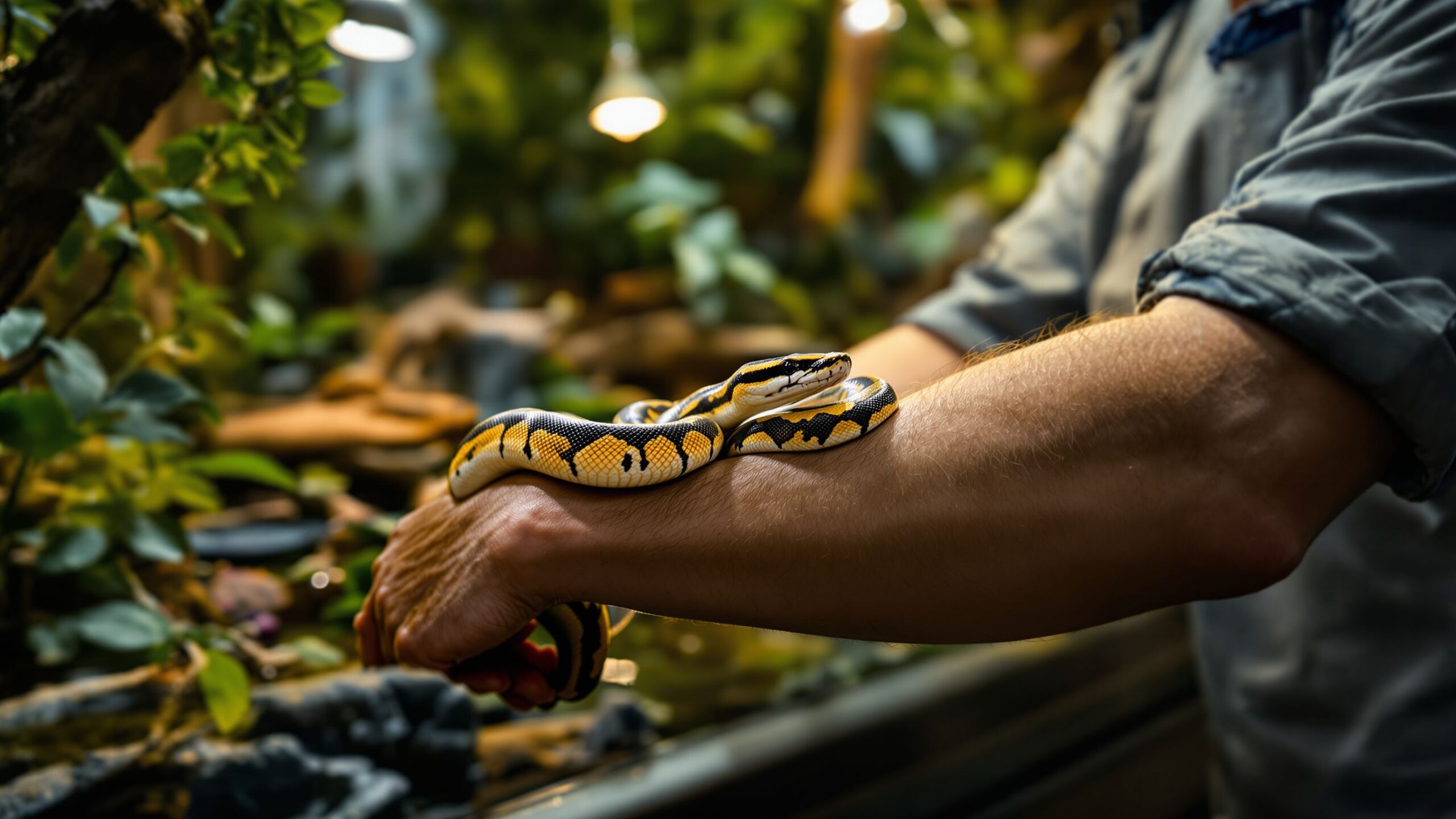
Ball pythons remain one of the most popular beginner snakes. Their gentle temperament and moderate size make them approachable for individuals interested in snake ownership.
Each of these species offers a unique experience while remaining suitable for beginners willing to learn proper care techniques.
Reptiles That May Not Be Suitable for Beginners
While some reptiles are beginner-friendly, others require advanced experience and should generally be avoided by new keepers. Large monitor lizards, for example, are intelligent and impressive animals, but they require substantial space, specialized care, and experienced handling.
Chameleons are another species that often attracts beginners because of their appearance. However, their precise environmental requirements and sensitivity to husbandry mistakes make them challenging to maintain successfully.
Large constrictor snakes can eventually require enormous enclosures and specialized management techniques. Their size alone can make them impractical for many households.
Certain tortoise species also present long-term challenges because they require large habitats and can live for many decades. Choosing an appropriate beginner species increases the likelihood of long-term success and enjoyment.
Creating the Ideal Habitat
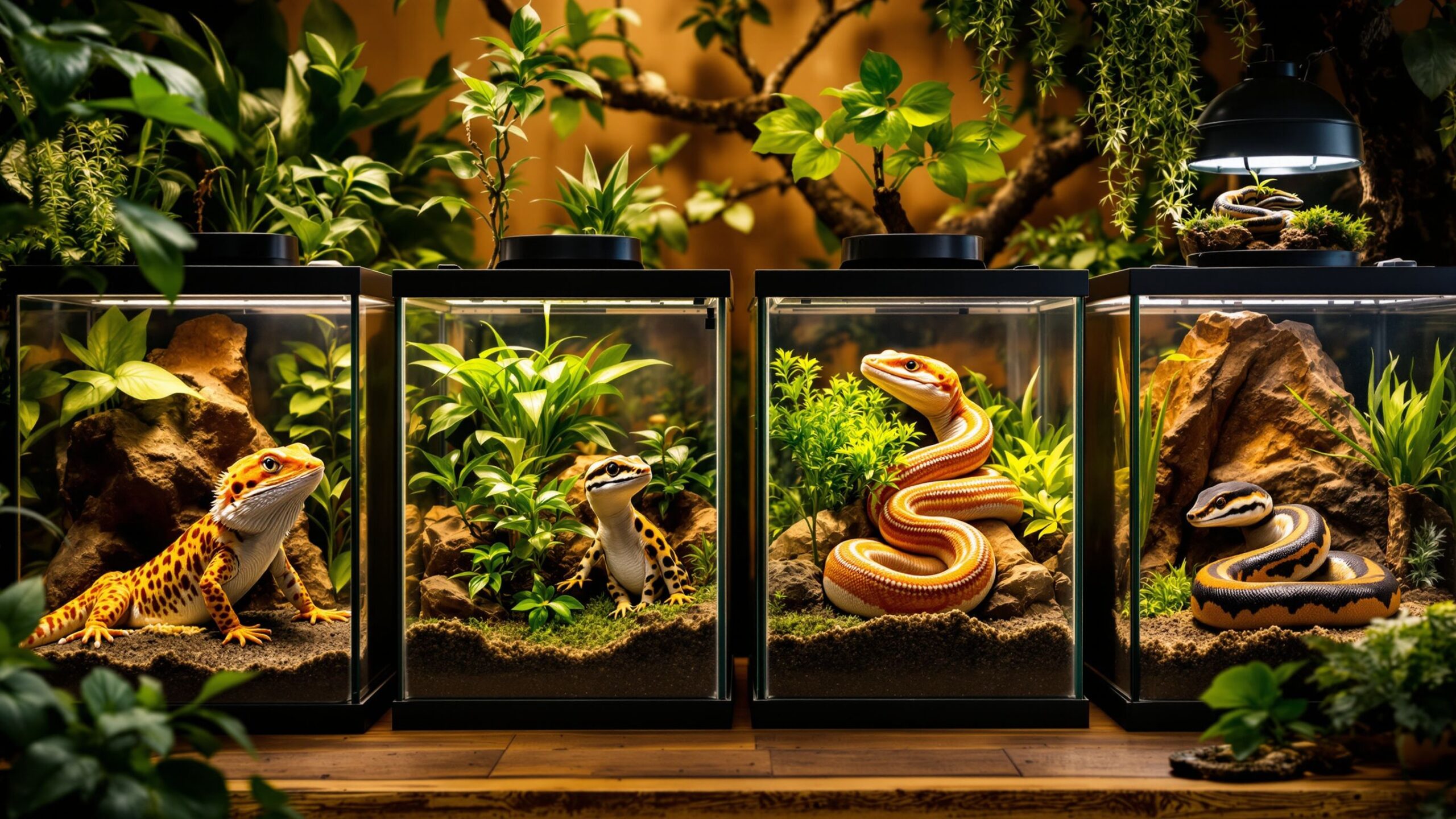
A reptile enclosure should be viewed as an ecosystem rather than simply a cage. Every aspect of the habitat contributes to the animal’s overall health and well-being. Temperature gradients allow reptiles to move between warmer and cooler areas according to their needs.
Proper lighting is equally important. Many reptiles require specialized ultraviolet lighting to help process calcium and maintain healthy bones. Without adequate lighting, serious health issues can develop over time.
Humidity requirements vary dramatically among species. Desert reptiles generally require lower humidity levels, while tropical species may need significantly higher moisture levels. Monitoring these conditions with reliable equipment is essential.
Hiding places, climbing structures, and naturalistic decorations help create a secure and enriching environment. A well-designed habitat encourages natural behaviors and reduces stress.
Feeding Your Reptile Properly
Nutrition is one of the most important components of reptile care. Different species have vastly different dietary needs. Some reptiles eat insects exclusively, while others consume vegetables, fruits, rodents, or combinations of multiple food types.
Providing a balanced diet requires understanding the nutritional requirements of your specific species. Simply feeding whatever is convenient can lead to serious deficiencies and health problems.
Calcium supplementation is particularly important for many reptiles. Without adequate calcium and proper lighting, animals may develop metabolic bone disease, a potentially severe condition that affects bone strength and development.
Fresh water should always be available, even for species that receive some hydration through their food. Consistent access to clean water supports overall health and proper bodily functions.
Building Trust Through Handling
Many new owners hope to interact with their reptile regularly. While reptiles do not form relationships in the same way as mammals, many can become comfortable with human interaction through patient and consistent handling.
The key is allowing the animal time to adjust to its new environment. Newly acquired reptiles should generally be given a period of acclimation before frequent handling begins.
Approaching calmly, moving slowly, and supporting the animal properly helps create positive experiences. Over time, many reptiles learn that handling is not a threat and become more relaxed during interactions.
Learning to recognize signs of stress is equally important. Respecting the animal’s comfort level helps build trust and reduces the likelihood of defensive behavior.
Common Health Problems and Warning Signs
Successful reptile ownership involves monitoring for signs of illness. Changes in appetite, activity levels, appearance, or behavior often indicate that something may be wrong.
Respiratory infections are among the most common health problems and are frequently linked to improper temperatures or humidity levels. Symptoms may include wheezing, excessive mucus, or difficulty breathing.
Shedding problems can occur when humidity levels are inadequate. Retained shed around toes, tails, or eyes may require attention to prevent complications.
Nutritional deficiencies, dehydration, and parasite infections can also affect reptiles if husbandry practices are not properly maintained. Regular observation and routine veterinary care play important roles in preventing serious health issues.
The Long-Term Commitment of Reptile Ownership
Many reptiles live significantly longer than most people expect. Leopard geckos often live twenty years or more. Ball pythons can exceed thirty years in captivity. Some tortoise species can outlive their owners entirely.
This longevity means reptile ownership should never be an impulsive decision. Future housing, career changes, family situations, and financial considerations should all be factored into the decision-making process.
Long-lived pets offer the opportunity to form lasting connections and gain years of enjoyment. However, they also require long-term planning and dedication from responsible owners.
Is a Reptile the Right Pet for You?
A reptile can be an extraordinary companion for the right person. These remarkable animals offer unique beauty, fascinating behaviors, and an ownership experience unlike any other type of pet. They are quiet, educational, and available in a wide range of species suited to different interests and lifestyles.
At the same time, reptiles require specialized care, environmental management, and a commitment to continuous learning. They are not low-maintenance decorations but living creatures that depend entirely on their owners for survival and well-being.
If you enjoy learning about animals, appreciate observing natural behaviors, and are willing to invest time and effort into creating a proper habitat, a reptile may be an excellent addition to your home. By researching species carefully and preparing thoroughly, you can enjoy a rewarding relationship with one of nature’s most fascinating groups of animals.
For many reptile enthusiasts, owning their first lizard, snake, or tortoise opens the door to a lifelong passion. With the right preparation and realistic expectations, your reptile can become a captivating companion for many years to come.
Pet Product Reviews
Explore Duffy Street’s Pet Product Reviews! Sniff out the top-rated toys, treats, gear, and gadgets for your pets with our fun, easy-to-read comparisons. We’ve done the digging so you can find the perfect products for your pet friends!