Bearded dragons have earned a reputation as one of the best pet reptiles in the world. Their calm personalities, curious nature, and relatively manageable care requirements have made them a favorite among both beginner and experienced reptile keepers. Unlike many reptiles that prefer to remain hidden, bearded dragons often seem interested in what is happening around them. They watch their owners, explore their surroundings, and frequently become comfortable with handling. For many people considering their first reptile, a bearded dragon is often at the top of the list. However, while these lizards are generally friendly and rewarding pets, daily life with a bearded dragon involves much more than simply providing food and a cage. Proper lighting, heating, nutrition, habitat maintenance, and long-term commitment all play important roles in successful ownership. Understanding what daily life is really like with a bearded dragon can help future owners decide whether this popular reptile is the right fit for their home and lifestyle.
A: Yes, they are one of the best beginner reptiles when their lighting, heat, and diet are set up correctly.
A: Many tolerate handling well, but they should always be supported gently and never squeezed.
A: Adults usually need fresh greens often, while younger dragons need more frequent insect feedings.
A: Yes, UVB is very important for calcium use, bone strength, and long-term health.
A: Many live around 8–12 years, and some live longer with excellent care.
A: The dragon itself usually does not smell, but the enclosure can if waste and old food are not cleaned.
A: It is usually safest to house them alone because they can become territorial or aggressive.
A: A black beard can mean stress, cold, excitement, illness, or territorial behavior.
A: Spot-clean daily and do deeper cleaning regularly to keep the habitat safe and fresh.
A: Expect to check lights and temperatures, offer food, clean waste, watch behavior, and interact gently when appropriate.
Why Bearded Dragons Are So Popular
There are many reasons why bearded dragons have become one of the most widely kept reptiles in the world. Their appearance alone attracts attention. With their spiky scales, triangular heads, and expressive eyes, they have a prehistoric look that fascinates reptile enthusiasts.
What truly sets them apart, however, is their personality. Many owners describe their bearded dragons as surprisingly interactive. While they do not form bonds in the same way dogs or cats do, they often recognize routines and become comfortable around familiar people. Some even seem eager to come out of their enclosure and explore.
Their manageable size is another advantage. Most adult bearded dragons grow between 16 and 24 inches long, making them large enough to handle comfortably without requiring enormous enclosures like some larger reptiles.
Combined with their generally calm temperament, these qualities make bearded dragons one of the most beginner-friendly reptile species available.
What a Typical Day Looks Like
Living with a bearded dragon means establishing a daily routine that supports the animal’s health and natural behaviors. Most bearded dragons become active shortly after their lights turn on in the morning. They often move to their basking area where they spend time warming up and preparing their bodies for the day.
Owners typically begin the day by checking temperatures, ensuring lighting systems are functioning properly, and providing fresh food and water. Young dragons usually require daily feedings of insects along with vegetables, while adults eat larger portions of vegetables and fewer insects.
Throughout the day, many bearded dragons alternate between basking, exploring, eating, and resting. They often enjoy observing activity around the room and may watch their owners move about the house.
Evening routines usually involve removing uneaten food, spot-cleaning the enclosure if necessary, and ensuring everything is ready before the lights turn off for the night.
Bearded Dragons Have Unique Personalities
One of the most enjoyable aspects of owning a bearded dragon is discovering its individual personality. While every dragon is different, many exhibit behaviors that owners find entertaining and endearing.
Some dragons are highly curious and constantly investigate new objects in their environment. Others prefer predictable routines and become visibly excited when they recognize feeding time approaching. Many enjoy climbing onto branches, rocks, or elevated platforms to observe their surroundings.
Owners often notice that their dragons seem interested in watching television, looking out windows, or observing activity in the room. While these behaviors should not be interpreted as human-like emotions, they contribute to the perception that bearded dragons are highly engaging pets.
These personality traits are one reason many people describe bearded dragons as among the most interactive reptiles available.
The Importance of Habitat Setup
A bearded dragon’s enclosure is one of the most important factors influencing its health and quality of life. Unlike mammals, reptiles rely heavily on their environment to regulate essential bodily functions.
A proper enclosure includes a basking area with temperatures typically ranging between 95 and 110 degrees Fahrenheit, depending on the dragon’s age and needs. Cooler areas should also be available so the animal can regulate its body temperature naturally.
Ultraviolet lighting is equally important. Without proper UVB exposure, bearded dragons can develop serious health issues related to calcium metabolism and bone development. Quality lighting equipment is not optional but an essential part of responsible care.
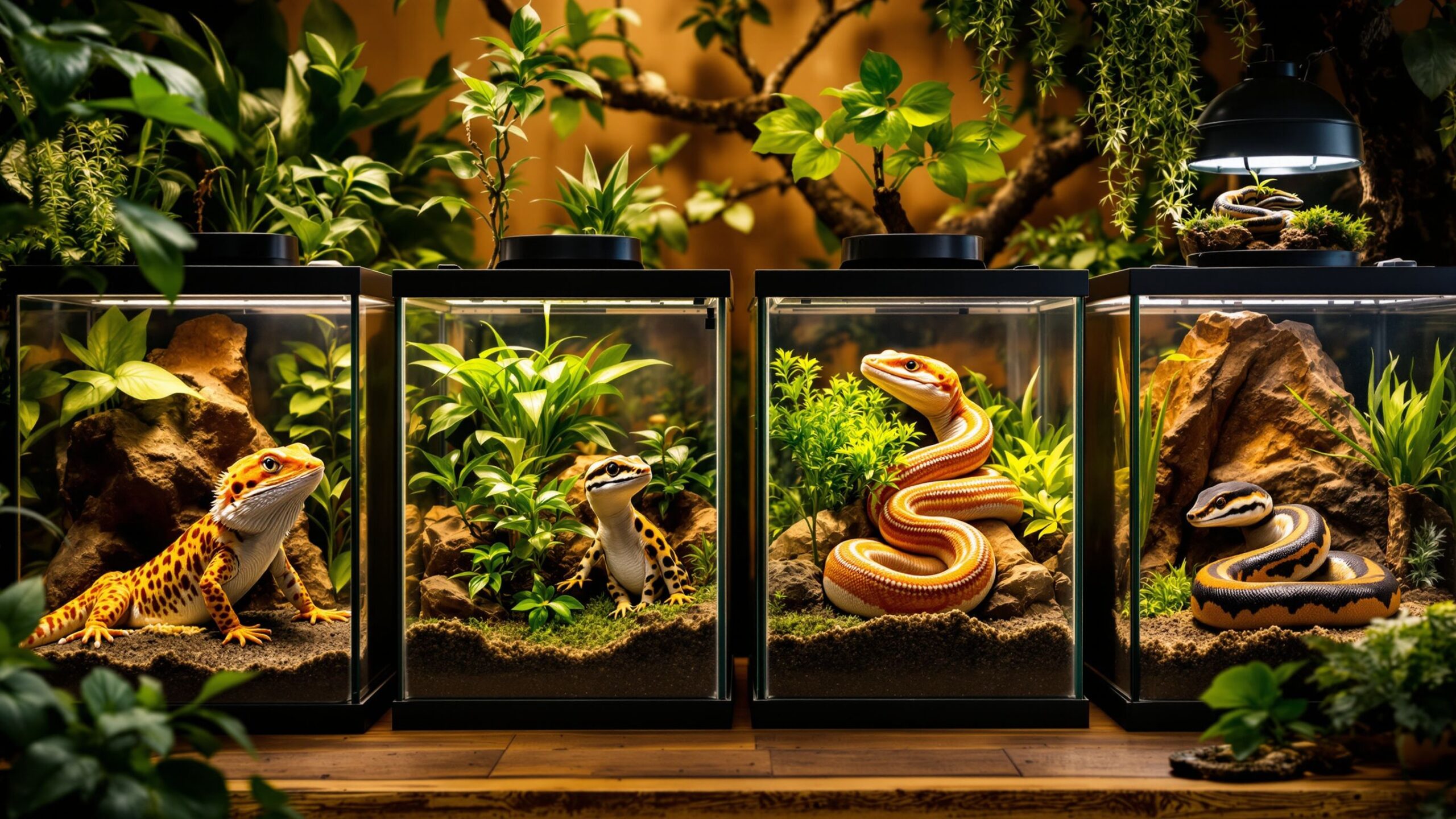
The enclosure should also include hiding areas, climbing structures, and enough space for movement and exploration. A well-designed habitat supports both physical and mental well-being.
Feeding a Bearded Dragon
Nutrition is one of the most important aspects of bearded dragon care. These reptiles are omnivores, meaning they eat both animal and plant matter.
Young dragons require a higher percentage of insects because they are growing rapidly. Crickets, dubia roaches, black soldier fly larvae, and other feeder insects provide valuable protein and nutrients. As dragons mature, vegetables become a larger portion of the diet.
Leafy greens such as collard greens, mustard greens, and turnip greens are commonly recommended. Vegetables provide important vitamins, minerals, and fiber that support long-term health.
Calcium supplementation is essential as well. Many owners dust insects and vegetables with calcium powder to help prevent nutritional deficiencies. Proper supplementation combined with adequate UVB lighting helps reduce the risk of metabolic bone disease.
Providing a varied and balanced diet contributes significantly to a dragon’s overall health and lifespan.
What Handling a Bearded Dragon Feels Like
Many prospective owners wonder what it is like to handle a bearded dragon. Unlike some reptiles that may remain nervous around people, bearded dragons often tolerate handling very well when approached correctly.
Their bodies feel sturdy and muscular, and their movements are usually calm and deliberate. While their scales appear sharp, most owners find them comfortable to hold. Supporting the dragon’s body properly helps it feel secure and relaxed.
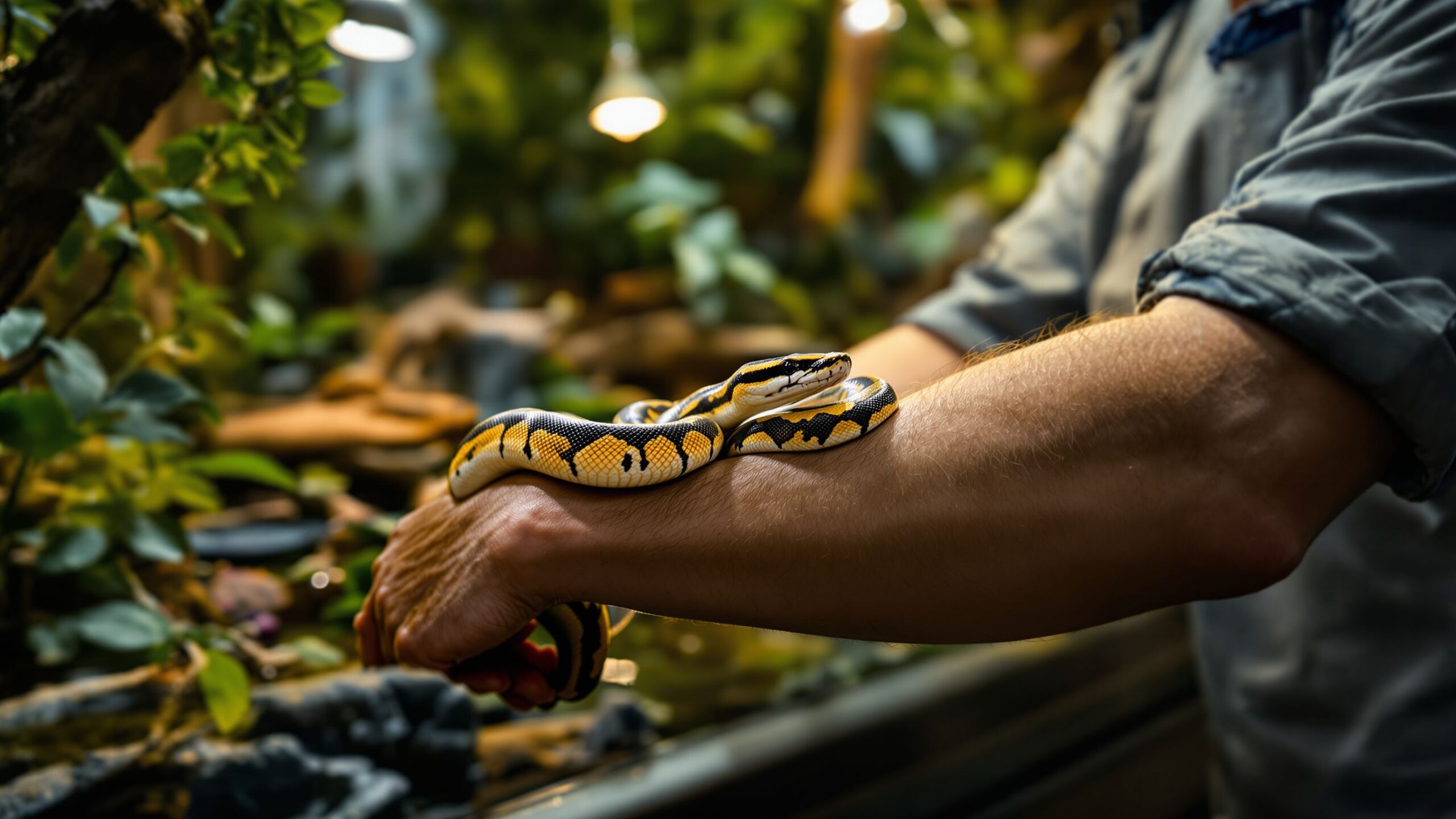
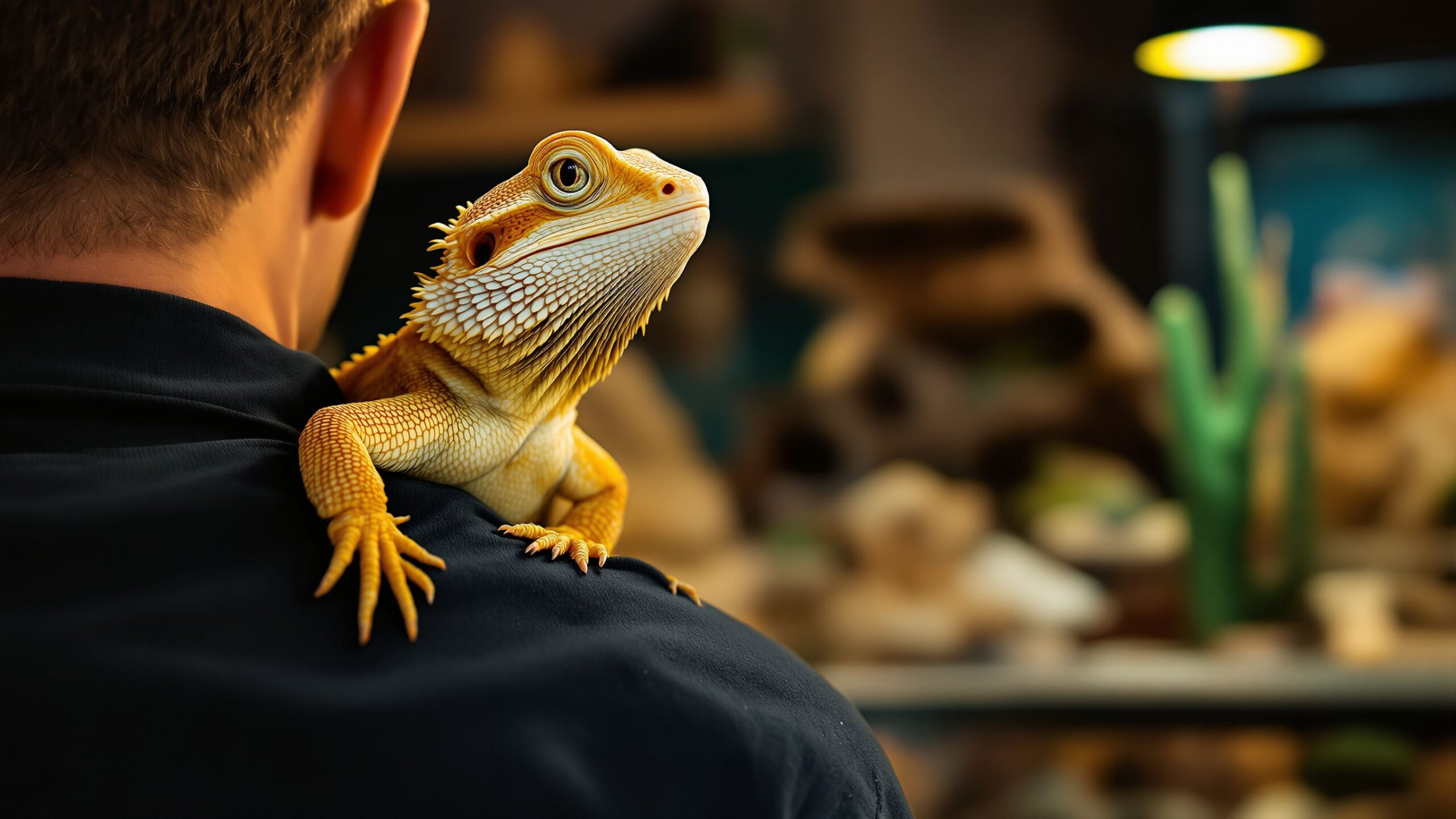
Many dragons enjoy sitting on their owner’s shoulder, lap, or arm while exploring their surroundings. Some become so relaxed during handling that they close their eyes or rest quietly for extended periods.
Regular gentle handling helps many dragons remain comfortable around people and makes routine care easier throughout their lives.
Cleaning and Maintenance Responsibilities
Owning a bearded dragon involves regular cleaning and maintenance tasks. Fortunately, these responsibilities are generally manageable when performed consistently.
Daily spot cleaning helps keep the enclosure sanitary by removing waste and leftover food. Water dishes should be cleaned regularly and refilled with fresh water.
Periodic deep cleaning involves disinfecting enclosure surfaces, replacing substrate when necessary, and cleaning decorations and accessories. The frequency depends on the enclosure setup and individual dragon.
Monitoring temperatures and lighting equipment is also part of routine maintenance. Heat bulbs and UVB bulbs require replacement periodically to ensure they continue functioning effectively.
Consistent maintenance contributes to a healthier environment and helps prevent many common health issues.
Understanding Bearded Dragon Behavior
Bearded dragons communicate through a variety of behaviors and body language signals. Learning to recognize these behaviors helps owners understand their pets more effectively.
Head bobbing is one of the most recognizable displays. Depending on the situation, it may be related to territorial behavior, dominance, or excitement. Arm waving is another common behavior, often interpreted as a submissive gesture.
Bearded dragons may also darken their beard under certain circumstances. This behavior can indicate stress, excitement, territorial displays, or attempts to absorb more heat.
Glass surfing, where a dragon repeatedly moves along the enclosure walls, may indicate boredom, stress, breeding behavior, or simply curiosity about activity outside the enclosure.
Understanding these signals helps owners respond appropriately and improve their dragon’s quality of life.
Common Health Issues Owners Should Know
While bearded dragons are generally hardy reptiles, they can develop health problems if their care requirements are not met.
Metabolic bone disease remains one of the most common preventable conditions and is typically linked to inadequate UVB lighting or calcium intake. Respiratory infections may occur when temperatures are too low or humidity levels are inappropriate.
Parasites, dehydration, and impaction can also affect bearded dragons under certain circumstances. Regular observation helps owners detect potential issues early.
Signs of illness may include lethargy, reduced appetite, weight loss, unusual stools, swelling, or changes in behavior. Consulting a qualified reptile veterinarian when concerns arise is an important part of responsible ownership.
Preventative care and proper husbandry remain the best defense against many health problems.
The Costs of Owning a Bearded Dragon
Many people underestimate the financial commitment involved in bearded dragon ownership. While the dragon itself may be relatively affordable, the habitat setup often represents the largest initial expense.
A suitable enclosure, lighting equipment, heating devices, thermometers, substrate, decorations, and food supplies can require a significant investment. Choosing high-quality equipment from the beginning often reduces long-term problems and expenses.
Ongoing costs include feeder insects, vegetables, supplements, electricity, replacement bulbs, and veterinary care. Fortunately, many owners find these expenses manageable once the initial setup is complete.
Planning financially helps ensure the dragon receives proper care throughout its life.
The Long-Term Commitment
Bearded dragons are not short-term pets. With proper care, many live between 10 and 15 years, and some exceed that range. Bringing one home means committing to years of responsibility and consistent care.
Potential owners should consider future life changes such as moving, changing jobs, attending school, or expanding their families. Ensuring the ability to provide long-term care is an important part of responsible ownership.
The reward for this commitment is the opportunity to enjoy years of companionship with a fascinating and engaging reptile.
Is a Bearded Dragon the Right Pet for You?
Living with a bearded dragon can be an incredibly rewarding experience. These reptiles combine fascinating behaviors, manageable care requirements, and engaging personalities in a way that few other reptiles can match. Their willingness to tolerate handling and their apparent curiosity about the world around them make them especially appealing to new reptile keepers.
However, successful ownership requires preparation, education, and dedication. Proper lighting, heating, nutrition, and habitat maintenance are essential for keeping a bearded dragon healthy and thriving. They are not decorative pets that can be ignored for long periods but living animals that depend entirely on their owners for proper care.
If you enjoy learning about animals, appreciate observing natural behaviors, and are willing to invest time and resources into creating an appropriate habitat, a bearded dragon may be an excellent addition to your home. For countless reptile enthusiasts, these charismatic lizards become much more than pets—they become fascinating companions that bring years of enjoyment, learning, and unforgettable experiences.
Pet Product Reviews
Explore Duffy Street’s Pet Product Reviews! Sniff out the top-rated toys, treats, gear, and gadgets for your pets with our fun, easy-to-read comparisons. We’ve done the digging so you can find the perfect products for your pet friends!