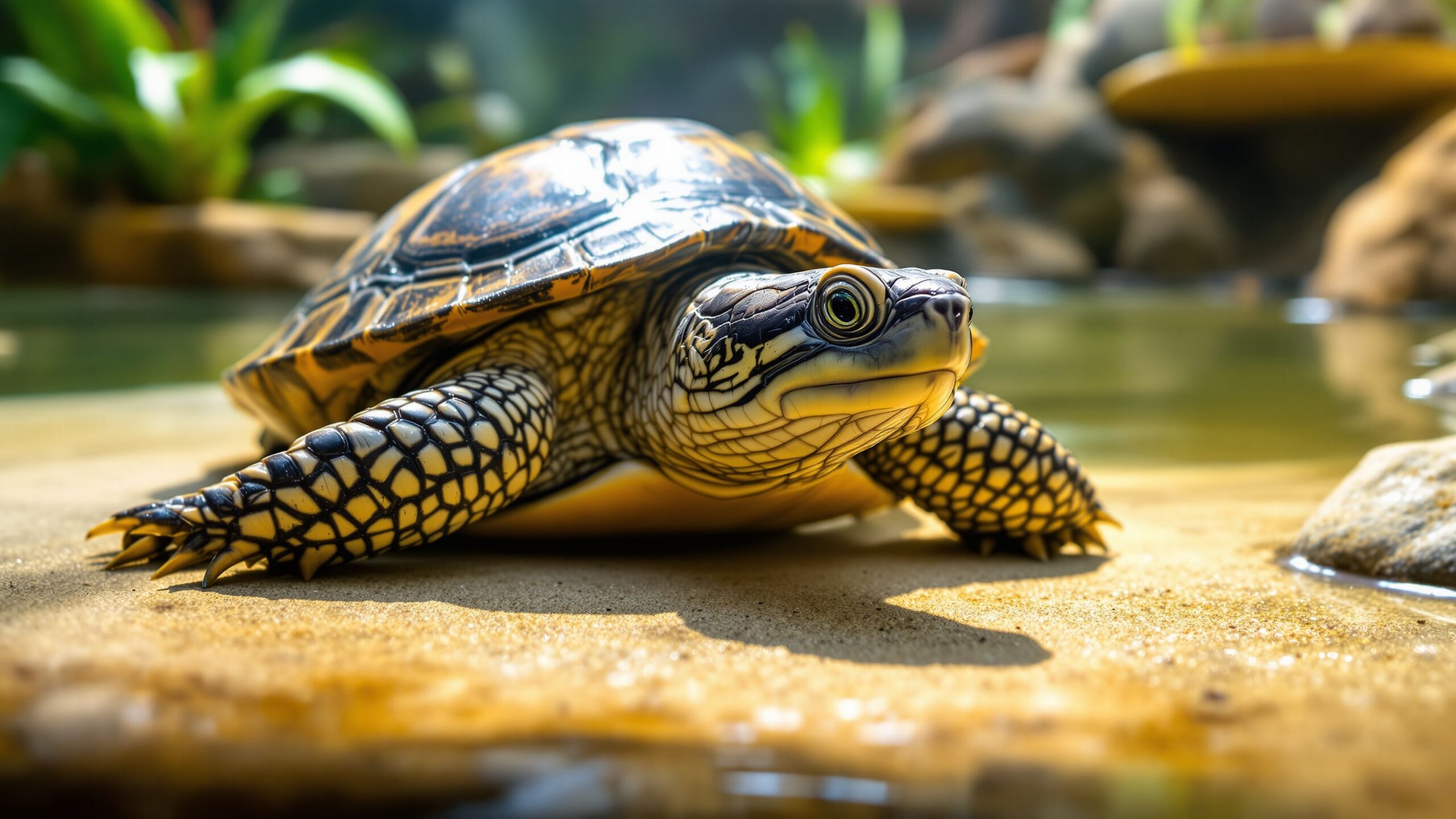
Reptiles are among the most fascinating and long-lived pets in the world. While many dogs and cats begin showing signs of aging within a decade, reptiles often enjoy significantly longer lifespans. Some snakes live more than 30 years, tortoises can survive for generations, and many popular pet lizards remain healthy well into their teens. Because reptiles age differently from mammals, many owners struggle to recognize when their beloved companion is entering its senior years. Understanding the signs of aging can help you provide better care, improve comfort, and catch health issues before they become serious. Unlike mammals, reptiles are experts at hiding weakness. In the wild, showing signs of illness or vulnerability can make an animal a target for predators. As a result, many reptiles continue behaving normally even when their bodies are changing. Learning to identify subtle age-related differences can make a tremendous impact on your pet’s quality of life and help ensure that its golden years are as healthy and comfortable as possible.
A: Watch for slower movement, reduced appetite, weight changes, shedding trouble, duller appearance, and less interest in activity.
A: It can be normal, but sudden extreme tiredness should be checked by a reptile vet.
A: Some do, but appetite loss can also mean illness, pain, poor temperatures, or stress.
A: Yes, make it easier to move around with lower basking spots, safer hides, and less fall risk.
A: Older reptiles can develop stiffness, joint pain, weakness, or mobility issues similar to arthritis.
A: Aging, dehydration, low humidity, poor nutrition, or illness can make shedding harder.
A: Many senior reptiles benefit from yearly checkups, or sooner if behavior, eating, weight, or droppings change.
A: No unexplained weight loss should be ignored, even in an older reptile.
A: Yes, but enrichment should be gentle, safe, and easy to reach.
A: Keep temperatures, humidity, lighting, diet, hydration, and vet care consistent.
When Does a Reptile Become a Senior?
There is no universal age at which every reptile becomes a senior. Different species age at vastly different rates. A bearded dragon may be considered elderly at eight to ten years old, while a ball python may not reach senior status until its twenties. Leopard geckos often live 15 to 20 years, while many tortoises can live for several decades or even more than a century.
Because of these differences, reptile owners should focus on physical and behavioral changes rather than age alone. A reptile’s activity level, appetite, mobility, and overall condition often provide better clues about aging than the number of years it has lived.
Reduced Activity Levels
One of the earliest signs of aging in reptiles is a decrease in activity. A young reptile may spend hours exploring its enclosure, climbing branches, digging tunnels, or investigating changes in its environment. As reptiles age, they often become less energetic and spend more time resting.
This gradual slowdown is usually normal and reflects the body’s changing metabolism. Senior reptiles tend to conserve energy and become more selective about when they move. They may still enjoy exploring occasionally but often prefer familiar basking spots and resting areas.
A gradual reduction in activity is expected, but sudden lethargy should never be ignored. If your reptile becomes inactive overnight or seems unusually weak, it could indicate illness rather than normal aging.
Changes in Appetite
Appetite often changes as reptiles grow older. Many senior reptiles require fewer calories because they are less active than they were during their younger years. A bearded dragon that once eagerly consumed large quantities of insects may begin eating smaller meals. Snakes may take longer between feedings, and tortoises may become more selective about the foods they prefer.
A slight decrease in appetite is usually normal. However, owners should carefully monitor weight and body condition. Significant weight loss, prolonged food refusal, or difficulty eating may indicate underlying health problems that require veterinary attention.
Keeping a feeding log can help identify subtle changes and make it easier to determine whether your reptile’s eating habits are part of normal aging or something more serious.
Increased Time Spent Basking
Heat plays a critical role in reptile health, and aging reptiles often spend more time basking than younger individuals. Older reptiles may seek warmth more frequently because their bodies become less efficient at regulating metabolism, digestion, and circulation.
Extended basking sessions can help senior reptiles maintain proper body temperature and improve comfort. This behavior is often perfectly normal, especially when other aspects of health remain stable.
However, excessive basking accompanied by weight loss, lethargy, or abnormal behavior should be evaluated by a reptile veterinarian. Environmental conditions should also be checked to ensure temperatures remain appropriate for the species.
Slower Movement and Stiffness
As reptiles age, movement often becomes slower and less fluid. Joint stiffness and age-related wear can make climbing, digging, and maneuvering around the enclosure more difficult. You may notice that your reptile hesitates before climbing onto a branch or takes longer to move between favorite locations.
Arthritis is not exclusive to mammals. Older reptiles can develop joint issues that affect mobility and comfort. Large lizards and tortoises are particularly susceptible to age-related joint degeneration.
Providing easier access to heat sources, food dishes, and hiding areas can help aging reptiles maintain independence and reduce physical strain.
Changes in Shedding
The shedding process often changes as reptiles age. Senior reptiles may shed less frequently, take longer to complete a shed, or experience more shedding complications than younger individuals.
Snakes may develop retained eye caps more often, while lizards may struggle to remove old skin around their toes, tail tips, or other sensitive areas. Skin may appear slightly duller than it did during the reptile’s younger years.
Proper humidity and hydration become increasingly important as reptiles age. Regular observation during shedding cycles can help prevent minor issues from becoming serious health concerns.
Weight and Muscle Changes
Changes in body composition are common among aging reptiles. Some reptiles gradually lose muscle mass, particularly around the limbs and tail. Others gain weight due to reduced activity levels and continued feeding routines.
Owners should become familiar with their reptile’s normal body condition. Regular weigh-ins can reveal trends that are difficult to notice through casual observation. Small changes that occur gradually over months may indicate the beginning of the aging process.
Monitoring weight is one of the simplest and most effective ways to track the health of a senior reptile.
Vision Changes
Aging can affect eyesight in many reptile species. Older reptiles may appear less accurate when striking at prey, locating food, or navigating obstacles within their enclosure.
Some reptiles develop cloudy eyes or age-related cataracts. While mild cloudiness may occur naturally with age, significant visual impairment should always be evaluated by a veterinarian.
A reptile with declining vision may become more cautious, move more slowly, or react differently to handling. Maintaining a consistent enclosure layout can help visually impaired reptiles navigate their surroundings more comfortably.
Behavioral Changes
Senior reptiles often experience subtle personality shifts. Some become calmer and more tolerant of handling, while others become less interested in interaction and prefer solitude.
Aging reptiles frequently establish stronger routines and become more predictable in their daily habits. They may spend more time in favorite hiding spots or basking locations and show less interest in environmental changes.
These behavioral shifts are often normal and reflect changing physical needs rather than emotional distress. Respecting your reptile’s preferences can help reduce stress and improve overall well-being.
Longer Recovery From Stress
Young reptiles typically recover quickly from changes in their environment. Older reptiles often require more time to adjust after transportation, enclosure rearrangements, or veterinary visits.
A senior reptile may refuse food for longer periods after a stressful event or appear less active for several days afterward. This slower recovery is often associated with age-related changes in metabolism and immune function.
Minimizing unnecessary stress becomes increasingly important as reptiles grow older. Consistent routines and stable environments can help aging reptiles remain comfortable and healthy.
Greater Risk of Health Problems
As reptiles age, their bodies become more vulnerable to disease. Senior reptiles may face increased risks of kidney disease, liver disease, arthritis, metabolic disorders, and other chronic health conditions.
While aging itself is not a disease, it can make reptiles less resilient when facing health challenges. Regular veterinary examinations become especially important during the senior years.
Preventive care often allows age-related conditions to be identified and managed before they significantly impact quality of life.
Adapting the Habitat for a Senior Reptile
Creating a senior-friendly enclosure can dramatically improve an aging reptile’s comfort. Elevated basking platforms should be easier to access, climbing obstacles should be reduced if mobility becomes limited, and food and water dishes should be positioned conveniently.
Soft substrates may help reduce strain on aging joints. Stable temperatures and humidity levels become even more important because older reptiles may struggle to adapt to environmental fluctuations.
The goal is not to eliminate enrichment but to make the environment safer and more accessible while still encouraging natural behaviors.
Nutrition for Senior Reptiles
Proper nutrition plays a major role in healthy aging. Senior reptiles often have different dietary needs than younger individuals. Some require fewer calories, while others benefit from nutrient-dense foods that support immune function and overall health.
Hydration becomes increasingly important as reptiles age. Ensuring access to fresh water and species-appropriate humidity levels can help prevent dehydration and support healthy organ function.
Veterinary guidance can help determine whether dietary adjustments are necessary based on species, age, and health status.
The Importance of Regular Veterinary Care
Routine veterinary visits are among the most valuable tools for caring for an aging reptile. Because reptiles hide illness so effectively, regular health examinations can reveal problems long before visible symptoms appear.
Annual or semi-annual checkups become increasingly important as reptiles enter their senior years. Blood tests, physical examinations, and weight monitoring can provide valuable insights into your pet’s overall health.
Early intervention often leads to better outcomes and can significantly improve quality of life.
Helping Your Reptile Enjoy Its Golden Years
Aging is a natural part of life, and reptiles are no exception. The changes may occur slowly, sometimes over several years, making them difficult to notice at first. Reduced activity, altered eating habits, increased basking, mobility challenges, and subtle behavioral shifts are all common signs that a reptile is entering its senior stage of life.
Recognizing these changes early allows owners to adapt care routines and provide the support aging reptiles need to thrive. Senior reptiles may move more slowly and rest more frequently, but they can still enjoy fulfilling, healthy lives when given proper care and attention.
By understanding the aging process and responding to your reptile’s changing needs, you can help ensure that your scaly companion remains comfortable, active, and happy throughout its later years. With patience, observation, and dedicated care, many reptiles can continue to be cherished members of the family long after they have reached their senior stage of life.
Pet Product Reviews
Explore Duffy Street’s Pet Product Reviews! Sniff out the top-rated toys, treats, gear, and gadgets for your pets with our fun, easy-to-read comparisons. We’ve done the digging so you can find the perfect products for your pet friends!