
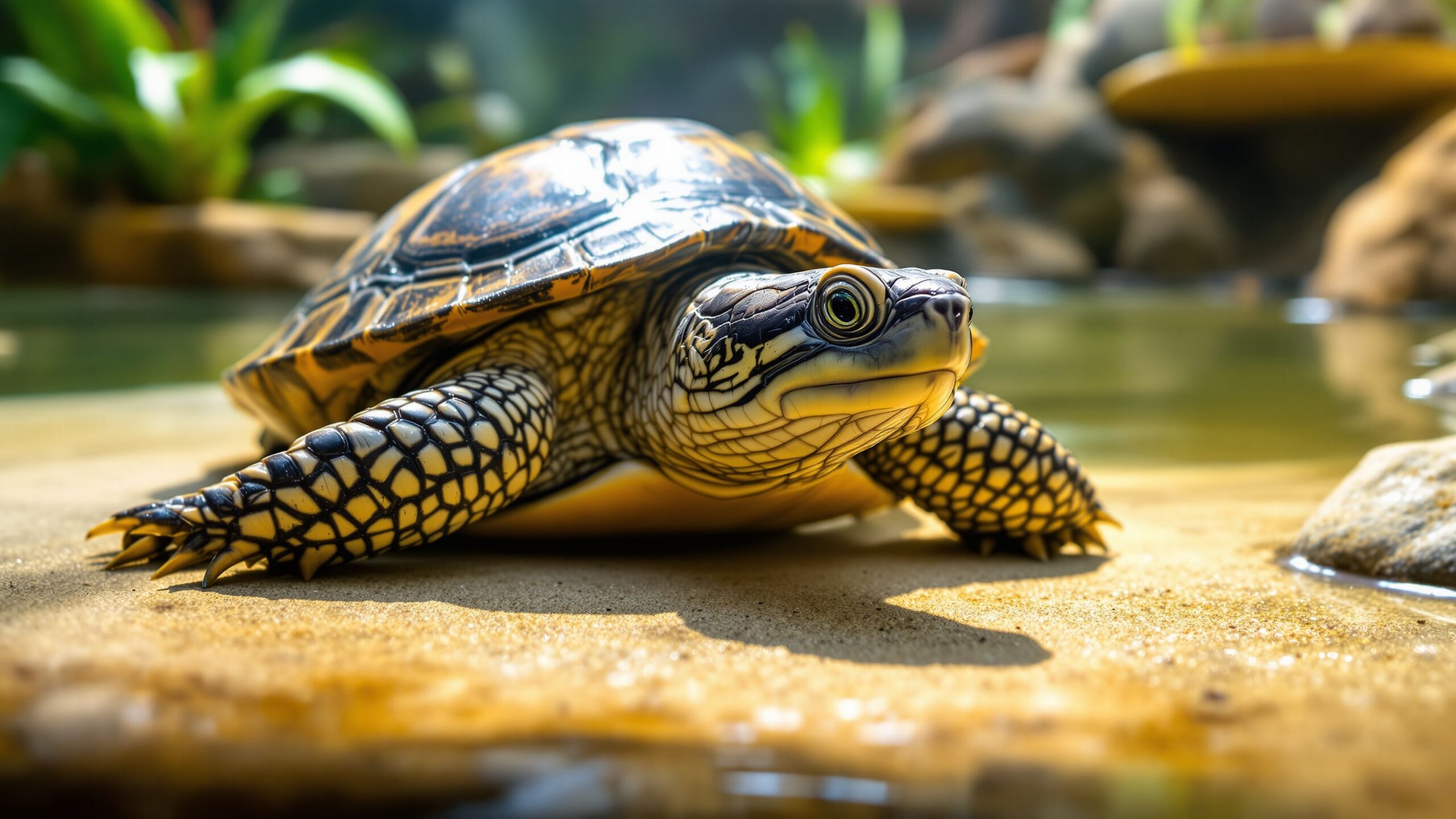
Turtles are among the longest-living pets in the animal kingdom. While many household pets spend only a decade or two with their owners, turtles can remain beloved companions for several decades and, in some cases, even longer. Their remarkable longevity is one of the reasons they are so fascinating to keep. However, because turtles age slowly and often hide signs of weakness, many owners are surprised when their pet begins showing subtle signs of entering its senior years. Understanding how to care for an aging turtle is essential for maintaining its health, comfort, and quality of life. Unlike younger turtles that are constantly exploring, swimming, and investigating their surroundings, senior turtles often slow down gradually over time. These changes are natural, but they require adjustments in husbandry, nutrition, and monitoring. With the proper care and attention, an aging turtle can continue thriving for many years after reaching its senior stage. Learning how to recognize age-related changes and respond appropriately can help your shelled companion enjoy a comfortable and fulfilling life.
A: Slower swimming, more basking, reduced appetite, shell wear, and less climbing can be signs of aging.
A: Yes, many turtles need UVB throughout life to support calcium use, bones, and shell health.
A: It may be aging, but poor temperatures, stress, illness, dental or mouth pain, and water issues can also cause appetite loss.
A: If your turtle struggles to swim, a reptile vet may recommend shallower water or more resting platforms.
A: Watch for soft spots, cracks, bleeding, bad odor, pits, white patches, or unusual peeling.
A: Keep water consistently clean with strong filtration, regular water changes, and water testing.
A: Older turtles can develop stiffness, weakness, or joint problems that affect swimming and climbing.
A: Extra basking can happen, but constant basking may signal illness, water problems, or temperature issues.
A: Offer a species-appropriate diet with quality pellets, leafy greens, and calcium support when needed.
A: Call if your turtle stops eating, floats oddly, wheezes, loses weight, has swollen eyes, or shows shell damage.
When Does a Turtle Become a Senior?
The age at which a turtle becomes a senior depends greatly on the species. Smaller aquatic turtles may begin showing signs of aging in their twenties, while larger species can remain active and healthy for much longer. Box turtles, red-eared sliders, painted turtles, and many tortoise species commonly live for several decades when properly cared for.
Because turtles age at different rates, owners should focus less on a specific age and more on physical and behavioral changes. A turtle’s activity level, appetite, mobility, shell condition, and overall behavior often provide better clues about aging than its chronological age.
Many turtles continue living healthy lives long after entering their senior years. Aging does not mean decline is inevitable. Instead, it signals a need for more attentive care and observation.
Recognizing the Signs of Aging
One of the first signs of aging in turtles is a gradual decrease in activity. A turtle that once spent hours swimming around its tank or exploring its enclosure may begin spending more time resting. This change is often subtle and may occur over several months or years.
Older turtles also tend to establish routines. They may bask in the same location each day, become less interested in environmental changes, and show less curiosity than they did when younger. These behaviors are generally normal and reflect the turtle’s changing energy needs.
Owners should monitor aging turtles carefully for sudden changes. Gradual slowing is expected, but abrupt lethargy can indicate illness rather than normal aging.
Changes in Appetite and Feeding Habits
Senior turtles often experience changes in appetite. As metabolism slows and activity levels decrease, older turtles may naturally consume less food than they did during their younger years.
Some turtles become more selective about what they eat, showing clear preferences for certain foods while ignoring others. Others may take longer to finish meals or become less enthusiastic about feeding time.
Although reduced appetite can be normal, significant weight loss should never be ignored. Monitoring body condition and maintaining a feeding record can help owners distinguish between healthy aging and potential health concerns.
Offering a varied and nutritious diet remains one of the most important aspects of senior turtle care.
Supporting Healthy Nutrition
Nutrition plays a major role in helping aging turtles thrive. As turtles grow older, their bodies require balanced nutrition to support immune function, shell health, muscle maintenance, and overall wellness.
Many senior turtles benefit from diets rich in leafy greens, aquatic plants, vegetables, and species-appropriate protein sources. Calcium remains critical for maintaining strong bones and shell structure throughout life.
Overfeeding can become a concern in less active turtles. Obesity places additional strain on joints and internal organs, potentially contributing to age-related health issues.
Providing a balanced diet tailored to your turtle’s species and age helps promote long-term health and vitality.
Mobility Changes in Aging Turtles
As turtles age, mobility often changes. Older turtles may move more slowly, take longer to climb onto basking platforms, or struggle with obstacles they previously navigated with ease.
Joint stiffness and arthritis can affect both aquatic and terrestrial species. Larger turtles may experience greater strain on their joints simply due to their size and weight.
Owners should observe how their turtle moves around its enclosure. Difficulty climbing, dragging limbs, or avoiding certain areas may indicate mobility issues that require habitat adjustments.
Creating easier access to basking areas and reducing physical obstacles can help aging turtles remain comfortable and independent.
Shell Changes in Senior Turtles
A turtle’s shell tells an important story about its health and age. Older turtles often develop shells that appear more weathered, worn, or textured than those of younger individuals.
Minor changes in shell appearance are usually normal as turtles age. However, shell softening, unusual discoloration, foul odors, cracks, or lesions should always be investigated by a veterinarian.
Regular shell inspections allow owners to identify potential problems early. A healthy shell remains one of the strongest indicators of overall turtle health.
Maintaining proper nutrition, UVB exposure, and environmental conditions helps support shell integrity throughout a turtle’s life.
Increased Time Spent Basking
Many senior turtles spend more time basking than they did when younger. Basking allows turtles to regulate body temperature, support digestion, and maintain healthy metabolic function.
Older turtles often seek warmth more frequently because aging bodies may become less efficient at regulating physiological processes. Extended basking sessions can be perfectly normal when accompanied by otherwise healthy behavior.
Providing a reliable basking area with appropriate temperatures becomes increasingly important as turtles age. Consistent access to warmth helps support comfort and overall wellness.
Vision and Sensory Changes
Just like many other animals, turtles can experience changes in vision as they grow older. Aging turtles may take longer to locate food, react more slowly to movement, or appear less confident when navigating their environment.
Cloudiness in the eyes may develop with age, although significant visual changes should always be evaluated by a reptile veterinarian.
Maintaining a consistent enclosure layout can help turtles with declining vision feel more secure. Sudden habitat rearrangements may create unnecessary confusion and stress.
Monitoring Weight and Body Condition
Regular weight monitoring becomes increasingly valuable during a turtle’s senior years. Gradual weight changes can provide important clues about health status before visible symptoms develop.
Unexpected weight loss may signal illness, dental issues, digestive problems, or organ dysfunction. Weight gain, on the other hand, can indicate overfeeding or reduced activity levels.
Monthly weigh-ins provide a simple but effective way to track health trends and identify potential concerns early.
Consistent records can be extremely useful during veterinary visits and long-term health assessments.
Habitat Adjustments for Senior Turtles
Aging turtles often benefit from thoughtful habitat modifications. These adjustments can improve safety, accessibility, and comfort without drastically changing the environment.
Aquatic turtles may require gentler ramps that make basking platforms easier to access. Terrestrial turtles may benefit from smoother terrain and reduced climbing requirements.
Food dishes and basking areas should remain easy to reach. Water quality should be maintained diligently because older turtles may be more susceptible to infections and health complications.
The goal is to create an environment that supports natural behaviors while accommodating the physical changes that come with age.
The Importance of UVB Lighting
UVB lighting remains essential throughout a turtle’s life, including during the senior years. Proper UVB exposure helps turtles metabolize calcium and maintain healthy bones and shell structure.
Older turtles can become particularly vulnerable to metabolic issues if UVB lighting is inadequate. Replacing bulbs according to manufacturer recommendations and ensuring proper placement helps maximize effectiveness.
Combining quality UVB lighting with a balanced diet provides the foundation for lifelong health.
Managing Stress in Older Turtles
Senior turtles often become less adaptable to sudden changes. Moving to a new enclosure, introducing new tank mates, or significantly altering their environment can create unnecessary stress.
Maintaining stable routines becomes increasingly important as turtles age. Predictable feeding schedules, consistent temperatures, and familiar surroundings help aging turtles feel secure.
Minimizing stress supports immune function and overall well-being, allowing senior turtles to remain healthier and more comfortable.
Common Health Issues in Senior Turtles
As turtles grow older, they may become more susceptible to certain health conditions. Arthritis, kidney disease, shell infections, eye problems, and nutritional imbalances can become more common in aging individuals.
Regular veterinary examinations are essential for early detection and management. Many age-related conditions can be successfully treated or controlled when identified early.
Owners should never assume that unusual behavior is simply a result of old age. Many symptoms attributed to aging may actually indicate treatable medical issues.
Veterinary Care for Aging Turtles
Routine veterinary visits become increasingly valuable during a turtle’s senior years. Annual or semi-annual wellness examinations can help identify problems before they become severe.
A reptile veterinarian can evaluate shell condition, body weight, organ function, mobility, and overall health. Diagnostic testing may reveal age-related concerns that are not yet visible externally.
Preventive healthcare often improves both longevity and quality of life for aging turtles.
Helping Your Turtle Thrive During Its Golden Years
Aging is a natural and inevitable part of life, even for the remarkably long-lived turtle. While senior turtles may move more slowly, bask more frequently, and show subtle changes in behavior, they can continue enjoying healthy and fulfilling lives with proper care.
Recognizing the signs of aging early allows owners to make thoughtful adjustments that improve comfort and well-being. Providing balanced nutrition, maintaining proper habitat conditions, monitoring health closely, and seeking regular veterinary care all contribute to successful aging.
The bond between a turtle and its owner often spans decades. By understanding the unique needs of senior turtles and responding with patience and dedication, you can help your shelled companion thrive throughout its golden years and continue being a cherished part of your family for many years to come.
Pet Product Reviews
Explore Duffy Street’s Pet Product Reviews! Sniff out the top-rated toys, treats, gear, and gadgets for your pets with our fun, easy-to-read comparisons. We’ve done the digging so you can find the perfect products for your pet friends!

