

Saltwater fish diets are as vibrant and diverse as the reefs they come from, and feeding them well is one of the most rewarding parts of marine pet care. Saltwater Fish Diet & Feeding is your go-to hub for understanding what your ocean companions truly need to thrive—from picky eaters and algae grazers to bold carnivores and delicate reef residents. Feeding saltwater pets isn’t just about dropping food into the tank; it’s about recreating the balance of the sea in a way that supports health, color, behavior, and long-term vitality. Here, you’ll explore the foods marine fish crave, how feeding habits differ between species, and why timing, variety, and preparation matter so much in a saltwater aquarium. We dive into frozen, live, pellet, flake, and natural feeding strategies, along with tips for avoiding overfeeding, nutrient imbalances, and common diet-related issues. Whether you’re caring for a curious clownfish, a graceful tang, or a nocturnal hunter, this collection helps you feed with confidence, compassion, and curiosity—turning every meal into a step toward a healthier, happier saltwater pet.
A: Most tanks do well with 1–3 small feedings daily; planktivores may need more frequent micro-meals.
A: Overfeeding. If food hits the sand untouched, the portion is too large or the fish are stressed.
A: It’s optional, but rinsing can reduce excess nutrients—especially helpful in nano or nutrient-sensitive tanks.
A: Nori/seaweed daily plus algae-based pellets and occasional frozen blends; variety keeps them in better condition.
A: Start with smaller pellets, mix into thawed frozen foods, and use multiple brands/textures until they accept them.
A: Feed in two zones, use a baster to target caves, and distract dominant fish with a small “decoy” feed.
A: Yes—plain, unseasoned marine options (like shrimp or clam) can work; use small amounts and avoid additives.
A: Watch body condition: pinched bellies, fading color, or frantic hunting behavior can signal more food is needed.
A: Often they need pods at minimum; some can be trained to frozen, but plan for sustained live microfauna support.
A: Absolutely—fish food and fish waste feed the reef, but balance input with export to avoid algae and instability.

What Do Saltwater Fish Eat? A Complete Feeding Guide
Discover what saltwater fish eat, from algae and plankton to protein-rich foods, and learn how to feed your aquarium fish properly for long-term health.

The Ultimate Saltwater Fish Diet Guide for Beginners
Feeding saltwater fish correctly is one of the biggest keys to a healthy reef tank. Learn beginner-friendly diet tips, food choices, and common feeding mistakes to avoid.
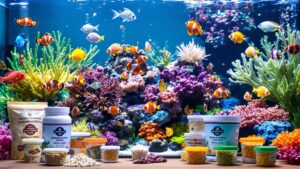
Best Foods for Saltwater Fish in Home Aquariums
Choosing the right food is essential for healthy saltwater fish. Learn the best frozen foods, pellets, algae options, and feeding tips for a thriving marine aquarium.