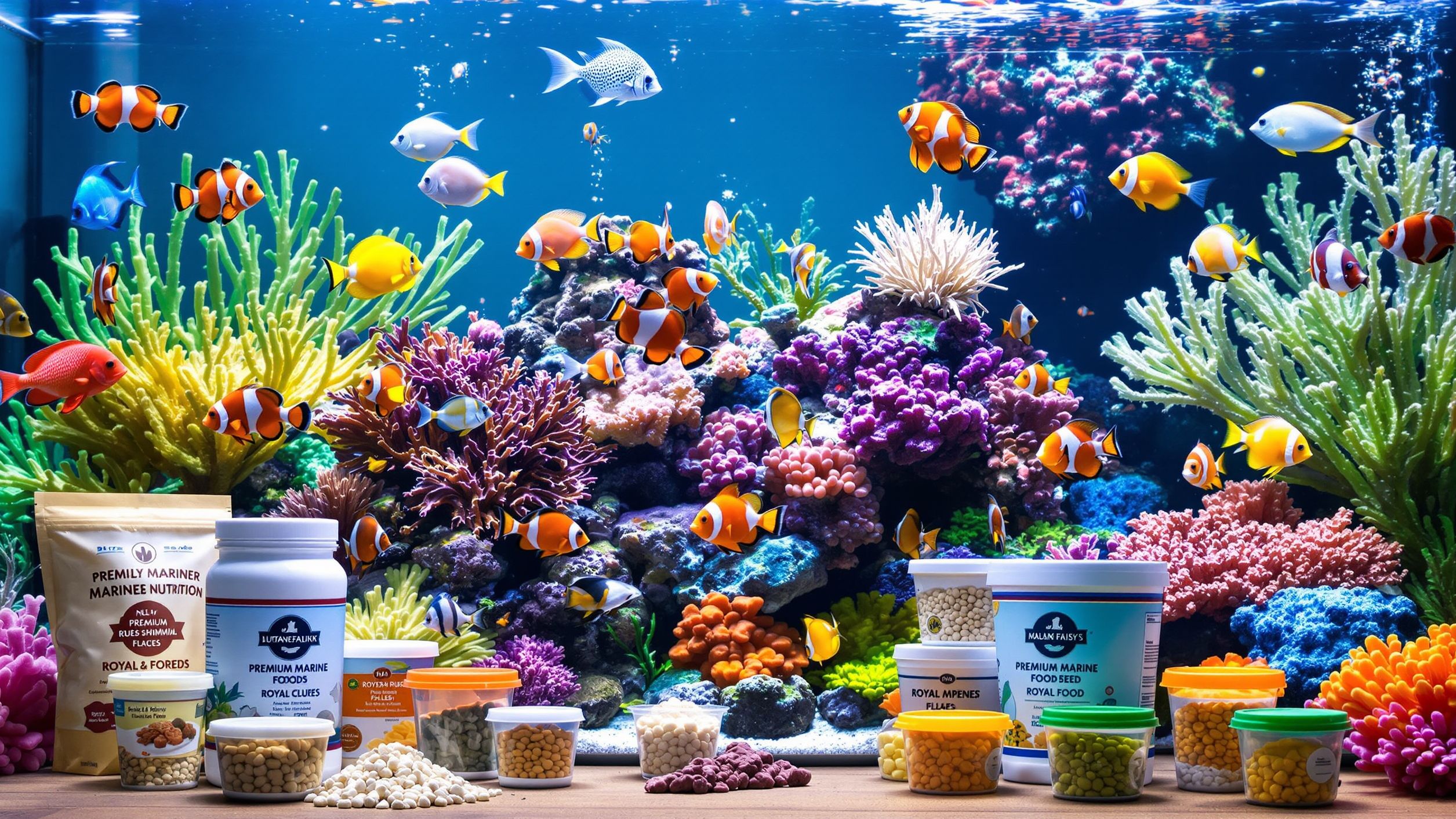
Saltwater aquariums are living ecosystems where every detail matters, and one of the most important factors in maintaining healthy, vibrant fish is proper nutrition. Unlike freshwater fish, many saltwater species have highly specialized diets shaped by the complex environments of coral reefs, open oceans, and rocky coastlines. Feeding them correctly is not just about dropping food into the tank, but about understanding their natural habits, digestive systems, and nutritional needs. A well-fed fish displays brighter colors, stronger immune function, and more active behavior, while poor feeding practices can lead to stress, disease, and even death. Learning what saltwater fish eat and how to feed them properly is essential for building a thriving aquarium.
A: Most fish do well with one to two small feedings per day, depending on the species.
A: A mix of high-quality pellets, frozen foods, and species-specific options works best.
A: It’s not recommended, as marine fish require different nutrients.
A: Stress, illness, or unfamiliar food types are common reasons.
A: Target feeding or feeding in multiple spots can help ensure they get food.
A: Yes, it can degrade water quality and lead to health problems.
A: Some species benefit from it, but it’s not always necessary for a balanced diet.
A: Regular access to algae or seaweed-based foods is essential.
A: Occasional fasting can be okay, but consistency is generally better.
A: Fish should eat eagerly and maintain healthy weight without leftover food in the tank.
Understanding Natural Diets in the Ocean
In the wild, saltwater fish consume a wide variety of foods depending on their species and habitat. Some fish graze continuously on algae growing on rocks and coral, while others hunt small crustaceans, plankton, or even other fish. These natural feeding behaviors are deeply ingrained, and replicating them in an aquarium setting is key to long-term health. Herbivores spend most of their time nibbling on plant material, omnivores require a balanced mix of plant and animal matter, and carnivores rely heavily on protein-rich prey. By observing where your fish come from and how they feed in the wild, you can better match their diet in captivity and avoid nutritional deficiencies.
Herbivores: The Algae Grazers
Herbivorous saltwater fish primarily feed on algae and plant-based material, and they are essential for maintaining a clean and balanced aquarium environment. Species such as tangs and some blennies naturally graze throughout the day, constantly consuming small amounts of algae from rocks and surfaces. In captivity, these fish require a steady supply of plant-based foods to stay healthy. Dried seaweed sheets, often referred to as nori, are a staple for herbivores and can be clipped to the tank for grazing. Spirulina-based flakes and pellets also provide important nutrients, while naturally growing algae in the tank can supplement their diet. Without enough plant matter, herbivorous fish can become stressed, lose color, and develop health problems over time.
Carnivores: Protein-Driven Predators
Carnivorous saltwater fish rely on a diet rich in protein, typically consisting of smaller fish, crustaceans, and zooplankton in the wild. In an aquarium, these fish thrive on frozen or live foods such as brine shrimp, mysis shrimp, krill, and finely chopped seafood. Providing a variety of protein sources ensures that they receive a full range of nutrients, including essential fatty acids that support growth and immune health. Carnivores often have strong feeding responses and may become aggressive during feeding time, so it is important to ensure that all fish in the tank receive adequate food. Overfeeding, however, can quickly degrade water quality, so portion control is critical.
Omnivores: The Balanced Feeders
Omnivorous saltwater fish require a mix of both plant and animal-based foods, making their diet slightly easier to manage but still important to balance correctly. These fish benefit from a varied feeding routine that includes high-quality flakes or pellets, frozen foods, and occasional plant-based options like algae or seaweed. Providing diversity in their diet not only supports overall health but also mimics the variety they would encounter in the wild. Omnivores are often adaptable and will accept many types of food, but relying on a single food source can lead to nutritional gaps over time.
Types of Food for Saltwater Fish
Modern aquariums offer a wide range of food options designed to meet the needs of different species. Dry foods such as flakes and pellets are convenient and often fortified with vitamins and minerals, making them a solid foundation for many diets. Frozen foods are highly nutritious and closely resemble natural prey, making them ideal for carnivorous and omnivorous fish. Live foods, while less commonly used, can stimulate natural hunting behaviors and encourage feeding in picky fish. Freeze-dried foods provide another option, offering convenience while retaining much of the nutritional value of fresh ingredients. Combining these different food types creates a more complete and enriching diet.
Feeding Frequency and Portion Control
How often you feed your saltwater fish is just as important as what you feed them. Most fish benefit from being fed once or twice a day, with portions small enough to be consumed within a few minutes. Overfeeding is one of the most common mistakes in aquarium care, leading to excess waste, poor water quality, and increased risk of disease. Observing your fish during feeding time helps you determine whether you are providing the right amount, as uneaten food should not accumulate in the tank. Some species, particularly herbivores, may require more frequent access to food, while others do well with less frequent feedings.
Special Feeding Considerations
Certain saltwater fish have unique dietary needs that require extra attention. For example, some species rely heavily on live or specialized foods and may refuse standard aquarium diets. Others may require target feeding to ensure they receive enough nutrition, especially in tanks with more aggressive feeders. Nocturnal species may need to be fed at night, while shy fish may require food to be placed in specific areas where they feel safe. Understanding the individual needs of each species in your tank allows you to tailor your feeding approach and ensure that every fish thrives.
Signs of Proper Nutrition
A well-fed saltwater fish exhibits clear signs of good health, including vibrant coloration, steady growth, and active behavior. Fish that are receiving proper nutrition are more resistant to disease and better able to handle minor stressors in their environment. Consistent feeding routines also help establish predictable behavior patterns, making it easier to monitor changes that could indicate health issues. If your fish appear dull, lethargic, or lose weight despite regular feeding, it may be time to reevaluate their diet and make adjustments.
Common Feeding Mistakes to Avoid
Even experienced aquarists can make mistakes when it comes to feeding, and these errors can have serious consequences over time. Overfeeding is the most common issue, often leading to poor water quality and increased waste buildup. Feeding the wrong type of food can also cause problems, particularly if a fish’s dietary needs are not being met. Relying on a single food source limits nutritional variety, while inconsistent feeding schedules can create stress and competition among fish. Taking the time to understand your fish’s needs and maintaining a consistent routine helps avoid these pitfalls.
Creating a Sustainable Feeding Routine
Developing a sustainable feeding routine is essential for long-term success in a saltwater aquarium. This involves not only choosing the right foods but also maintaining consistency and balance in how they are provided. Rotating different food types, monitoring portion sizes, and observing fish behavior all contribute to a healthy feeding system. Over time, this routine becomes second nature, allowing you to maintain optimal conditions without constant adjustments. A well-planned feeding strategy supports not only the health of your fish but also the stability of the entire aquarium ecosystem.
Feeding as a Connection to Your Aquarium
Feeding time is more than just a routine task, as it provides a unique opportunity to connect with your aquarium and observe your fish up close. Watching how they respond to food, interact with each other, and display their natural behaviors offers valuable insights into their health and well-being. This daily interaction helps you build a deeper understanding of your tank and strengthens your ability to care for it effectively. By approaching feeding with intention and knowledge, you transform a simple activity into a key part of maintaining a vibrant and thriving saltwater aquarium.
Pet Product Reviews
Explore Duffy Street’s Pet Product Reviews! Sniff out the top-rated toys, treats, gear, and gadgets for your pets with our fun, easy-to-read comparisons. We’ve done the digging so you can find the perfect products for your pet friends!