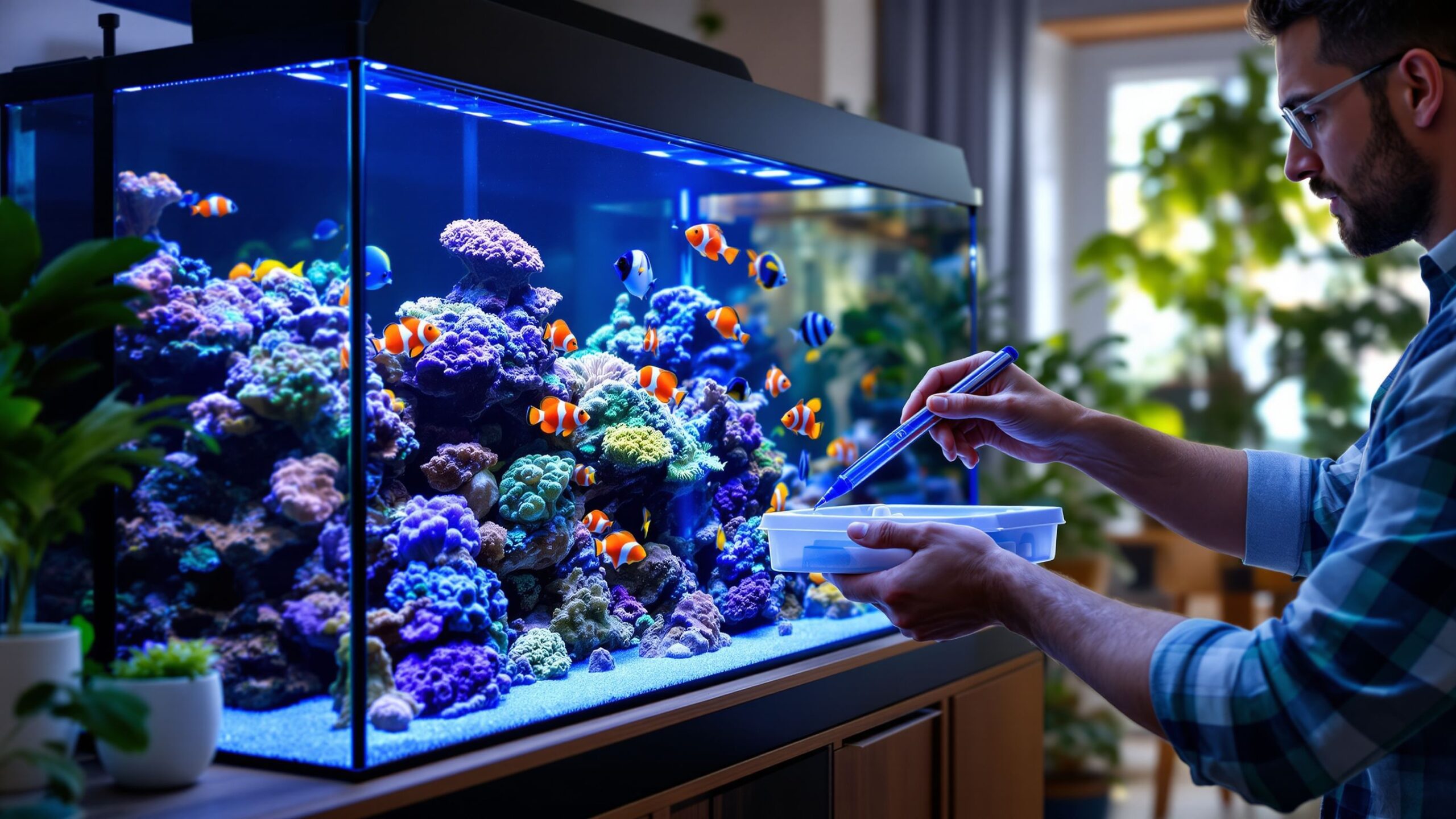
Owning a saltwater aquarium is often imagined as bringing a slice of the ocean into your home, a peaceful and mesmerizing display of color, movement, and life. While that vision is absolutely real, what many people do not realize is that behind the beauty lies a complex and demanding responsibility. A saltwater tank is not just decoration, it is a carefully balanced ecosystem that requires knowledge, consistency, and patience to maintain. The experience is both incredibly rewarding and occasionally frustrating, offering moments of awe alongside challenges that test your commitment. Understanding what it is really like to own a saltwater aquarium means looking beyond the surface and embracing both the magic and the work that comes with it.
A: It can be more complex than freshwater, but with consistency and learning, it becomes manageable.
A: Daily checks are quick, but weekly maintenance like water changes takes more time.
A: Costs vary, but ongoing expenses include salt mix, food, and occasional equipment upgrades.
A: Yes, saltwater tanks rely on specific equipment like protein skimmers, powerheads, and test kits.
A: Yes, but starting simple and learning gradually is the best approach.
A: Maintaining stable water conditions and avoiding rapid changes is often the biggest challenge.
A: The initial setup is quick, but cycling and stabilizing can take several weeks.
A: Short periods are fine, but longer trips require planning or automation.
A: Many fish recognize feeding routines and may respond to their owners’ presence.
A: For many hobbyists, the beauty, learning, and experience make it incredibly rewarding.
The Initial Setup: More Than Just a Tank
The journey begins long before the first fish is added, and the initial setup is often more involved than people expect. Choosing the right tank size, filtration system, lighting, and equipment requires careful planning, as each component plays a role in maintaining stability. Unlike freshwater aquariums, saltwater systems rely heavily on precise water chemistry, which means investing in quality test kits, salt mixes, and circulation equipment. Live rock, substrate, and aquascaping add another layer of complexity, as they form the biological foundation of the tank. The setup process can take days or even weeks, and patience is essential, as rushing this stage often leads to problems later. This is where many beginners realize that a saltwater aquarium is not just a purchase but a long-term project.
Cycling the Tank: The Waiting Game
One of the most surprising aspects of owning a saltwater aquarium is the waiting period known as cycling. Before fish can be safely introduced, the tank must develop beneficial bacteria that break down waste products like ammonia and nitrite. This process can take several weeks and requires careful monitoring of water parameters. During this time, the tank may appear empty or inactive, testing the patience of new aquarists who are eager to see fish swimming. However, this stage is critical for establishing a stable environment, and skipping or rushing it can result in serious consequences once fish are added. Learning to embrace this waiting period is one of the first lessons in successful aquarium keeping.
Daily and Weekly Maintenance
Once the tank is established, maintenance becomes a regular part of life. Daily tasks may include feeding fish, checking equipment, and observing the behavior of tank inhabitants for any signs of stress or illness. Weekly responsibilities often involve testing water parameters, performing partial water changes, and cleaning algae from glass and surfaces. Equipment such as filters, protein skimmers, and pumps must be maintained to ensure proper function. While these tasks are not necessarily difficult, they require consistency and attention to detail. Skipping maintenance, even for a short time, can lead to imbalances that affect the health of the entire tank.
The Cost of Keeping the Ocean at Home
One of the realities that surprises many new aquarists is the cost associated with saltwater aquariums. The initial setup can be expensive, with high-quality equipment, live rock, and livestock adding up quickly. Ongoing costs include salt mix, replacement filters, food, electricity, and occasional upgrades or repairs. Fish and coral themselves can also be costly, especially for rare or delicate species. While it is possible to manage costs with careful planning, owning a saltwater aquarium is generally considered a premium hobby. However, for many enthusiasts, the experience and enjoyment it provides are well worth the investment.
The Learning Curve
Saltwater aquarium keeping comes with a steep learning curve, especially for beginners. Understanding water chemistry, fish compatibility, and disease management takes time and research. Mistakes are almost inevitable, and even experienced aquarists continue to learn and adapt. The key is to approach the hobby with curiosity and a willingness to improve. Over time, concepts that once seemed complicated become second nature, and the process becomes more intuitive. This ongoing learning is part of what makes the hobby engaging and rewarding.
The Emotional Highs and Lows
Owning a saltwater aquarium is an emotional experience, filled with both highs and lows. Watching your fish thrive, seeing coral grow, and observing the natural behaviors of marine life can be incredibly satisfying. At the same time, setbacks such as illness, equipment failure, or unexpected losses can be discouraging. These moments are part of the reality of maintaining a living ecosystem. Learning to handle these challenges with patience and resilience is essential, as every aquarist experiences them at some point.
The Beauty and Reward
Despite the challenges, the beauty of a saltwater aquarium is unmatched. The vibrant colors of reef fish, the intricate shapes of coral, and the gentle movement of water create a living work of art that transforms any space. Beyond aesthetics, there is a deep sense of accomplishment that comes from maintaining a healthy and thriving ecosystem. Each success, whether it is a fish recovering from illness or a coral beginning to grow, reinforces the value of the effort invested.
Building a Balanced Ecosystem
A successful saltwater aquarium is more than just a collection of fish, it is a carefully balanced ecosystem where every element plays a role. Beneficial bacteria, live rock, and filtration systems work together to maintain water quality, while fish and invertebrates contribute to the dynamic environment. Achieving this balance requires careful planning and ongoing attention, but once established, it creates a stable and resilient system. This balance is what allows the aquarium to function as a miniature ocean, supporting life in a controlled environment.
Time Commitment and Lifestyle Impact
Owning a saltwater aquarium is a long-term commitment that becomes part of your daily routine. It requires time, attention, and consistency, making it important to consider how it fits into your lifestyle. Travel, busy schedules, and unexpected events can all impact your ability to maintain the tank, so planning ahead is essential. Many aquarists develop routines that integrate aquarium care into their daily lives, ensuring that their tank remains stable even during busy periods. This commitment is one of the defining aspects of the hobby.
Is It Worth It?
For those who are willing to invest the time, effort, and resources, owning a saltwater aquarium can be one of the most rewarding hobbies available. It offers a unique combination of science, art, and connection to nature, allowing you to create and sustain a living ecosystem in your own home. While it is not without its challenges, the sense of accomplishment and the beauty it brings make it a worthwhile pursuit for many enthusiasts. Understanding what it is really like to own a saltwater aquarium helps set realistic expectations and prepares you for the journey ahead, ensuring that you can fully appreciate both the challenges and the rewards that come with it.
Pet Product Reviews
Explore Duffy Street’s Pet Product Reviews! Sniff out the top-rated toys, treats, gear, and gadgets for your pets with our fun, easy-to-read comparisons. We’ve done the digging so you can find the perfect products for your pet friends!