

Saltwater Tank Enrichment & Play focuses on creating engaging, stimulating environments that keep marine pets active, curious, and mentally healthy. In the wild, saltwater fish explore reefs, navigate currents, search for food, and interact constantly with their surroundings. Enrichment brings those natural experiences into the home aquarium in safe, thoughtful ways. From changing rock formations and introducing gentle flow patterns to interactive feeding techniques and habitat variety, enrichment encourages natural behaviors while reducing boredom and stress. Play isn’t about toys in the traditional sense—it’s about challenge, discovery, and choice. Fish that are mentally engaged often display better color, stronger appetites, and more confident behavior. This collection explores creative ways to enrich your tank without disrupting stability, helping you balance fun with proper care. Whether you’re adding visual interest, encouraging foraging instincts, or designing a dynamic reef layout, these guides help turn your aquarium into a lively, enriching space. When saltwater fish are stimulated and comfortable, the entire tank feels more alive—making enrichment a rewarding experience for both pets and keepers.
A: Safe stimulation that encourages natural behaviors—grazing, hunting, exploring, and resting in secure shelter.
A: Not like for mammals—habitat structure, flow variety, and feeding challenges are the best forms of fish enrichment.
A: Make one change at a time, prioritize cover/sight breaks, and watch for calmer swimming and steady feeding.
A: Territory shifts can spike aggression; add more sight breaks and multiple feeding stations, or undo the change.
A: Yes—more caves, ledges, and predictable feeding routines often increase confidence and visibility.
A: Multiple nori stations, scatter-feeding small amounts, and alternating flow patterns.
A: Feeding-based enrichment can; keep portions small and rely more on structure and flow than extra food.
A: Active swimmers, grazers, and intelligent foragers (tangs, wrasses, angels) often show the biggest behavior improvements.
A: Do it rarely and lightly—small adjustments are better than frequent big rescapes that destabilize territories.
A: Relaxed curiosity: fish explore, feed steadily, show less aggression, and return to calm routines quickly.

How to Prevent Boredom in Saltwater Fish Tanks
A stimulating saltwater aquarium keeps fish healthier, more active, and less stressed. Discover how to prevent boredom with smart tank design and enrichment.
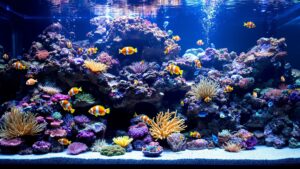
Signs Your Saltwater Fish Need More Enrichment
Saltwater fish show clear signs when their environment lacks stimulation. Discover how to spot boredom early and create a healthier, more active aquarium.

Saltwater Fish Play Behavior: What It Looks Like and Why It Matters
Saltwater fish often show playful behaviors that reveal comfort and good enrichment. Learn what fish play looks like and why it matters in home aquariums.