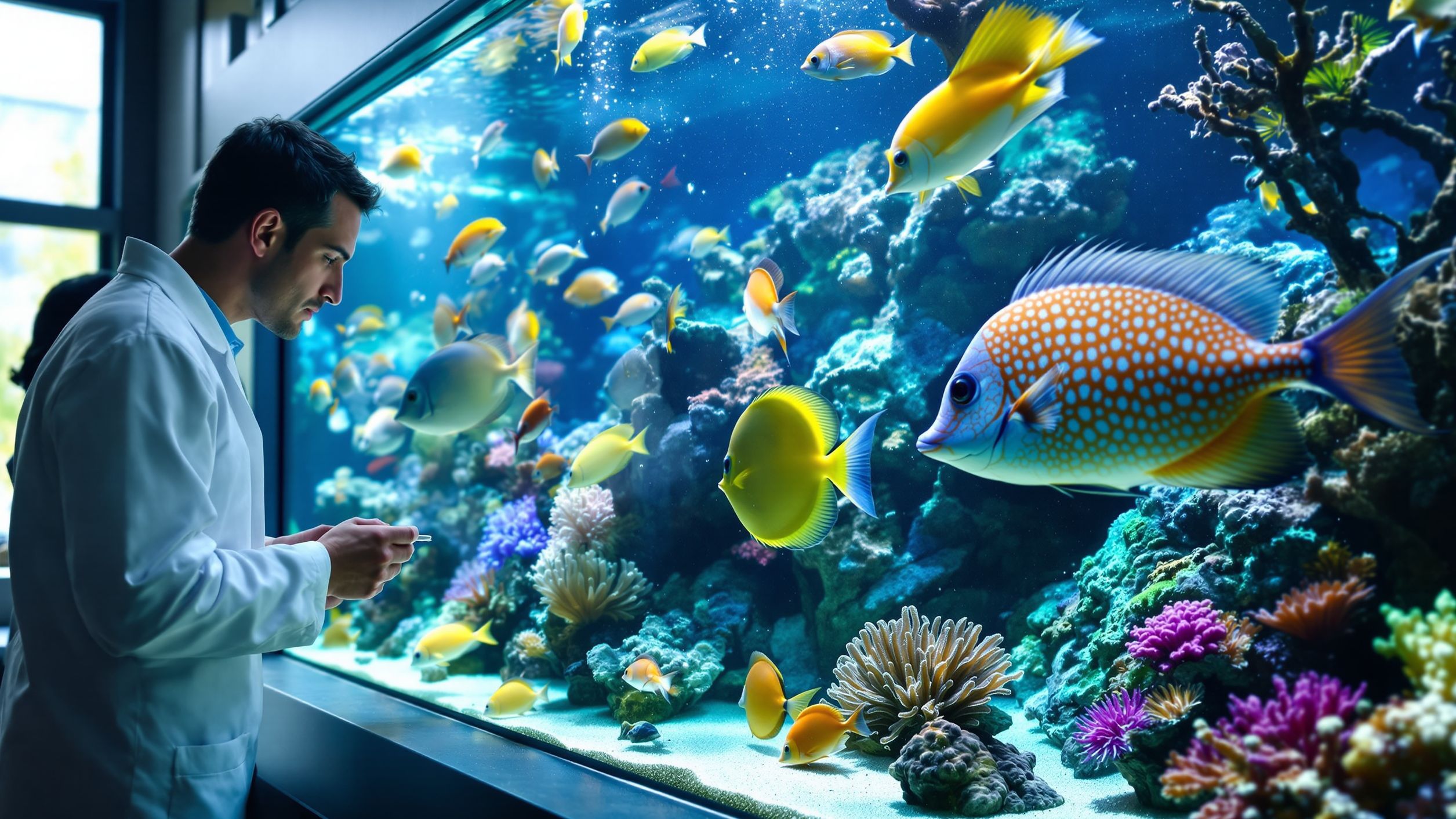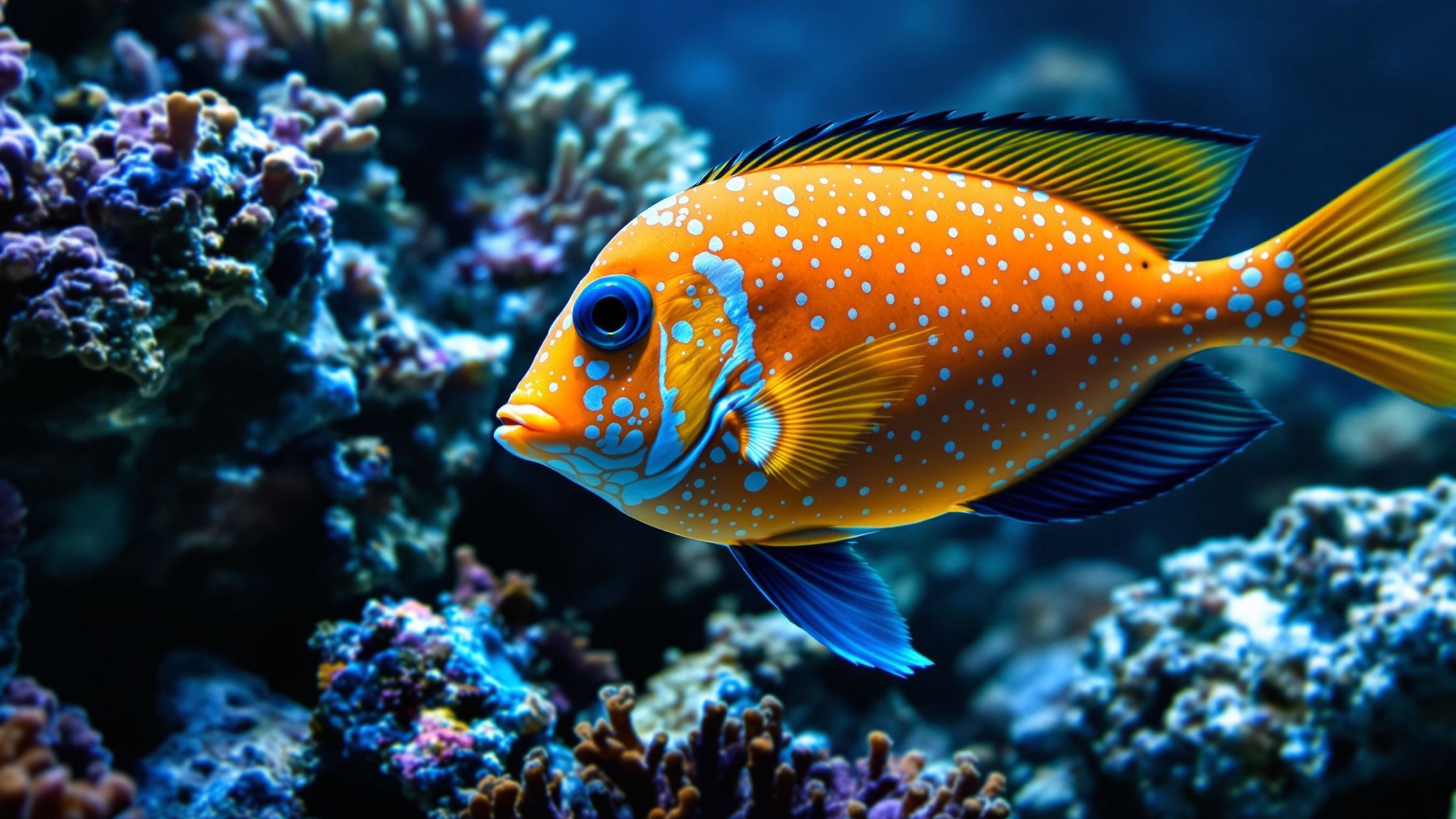
Saltwater aquariums are stunning living systems, filled with vibrant reef fish and delicate ecosystems that depend on balance and precision. However, that same complexity makes them vulnerable to disease, and even experienced aquarists can face sudden outbreaks that threaten the entire tank. Saltwater fish are often more sensitive than freshwater species, meaning illnesses can spread quickly and escalate if not addressed early. Understanding the most common diseases, how to recognize their symptoms, and how to treat them effectively is essential for maintaining a healthy and thriving aquarium. With the right knowledge and quick action, many of these conditions can be managed or even prevented entirely.
A: Marine ich is one of the most recognized and commonly discussed diseases in marine aquariums.
A: Ich is commonly treated in a quarantine tank, often with a fish-safe parasite treatment while the display tank remains fishless if needed.
A: Act fast, move the fish to treatment if possible, and begin appropriate parasite-focused care because velvet can worsen rapidly.
A: Many medications are not safe for corals or invertebrates, so a hospital tank is usually the better option.
A: Flukes are often handled in quarantine with targeted anti-parasite treatment after symptoms and behavior point in that direction.
A: Isolation, observation, improved feeding, and parasite-focused treatment are common approaches when internal symptoms appear.
A: Yes, bad parameters can cause breathing issues, lethargy, appetite loss, and tissue irritation that look like illness.
A: New fish often introduce parasites or create stress that triggers an outbreak in the tank.
A: Yes, quarantine is one of the best ways to prevent common diseases from spreading into the display system.
A: Quarantine, stable water, low stress, good nutrition, and fast response to symptoms are the strongest protection.
Understanding the Root Causes of Disease
Before diving into specific diseases, it is important to understand why they occur in the first place. Most saltwater fish diseases are not random events but are triggered by stress, poor water quality, or sudden environmental changes. When fish are stressed, their immune systems weaken, making them more susceptible to parasites, bacteria, and infections that might otherwise be harmless. Overcrowding, incompatible tank mates, fluctuating temperatures, and improper salinity levels can all contribute to stress. Additionally, introducing new fish without quarantine is one of the most common ways diseases enter a tank. By addressing these underlying factors, aquarists can significantly reduce the likelihood of illness and improve the overall resilience of their aquarium.
Marine Ich: The Most Recognized Threat
Marine Ich is one of the most well-known and widespread diseases in saltwater aquariums, often identified by the appearance of small white spots on a fish’s body and fins that resemble grains of salt. Infected fish may also exhibit scratching behavior, rapid breathing, and increased lethargy as the parasite irritates their skin and gills. If left untreated, Marine Ich can spread rapidly throughout the tank and become fatal. Treatment typically involves isolating affected fish in a quarantine tank and using copper-based medications or controlled hyposalinity to eliminate the parasite. It is important to remove all fish from the main tank during treatment, as the parasite can persist in the environment even without visible hosts.
Marine Velvet: A Fast-Moving Killer
Marine Velvet is another parasitic disease, but it is far more aggressive and can be deadly in a very short period of time. It often presents as a fine, dusty coating on the fish’s body, sometimes appearing gold or brown under certain lighting conditions. Fish with Marine Velvet may show severe respiratory distress, spending time near the surface and breathing rapidly due to gill damage. Because of its speed and severity, immediate action is required. Treatment usually involves copper medication in a quarantine tank, along with darkening the environment to disrupt the parasite’s life cycle. Early detection is critical, as delays can result in significant losses.
Brooklynella: The Clownfish Disease
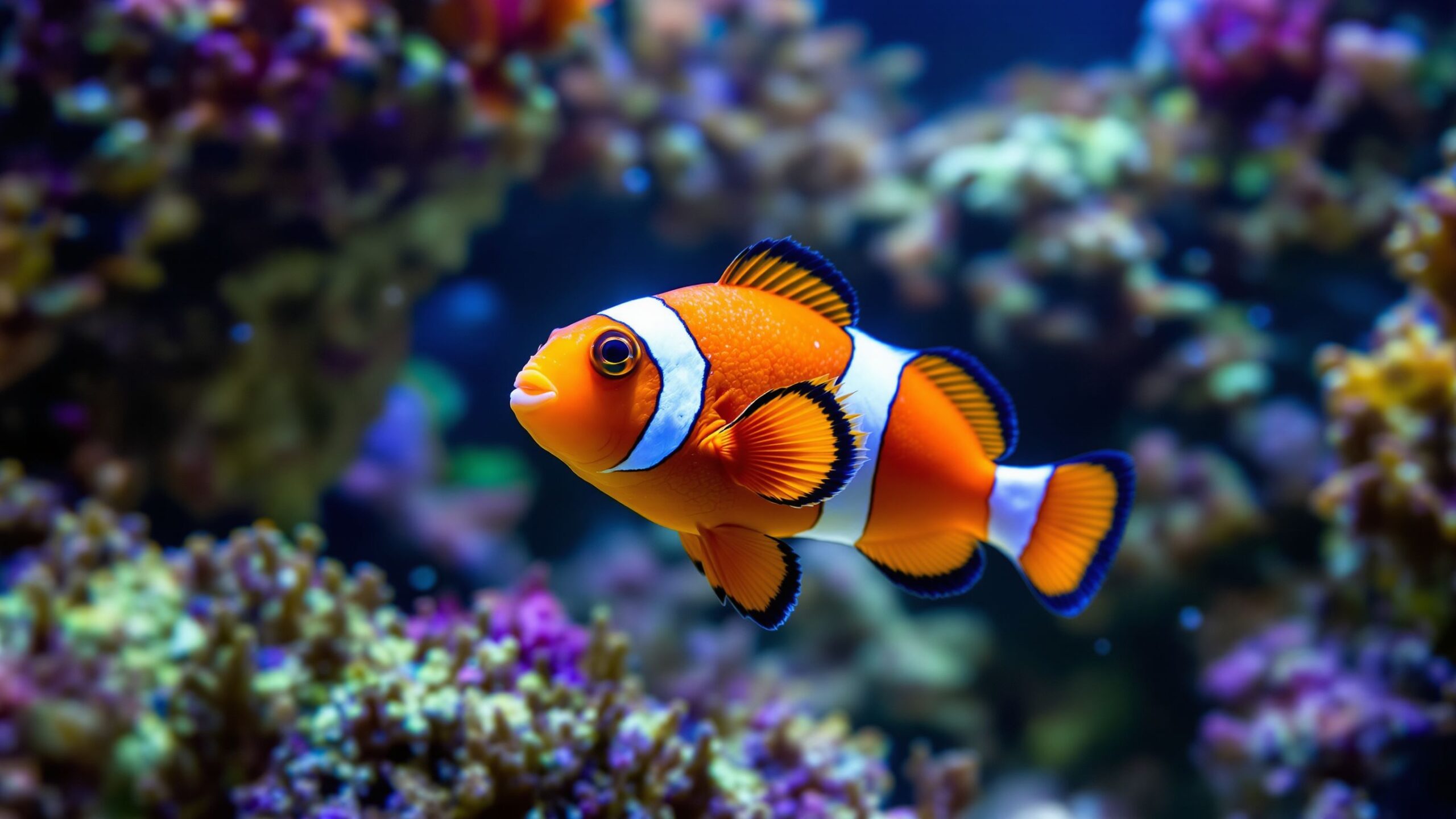
Brooklynella is commonly associated with clownfish but can affect other species as well. It is characterized by excessive mucus production, which can give the fish a cloudy or peeling appearance. Affected fish may also exhibit lethargy, loss of appetite, and rapid breathing. This disease progresses quickly and requires immediate treatment. Formalin baths are often used as an effective treatment, along with isolation in a quarantine tank to prevent spread. Maintaining high water quality during recovery is essential, as the fish’s skin and gills are often severely compromised.
Bacterial Infections and Fin Rot
Bacterial infections are common in saltwater aquariums and often develop as a secondary issue following injury or prolonged stress. Symptoms can include red streaks, open sores, swelling, and fin deterioration known as fin rot. Fins may appear frayed or eroded, and the fish may become less active over time. Treatment typically involves the use of broad-spectrum antibiotics in a quarantine tank, along with improving water quality to support healing. Identifying and addressing the underlying cause, such as aggression or poor conditions, is crucial to prevent recurrence.
Fungal Infections: Less Common but Serious
Fungal infections are less common in saltwater environments compared to freshwater tanks, but they can still occur, especially in weakened or injured fish. These infections often appear as cotton-like growths on the body or fins and may be mistaken for other conditions. Treatment usually involves antifungal medications and careful monitoring in a quarantine tank. As with bacterial infections, maintaining clean water and reducing stress are key components of recovery.
Internal Parasites and Digestive Issues
Not all diseases are visible on the outside, and internal parasites can be particularly challenging to detect. Fish with internal infections may continue to eat but lose weight, appearing thin or emaciated over time. Other symptoms can include abnormal feces, lethargy, and reduced activity. Treatment often involves medicated food containing antiparasitic agents, which allows the medication to target the issue internally. Ensuring proper nutrition and a balanced diet also plays a significant role in preventing and managing these conditions.
Swim Bladder Disorders and Buoyancy Problems
Swim bladder disorders affect a fish’s ability to maintain proper buoyancy, causing it to float uncontrollably, sink, or swim at unusual angles. These issues can result from infection, injury, or dietary problems such as overfeeding. Treatment depends on the underlying cause but may include adjusting feeding practices, improving water quality, and, in some cases, using medication to address infection. Observing changes in swimming behavior is essential for identifying these disorders early.
The Importance of Quarantine and Isolation
One of the most effective ways to manage and treat saltwater fish diseases is through quarantine and isolation. A dedicated quarantine tank allows for close observation and targeted treatment without exposing the entire aquarium to medication or infection. New fish should always be quarantined before introduction to the main tank, as this helps prevent the spread of hidden diseases. Similarly, isolating sick fish at the first sign of illness can significantly reduce the risk of an outbreak and improve the chances of recovery.
Preventing Disease Through Proper Care
While treatment options are important, prevention remains the most effective strategy for maintaining a healthy saltwater aquarium. Consistent water quality, stable environmental conditions, and proper nutrition all contribute to strong immune systems in fish. Regular water testing and maintenance help ensure that parameters remain within safe ranges, reducing stress and minimizing the risk of disease. Providing a balanced diet and avoiding overfeeding also supports overall health, while selecting compatible tank mates prevents aggression and injury.
Acting Quickly and Confidently
When disease appears in a saltwater aquarium, time is critical, and hesitation can lead to rapid spread and increased mortality. Recognizing symptoms early and responding with appropriate treatment can make all the difference. It is important to remain calm and methodical, starting with water parameter checks and moving on to isolation and treatment as needed. Avoiding guesswork and using targeted treatments based on observed symptoms improves the likelihood of success and reduces unnecessary stress on the fish.
Building a Resilient Aquarium Ecosystem
A healthy aquarium is one that is prepared to resist disease before it begins. By focusing on prevention, observation, and consistent care, aquarists can create an environment where fish thrive and illnesses are less likely to take hold. Over time, this approach builds a resilient ecosystem where minor issues are quickly resolved and major outbreaks are avoided. The key lies in understanding the needs of your fish, maintaining stability, and staying attentive to the subtle changes that signal when something is wrong.
Pet Product Reviews
Explore Duffy Street’s Pet Product Reviews! Sniff out the top-rated toys, treats, gear, and gadgets for your pets with our fun, easy-to-read comparisons. We’ve done the digging so you can find the perfect products for your pet friends!