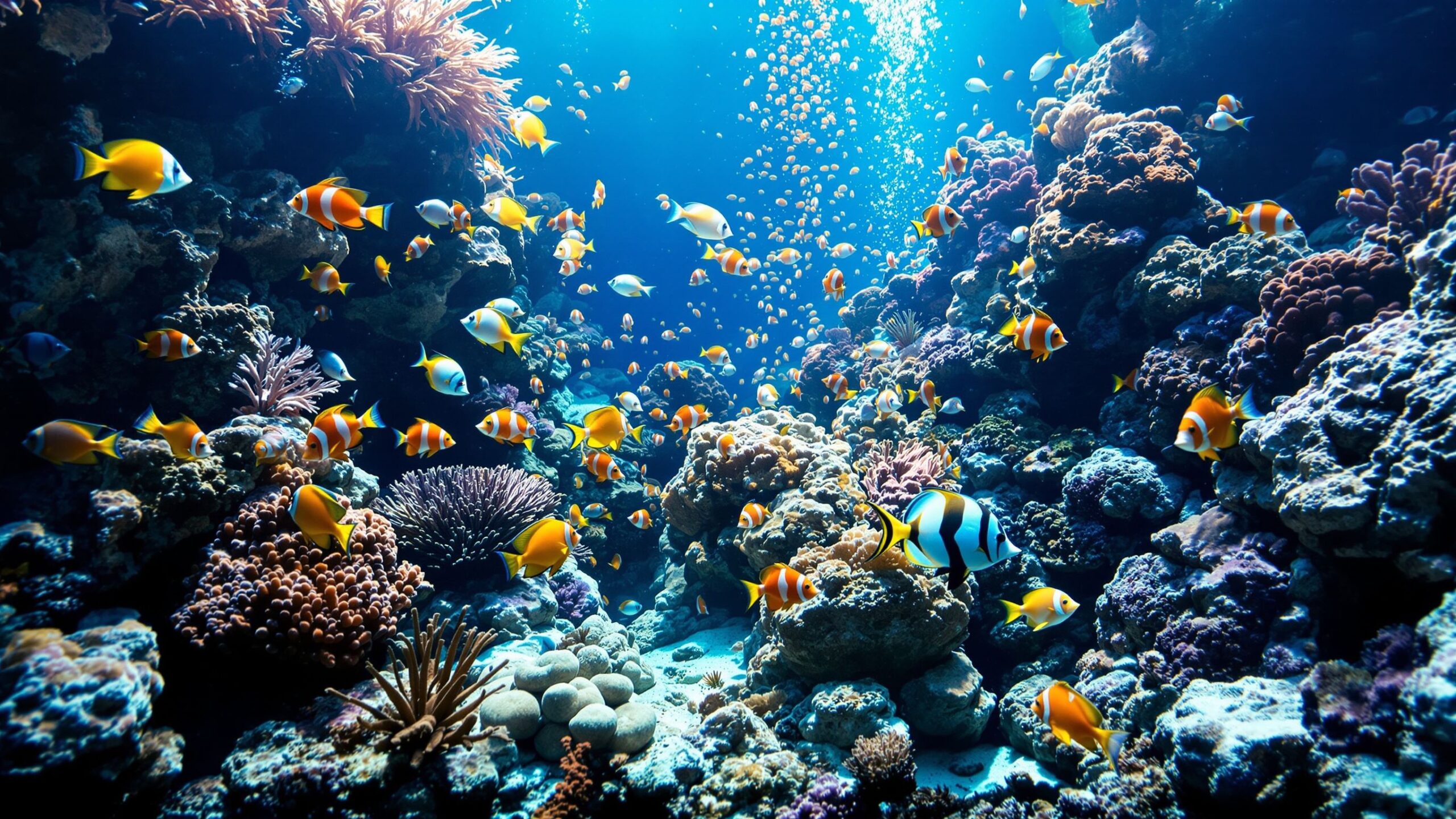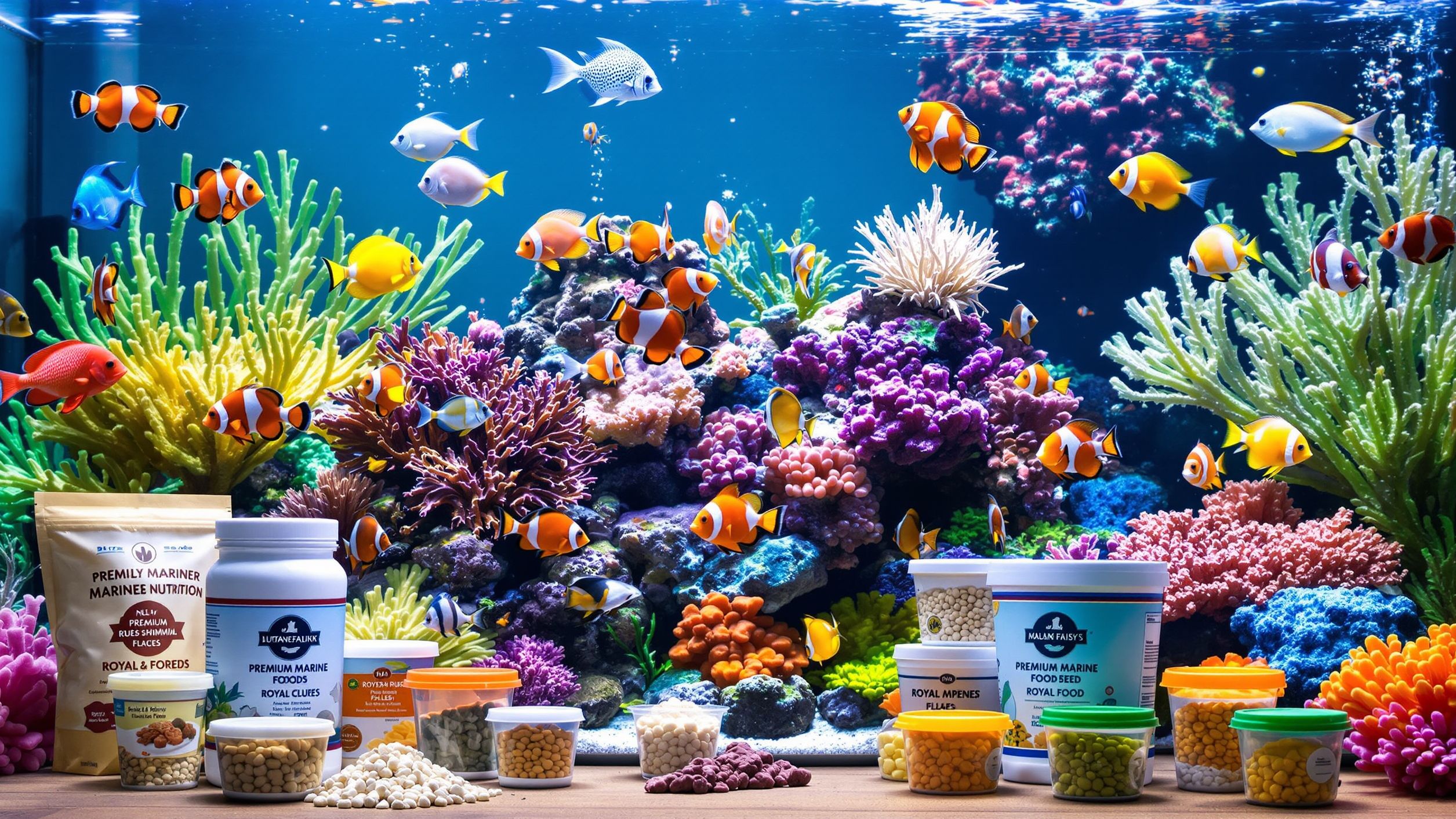
Feeding saltwater fish looks simple from the outside, but it is one of the most important parts of successful marine fishkeeping. A beautiful reef tank can quickly turn into a stressful environment if fish are underfed, overfed, or given the wrong type of food for their species.
Unlike many freshwater community fish, saltwater species often have highly specific dietary needs. Some fish are constant grazers that need frequent access to algae, while others are active hunters that prefer meaty foods like shrimp, mysis, or plankton. Even fish that look similar may have completely different nutritional requirements.
For beginners, the variety of frozen foods, pellets, flakes, algae sheets, and supplements can feel overwhelming. Many hobbyists buy food based on packaging instead of understanding what their fish actually need.
The goal is not simply to feed your fish enough to keep them alive. The goal is to provide balanced nutrition that supports color, immune health, energy, growth, and long-term survival.
A proper diet helps fish resist disease, handle stress better, and thrive in captivity. Understanding how and what to feed is one of the best investments you can make for your saltwater aquarium.
A: Most beginner fish do well with a varied diet of marine pellets, frozen mysis, flakes, algae foods, and species-appropriate treats.
A: Many saltwater fish do well with one to two small feedings daily, but grazing or specialized species may need different routines.
A: Frozen food can add excellent variety, while flakes are convenient; many tanks benefit from using both carefully.
A: It is not recommended because freshwater feeders are nutritionally poor for saltwater predators and can create health risks.
A: Tangs need plenty of marine algae, nori, herbivore pellets, and occasional meaty foods depending on species.
A: Stress, shipping, illness, bullying, unfamiliar foods, or poor water conditions can cause temporary appetite loss.
A: Feed small amounts the fish can finish quickly and watch for leftovers settling into rocks or sand.
A: Vitamins are not always required, but enriched foods can support fish during stress, recovery, or picky eating phases.
A: Some herbivores may accept certain greens, but marine algae-based foods are usually more natural and appropriate.
A: Feed variety, keep portions small, observe every fish, and adjust based on appetite, behavior, and water quality.
Understanding Natural Feeding Behavior
Before choosing food, it helps to understand how marine fish eat in the wild. Saltwater fish do not all feed the same way, and copying natural feeding habits creates healthier long-term results.
Tangs, rabbitfish, and many blennies are herbivores or heavy algae grazers. In the ocean, they spend much of the day picking algae from rocks and surfaces. These fish often struggle when only fed occasional meaty foods.
Wrasses, clownfish, damsels, and many community reef fish are omnivores, meaning they benefit from both plant matter and protein-rich foods. They often do well with a varied diet that includes frozen foods and quality pellets.
Predatory species like lionfish, groupers, and larger hawkfish prefer meaty diets and often need larger protein-based foods. These fish may ignore flakes completely.
Mandarins and certain dragonets are highly specialized feeders that rely heavily on live copepods and microfauna, making them difficult for beginners.
Knowing what your species naturally eats prevents one of the most common beginner mistakes—feeding every fish the same generic food.
Frozen Food vs Dry Food
One of the biggest beginner questions is whether frozen food or dry food is better. The truth is that both have value when used correctly.
Frozen foods like mysis shrimp, brine shrimp, krill, plankton, and chopped seafood provide excellent protein and closely mimic natural marine feeding. Many fish respond more aggressively to frozen foods because of their smell, texture, and movement in the water.
Frozen mysis shrimp is often considered one of the best staple foods for beginner saltwater tanks because it works well for many common reef fish.
Dry foods like pellets and flakes are convenient, affordable, and often fortified with vitamins. High-quality marine pellets can provide balanced daily nutrition without the mess of frozen food preparation.
The best approach is usually a mix of both. Frozen food offers variety and natural feeding stimulation, while pellets provide convenience and nutritional consistency.
Relying on only one type of food can limit overall health over time.
The Importance of Algae and Seaweed
Many beginners underestimate how important algae-based foods are in marine aquariums. Herbivorous fish especially need more than occasional flakes to stay healthy.
Tangs, foxfaces, and many blennies benefit greatly from dried seaweed sheets such as nori. These can be clipped to the tank and allow fish to graze naturally throughout the day.
Spirulina-based flakes and algae-enriched pellets are also valuable for omnivores and herbivores alike. Even fish that are not strict algae eaters often benefit from plant matter in their diet.
A tang fed only meaty frozen food may survive for a while but often loses color, immune strength, and overall health over time.
Providing algae is not an optional extra for many marine species—it is a basic nutritional requirement.
Feeding Frequency for Beginners
How often to feed depends on the species, tank size, and fish behavior. Many beginners either feed too little or far too much.
Most community reef fish do well with small feedings once or twice per day. Smaller, consistent meals are usually better than large heavy feedings that leave waste behind.
Herbivores like tangs may need access to algae throughout the day in addition to regular feeding sessions. Constant grazers often do poorly with only one large feeding.
Predatory fish may eat less often but require more substantial meals when they do feed.
Young fish often benefit from more frequent feeding than fully established adults because of higher energy demands.
The key is observation. Fish should eat actively without large amounts of food drifting away uneaten. Leftover food quickly affects water quality and increases algae problems.
Common Beginner Fish and Their Diets
Clownfish are among the easiest beginner saltwater fish to feed because they accept a wide variety of foods. Quality pellets, frozen mysis, brine shrimp, and occasional enriched flakes all work well.
Tangs need strong algae support with nori sheets, spirulina foods, and quality frozen foods for variety. They are often the first fish to show diet-related health problems if algae is missing.
Gobies and blennies vary widely. Some are strong algae grazers, while others prefer meaty foods. Researching the exact species matters.
Wrasses usually thrive on protein-rich frozen foods like mysis, copepods, and marine pellets.
Royal grammas, firefish, and cardinalfish often prefer smaller foods and benefit from finely sized frozen foods that are easy to capture.
Mandarins are a special case and should only be kept in mature tanks with strong live pod populations unless the hobbyist is experienced with specialized feeding.
Vitamin Supplements and Enrichment
Even quality foods can benefit from occasional enrichment. Vitamin supplements help improve immune health, appetite, and recovery from stress or illness.
Many hobbyists soak frozen foods in marine vitamin supplements before feeding. Garlic-based additives are also commonly used, especially for encouraging picky fish to eat, though they should not replace proper treatment for illness.
Omega-rich supplements and highly enriched frozen foods can improve coloration and breeding condition in some species.
While supplements are helpful, they should support a good diet rather than fix a poor one. Healthy feeding starts with the right staple foods first.
Avoiding Overfeeding
Overfeeding is one of the fastest ways beginners create problems in a saltwater tank. Extra food does not just disappear—it breaks down into waste, increases nitrates, fuels algae growth, and damages water quality.
Fish often act hungry even when they are well fed, so behavior alone can be misleading. Many species quickly learn to beg whenever someone approaches the tank.
Feed only what fish can consume within a short period. If food is drifting into the overflow, settling into rocks, or being ignored, too much is being added.
Cloudy water, algae blooms, and rising nutrient levels are often feeding problems disguised as filtration problems.
A cleaner feeding routine creates a healthier tank and usually healthier fish.
Foods Beginners Should Be Careful With
Not every food marketed for saltwater fish is ideal for beginners. Some cheap flakes contain low-quality fillers and poor marine nutrition.
Brine shrimp alone should not be used as a long-term staple because it lacks the nutritional strength of foods like mysis shrimp unless specially enriched.
Large predator foods like feeder fish should generally be avoided because they can introduce disease and poor nutritional balance.
Overusing fatty foods like large krill can also cause health problems over time.
Live foods can be useful but require caution because they may introduce parasites or water quality issues if handled poorly.
The goal is quality and balance, not simply variety for the sake of variety.
Creating a Simple Beginner Feeding Routine
A good beginner feeding routine does not need to be complicated. Morning feeding with high-quality marine pellets and evening feeding with thawed frozen mysis creates a strong foundation for many reef tanks.
Add algae sheets for herbivores like tangs and foxfaces several times a week or daily depending on the species.
Rotate foods occasionally so fish receive broader nutrition without making feeding overly complicated.
Watch fish during every feeding. Appetite changes are often the first warning sign of stress, disease, or bullying inside the tank.
Consistency matters more than constant experimentation. A simple, reliable routine usually beats a chaotic feeding schedule with too many random foods.
Building Health Through Better Feeding
The best saltwater fish diet is not about buying the most expensive food on the shelf. It is about understanding what each fish actually needs and feeding with purpose.
Healthy marine fish show strong appetite, bright color, active swimming, and better resistance to disease. Much of that begins with nutrition.
Beginners often focus first on equipment like lights, filters, and protein skimmers, but feeding habits shape daily fish health more than almost anything else.
A balanced diet supports the entire reef system by keeping fish stronger and reducing stress-related illness. It also makes the aquarium more enjoyable because healthy fish behave naturally and confidently.
Feeding is one of the few things you directly control every single day. Done correctly, it becomes one of the strongest foundations of successful saltwater fishkeeping.
A beautiful reef tank starts with healthy fish, and healthy fish start with the right food.
Pet Product Reviews
Explore Duffy Street’s Pet Product Reviews! Sniff out the top-rated toys, treats, gear, and gadgets for your pets with our fun, easy-to-read comparisons. We’ve done the digging so you can find the perfect products for your pet friends!