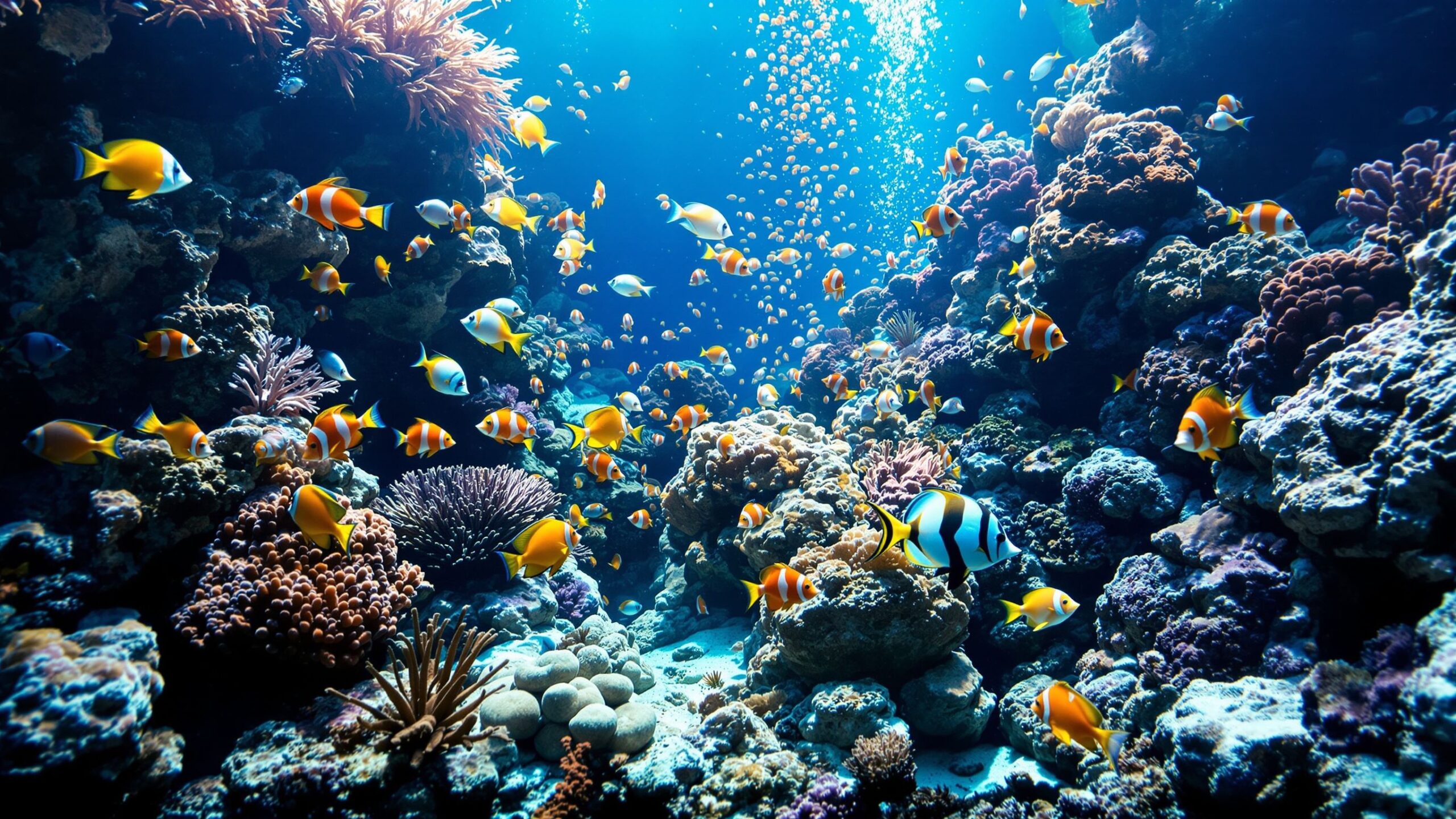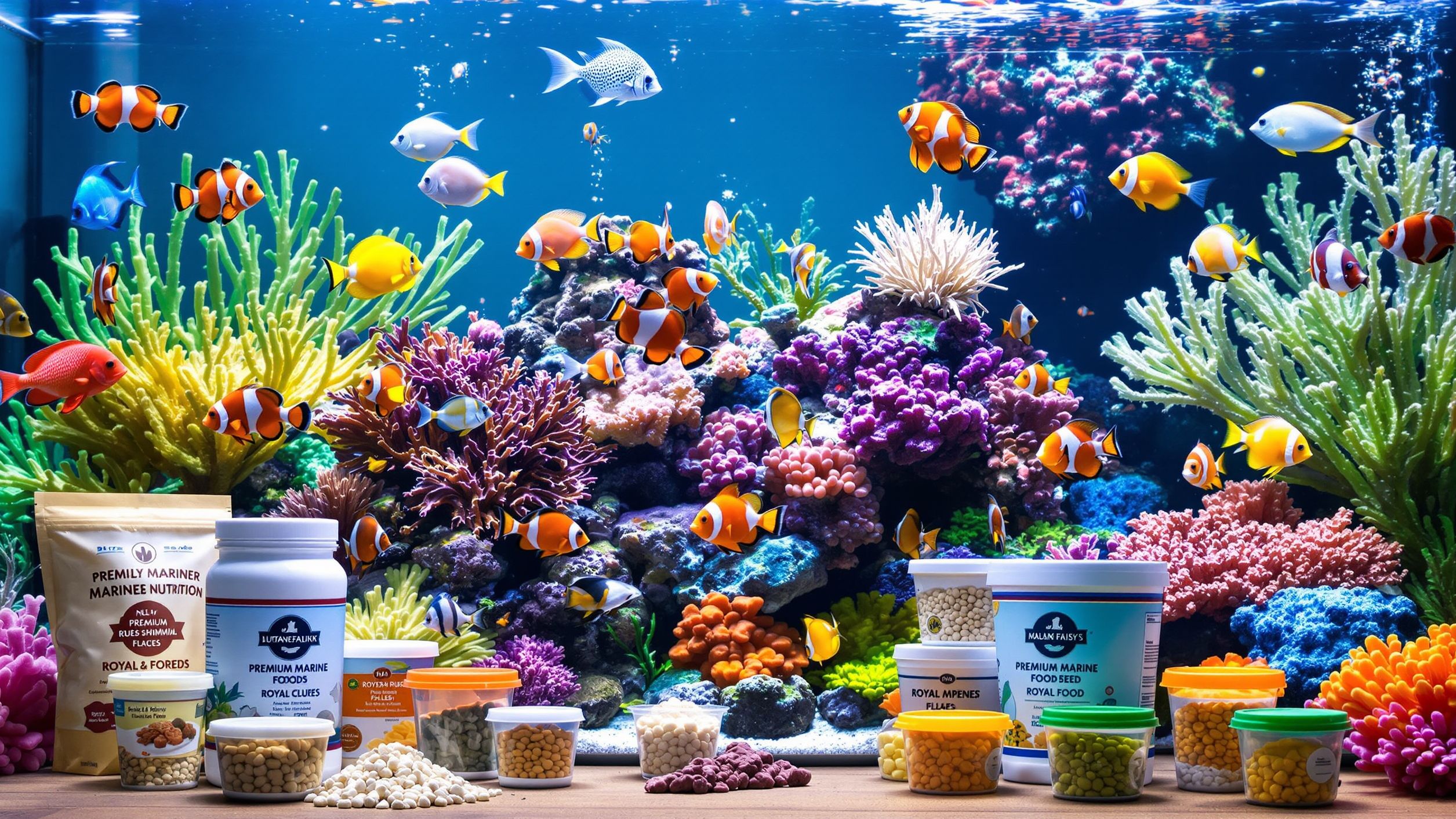
Feeding saltwater fish properly is one of the most important parts of maintaining a healthy home aquarium. Beautiful coral, crystal-clear water, and expensive equipment mean very little if the fish themselves are not receiving the right nutrition every day.
Marine fish are often far more specialized than freshwater species when it comes to diet. Some fish spend all day grazing on algae, while others rely on protein-rich foods like shrimp, plankton, and small crustaceans. Feeding the wrong type of food may not cause immediate problems, but over time it can lead to stress, weakened immune systems, poor color, and disease.
For beginners, the large variety of frozen foods, pellets, flakes, seaweed sheets, and supplements can feel confusing. Many people buy food based on labels rather than understanding what their fish naturally eat.
The best foods for saltwater fish are the ones that support long-term health, stable energy, strong immune systems, and natural behavior. A balanced diet helps fish thrive rather than simply survive.
Knowing what to feed and how often to feed it creates one of the strongest foundations for successful saltwater fishkeeping.
A: Frozen mysis shrimp, quality marine pellets, and species-specific algae foods are among the best core choices for most home aquariums.
A: Frozen foods often offer better variety and texture, while flakes are convenient; many aquariums benefit from using both wisely.
A: Tangs need regular marine algae such as nori, herbivore pellets, and occasional mixed foods depending on species.
A: It is better as part of variety because brine shrimp alone is not complete nutrition unless enriched properly.
A: Carnivores often prefer mysis, krill, clam, squid, shrimp, and other marine-based meaty foods.
A: The pellets may be too large, unfamiliar, sinking too fast, or the fish may still prefer frozen or live-style foods.
A: Many reef fish do well with one to two small daily feedings, while grazers may need longer access to algae foods.
A: Only plain, unseasoned marine-safe seafood in small amounts, and it should not replace balanced aquarium foods entirely.
A: Vitamin enrichment can help during illness, stress, or picky feeding periods, especially for recovering fish.
A: Overfeeding is the most common mistake because it damages water quality faster than most beginners expect.
Understanding What Saltwater Fish Naturally Eat
Before choosing food, it helps to understand how marine fish feed in the wild. Saltwater fish do not all eat the same way, and treating every fish like a general community feeder is one of the most common beginner mistakes.
Tangs, rabbitfish, and many blennies are primarily herbivores or heavy grazers. They spend much of the day picking algae from rocks and reef surfaces. These fish need constant access to plant-based foods to stay healthy.
Clownfish, wrasses, damsels, and many common reef fish are omnivores. They benefit from a balanced diet of both protein-rich foods and algae-based nutrition.
Predatory fish like lionfish, triggers, groupers, and some hawkfish need larger meaty foods and may completely ignore flakes or small pellets.
Mandarins and dragonets are highly specialized and often depend heavily on live copepods and microfauna, making them more advanced fish for home aquariums.
Understanding the natural diet of each species makes feeding far more effective.
Frozen Mysis Shrimp
Frozen mysis shrimp is often considered one of the best staple foods for saltwater fish. It provides strong protein content, natural feeding stimulation, and works well for many common marine species.
Clownfish, wrasses, angelfish, gobies, royal grammas, and many reef-safe community fish eagerly accept mysis shrimp. Its texture and smell closely mimic natural prey, making it highly attractive even for picky eaters.
Compared to basic brine shrimp, mysis offers stronger nutritional value and supports better long-term health.
For many beginner reef tanks, frozen mysis becomes the foundation of the feeding routine because it is reliable, widely accepted, and easy to rotate with other foods.
High-Quality Marine Pellets
Pellets are one of the most convenient foods for home aquariums and can be excellent when chosen carefully. High-quality marine pellets are often fortified with vitamins, minerals, and algae-based ingredients that support daily nutrition.
They are especially useful for busy hobbyists because they are clean, simple to portion, and easy to store compared to frozen foods.
Pellets work well for clownfish, damsels, tangs, wrasses, and many community reef fish. Some fish may need time to accept them, especially if they were previously fed only frozen foods.
Avoid cheap pellets with heavy fillers and low marine protein content. Better ingredients make a major difference over time.
Pellets should support the feeding routine, not replace all variety.
Nori and Seaweed Sheets
For herbivores, nori and dried seaweed sheets are essential rather than optional. Tangs, foxfaces, rabbitfish, and many blennies need regular algae access to stay healthy and active.
Clipping nori to the tank allows fish to graze naturally throughout the day, which better reflects their wild feeding behavior. This reduces stress and supports digestive health.
A tang fed only meaty foods may survive for a while but often loses body condition, color, and disease resistance over time.
Spirulina flakes and algae-enriched pellets are also helpful, but direct seaweed grazing remains one of the best tools for herbivorous marine fish.
Brine Shrimp
Brine shrimp is popular because fish love it, but it should be used more as a treat than a primary staple food unless it is specially enriched.
Regular brine shrimp has lower nutritional value than mysis shrimp and does not provide the same long-term strength for daily feeding.
It works well for encouraging shy or stressed fish to eat and can be helpful during acclimation periods when fish refuse other foods.
Many hobbyists use brine shrimp to stimulate appetite, then transition fish to stronger staple foods like mysis or balanced marine pellets.
Copepods and Live Foods
Some fish require or strongly benefit from live foods. Mandarins, dragonets, pipefish, and certain wrasses depend heavily on copepods and tiny live organisms for proper nutrition.
In mature reef tanks with strong pod populations, these fish can thrive naturally. Without that food source, they often slowly starve even if they appear healthy at first.
Live copepods, amphipods, and specialized pod cultures are often necessary for these species.
Other fish may also benefit from occasional live foods because they trigger natural hunting instincts and improve feeding response.
Live feeding should be used carefully and responsibly to avoid introducing pests or water quality issues.
Krill and Larger Meaty Foods
Larger fish and predatory species often need stronger protein-rich foods such as krill, chopped shrimp, squid, clam, and marine seafood blends.
Triggers, lionfish, larger wrasses, and predatory angels often respond better to these foods than to flakes or standard pellets.
Krill is popular but should not be overused because it is rich and can become unbalanced if fed too heavily as the main diet.
Rotating different protein sources creates better long-term nutrition and helps prevent nutritional gaps.
Spirulina Flakes and Algae-Based Foods
Spirulina flakes are valuable for both herbivores and omnivores. Even fish that are not strict plant eaters benefit from algae in their diet.
These flakes support immune health, digestion, and color while adding plant matter many beginner tanks accidentally ignore.
They work especially well for clownfish, damsels, tangs, and community reef fish that need balanced nutrition rather than pure protein feeding.
Spirulina should be seen as part of variety, not the only food offered.
Vitamin-Enriched Frozen Blends
Many hobbyists use mixed frozen blends that include mysis, plankton, chopped seafood, vitamins, and marine algae in one feeding option.
These blends are excellent for community tanks because multiple species can benefit from one feeding session.
Vitamin-enriched foods help improve recovery from stress, transport, and mild illness while supporting stronger immune systems overall.
Garlic-enriched blends are also common for encouraging picky fish to eat, although garlic should never replace proper disease treatment.
Foods to Avoid
Not every product sold for marine fish is a good choice. Cheap flakes with poor ingredients and heavy fillers often create weak nutrition and unnecessary waste.
Feeder fish should generally be avoided because they may introduce disease and do not provide ideal long-term nutrition for marine predators.
Overusing fatty foods like large krill can also create health problems over time. Variety matters more than feeding one “favorite” food constantly.
Brine shrimp alone should not be the main staple for most fish because it lacks the strength needed for complete long-term nutrition.
The goal is quality feeding, not simply feeding more.
Creating a Balanced Feeding Routine
The best feeding plan is simple, consistent, and built around the fish in the tank. Morning pellets and evening frozen mysis create a strong beginner foundation for many reef aquariums.
Add nori daily or several times a week for herbivores like tangs and rabbitfish. Rotate spirulina flakes, brine shrimp treats, and frozen blends for additional variety.
Watch fish during every feeding. Appetite changes are often the first sign of stress, bullying, or illness.
Avoid feeding so much that food drifts into rocks or filters. Extra food becomes waste quickly and leads to algae problems and poor water quality.
A clean feeding routine creates healthier fish and a more stable aquarium.
Feeding for Long-Term Marine Fish Health
The best foods for saltwater fish are not always the most expensive ones—they are the foods that match the natural needs of the species you keep.
Healthy fish show strong appetite, bright color, active swimming, and better resistance to disease. Much of that starts with nutrition.
Many hobbyists focus first on lights, filtration, and expensive coral equipment, but feeding habits shape fish health every single day.
A balanced diet improves the entire reef system by reducing stress, supporting immunity, and encouraging natural behavior. It also makes the aquarium more enjoyable because confident, healthy fish are more active and beautiful to watch.
Feeding is one of the few things you directly control every day. Done correctly, it becomes one of the strongest parts of successful marine fishkeeping.
A thriving saltwater aquarium begins with healthy fish, and healthy fish begin with the right food.
Pet Product Reviews
Explore Duffy Street’s Pet Product Reviews! Sniff out the top-rated toys, treats, gear, and gadgets for your pets with our fun, easy-to-read comparisons. We’ve done the digging so you can find the perfect products for your pet friends!