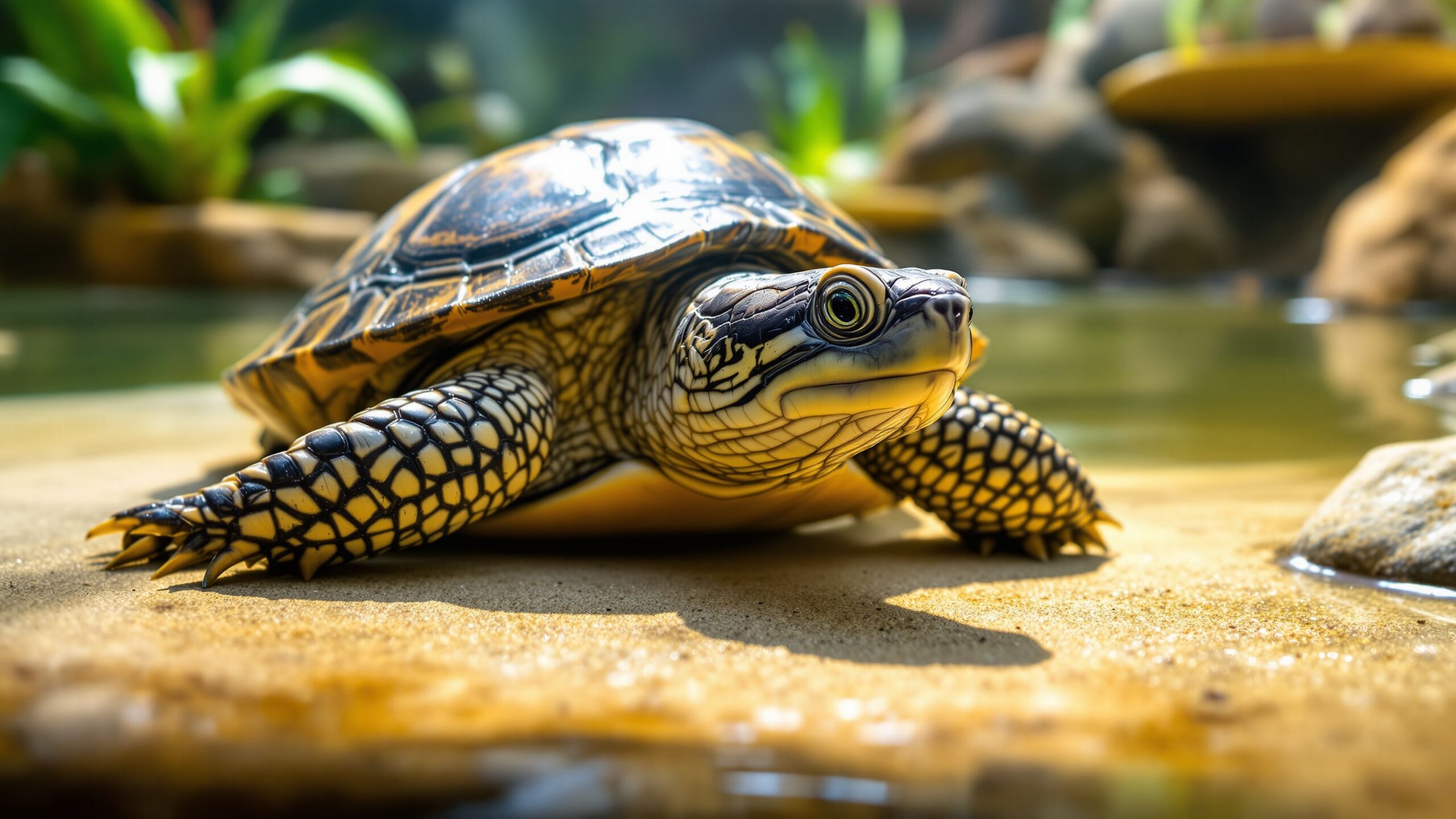
Crested geckos have become one of the most popular pet reptiles in the world thanks to their manageable size, unique appearance, and relatively simple care requirements. Known for their expressive eyes, soft skin, and remarkable climbing abilities, these fascinating reptiles often become beloved family pets. While many owners focus on raising young geckos, fewer realize that crested geckos can live well into their teens and sometimes beyond twenty years with proper husbandry. As these reptiles age, their needs gradually change, making senior care an important part of responsible ownership. Unlike mammals, crested geckos often age slowly and subtly. The changes may occur over several years, making them difficult to recognize at first. Understanding how aging affects your gecko allows you to make adjustments that improve comfort, support long-term health, and help your pet continue thriving throughout its golden years. With proper care, senior crested geckos can remain active, healthy, and enjoyable companions for many years.
A: Watch for slower climbing, weaker grip, less jumping, reduced appetite, weight changes, and more resting.
A: Often yes. Lower ledges, wider branches, soft plants, and safer climbing paths can help prevent falls.
A: Appetite loss may come from age, stress, wrong temperatures, dehydration, mouth problems, or illness.
A: Gentle handling is best, and many older geckos do better with shorter, calmer handling sessions.
A: Keep temperatures stable and species-safe, avoiding overheating because crested geckos are heat-sensitive.
A: Keep humidity appropriate, offer hydration, and contact a reptile vet if shed sticks around toes or eyes.
A: No unexplained weight loss should be ignored, even in an older gecko.
A: Some can, but insects should be safe, appropriately sized, and offered based on the gecko’s health and needs.
A: Falling often, swelling, mouth discharge, severe weight loss, stuck shed, weakness, or not eating need vet attention.
A: Track weight, watch behavior, keep the habitat stable, and adjust climbing areas for safety.
When Is a Crested Gecko Considered a Senior?
The exact age at which a crested gecko becomes a senior varies between individuals. Most crested geckos are considered mature adults by two years of age and can remain healthy and active for many years afterward. Generally, geckos entering their low to mid-teens begin showing subtle signs of aging, although some may experience age-related changes earlier or later.
Because every gecko ages differently, owners should focus less on age alone and more on physical and behavioral changes. Activity levels, appetite, climbing ability, body condition, and overall behavior often provide the best indicators that a gecko is entering its senior stage of life.
Aging does not mean a gecko is unhealthy. It simply means that additional attention may be needed to maintain optimal wellness.
Understanding the Aging Process
Like many reptiles, crested geckos possess a slower metabolism than mammals. This contributes to their relatively long lifespan and gradual aging process. Instead of dramatic physical changes, aging often appears as a collection of subtle differences that develop over time.
Senior geckos may move more slowly, rest more frequently, and become less adventurous than they were during their younger years. Their bodies may require more time to recover from stress, and they may become more sensitive to environmental fluctuations.
Recognizing these gradual changes helps owners provide proactive care rather than reacting only when problems become obvious.
Reduced Activity Levels
One of the most common signs of aging in crested geckos is a reduction in activity. Young and middle-aged geckos often spend their nights climbing, jumping, and exploring every corner of their enclosure. Senior geckos frequently become more relaxed and selective about their movements.
You may notice your gecko spending more time resting on favorite branches or hiding spots. It may still climb and explore but do so less frequently and with less intensity than before.
A gradual decline in activity is usually normal. However, sudden lethargy or an abrupt change in behavior should always be investigated because illness can mimic signs of aging.
Changes in Climbing and Jumping Ability
Crested geckos are famous for their impressive climbing and jumping skills. As they age, these abilities may gradually decline. Older geckos often become more cautious when moving through their habitat and may avoid long jumps altogether.
Joint stiffness, muscle loss, and reduced flexibility can contribute to these changes. A gecko that once leaped effortlessly between branches may begin choosing shorter, more deliberate routes through its enclosure.
Owners should watch for signs of slipping, falling, or struggling to grip surfaces. Habitat adjustments can help reduce injury risks and improve safety for aging geckos.
Appetite Changes in Senior Geckos
Many senior crested geckos experience changes in appetite. Some eat slightly less because their activity levels decrease, while others become more selective about the foods they prefer.
Commercial crested gecko diets often remain the foundation of nutrition throughout a gecko’s life. However, older geckos may occasionally require modifications in feeding schedules or portion sizes.
A gradual decrease in food consumption can be normal, but significant weight loss should never be ignored. Monitoring feeding habits closely helps ensure that aging geckos continue receiving adequate nutrition.
Maintaining Healthy Body Weight
Body condition becomes increasingly important as a crested gecko ages. Some geckos lose muscle mass over time, while others gain excess weight due to reduced activity.
A healthy senior gecko should maintain a balanced body shape without appearing overly thin or obese. Regular weighing provides valuable information about long-term health trends and can help identify problems before obvious symptoms develop.
Monthly weight checks are simple to perform and provide useful data for monitoring your gecko’s wellness.
Skin and Shedding Changes
Aging can affect a crested gecko’s skin and shedding process. Older geckos may shed less frequently or take longer to complete a shed cycle than younger individuals.
Retained shed can become more common in senior reptiles, particularly around the toes and tail area. Proper humidity remains essential throughout a gecko’s life and becomes even more important as the animal ages.
Owners should monitor shedding cycles carefully and provide appropriate humidity levels to support healthy skin and successful sheds.
Vision and Sensory Changes
Like many aging animals, senior crested geckos may experience changes in vision. These changes are often subtle and may go unnoticed initially.
An older gecko may become more hesitant when navigating unfamiliar areas or take longer to locate food. Some may appear less responsive to movement or environmental changes than they once were.
Maintaining a familiar enclosure layout can help reduce confusion and make daily activities easier for aging geckos.
Habitat Adjustments for Senior Crested Geckos
One of the best ways to support an aging crested gecko is by modifying its enclosure to accommodate changing physical abilities. While climbing opportunities should remain available, they should also become easier and safer to access.
Providing additional branches, ramps, and stable climbing surfaces can help reduce the distance between perches. Lowering the height of key resting areas may also reduce the risk of falls.
Food and water sources should be positioned where the gecko can reach them comfortably without excessive climbing effort.
The goal is to maintain enrichment while improving accessibility and safety.
Temperature and Humidity Considerations
Senior crested geckos may become more sensitive to environmental fluctuations than younger animals. Maintaining stable temperatures and humidity levels becomes increasingly important for overall wellness.
Proper temperature regulation supports digestion, immune function, and comfort. Consistent humidity helps prevent dehydration and supports healthy shedding.
Avoiding sudden environmental changes can reduce stress and help aging geckos remain comfortable and healthy.
Hydration and Wellness
Hydration plays a critical role in senior reptile health. Aging crested geckos may become less efficient at maintaining hydration, making access to fresh water especially important.
Regular misting allows geckos to drink naturally from leaves and enclosure surfaces. Monitoring hydration levels can help prevent complications such as retained shed and reduced appetite.
A well-hydrated gecko is often more active, alert, and resilient to age-related health challenges.
Managing Stress in Older Geckos
Senior crested geckos often benefit from stable routines and minimal stress. While younger geckos may adapt quickly to changes, older individuals can take longer to adjust.
Frequent enclosure rearrangements, excessive handling, or major environmental changes may cause unnecessary stress. Maintaining consistency helps aging geckos feel secure and supports overall health.
Observing your gecko’s preferences and respecting its comfort level can significantly improve quality of life.
Common Health Concerns in Aging Crested Geckos
As crested geckos age, they may become more susceptible to certain health issues. Arthritis, reduced mobility, weight fluctuations, and age-related organ changes can occur in older individuals.
Because reptiles naturally hide illness, subtle symptoms should never be ignored. Reduced appetite, noticeable weight loss, unusual posture, or persistent lethargy warrant veterinary evaluation.
Early detection often allows age-related conditions to be managed more effectively and helps maintain a higher quality of life.
The Importance of Veterinary Care
Routine veterinary examinations become increasingly valuable as crested geckos enter their senior years. Annual wellness checks allow professionals to evaluate body condition, mobility, hydration, and overall health.
Veterinarians experienced with reptiles can identify early signs of age-related conditions before they become serious. Diagnostic testing may reveal concerns that are not yet visible externally.
Preventive care is often one of the most effective ways to support healthy aging and longevity.
Enrichment for Aging Geckos
Even though senior crested geckos may be less active than younger individuals, they still benefit from environmental enrichment. Providing opportunities for gentle exploration and natural behaviors helps maintain mental stimulation and physical activity.
The key is balancing enrichment with accessibility. Senior geckos should be encouraged to move and explore without being forced to navigate challenging obstacles.
Thoughtful enrichment can contribute to overall happiness and wellness throughout the later stages of life.
Helping Your Crested Gecko Thrive During Its Golden Years
Aging is a natural part of life, and every crested gecko eventually reaches its senior years. While older geckos may move more slowly, rest more frequently, and show subtle changes in behavior, these changes do not prevent them from living happy and fulfilling lives.
Understanding the aging process allows owners to make informed decisions that improve comfort, safety, and health. Monitoring body condition, maintaining proper environmental conditions, providing balanced nutrition, and seeking regular veterinary care all contribute to successful aging.
The bond between a crested gecko and its owner often develops over many years. By recognizing the unique needs of senior geckos and responding with patience and attentive care, you can help your beloved reptile enjoy a long, healthy, and comfortable life well into its golden years.
Pet Product Reviews
Explore Duffy Street’s Pet Product Reviews! Sniff out the top-rated toys, treats, gear, and gadgets for your pets with our fun, easy-to-read comparisons. We’ve done the digging so you can find the perfect products for your pet friends!