Bringing a reptile into your home is an exciting experience, but one of the first decisions you’ll face is whether to adopt or buy. While dogs and cats have long been associated with adoption, reptiles also need loving homes. Every year, thousands of snakes, lizards, turtles, tortoises, and geckos are surrendered to rescues because their owners underestimated the time, expense, or specialized care these fascinating animals require. At the same time, reputable breeders continue to produce healthy captive-bred reptiles that introduce newcomers to responsible reptile keeping. There is no universal answer to whether adoption or buying is better. The right choice depends on your goals, experience level, budget, desired species, and commitment to long-term care. Both options have advantages and disadvantages, and understanding them will help you make an informed decision that benefits both you and your future reptile. This guide explores the differences between reptile adoption and buying, helping you choose the path that best fits your situation while promoting responsible reptile ownership.
A: Adoption is often better for helping animals in need, but buying can be ethical if the breeder is responsible and transparent.
A: No. Ethical breeders can provide healthy captive-bred reptiles, accurate records, and strong care guidance.
A: Not always. Some are healthy and simply need new homes, while others may need extra care or vet support.
A: Beginners should choose the source that provides the most honest support, healthiest animal, and best match for their skill level.
A: Ask about age, diet, shedding, temperament, enclosure needs, health history, source, and vet records.
A: Some are better than others, but you should inspect care quality, ask sourcing questions, and avoid stores with sick or poorly housed reptiles.
A: Captive-bred means the reptile was born in human care instead of taken from the wild.
A: Wild-caught reptiles may be stressed, parasite-heavy, harder to tame, and harmful to wild populations when collected irresponsibly.
A: Adoption fees may be cheaper, but proper enclosures, heating, lighting, food, and vet care still cost money.
A: The best choice is the one that gives you a healthy reptile from an ethical source and allows you to provide excellent lifelong care.
Understanding Reptile Adoption
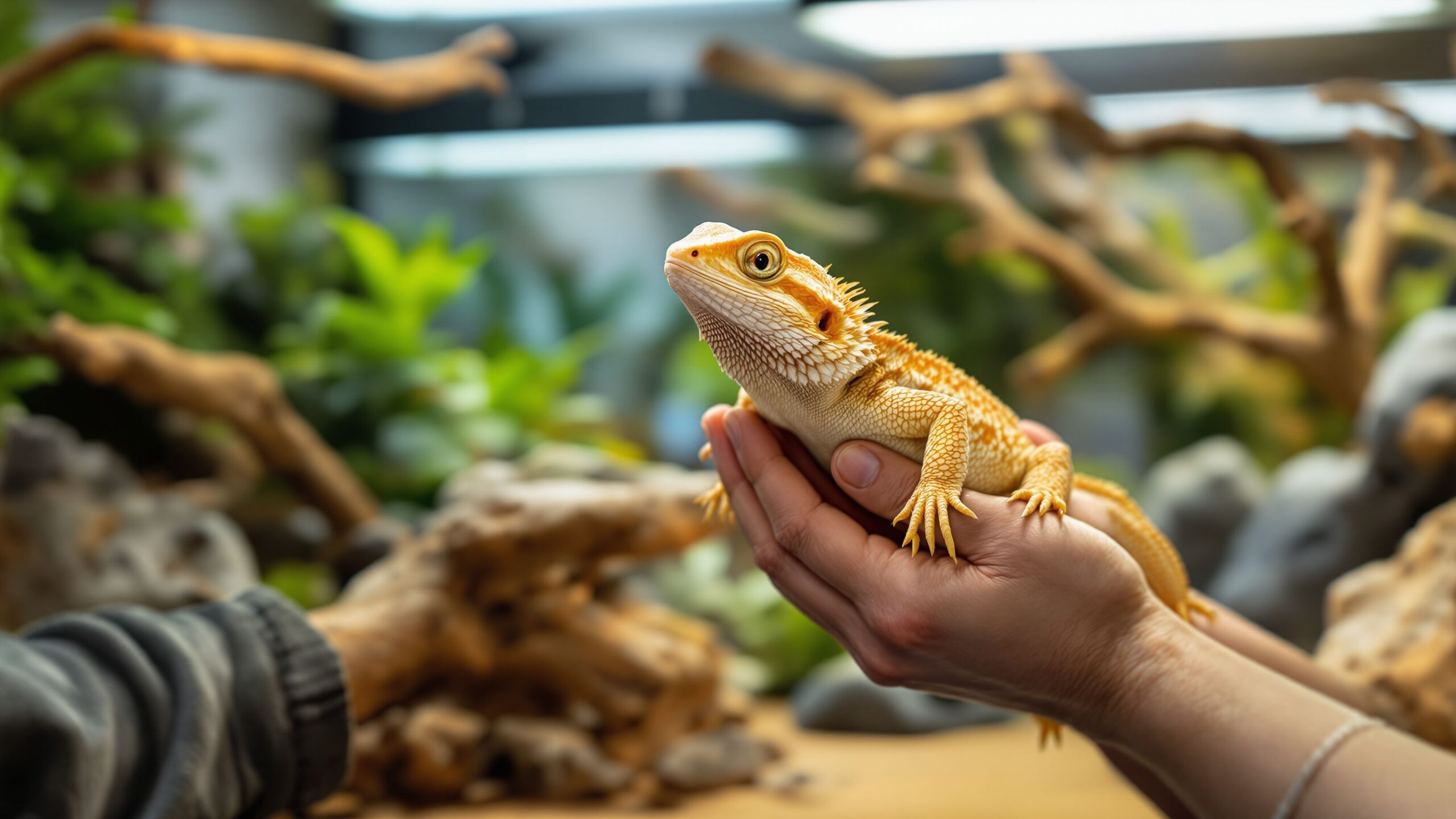
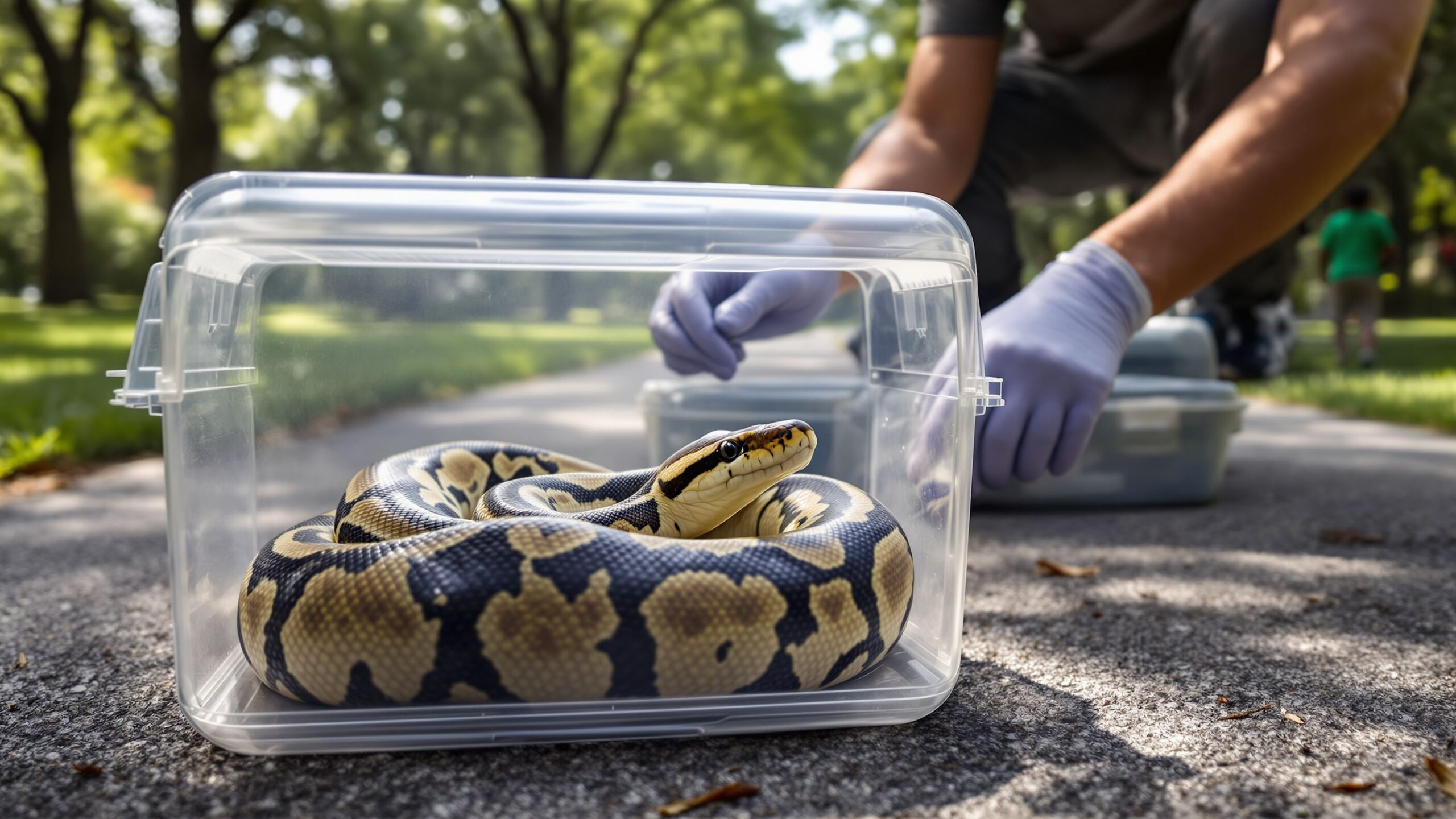
Reptile adoption involves providing a permanent home to a reptile that previously belonged to another owner. These animals are commonly available through reptile rescue organizations, animal shelters, wildlife rehabilitation centers, and private owners who can no longer care for their pets.
Unlike purchasing a newly hatched reptile, adoption gives an existing animal a second chance at life. Many surrendered reptiles are healthy and well-socialized, while others may require extra care due to neglect, improper husbandry, or medical issues. Rescue organizations often rehabilitate these reptiles before placing them with carefully screened adopters.
Adoption has become increasingly popular as awareness grows about responsible reptile ownership and the importance of reducing unnecessary abandonment.
Understanding Buying From a Breeder or Pet Store
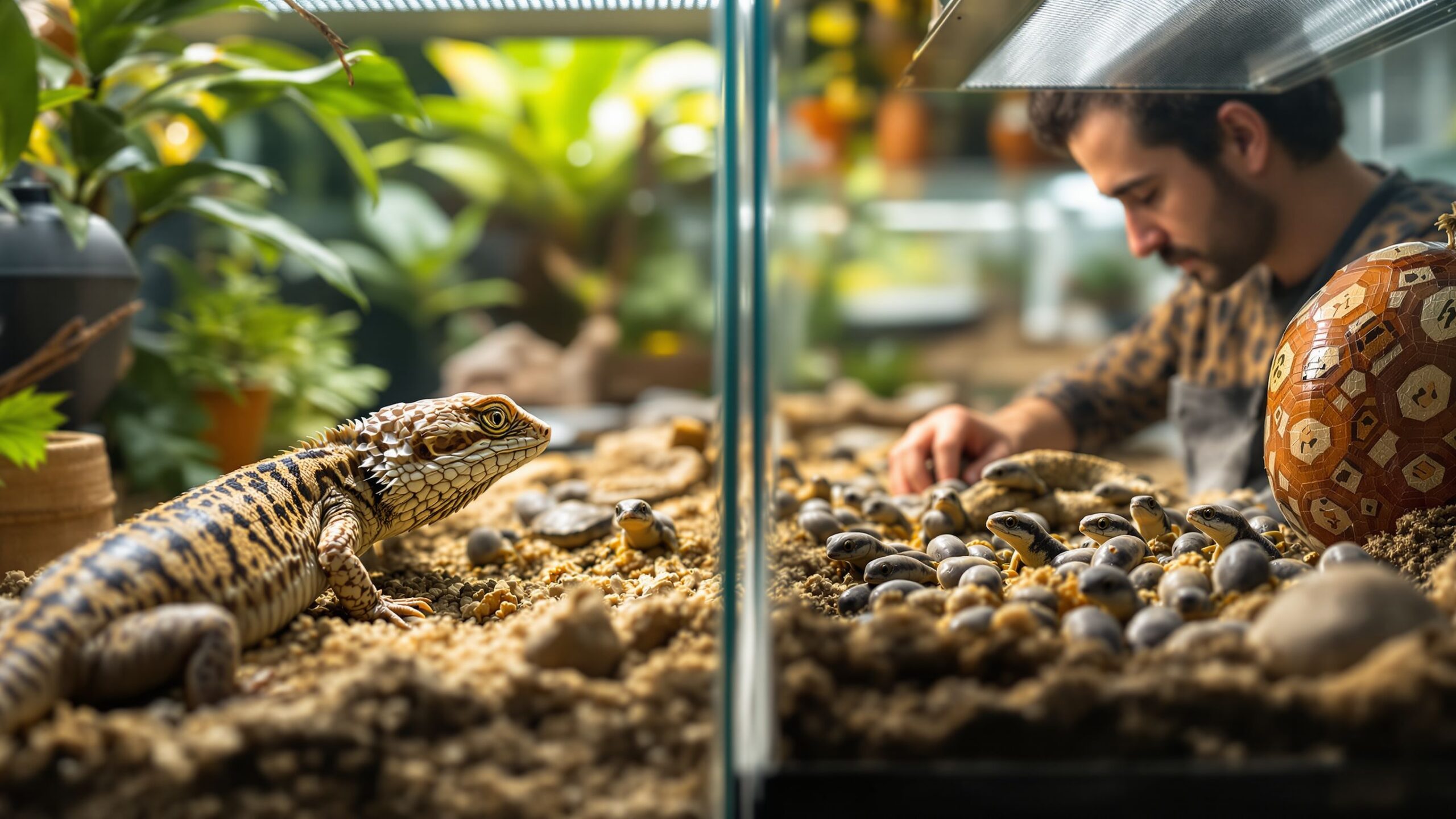
Buying a reptile usually means purchasing a captive-bred animal from a professional breeder, specialty reptile store, or occasionally a large pet retailer. Reputable breeders focus on producing healthy animals with predictable genetics, proper nutrition, and excellent husbandry from birth.
Many breeders specialize in specific species or morphs, allowing buyers to choose particular colors, patterns, sizes, or bloodlines. Purchasing directly from an experienced breeder also gives owners access to valuable care advice and detailed information about the reptile’s history.
While buying often costs more than adopting, it may offer greater predictability regarding age, genetics, and early husbandry.
The Biggest Advantages of Adopting a Reptile
One of the greatest benefits of adoption is giving a deserving animal a permanent home. Many surrendered reptiles end up in rescues through no fault of their own. Owners may experience financial hardship, relocation, divorce, illness, military deployment, or simply discover that reptile ownership is more demanding than expected.
Adoption also helps reduce overcrowding in rescue facilities while supporting organizations dedicated to reptile welfare.
Many adopted reptiles already come with complete habitats, including enclosures, heating equipment, UVB lighting, decorations, thermostats, hides, and feeding supplies. Purchasing all of this equipment separately can cost hundreds of dollars, making adoption an excellent value.
Older reptiles also tend to have established personalities and feeding habits, allowing adopters to better understand what to expect.
The Biggest Advantages of Buying From a Breeder
Buying from a reputable breeder offers several unique advantages. Perhaps the biggest benefit is knowing the reptile’s complete history from birth. Breeders can often provide hatch dates, parent information, genetics, feeding records, shedding history, and health documentation.
Captive-bred reptiles generally adapt well to human care because they have never lived in the wild. Responsible breeders prioritize proper nutrition, cleanliness, and socialization during the animal’s earliest stages of life.
Buyers also enjoy greater flexibility when selecting species, morphs, colors, and age. If you have always dreamed of owning a specific morph of ball python or a rare leopard gecko coloration, purchasing from a breeder may be your best option.
Cost Comparison
Many people assume adoption is always significantly cheaper than buying, but the total cost depends on several factors.
Adoption fees are generally lower than breeder prices and often include the reptile’s enclosure and equipment. This can save new owners substantial money since quality terrariums, lighting systems, thermostats, and accessories frequently cost more than the reptile itself.
Buying from a breeder usually requires purchasing every piece of equipment separately unless package deals are offered. While the reptile may be younger and have documented genetics, startup expenses can quickly add up.
Regardless of which option you choose, remember that the purchase price is only a small portion of the overall lifetime cost of reptile ownership.
Health Considerations
Health should always be one of your top priorities.
Many rescue organizations perform health evaluations before placing reptiles for adoption. They often treat parasites, respiratory infections, injuries, dehydration, and nutritional deficiencies before making animals available.
However, some adopted reptiles may have unknown medical histories or lingering health conditions resulting from previous neglect.
Reputable breeders carefully monitor breeding stock, maintain clean facilities, and provide healthy captive-bred offspring. Because breeders know each animal’s history, they can often identify potential health concerns early.
Whether adopting or buying, always examine the reptile carefully and schedule a veterinary examination after bringing it home.
Ethics and Animal Welfare
For many owners, ethical considerations strongly influence their decision.
Adopting helps reduce the number of reptiles waiting in rescues and discourages impulse purchases that contribute to abandonment. Every successful adoption creates space for another reptile in need.
Buying from responsible breeders can also be ethical when breeders prioritize animal welfare over profit. Ethical breeders maintain healthy breeding animals, avoid overproduction, provide excellent husbandry, and educate buyers before completing a sale.
Problems arise when reptiles come from irresponsible breeders, reptile mills, or stores that prioritize sales over proper care.
Supporting businesses that practice responsible breeding encourages higher welfare standards throughout the reptile industry.
Species Availability
One important difference between adoption and buying is availability.
Rescues often receive the reptiles most commonly kept as pets, including bearded dragons, leopard geckos, ball pythons, corn snakes, red-eared sliders, and crested geckos.
Rare species or unusual morphs may appear occasionally but are generally less common.
Professional breeders usually offer a much wider variety of species, morphs, colors, and bloodlines. If you are searching for a highly specific reptile, buying may provide more options.
On the other hand, if your primary goal is simply owning a healthy pet rather than obtaining a particular appearance, adoption offers many wonderful choices.
Experience Level Matters
Your experience should play a role in your decision.
Many adopted reptiles are excellent pets for beginners because they are already eating consistently, have established routines, and often tolerate handling well.
However, some rescue reptiles may require rehabilitation or behavioral adjustments that inexperienced owners may find challenging.
Buying a young reptile allows owners to establish routines from the beginning but also requires understanding juvenile care, growth stages, and changing husbandry requirements.
New reptile keepers should honestly assess their experience and choose whichever option best matches their comfort level.
Questions to Ask Before Adopting
Before adopting a reptile, ask about its age, medical history, feeding habits, temperament, shedding schedule, enclosure requirements, and any behavioral concerns.
Ask why the reptile was surrendered and whether it has received veterinary care. Learn what equipment is included and whether the rescue provides post-adoption support.
The more information you receive, the more confident you can feel about your decision.
Questions to Ask Before Buying
When purchasing from a breeder, ask about hatch dates, parent genetics, feeding records, supplementation schedules, shedding history, veterinary care, and housing conditions.
Request recent photographs if buying remotely and ask whether the breeder offers health guarantees or ongoing support after purchase.
A reputable breeder should gladly answer your questions and demonstrate genuine concern for the reptile’s future.
Avoid Impulse Decisions
Whether adopting or buying, never make your decision solely because a reptile looks attractive.
Every species has unique requirements for enclosure size, heating, humidity, lighting, diet, enrichment, and lifespan. Some turtles live for decades, large snakes require enormous enclosures, and certain lizards need highly specialized environmental conditions.
Research thoroughly before bringing any reptile home. Proper preparation greatly increases the likelihood of a successful lifelong relationship.
Preparing Before Bringing Your Reptile Home
Regardless of where your reptile comes from, its habitat should be fully prepared before arrival.
Install heating equipment, UVB lighting if necessary, thermostats, thermometers, hygrometers, hides, water dishes, climbing structures, substrate, and enrichment items. Verify that temperatures and humidity remain stable for several days before introducing the reptile.
Having everything ready minimizes stress and allows your new pet to settle into its environment immediately.
Common Misconceptions
Some people believe adopted reptiles are always unhealthy or aggressive. In reality, many surrendered reptiles simply lost their homes because of changes in their owner’s life circumstances.
Others assume purchased reptiles are automatically healthier. While responsible breeders produce excellent animals, poor breeding practices can also result in health problems.
The quality of care provided after adoption or purchase ultimately matters far more than where the reptile originally came from.
Which Option Is Best for Beginners?
There is no single correct answer.
If you want an established reptile with predictable behavior and potentially lower startup costs, adoption may be an excellent choice.
If you have your heart set on a specific species, morph, or age while wanting complete knowledge of the reptile’s history, purchasing from a reputable breeder may better suit your goals.
Regardless of your choice, proper husbandry, lifelong commitment, and ongoing education remain the most important factors in successful reptile ownership.
Making the Right Choice for You and Your Future Reptile
Choosing between reptile adoption and buying is ultimately about finding the option that best supports responsible, lifelong care. Adoption gives deserving reptiles a second chance while helping reduce the number of animals waiting in rescues. Buying from a reputable breeder provides access to healthy captive-bred reptiles with documented histories and carefully managed genetics. Neither path is automatically better than the other. What truly matters is selecting a healthy reptile from a trustworthy source, preparing an appropriate habitat, and committing to meeting its needs for the rest of its life. When thoughtful research, patience, and compassion guide your decision, both adoption and responsible purchasing can lead to a rewarding relationship that benefits both you and your new reptile companion.
Pet Product Reviews
Explore Duffy Street’s Pet Product Reviews! Sniff out the top-rated toys, treats, gear, and gadgets for your pets with our fun, easy-to-read comparisons. We’ve done the digging so you can find the perfect products for your pet friends!