Rehoming a pet reptile is never an easy decision, but sometimes it is the most loving and responsible choice an owner can make. Whether your financial situation has changed, you are moving, your health has declined, or you simply realize you can no longer provide the specialized care your reptile deserves, finding a suitable new home is far better than allowing its quality of life to suffer. Responsible rehoming is not giving up—it is putting your pet’s well-being above your own emotions and making sure it has the opportunity to thrive for years to come. Unlike dogs and cats, reptiles have highly specialized care requirements. Proper heating, lighting, humidity, nutrition, and enclosure design all play essential roles in their health. Because of these unique needs, finding a new owner involves much more than simply giving the animal away. It requires planning, honesty, patience, and careful screening to ensure your reptile enters a knowledgeable and committed home. This guide will walk you through every step of responsibly rehoming your pet reptile while minimizing stress and maximizing its chances for a happy future.
A: No. Pet reptiles should never be released outdoors because they may die, spread illness, or become invasive.
A: A reptile rescue, experienced keeper, exotic pet group, or trusted person with proper setup knowledge is best.
A: A small fee can help discourage impulse adopters, but careful screening is more important.
A: Share species, age, diet, enclosure setup, temperatures, humidity, behavior, health history, and vet records.
A: Yes, if possible. Familiar housing and equipment can make the move safer and less stressful.
A: Ask about their reptile experience, enclosure plans, heating, lighting, feeding, and vet access.
A: Some can, but not all are equipped for proper long-term care, so ask detailed questions first.
A: A vet check is helpful, especially if the reptile has weight loss, injuries, parasites, or appetite problems.
A: Use a secure, ventilated container, keep temperatures safe, and avoid unnecessary handling during the trip.
A: Contact reptile rescues, exotic vets, local herpetology groups, and experienced keepers right away.
Knowing When Rehoming Is the Right Decision
Every reptile owner hopes to care for their pet throughout its entire life, but life does not always go according to plan. Unexpected financial hardships, military deployments, family emergencies, career changes, medical conditions, college, divorce, or relocation can all make long-term reptile ownership difficult. Some reptiles also grow much larger than expected or live far longer than many new owners initially realize.
Recognizing that your pet deserves better care than you are currently able to provide is not a sign of failure. In many situations, it demonstrates true responsibility. A healthy reptile depends entirely on its owner for every aspect of survival, and if you cannot consistently provide proper husbandry, finding someone who can is often the kindest decision available.
Before making your final decision, consider whether your situation is temporary. If you expect things to improve within a few months, perhaps a trusted friend or family member with reptile experience could temporarily care for your pet. However, if your circumstances are permanent or uncertain, beginning the rehoming process sooner gives you plenty of time to carefully choose the best possible home.
Never Release a Reptile Into the Wild
One of the worst mistakes any reptile owner can make is releasing a captive reptile outdoors. Even reptiles that appear healthy and capable of surviving often lack the instincts necessary to find food, avoid predators, or withstand unfamiliar climates. Many captive reptiles die slowly from starvation, dehydration, disease, or exposure after being abandoned.
Released reptiles can also become invasive species that threaten native wildlife and ecosystems. Species such as Burmese pythons, green iguanas, and red-eared sliders have caused significant environmental damage in many regions because they were released by owners who no longer wanted them.
If you cannot immediately find a suitable adopter, continue caring for your reptile while contacting rescues, reptile organizations, veterinarians, or experienced keepers for assistance. There is always a better option than abandonment.
Assess Your Reptile’s Overall Health
Before introducing your reptile to potential adopters, evaluate its overall health. Take note of its weight, appetite, shedding history, activity level, and any previous illnesses or injuries. Look carefully for signs of respiratory infections, swollen joints, retained shed, parasites, mouth rot, skin wounds, abnormal stools, or unusual behavior.
Scheduling a veterinary examination before rehoming can provide peace of mind for both you and the future owner. A current health assessment also allows you to answer questions honestly and demonstrates that you have taken responsible care of your pet.
Never hide health concerns in hopes of finding a home faster. Many experienced reptile keepers are willing to adopt reptiles with medical conditions as long as they know what to expect.
Organize Your Reptile’s Care Information
One of the most valuable things you can provide the new owner is detailed husbandry information. Every reptile develops routines and preferences, and maintaining those routines during the transition can significantly reduce stress.
Write down your reptile’s feeding schedule, favorite foods, supplement routine, enclosure temperatures, humidity range, lighting schedule, substrate type, preferred hiding places, handling habits, and shedding patterns. Include information about how often the enclosure is cleaned, what supplements are used, and any behavioral quirks you have noticed.
The more information you provide, the easier it becomes for the new owner to continue excellent care without unnecessary trial and error.
Take Honest, High-Quality Photos
Photographs help serious adopters evaluate your reptile before making contact. Use natural lighting whenever possible and photograph your reptile from several angles. Include close-up images of its face, full-body shots, and pictures showing the enclosure if it will be included.
Avoid heavily editing the photos or hiding imperfections. Honest images create trust and help ensure adopters know exactly what they are receiving.
Should You Include the Enclosure?
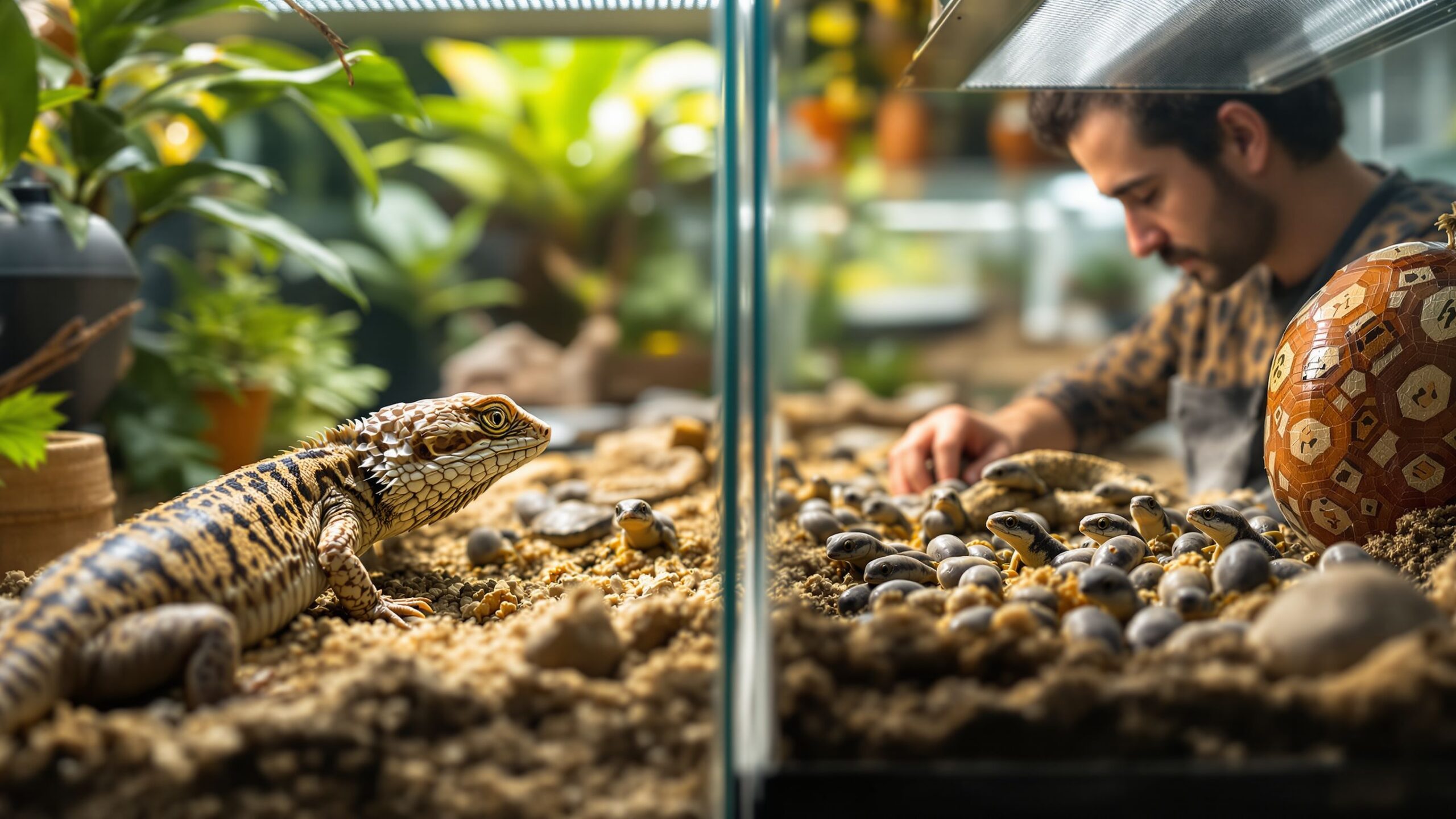
Whenever possible, sending your reptile with its existing enclosure can make the transition much smoother. Familiar surroundings reduce stress and allow the reptile to continue living in an environment it already recognizes.
The enclosure should include heating equipment, UVB lighting if required, hides, climbing structures, water dishes, thermostats, timers, and any accessories currently being used. These items can be expensive to replace, and including them helps ensure the new owner starts with an appropriate setup.
If you cannot provide the enclosure, prepare a complete equipment list so the adopter knows exactly what must be purchased before bringing the reptile home.
Finding the Right New Home
Finding the right owner should never be rushed. While friends and family may seem like the easiest solution, convenience should never outweigh experience and commitment.
Experienced reptile keepers often make excellent adopters because they already understand species-specific husbandry requirements. Local reptile clubs, reptile expos, reptile rescues, exotic veterinarians, herpetological societies, and specialty reptile stores can also help connect you with knowledgeable individuals who are genuinely passionate about reptile care.
Take your time. The first person who contacts you is not necessarily the best person for your reptile.
Screen Every Potential Adopter Carefully
Responsible rehoming involves asking questions. A good adopter should welcome those questions because they understand that your reptile’s welfare comes first.
Ask how much reptile experience they have, what species they currently own, what enclosure they plan to use, how they maintain temperatures and humidity, what foods they plan to feed, whether they have access to an exotic veterinarian, and why they are interested in adopting your reptile.
Experienced keepers usually answer confidently and enjoy discussing proper husbandry. Someone who becomes defensive or refuses to answer basic questions may not be the right fit.
Recognize Warning Signs
Not every interested person has good intentions. Be cautious if someone refuses to discuss husbandry, wants the reptile immediately without asking about its care, continually negotiates for an unrealistically low price, or seems interested only in breeding or reselling the animal.
Another warning sign is someone who cannot explain what type of enclosure they plan to use or who intends to purchase equipment after taking the reptile home.
Trust your instincts. If something feels wrong, politely decline and continue searching.
Why a Rehoming Fee Is Often a Good Idea
Many owners wonder whether they should give their reptile away for free. Although this may seem generous, free reptiles often attract impulse adopters or individuals looking for breeding stock or feeder animals.
Charging a reasonable rehoming fee helps attract people who are genuinely prepared to invest in responsible ownership. The fee does not need to be excessive. Its primary purpose is to encourage serious inquiries and discourage careless ones.
If you are including the enclosure and equipment, calculate a fair value based on condition and current replacement costs.
Working With Reptile Rescue Organizations
If you cannot personally screen adopters or need immediate assistance, reputable reptile rescues can be an excellent solution. These organizations specialize in caring for surrendered reptiles while carefully evaluating potential adopters.
Most rescues require applications, references, enclosure photos, and interviews before approving an adoption. Their experience often results in long-term successful placements for reptiles that might otherwise struggle to find knowledgeable owners.
Although surrendering your reptile to a rescue can be emotionally difficult, it may ultimately provide the safest path toward a permanent home.
Preparing for Moving Day
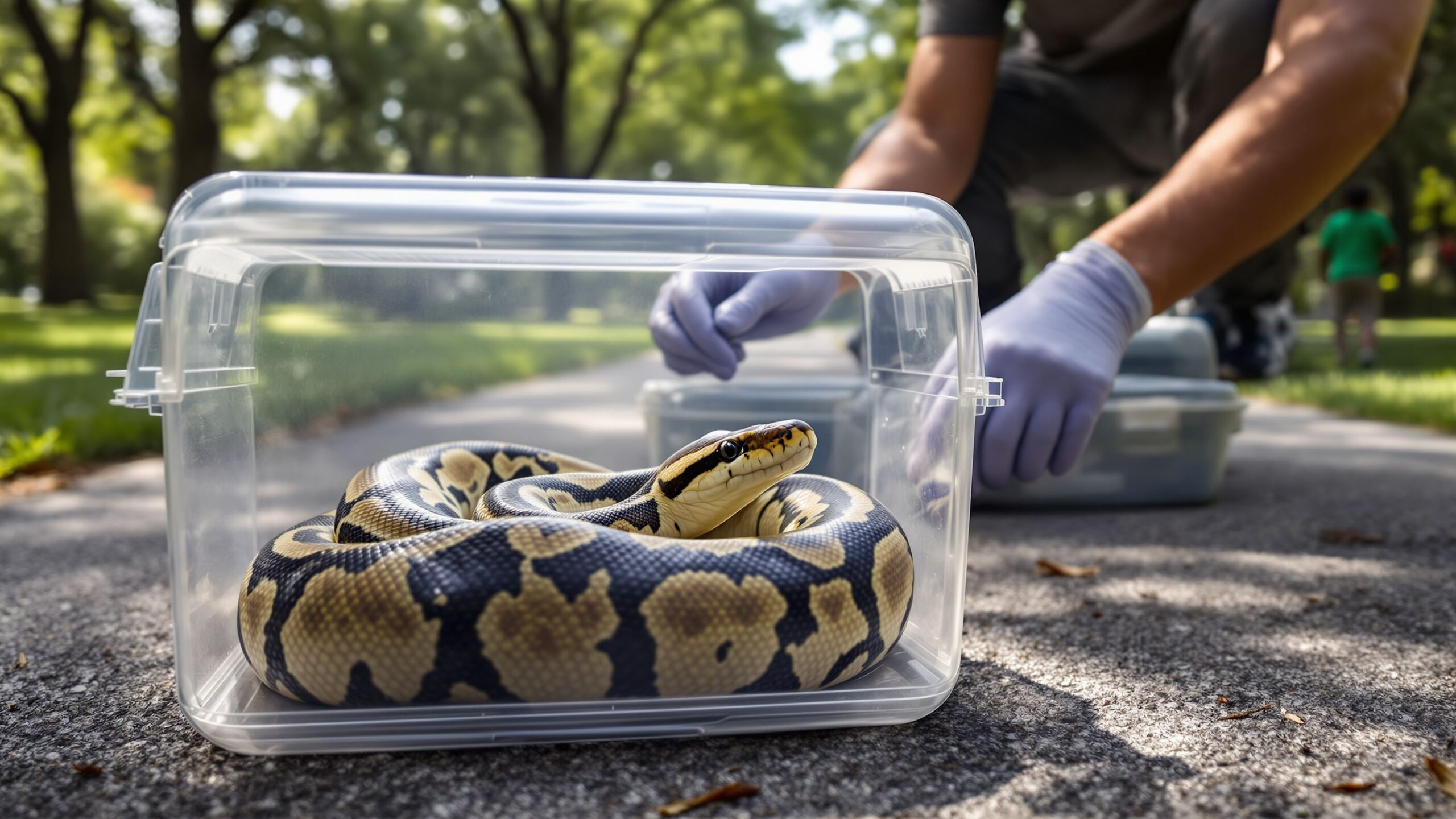
Moving day should be as calm and stress-free as possible. Use a secure travel container with adequate ventilation and enough room for the reptile to rest comfortably without excessive movement.
Line the container with paper towels or soft towels to prevent slipping during transportation. Depending on the species and weather conditions, heat or cooling packs may be appropriate, but they should never touch the reptile directly.
Avoid unnecessary handling before transport and keep travel time as short as possible.
Helping Your Reptile Adjust
Most reptiles require time to settle into a new environment. It is completely normal for some species to eat less, hide more frequently, or behave cautiously during the first several days.
Encourage the new owner to minimize handling while allowing the reptile to become comfortable in its new surroundings. Maintaining familiar temperatures, lighting schedules, and feeding routines helps reduce stress and encourages normal behavior to return more quickly.
Being available to answer questions during the first few weeks can also help ensure a successful transition.
Transfer Important Records
Provide every piece of information you have about your reptile. Veterinary records, feeding logs, hatch certificates, purchase paperwork, breeding records, microchip information, and any permits should accompany the animal whenever possible.
Complete documentation allows the new owner to continue proper medical care and maintain accurate records throughout the reptile’s life.
Coping With the Emotional Side of Rehoming
Even when rehoming is clearly the right decision, it is perfectly normal to experience sadness, guilt, or anxiety afterward. Reptiles may not show affection in the same way as traditional pets, but owners often form deep emotional bonds through years of daily care and observation.
Rather than focusing on the sadness of saying goodbye, remind yourself that responsible ownership sometimes means recognizing when someone else can provide an even better future. Choosing your reptile’s long-term welfare over your own emotions is an act of compassion, not failure.
If both parties agree, occasional updates or photographs can provide reassurance while allowing the new owner to establish their own relationship with the reptile.
Understanding the Long-Term Commitment
Many reptiles live surprisingly long lives. Some snakes regularly exceed twenty-five years, bearded dragons often live well over a decade, blue-tongued skinks can approach thirty years, while many tortoise species may live for several generations.
Because of these impressive lifespans, every adopter should understand the long-term responsibility they are accepting. Discuss future housing plans, financial stability, veterinary access, and overall commitment before completing the adoption.
A careful conversation today can prevent another rehoming years down the road.
Common Mistakes to Avoid
Many unsuccessful rehoming experiences happen because owners rush the process. Feeling overwhelmed can tempt someone to accept the first interested person, but patience almost always leads to a better match.
Another common mistake is failing to disclose health issues or behavioral challenges. Honesty allows the adopter to prepare appropriately and helps build trust from the beginning.
Some owners also underestimate the importance of proper equipment. Without correct heating, lighting, humidity, and nutrition, even healthy reptiles can quickly develop serious medical problems. Providing complete care information dramatically improves the reptile’s chances of long-term success.
Finally, avoid assuming that all reptile owners possess equal knowledge. Someone experienced with corn snakes may have little understanding of chameleons, turtles, or monitors. Every species requires unique husbandry, so verify that the adopter understands the specific needs of your reptile.
Giving Your Reptile the Best Possible Future
Rehoming a pet reptile responsibly is about much more than finding someone willing to take the animal. It is about ensuring your companion receives the same level of dedication, knowledge, and compassion that every reptile deserves. By carefully evaluating potential adopters, providing complete care records, being honest about health and behavior, and preparing your reptile for a smooth transition, you greatly improve its chances of enjoying a safe, healthy, and enriching new life. Although saying goodbye is never easy, choosing the right home is one of the greatest gifts you can give a reptile that has depended on you for its care. Responsible rehoming transforms a difficult decision into a positive new beginning, allowing your pet to continue thriving in an environment where its unique needs will always come first.
Pet Product Reviews
Explore Duffy Street’s Pet Product Reviews! Sniff out the top-rated toys, treats, gear, and gadgets for your pets with our fun, easy-to-read comparisons. We’ve done the digging so you can find the perfect products for your pet friends!