Snakes are among the most misunderstood pets in the world. For some people, they inspire fascination and curiosity. For others, they create fear and uncertainty. Yet millions of reptile enthusiasts have discovered that snakes can be calm, beautiful, low-maintenance companions that offer a unique pet ownership experience unlike any traditional household animal. Living with a pet snake is very different from living with a dog, cat, bird, or even a lizard. Snakes do not greet you at the door, beg for treats, or seek affection in the same way mammals often do. Instead, they provide a quieter and more observational form of companionship. Watching a snake explore its enclosure, investigate new scents, or calmly rest beneath a heat source can be surprisingly rewarding for those who appreciate reptile behavior. Before bringing a snake into your home, it is important to understand exactly what daily life with one involves. From habitat maintenance and feeding routines to handling expectations and long-term responsibilities, this guide explores everything future snake owners should know before making the commitment.
A: Yes, species like corn snakes and ball pythons are often recommended for first-time keepers.
A: Healthy, properly handled snakes rarely bite without a reason.
A: Most pet snakes eat once every 5–14 days depending on age and species.
A: They may become familiar with routines but do not form bonds like dogs or cats.
A: A clean enclosure usually has very little odor.
A: Many can, but they also benefit from time alone and should not be handled after meals.
A: Some species benefit from it, though requirements vary.
A: Corn snakes are widely considered one of the easiest pet snakes.
A: Many species live 15–30 years, making them long-term commitments.
A: Initial setup costs can be significant, but ongoing expenses are often lower than many traditional pets.
Why People Choose Snakes as Pets
Many people are drawn to snakes because they are unlike any other pet. Their graceful movements, incredible diversity of colors and patterns, and ancient evolutionary history make them fascinating animals to observe. Every species has its own personality traits, behaviors, and care requirements, allowing owners to find a snake that matches their interests and lifestyle.
Another reason snakes have become popular pets is their quiet nature. Unlike barking dogs or noisy birds, snakes create virtually no noise. This makes them ideal for apartments, shared living spaces, and people who prefer a peaceful home environment.
Many species also require relatively little day-to-day attention compared to traditional pets. While they still need proper care, they do not require daily walks, grooming appointments, or constant interaction. For busy individuals who appreciate animals but have limited free time, snakes can be an appealing choice.
Their unique appearance also contributes to their popularity. From the gentle curves of a ball python to the vibrant colors of a corn snake, many owners find snakes to be some of the most beautiful animals in the pet world.
Understanding Snake Behavior
One of the first things new owners must understand is that snakes behave very differently than mammals. They do not experience emotions or social bonds in the same way dogs and cats do. This does not mean they cannot become accustomed to their owners, but their interactions are generally based on familiarity and trust rather than affection.
Most pet snakes spend much of their time resting. Depending on the species, they may remain hidden for large portions of the day and become more active during the evening or nighttime hours. New owners are often surprised by how much their snake sleeps or remains still.
When active, snakes are naturally curious. They use their tongues to collect scent particles from the environment and gather information about their surroundings. This behavior, known as tongue flicking, is completely normal and often increases when they are exploring unfamiliar areas.
Understanding these natural behaviors helps owners appreciate their pets and avoid unrealistic expectations.
The Reality of Daily Life With a Snake
Living with a snake is often less demanding than many people expect. Most snakes do not require daily feeding or constant supervision. In fact, many adult snakes eat only once every one to two weeks depending on the species and size of the meal.
Daily responsibilities typically involve checking temperatures, monitoring humidity levels, ensuring water is clean, and observing the snake for signs of illness or unusual behavior. These tasks generally take only a few minutes each day.
Unlike many pets, snakes are content spending much of their time inside their enclosures. They do not need walks, play sessions, or regular social interaction to remain healthy. However, many owners still enjoy handling their snakes several times per week.
The simplicity of daily care is one reason snakes have become such popular pets among reptile enthusiasts.
Setting Up the Perfect Snake Habitat
The enclosure is one of the most important aspects of snake ownership. A properly designed habitat serves as the snake’s entire world and directly affects its health and well-being.
Every snake enclosure should provide appropriate heating, humidity, security, and enrichment. Because snakes are ectothermic animals, they rely on external heat sources to regulate their body temperature. Most enclosures require a warm side and a cool side, allowing the snake to move between different temperatures as needed.
Hiding places are equally important. Snakes feel secure when they can retreat to enclosed spaces. Providing multiple hides helps reduce stress and encourages natural behavior.
The enclosure should also include a suitable substrate, a water dish, and decorations such as branches or climbing opportunities when appropriate for the species. A well-designed habitat not only benefits the snake but also creates an attractive display within the home.
Feeding a Pet Snake
Feeding is often the aspect of snake ownership that generates the most questions from potential owners. Most pet snakes consume rodents such as mice or rats, though some species may eat fish, insects, or other prey items.
Today, most experienced keepers recommend feeding frozen-thawed prey rather than live animals. Frozen prey is safer for the snake because it eliminates the risk of bites and injuries from live rodents. It is also more convenient and humane.
Feeding schedules vary depending on age and species. Young snakes generally eat more frequently than adults because they are growing rapidly. Mature snakes may only require meals every one to two weeks.
Many first-time owners are surprised by how infrequently snakes eat compared to mammals. Their slower metabolism allows them to go long periods between meals without any health concerns.
What Handling a Snake Is Really Like
One of the biggest misconceptions about snakes is that they are aggressive or unpredictable. In reality, many popular pet species are calm and tolerant when handled properly.
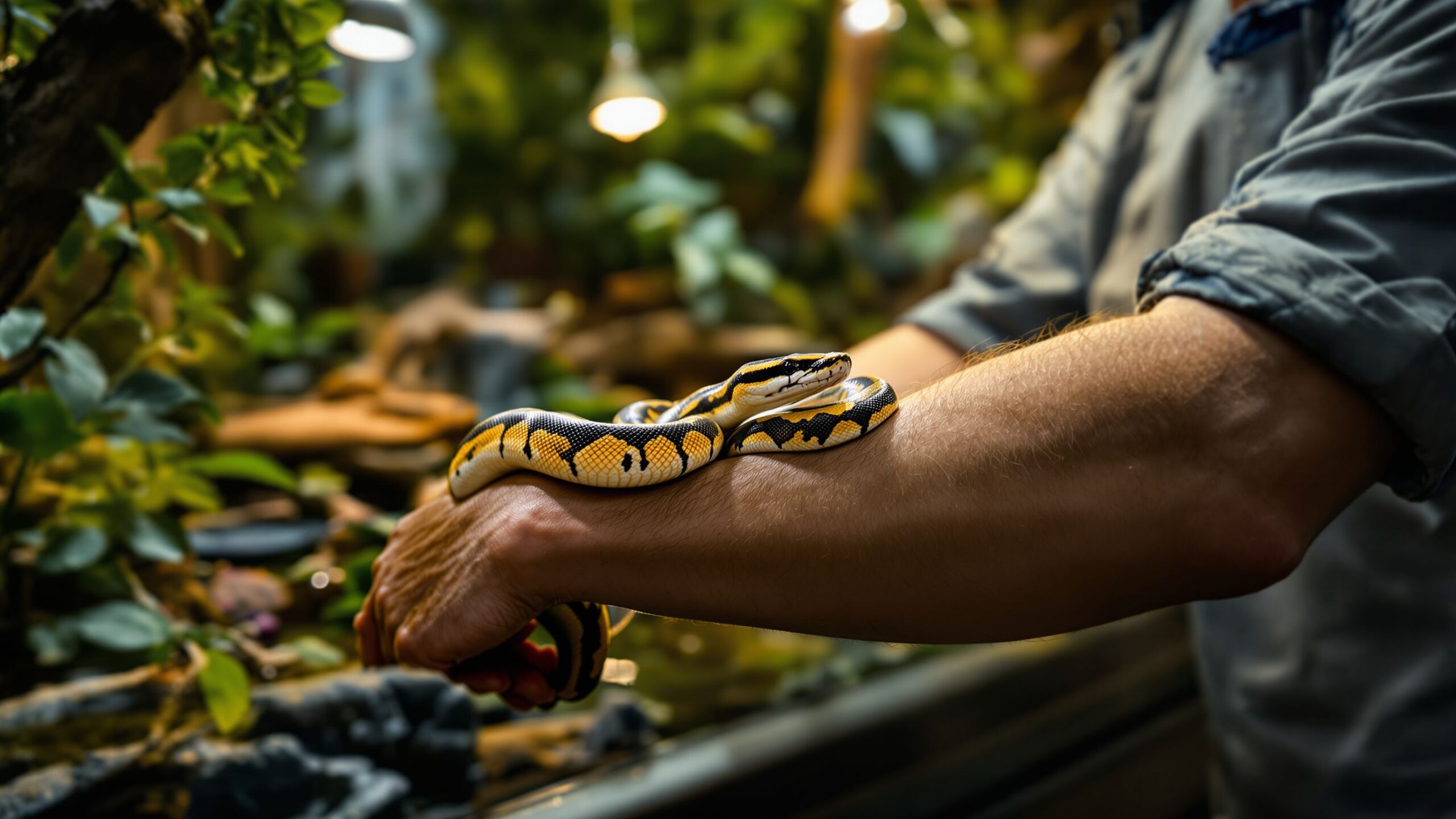
A healthy, well-socialized snake often feels surprisingly smooth and muscular. Contrary to popular myths, snakes are not slimy. Their scales are typically dry and pleasant to touch.
Handling sessions should be calm and deliberate. Sudden movements can startle the animal and increase stress. Most experienced owners support the snake’s body and allow it to move naturally rather than attempting to restrain it.
Many snakes become comfortable with regular handling over time. While they may never seek interaction the way a dog might, they often learn to tolerate and even appear relaxed during handling sessions.
Building trust takes patience, but many owners find the process rewarding.
Common Myths About Pet Snakes
Snakes have been surrounded by myths and misconceptions for centuries. One common myth is that pet snakes are constantly looking for opportunities to bite their owners. In reality, most pet snakes bite only when frightened, stressed, or mistaken about food.
Another misconception is that snakes are dangerous simply because they are snakes. Many popular pet species, such as corn snakes and ball pythons, are known for their gentle temperaments and are considered very safe when cared for responsibly.
Some people also believe snakes are incapable of recognizing their owners. While snakes do not form emotional attachments like mammals, they often become familiar with their owner’s scent, handling routines, and presence.
Understanding the facts behind these myths helps new owners feel more confident and appreciate their pets more fully.
Cleaning and Maintenance Responsibilities
Keeping a snake healthy requires regular enclosure maintenance. Fortunately, snake habitats are often easier to clean than those of many other pets.
Spot cleaning should be performed whenever waste is noticed. Water dishes should be cleaned and refilled regularly to ensure fresh drinking water is always available.
Depending on the enclosure setup, deeper cleaning may be necessary every few weeks or months. This process typically involves replacing substrate, disinfecting surfaces, and inspecting equipment for proper operation.
Maintaining proper hygiene not only benefits the snake but also creates a healthier environment for everyone in the household.
Understanding Shedding Cycles
All snakes shed their skin periodically as they grow. This process, known as ecdysis, is a completely natural part of a snake’s life.
Before shedding, many snakes become less active and may refuse food. Their skin often appears dull, and their eyes may develop a cloudy or bluish appearance. This phase can last several days before the old skin is shed.
Healthy snakes usually shed their skin in one complete piece. Incomplete sheds can indicate humidity problems or other husbandry issues. Monitoring shedding success provides valuable insight into overall health and enclosure conditions.
Many owners find the shedding process fascinating because it highlights the remarkable biology of these animals.
Veterinary Care and Health Concerns
Like all pets, snakes occasionally require veterinary care. Finding an exotic animal veterinarian before an emergency occurs is one of the smartest steps a new owner can take.
Common health concerns include respiratory infections, parasites, mouth infections, dehydration, and husbandry-related problems. Many health issues can be prevented through proper habitat management and routine observation.
Changes in appetite, unusual behavior, difficulty breathing, or visible physical abnormalities should never be ignored. Early intervention often results in better outcomes and lower treatment costs.
Routine health monitoring becomes easier as owners gain experience and learn what is normal for their individual snake.
The Costs of Snake Ownership
Many people assume snakes are inexpensive pets, but ownership involves both initial and ongoing expenses. The enclosure, heating equipment, thermostats, hides, substrate, decorations, and lighting often represent the largest upfront investment.
Ongoing costs include food, electricity, substrate replacements, and veterinary care. Fortunately, feeding expenses are often lower than those associated with many traditional pets because snakes eat relatively infrequently.
When properly planned, snake ownership can fit a variety of budgets. The key is investing in quality equipment from the beginning to avoid problems later.
Responsible ownership means preparing financially for both routine care and unexpected medical needs.
The Long-Term Commitment
One aspect of snake ownership that surprises many people is longevity. Depending on the species, pet snakes can live for decades.
Ball pythons frequently live thirty years or more in captivity. Corn snakes commonly reach twenty years or longer. Some larger species can live even longer under excellent care.
This longevity means purchasing a snake should never be an impulsive decision. Owners should consider future moves, career changes, family plans, and financial responsibilities before committing to a long-lived pet.
A snake may remain part of your life far longer than many people expect, making thoughtful planning essential.
Is Living With a Pet Snake Right for You?
Living with a pet snake can be an incredibly rewarding experience for the right person. Snakes are quiet, fascinating, beautiful animals that offer a unique form of companionship. They require less daily attention than many traditional pets while still providing endless opportunities for observation and learning.
However, successful snake ownership requires commitment, preparation, and a willingness to understand their unique needs. Proper habitat management, appropriate feeding practices, and routine health monitoring are all essential responsibilities.
If you appreciate animals that are independent, low-drama, and endlessly interesting, a snake may be an excellent addition to your home. By researching species carefully and preparing properly, you can create an environment where both you and your pet thrive.
For many reptile enthusiasts, bringing home their first snake marks the beginning of a lifelong fascination with these remarkable creatures. With realistic expectations and responsible care, living with a pet snake can be one of the most enjoyable and educational experiences in the animal world.
Pet Product Reviews
Explore Duffy Street’s Pet Product Reviews! Sniff out the top-rated toys, treats, gear, and gadgets for your pets with our fun, easy-to-read comparisons. We’ve done the digging so you can find the perfect products for your pet friends!