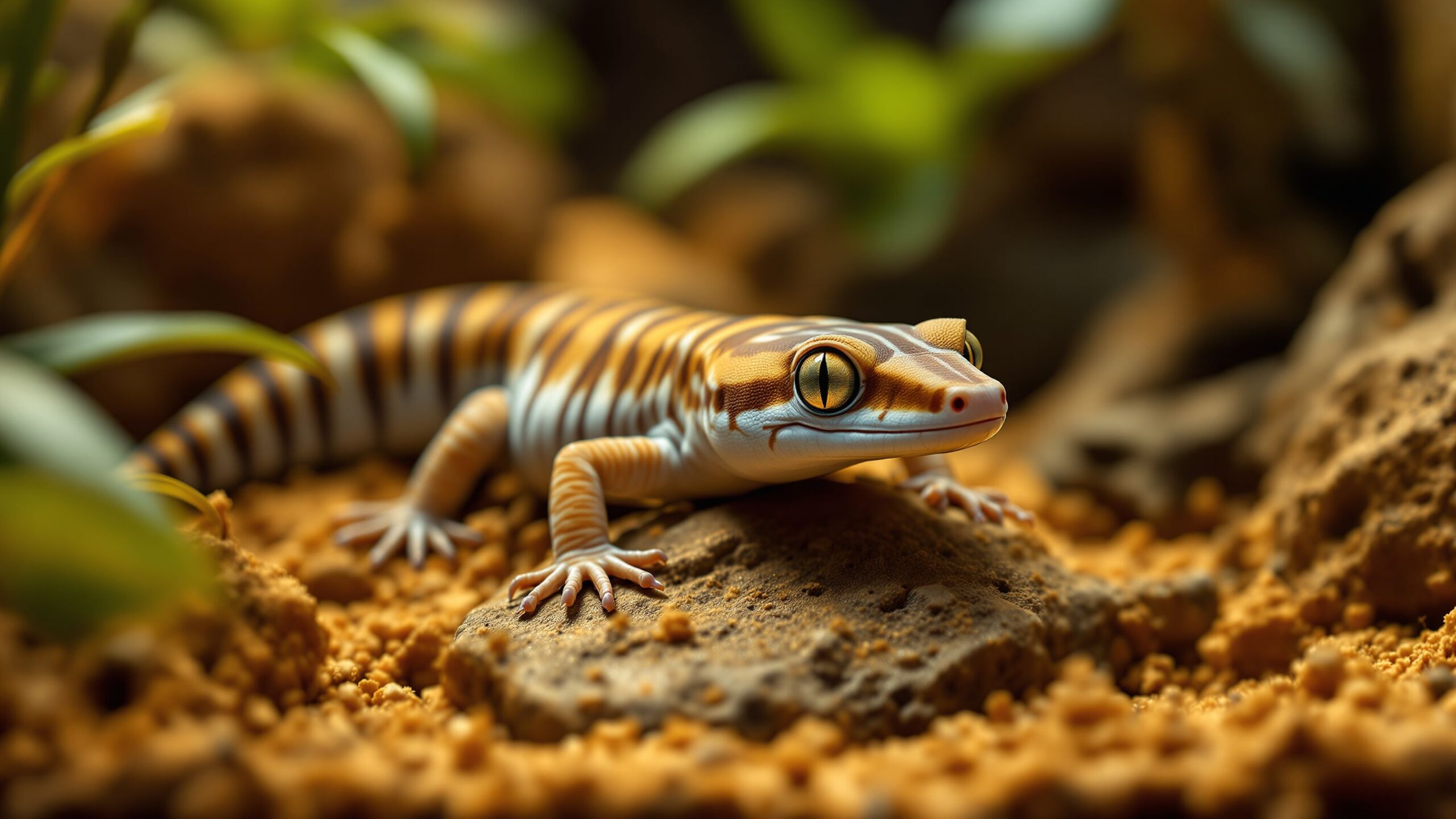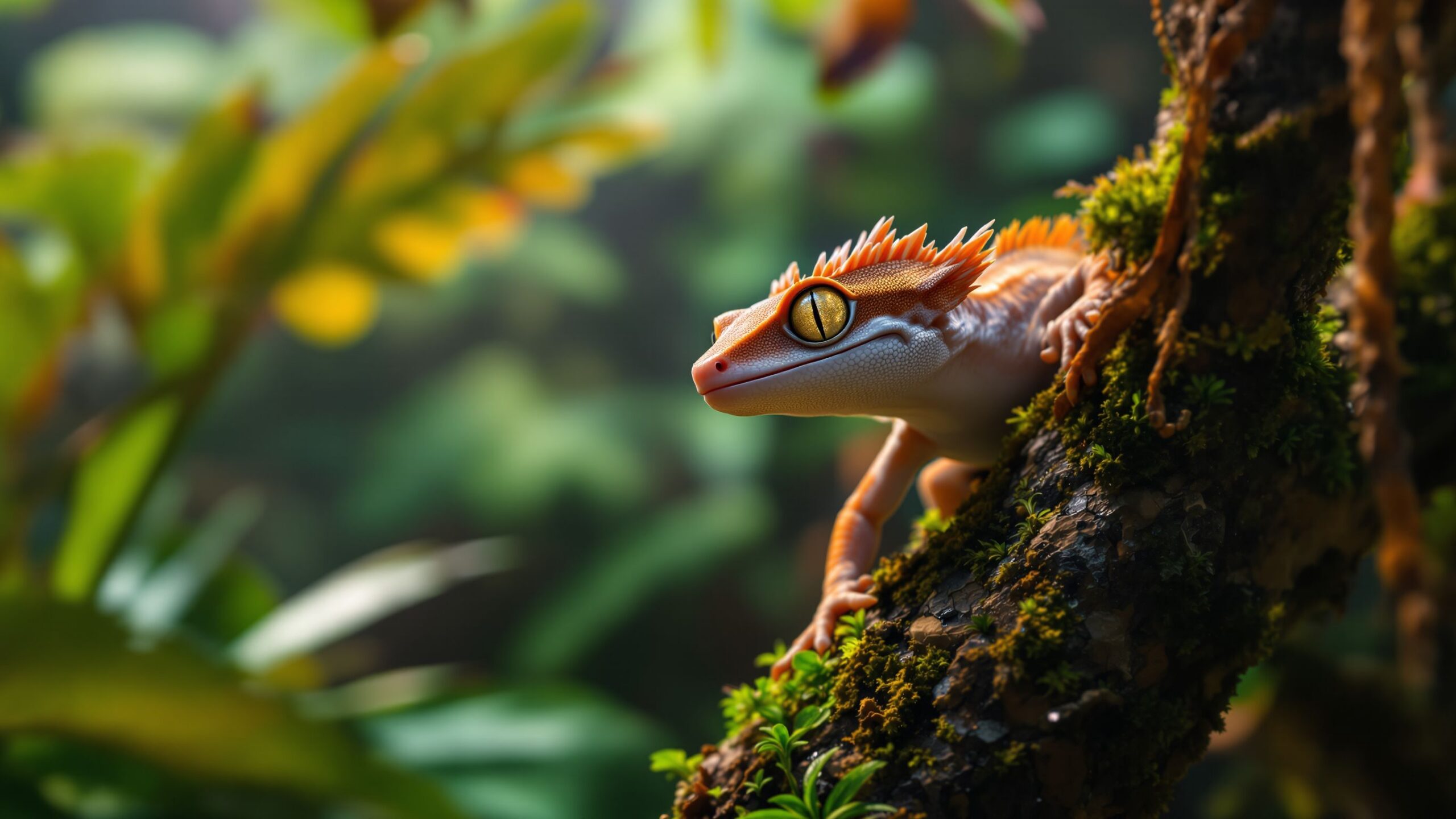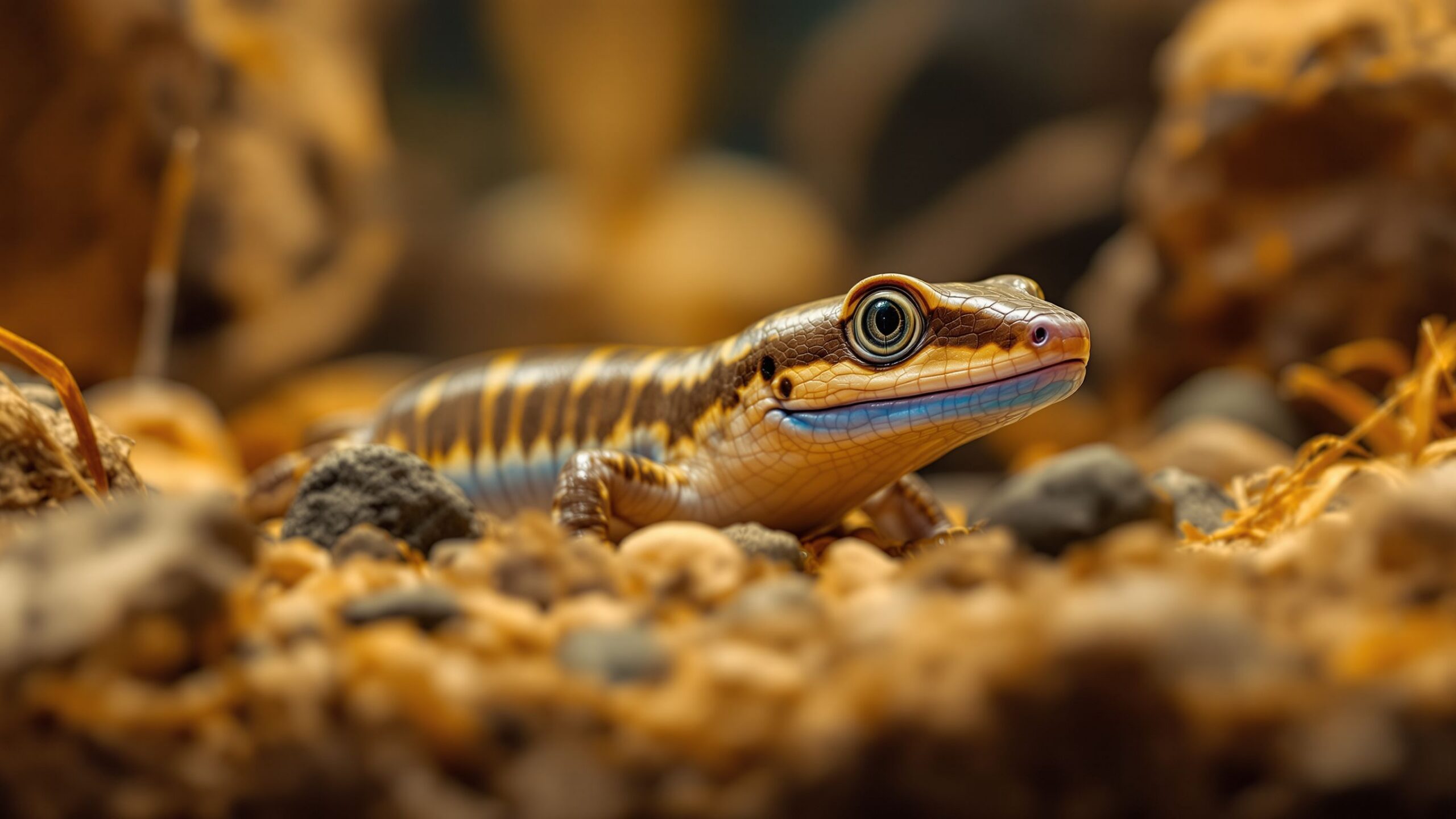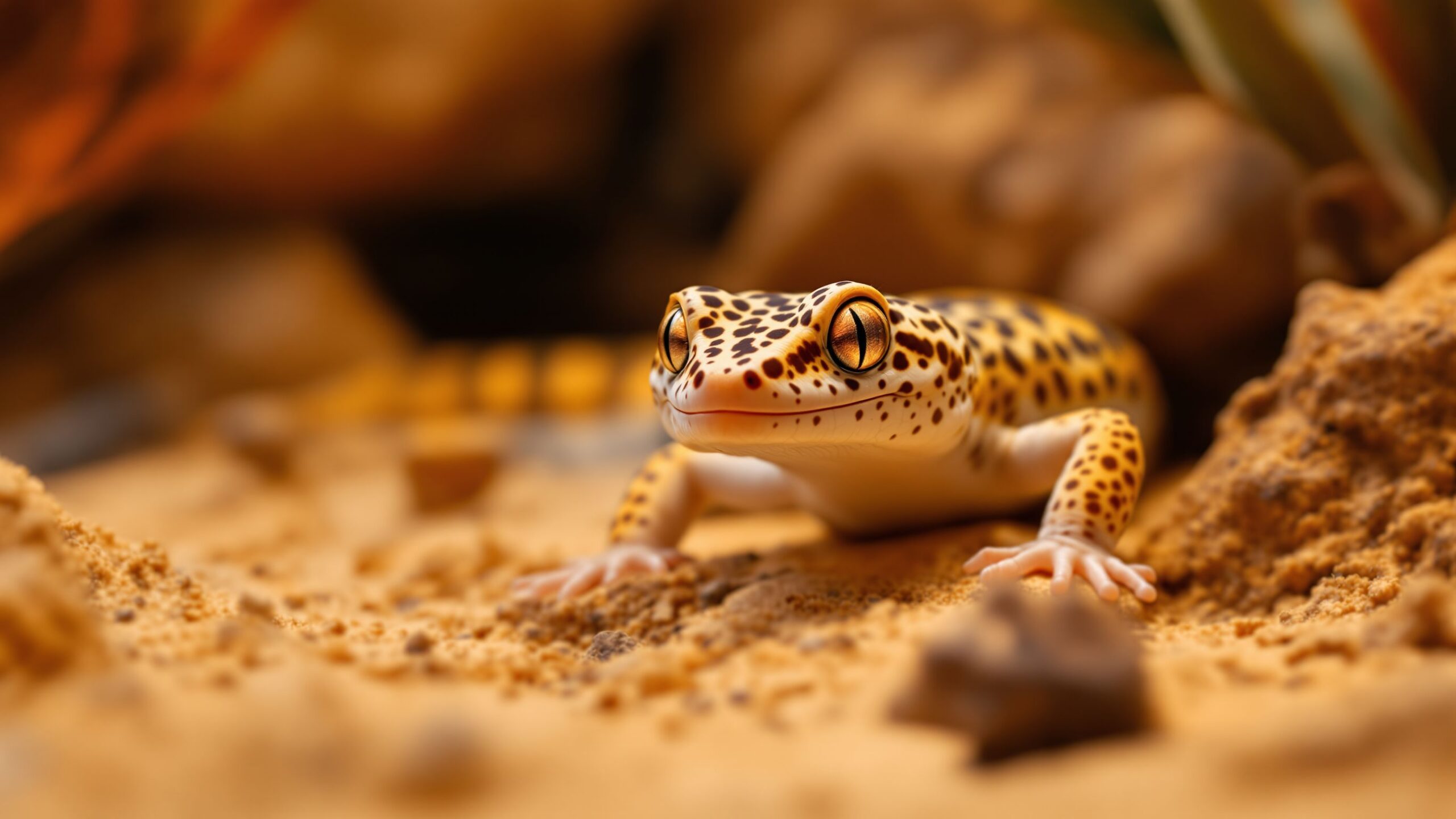
The Leopard Gecko is one of the most recognizable and beloved reptiles in the world of exotic pets. Known for its spotted skin, expressive eyes, calm personality, and manageable size, this fascinating lizard has become a favorite among reptile enthusiasts across the globe. Native to the dry grasslands and rocky deserts of Afghanistan, Pakistan, India, and Iran, the leopard gecko combines incredible natural adaptations with a surprisingly approachable temperament that makes it ideal for both beginner and experienced reptile keepers. Unlike many gecko species that spend their lives climbing walls and trees, leopard geckos are primarily ground-dwelling reptiles. They explore rocky terrain, hide inside crevices, and emerge during the cooler evening hours to hunt insects. One of their most unique features is their movable eyelids, something uncommon among geckos. Their thick tails also serve as fat-storage reserves, helping them survive harsh conditions when food becomes difficult to find in the wild. Over the years, leopard geckos have become icons in reptile culture because they are hardy, relatively easy to care for, and available in an astonishing variety of colors and patterns. From classic yellow-and-black spotted geckos to bright orange, snow-white, lavender, and patternless morphs, selective breeding has created a massive range of appearances that continue to captivate reptile lovers around the world.
A: Yes, they are one of the best beginner reptiles when their heating, diet, and enclosure needs are met.
A: They eat live insects such as crickets, mealworms, dubia roaches, and other appropriately sized feeders.
A: No, leopard geckos are insectivores and do not need fruits or vegetables.
A: Many live 15–20 years with proper care, and some can live longer.
A: It is safest to house them alone because cohabitation can cause stress, fighting, or injury.
A: They can bite if frightened, but most are gentle when handled calmly and respectfully.
A: Many keepers provide low-level UVB as a beneficial option, but calcium and supplement routines are still important.
A: Causes can include stress, shedding, low temperatures, breeding season, illness, or unsuitable setup.
A: Young geckos shed more often, while adults usually shed less frequently as they grow slower.
A: Many become calm and handleable with gentle, consistent interaction.
Origins and Natural Habitat
The natural habitat of the Leopard Gecko consists of dry, rocky environments with sparse vegetation and sandy soil. These regions experience intense daytime heat followed by cooler nighttime temperatures. Leopard geckos adapted to these conditions by becoming crepuscular, meaning they are most active during dawn and dusk when temperatures are more comfortable. In the wild, leopard geckos spend much of their time hiding beneath rocks, inside burrows, or within cracks in the terrain. These hiding spots provide safety from predators and protection from extreme temperatures. Even though they come from dry environments, leopard geckos still rely on small humid microclimates found beneath rocks or underground to support healthy shedding and hydration. Their spotted coloration helps them blend into the desert landscape, acting as camouflage against predators. Younger geckos often display bold bands across their bodies instead of spots, which gradually transform as they mature into adults. Understanding their natural habitat is extremely important for proper captive care. Recreating a warm, secure, and stable environment helps leopard geckos thrive in captivity and display more natural behaviors.
Physical Appearance and Features
Leopard geckos are relatively small reptiles, usually reaching between seven and ten inches in length when fully grown. Their bodies are muscular and sturdy compared to many other gecko species, and their tails are thick and fleshy due to stored fat reserves. A healthy leopard gecko typically has a plump tail, which serves as an important sign of overall health and nutrition. One of the most famous features of the leopard gecko is its spotted skin pattern. Wild-type leopard geckos display yellow or tan bodies covered with dark spots resembling the coat of a leopard. However, captive breeding has dramatically expanded the range of available appearances. Today, breeders produce morphs with vivid orange coloration, solid white bodies, striped patterns, reduced spotting, and unusual eye colors. Their eyes are especially striking because leopard geckos possess vertical slit pupils designed for low-light hunting. Unlike many gecko species, they have movable eyelids that allow them to blink and clean their eyes. This gives them an expressive appearance that many owners find charming and almost curious. Because they lack sticky toe pads, leopard geckos cannot climb smooth walls like some other geckos. Instead, their feet are designed for walking across rocky and sandy terrain. Their claws help them grip rough surfaces while exploring their environment.
Leopard Gecko Behavior
The calm temperament of the Leopard Gecko is one of the main reasons for its popularity as a pet. While every gecko has its own personality, many become tolerant of handling and appear curious about their surroundings. Some even recognize feeding routines and emerge from hiding spots when they see their owners approaching. Leopard geckos are naturally solitary animals. In the wild, they typically live alone except during breeding periods. Because of this, housing multiple leopard geckos together can sometimes result in stress, territorial disputes, or injuries. Male leopard geckos are especially territorial and generally should not be housed together. These reptiles communicate through body language and vocalizations. Tail waving, chirping, squeaking, or defensive postures may signal stress, excitement, or discomfort. Leopard geckos can also drop their tails when frightened, a survival mechanism called tail autotomy. Although the tail eventually regrows, it usually looks different from the original. Most leopard geckos become active during the evening and nighttime hours. Owners often observe them exploring their enclosures, climbing over decorations, hunting insects, and moving between warm and cool areas to regulate body temperature.
Why Leopard Geckos Are Popular Pets
Leopard geckos are widely considered one of the best beginner reptiles because they combine manageable care requirements with fascinating behaviors and beautiful appearances. Unlike larger reptiles that may require enormous enclosures or highly specialized care, leopard geckos are relatively straightforward when their basic needs are met properly. Another major reason for their popularity is the incredible diversity of morphs available through selective breeding. Reptile enthusiasts can choose from hundreds of color and pattern combinations, allowing owners to find geckos that match their personal preferences. Their lifespan also contributes to their appeal. With proper care, leopard geckos often live fifteen to twenty years, and some live even longer. This long lifespan allows owners to form strong connections with their pets over time. Leopard geckos are also fascinating hunters. Watching them stalk insects with slow, calculated movements before striking with precision is one of the most entertaining aspects of ownership. Their feeding behavior gives owners a glimpse into the instincts and survival skills reptiles use in the wild.
Creating the Perfect Habitat
Providing a proper habitat is one of the most important parts of leopard gecko care. Even though they are hardy reptiles, their health depends heavily on correct environmental conditions. A twenty-gallon enclosure is generally considered the minimum size for a single adult leopard gecko, although larger habitats provide additional enrichment opportunities. The enclosure should include both a warm side and a cool side so the gecko can regulate its body temperature naturally. Heating is essential because leopard geckos rely on external heat sources for digestion and metabolism. Warm-side temperatures usually remain in the upper 80s to low 90s Fahrenheit, while the cool side stays slightly lower. Under-tank heaters and thermostats are commonly used to maintain safe temperatures. Hides are extremely important because leopard geckos need secure spaces where they feel protected. Most setups include a warm hide, a cool hide, and a humid hide. The humid hide supports healthy shedding by helping maintain moisture around the skin. Substrate choices vary among reptile keepers. Paper towels, slate tile, reptile carpet, and specially designed soil blends are commonly used. Safe substrate selection is important because inappropriate materials can increase the risk of digestive impaction. Decorations such as rocks, branches, caves, and textured surfaces encourage exploration and enrichment. Although leopard geckos are not strong climbers, they still enjoy interacting with varied terrain inside their habitat.
Feeding and Nutrition
The Leopard Gecko is an insectivore, meaning its diet consists entirely of insects. Common feeder insects include crickets, mealworms, dubia roaches, black soldier fly larvae, and occasional waxworms as treats. Providing dietary variety helps ensure balanced nutrition while keeping feeding time interesting. Feeder insects should also be gut-loaded before feeding, meaning they are given nutritious foods that transfer nutrients to the gecko. Calcium and vitamin supplementation are extremely important. Insects are often dusted with calcium powder and vitamin supplements to prevent nutritional deficiencies. Without proper supplementation, leopard geckos can develop metabolic bone disease, a serious condition that weakens the skeleton and affects movement. Juvenile leopard geckos usually eat daily because they are growing rapidly, while adults often eat several times per week. Appetite can fluctuate depending on temperature, stress levels, breeding season, and shedding cycles. Fresh water should always be available in a shallow dish. Even though leopard geckos come from arid environments, hydration remains essential for overall health and proper shedding.
Shedding and Growth
Like all reptiles, leopard geckos shed their skin as they grow. Younger geckos shed more frequently because of their rapid growth rate, while adults shed less often. Before shedding, their skin may appear pale or dull as the old layer loosens. Humidity plays a critical role during the shedding process. A humid hide allows moisture to soften old skin so it can peel away more easily. Most leopard geckos remove their shed successfully on their own and often consume the old skin afterward. Problems can occur if humidity levels are too low or if the gecko is dehydrated. Retained shed may become stuck around the toes, tail, or eyes, potentially leading to injury or infection if not removed carefully. Healthy growth depends on proper nutrition, temperature regulation, and overall husbandry. Leopard geckos typically reach adult size within one to two years.
Common Health Problems
Although leopard geckos are considered hardy reptiles, they can still develop health problems if their care is incorrect. One of the most common conditions is metabolic bone disease, which is usually caused by calcium deficiency or inadequate supplementation. Symptoms may include weakness, tremors, soft bones, or difficulty walking. Impaction is another serious concern. This condition occurs when material blocks the digestive system, often due to swallowing unsafe substrate or living in improper temperatures that interfere with digestion. Respiratory infections may develop when temperatures are too cold or humidity levels are inappropriate. Signs can include wheezing, mucus, lethargy, or labored breathing. Other health concerns include parasites, mouth infections, eye problems, retained shed, and tail injuries. Monitoring appetite, activity levels, body condition, and shedding quality helps owners identify issues early. Finding a veterinarian experienced with reptiles is highly recommended for all leopard gecko owners. Preventive care and quick treatment can dramatically improve long-term health outcomes.
Leopard Gecko Morphs
The world of leopard gecko morphs is enormous and continues expanding every year. Morphs are genetic traits that alter a gecko’s coloration, pattern, or appearance. Selective breeding has produced an incredible variety of combinations that range from subtle differences to dramatic transformations. Popular morph categories include albinos, tangerines, snows, blizzards, eclipses, and patternless varieties. Some morphs feature bright orange coloration, while others display black-and-white contrast or unusual eye colors. Breeding morphs has become a major part of reptile culture. Enthusiasts often study genetics carefully to predict offspring traits and produce new combinations. Responsible breeding practices are extremely important to avoid genetic health problems associated with certain traits. For many reptile keepers, choosing a morph is part of the excitement of owning a leopard gecko. Some prefer the classic spotted appearance of wild-type geckos, while others enjoy the dramatic colors and patterns created through modern breeding projects.
Breeding and Reproduction
Leopard geckos reproduce sexually, with females laying eggs after mating. Breeding season typically occurs during warmer periods when environmental conditions mimic seasonal changes found in the wild. Female leopard geckos usually lay one or two eggs per clutch. The eggs are often buried in moist substrate or hidden inside secure nesting areas. Incubation temperatures influence the sex of hatchlings, a phenomenon known as temperature-dependent sex determination. Responsible breeding requires careful attention to genetics, nutrition, and health. Females should only be bred when they are healthy, mature, and physically capable of handling egg production safely. Baby leopard geckos emerge fully independent and begin hunting insects shortly after hatching. Juveniles often display different patterns than adults, gradually developing their mature coloration as they grow.
Leopard Geckos in Modern Reptile Culture
The Leopard Gecko has become one of the most influential reptiles in the exotic pet world. Their approachable nature has introduced countless people to reptile keeping and helped change public perceptions about reptiles being dangerous or aggressive. Social media, reptile expos, online forums, and educational programs have all contributed to their popularity. Owners frequently share habitat setups, morph collections, feeding videos, and breeding projects with fellow enthusiasts around the world. Reptile expos often dedicate entire sections to leopard geckos because of the incredible variety available. These events allow hobbyists to connect with breeders, learn about genetics, and discover new morphs. Educational programs also use leopard geckos to teach children and adults about reptiles, ecosystems, adaptation, and responsible pet ownership. Their calm demeanor and manageable size make them excellent ambassador animals.
Responsible Ownership and Long-Term Care
Owning a leopard gecko is a long-term responsibility that requires preparation, consistency, and proper research. While they are beginner-friendly reptiles, they still rely entirely on their owners for food, heating, habitat maintenance, hydration, and healthcare. Potential owners should thoroughly research enclosure setup, temperature management, supplementation, feeding schedules, and behavioral needs before bringing a leopard gecko home. Understanding their natural instincts and environmental requirements is essential for providing proper care. Captive-bred leopard geckos from reputable breeders or rescues are generally recommended over wild-caught animals. Captive breeding reduces pressure on wild populations and often produces healthier reptiles that adapt more easily to captivity. Respecting the natural behavior of reptiles is also important. Leopard geckos may tolerate handling, but they are not domesticated animals in the same way as dogs or cats. Many owners find the greatest enjoyment comes from observing their natural behaviors and creating enriching environments that allow them to thrive.
The Enduring Popularity of the Leopard Gecko
The lasting popularity of the Leopard Gecko comes from its remarkable balance of beauty, personality, adaptability, and beginner-friendly care. Few reptiles combine fascinating behaviors with such approachable husbandry requirements and visual diversity. Whether admired for their spotted patterns, expressive eyes, calm temperament, or impressive range of morphs, leopard geckos continue to capture the attention of reptile enthusiasts worldwide. They serve as incredible ambassadors for reptile appreciation and help introduce new generations to the fascinating world of exotic animals. For general readers, the leopard gecko represents far more than just a popular pet. It is a remarkable example of adaptation, survival, and biodiversity. From the rocky deserts of South Asia to carefully designed terrariums around the world, the leopard gecko continues to inspire curiosity, fascination, and admiration among animal lovers everywhere.
Pet Product Reviews
Explore Duffy Street’s Pet Product Reviews! Sniff out the top-rated toys, treats, gear, and gadgets for your pets with our fun, easy-to-read comparisons. We’ve done the digging so you can find the perfect products for your pet friends!