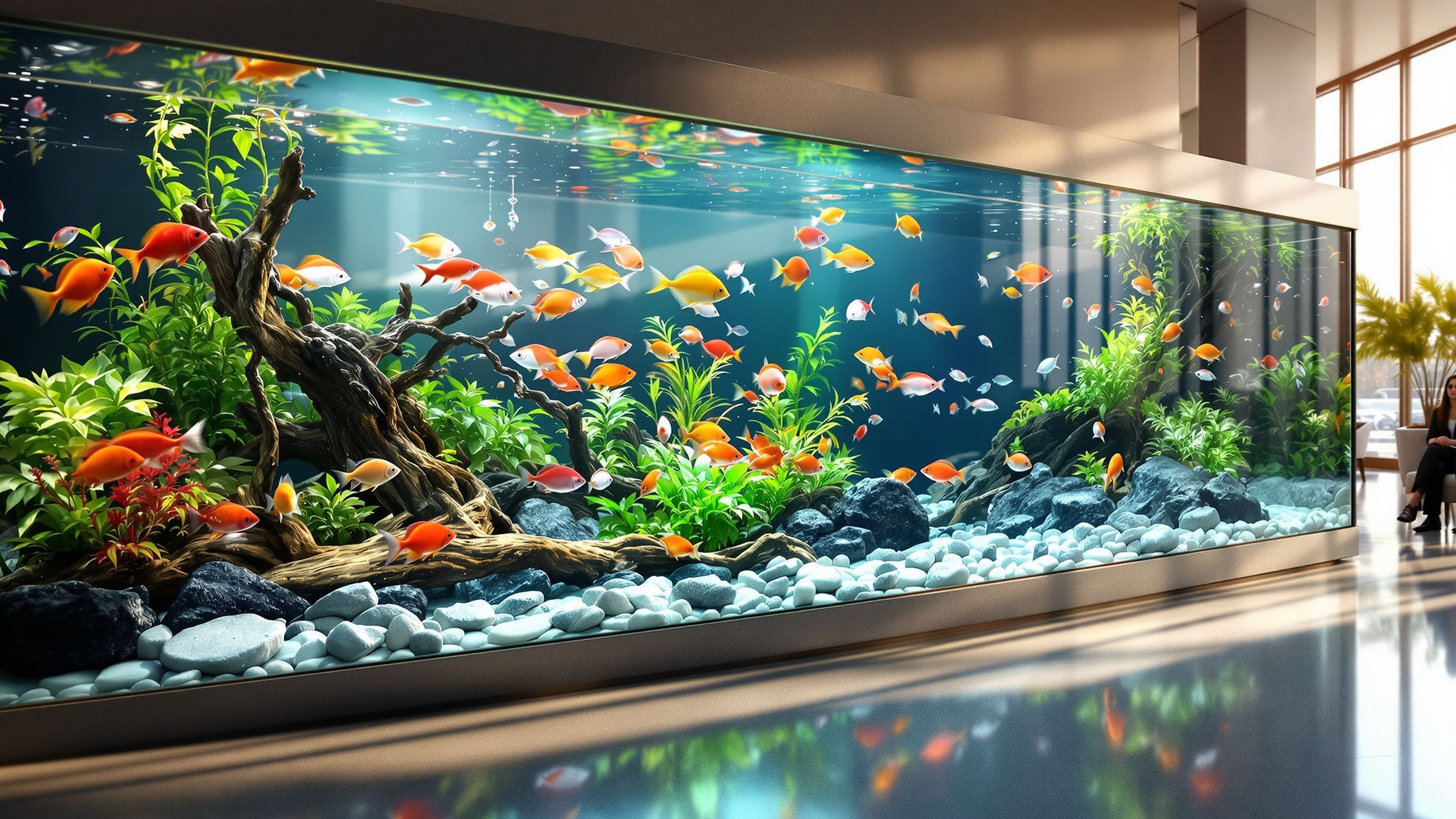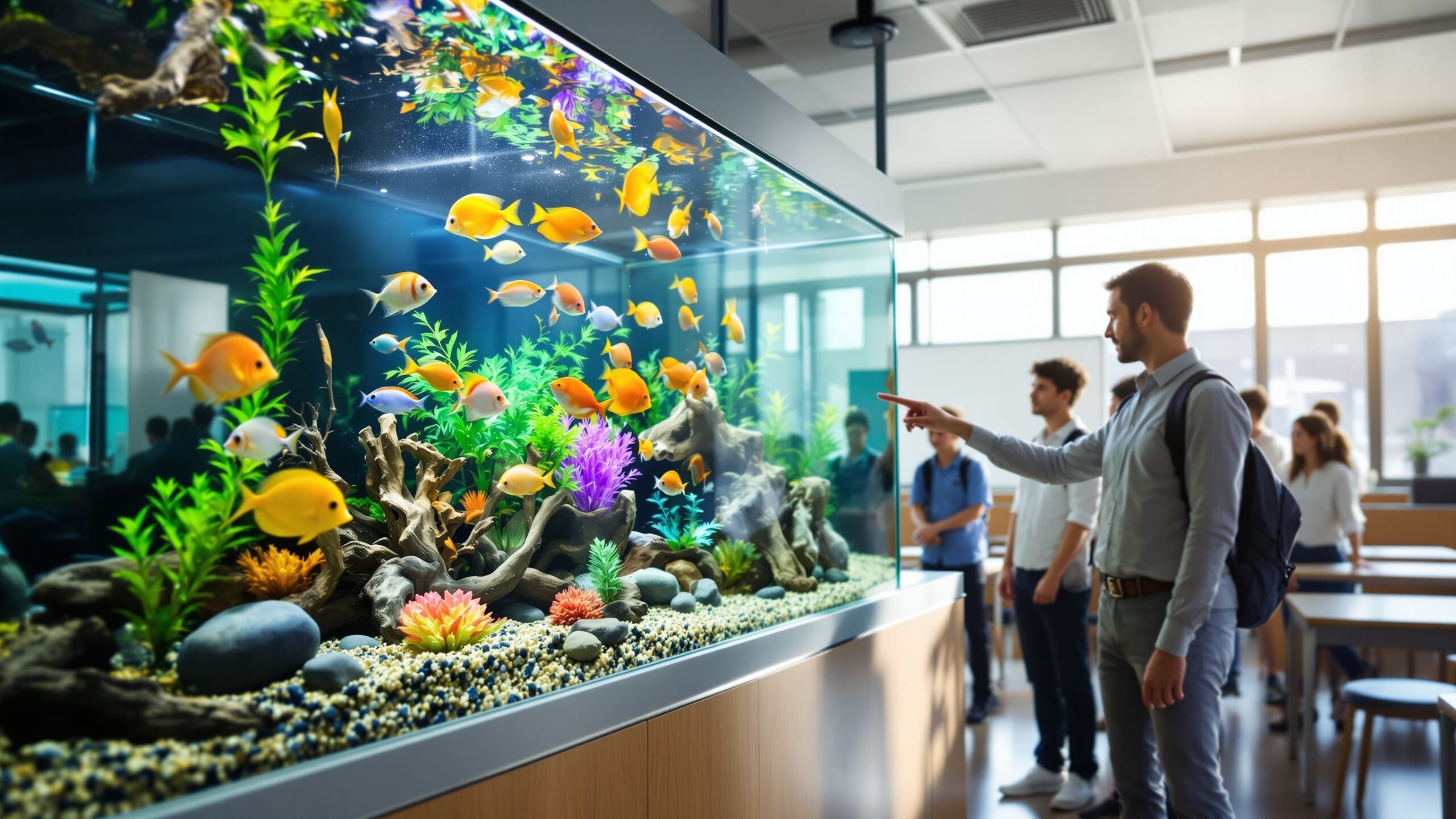
A classroom aquarium can turn an ordinary science lesson into something students remember for years. Watching fish swim, feed, interact, and grow brings biology to life in a way that textbooks alone never can. A school tank creates daily opportunities for observation, responsibility, and hands-on learning.
Freshwater fish are especially popular in classrooms because they are generally easier to maintain than saltwater species and offer a wide variety of colors, behaviors, and educational value. From simple beginner tanks to advanced planted aquariums, the right fish can help teach lessons about ecosystems, animal behavior, water chemistry, and environmental care.
Not every fish is a good fit for a school environment. Classroom fish need to be hardy, peaceful, easy to feed, and suitable for students and teachers who may not have advanced aquarium experience. Fish that require highly specialized care or aggressive management usually create more stress than learning.
The best classroom fish are the ones that combine beauty with practicality. They should thrive in stable freshwater conditions while giving students a chance to connect with living science every day.
Here are ten of the best freshwater fish commonly used in science classrooms and school aquariums.
A: Hardy choices include zebra danios, guppies, platies, white cloud minnows, bettas, corydoras, and some peaceful tetras.
A: They can be, but only in large, well-filtered tanks because goldfish produce lots of waste and grow bigger than expected.
A: Zebra danios, guppies, platies, bettas, goldfish, and minnows are commonly used for observation and basic biology lessons.
A: Bigger is usually easier to maintain, and many classrooms do better with at least a 20-gallon tank for small community fish.
A: Feeding should be supervised by a teacher or trained student helper to prevent overfeeding.
A: A teacher, staff member, family, or approved caretaker should handle feeding, water checks, and maintenance.
A: No. Tapping can stress fish, so classroom rules should protect the aquarium as a calm habitat.
A: Yes. They can teach life science, chemistry, ecosystems, responsibility, observation, and animal welfare.
A: No. Fish should usually be observed, not handled, because handling can damage their protective slime coat.
A: The biggest mistake is setting up a tank without a care plan for cycling, feeding, water changes, and school breaks.
1. Guppies
Guppies are one of the most common classroom fish because they are colorful, peaceful, and beginner-friendly. Their bright colors immediately attract student attention, and their active swimming makes them fun to observe throughout the day.
They are also livebearers, which means they give birth to free-swimming fry instead of laying eggs. This makes them especially valuable for lessons about reproduction and life cycles.
Guppies adapt well to community tanks, accept a wide variety of foods, and are easy for beginners to manage with proper water quality.
2. Zebra Danios
Zebra danios are famous for being hardy and energetic, making them excellent classroom fish. They tolerate a wide range of beginner mistakes better than many delicate species and remain active throughout the day.
Their constant movement helps students stay engaged because there is always something happening in the tank.
Zebra danios are also widely recognized in biology education because of their role in scientific research and genetics studies, giving them additional classroom value beyond simple fishkeeping.
3. Goldfish
Goldfish are one of the most familiar freshwater fish for students, making them a classic classroom choice. They are easy for children to recognize and often help spark early interest in aquarium care.
However, goldfish require more space than many people expect. They should never be kept long-term in tiny bowls. A properly filtered aquarium with enough room is essential.
When cared for correctly, goldfish become long-lived, interactive classroom pets that help teach responsibility and proper animal care.
4. Platies
Platies are peaceful community fish that are ideal for beginner classroom tanks. They are colorful, calm, and adapt well to group aquariums with other non-aggressive species.
Like guppies, platies are livebearers, which makes them useful for educational discussions about fish breeding and population growth.
Their simple care requirements and social behavior make them excellent choices for teachers looking for reliable classroom fish.
5. Corydoras Catfish
Corydoras catfish add a completely different type of activity to school aquariums because they spend most of their time exploring the bottom of the tank.
Students enjoy watching them search through gravel and interact with tank mates in peaceful ways. Their group behavior also helps teach lessons about schooling and animal social structure.
They are gentle, hardy, and compatible with many beginner community fish, making them strong additions to educational aquariums.
6. Neon Tetras
Neon tetras are small, bright, and visually striking fish that immediately stand out in classroom tanks. Their blue and red colors make them one of the most recognizable tropical fish in freshwater aquariums.
Because they are schooling fish, they are best kept in groups, which helps students observe social behavior and group movement patterns.
They do require stable water conditions, so they are slightly less forgiving than guppies or danios, but in a well-maintained classroom tank they are excellent educational fish.
7. Mollies
Mollies are adaptable and active fish that work well in classroom aquariums with beginner-level care. They are available in many colors and fin shapes, making them visually interesting for students.
They also tolerate a variety of tank setups and are often easy to feed, which makes maintenance simpler for busy teachers.
Their livebearing nature adds educational value, and their social behavior keeps the aquarium lively and engaging.
8. Betta Fish
A single betta fish can work well in a smaller classroom setup when space is limited. Bettas are colorful, intelligent, and often interact with people more noticeably than many community fish.
They are useful for teaching about territory, behavior, and species-specific care because they require different planning than standard community fish.
The biggest mistake is assuming bettas belong in tiny bowls. They still need filtration, heating, and proper tank size to thrive.
When cared for correctly, bettas become memorable classroom pets with strong educational impact.
9. White Cloud Mountain Minnows
White Cloud Mountain minnows are peaceful schooling fish known for their hardiness and simple care requirements. They tolerate cooler temperatures better than many tropical fish, which can make classroom maintenance easier in some environments.
They are active swimmers and do well in groups, giving students plenty of movement to observe.
Their resilience and peaceful nature make them one of the best underrated options for school aquariums.
10. Cherry Barbs
Cherry barbs bring calm color and gentle activity to classroom aquariums. Their red tones add visual appeal without the aggression seen in some other barb species.
They are peaceful community fish that do well in groups and help students learn about social behavior and compatibility in shared habitats.
Their manageable care needs and attractive appearance make them a strong choice for educational tanks.
Why Classroom Aquariums Matter
Fish tanks in schools do more than decorate a room. They create opportunities for daily observation and real-world science lessons that feel alive and personal.
Students can learn about the nitrogen cycle, ecosystems, feeding behavior, water chemistry, plant growth, and animal welfare through direct experience rather than only reading about it.
Aquariums also help teach patience and responsibility. Feeding schedules, water testing, and routine care show students that living animals depend on consistent attention.
For many children, a classroom aquarium becomes their first real connection to animal care and environmental awareness.
Choosing the Right Fish for Your School
The best classroom fish depends on tank size, teacher experience, maintenance time, and school schedules. Hardy, peaceful species are usually the safest option for long-term success.
Avoid aggressive fish, species with advanced care needs, or fish that outgrow small classroom tanks quickly. Common plecos, large cichlids, and delicate species often create more problems than educational value.
A stable, simple community tank is usually better than an overly ambitious setup that becomes difficult to manage during weekends and school breaks.
Planning for holidays and long weekends is also important. Fish care should remain consistent even when students are not present.
Common Mistakes in School Aquariums
One of the biggest mistakes is overcrowding the tank. Too many fish create stress, poor water quality, and extra maintenance.
Another mistake is choosing fish based only on appearance without understanding their adult size or compatibility.
Skipping cycling before adding fish is another common classroom problem. Fish need stable biological filtration from the start.
Teachers also sometimes underestimate long-term maintenance during school vacations. A classroom tank should have a clear care plan for weekends, holidays, and summer breaks.
Success comes from simple planning, not rushed setup.
Bringing Science to Life
The best freshwater fish for classrooms are the ones that combine beauty, hardiness, and real educational value. Guppies, danios, goldfish, tetras, corydoras, and other peaceful community fish help students connect with science in a way that feels real and memorable.
A school aquarium is not just a decoration. It becomes a living lesson in biology, responsibility, observation, and respect for animals.
For many students, the first fish they watch in a classroom may be the reason they become interested in science, conservation, or aquarium keeping for life.
Sometimes the most powerful lessons in science are not found in a textbook—they are swimming quietly inside a glass tank at the front of the room.
Pet Product Reviews
Explore Duffy Street’s Pet Product Reviews! Sniff out the top-rated toys, treats, gear, and gadgets for your pets with our fun, easy-to-read comparisons. We’ve done the digging so you can find the perfect products for your pet friends!