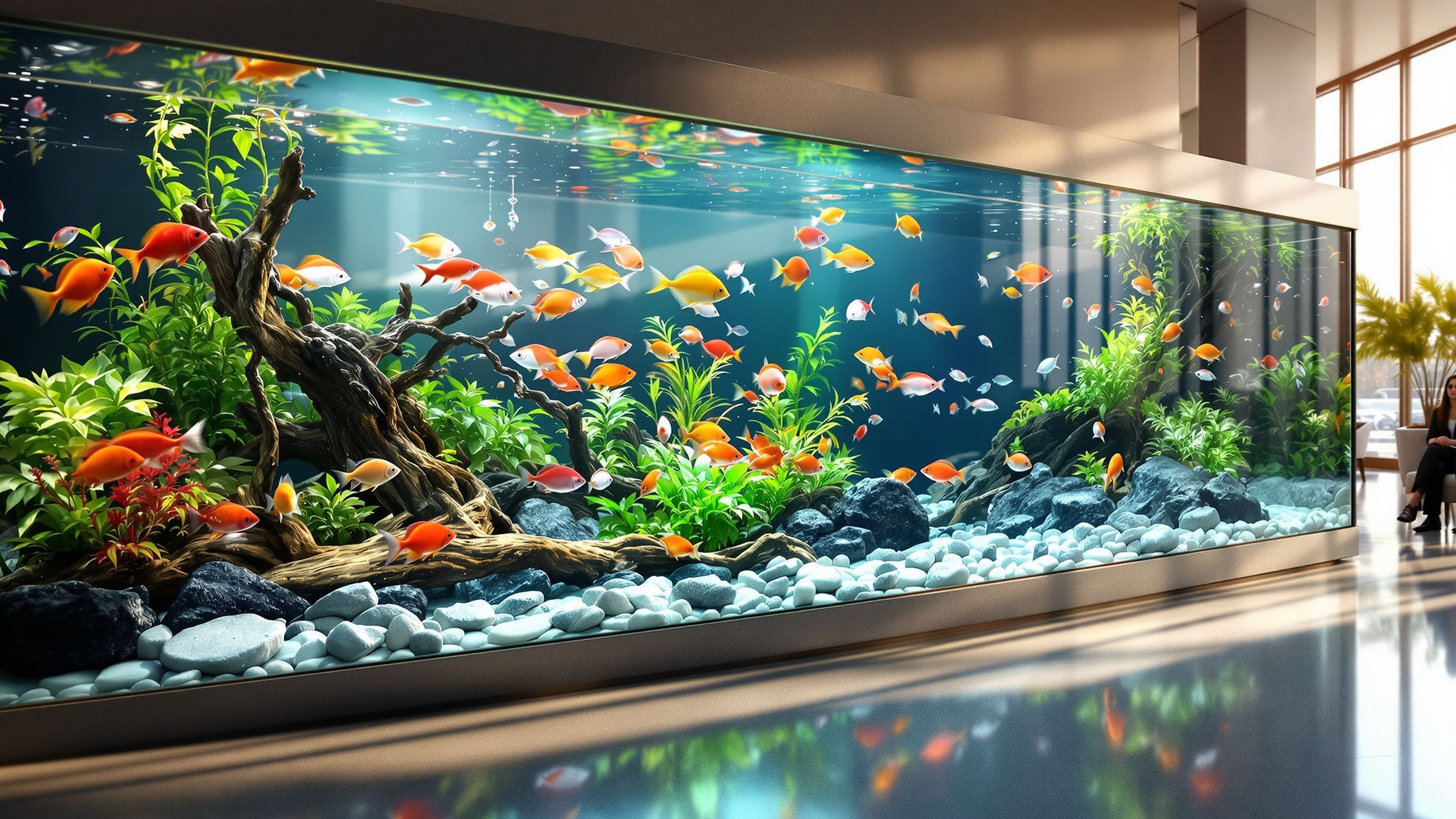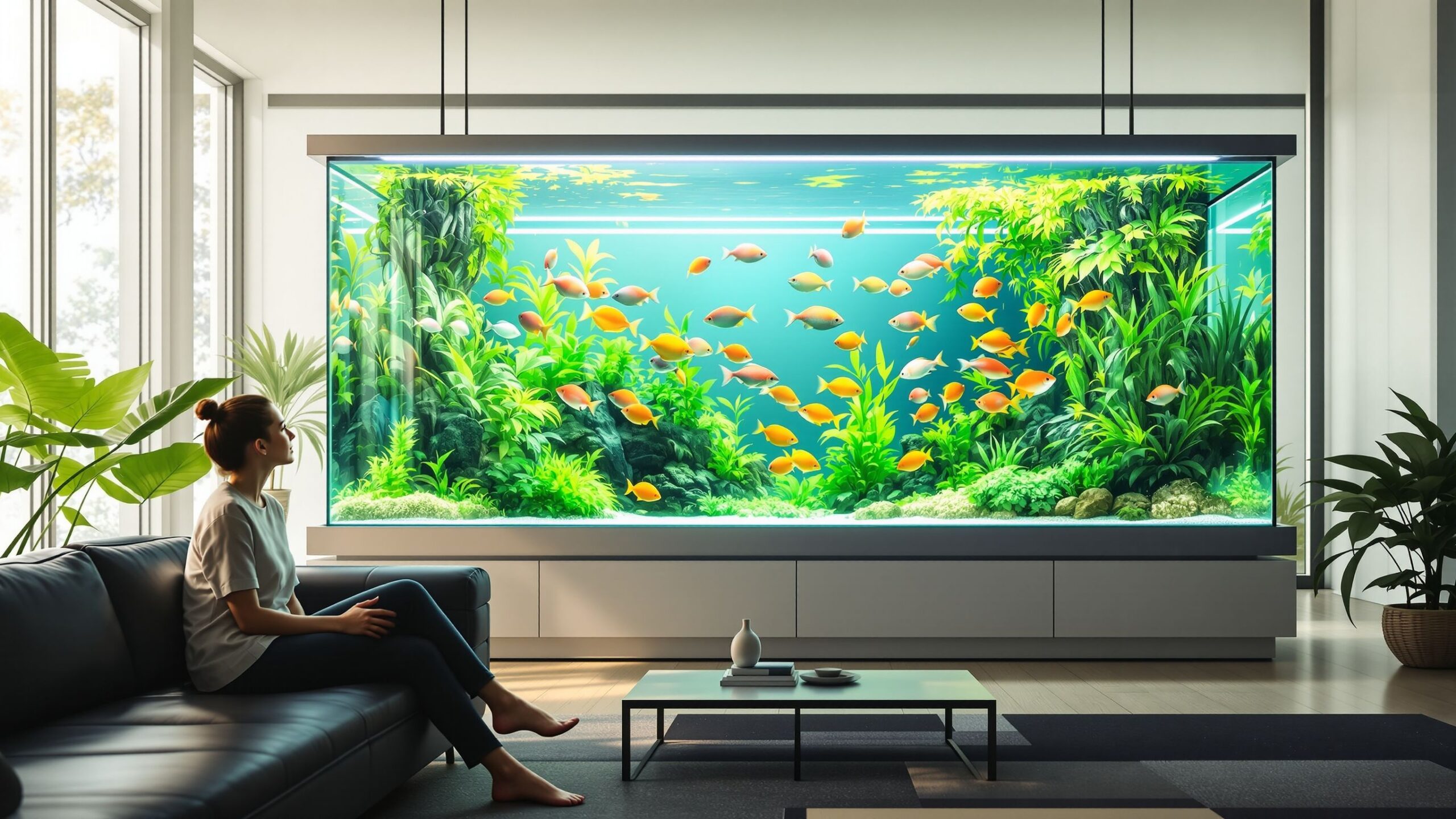
A fish tank is often seen as a beautiful decoration, but for many people, it becomes something much more powerful. The gentle movement of fish, the sound of flowing water, and the peaceful rhythm of an aquarium can create a calming effect that helps reduce stress and improve emotional wellbeing.
Therapy fish tanks are commonly used in homes, schools, offices, hospitals, dental clinics, waiting rooms, and senior care spaces because of their ability to create a more relaxing environment. Watching fish swim through clear water offers a quiet mental break from noise, tension, and everyday pressure.
Unlike many forms of relaxation that require effort or planning, an aquarium works passively. Simply sitting nearby and observing the fish can help slow racing thoughts and create a sense of calm.
Freshwater aquariums are especially popular for therapy spaces because they are accessible, visually soothing, and easier to maintain than many other pets. Even a simple planted tank with peaceful community fish can change the mood of an entire room.
For people dealing with anxiety, stress, loneliness, or emotional overload, therapy fish tanks offer a small but meaningful form of comfort that often works better than expected.
A: Many people find that watching fish and maintaining a peaceful aquarium helps create calm, focus, and emotional relaxation.
A: Peaceful community fish like tetras, guppies, rasboras, corydoras, and gentle schooling species are common choices.
A: They can help by providing a calming visual routine and a quiet distraction, though they are not a replacement for professional care when needed.
A: Yes, if possible. Live plants often improve both the calming appearance and the health of the aquarium environment.
A: Bettas can work well for smaller peaceful setups, but proper heat, filtration, and enough space are still necessary.
A: Yes. Office aquariums often create a shared calming point that helps reduce tension during busy workdays.
A: Larger tanks are often more stable and visually calming, but the best size depends on space, budget, and maintenance ability.
A: Yes. Children often enjoy observing fish and may feel calmer with a gentle, visually engaging aquarium nearby.
A: Dirty water, loud equipment, aggressive fish, overcrowding, and difficult maintenance can turn a peaceful tank into a stressful one.
A: Not if it is planned well. A simple, peaceful setup with realistic care needs is easier to enjoy long-term.
Why Watching Fish Feels So Calming
There is something naturally soothing about watching fish move through water. Their slow, repetitive swimming patterns create a sense of rhythm that helps the brain shift away from stress and into a calmer state.
Unlike television, phones, or other modern distractions, aquariums do not demand attention or create mental noise. They provide quiet visual focus without pressure.
Many people describe watching fish as almost meditative. The gentle motion, flowing plants, and soft lighting create a peaceful environment that encourages the mind to slow down.
This effect can be especially helpful after a stressful day, during anxious moments, or in spaces where people feel nervous, such as medical offices or therapy rooms.
Aquariums offer calm without conversation, making them comforting for both adults and children.
Stress Reduction and Lower Anxiety
One of the biggest benefits of therapy fish tanks is stress reduction. Studies and real-world experience show that observing aquariums can help lower feelings of tension and anxiety.
When people focus on fish movement and peaceful water flow, the body often responds by slowing breathing and reducing physical stress signals. This creates a more relaxed emotional state.
In waiting rooms, fish tanks help reduce nervousness before medical appointments. In homes, they provide a quiet place to decompress after work or emotionally difficult days.
For children with school stress or adults managing busy schedules, even a few minutes of quiet observation can create noticeable relief.
The aquarium becomes a safe visual anchor during overwhelming moments.
Helping With Focus and Attention
Therapy fish tanks can also improve focus, especially in children and people who struggle with attention overload. A calm environment often makes concentration easier.
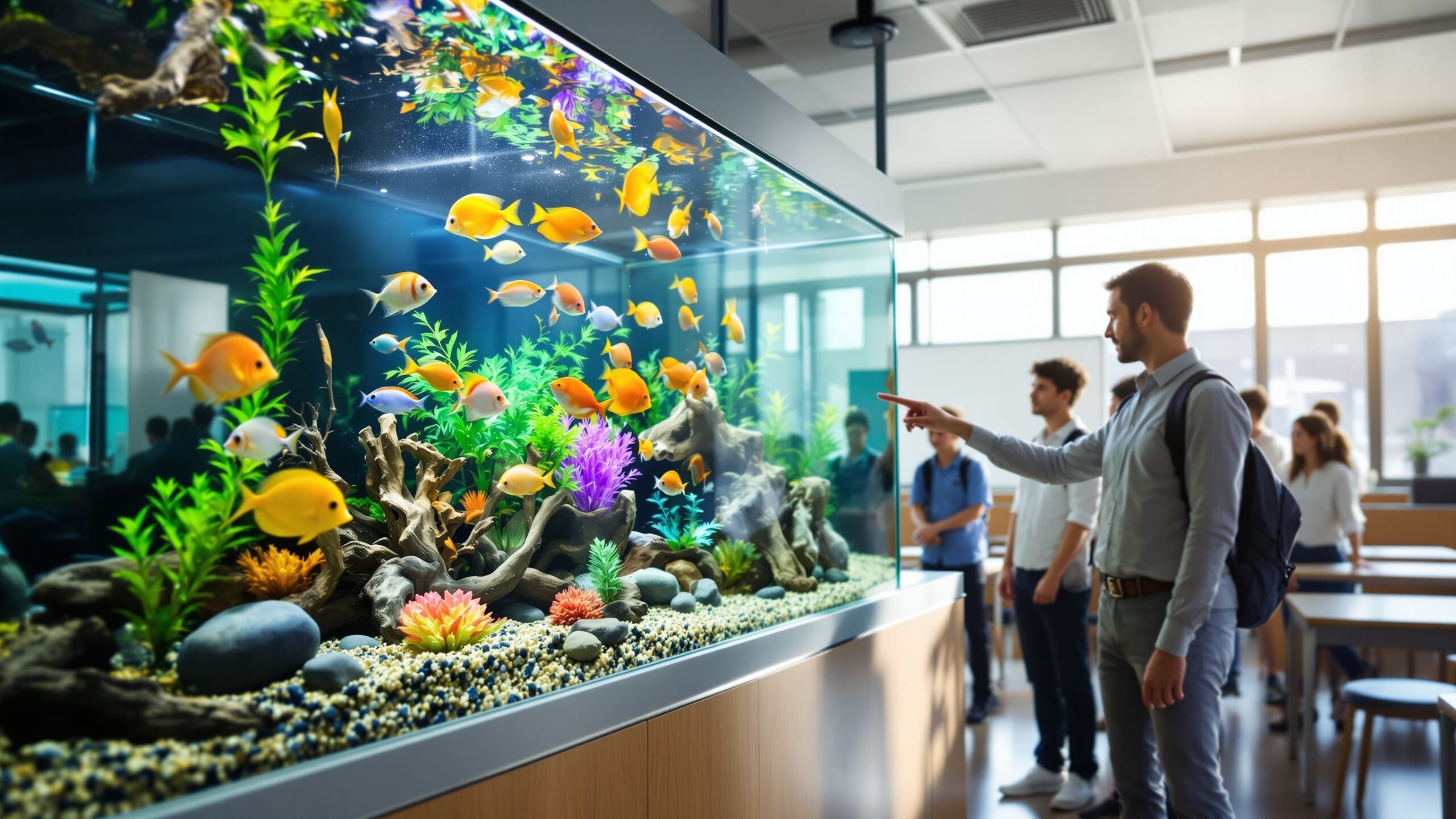
Classrooms with aquariums sometimes report better student engagement because the tank creates a peaceful atmosphere without being disruptive. Students often become more interested in observation and routine responsibility as well.
In workspaces, a small office aquarium can provide short mental resets that improve productivity instead of creating distraction.
The goal is not constant entertainment but gentle focus. A therapy tank gives the brain a moment to pause and return with better clarity.
Supporting Mental Health in Senior Care
Fish tanks are especially valuable in senior care communities and memory care environments. Many older adults respond positively to aquariums because they create calm, familiarity, and emotional comfort.
Watching fish can reduce loneliness and provide daily structure through feeding routines and observation. In some care settings, residents become more socially engaged when aquariums are present because the tank creates a shared point of conversation.
For individuals living with dementia or memory loss, the gentle movement of fish often creates peaceful visual stimulation without confusion or stress.
Therapy aquariums in senior spaces are not just decorative—they often become an important part of emotional wellbeing and daily routine.
Aquariums in Hospitals and Medical Offices
Hospitals, dental offices, therapy centers, and counseling spaces often use aquariums because they help reduce patient anxiety. Medical environments can feel cold and stressful, especially for children.
A fish tank softens that experience. Watching colorful fish swim through a peaceful tank creates distraction from fear and helps waiting rooms feel less tense.
Dental offices often use aquariums because patients waiting for treatment feel calmer when they have something relaxing to focus on.
Counseling offices may use smaller aquariums to create a quieter emotional atmosphere during difficult conversations.
Sometimes the simple presence of fish changes how safe a space feels.
Emotional Connection Without Pressure
Unlike dogs or cats, fish offer companionship without demanding direct interaction. This makes them especially helpful for people who want emotional comfort without the responsibility of constant physical care.
Fish do not need walking, loud play, or close physical contact. Their presence is gentle and non-invasive.
For people managing anxiety, grief, depression, or social exhaustion, that quiet companionship can be deeply comforting.
Many owners form strong emotional connections with their fish because feeding them daily and watching them grow creates routine and attachment.
A therapy fish tank offers presence without pressure, which is sometimes exactly what emotional healing needs.
The Importance of Tank Design
Not every aquarium creates the same calming effect. Tank design matters when the goal is therapy and relaxation.
A peaceful therapy tank usually works best with clean water, natural plants, gentle filtration sounds, and non-aggressive fish species. Overcrowded tanks or aggressive fish can create stress rather than calm.
Soft lighting and balanced décor also help. Natural-looking aquascapes with plants, driftwood, and open swimming space tend to feel more relaxing than bright cluttered tanks.
Fish choices matter too. Peaceful community fish like tetras, guppies, corydoras, rasboras, angelfish, and calm goldfish often work better than aggressive or highly territorial species.
The goal is visual peace, not chaos.
Responsibilities Still Matter
While therapy tanks offer emotional benefits, they are still living ecosystems that require proper care. A neglected aquarium creates the opposite effect and quickly becomes stressful instead of calming.
Regular water changes, stable filtration, appropriate stocking, and proper feeding are essential. Fish health directly affects the emotional experience of the tank.
A therapy aquarium should be simple enough to maintain consistently. Starting with a manageable freshwater setup is often the best choice for beginners.
The calming effect comes from stability, not complexity.
Common Mistakes With Therapy Fish Tanks
One common mistake is choosing fish based only on color without considering behavior. Bright aggressive fish may look beautiful but create tension rather than peace.
Another mistake is overcrowding the aquarium. Too many fish create stress, poor water quality, and a visually chaotic environment.
Skipping proper cycling before adding fish often leads to illness and frustration, which defeats the purpose of the therapy setup.
Some people also underestimate maintenance and buy tanks that are too large or complicated for their schedule.
A smaller, healthy, peaceful aquarium often provides more emotional benefit than a large stressful one.
Why Fish Tanks Work So Well
Therapy fish tanks work because they create quiet moments in a world that rarely slows down. They offer movement without noise, beauty without pressure, and comfort without demands.
The simple act of watching fish swim can reduce stress, lower anxiety, improve focus, and create emotional balance in ways that surprise many first-time owners.
Aquariums support mental health not by replacing therapy or medical care, but by adding calm and routine to daily life. Sometimes that small daily calm makes a meaningful difference.
Whether placed in a living room, office, classroom, hospital, or senior care space, a fish tank becomes more than décor. It becomes part of the emotional atmosphere of the room.
Sometimes healing starts with something simple—a quiet chair, soft light, and a peaceful tank full of fish moving gently through the water.
Pet Product Reviews
Explore Duffy Street’s Pet Product Reviews! Sniff out the top-rated toys, treats, gear, and gadgets for your pets with our fun, easy-to-read comparisons. We’ve done the digging so you can find the perfect products for your pet friends!