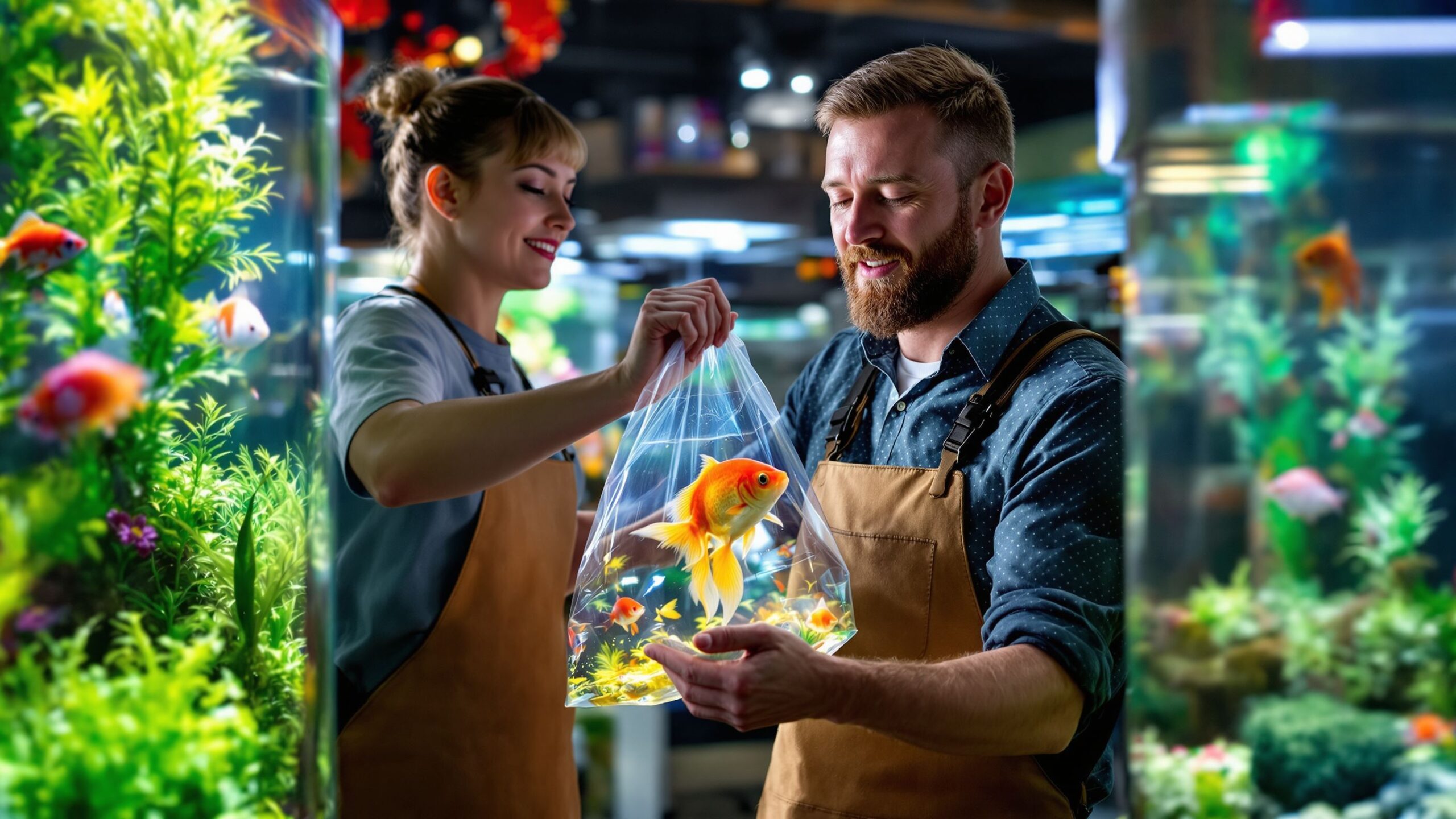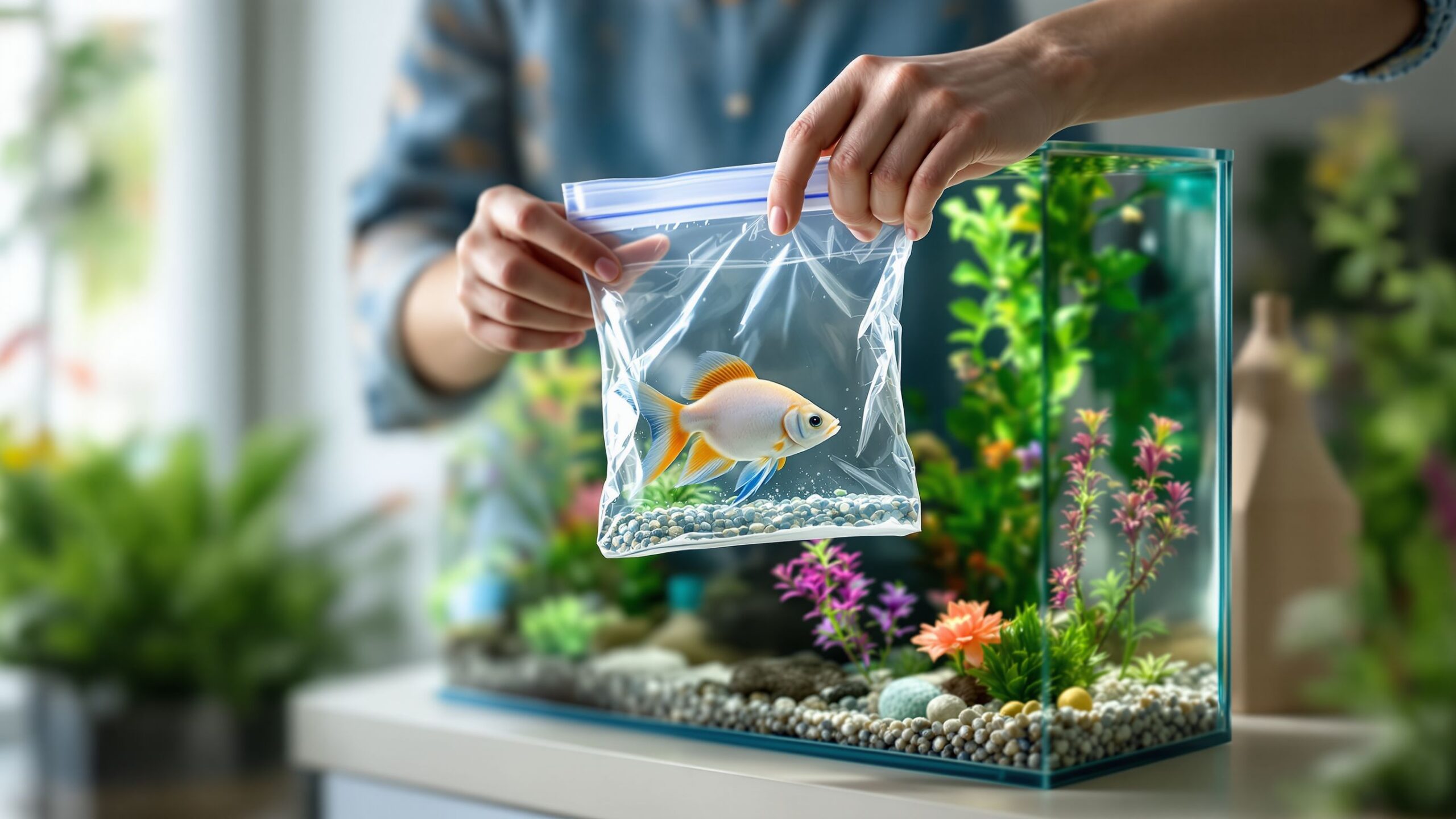
Rehoming a pet fish is a decision many aquarium owners never expect to make. Life changes, tank needs grow, and sometimes the best choice is finding a better home where the fish can continue to thrive.
A family may move to a smaller space where a large aquarium no longer fits. Work schedules can become too demanding for regular tank care, or a fish may outgrow its tank and need a larger environment. Some species become aggressive, require specialized care, or simply need conditions the current owner can no longer provide. Responsible rehoming means putting the fish’s wellbeing first and making sure its next home is safe, stable, and suitable.
Unlike cats or dogs, fish are often misunderstood as simple pets that can be passed along without much planning. In reality, fish are highly sensitive animals. Sudden environmental changes, poor transport methods, or being placed in an unsuitable tank can create serious stress and even lead to illness or death.
The goal is not simply to get rid of a fish. The goal is to create a smooth transition into a new environment where the fish can stay healthy and comfortable. This process takes patience, preparation, and a strong understanding of the fish’s specific needs.
When handled carefully, rehoming can be a positive experience for both the owner and the fish. It becomes an act of care rather than abandonment, ensuring the fish has the best possible future.
A: Find a prepared owner with a cycled, species-appropriate tank and transfer the fish slowly with stable water and temperature.
A: No. Aquarium fish should never be released outdoors because they may die, spread disease, or become invasive.
A: If possible, yes. A familiar tank, filter, and décor can make the transition easier and safer.
A: Ask about tank size, water testing, tank mates, filtration, cycling, and experience with that species.
A: Some local fish stores may accept healthy fish, but always call first and ask about their policy.
A: Use clean aquarium-safe bags or containers, keep the temperature stable, and avoid shaking or long delays.
A: It is usually better to avoid heavy feeding right before transport to reduce waste in the water.
A: Many fish adjust within a few days, but sensitive species may need a week or more to feel comfortable.
A: Include food type, feeding schedule, water parameters, tank size needs, temperament, health history, and photos if useful.
A: Contact aquarium clubs, rescue groups, local fish stores, or experienced hobbyists before considering unsafe options.
Understanding When Rehoming Is the Right Choice
Before starting the rehoming process, it is important to decide whether rehoming is truly necessary. Some temporary challenges can be solved with better routines or small tank adjustments rather than permanent relocation.
For example, a busy schedule might improve with automated feeders or a more efficient maintenance plan. Minor aggression problems can sometimes be fixed by rearranging decorations, adding hiding spots, or adjusting tank mates. Sometimes the issue is not the fish itself, but the setup around it.
However, there are situations where rehoming is clearly the most responsible option. Large species like plecos, oscars, koi, and certain cichlids often outgrow the tanks they were originally purchased for. Keeping them in cramped conditions can lead to poor health and stress.
If a fish constantly attacks other tank mates, requires expensive specialty care, or needs an environment you can no longer provide, rehoming may be the kindest decision. Financial limitations, health changes, and major life events can also make proper fish care difficult.
Being honest about your ability to care for the fish is part of responsible fishkeeping. Choosing a better home is not failure—it is compassion.
Choosing the Right New Home
Finding the right home is the most important part of the entire process. Not every person who wants a fish is prepared to care for one properly.
Start by looking for trusted aquarium hobbyists, local fishkeeping groups, or friends who already maintain healthy aquariums. Experienced fishkeepers are often the safest choice because they understand water quality, tank cycling, compatibility, and long-term care.
Local aquarium clubs and online fishkeeping communities can be excellent places to find serious adopters. Independent fish stores may also accept surrendered fish, especially if the fish is healthy and in demand. Some stores even work directly with rescue and rehoming situations.
Avoid giving fish to people who do not already have a proper setup. Someone who says they will “buy a tank later” is usually not the right choice. Almost all fish need a fully cycled and stable environment before they arrive.
Ask simple but important questions. What size is their tank? What fish already live there? How long has the aquarium been running? Do they understand the adult size and behavior of your fish?
These conversations help prevent the fish from ending up in another stressful situation.
Never Release Fish Into the Wild
One of the worst mistakes people make is releasing unwanted fish into ponds, lakes, rivers, or neighborhood waterways. This should never happen.
Even common aquarium fish can become invasive species that damage local ecosystems. Goldfish, plecos, and cichlids have caused major environmental problems in many areas because owners believed release was a kind solution.
These fish can spread disease, compete with native species, and disrupt natural habitats. In many cases, they also suffer because they are not built to survive outdoor conditions with predators, harsh temperatures, and unfamiliar food sources.
What looks like freedom is often slow suffering. Responsible rehoming always means finding a controlled aquarium environment, never outdoor release.
Preparing Your Fish for Rehoming
Once a good new home has been found, preparation should begin several days before the move. Fish handle change much better when they are already in stable, healthy conditions.
Start by improving water quality. Perform a partial water change, check temperature consistency, and make sure ammonia and nitrite levels are safe. Fish already stressed by poor water conditions are far more vulnerable during transport.
Watch closely for signs of illness like clamped fins, white spots, rapid breathing, bloating, or unusual swimming. If the fish is sick, the new owner should know in advance so proper quarantine and treatment plans can be prepared.
Avoid heavy feeding before transport. Many fish travel better when lightly fasted for 12 to 24 hours, depending on the species. This helps reduce waste buildup during the trip and keeps water cleaner.
Write down helpful details for the new owner, including the fish’s species, age, diet, behavior, tank preferences, and medical history. This information makes the transition smoother and safer.
Safe Transportation Methods
Transport is often the most stressful part of rehoming, so proper handling matters. A bad trip can cause serious stress before the fish even reaches its new home.
For short trips, fish should be placed in clean fish transport bags filled with aquarium water and enough air space above the water. Double-bagging helps prevent leaks and keeps the fish safer.
Larger fish may need sturdy buckets with secure lids or insulated containers instead of bags. The goal is stability, not extra space. Too much movement during transport can increase stress.
Temperature control is extremely important. Cold weather can cause dangerous drops in water temperature, while hot weather can lead to overheating. Insulated coolers help protect fish during both seasons.
Keep the trip short, quiet, and calm. Avoid direct sunlight, loud music, and unnecessary handling. Fish do best when transport feels dark and stable.
Never use containers cleaned with soap or chemicals. Even tiny residue can be harmful.
Helping the Fish Adjust to the New Tank
Arriving at the new home is only part of the process. Proper acclimation is what helps the fish settle safely.
The fish should never be dumped directly into the new tank. Slow acclimation allows the fish to adjust to differences in temperature, pH, and water chemistry.
Floating the transport bag helps equalize temperature. Gradually adding small amounts of tank water into the bag over time helps the fish adapt more safely to new conditions.
If possible, quarantine is the best option before placing the fish into a community tank. This protects both the new fish and existing tank mates from disease or stress-related issues.
Tank compatibility also matters. Peaceful fish can become stressed if placed with aggressive species, while shy fish may need extra hiding places to feel secure.
Keeping the lights dim for the first day often helps reduce stress. Some fish settle within hours, while others may need several days before they feel comfortable.
Patience makes a major difference.
Rehoming Large or Specialty Fish
Some fish are much harder to place because they require special care or very large tanks. Common plecos, oscars, koi, and large cichlids are frequent examples.
These fish often start small and manageable, but many owners are surprised by how large they become. Rehoming them requires patience because not every hobbyist has the space or equipment needed.
Saltwater fish can be even more challenging. Stable salinity, reef-safe conditions, and advanced filtration systems make marine fish harder to place than freshwater species.
Aggressive fish, predators, and species with unusual diets should only go to experienced keepers who fully understand their care needs.
In some cases, public aquariums, pond specialists, or advanced hobbyist groups may be the best option. Taking longer to find the right home is far better than rushing into the wrong one.
The Emotional Side of Rehoming
Many people form strong emotional bonds with their fish, even if others do not always understand it. Feeding a fish daily, watching it grow, and caring for it over the years creates real attachment.
Rehoming can feel surprisingly emotional. Owners often feel guilt, sadness, or worry about whether they are making the right decision.
The most important thing to remember is that choosing a better home is often the most loving decision possible. Keeping a fish in poor conditions simply because letting go feels hard does not help the animal.
Responsible rehoming means putting the fish’s long-term wellbeing first. That is not giving up—it is good care.
Some owners stay in touch with the new owner and receive occasional updates. Knowing the fish is healthy and thriving can make the transition much easier.
Mistakes to Avoid
One of the biggest mistakes is rushing the process. Giving a fish to the first available person without checking their setup often leads to another failed placement.
Another mistake is hiding important information. If the fish is aggressive, has special feeding needs, or has a medical history, the new owner needs to know.
Poor transport methods are also common problems. Tiny bowls, unstable containers, or long trips in extreme temperatures can quickly create dangerous stress.
Skipping quarantine is another major risk. Even healthy-looking fish can carry illness, and sudden introductions can create disease outbreaks.
Finally, many people assume fish are easy pets with simple needs. In reality, every species has different requirements, and successful rehoming depends on respecting those details.
Giving Your Fish a Better Future
Rehoming a pet fish responsibly is about protecting the life of an animal that depends entirely on human care. Every choice—from selecting the right adopter to ensuring safe transport and proper acclimation—shapes that fish’s future.
Fish may be quiet pets, but their needs are complex and their stress is very real. A rushed move can cause lasting harm, while a thoughtful transition can give them years of continued health and comfort.
Responsible fishkeeping does not end when circumstances change. Sometimes the best care means recognizing when another home can provide a better life.
When done with patience and care, rehoming becomes an act of responsibility and kindness. It ensures your fish moves into stability, safety, and a place where it can continue to thrive.
Sometimes the best way to love a fish is knowing when to let it go—and making sure it lands somewhere truly safe.
Pet Product Reviews
Explore Duffy Street’s Pet Product Reviews! Sniff out the top-rated toys, treats, gear, and gadgets for your pets with our fun, easy-to-read comparisons. We’ve done the digging so you can find the perfect products for your pet friends!