Rescuing freshwater fish is often an urgent and emotional situation. Sometimes fish are left behind during a move, surrendered by owners who can no longer care for them, or discovered living in poor tank conditions that threaten their health.
A responsible rescue means much more than simply taking the fish home. Freshwater fish are highly sensitive to sudden changes in water quality, temperature, and handling. A rushed move can cause extreme stress, illness, and even death if the transition is not managed carefully.
The goal of fish rescue is to stabilize the animal, improve its living conditions, and either provide a permanent healthy home or safely rehome it with someone who can. Whether you are helping a single goldfish or rescuing an entire neglected aquarium, every step matters.
When done properly, fish rescue becomes an act of compassion that gives aquatic pets a second chance at a healthy and comfortable life.
A: Move it into clean, dechlorinated, temperature-stable water with oxygen and minimal disturbance.
A: It is safer to quarantine first so illness, parasites, or stress problems do not spread.
A: Contact local fish stores, aquarium clubs, rescue groups, or experienced hobbyists with proper tanks.
A: Share species, size, diet, temperament, health issues, water conditions, and tank history.
A: No. Releasing aquarium fish can harm wildlife, spread disease, and create invasive populations.
A: Many keepers quarantine for several weeks, especially if the fish came from poor or unknown conditions.
A: Not always. First observe symptoms and improve water quality unless a clear illness needs treatment.
A: Keep it temporarily only if safe, then seek an experienced adopter with the correct tank size.
A: Stress, illness, poor water quality, or unfamiliar food can cause appetite loss after rescue.
A: A good adopter has a cycled tank, understands the species, tests water, and plans for long-term care.
Understanding When a Fish Needs Rescue
Not every fish owner who asks for help is neglectful, but there are clear signs that a fish may need rescue. Dirty water, severe overcrowding, broken filtration systems, and fish showing obvious signs of illness are major warning signs.
Fish gasping at the surface, clamped fins, faded colors, rapid breathing, white spots, or visible injuries often indicate serious stress. Tanks with strong odors, green water, uneaten food buildup, or no regular maintenance also suggest dangerous living conditions.
Sometimes the owner is dealing with illness, financial hardship, or sudden life changes and genuinely cannot provide care anymore. In other cases, the fish may have been purchased without understanding how large it would grow or what kind of environment it needed.
Recognizing the difference between temporary struggles and true neglect helps determine whether rescue is needed. The focus should always remain on the fish’s immediate wellbeing and long-term safety.
Stabilizing the Fish First
The first priority during any rescue is stabilizing the fish, not rushing it into a new tank without preparation. Sudden changes can be just as harmful as poor original conditions.
If possible, test the existing tank water first. Knowing the temperature, pH, and ammonia levels helps create a safer transition. Fish that have been living in poor water conditions may still struggle with sudden “perfect” water if the change is too fast.
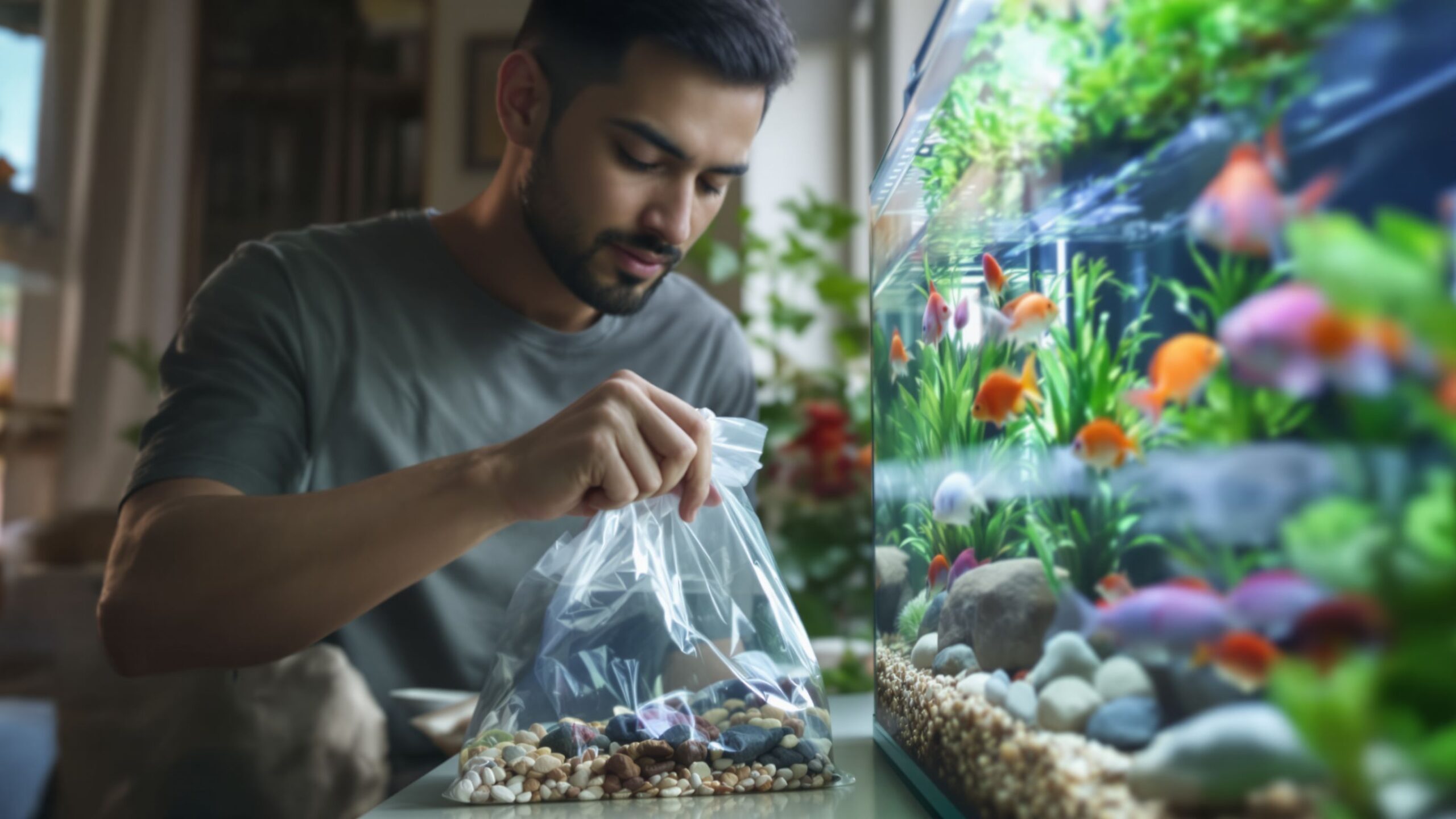
Prepare a clean, cycled tank whenever possible before moving the fish. A stable quarantine tank is often the best starting point because it allows observation and recovery without the pressure of community tank competition.
Avoid immediately feeding stressed fish. Give them time to settle, breathe normally, and adjust to calmer surroundings first. Focus on oxygen, temperature stability, and clean water before anything else.
A quiet, low-light environment helps reduce stress during the first 24 hours. Many rescued fish need calm conditions more than constant attention.
Safe Transportation During Rescue
Transport is one of the most stressful parts of fish rescue. Proper handling can mean the difference between recovery and severe health problems.
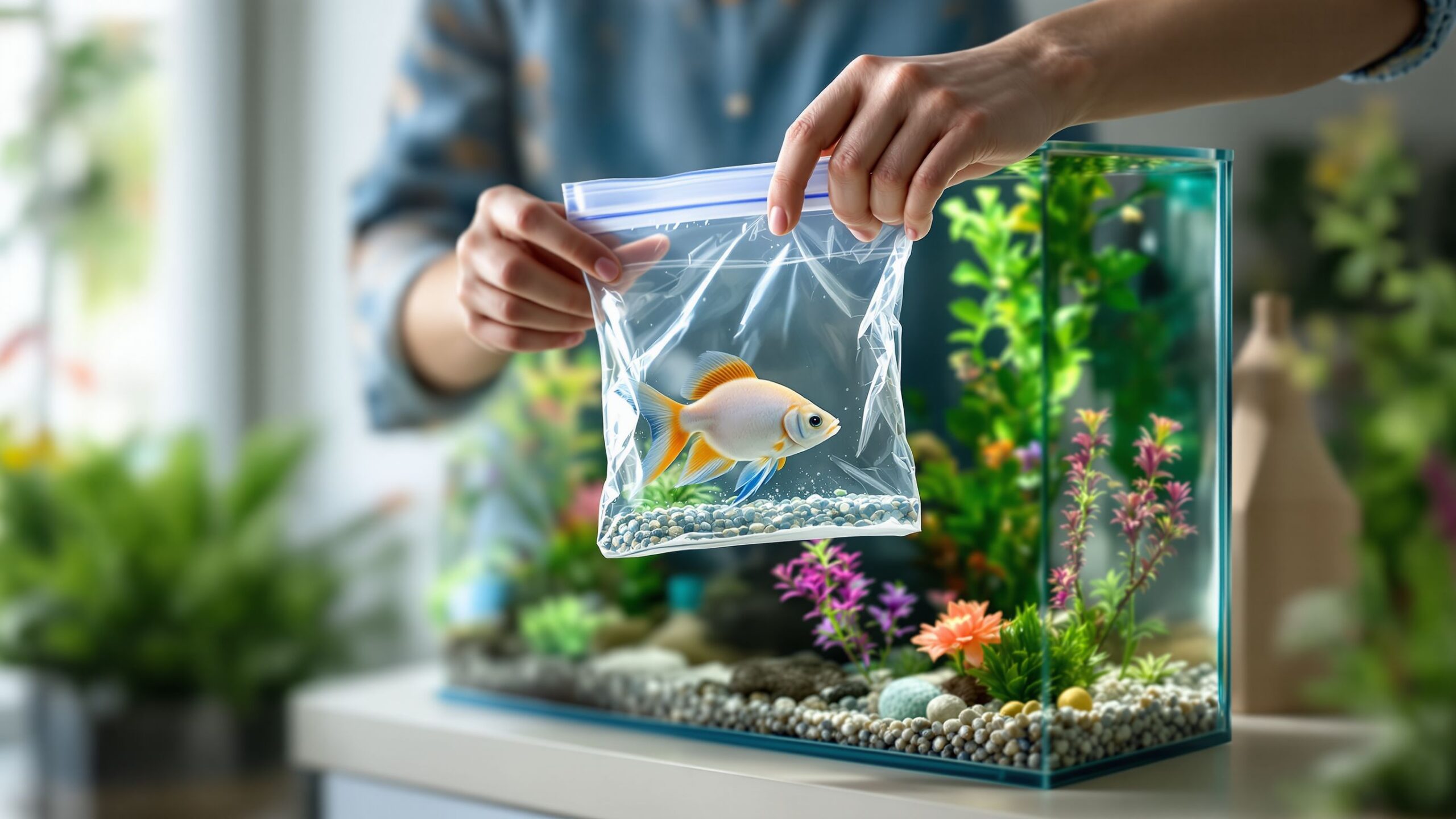
For smaller fish, clean fish transport bags filled with original tank water are often the safest choice. Leave enough air space above the water and double-bag when possible to prevent leaks.
Larger fish like goldfish, plecos, or cichlids may travel better in sturdy buckets with secure lids. Insulated coolers can help maintain temperature and reduce stress during longer trips.
Keep the journey short and avoid direct sunlight, loud sounds, and unnecessary shaking. Fish do best in dark, stable conditions with as little disturbance as possible.
Never use containers that have been washed with soap or cleaning chemicals. Even tiny traces of residue can be harmful to aquarium fish.
Transport should always be planned with calm and stability as the top priority.
Quarantine Before Rehoming
Quarantine is one of the most important steps in freshwater fish rescue, yet it is often skipped. A rescued fish may look healthy while still carrying parasites, bacterial infections, or stress-related illness.
A separate quarantine tank allows close observation without risking the health of other fish. It also gives the rescued fish time to recover strength before facing a new community environment.
Watch for signs like white spots, frayed fins, bloating, unusual swimming, flashing against objects, or refusal to eat. These symptoms may appear more clearly after the fish begins to settle.
Basic quarantine should last at least a couple of weeks depending on the fish’s condition. Some fish may need medication, salt treatment, or special feeding support during this time.
Rushing a rescued fish directly into a display tank often creates bigger problems later. Patience during quarantine protects everyone involved.
Finding the Right New Home
Not every person who wants a rescued fish is the right match. Responsible rehoming means choosing quality over speed.
Start by looking for experienced freshwater hobbyists, trusted friends with established aquariums, local fish clubs, or aquarium rescue groups. People who already understand cycling, compatibility, and water quality are usually the safest option.
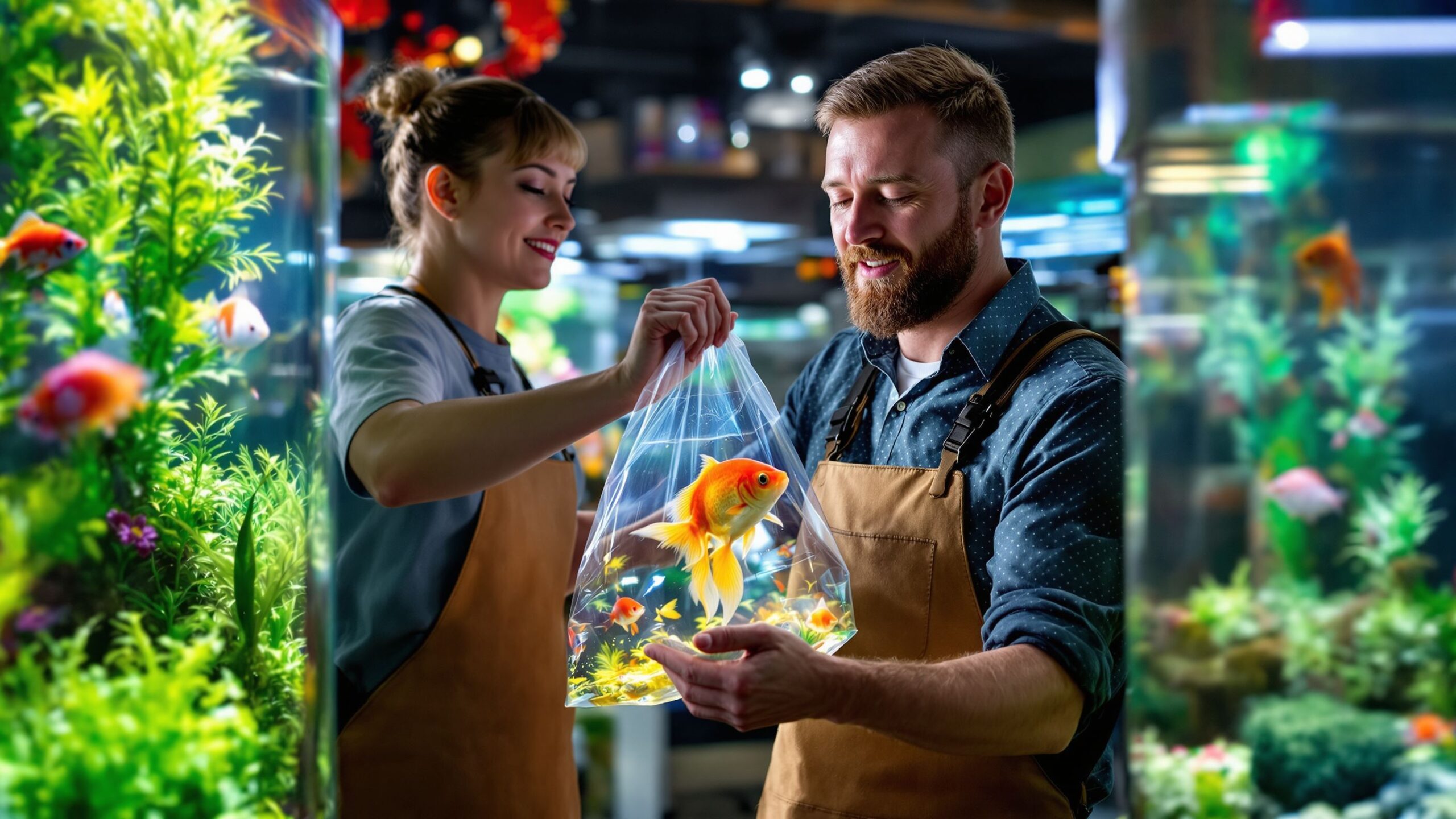
Independent local fish stores may also accept healthy surrendered fish, especially if they have strong quarantine practices. Some stores work directly with fish rescue cases and can help place fish responsibly.
Avoid giving fish to people without a ready tank. Someone planning to buy a bowl or “set something up later” is not prepared for proper fish care.
Ask simple questions about tank size, current fish, filtration, and experience level. Goldfish, plecos, and many common species require much larger environments than most people expect.
The right home protects the fish from ending up in another rescue situation later.
Never Release Freshwater Fish Outdoors
One of the biggest mistakes in fish rescue is releasing unwanted fish into ponds, rivers, lakes, or local streams. This should never happen.
Goldfish, plecos, and many tropical fish have become invasive species because owners believed outdoor release was kind. These fish can spread disease, destroy habitats, and compete with native wildlife.
In many cases, they also suffer because they are not adapted to seasonal temperature changes, predators, or local food sources. Outdoor release often leads to slow suffering rather than survival.
Even small fish can cause large environmental damage over time. Responsible rescue always means controlled aquarium placement, never release into the wild.
Rehoming Large or Difficult Species
Some freshwater fish are much harder to place because they require special care, very large tanks, or experienced handling. Common plecos, oscars, koi, large cichlids, and monster fish species are common examples.
These fish are often purchased small and later become too large for standard home aquariums. Owners may be shocked when a cute juvenile fish grows into a foot-long tank giant.
Aggressive fish or species with unusual diets also require careful placement. They should only go to people who fully understand their needs and have the right setup prepared.
Sometimes pond specialists, advanced hobbyists, or even public aquariums are better options than standard home tanks. Taking longer to find the right placement is always better than rushing into the wrong one.
Large fish deserve the same thoughtful rescue planning as small community fish.
The Emotional Side of Fish Rescue
Fish rescue can be surprisingly emotional. Many people become deeply attached to fish they rescue, especially after nursing them back to health.
Watching a neglected fish recover its color, appetite, and normal behavior creates a strong sense of connection. Even temporary foster situations can feel personal.
At the same time, rehoming a rescued fish can be difficult. Letting go may feel like losing a pet you worked hard to save.
The most important thing to remember is that successful rescue is about the fish’s future, not just the rescuer’s emotions. If another home offers more space, better resources, or a more suitable long-term environment, that choice should come first.
Sometimes the greatest success in fish rescue is knowing when the fish is ready to thrive somewhere else.
Common Rescue Mistakes to Avoid
One of the most common mistakes is moving fish too quickly without preparing a stable tank first. Even rescue situations require planning.
Another mistake is mixing rescued fish directly into established aquariums without quarantine. This can spread disease and create stress for every fish involved.
Poor transport methods, overfeeding stressed fish, and making sudden water chemistry changes can also cause major problems.
Some rescuers underestimate how large certain species will grow, creating another future rehoming problem. Research is essential before committing to permanent care.
Finally, rescuing fish out of sympathy without having the resources to care for them properly can unintentionally create more stress. Good intentions must be supported by good preparation.
Giving Freshwater Fish a Second Chance
Freshwater fish rescue is about more than saving an animal from a bad tank. It is about creating a real opportunity for long-term health, comfort, and proper care.
Every decision matters—from stabilizing the fish during the first stressful hours to choosing the right permanent home. Fish may be quiet pets, but their needs are complex and their wellbeing depends entirely on human responsibility.
A thoughtful rescue can completely change the future of an aquarium fish. Clean water, proper space, stable temperatures, and a peaceful environment can transform a stressed fish into a thriving one.
Responsible rescue means patience, honesty, and a willingness to do what is best for the fish rather than what is easiest in the moment.
Sometimes saving a fish starts with something simple—a better tank, a safer move, or the decision to give it the home it always deserved.
Pet Product Reviews
Explore Duffy Street’s Pet Product Reviews! Sniff out the top-rated toys, treats, gear, and gadgets for your pets with our fun, easy-to-read comparisons. We’ve done the digging so you can find the perfect products for your pet friends!