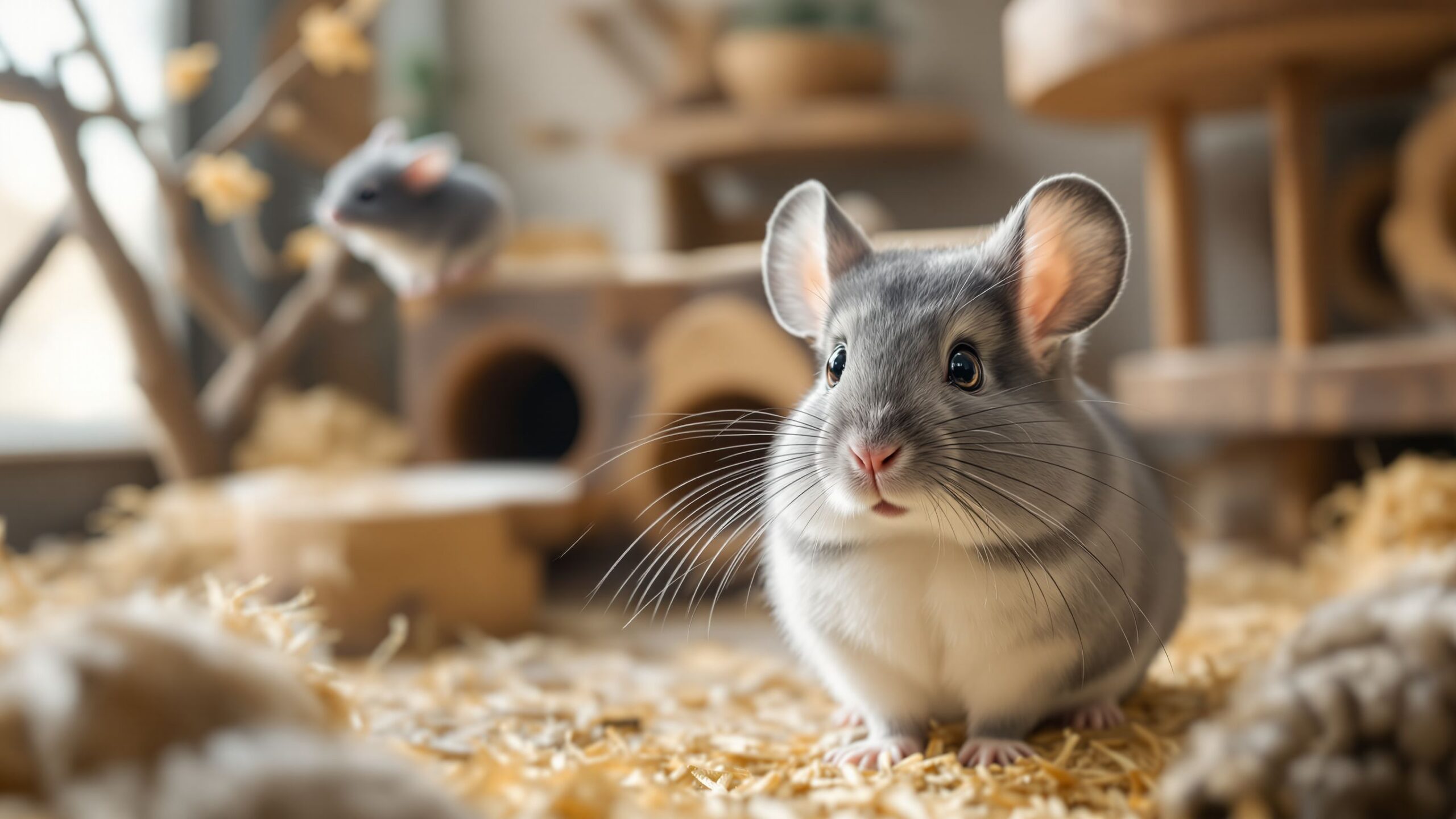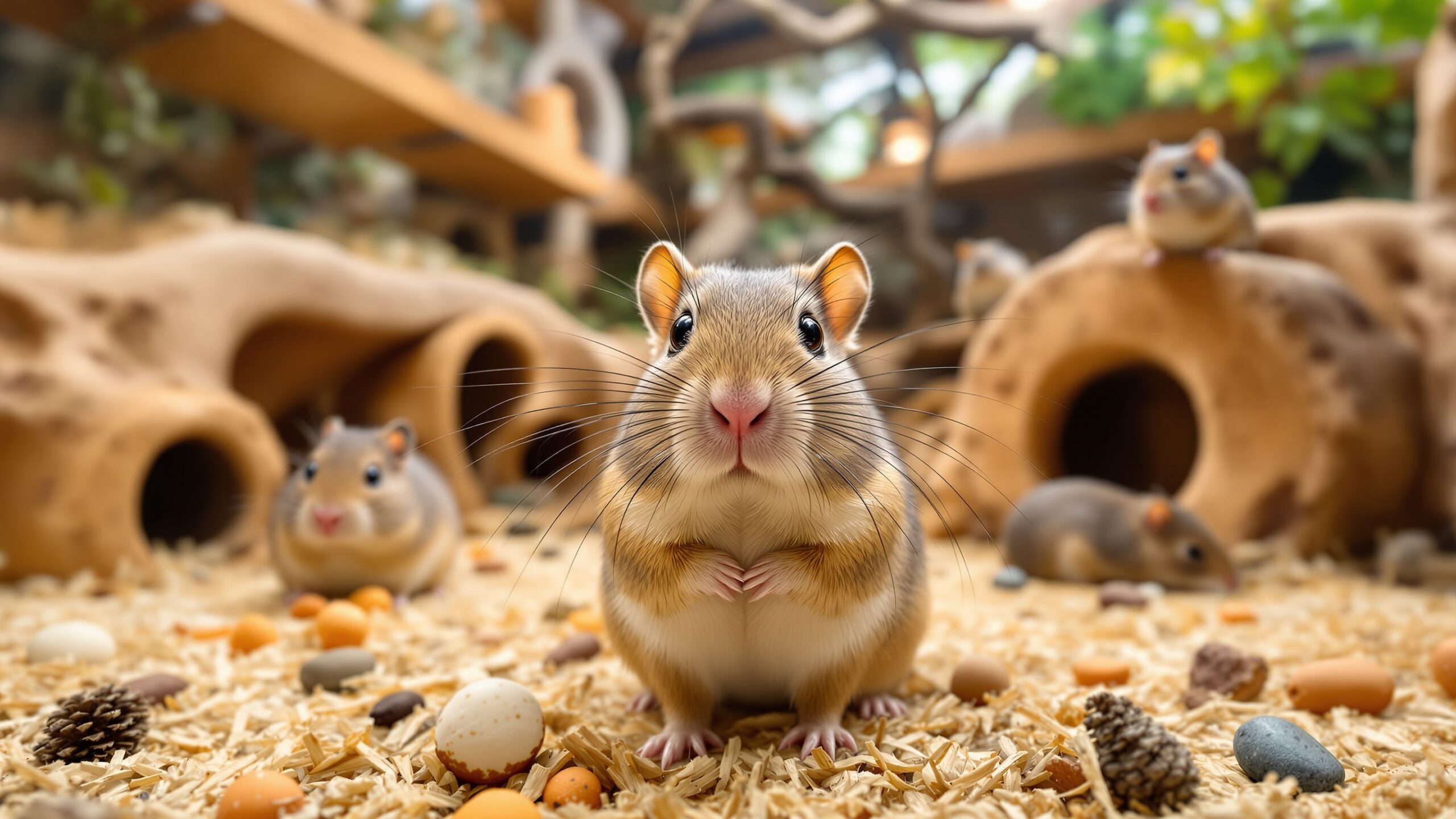
Degus are active, intelligent, highly social rodents that remain less familiar to many pet owners than hamsters, guinea pigs, or chinchillas. Scientifically known as Octodon degus, these small mammals are native to central Chile and have evolved for life in open, dry environments where cooperation, digging, foraging, and communication are important for survival. At first glance, a degu may look like a cross between a gerbil, chinchilla, and small squirrel, but degus belong to their own distinctive branch of the rodent family tree. They have compact brown-gray bodies, rounded ears, long whiskers, strong hind legs, dexterous front paws, and a long tail ending in a darker tuft. Their behavior is equally distinctive. Degus are social, vocal, curious, and capable of learning routines and solving simple problems. They often form strong bonds with other degus and can become comfortable interacting with familiar people. Unlike many small rodents that are most active after dark, degus are generally diurnal or crepuscular, meaning they are often awake during the daytime and early evening. This can make them particularly enjoyable for people who want to observe an active small pet during normal waking hours. However, degus have specialized care requirements, especially when it comes to social housing and diet. They are highly prone to problems associated with sugar metabolism, so sweet treats and sugary foods should be severely limited. They also require spacious housing, companionship, safe chewing materials, exercise, enrichment, and veterinary care from someone familiar with exotic mammals.
A: They can make fascinating companions, but their social needs, specialized low-sugar diet, large habitat requirements, long lifespan, and need for exotic veterinary care make them more demanding than many beginner rodents.
A: Pet degus commonly live around 5 to 8 years, although some individuals may live longer with excellent nutrition, housing, and veterinary care.
A: Generally no. Degus are highly social animals and usually thrive with compatible members of their own species.
A: Fruit is generally avoided because degus are highly susceptible to diabetes and fruit contains naturally occurring sugars.
A: Yes. A suitable dust bath helps remove excess oils from their coats and allows them to perform natural grooming behavior.
A: No. Degus are primarily active during daylight and twilight periods, making them unusual among commonly kept small rodents.
A: Many become comfortable climbing onto hands and interacting with familiar people, but they often prefer voluntary interaction rather than being tightly restrained.
A: No. A degu's tail can be seriously injured if grabbed or pulled, so the body should always be gently and securely supported.
A: Chewing is a normal and necessary behavior that helps satisfy natural gnawing instincts associated with continuously growing teeth.
A: Warning signs include weight loss, poor appetite, excessive drinking, cloudy eyes, drooling, breathing changes, lethargy, poor grooming, or sudden changes in normal behavior.
Where Do Degus Come From?
Degus are native to central Chile, where they inhabit open scrublands, grasslands, rocky areas, and semi-arid environments. Their natural habitat experiences dry conditions, seasonal food availability, and considerable environmental variation. Wild degus spend substantial time foraging above ground but depend on underground burrows for shelter, nesting, temperature regulation, and protection from predators. Their burrow systems can be complex and may be shared by social groups. These underground networks help degus avoid extremes of heat and cold while providing safe locations for raising young. Because degus evolved in environments where food quality and availability can vary, their digestive systems are adapted to fibrous plant material rather than sugary foods. This biological history remains extremely important for domestic care. A degu may enthusiastically accept fruit or sweet commercial treats, but its body is not well adapted to frequent sugar intake.
What Do Degus Look Like?
Degus are medium-sized small mammals with elongated bodies, short dense fur, long tails, rounded ears, and alert dark eyes. Their natural coloration is generally agouti, a mixture of brown, gray, and tan that provides camouflage in dry grass and rocky soil. The underside is usually lighter. Selective breeding has produced additional colors in captivity, including blue-gray, black, cream, and patterned varieties in some populations. One of the most distinctive features is the tail, which is relatively long and ends in a dark tuft. The tail plays an important role in balance and movement but is also extremely delicate. Degus have strong hind legs for running and jumping and nimble front paws that allow them to hold food while eating. Their whiskers help them navigate close spaces and investigate surroundings. Like many rodents, degus have continuously growing teeth, meaning chewing is essential throughout life.
Why Degu Teeth Are Orange
Healthy degu incisors are naturally orange or yellow-orange rather than white. This color comes from iron-containing enamel that strengthens the front surface of the teeth. New owners sometimes assume orange teeth indicate staining or poor dental health, but the coloration is normal. Pale or white incisors can actually be concerning in some circumstances because they may indicate nutritional or dental problems. Degus depend heavily on constant chewing and high-fiber foods to maintain normal tooth wear. Dental disease can become serious when teeth become misaligned, overgrown, or develop abnormal roots. Owners should monitor eating habits carefully because reduced hay intake may be one of the earliest signs of dental pain.
Degus Are Highly Social Animals
Degus are naturally social and generally should not live alone. In the wild, they form complex groups and communicate through vocalizations, scent, grooming, body posture, and physical contact. Compatible degus may sleep together, groom one another, forage side by side, play, and share nesting areas. Human interaction can be valuable, but people cannot fully replace the companionship of another degu. A compatible pair or small group often provides the best social environment. However, introductions must be managed carefully because degus can be territorial and may fight if unfamiliar individuals are placed together suddenly. Same-sex groups are commonly used to avoid accidental breeding, while neutered males may sometimes live with females. Social stability is important, and owners should be prepared for the possibility that group dynamics can change over time.
Degu Personality and Temperament
Degus can be bold, inquisitive, social, energetic, and highly interactive. Some approach people confidently and quickly learn to take food from the hand, while others require considerable patience. Individual personality differences can be dramatic. One degu may investigate every object immediately, while another observes from a distance before joining. Many become familiar with daily routines and may approach the enclosure when they hear a caregiver’s voice or food container. Degus can also be territorial, particularly around nesting sites, favorite resources, or during introductions. Gentle socialization from a young age can help them become more comfortable with handling, but forcing contact can increase fear. Degus often prefer climbing onto a hand voluntarily rather than being grabbed.
Degus Are Active During the Day
One of the most appealing differences between degus and many other small rodents is their daytime activity. Degus are generally diurnal, meaning they are active during daylight hours, although activity often peaks in the morning and late afternoon. This schedule makes them easier to observe than nocturnal hamsters or mice. A degu may spend the morning running, eating hay, grooming companions, chewing wood, climbing, and investigating enrichment before resting for part of the day and becoming active again later. Their daytime schedule can make them appealing to families, but their energy also means they need plenty to do. A bored degu may chew cage bars, repeatedly pace, or direct its energy toward destructive behavior.
Creating the Right Degu Enclosure
Degus require a spacious enclosure that supports running, climbing, digging, chewing, and social interaction. Tall metal cages with multiple solid platforms are commonly used because degus enjoy vertical movement as well as floor activity. The enclosure should be constructed from durable materials because degus can destroy plastic quickly. Plastic shelves, houses, and food bowls may be chewed extensively and can create sharp edges or ingestion risks. Metal, ceramic, untreated wood, and other safe materials are generally preferable. Platforms should be solid rather than exposed wire because wire flooring can damage feet. Large drops should be broken up with intermediate shelves, hammocks, or other safe structures. The enclosure should also include hay, water, hides, chew materials, a sand bath, and an appropriately sized running wheel.
Why Degus Need Space
Degus are active animals that naturally travel while foraging and interacting with their group. A cramped cage severely limits their ability to express normal behavior. Larger enclosures allow different individuals to choose where to eat, rest, and interact, which can also reduce social conflict. Space should include both horizontal running areas and vertical platforms. Multiple hiding places and feeding locations are especially important when housing several degus because one dominant individual should not be able to control every resource. Bigger is generally better when the enclosure remains secure and manageable.
Deep Bedding and Digging
Although degus are enthusiastic climbers, they also have strong digging instincts. In the wild, they depend on burrows for safety and shelter. Providing a deep section of suitable bedding can encourage natural excavation. Paper-based bedding, safe hay, and appropriate low-dust substrates can work well. Degus may create nests, tunnels, and storage areas beneath the surface. Even when a full burrowing setup is difficult, digging boxes filled with safe material can provide enrichment. Bedding should be absorbent and low in dust because degus have sensitive respiratory systems. Strongly scented substrates should be avoided.
Degu Exercise Wheels
Degus are energetic runners and can benefit from a large, solid-surface exercise wheel. The wheel should be big enough that the degu’s back remains relatively straight while running. Small hamster wheels are usually inappropriate. Metal wheels are often preferred because degus may destroy plastic. The running surface should be solid rather than open mesh to reduce foot and limb injuries. If several degus share an enclosure, providing more than one exercise option can help reduce competition. A wheel is valuable, but it does not replace the need for a spacious cage, climbing structures, and other forms of enrichment.
Dust Baths and Grooming
Degus maintain their coats partly through dust bathing, much like chinchillas. A suitable dust bath helps remove excess oils and supports natural grooming behavior. Degus may roll, twist, dig, and kick enthusiastically in the bath. The dust should be formulated for appropriate small mammals and should not be overly fine or irritating. The bath is usually offered regularly rather than left permanently available, especially if the degus begin using it as a toilet. Water bathing is generally unnecessary and can be stressful. Healthy degus groom themselves and one another frequently.
What Do Degus Eat?
Degus are herbivorous rodents with diets naturally centered on fibrous grasses, leaves, bark, roots, and other plant material. High-quality grass hay should form the foundation of the domestic diet and should usually be available at all times. Timothy hay and other suitable grass hays can provide the fiber needed for digestion and dental wear. A measured amount of nutritionally balanced degu pellets or suitable low-sugar chinchilla-type pellets may supplement the diet depending on veterinary guidance and product formulation. Foods high in sugar should be avoided because degus are particularly susceptible to diabetes and related metabolic problems. Fresh water should always be available.
Why Sugar Is Dangerous for Degus
Degus are one of the small mammal species most strongly associated with sugar intolerance and diabetes risk. Their natural diet contains very little concentrated sugar, and their metabolism is poorly suited to frequent sweet foods. Fruit, dried fruit, honey-based treats, sweetened yogurt drops, molasses-heavy snacks, and similar products should generally be avoided. Even some commercial small-animal foods contain unnecessary sugary ingredients. A degu may love a raisin or banana piece, but enthusiasm does not make it appropriate. Long-term high-sugar feeding can contribute to obesity, cataracts, diabetes, and other health problems. Owners should read ingredient labels carefully rather than assuming every product marketed for rodents is suitable.
Hay Is Essential for Degu Health
Hay supports both the digestive system and the teeth. Degus are adapted to constant grazing on fibrous plant material, so long strands of grass hay help keep the gastrointestinal tract moving normally. The extensive chewing required to process hay also supports dental wear. Fresh hay should smell grassy and dry rather than damp, dusty, or moldy. If a degu suddenly stops eating hay, dental disease or another medical problem should be considered. Hay can also serve as enrichment when stuffed into boxes, racks, tunnels, or foraging toys.
Pellets and Fresh Foods
Pellets should complement rather than replace hay. A good pellet should be low in sugar and designed around appropriate fiber levels. Seed-heavy mixes can encourage selective eating, with degus choosing high-fat ingredients while leaving more nutritious components behind. Fresh greens and suitable low-sugar vegetables may be offered in modest amounts depending on individual tolerance and veterinary guidance. Dietary changes should be introduced gradually. Because degus are especially vulnerable to metabolic disease, treats should be chosen far more cautiously than they might be for some other small mammals.
Why Degus Chew So Much
Degus are intense chewers because their teeth grow continuously. Safe wooden items, suitable branches, chew blocks, cork, cardboard, and other degu-safe materials can provide important outlets. Chewing also offers mental stimulation and allows degus to modify their environment. Anything made from plastic may eventually be targeted. Electrical cords, furniture, and household objects must therefore be protected during out-of-cage exercise. A degu that destroys a wooden toy is not misbehaving—it is performing a necessary natural behavior.
Degu Enrichment and Mental Stimulation
Degus are intelligent animals and need more than a wheel and food bowl. Enrichment should encourage climbing, chewing, digging, foraging, hiding, and problem solving. Wooden ledges, cork tunnels, cardboard boxes, branches, hay-filled toys, paper parcels, digging trays, and scatter feeding can all provide stimulation. Food can be hidden around the enclosure to encourage natural searching behavior. Safe objects can be rotated periodically to maintain interest, but the habitat should not be completely rearranged every day because familiar scent and layout provide security.
Degus Can Learn and Solve Problems
Degus are capable learners and can recognize patterns, routines, and familiar people. They may learn to approach on cue, climb onto a hand, enter a carrier, or interact with simple target-training exercises. Positive reinforcement works best. Tiny appropriate food rewards can be used, but sugary treats should never become the training standard. Instead, small pieces of suitable herbs, pellets, or other low-sugar foods may be used. Training can provide excellent mental stimulation while also making health checks and transportation easier.
Degu Communication
Degus are highly vocal compared with many other rodents. They use chirps, squeaks, whistles, trills, alarm calls, and other vocalizations to communicate. Different sounds can express excitement, warning, contact, protest, or social interaction. They also communicate through scent and body language. Bonded degus may groom one another frequently, sleep together, and make soft sounds while interacting. Loud squealing, aggressive chasing, boxing, or biting can indicate conflict. Owners who spend time observing a group often begin recognizing individual patterns and social relationships.
Why Degus Thump and Alarm Call
Degus are prey animals and naturally remain alert to potential danger. Sudden sounds, unfamiliar people, or unexpected movement can trigger alarm behavior. One degu may produce a warning call that causes the others to freeze or retreat. Foot stomping or rapid movement may accompany heightened alertness. These behaviors make sense in the wild, where one attentive group member can warn others about predators. A domestic degu that suddenly becomes alarmed may be responding to a sound or smell that a human barely notices.
Handling a Degu Safely
Degus should be handled gently and preferably allowed to climb onto hands voluntarily. Scooping from below is less threatening than grabbing from above. The body should always be supported securely. Degus can jump suddenly, so handling close to the floor or over a safe surface reduces fall risk. Children should be closely supervised because degus are fast and may become frightened by rough handling. Trust builds more effectively through frequent calm interaction than through forced restraint.
Never Pick a Degu Up by the Tail
A degu’s tail is extremely delicate and should never be used as a handle. Degus have a defensive adaptation known as tail degloving, in which the skin of the tail can detach if the tail is grabbed or pulled. This can allow a wild degu to escape a predator, but in captivity it can cause a severe and permanent injury. The exposed portion of the tail may later dry and be lost. Because the tail does not regrow normally, owners should always support the body and avoid pulling the tail under any circumstances.
Why Degus May Bite
Degus may bite when frightened, cornered, territorial, in pain, or unfamiliar with handling. A degu that has not yet learned to trust people may defend itself if grabbed. Hands that smell like food can also encourage exploratory nipping. Punishment should never be used because it increases fear. Instead, owners should slow the interaction, allow voluntary approaches, and reward calm behavior. If a previously friendly degu becomes suddenly aggressive, pain or illness should be considered.
Grooming and Hygiene
Degus are naturally clean and spend considerable time grooming themselves and their companions. Dust baths support coat care, and routine water bathing is generally unnecessary. Their short coats usually require little direct grooming from people. Regular handling and observation can still help identify hair loss, scabs, skin irritation, lumps, or wounds. Social grooming is particularly important and helps reinforce bonds within the group.
Common Degu Health Problems
Degus can develop dental disease, diabetes, cataracts, respiratory infections, foot problems, skin disorders, tumors, digestive problems, and other conditions. Dental disease is especially significant because the teeth grow continuously. Diabetes is another major concern because of their unusual sugar metabolism. Cataracts can sometimes be associated with diabetes and may cause the eyes to appear cloudy or white. Respiratory illness may cause sneezing, discharge, noisy breathing, or reduced activity. Foot problems can develop on inappropriate wire surfaces. Any major change in appetite, weight, thirst, urination, activity, breathing, or appearance should receive veterinary attention.
Diabetes and Cataracts in Degus
Diabetes is one of the best-known medical concerns in degus. Excessive thirst, increased urination, weight changes, lethargy, and cataract development may be warning signs. Cataracts can cause the normally dark eye to become cloudy or opaque. Not every cataract is caused by diabetes, but the association is important. Avoiding sugary foods is a key preventive strategy, though genetics and other factors can also influence risk. Veterinary evaluation is necessary when symptoms develop.
Dental Disease in Degus
Degu dental disease can involve both the visible incisors and the less-visible cheek teeth. Overgrowth, malocclusion, abnormal roots, or sharp points can make eating painful. Symptoms may include drooling, wet fur around the mouth, reduced hay consumption, weight loss, dropping food, eye discharge, or pawing at the mouth. Because cheek teeth are difficult to inspect without appropriate equipment, normal-looking front teeth do not guarantee dental health. Regular weight monitoring and attention to food intake can help catch problems earlier.
Why Degus Hide Illness
As prey animals, degus may conceal illness until a problem becomes serious. Changes in routine can therefore be especially important. A degu that suddenly separates from companions, stops using the wheel, eats less hay, sleeps excessively, or becomes unusually quiet may be unwell. Regular weight checks can help identify gradual loss before it becomes visually obvious. Owners should also monitor droppings, breathing, drinking, coat quality, and social behavior. Finding an exotic-animal veterinarian experienced with degus before an emergency occurs is highly recommended.
Degu Reproduction
Degus reproduce more slowly than mice or hamsters but can still produce multiple offspring. Pregnancy lasts approximately three months. Babies are born relatively well developed compared with many other rodents, with fur and open eyes. They are able to move soon after birth but still depend on the mother for nursing and social development. Breeding should not be undertaken casually because social group management, genetics, maternal health, housing, and long-term placement require expertise.
Baby Degus
Baby degus are called pups and are precocial, meaning they are relatively mature at birth. Their fur is already present, their eyes are open, and they begin moving around quickly. They may begin nibbling solid food while still nursing. Their early social experiences are important because degus learn behaviors from family members. Young animals should not be separated prematurely simply because they appear physically independent.
How Long Do Degus Live?
Degus are relatively long-lived compared with hamsters, mice, and rats. Many domestic degus live around five to eight years, and some may live longer with favorable genetics and excellent care. Lifespan is influenced by diet, dental health, genetics, social stability, housing, and access to veterinary treatment. Their longevity makes them a significant commitment. A degu adopted for a child could still be living many years later, even after the child’s interests or circumstances change. Senior degus may need lower platforms, easier access to food and water, softer surfaces, and closer monitoring for dental and metabolic disease.
Degus as Pets for Children
Degus can make fascinating family pets, particularly for older children who enjoy watching social behavior and learning animal care. Their daytime activity can make them easier to observe than nocturnal rodents. However, they are not ideal pets for very young children because they are fast, delicate, and can be injured by improper handling. Their specialized diet also requires consistent adult oversight. Adults should remain responsible for veterinary care, cleaning, nutrition, social housing, and safety. Children can help provide hay, prepare enrichment, scatter food, and interact under supervision.
Can Degus Live With Other Small Pets?
Degus should generally be housed only with compatible members of their own species. They should not share cages with chinchillas, guinea pigs, rabbits, hamsters, rats, gerbils, or mice. Each species has different dietary, social, environmental, and medical needs. Even species that appear similar can injure or stress one another. Dogs and cats should also be kept away from degu play areas because predator instincts can activate unexpectedly. A secure species-specific habitat is always the safest option.
Degu Odor and Cleanliness
Degus are relatively clean animals and generally have modest body odor when housed properly. However, urine, soiled bedding, food waste, and dirty shelves can create odor if maintenance is neglected. Spot cleaning, replacing wet bedding, washing safe cage accessories, and maintaining good ventilation help control smell. Over-cleaning can remove every familiar scent and cause more territorial marking, so preserving some clean familiar bedding during larger cleanouts can be helpful.
Fascinating Degu Facts
Degus have several remarkable traits. Their scientific name, Octodon degus, refers in part to the figure-eight shape visible on the chewing surface of certain teeth. Their incisors are naturally orange because of iron-rich enamel. They are highly social, often active during the day, and capable of learning complex routines. Their tails can shed skin as a defensive mechanism, and they are unusually sensitive to sugar compared with many other small mammals. Degus communicate through a rich vocabulary of sounds and social behaviors, and they can recognize familiar individuals within their group. They may live for many years and form stable relationships with both companions and caregivers.
Choosing Between Adoption and Buying
Degus are less commonly available than hamsters or guinea pigs, but they may be found through exotic-pet rescues, shelters, specialty breeders, and occasionally pet stores. Adoption is worth considering because degus are sometimes surrendered after owners underestimate their lifespan, social needs, or specialized diet. Rescues may offer bonded pairs or groups and can provide valuable information about personality and health. Responsible breeders should prioritize healthy genetics and appropriate socialization. Regardless of source, degus should appear alert, active, clean, and interested in their surroundings when awake. Their breathing should be quiet, eyes clear, teeth properly colored, and coat healthy.
What to Know Before Getting Degus
Prospective owners should be prepared to keep more than one compatible degu, provide a spacious durable enclosure, supply abundant grass hay, avoid sugary foods, offer dust baths, and provide extensive enrichment. They should expect significant chewing and should minimize plastic throughout the habitat. A large exercise wheel, safe climbing areas, multiple hides, and chew materials are also important. Owners should identify a veterinarian experienced with exotic mammals before bringing degus home. Travel care, long-term costs, social introductions, and the possibility of medical issues such as dental disease or diabetes should all be considered in advance.
The Remarkable World of Degus
Degus are among the most fascinating small companion mammals for people willing to meet their specialized needs. Beneath their squirrel-like appearance is an intelligent, social, highly active rodent shaped by the dry landscapes of central Chile. Understanding Octodon degus means appreciating an animal designed to forage, dig, climb, chew, communicate, cooperate, and spend much of its life interacting with companions. Degus need generous space, constant access to appropriate hay, very low-sugar nutrition, safe chewing materials, social companionship, dust baths, enrichment, and attentive veterinary care. In return, owners can watch a lively miniature society unfold as degus groom one another, chatter across the enclosure, race on wheels, dig through bedding, carry food in their paws, investigate every new object, and rush toward familiar people at feeding time. Their combination of intelligence, daytime activity, social complexity, and distinctive biology makes degus one of the most rewarding and unusual small mammals for dedicated owners.
Pet Product Reviews
Explore Duffy Street’s Pet Product Reviews! Sniff out the top-rated toys, treats, gear, and gadgets for your pets with our fun, easy-to-read comparisons. We’ve done the digging so you can find the perfect products for your pet friends!