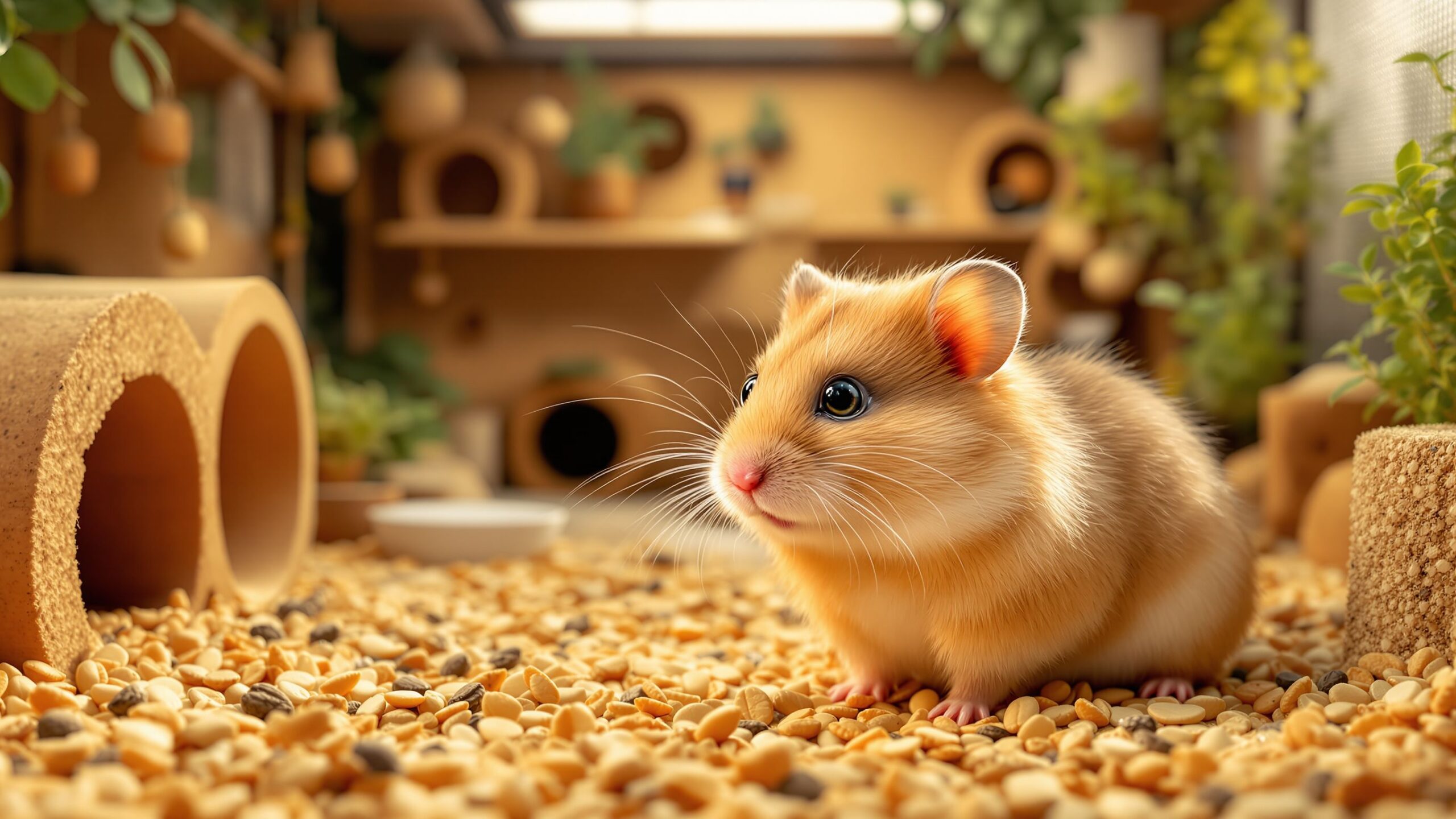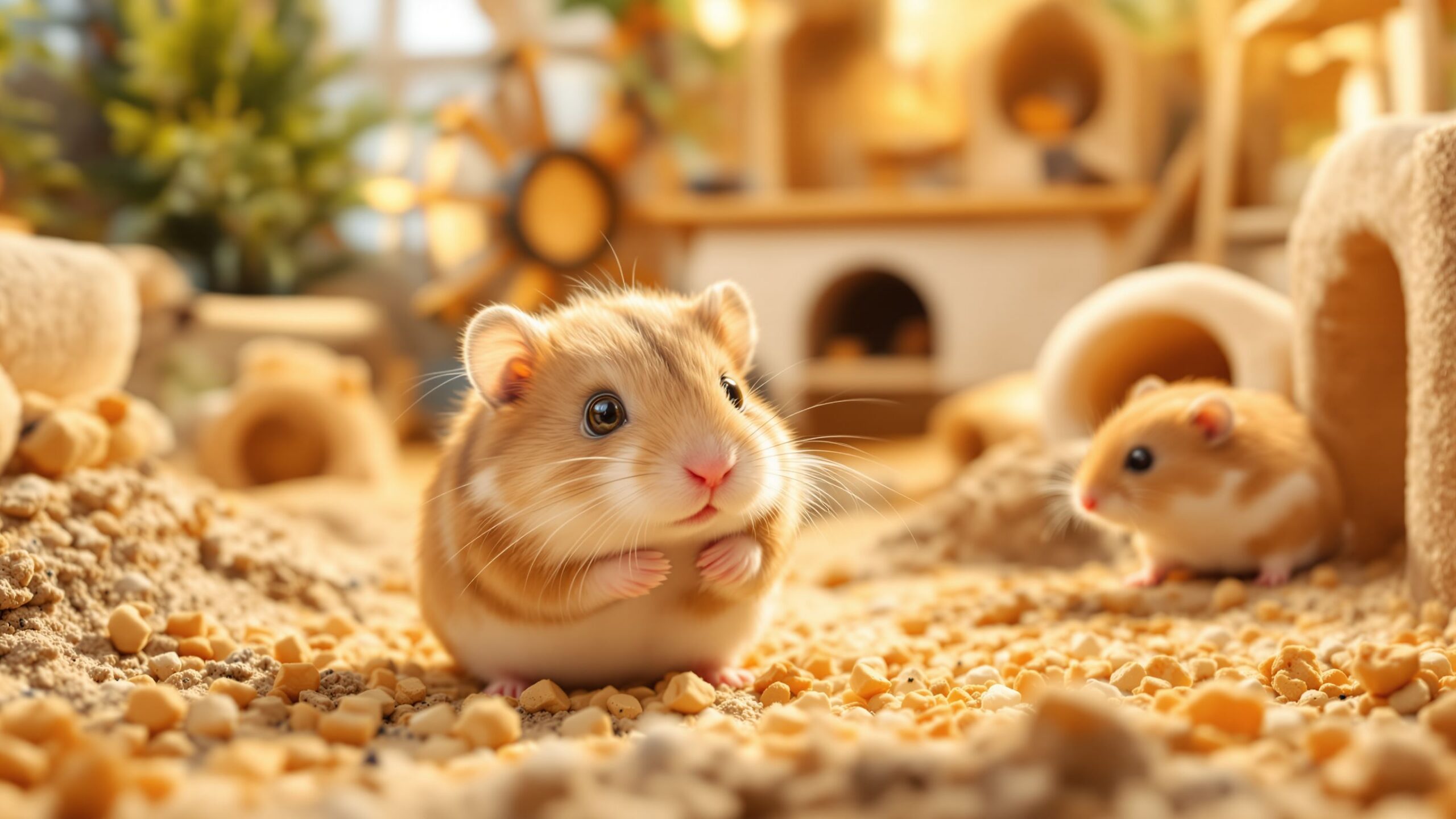
Dwarf hamsters are among the smallest and most energetic companion rodents commonly kept as pets. Unlike the Syrian hamster, which represents a single commonly kept species, the term “dwarf hamster” can refer to several different species, including the Campbell’s dwarf hamster (Phodopus campbelli), Winter White dwarf hamster (Phodopus sungorus), and Roborovski hamster (Phodopus roborovskii). Chinese hamsters are also sometimes grouped with dwarf hamsters in the pet trade, although they belong to a different genus and are biologically distinct. Their tiny bodies, quick movements, rounded ears, short legs, soft fur, and curious expressions make them highly appealing, but their small size does not mean their needs are small. Dwarf hamsters require generous floor space, deep bedding for burrowing, a properly sized exercise wheel, a sand bath, balanced nutrition, enrichment, and careful handling. Some species may tolerate carefully managed social housing under limited circumstances, while others are safer alone, and even apparently compatible pairs can fight. Because of this, understanding the specific species is extremely important. These tiny animals are fast, intelligent, and surprisingly complex, often spending their evenings running, digging, gathering food, grooming, and exploring every inch of their environment.
A: Yes. They can be entertaining beginner pets, but their small size and speed mean they require patient handling, secure housing, and careful observation.
A: Most live around 1.5 to 3 years, depending on species, genetics, nutrition, environment, and veterinary care.
A: Some species may tolerate compatible same-sex companions, especially when raised together, but fighting can develop unexpectedly and permanent separation may become necessary.
A: They are generally most active during the evening and nighttime, although they may wake and explore for shorter periods during the day.
A: Food hoarding is a natural survival behavior inherited from wild hamsters that store food inside protected burrows.
A: Some become comfortable with gentle handling, while others remain very active and prefer climbing across hands rather than sitting still.
A: Yes. A suitable hamster-safe sand bath helps maintain the coat and provides valuable digging enrichment.
A: The wheel should be large enough for the hamster to run comfortably with a natural, relatively straight back.
A: Biting may result from fear, territorial behavior, sudden handling, unfamiliar scents, pain, or insufficient taming.
A: Warning signs include reduced appetite, weight loss, labored breathing, diarrhea, unusual lumps, excessive drinking, lethargy, poor grooming, or sudden behavioral changes.
What Species Are Called Dwarf Hamsters?
The phrase “dwarf hamster” is a broad pet-care term rather than the name of one single species. The Campbell’s dwarf hamster, Phodopus campbelli, originated in areas of Central Asia, including parts of Mongolia, northern China, and nearby regions. The Winter White dwarf hamster, Phodopus sungorus, comes from parts of Kazakhstan, Siberia, and surrounding areas and is famous for its ability to develop a lighter winter coat under certain natural conditions. The Roborovski hamster, Phodopus roborovskii, is one of the smallest and fastest commonly kept hamsters and originates from dry regions of Central Asia. Chinese hamsters, Cricetulus griseus, are longer and more mouse-like in appearance and are not true members of the genus Phodopus, although pet stores sometimes place them in the same general category. These species differ in size, temperament, coloration, activity level, and social behavior. Treating every dwarf hamster as identical can lead to mistakes, especially when it comes to housing and handling.
Where Do Dwarf Hamsters Come From?
Dwarf hamsters evolved in some of the harshest regions of Asia, including grasslands, steppes, semi-deserts, and cold continental environments. These habitats can experience dramatic temperature changes, limited vegetation, and seasonal scarcity. Their small bodies and burrowing lifestyles help protect them from predators and environmental extremes. In the wild, dwarf hamsters often construct underground tunnel systems containing nesting chambers, food stores, and escape routes. Their ability to gather and hoard food allows them to survive periods when resources are less abundant. Pet dwarf hamsters retain these instincts even when food arrives reliably every day. Given enough bedding, they may build elaborate nests, create pantry areas, and transport food through the enclosure using their expandable cheek pouches.
What Do Dwarf Hamsters Look Like?
Dwarf hamsters have compact, rounded bodies with short legs, small ears, prominent whiskers, and very short tails. They are significantly smaller than Syrian hamsters, which makes their speed and agility especially impressive. Campbell’s and Winter White dwarf hamsters often have a dark stripe running along the back, while Roborovski hamsters typically lack the same strong dorsal stripe and may have distinctive pale markings around the face. Roborovskis are particularly tiny and can be incredibly fast. Chinese hamsters have more elongated bodies and slightly longer visible tails than the Phodopus species. Coat colors vary depending on species and breeding. Domestic dwarf hamsters may appear gray, brown, sandy, white, pearl, blackish, blue-gray, mottled, or combinations of these shades. Their small size can make them look delicate, but they are highly active animals built for digging, running, and rapid movement.
Campbell’s Dwarf Hamsters
Campbell’s dwarf hamsters are compact, energetic rodents with a reputation for bold personalities. Their natural coloration is generally gray-brown with a darker dorsal stripe, but selective breeding has produced many additional colors and patterns. Campbell’s hamsters can become very comfortable around people when gently socialized, though some individuals are more prone to defensive nipping than others. Their social behavior is more complex than that of Syrian hamsters. Some Campbell’s hamsters have historically been kept in same-sex pairs or groups, particularly when raised together, but compatibility is never guaranteed. Serious fighting can develop even between animals that previously appeared bonded. Many modern keepers therefore choose individual housing because it eliminates the risk of sudden aggression. Campbell’s hamsters are also known for being more susceptible to diabetes than some other hamster species, making diet quality and sugar intake especially important.
Winter White Dwarf Hamsters
Winter White dwarf hamsters are closely related to Campbell’s hamsters and share a similar rounded body shape. Their common name comes from their ability to develop a much lighter winter coat under natural seasonal conditions. In the wild, shorter daylight hours can trigger changes that help them blend into snowy environments. Domestic Winter Whites do not always display a dramatic seasonal transformation because indoor lighting and selective breeding can alter this response. Their natural coloration often includes a dark dorsal stripe and grayish coat, while domestic varieties may display pearl or sapphire-like shades. Genuine pure Winter Whites can be difficult to distinguish from Campbell’s hamsters in the pet trade because hybridization between the two species has occurred extensively. Many animals sold as one or the other may actually have mixed ancestry.
Roborovski Hamsters
Roborovski hamsters are among the smallest commonly kept hamsters and are famous for their extraordinary speed. They originated in dry desert and semi-desert regions of Central Asia and are built for constant movement. Roborovskis are often less interested in prolonged handling than larger hamster species, making them especially appealing to people who enjoy watching natural behavior. They may spend much of the night running, digging, exploring, and foraging. Their speed can make them challenging for young children or inexperienced handlers because a frightened Roborovski can disappear from an open hand in an instant. Many become comfortable with a caregiver’s presence and may take food from the hand, but not every individual will enjoy being picked up. Their enrichment needs are substantial despite their tiny body size.
Chinese Hamsters and Why They Are Different
Chinese hamsters are sometimes marketed alongside dwarf hamsters because of their small size, but they are biologically distinct. Scientifically known as Cricetulus griseus, they have longer, slimmer bodies and more noticeable tails than the compact Phodopus dwarf species. Their appearance can seem somewhat mouse-like compared with other hamsters. Chinese hamsters are generally agile climbers and may use their tails to help with balance. They can become gentle and interactive with careful socialization, although individual temperament varies. Like other hamster species, they require secure housing, deep bedding, a proper wheel, and enrichment. Their inclusion under the broad “dwarf hamster” label can create confusion, so prospective owners should identify exactly which species they are caring for.
Dwarf Hamster Personality and Temperament
Dwarf hamsters can be bold, curious, nervous, energetic, independent, or surprisingly affectionate depending on species and individual personality. Some quickly learn to approach a familiar hand, while others remain more comfortable interacting from the safety of their enclosure. Roborovskis are often especially fast and less interested in cuddling, while Campbell’s and Winter Whites may become more manageable with regular gentle handling. Because all hamsters are prey animals, they can become frightened when grabbed suddenly or approached from above. A hamster that bites is not necessarily aggressive by nature. It may be frightened, newly arrived, awakened suddenly, or reacting to a hand that smells like food. Trust builds through patience rather than force. Allowing the hamster to approach voluntarily, offering tiny treats, and moving slowly are much more effective than repeated grabbing.
Are Dwarf Hamsters Social?
This is one of the most complicated questions in dwarf hamster care. Unlike adult Syrian hamsters, which should generally always be housed alone, some dwarf species have historically been kept in compatible same-sex pairs or small groups. However, social housing is not guaranteed to remain peaceful. Even siblings raised together can suddenly begin fighting as they mature or as territorial relationships change. Serious fights can happen quickly and may result in injury or death. Roborovski, Campbell’s, and Winter White hamsters may sometimes coexist under carefully controlled conditions, but solitary housing is usually the lowest-risk option for pet owners. If multiple hamsters are housed together, the enclosure must provide ample space, duplicate resources, multiple hides, and immediate separation if aggression develops. Owners should never assume two hamsters are “lonely” simply because they live separately. A solitary dwarf hamster can thrive when provided with a rich environment and regular gentle interaction.
Creating the Right Dwarf Hamster Habitat
A dwarf hamster’s small body does not justify a tiny cage. These animals are highly active and naturally travel substantial distances while foraging. A good enclosure should provide generous uninterrupted floor space, deep bedding, a full-sized solid wheel, a sand bath, several hides, tunnels, food, water, and enrichment. Small plastic cages connected by narrow tubes often provide less usable space than they appear to. Larger tank-style habitats, bin-style enclosures with excellent ventilation, or appropriately designed wire cages can provide better environments. Bar spacing must be extremely narrow because dwarf hamsters can squeeze through tiny gaps. The enclosure should allow the hamster to move naturally without forcing constant climbing. Vertical height can be useful for bedding depth, but dwarf hamsters are fundamentally ground-dwelling burrowers.
Deep Bedding and Burrowing
Burrowing is one of the most important natural behaviors dwarf hamsters perform. In the wild, underground tunnels protect them from predators, temperature extremes, and weather. A shallow layer of bedding does not allow meaningful burrow construction. Providing a deep section of compactable, low-dust bedding allows hamsters to dig tunnels, create sleeping chambers, and store food underground. Paper-based bedding is widely used because it is soft and can hold burrow structures when packed appropriately. Some safe wood-based beddings can also work. Strong fragrances and dusty materials should be avoided because hamsters have sensitive respiratory systems. Owners may notice that a hamster repeatedly rebuilds its tunnels or relocates its nest. This is normal behavior and part of how the animal controls its environment.
Choosing the Right Exercise Wheel
A running wheel is essential for most dwarf hamsters. Even though they are tiny, they can run considerable distances during the night. The wheel should be large enough to allow the hamster’s back to remain relatively straight while running. Wheels that are too small can force an unnatural curved posture. The surface should be solid rather than made of exposed wire or mesh. Stability matters because lightweight wheels can tip or shift during rapid running. Roborovski hamsters in particular may spend extraordinary amounts of time on a wheel. The wheel should complement, not replace, a spacious enclosure with opportunities to dig and forage.
Sand Baths Are More Than Grooming
Dwarf hamsters benefit from access to a suitable sand bath. They may roll, dig, groom, sit, or even use part of the area as a toilet. Sand can help absorb oils from the coat and supports natural behavior. Dust products should be avoided because fine particles can irritate the respiratory system. A sufficiently large sand area can also become a major enrichment feature, especially for Roborovski hamsters, which often spend significant time digging and moving through sand. Some owners create large sand sections rather than offering only a tiny dish. Whatever setup is used, the material should remain clean and dry.
What Do Dwarf Hamsters Eat?
Dwarf hamsters are omnivorous and naturally consume a combination of seeds, grains, grasses, plant material, and small amounts of animal-based protein. A balanced commercial hamster food should usually form the nutritional foundation. High-quality seed mixes can encourage foraging, while uniform blocks or pellets can reduce selective eating. A carefully balanced diet may combine both depending on nutritional quality. Fresh vegetables can be offered in small portions. Suitable choices may include cucumber, broccoli, leafy greens, bell pepper, and tiny pieces of carrot. Fruit should generally be limited because of its sugar content, especially for species or genetic lines with increased diabetes risk. Fresh water must always be available.
Dwarf Hamsters and Diabetes Risk
Campbell’s dwarf hamsters and some hybrids can be particularly susceptible to diabetes. Because many pet-store dwarf hamsters have mixed Campbell’s and Winter White ancestry, owners should be cautious with high-sugar foods even when the exact genetics are unknown. Frequent fruit, sugary treats, honey-based snacks, and heavily sweetened commercial products are generally poor choices. A balanced diet emphasizing appropriate seeds, grains, pellets, vegetables, and protein sources is more suitable. Signs of diabetes can include excessive drinking, increased urination, weight changes, lethargy, or unusual appetite patterns. Veterinary evaluation is important if these symptoms appear. Diet cannot prevent every case because genetics also matter, but avoiding unnecessary sugar is a sensible part of care.
The Amazing Cheek Pouches
Like other hamsters, dwarf hamsters have expandable cheek pouches that they use to transport food and nesting materials. Watching a tiny hamster pack both cheeks can be especially dramatic because the head can appear almost twice its usual width. The pouches extend backward along the sides of the head and are designed for temporary storage rather than digestion. Hamsters gather food and carry it back to secure locations, often creating hidden pantries beneath the bedding. Sticky foods should be avoided because they may become lodged in the pouch. Persistent swelling or inability to empty a cheek pouch may require veterinary treatment.
Food Hoarding Is Normal
Dwarf hamsters often create hidden food stores inside nests or underground tunnels. This behavior is deeply instinctive and should not be mistaken for wastefulness. Wild hamsters collect food whenever it is available because future resources are uncertain. Domestic hamsters continue the same behavior even when food arrives on a predictable schedule. Owners should avoid constantly destroying dry food stores unless necessary for hygiene. Fresh vegetables and other foods that can spoil should be removed if hidden for too long. During cleaning, preserving some familiar dry food and nesting material can reduce stress.
Scatter Feeding and Foraging
Scatter feeding is an excellent enrichment strategy for dwarf hamsters. Instead of placing all dry food into a bowl, owners can distribute portions through clean bedding or around the enclosure. The hamster must then search, dig, and gather food using its powerful sense of smell. Food can also be hidden inside cardboard tubes, cork tunnels, or simple paper parcels. This turns an everyday necessity into a natural behavior. Seed sprays and safe dried plants can also encourage foraging when used appropriately. A bowl can still be useful for monitoring certain foods, but it does not need to be the only feeding method.
Why Dwarf Hamsters Chew
Hamster incisors grow continuously throughout life, so chewing is essential. Safe wooden chews, cardboard, cork, suitable branches, and other hamster-safe materials should always be available. Chewing helps support dental wear and provides mental stimulation. Plastic accessories can become damaged quickly if gnawed and may develop sharp edges. Owners should inspect enrichment regularly and replace anything unsafe. A hamster that destroys cardboard overnight is not misbehaving; it is performing a natural and necessary behavior.
Enrichment for Dwarf Hamsters
A good dwarf hamster enclosure should offer many choices. Tunnels, multi-chamber hides, cork bark, cardboard, sprays, forage, sand, deep bedding, wooden bridges, and safe chew materials can create a complex environment. Hamsters should be able to hide completely, dig, search for food, and choose among several resting locations. Enrichment does not need to be expensive. A cardboard tube or small plain box can provide hours of chewing and exploration. The enclosure should not be stripped and redesigned constantly because hamsters rely heavily on familiar scent pathways, but occasional new items can provide useful novelty.
Dwarf Hamsters Are Primarily Active at Night
Dwarf hamsters are generally most active during the evening and nighttime, although individual routines vary. They may wake briefly throughout the day to drink, eat, or change sleeping positions, then become much more active after dark. Owners should avoid repeatedly waking a sleeping hamster for play. Sudden disturbances can cause stress and defensive biting. Their nighttime schedule also means they can be surprisingly noisy bedroom pets. Wheels, digging, chewing, food gathering, and enclosure rearranging may continue for hours after the lights go out.
Handling a Dwarf Hamster Safely
Handling dwarf hamsters can be challenging because they are extremely small and fast. Sitting close to the floor or over a secure play area is safer than standing while holding one. A hamster should ideally be allowed to climb onto the hand voluntarily rather than being grabbed. Scooping gently with both hands can work once the animal is comfortable. A small cup, tunnel, or container can also be used to transfer a nervous hamster without chasing it. Never lift a hamster by a leg or other body part. Children require close supervision because a frightened dwarf hamster can leap from the hands almost instantly.
Why Dwarf Hamsters Bite
Biting is usually a defensive response rather than a personality flaw. A hamster may bite because it feels cornered, was awakened suddenly, smells food on a person’s fingers, or has not yet learned that hands are safe. Some Campbell’s and hybrid hamsters may be more prone to territorial nipping than other species, but handling history matters enormously. Washing hands before interaction, approaching slowly, offering treats, and allowing voluntary contact can help. Punishment should never be used because it increases fear and makes future biting more likely.
Dwarf Hamster Communication
Dwarf hamsters communicate through scent, posture, movement, and sound. Squeaking may occur during fear, irritation, social conflict, or excitement. Teeth chattering can indicate agitation. Scent marking is particularly important because hamsters use chemical signals to understand territory and reproductive status. A hamster may rub parts of its body against objects or repeatedly investigate scent-marked areas. Body language can be subtle. A relaxed hamster explores normally and grooms, while a frightened one may flatten, freeze, flee, or defend itself. Understanding these cues helps reduce stressful interactions.
Grooming and Coat Care
Dwarf hamsters are naturally clean animals that groom themselves extensively. Routine water baths are generally unnecessary and can be stressful. A suitable sand bath provides a safer grooming option. Their short coats usually require little maintenance, though older or ill hamsters may sometimes need help staying clean. Owners should use regular observation to check for bald patches, greasy fur, scabs, swelling, eye discharge, or unusual skin changes. Persistent scratching or hair loss may indicate parasites, irritation, or another medical problem.
Common Health Problems in Dwarf Hamsters
Dwarf hamsters can develop dental disease, respiratory infections, tumors, skin disorders, parasites, diabetes, eye problems, digestive illness, and age-related conditions. Their tiny body size means illnesses can progress quickly. Respiratory problems may cause sneezing, clicking, discharge, or difficulty breathing. Dental disease can cause drooling, weight loss, reduced food intake, or overgrown incisors. Tumors can occur in older animals and may appear as new lumps or swelling. Diabetes is an especially important concern in Campbell’s hamsters and hybrids. Any major change in appetite, drinking, urination, activity, body weight, or breathing should receive veterinary attention.
Why Dwarf Hamsters Hide Illness
Like other prey animals, dwarf hamsters are naturally inclined to hide weakness. A hamster may continue appearing relatively normal even when a health problem is developing. Owners should learn their individual animal’s normal routine. If a hamster that usually runs every night suddenly stays hidden, leaves food untouched, stops grooming, or moves slowly, something may be wrong. Regular weight checks can reveal gradual loss that is difficult to see beneath fur. A hunched posture, rough coat, abnormal breathing, diarrhea, excessive thirst, or unusual aggression can all indicate illness. Having access to a veterinarian experienced with small mammals is important because not every clinic routinely treats hamsters.
Wet Tail and Digestive Illness
Severe diarrhea in hamsters can become dangerous quickly. The condition popularly called “wet tail” is most commonly associated with young Syrian hamsters, but dwarf hamsters can also experience serious diarrhea from infections, stress, dietary problems, or other causes. A wet or heavily soiled rear end, lethargy, refusal to eat, dehydration, or weakness should not simply be monitored for several days. Small rodents can deteriorate rapidly and require prompt veterinary care. Clean drinking water, stable temperatures, and a balanced diet support digestive health, but serious symptoms need professional evaluation.
Dwarf Hamster Reproduction
Dwarf hamsters reproduce quickly, which is one reason mixed-sex housing is risky. Pregnancy lasts only a few weeks, and females can produce multiple pups. Newborn hamsters are hairless, blind, and completely dependent on their mother. Disturbing the nest excessively shortly after birth can cause significant stress. Accurate sexing is essential because a single mistake can result in an unexpected litter. Breeding should never be undertaken casually. Responsible breeding requires knowledge of genetics, maternal health, hybridization, inherited disease risk, pup development, and long-term placement.
How Long Do Dwarf Hamsters Live?
Most dwarf hamsters live approximately one and a half to three years, though lifespan varies by species and individual. Roborovski hamsters may sometimes reach the upper end of this range or beyond, while other dwarf hamsters may have shorter lives depending on genetics and health. Their short lifespan means they age rapidly. A hamster can move from young adulthood to senior status within a surprisingly brief period. Older animals may sleep more, run less, lose muscle, or develop age-related disease. Senior habitats may need simpler layouts, lower obstacles, and easier access to food and water.
Dwarf Hamsters as Pets for Children
Dwarf hamsters can be fascinating family pets, but their tiny size and speed make them challenging for young children. A frightened hamster can leap from a hand or disappear behind furniture within seconds. Children may also be disappointed if the hamster sleeps during much of the day. Adults should remain responsible for feeding, cleaning, veterinary care, enclosure maintenance, and safe handling. Older children who enjoy observing natural behavior and can respect a hamster’s sleep schedule may find them especially rewarding. A dwarf hamster should never be viewed as a disposable starter pet simply because it is inexpensive or small.
Can Dwarf Hamsters Live With Other Small Pets?
Dwarf hamsters should not share an enclosure with other species such as mice, gerbils, rats, guinea pigs, or Syrian hamsters. Each species has different social behavior, nutrition, communication, and territorial needs. Even different dwarf hamster species should not be mixed. Housing unrelated species together creates unnecessary risks of injury, stress, competition, and disease transmission. A hamster is safest in a habitat designed specifically for its own species.
Fascinating Dwarf Hamster Facts
Dwarf hamsters are packed with remarkable adaptations. Their cheek pouches allow them to transport substantial amounts of food despite their tiny size. Their whiskers help them navigate dark tunnels, while their sense of smell provides detailed information about food, territory, and other animals. Their incisors never stop growing, and their powerful hind legs help them move rapidly across open terrain. Roborovski hamsters are particularly impressive runners and can appear almost impossibly fast when startled. Winter White hamsters can undergo seasonal coat changes under natural environmental conditions. Campbell’s hamsters possess adaptations for harsh continental climates. These tiny animals may weigh only a few ounces, but their biology reflects thousands of generations of survival in demanding environments.
Choosing Between Adoption and Buying
Dwarf hamsters can be found through small-animal rescues, shelters, responsible breeders, and pet stores. Adoption is worth considering because hamsters are frequently surrendered after owners underestimate their care requirements. Rescues may know valuable information about temperament, age, health, and species. Responsible breeders can provide more reliable genetic and species information, which is especially valuable when distinguishing pure Campbell’s or Winter White lines from hybrids. Pet-store animals may have less certain backgrounds. Regardless of source, the hamster should appear alert when awake, breathe quietly, move normally, and have clean eyes, nose, coat, and rear end.
What to Know Before Getting a Dwarf Hamster
Prospective owners should identify the exact species if possible, prepare a spacious secure enclosure, provide deep bedding, purchase a properly sized solid wheel, and include a sand bath, hides, balanced food, fresh water, and enrichment. They should understand that dwarf hamsters may be active primarily at night, can move incredibly quickly, and may not enjoy prolonged handling. Social housing should never be attempted casually because even species sometimes described as social can fight. Owners should also identify a veterinarian experienced with small mammals before an emergency occurs. The initial purchase price of a hamster may be low, but proper housing and veterinary care can cost far more than the animal itself.
The Remarkable World of Dwarf Hamsters
Dwarf hamsters may be among the tiniest companion mammals, but their behavior is anything but simple. Beneath their soft coats and round faces are energetic, highly adapted animals designed to run, dig, gather food, build nests, defend territory, and explore complex underground environments. Understanding Campbell’s, Winter White, Roborovski, and other hamsters means moving beyond the outdated idea of a tiny cage with a wheel and food bowl. These animals need generous space, deep bedding, a suitable running wheel, sand, enrichment, balanced nutrition, safe handling, and attentive health care. In return, owners can watch a miniature world come alive every evening as a hamster races through tunnels, fills its cheeks with food, disappears beneath the bedding, reorganizes its pantry, and emerges moments later ready for another lap around the wheel. Their combination of speed, curiosity, independence, and remarkable survival adaptations makes dwarf hamsters some of the most fascinating small pets to observe and care for.
Pet Product Reviews
Explore Duffy Street’s Pet Product Reviews! Sniff out the top-rated toys, treats, gear, and gadgets for your pets with our fun, easy-to-read comparisons. We’ve done the digging so you can find the perfect products for your pet friends!