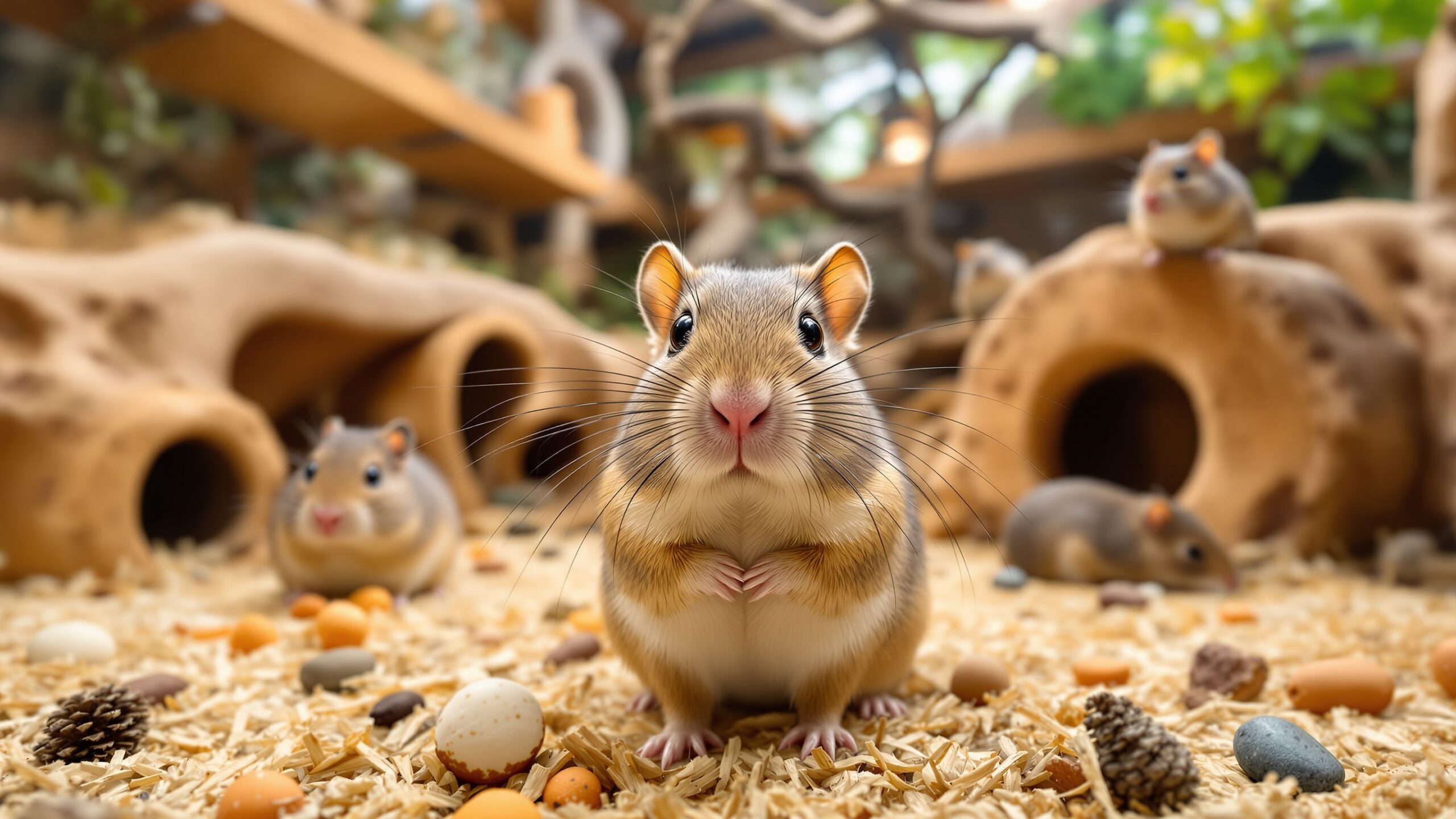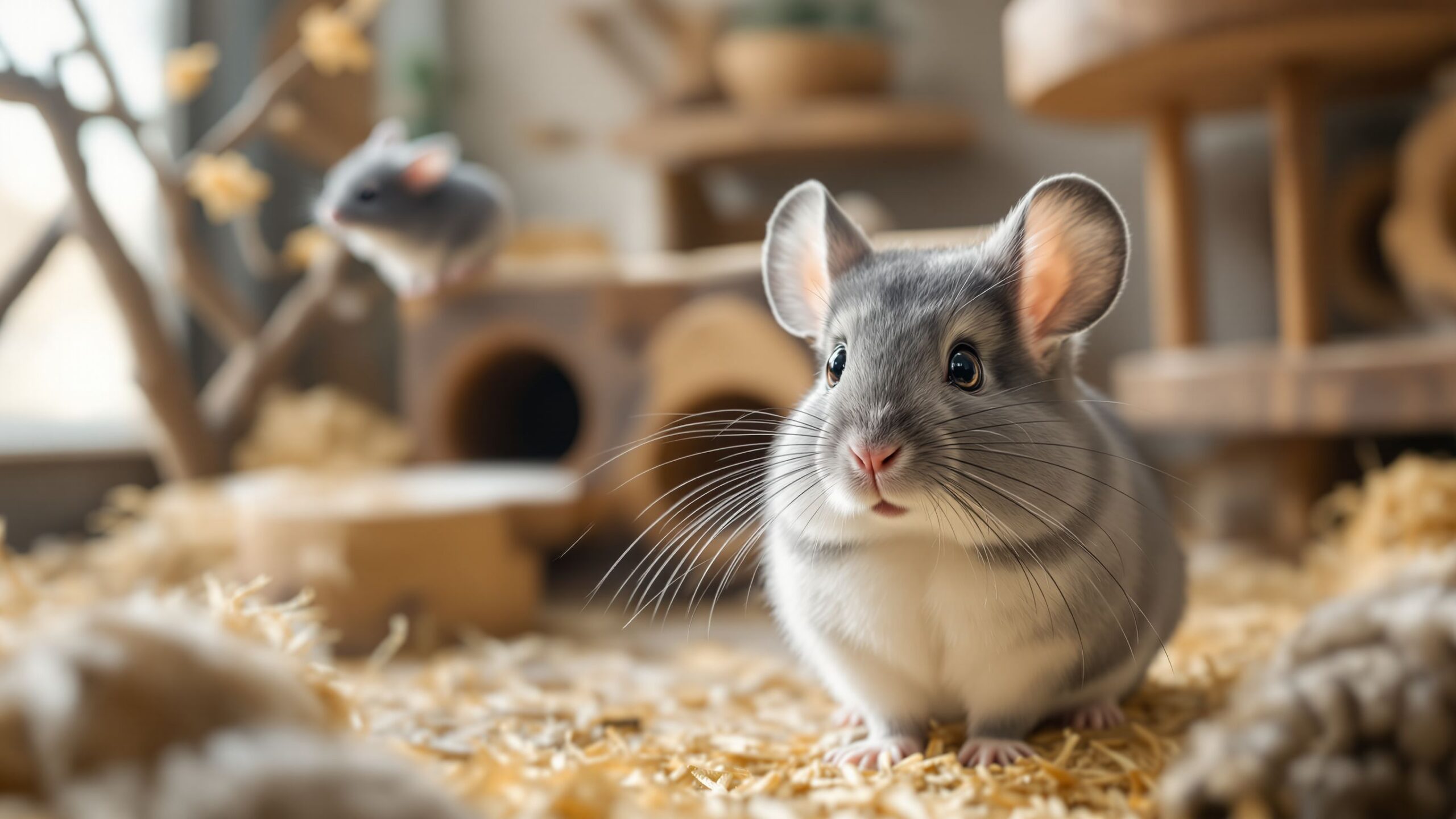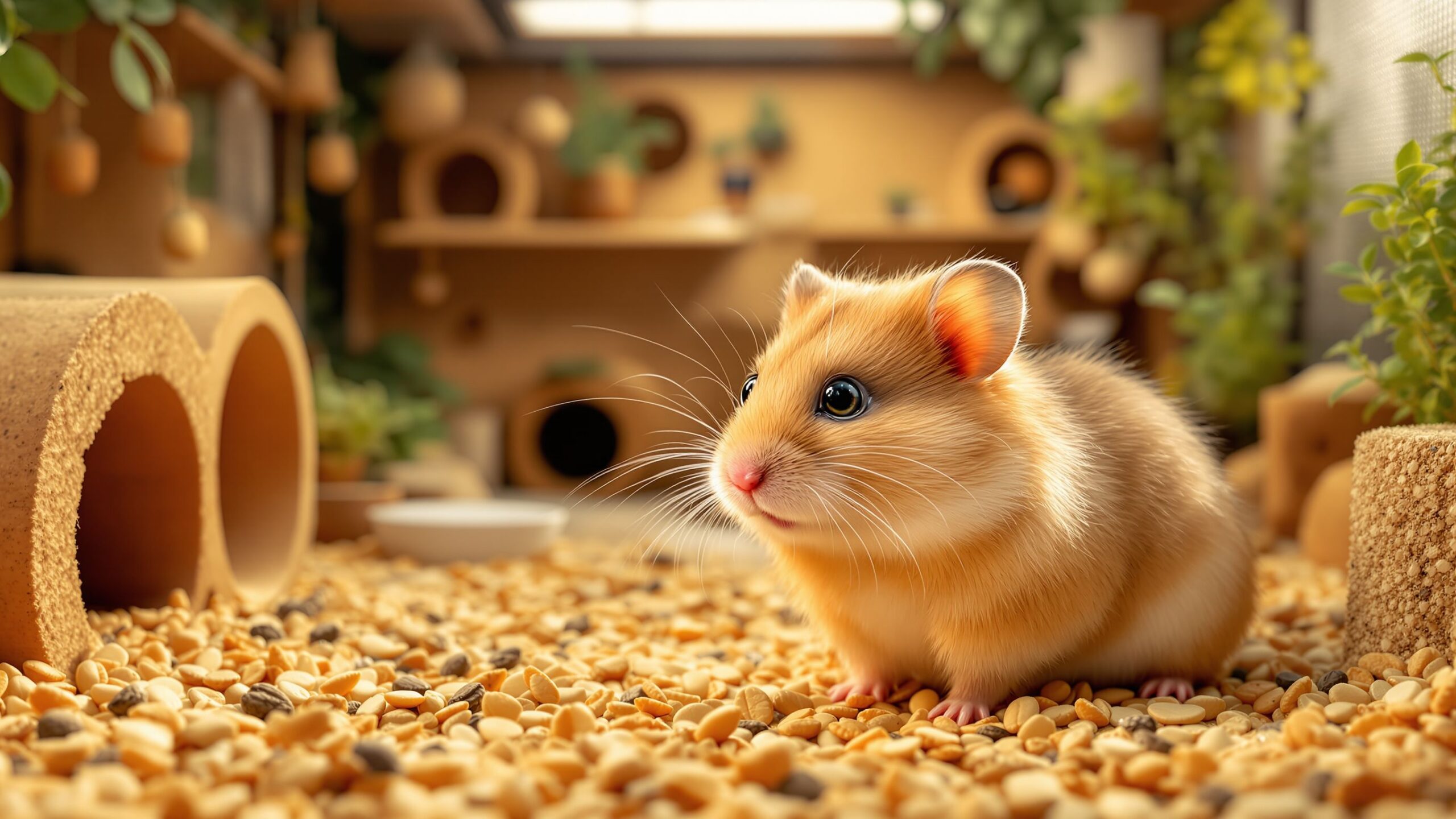
Syrian hamsters are among the most familiar and beloved small companion animals in the world. Known scientifically as Mesocricetus auratus, they are also called golden hamsters, teddy bear hamsters, or simply Syrians. Their rounded bodies, soft coats, tiny paws, expandable cheek pouches, and curious expressions make them instantly recognizable, but there is far more to this animal than its adorable appearance. Syrian hamsters are intelligent, active, territorial, and naturally solitary. Unlike guinea pigs and rats, which generally benefit from living with companions, adult Syrian hamsters should typically be housed alone because they can become aggressively territorial toward other hamsters. They are also primarily active in the evening and at night, which means many owners discover their hamster’s true personality only after the household becomes quiet. A Syrian hamster may spend the day sleeping inside a deep nest, then emerge at night to run miles on a wheel, dig elaborate tunnels, gather food into its cheek pouches, rearrange bedding, investigate every corner of the enclosure, and move supplies into carefully chosen hiding places. Their behavior is fascinating to watch, but providing proper care requires much more than a small cage and a colorful plastic wheel. Syrian hamsters need generous floor space, deep bedding for burrowing, an appropriately sized exercise wheel, a balanced diet, a secure environment, enrichment, and gentle handling. When their natural behaviors are respected, these small animals can become entertaining, engaging, and surprisingly individual companions.
A: Yes. They can make excellent pets when owners understand their need for a large enclosure, deep bedding, nighttime activity, and gentle handling.
A: No. Mature Syrian hamsters are strongly territorial and should normally be housed individually to prevent serious fighting.
A: Most live around 2 to 3 years, although lifespan varies with genetics, nutrition, environment, and veterinary care.
A: Syrian hamsters are naturally most active during the evening and night, so daytime sleeping is normal.
A: Cheek pouches allow hamsters to transport food and nesting materials back to secure areas in their habitat.
A: Many can become comfortable with handling when given time, patience, and gentle taming sessions.
A: Bar biting can be associated with boredom, stress, an undersized enclosure, lack of enrichment, or a desire to explore.
A: Yes. A suitable hamster-safe sand bath can help with coat maintenance and also provides valuable digging enrichment.
A: The wheel should be large enough for the hamster to run with a relatively straight back rather than bending upward while running.
A: Warning signs include diarrhea, weight loss, difficulty breathing, poor appetite, unusual lumps, lethargy, hunched posture, or sudden changes in normal behavior.
Where Do Syrian Hamsters Come From?
The Syrian hamster has a fascinating history that helped shape the modern pet population. The species is native to parts of Syria and southern Turkey, where wild hamsters live in relatively dry environments and spend much of their time underground. Their natural lifestyle involves digging complex burrow systems that protect them from predators and extreme temperatures. These underground chambers may serve different purposes, including nesting, food storage, and shelter. Syrian hamsters became especially famous in the 20th century when a small number of animals collected in Syria became the foundation for much of the domestic population kept around the world. A female hamster and her young were collected near Aleppo in 1930 and later bred in captivity. Descendants were distributed for scientific research and eventually entered the pet trade. Although wild populations still exist, the overwhelming majority of Syrian hamsters seen in homes today descend from captive-bred lines. Selective breeding over many generations produced the wide range of coat colors, lengths, textures, and patterns now associated with pet Syrians. The original wild-type golden coloration remains iconic, but domestic hamsters may also be cream, black, white, cinnamon, gray, sable, banded, spotted, tortoiseshell, or combinations of these traits.
What Do Syrian Hamsters Look Like?
Syrian hamsters are the largest of the commonly kept pet hamster species. Adults have compact, rounded bodies with short legs, small ears, dark or reddish eyes depending on genetics, and extremely short tails that are often hidden by their fur. Their bodies are built for digging and navigating underground spaces rather than climbing high structures. One of their most remarkable anatomical features is the pair of expandable cheek pouches extending along the sides of the head and shoulders. A hamster can fill these pouches with remarkable amounts of food or nesting material and transport the contents back to a burrow. When completely packed, the cheeks may make the hamster’s head look dramatically wider than usual. Syrian hamsters also have strong front teeth that grow continuously throughout life. Safe chewing opportunities and an appropriate diet help support normal dental wear. Their paws are small but capable, allowing them to dig, hold food, groom themselves, and manipulate objects. Males and females can differ somewhat in body shape and coat appearance, particularly in long-haired varieties. Male long-haired Syrian hamsters often develop especially dramatic coats that may trail behind the body, while females may have shorter tufts or skirts of longer fur.
Syrian Hamster Colors, Coats, and Varieties
Selective breeding has transformed the Syrian hamster from its classic golden form into an incredibly diverse companion animal. Short-haired Syrians have the traditional smooth coat and are generally straightforward to groom. Long-haired varieties are often marketed as “teddy bear hamsters,” although this is a pet-trade nickname rather than a separate species. Their coats can range from lightly feathered to dramatically long, particularly in males. Satin Syrian hamsters have coats with a distinctive glossy sheen, while Rex hamsters may display wavy or curly fur and whiskers. Coat colors and markings can be equally varied. Golden, cream, black, cinnamon, sable, rust, gray, white, and chocolate-like shades appear in different breeding lines. Patterns may include banded, dominant spot, tortoiseshell, roan, and combinations of multiple markings. Eye color can also vary. Despite these visual differences, all domestic Syrian hamsters belong to the same species. Color and coat type can influence grooming requirements and appearance, but enclosure size, exercise, enrichment, nutrition, and health should always matter more than choosing a hamster based solely on looks.
Syrian Hamsters Are Solitary by Nature
One of the most important facts about Syrian hamster care is that adults are naturally solitary. Two Syrian hamsters should not be housed together simply because they appear lonely or because they were raised in the same litter. As they mature, their territorial instincts become much stronger, and even siblings that once slept together peacefully can begin fighting. These conflicts can be sudden and severe. In the wild, adult Syrians generally occupy individual territories and come together primarily for breeding. Domestic hamsters retain this behavior. A single Syrian hamster living alone is not being deprived of companionship in the same way a solitary rat or guinea pig might be. Instead, individual housing respects the species’ natural social structure. Human interaction can provide stimulation and bonding, but the hamster should still have complete control over its own enclosure. This makes Syrian hamster ownership different from many other small-mammal species. Prospective owners should plan for one fully equipped enclosure per adult Syrian hamster rather than trying to keep a pair together.
Syrian Hamster Personality and Temperament
Syrian hamsters can develop surprisingly distinct personalities. Some are bold and immediately investigate hands, tunnels, and new toys, while others are cautious and may require weeks of patient interaction before feeling comfortable. Some hamsters are enthusiastic explorers that seem determined to inspect every object they encounter, while others spend much of their waking time digging, building nests, or running. Because hamsters are prey animals, their instinctive response to unexpected movement can be to freeze, hide, or defend themselves. A hamster that bites during its first days in a new home is not necessarily aggressive. It may be frightened, startled, awakened suddenly, or responding to the scent of food on a person’s hand. Trust develops most successfully when owners allow the hamster to approach voluntarily rather than forcing interaction. Sitting near the enclosure, speaking softly, placing a hand inside without immediately grabbing the animal, and offering tiny treats can gradually create positive associations. Over time, many Syrian hamsters learn to recognize familiar voices and routines and will approach the enclosure door when they expect interaction.
Why Syrian Hamsters Are Mostly Active at Night
Syrian hamsters are primarily crepuscular and nocturnal, meaning they tend to become most active during the evening, nighttime, and early morning hours. This schedule reflects their natural survival strategy. In their native environment, emerging after the hottest part of the day can reduce exposure to extreme temperatures and predators. A pet Syrian hamster may sleep deeply for most of the day and begin waking around evening. Once active, it may run continuously on a wheel, forage, dig, groom, carry bedding, and investigate the enclosure for hours. Owners should respect this schedule rather than repeatedly waking a sleeping hamster for entertainment. Being disturbed during deep sleep can cause stress and increase the likelihood of defensive biting. Syrian hamsters are therefore often better suited to households that can enjoy them during evening hours. Their nocturnal activity also makes enclosure placement important. A hamster kept in a bedroom may spend much of the night running, digging, chewing, and rearranging its environment, which can be surprisingly noisy.
Creating the Right Syrian Hamster Enclosure
A proper Syrian hamster enclosure should provide generous uninterrupted floor space rather than relying on tall towers connected by narrow plastic tubes. Hamsters are natural ground-dwellers and burrowers, so horizontal space is especially important. The enclosure should be large enough to hold deep bedding, a full-sized running wheel, a sand bath, hideouts, tunnels, food, water, and enrichment without becoming crowded. Good ventilation is essential, but the enclosure must also prevent escape because Syrian hamsters can squeeze through surprisingly small openings and are persistent explorers. Wire cages can work when appropriately sized and securely designed, while large tank-style or bin-style enclosures may also be suitable when they provide excellent ventilation and enough space. Small modular cages marketed specifically for hamsters are often far more cramped than they appear and may restrict natural behavior. A good enclosure should allow the hamster to run, dig, forage, build nests, and create its own sleeping areas. The more an enclosure allows natural behaviors, the more interesting the hamster’s activity becomes.
Why Deep Bedding Matters
Burrowing is one of the Syrian hamster’s most important natural behaviors. In the wild, hamsters construct underground tunnels and chambers where they sleep, store food, escape predators, and regulate temperature. A thin layer of bedding cannot support this instinct. Providing a deep layer of safe, compactable bedding allows the hamster to build tunnels and nesting chambers rather than simply sleeping inside a plastic house on the surface. Paper-based bedding is widely used because it can be soft, absorbent, and capable of holding burrows when packed appropriately. Certain safe wood-based beddings may also be used depending on processing and dust levels. Bedding should be low in dust and free from strong fragrances because hamsters have sensitive respiratory systems. Owners can create deeper sections of bedding in part of the enclosure if uniform depth is difficult, although generous depth across a large area is ideal. Watching a Syrian hamster disappear into a tunnel system it built itself is one of the clearest examples of how proper habitat design encourages natural behavior.
Choosing the Right Exercise Wheel
A running wheel is one of the most important pieces of equipment in a Syrian hamster enclosure. Hamsters can travel substantial distances during their active periods, and a wheel provides an essential outlet for this natural movement. The wheel should be large enough that the hamster can run with its back in a relatively straight position rather than arching sharply. Wheels marketed for smaller dwarf hamsters are often too small for adult Syrians. The running surface should be solid rather than made from exposed wire or mesh, which can increase the risk of foot and limb injuries. Wheels should also rotate smoothly and remain stable during use. Some hamsters run for long periods every night, so a poorly designed or noisy wheel can quickly become a problem for both the animal and the household. Providing a suitable wheel does not replace the need for a spacious enclosure, but it is one of the most effective ways to support daily exercise.
Sand Baths and Natural Grooming
Syrian hamsters are naturally clean animals and spend considerable time grooming themselves. They generally do not need routine water baths, which can be stressful and may strip natural oils from the coat. Instead, a suitable sand bath can provide an opportunity for natural grooming behavior. Hamsters may roll, dig, sit, or even use part of the sand area as a toilet. The material should be appropriate for small animals and should not be extremely dusty. Fine dust products intended for some other species can irritate a hamster’s respiratory system. A generously sized sand area can also serve as enrichment because many Syrian hamsters enjoy digging and kicking sand around. Long-haired hamsters may require occasional gentle brushing if bedding becomes tangled in their coat, but excessive grooming or bathing is usually unnecessary.
What Do Syrian Hamsters Eat?
Syrian hamsters are omnivorous and naturally consume a mixture of seeds, grains, plant material, and occasional animal-based foods. A balanced commercial hamster diet should usually provide the nutritional foundation. High-quality seed mixes can encourage natural foraging, while nutritionally complete lab-style blocks may help prevent selective eating. Some owners use carefully balanced combinations of these foods depending on veterinary guidance and product quality. Fresh vegetables can provide variety and enrichment in small portions. Hamsters may enjoy foods such as cucumber, broccoli, leafy greens, bell pepper, peas, and small pieces of carrot. Tiny amounts of suitable fruit can be offered occasionally, but sugary foods should not dominate the diet. Appropriate protein sources may also form part of a balanced feeding plan. Fresh water must always be available. Because Syrian hamsters naturally hoard food, owners should not assume an empty food bowl means everything has been eaten. Much of the food may have been transported into an underground storage chamber.
The Incredible Cheek Pouches of Syrian Hamsters
Few hamster behaviors are as entertaining as watching the cheek pouches fill. Syrian hamsters can stretch these specialized pouches dramatically while gathering food, sometimes making their faces appear almost comically wide. The pouches extend much farther back than many people realize and are designed for transportation rather than digestion. A hamster gathers food above ground, stores it temporarily inside the cheek pouches, and carries it back to a secure location. This behavior helps reduce the amount of time the animal would need to remain exposed to predators in the wild. Domestic Syrian hamsters perform the same behavior even when there is no danger. They may stuff their cheeks with seeds, pellets, pieces of bedding, or other lightweight materials before disappearing into a tunnel. Owners should avoid sticky foods or other items that could become lodged inside the cheek pouches. Persistent swelling or difficulty emptying a pouch may require veterinary attention.
Food Hoarding Is Normal
Finding a hidden pile of food beneath the bedding can surprise new hamster owners, but hoarding is completely natural. Syrian hamsters are instinctive food collectors. In the wild, they gather food during favorable conditions and store it underground for later use. Pet hamsters often create designated pantries inside their burrows or hideouts. These stores may contain dry food, seeds, and other items gathered from around the enclosure. Owners should avoid removing every food stash unnecessarily because doing so can cause the hamster to increase hoarding behavior. However, fresh foods that can spoil should be monitored and removed before they become moldy or rotten. Routine enclosure maintenance should preserve as much of the hamster’s familiar environment as possible while still maintaining hygiene. Understanding hoarding behavior helps owners distinguish normal instincts from messiness.
Enrichment and Foraging
Syrian hamsters are curious animals that benefit from an environment offering opportunities to dig, chew, search, hide, and explore. Foraging is particularly valuable because it turns feeding into an activity. Instead of placing every dry food item into a bowl, owners can scatter portions throughout clean bedding or hide food inside cardboard tubes and simple puzzle toys. Hamsters can then search using their highly developed sense of smell. Cardboard boxes, cork tunnels, wooden hideouts, safe branches, sprays, shredded paper, and multi-chamber hides can add additional complexity. Enrichment does not need to be expensive. A plain cardboard box with entrance holes can provide a tunnel, hiding area, chewing object, and nesting location all at once. Rearranging every part of the enclosure too frequently should be avoided because hamsters rely heavily on scent and familiarity, but periodically introducing new safe items can keep the habitat interesting.
Can Syrian Hamsters Climb?
Syrian hamsters can climb surprisingly well, especially when motivated by curiosity or escape, but they are not specialized climbers in the way rats are. Their bodies are designed primarily for digging and ground-level movement. Tall cages with narrow ledges or large unprotected drops can therefore create injury risks. A hamster may climb cage bars and then suddenly lose its grip. Enclosures should prioritize horizontal exploration and deep bedding rather than extreme height. Platforms can still provide variety when they are low, stable, and protected from dangerous falls. Heavy objects placed above deep bedding should be supported from below rather than resting loosely on top, because a hamster burrowing underneath could cause them to collapse. Safe enclosure design considers how the animal actually moves rather than assuming that every climbing opportunity is beneficial.
Handling a Syrian Hamster Safely
Handling should begin slowly, particularly during the first days after a hamster arrives home. The animal should generally be given time to explore its new environment and establish a nest before frequent handling begins. Once the hamster is comfortable, caregivers can start by offering treats and allowing it to approach an open hand voluntarily. Scooping from underneath is less frightening than grabbing from above because predators often attack small animals from overhead. Hamsters should never be lifted by a leg, scruff, or other body part. Holding them close to a low surface reduces the risk of serious injury if they jump. Syrian hamsters can move quickly and may unexpectedly launch themselves from hands, especially when young or nervous. Children should always be supervised and taught to handle the animal gently. Waking a hamster abruptly and immediately trying to pick it up can increase the likelihood of defensive biting.
Why Syrian Hamsters Bite
A bite from a Syrian hamster is usually communication rather than evidence of a “mean” personality. Hamsters may bite when frightened, cornered, suddenly awakened, handled roughly, or exposed to hands that smell strongly of food. Some newly adopted hamsters need considerable time before becoming comfortable with human interaction. Washing hands before handling can reduce confusing food scents. Offering treats from an open palm, moving slowly, and allowing the hamster to approach voluntarily can help build trust. Punishment should never be used after a bite because it increases fear rather than teaching the hamster what to do differently. Owners should instead identify the cause. Was the hamster sleeping? Was a hand placed directly into its nest? Was it grabbed unexpectedly? Learning to interpret the animal’s boundaries often dramatically reduces biting.
Understanding Syrian Hamster Communication
Syrian hamsters are quieter than guinea pigs, but they still communicate through sounds, scent, posture, and behavior. They may squeak or chirp when frightened, irritated, or interacting in unusual circumstances. Teeth chattering can indicate agitation, while hissing is a clear warning that the hamster feels threatened. Body language can be even more informative. A relaxed hamster typically moves confidently, grooms normally, eats, digs, and explores. A frightened hamster may freeze, flatten its body, retreat rapidly, or attempt to defend itself. Scent marking is also important. Syrian hamsters have scent glands located along their flanks that they use to mark territory. Owners may occasionally notice darker or slightly greasy-looking patches in these areas, especially in mature animals. Familiar scents help hamsters understand their environment, which is one reason excessive full enclosure cleanouts can be stressful.
Grooming and Coat Care
Most Syrian hamsters handle their own grooming extremely well. They spend considerable time licking and cleaning their fur and rarely require human bathing. Short-haired hamsters usually need little coat maintenance beyond providing a clean habitat and suitable sand bath. Long-haired Syrians may require more attention because bedding or debris can become tangled in their fur. Gentle brushing with an appropriate small brush can help prevent mats. Sticky or severely tangled material may sometimes need careful trimming rather than pulling. Owners should use grooming time to check the skin, eyes, ears, paws, teeth, and scent glands for unusual changes. Hair loss, irritated skin, scabs, excessive scratching, or persistent greasy patches can indicate health problems that deserve veterinary evaluation.
Common Health Problems in Syrian Hamsters
Syrian hamsters can develop several medical problems, including respiratory infections, dental disease, skin disorders, parasites, tumors, digestive illness, and reproductive conditions. One of the best-known emergencies is severe diarrhea sometimes called wet tail, particularly in young hamsters. True proliferative ileitis can become life-threatening quickly and requires prompt veterinary treatment. A hamster with severe diarrhea, a dirty or wet rear end, profound lethargy, or loss of appetite should not simply be observed at home for days. Respiratory problems may cause sneezing, discharge, clicking sounds, difficulty breathing, or reduced activity. Dental problems can interfere with eating because hamster incisors grow continuously. Tumors become more common with age, and lumps should be evaluated rather than automatically assumed to be harmless. Because hamsters are small and can deteriorate rapidly, prompt care from a veterinarian experienced with small mammals is important when significant symptoms appear.
Why Hamsters Hide Illness
Like many prey species, Syrian hamsters are naturally inclined to conceal weakness. A wild hamster that appears visibly sick may become an easier target for predators, so subtle behavior changes can be important warning signs. Owners should become familiar with their hamster’s normal routine. A hamster that usually emerges every evening but suddenly remains hidden, stops using the wheel, leaves favorite foods untouched, or appears hunched may be unwell. Weight monitoring can help identify gradual changes that are difficult to see beneath thick fur. Altered breathing, discharge around the eyes or nose, changes in stool, unusual thirst, difficulty walking, or sudden aggression can also indicate illness or pain. Establishing access to a veterinarian before an emergency occurs is especially helpful because not every general veterinary clinic treats hamsters.
Syrian Hamster Reproduction
Syrian hamsters reproduce quickly and should never be bred casually. Females can become pregnant after a brief mating, and pregnancy lasts only around two and a half weeks. Litters may contain numerous pups. Newborn Syrian hamsters are tiny, hairless, blind, and completely dependent on their mother. Disturbing a mother excessively shortly after birth can create severe stress, and poor conditions may increase the risk of problems with the litter. Because adult Syrians are solitary, young animals must eventually be separated appropriately as they mature. Accidental breeding can quickly create a housing crisis because every adult may eventually require its own enclosure. Responsible breeding requires knowledge of genetics, maternal care, nutrition, birth complications, sexing pups, and long-term placement.
How Long Do Syrian Hamsters Live?
Syrian hamsters generally have relatively short lifespans compared with many larger pets. Many live around two to three years, though individual lifespan varies depending on genetics, health, diet, environment, and veterinary care. Some may live beyond this range, while others develop serious health conditions earlier. Their short lifespan is one of the most important realities prospective owners should understand. A hamster can progress from energetic youngster to senior within only a few years. Older hamsters may become less active, sleep more, lose muscle, develop mobility problems, or need easier access to food and water. Enclosure modifications such as lower platforms and simplified pathways can make life more comfortable for seniors. Although their lifespan is brief, well-cared-for Syrian hamsters can provide years of fascinating companionship.
Syrian Hamsters as Pets for Children
Syrian hamsters are commonly marketed toward children, but adults should remain responsible for their care. Their solitary lifestyle can simplify housing compared with social species, but they still require large enclosures, daily feeding, regular cleaning, enrichment, and veterinary care. Their nighttime schedule may also conflict with a young child’s routine because the hamster may be asleep during much of the day. Waking it for play can cause stress. Syrian hamsters are also small and quick enough to be injured by rough handling or accidental drops. Older children who can respect an animal’s sleep schedule and learn gentle handling may enjoy helping with care, but an adult should oversee nutrition, habitat maintenance, health monitoring, and medical decisions. A hamster should never be treated as a disposable starter pet simply because it is small.
Fascinating Syrian Hamster Facts
Syrian hamsters possess several remarkable adaptations. Their cheek pouches can expand dramatically to transport food and nesting material. Their sense of smell is highly developed and plays a central role in navigation, communication, and food detection. Whiskers help them judge nearby spaces in low light, while powerful digging instincts allow them to create complex underground systems. They are also capable of learning routines and recognizing familiar patterns. A hamster may emerge when it hears a food container open, recognize the sound of an enclosure door, or learn that a particular hand usually brings treats. Syrian hamsters can run enormous distances on wheels during a single night and may spend considerable time organizing food stores and nesting chambers. Their tiny size can make their behavior seem simple at first, but watching a well-enriched hamster reveals an animal constantly making decisions about where to sleep, what to collect, where to hide food, and how to structure its environment.
Choosing a Syrian Hamster
Syrian hamsters can be found through shelters, small-animal rescues, responsible breeders, and pet stores. Adoption is worth considering because hamsters are frequently surrendered when owners discover that their care requirements are greater than expected. Rescues may also know valuable information about a hamster’s age, temperament, and health. Responsible breeders may provide detailed information about genetics and early socialization. Regardless of source, a hamster should appear alert when awake, breathe quietly, move normally, and have clean eyes, nose, ears, and rear end. The coat should generally appear healthy without widespread baldness, heavy crusting, or obvious skin irritation. The enclosure should be completely prepared before the hamster arrives so the animal can begin settling immediately rather than being temporarily housed in an undersized container.
What to Know Before Getting a Syrian Hamster
Prospective owners should plan for much more than the hamster itself. A proper setup includes a spacious secure enclosure, deep bedding, a large solid-surface wheel, appropriate food, fresh water, a sand bath, multiple hides, chew items, and enrichment. Owners should also understand that the hamster will probably be most active when the household is winding down for the night. Regular veterinary care may be necessary, and identifying a veterinarian experienced with hamsters before an emergency is important. Travel arrangements must also be considered because even small pets require reliable daily care while their owners are away. Perhaps most importantly, prospective owners need to accept that a Syrian hamster should live alone. Buying two because they appear bonded in a store can result in serious fighting later. Providing one hamster with an excellent individual habitat is far better than forcing social companionship that conflicts with the species’ natural behavior.
The Remarkable World of Syrian Hamsters
Syrian hamsters may be tiny, but their lives are filled with remarkable behaviors. Beneath the soft fur and stuffed cheeks is a solitary desert-adapted rodent designed to dig elaborate tunnels, travel significant distances, gather food, defend territory, and organize an underground world according to its own priorities. Understanding Mesocricetus auratus means moving beyond the traditional image of a hamster in a tiny cage with a plastic wheel. These animals need deep bedding, generous space, a properly sized wheel, opportunities to forage, safe places to hide, balanced nutrition, gentle handling, and attentive health care. In return, owners get to watch an animal transform an enclosure into a miniature world of tunnels, pantries, sleeping chambers, pathways, and carefully collected treasures. A Syrian hamster may spend the day completely hidden and then emerge after sunset ready to run, dig, explore, stuff both cheeks with food, and rearrange everything its owner carefully organized. That combination of independence, curiosity, intelligence, and unmistakable charm is exactly what makes Syrian hamsters such fascinating small companions.
Pet Product Reviews
Explore Duffy Street’s Pet Product Reviews! Sniff out the top-rated toys, treats, gear, and gadgets for your pets with our fun, easy-to-read comparisons. We’ve done the digging so you can find the perfect products for your pet friends!