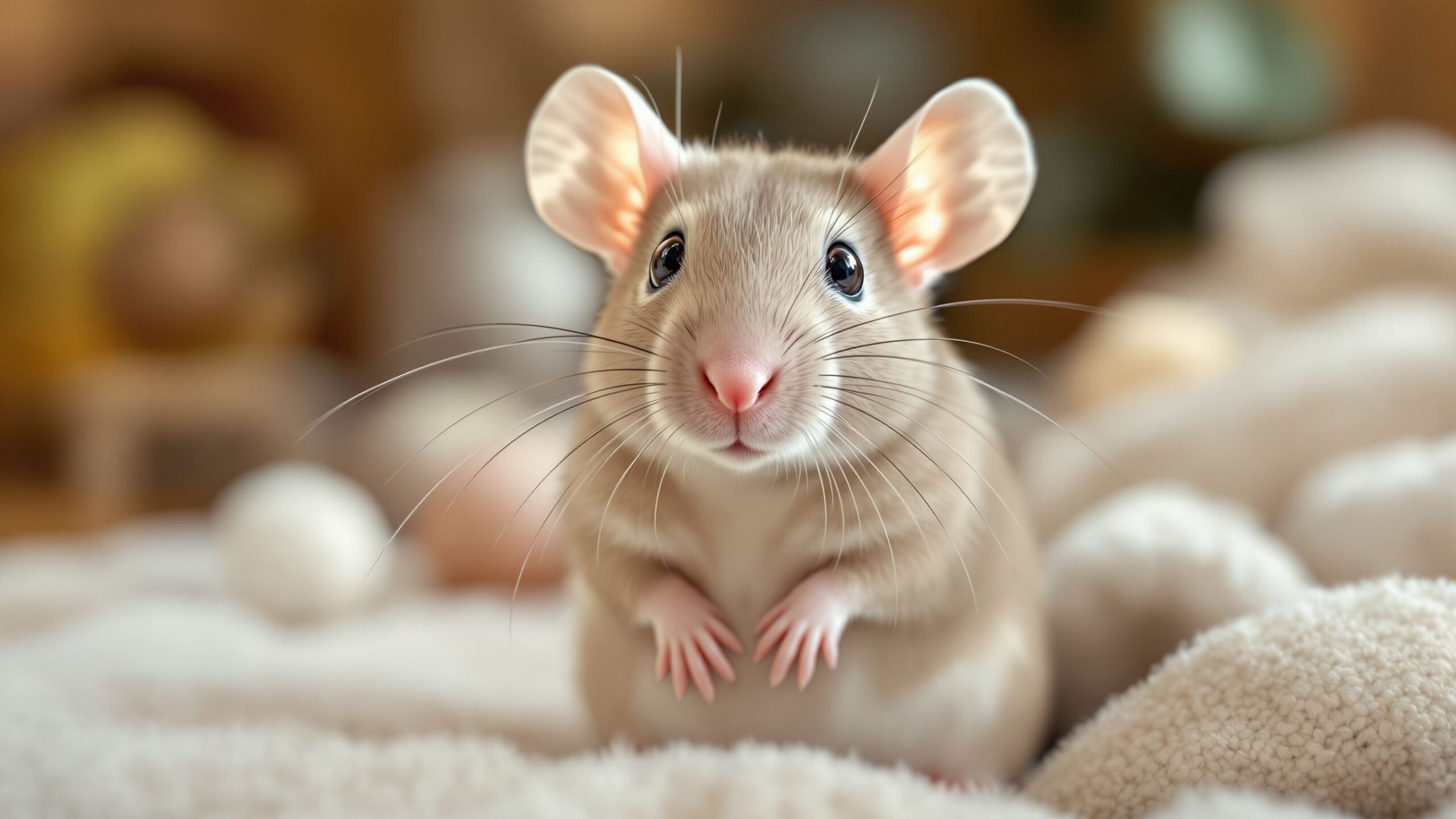
Fancy rats are intelligent, social, curious, and surprisingly affectionate companion animals that have earned a loyal following among small-pet enthusiasts. The domestic fancy rat is generally classified as Rattus norvegicus domestica, a domesticated form of the brown rat, Rattus norvegicus. Although the word “rat” can still trigger negative reactions because of centuries of association with sewers, disease, and urban pests, pet rats are very different from the wild animals people commonly imagine. Generations of selective breeding have produced domestic rats with an extraordinary variety of coat colors, patterns, ear shapes, fur types, and temperaments. More importantly, fancy rats are highly social mammals capable of forming strong bonds with both other rats and their human caregivers. They can learn their names, navigate simple obstacle courses, solve puzzles, recognize routines, and even perform tricks when trained with positive reinforcement. Their combination of intelligence and affection often surprises people who have never spent time around them. A well-socialized fancy rat may climb onto a person’s shoulder, groom their hand, nap in a sweatshirt pocket, or hurry to the cage door when a favorite person enters the room. Their small size makes them practical for many homes, but they are not low-effort pets. Fancy rats require companionship, spacious housing, enrichment, balanced nutrition, frequent interaction, and access to knowledgeable veterinary care. Understanding their natural behavior and needs is essential for anyone considering bringing these remarkable rodents into the family.
A: Yes. Their intelligence, social nature, affectionate personalities, and trainability can make them excellent companion animals for owners prepared for their care needs.
A: Generally no. Rats are highly social animals and usually thrive when kept with compatible same-sex companions or appropriately altered companions.
A: Most fancy rats live around 2 to 3 years, although individual lifespan varies with genetics, environment, nutrition, and veterinary care.
A: Well-socialized fancy rats are generally gentle, although any rat may bite if frightened, injured, poorly socialized, or handled roughly.
A: Yes. Many rats learn to associate their names with attention, treats, playtime, or returning to their owner.
A: Gentle tooth grinding, called bruxing, often occurs when a rat is relaxed or content, although context should always be considered.
A: This behavior is called boggling and commonly occurs alongside bruxing when a rat is extremely relaxed or excited.
A: Usually not. Healthy rats groom themselves frequently, and routine bathing can dry their skin or cause unnecessary stress.
A: Absolutely. Rats can learn recall, targeting, obstacle courses, retrieving objects, spinning, and many other behaviors through positive reinforcement.
A: Warning signs include reduced appetite, weight loss, breathing changes, lethargy, lumps, excessive porphyrin staining, hunched posture, or sudden changes in normal behavior.
Where Do Fancy Rats Come From?
The domestic fancy rat descends primarily from the brown rat, a species that became one of the most widespread mammals on Earth through its close association with humans. Brown rats likely originated in parts of Asia before gradually expanding into Europe and other regions through trade, shipping, agriculture, and growing cities. Their adaptability allowed them to thrive near human settlements, where food and shelter were readily available. The transition from wild rat to companion animal began much later. In Europe, especially during the 18th and 19th centuries, rats were sometimes captured and bred for blood sports such as rat-baiting, a cruel practice in which dogs were placed in pits with rats. Some breeders began noticing unusual coat colors and markings among captive rats and selectively breeding them. Over time, interest gradually shifted from using rats for sport to breeding them for appearance, temperament, research, and eventually companionship. By the late 19th and early 20th centuries, dedicated rat enthusiasts were developing standardized varieties and organizing fancy rat clubs. The term “fancy” in this context simply refers to selectively bred domestic animals kept and shown for particular traits, much like fancy mice, fancy pigeons, or ornamental poultry. Today, fancy rats are bred in numerous colors, patterns, coat textures, and body types, yet their intelligence and sociability remain among their most defining qualities.
What Do Fancy Rats Look Like?
Fancy rats have long, streamlined bodies, pointed noses, prominent whiskers, rounded ears, dexterous front paws, and long tails that are one of their most misunderstood features. Their tails are not simply bare appendages; they play important roles in balance, movement, communication, and temperature regulation. Although a rat’s tail may appear hairless at first glance, it is covered with tiny scales and fine hairs. Adult fancy rats vary in size depending on sex, genetics, diet, and individual development. Males are generally larger and heavier than females and often develop broader heads and thicker bodies. Females tend to be smaller, more streamlined, and frequently more active. Fancy rats have continually growing incisors, which is why chewing is a normal and essential part of their behavior. Their front teeth naturally have a yellow or orange coloration due to iron-rich enamel, which is normal and not necessarily a sign of poor dental health. Coat appearance varies enormously. Fancy rats may be black, white, blue-gray, beige, brown, champagne, silvered, agouti, or combinations of several shades. Patterns can include hooded, capped, masked, Berkshire, Irish, variegated, and other markings. Some rats have smooth coats, while others have curly Rex coats or reduced hair. Dumbo rats, known for their lower-set rounded ears, are especially popular, although “Dumbo” refers to ear placement rather than a separate species.
Fancy Rat Varieties, Colors, and Coat Types
One of the most exciting aspects of fancy rats is the diversity produced through selective breeding. Standard-coated rats have sleek, smooth fur that lies close to the body and represents the classic pet rat appearance. Rex rats have curly or wavy coats and often possess curled whiskers, giving them a softer, tousled look. Double Rex rats may have even thinner or patchier coats because of their genetics, while hairless varieties require additional consideration because they lack the protection and insulation of a normal fur coat. Dumbo rats are immediately recognizable by their large, round ears positioned lower on the sides of the head. Standard-eared rats have ears positioned higher on the skull. Coat patterns create even more variation. Hooded rats typically have colored heads and shoulders with a stripe extending along the back, while Berkshire rats often have colored bodies with white bellies and feet. Capped rats may display color primarily around the head, while variegated rats exhibit irregular patches and markings. Eye color can range from dark brown or black to ruby or pink depending on genetics. These visible differences can make fancy rat breeding and showing fascinating, but appearance should never be the only factor when choosing a companion. Temperament, health, socialization, and responsible breeding practices matter much more than a particular coat color or ear shape.
Fancy Rat Personality and Temperament
Fancy rats have some of the most complex personalities found among commonly kept small pets. Many are curious, social, and eager to investigate their surroundings. They often develop strong preferences for particular people, foods, sleeping locations, and activities. Males and females sometimes display general behavioral differences, although individual personalities vary considerably. Adult males are often described as calmer and more likely to relax during cuddling sessions, while females may remain highly active and exploratory. These are broad tendencies rather than guarantees. A female can be extremely affectionate and calm, while a male may be energetic and adventurous. Rats frequently groom one another and may also groom people they trust. Gentle nibbling or licking can be part of normal social behavior. Some rats enjoy sitting on shoulders or hiding inside sleeves, while others prefer interacting from the security of a play area. Because they are prey animals, even confident rats can be startled by sudden movements or unfamiliar sounds. Patience is important when bringing new rats home. Allowing them time to become comfortable with a person’s scent and voice, offering treats by hand, and using calm handling can gradually build trust. Once bonded, many fancy rats actively seek out human interaction and appear genuinely excited when their caregivers arrive.
Fancy Rats Are Highly Social Animals
Rats are intensely social and generally should not live alone. In natural social groups, rats groom one another, sleep together, communicate, play, establish hierarchies, and provide companionship throughout the day and night. A human caregiver can offer affection and enrichment, but even dedicated owners cannot completely replace another rat. Keeping compatible rats in pairs or groups allows them to engage in species-specific behaviors that are important for their well-being. Rats often pile together inside hammocks, groom one another’s faces, chase each other during play, and communicate through body language, scent, and sounds. Introductions between unfamiliar rats should be managed carefully because rats are territorial and may not immediately accept newcomers. Some dominance behavior is normal as social relationships are established, but serious aggression requires intervention. Sex is also important because intact males and females housed together can reproduce extremely quickly. Same-sex groups are common, while neutered or spayed rats may sometimes live successfully in mixed groups under appropriate circumstances. The ideal social setup depends on the rats’ ages, personalities, health, and reproductive status.
How Smart Are Fancy Rats?
Fancy rats are exceptionally intelligent for their size and are capable of learning far more than many people expect. Researchers have studied rats extensively because of their problem-solving abilities, memory, learning, and social behavior. Pet rats can learn their names, recognize individual people, navigate mazes, respond to simple cues, and perform tricks. Some learn to come when called, spin in circles, stand on command, retrieve small objects, jump through hoops, or enter a carrier voluntarily. Positive reinforcement works especially well because rats are strongly motivated by food and social interaction. Training should remain short, enjoyable, and rewarding rather than stressful. Rats also demonstrate impressive spatial memory. They can remember where food is hidden, how to navigate a familiar play area, and where escape routes or favorite sleeping locations are positioned. Puzzle feeders can provide excellent mental stimulation because they allow rats to solve simple problems in exchange for food. Their intelligence also means they become bored more easily than many people expect. A plain cage containing only a food bowl and water bottle is not enough to satisfy an animal capable of such complex exploration and learning.
Creating the Right Fancy Rat Cage
A proper fancy rat habitat should provide substantial vertical and horizontal space. Unlike guinea pigs, which primarily need floor area, rats are excellent climbers and benefit enormously from tall enclosures with multiple levels. A large wire cage with appropriately spaced bars is generally preferred because it provides ventilation while allowing climbing accessories to be attached. Aquariums and poorly ventilated plastic tanks can trap moisture, ammonia, and odors, potentially contributing to respiratory problems. The cage should include platforms, hammocks, tunnels, ropes, baskets, hideouts, cardboard boxes, climbing branches, and other safe structures. Rats thrive in environments that encourage movement and exploration. Shelves and ramps should be secure, and dangerous falls should be prevented by arranging hammocks or platforms beneath high areas. Wire floors should be covered with solid surfaces because prolonged contact with exposed wire can cause foot injuries. The habitat should also be large enough for multiple rats to move around comfortably without being forced to share every resting or feeding space. Bigger is generally better when designing a rat enclosure, provided the environment remains safe and easy to maintain.
Bedding and Cage Cleanliness
Bedding plays an important role in fancy rat health because rats spend substantial amounts of time close to the cage floor. Suitable bedding should be absorbent, low in dust, and safe for sensitive respiratory systems. Paper-based bedding and certain properly processed wood products are popular choices, while excessively dusty or strongly scented materials should be avoided. Rats naturally produce waste throughout their environment, but many can learn to use litter boxes for a portion of their bathroom activity. Placing litter trays in corners where rats already prefer to eliminate can make cage maintenance easier. Cleaning should strike a balance between hygiene and preserving familiar scents. Completely stripping every trace of scent from the enclosure too frequently can sometimes encourage additional marking. Spot cleaning soiled areas regularly and performing deeper cleaning when needed helps control ammonia without unnecessarily disrupting the rats’ environment. Hammocks, fabric liners, and other washable accessories should be cleaned frequently because they can absorb urine. Good ventilation, appropriate bedding, and consistent cleaning are especially important because fancy rats are prone to respiratory illness.
What Do Fancy Rats Eat?
Fancy rats are omnivores, meaning they naturally consume both plant and animal-based foods. A balanced commercial rat food should generally serve as the nutritional foundation because it is formulated to provide appropriate amounts of protein, fat, vitamins, and minerals. Laboratory-style blocks or high-quality uniform pellets can help prevent selective eating because every piece contains similar nutrition. Seed mixes may look appealing but can encourage rats to choose favorite high-fat ingredients while leaving more nutritious components behind. Fresh vegetables and other suitable foods can supplement the base diet and provide enrichment. Rats often enjoy foods such as leafy greens, peas, carrots, broccoli, cucumber, cooked grains, and small amounts of fruit. Portions should remain appropriate because obesity can develop when calorie-dense treats are offered too frequently. Fresh water should always be available through a clean bottle or suitable bowl. Rats are enthusiastic eaters and may beg convincingly, but their willingness to consume something does not automatically make it healthy. A balanced diet supports body condition, coat quality, activity, organ health, and longevity.
Foods Fancy Rats Should Avoid
Although rats can eat a wide variety of foods, not everything in a human kitchen is appropriate. Foods that are heavily salted, extremely sugary, highly processed, or excessively fatty should not become routine treats. Sticky foods can also create choking hazards, while spoiled or moldy foods can be dangerous. Certain uncooked ingredients and foods containing substances that may be harmful to rats should be avoided or carefully researched before feeding. Because nutritional advice can change as veterinary knowledge improves, owners should rely on reputable exotic-animal veterinary guidance rather than assuming every online food list is accurate. Sudden dietary changes can also cause digestive upset. New foods should be introduced gradually, particularly when rats are young or have sensitive digestive systems. Treats work especially well for training and bonding, but tiny portions are usually enough because a rat’s body is much smaller than a human’s.
Exercise and Free-Roam Time
Fancy rats are active, athletic animals that benefit from regular supervised exercise outside their cage. A secure rat-proofed room, playpen, or enclosed area can provide opportunities to run, climb, investigate, forage, and interact with caregivers. Rat-proofing is essential because rats can squeeze through surprisingly small openings and are enthusiastic chewers. Electrical cords, toxic plants, medications, cleaning products, soft plastics, and valuable objects should be removed or blocked. Furniture with internal cavities can also become problematic because rats may crawl inside and become difficult to retrieve. Free-roam time can include cardboard castles, tunnels, boxes filled with shredded paper, climbing structures, treat puzzles, and simple training games. Rats often enjoy rearranging their environment, carrying objects, shredding paper, and exploring containers. Regular exercise supports physical health while helping prevent boredom and destructive behavior.
Why Fancy Rats Love to Chew
Chewing is not a bad habit in rats; it is an essential biological behavior. Their incisors continue growing throughout life, so rats naturally gnaw on objects to help maintain normal tooth wear. Safe chewing opportunities should therefore always be available. Cardboard, untreated wood, certain safe branches, chew toys, and other rat-appropriate materials can provide productive outlets. Rats also chew because they are curious. Their mouths function partly as investigative tools, much like hands do for humans. This means anything placed within reach may eventually be tested with their teeth. Rat-proofing should account for this behavior rather than expecting rats to resist chewing electrical wires, furniture, clothing, or household objects. Excessively long, broken, or misaligned teeth can create serious feeding problems and require veterinary attention. Healthy teeth should remain properly aligned and worn through normal eating and chewing behavior.
Grooming and Rat Hygiene
Fancy rats are naturally clean animals that spend a significant portion of their waking hours grooming themselves and one another. They frequently wash their faces with their front paws, clean their coats, and groom social companions. Routine bathing is generally unnecessary and can be stressful unless there is a specific reason. Older, overweight, sick, or mobility-impaired rats may occasionally require assistance with hygiene because they can struggle to groom certain areas effectively. Male rats can sometimes develop greasy coat buildup, particularly along the back, because of hormonal skin secretions commonly called buck grease. Mild cases are usually normal, although excessive skin changes should be discussed with a veterinarian. Nails generally wear naturally to some degree through climbing and movement, but they can occasionally become sharp or overgrown. Rough but safe surfaces placed strategically in the cage may help wear nails, while careful trimming may be needed in some cases. Regular handling provides an opportunity to check the skin, coat, eyes, ears, feet, teeth, and body for unusual changes.
Understanding Rat Communication
Humans can hear some of the sounds rats produce, including squeaks during excitement, protest, or conflict, but much of rat communication occurs at ultrasonic frequencies beyond human hearing. Rats also communicate through scent, posture, touch, grooming, and movement. A relaxed rat may approach confidently, explore with loose body language, groom normally, and settle comfortably near companions. A frightened or defensive rat may freeze, puff its fur, move sideways, or display other signs of tension. Teeth grinding, known as bruxing, can occur when rats are relaxed and content, although context matters because it may also appear in situations involving discomfort. When intense bruxing causes the eyes to rapidly bulge in and out slightly, the behavior is called boggling. This dramatic-looking phenomenon often surprises new owners but frequently occurs when a rat is deeply relaxed or excited. Learning to interpret these behaviors helps caregivers better understand how their rats are feeling.
Common Health Problems in Fancy Rats
Fancy rats are vulnerable to several health problems, and respiratory disease is among the most common. Sneezing, wheezing, noisy breathing, persistent nasal discharge, reduced activity, or difficulty breathing should receive veterinary attention. Rats can carry respiratory organisms without obvious illness, and stress or environmental conditions may contribute to flare-ups. Tumors are another major concern, particularly mammary tumors in females. These masses can grow rapidly and may require surgical treatment. Skin parasites, abscesses, dental problems, obesity, neurological conditions, and age-related diseases can also occur. Because rats have relatively short lifespans and can deteriorate quickly, owners should not delay veterinary evaluation when significant symptoms appear. Finding an exotic-animal veterinarian experienced with rats before an emergency occurs can make a major difference. Regular observation and handling make it easier to identify lumps, changes in breathing, weight loss, unusual posture, or reductions in activity.
Why Porphyrin Around the Eyes and Nose Matters
Rat owners sometimes notice reddish staining around the eyes or nose and mistakenly assume it is blood. Rats naturally produce a reddish pigment called porphyrin from glands located behind the eyes. Small amounts may occasionally appear, particularly after sleeping, and healthy rats usually groom it away quickly. Excessive porphyrin staining, however, can accompany stress, illness, respiratory disease, pain, or poor health. Persistent reddish discharge around the eyes or nose should therefore not simply be ignored. The rat’s overall behavior, breathing, appetite, weight, and activity should be considered alongside the staining. When porphyrin appears frequently or in large amounts, veterinary evaluation can help identify the underlying cause.
Handling Fancy Rats Safely
Fancy rats are generally easier to handle than many small rodents because they often become comfortable with people and are less likely to make sudden unpredictable jumps once socialized. Even so, they should always be picked up carefully. A rat should be supported under the body rather than lifted by the tail. The tail is an important anatomical structure and should never be used as a handle. Many rats willingly climb onto an open hand once they trust their caregiver, making forced grabbing unnecessary. Young rats may be especially energetic and eager to explore, while older rats often become calmer. Allowing a rat to approach voluntarily can strengthen trust. Children should be supervised during handling because even friendly rats can be injured by squeezing or accidental drops. Sitting on the floor or another low surface during early interactions can make handling safer.
Training and Bonding With a Fancy Rat
Bonding with fancy rats is often one of the most rewarding parts of ownership. Rats quickly learn to associate people with food, play, warmth, and security. New rats may need time to adjust before they feel comfortable being handled, so early interactions should focus on calm voices, slow movements, and positive experiences. Offering treats from the hand can encourage curious rats to approach. Once comfortable, rats can begin learning simple behaviors through positive reinforcement. Calling a rat’s name immediately before offering a treat can help teach recall. Target training, spin commands, climbing onto a hand, entering a carrier, and navigating obstacles can all become enjoyable activities. Training should never involve punishment. Rats learn best when correct behavior produces rewards. Their strong memory means they can retain routines and cues remarkably well, making training both enrichment and an excellent way to strengthen the human-animal bond.
Do Fancy Rats Make Good Pets for Children?
Fancy rats can be wonderful family pets, but adults should remain responsible for their daily care. Their intelligence and social personalities can make them especially rewarding for older children who are capable of learning gentle handling and respecting animal boundaries. Rats can also be more interactive than many smaller rodents because they often actively seek human attention. However, their short lifespan can be emotionally difficult for children, and their healthcare needs should not be underestimated. Cleaning the cage, purchasing food and bedding, arranging veterinary treatment, and supervising free-roam time require adult involvement. Rats are also fragile enough to be injured by rough handling. Families should therefore consider the child’s maturity, the adults’ willingness to assume responsibility, and access to veterinary care before bringing rats home.
How Long Do Fancy Rats Live?
One of the most difficult realities of fancy rat ownership is their relatively short lifespan. Many domestic rats live approximately two to three years, although some live shorter or longer depending on genetics, health, diet, environment, and veterinary care. Their short lives can make the bond between rat and owner feel especially intense. A rat may progress from energetic youngster to mature adult and senior within only a few years. Age-related conditions can include tumors, mobility problems, weight changes, kidney disease, neurological issues, and reduced grooming ability. Senior rats often benefit from cage modifications such as lower platforms, easier access to food and water, and additional soft sleeping areas. Prospective owners should understand this lifespan before adopting because saying goodbye to a beloved rat after only a few years can be emotionally challenging.
Fancy Rat Reproduction and Why Breeding Requires Care
Rats can reproduce at surprisingly young ages and produce multiple litters within a relatively short period. This reproductive efficiency helps explain why accidental mixed-sex housing can rapidly result in many babies. Female rats experience frequent reproductive cycles, and pregnancy lasts only a few weeks. Litters can contain numerous pups, meaning one accidental pairing may quickly create far more animals than an owner can responsibly house. Baby rats are born hairless, blind, and highly dependent on their mother, unlike guinea pig pups, which are comparatively developed at birth. Their eyes open as they mature, and they gradually become increasingly mobile and independent. Breeding should never be undertaken casually. Responsible breeding requires knowledge of genetics, temperament, maternal health, potential birth complications, proper housing, and lifelong placement for offspring.
Fascinating Fancy Rat Facts
Fancy rats are packed with remarkable biological and behavioral traits. Their whiskers are highly sensitive and help them navigate tight spaces, particularly in low light. Their front paws are remarkably dexterous, allowing them to hold food while eating and manipulate small objects. Rats can swim, climb, dig, jump, and squeeze through narrow openings. They also have a powerful sense of smell and use scent extensively for communication and exploration. Scientific studies have repeatedly demonstrated sophisticated rat learning, memory, social interaction, and problem solving. Rats can recognize familiar individuals, remember routes, adjust behavior based on experience, and respond to the emotional states of companions. Their reputation as dirty or unintelligent animals is dramatically inconsistent with their actual behavior. Domestic rats groom frequently, learn quickly, and often develop remarkably strong social bonds.
Choosing Between Adoption and Buying
Fancy rats can be obtained through animal shelters, dedicated rat rescues, responsible breeders, and some pet stores. Adoption is worth considering because rats frequently enter rescues after accidental litters, housing changes, or owners discovering they were unprepared for their care. Rescues may already know whether particular rats are bonded, confident, shy, or compatible with certain groups. Responsible breeders can also provide valuable information about temperament, health history, and genetic lines. Regardless of source, rats should appear alert, active, clean, and free from obvious breathing difficulty or significant discharge. Prospective owners should confirm sex carefully because accidental misidentification can result in unexpected litters. Ideally, compatible rats should be adopted together rather than purchasing one animal with the intention of providing companionship much later.
What to Know Before Getting Fancy Rats
Fancy rat ownership should begin with realistic planning. Prospective owners should have enough room for a spacious cage, understand that at least two compatible rats are generally preferable to one, and budget for appropriate food, bedding, enrichment, and veterinary care. They should also consider whether they can provide regular free-roam time and meaningful social interaction. Rats are intelligent enough to become bored in unstimulating environments, so enrichment cannot be treated as optional decoration. Their short lifespan and tendency to develop health problems can also result in veterinary expenses over a relatively compressed period. Before adoption, families should identify an experienced veterinarian, rat-proof an appropriate play area, purchase a suitable enclosure, and prepare safe bedding, food, hideouts, hammocks, and climbing structures. Thoughtful preparation helps new rats settle more comfortably and gives owners a much better chance of providing excellent long-term care.
The Remarkable World of Fancy Rats
Fancy rats are among the most underestimated companion animals. Behind the long tail and twitching whiskers is an intelligent, emotional, highly social mammal capable of learning complex routines, solving problems, forming close relationships, and developing unmistakable individual personalities. Understanding Rattus norvegicus domestica means looking beyond generations of negative stereotypes and recognizing the domestic rat for what it actually is: an engaging companion with sophisticated behavioral and social needs. Rats require spacious housing, companionship, balanced nutrition, regular enrichment, free-roam opportunities, safe chewing materials, careful health monitoring, and veterinary care. In return, owners may discover an animal that races to greet them, naps inside a hoodie, learns tricks for tiny treats, rearranges an entire cage overnight, steals paper purely because it can, and settles down beside a trusted companion for an afternoon nap. Their lives may be shorter than many other pets, but the intelligence, affection, curiosity, and personality they bring into those years can be extraordinary. For anyone willing to provide the attention and care they deserve, fancy rats can become some of the most memorable and rewarding small pets imaginable.
Pet Product Reviews
Explore Duffy Street’s Pet Product Reviews! Sniff out the top-rated toys, treats, gear, and gadgets for your pets with our fun, easy-to-read comparisons. We’ve done the digging so you can find the perfect products for your pet friends!