
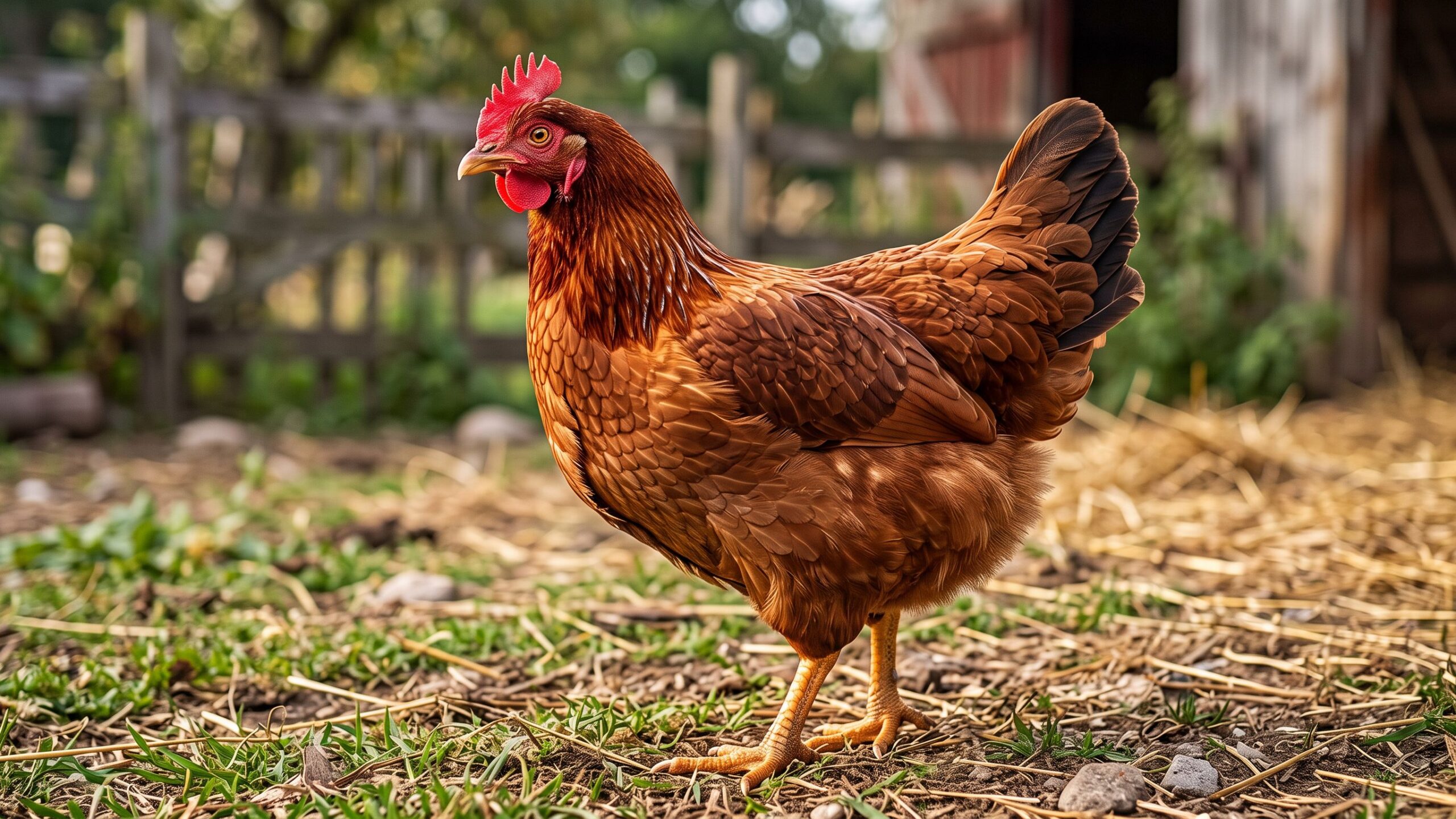
#1: Chickens (Weight: 4–10 lbs | Lifespan: 5–10+ Years | Space: Approximately 4 sq. ft. Indoor Coop Space and 8–10 sq. ft. Outdoor Run Space per Standard Chicken)
Chickens have earned their reputation as one of the best farm animals for beginners, and their popularity extends far beyond traditional agricultural communities. These lively, feathered birds offer an appealing combination of manageable housing requirements, useful egg production, entertaining behavior, and surprisingly distinct personalities. The domestic chicken, scientifically known as Gallus gallus domesticus, descends primarily from the red junglefowl of Asia, although its domestication history involves a complex relationship between humans and several junglefowl populations. Archaeological and genetic research suggests that chickens became domesticated thousands of years ago before spreading across continents through trade, migration, and agricultural expansion. Today, chickens are among the most numerous domesticated birds on Earth, and their presence on small farms continues to grow as families discover the satisfaction of collecting fresh eggs and caring for their own backyard flocks. One of the greatest advantages of keeping chickens is their adaptability. Depending on local regulations, available space, climate, and breed selection, a small flock can thrive in a relatively modest backyard setup. A secure coop provides shelter from harsh weather and nighttime predators, while a protected outdoor run allows birds to scratch, dust-bathe, explore, and forage. Many beginner-friendly recommendations suggest approximately 4 square feet of indoor coop space and 8–10 square feet of outdoor run space per standard-sized chicken, although larger areas are preferable and heavy breeds may need additional room. Good ventilation is essential because accumulated moisture and ammonia can contribute to respiratory problems. Predator-resistant hardware cloth, secure latches, sturdy roofing, and properly protected ventilation openings are particularly important because raccoons, foxes, dogs, hawks, and other predators can threaten a flock. For beginners interested in fresh eggs, chickens offer a particularly rewarding introduction to food production. Productive laying breeds such as Leghorns, Rhode Island Reds, and certain commercial hybrids may produce approximately 250–300 eggs annually under favorable conditions, while heritage and ornamental breeds often lay fewer. Egg production varies with age, daylight, nutrition, season, genetics, and health. A fascinating detail many new chicken keepers discover is that hens do not need a rooster to produce eggs. Roosters are necessary for fertilized eggs intended for hatching, but hens naturally lay unfertilized eggs without male companionship. This makes small groups of hens especially appealing in residential areas where rooster ownership may be restricted because of noise. Chickens also possess far more sophisticated social lives than their familiar barnyard reputation might suggest. Their social hierarchy is commonly called the pecking order, a term originating from scientific observations of chicken behavior. Individual birds recognize familiar flock members, establish relationships, communicate through distinct vocalizations, and respond to environmental changes. Researchers have documented different calls associated with food discoveries and potential threats, demonstrating that chicken communication involves more than random clucking. Watch a flock for an afternoon, and you may notice one hen confidently leading the others toward an interesting patch of soil while another quietly follows behind. Some chickens become comfortable approaching their keepers, accepting treats from their hands, or settling nearby during routine chores.
An especially delightful chicken behavior is dust bathing. Although rolling around in dry dirt may appear counterproductive to staying clean, chickens use dust baths to maintain feather condition and help manage external parasites. They may dig shallow depressions, spread their wings, shake loose soil through their feathers, and bask in the sunshine with an expression that looks remarkably content. Chickens also enjoy scratching through leaves, searching for insects, and investigating unfamiliar objects. Their natural curiosity makes enrichment relatively simple: scattered grains, hanging vegetables, perches, and safe foraging areas can provide valuable mental stimulation. Feeding chickens is generally straightforward when owners use a balanced commercial feed appropriate for the birds’ ages and purposes. Laying hens require adequate calcium for eggshell production, while chicks need specialized starter feed to support healthy development. Clean drinking water must remain available throughout the day, particularly during hot weather. Kitchen scraps and treats should be limited so they do not displace essential nutrients, and foods known to be toxic or unsuitable for poultry should be avoided. Routine observation helps owners identify warning signs such as lethargy, abnormal droppings, respiratory noises, appetite changes, or reduced egg production. Chickens can also be affected by infectious diseases, including avian influenza, making biosecurity and contact with a poultry veterinarian important. For beginners, friendly breeds such as Buff Orpingtons, Plymouth Rocks, and Australorps are often excellent starting points because many individuals are relatively calm and adaptable. Nevertheless, temperament varies among individual birds, and breed descriptions are not guarantees. Starting with three to six compatible hens can provide a manageable introduction to flock care, provided local regulations and available space permit that number. Chickens reward attentive owners with more than eggs: they introduce the fundamentals of animal nutrition, predator protection, sanitation, behavioral observation, and responsible daily care. Their combination of practicality, personality, and manageable size makes them an outstanding first step into farm animal ownership.
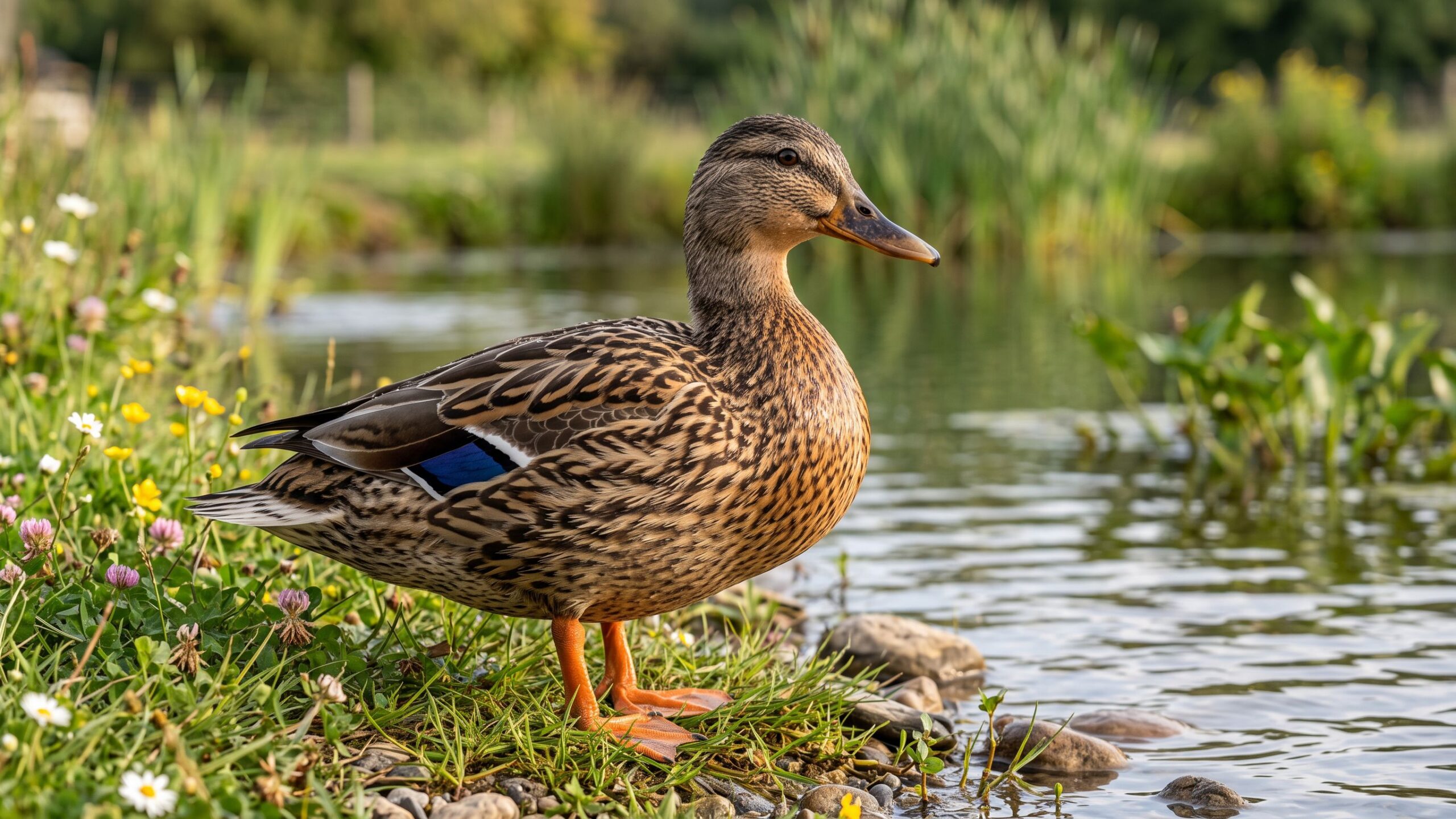
#2: Ducks (Weight: 3–10 lbs | Lifespan: 8–12 Years | Space: Approximately 4–6 sq. ft. Indoor Shelter Space per Duck, Plus a Spacious Outdoor Area)
Few farm animals bring as much cheerful energy to a homestead as ducks. With their unmistakable waddling walks, enthusiastic splashing, animated conversations, and remarkable enthusiasm for puddles, ducks can transform an ordinary farmyard into a wonderfully entertaining environment. Domestic ducks are generally descended from mallards, Anas platyrhynchos, although Muscovy ducks represent a separate domesticated lineage derived from Cairina moschata. Their domestication histories extend back thousands of years, particularly in parts of Asia where ducks became valuable for eggs, meat, feathers, and agricultural pest management. Today, domestic ducks are increasingly popular among small-scale farmers who appreciate their productive qualities and distinctive personalities. One of the biggest surprises for new duck owners is that ducks do not necessarily require a large natural pond. Although access to clean water for bathing and normal aquatic behavior is important, many domestic ducks can thrive with appropriately sized pools or tubs that allow them to immerse their heads and, ideally, bathe their bodies. They must always have drinking water deep enough to clean their nostrils and eyes. A shallow children’s pool with safe entry and exit points can provide an enjoyable bathing area, but the water must be changed frequently because ducks quickly turn clean pools into muddy mixtures of water, soil, and feed. Their enthusiasm for water makes drainage and sanitation especially important considerations. Ducks are often excellent egg producers, and certain breeds can compete with productive chicken breeds. Khaki Campbells, for example, may lay approximately 250–300 eggs per year under favorable conditions, while other breeds produce substantially fewer. Duck eggs are typically larger than chicken eggs, although size varies by breed. They contain rich yolks and are appreciated by some bakers for their culinary properties. Unlike chicken eggs, duck eggs often have thicker shells and different proportions of yolk and albumen. Proper handling, refrigeration, and cooking remain essential because duck eggs, like chicken eggs, can carry foodborne pathogens.
Another fascinating advantage of ducks is their enthusiasm for foraging. Many ducks eagerly search through vegetation for insects, slugs, snails, and other small invertebrates. Historically, farmers in various regions used ducks as part of integrated agricultural systems, including rice cultivation, where their feeding behavior could contribute to pest management. However, ducks are not automatically harmless garden helpers. Their feet can flatten delicate seedlings, and their bills can disturb young plants and muddy soil. Beginners should supervise access to vegetable gardens and avoid assuming that ducks will selectively consume pests without damaging crops. Duck personalities can be wonderfully expressive. Some ducks follow their keepers around the yard, especially when they associate people with food or positive interactions. Others maintain a cautious distance while communicating constantly with flockmates. Their vocalizations vary by breed and sex. Female mallard-derived domestic ducks often produce the familiar loud quack, while males generally have quieter, raspier calls. Muscovy ducks communicate differently, frequently using hisses, soft sounds, and body movements. Watching a group of ducks investigate a newly filled pool can be delightful as they dip their heads, splash their wings, and rapidly preen their feathers. A little-known feature of duck anatomy is the preen gland located near the base of the tail. Ducks spread oily secretions from this gland across their feathers during grooming, helping maintain feather condition and water resistance. Their feathers also have specialized structures that help repel water. Even so, domestic ducks can develop wet feather problems when feather condition, health, or environmental conditions deteriorate. Clean bathing water, appropriate nutrition, and suitable shelter help maintain healthy plumage. For beginners, Pekin, Welsh Harlequin, and Khaki Campbell ducks are commonly considered, although their suitability depends on whether the owner’s priorities include eggs, temperament, or general companionship. Ducks require balanced waterfowl nutrition, including sufficient niacin, which is particularly important for growing ducklings. They also need secure nighttime housing because predators can easily target domestic ducks. Their bedding often becomes damp more quickly than chicken bedding, so owners should anticipate frequent cleaning and dry resting areas. One important consideration is flock companionship. Ducks are social animals and should generally be kept with other compatible ducks rather than alone. Beginners must also manage sex ratios carefully because excessive mating pressure from drakes can injure females. Ducks are charming and productive, but they are messier than many newcomers expect. For people prepared to manage water, mud, and routine cleaning, their friendly behavior, useful eggs, and engaging personalities make them excellent beginner farm animals.
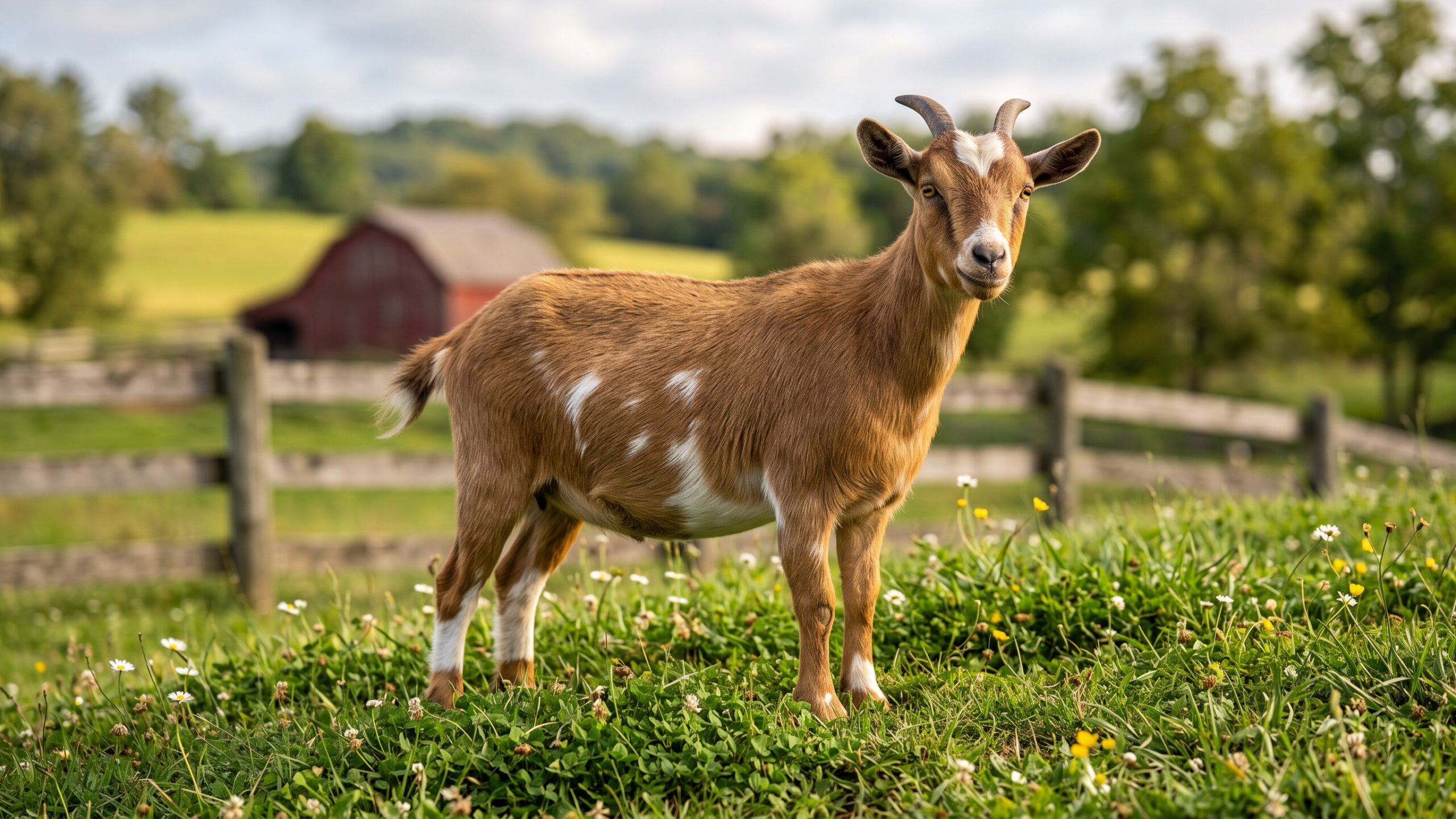
#3: Nigerian Dwarf Goats (Weight: 50–80 lbs | Lifespan: 12–15 Years | Space: Approximately 200–250 sq. ft. of Outdoor Exercise Area per Goat as a Starting Guideline, With More Space Preferred)
Nigerian Dwarf goats may be small in stature, but their personalities can fill an entire barnyard. These miniature dairy goats have become favorites among hobby farmers because of their compact size, playful behavior, attractive coats, and potential for milk production. The breed developed in the United States from small West African goats imported during the twentieth century, eventually becoming recognized as a distinct miniature dairy breed. Although their precise ancestry includes some historical uncertainty, Nigerian Dwarf goats are now widely appreciated for combining dairy characteristics with a manageable body size. Their curious expressions, upright ears, and lively movements make them especially appealing to people dreaming of a small farm filled with personality. Despite their relatively small size, Nigerian Dwarf goats are genuine livestock rather than low-maintenance novelty pets. Adult does commonly weigh around 50–75 pounds, while bucks may be somewhat heavier. Their compact build makes handling easier than managing full-sized dairy breeds, but goats are surprisingly strong, athletic, and determined. A goat that discovers an unsecured gate may repeatedly test it, and an animal that learns to climb onto a platform may soon investigate fences, feeders, and other structures. Goat owners often joke that their animals spend more time planning escapes than eating, and anyone who has watched a clever goat manipulate a loose latch can understand the reputation. One of the breed’s most appealing qualities is its potential for milk production. A well-managed Nigerian Dwarf doe may produce roughly 1–2 quarts of milk per day during lactation, although individual production varies considerably with genetics, nutrition, age, and stage of lactation. Nigerian Dwarf milk is known for relatively high butterfat content, making it popular among people interested in homemade cheese, yogurt, and other dairy products. However, milk production requires breeding and kidding, followed by regular milking and careful attention to udder health. Beginners should understand the responsibilities of managing pregnancy, newborn kids, and surplus offspring before choosing dairy goats. Goats are browsers rather than simple lawnmowers. Although they eat grasses, they often prefer leaves, shrubs, vines, and other broadleaf vegetation. This feeding preference reflects their natural adaptations and can make them useful in carefully managed vegetation-control programs. Nevertheless, goats should never be released into unfamiliar areas without checking for poisonous plants, hazardous debris, and fencing risks. Their tendency to sample vegetation can expose them to toxic ornamentals such as azaleas, rhododendrons, and yews. A balanced diet generally includes suitable forage, appropriate minerals formulated for goats, and supplemental feed when necessary. Social companionship is essential. Goats are herd animals and typically become stressed when isolated from members of their own species. Beginners should plan to keep at least two compatible goats rather than purchasing a single animal. Two wethers, which are castrated males, can be an appealing choice for people primarily interested in companionship rather than breeding or milk production. Wethers do not require milking or reproductive management, although they still need appropriate nutrition and careful monitoring for urinary problems. Their personalities can range from gentle and affectionate to mischievous and independent. A particularly entertaining behavior among young goats is spontaneous jumping, twisting, and running, sometimes described as playful bouncing. Kids may leap sideways, race across platforms, and spring into the air seemingly without warning. Such play contributes to physical development and social interaction. Providing sturdy climbing structures, safe platforms, and varied terrain can encourage natural movement. However, owners should avoid placing climbing equipment near fences where goats might use it as an escape route. Goat health management requires attention to hoof trimming, parasite control, vaccinations, dental condition, and proper nutrition. Internal parasites, especially barber pole worms in many regions, can cause serious illness. Rather than relying on routine blanket deworming, owners should work with a veterinarian to develop a targeted parasite-management program. Goats also require dry shelter, clean bedding, shade, and protection from extreme weather. Their housing must be well ventilated without exposing animals to persistent drafts or damp conditions. Nigerian Dwarf goats are best suited to beginners who enjoy daily interaction and are willing to invest in secure fencing and regular care. They are not as effortless as chickens, and their long lifespans make them a substantial commitment. Still, for aspiring farmers interested in small dairy livestock, energetic companions, and the unforgettable experience of raising intelligent herd animals, Nigerian Dwarf goats offer a rewarding introduction to the world of goats.
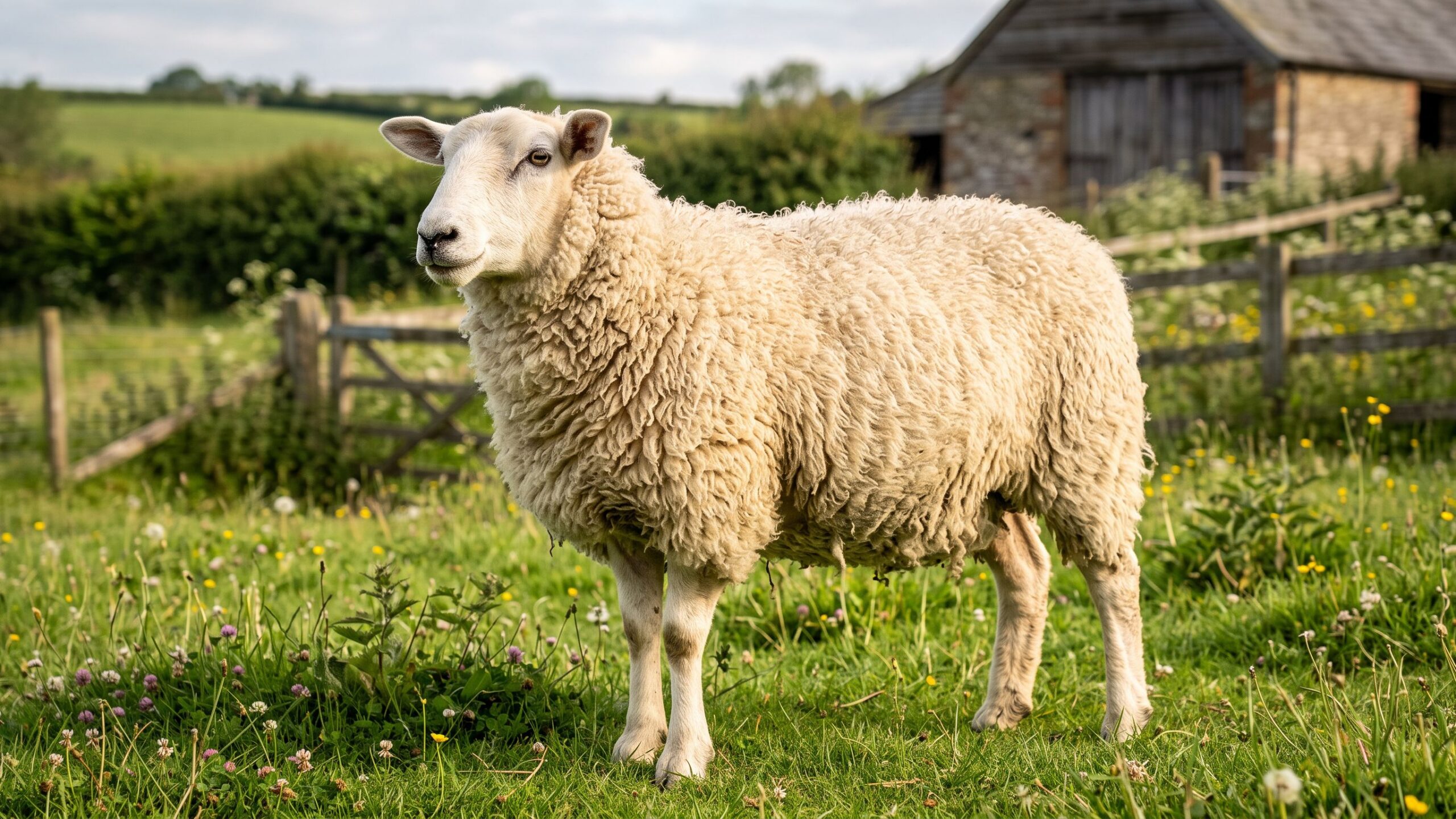
#4: Sheep (Weight: 100–250 lbs | Lifespan: 10–12 Years | Space: Pasture Needs Vary Widely; Approximately 0.25–1+ Acre per Sheep May Be Needed Depending on Forage Conditions)
Sheep have occupied an important place in human agriculture for thousands of years, providing wool, meat, milk, hides, and a close connection to traditional pastoral life. Their gentle appearance, soft fleece, and peaceful grazing habits make them appealing additions to small farms. Domestic sheep, scientifically known as Ovis aries, were among the earliest livestock species domesticated by humans, with evidence of sheep management dating back roughly 10,000 years in Southwest Asia. Over centuries, selective breeding produced hundreds of breeds with different body sizes, fleece characteristics, climates of adaptation, and production purposes. For beginners, sheep can provide a fascinating introduction to flock management, pasture care, and responsible grazing practices. One of the first decisions prospective sheep owners face is whether to raise wool sheep or hair sheep. Wool breeds such as Romney, Corriedale, and certain fine-wool varieties produce fleece that requires periodic shearing. Hair sheep, including Katahdins and St. Croix, naturally shed much of their coats and generally do not require routine shearing. This distinction can significantly influence daily and seasonal management. Beginners who are primarily interested in maintaining a small flock rather than producing wool may find hair sheep especially appealing because they eliminate the need to arrange annual professional shearing under normal circumstances. Sheep are strongly social animals. Their instinct to remain together is deeply rooted in their evolutionary history as prey animals. When frightened, sheep often move toward flockmates rather than independently investigating a threat. This behavior has shaped traditional shepherding techniques and the development of livestock guardian systems. Keeping sheep individually is generally inappropriate because isolation can cause considerable stress. A small flock of at least three compatible animals is often preferable, provided the owner has adequate pasture, shelter, and resources. Although sheep are commonly described as timid or unintelligent, research has revealed impressive cognitive abilities. Sheep can recognize familiar faces, distinguish individuals, and remember social relationships. Their visual perception and flock awareness are important components of their behavior. In controlled research settings, sheep have demonstrated the ability to learn visual discrimination tasks, challenging the old stereotype that they simply follow one another without thought. Experienced shepherds often recognize individual personalities within a flock, including bold animals that approach people and cautious individuals that prefer observing from a distance.
Pasture management is one of the most important aspects of raising sheep successfully. Sheep primarily graze grasses and other low-growing forage, although their diets can include a variety of suitable plants. The amount of land required depends on rainfall, soil fertility, forage productivity, seasonal growth, stocking density, and supplemental feeding. A productive pasture in a favorable climate may support more animals than an equivalent area of dry or overgrazed land. Rotational grazing can help protect vegetation and reduce concentrated grazing pressure, but it must be planned carefully because moving animals does not automatically eliminate parasite risks. A surprising detail about sheep is their sensitivity to certain minerals. Sheep are particularly vulnerable to copper toxicity when consuming excessive copper, making mineral supplements formulated for other livestock potentially dangerous. Owners should use sheep-appropriate mineral products and consult local veterinary or agricultural extension guidance because mineral requirements and forage concentrations vary by region. Proper nutrition also changes with pregnancy, lactation, age, and body condition. Predator protection is another essential consideration. Sheep can be vulnerable to domestic dogs, coyotes, wolves, and other predators depending on location. Secure fencing, appropriate nighttime arrangements, and carefully selected guardian animals may reduce risk. Some farms use livestock guardian dogs, llamas, or donkeys, but the effectiveness of these animals varies, and introducing a guardian creates additional management responsibilities. Beginners should not assume that simply placing another species in the pasture guarantees flock safety. Routine sheep care includes hoof inspection and trimming when necessary, parasite monitoring, vaccinations, and checking for signs of lameness or illness. Sheep may conceal symptoms until disease has progressed, so learning normal flock behavior is especially valuable. Changes in appetite, posture, breathing, movement, or social interaction deserve attention. Flystrike, foot problems, and internal parasites can become serious under certain environmental conditions. For beginners, Katahdin and other suitable hair sheep are often practical choices, particularly when the goal is a manageable grazing flock without wool production. Sheep offer a quieter and generally less mischievous alternative to goats, although they still require substantial care and knowledgeable management. Their fascinating social behavior, agricultural history, and role in sustainable pasture systems make them a rewarding choice for people with suitable land and a genuine interest in learning livestock husbandry.
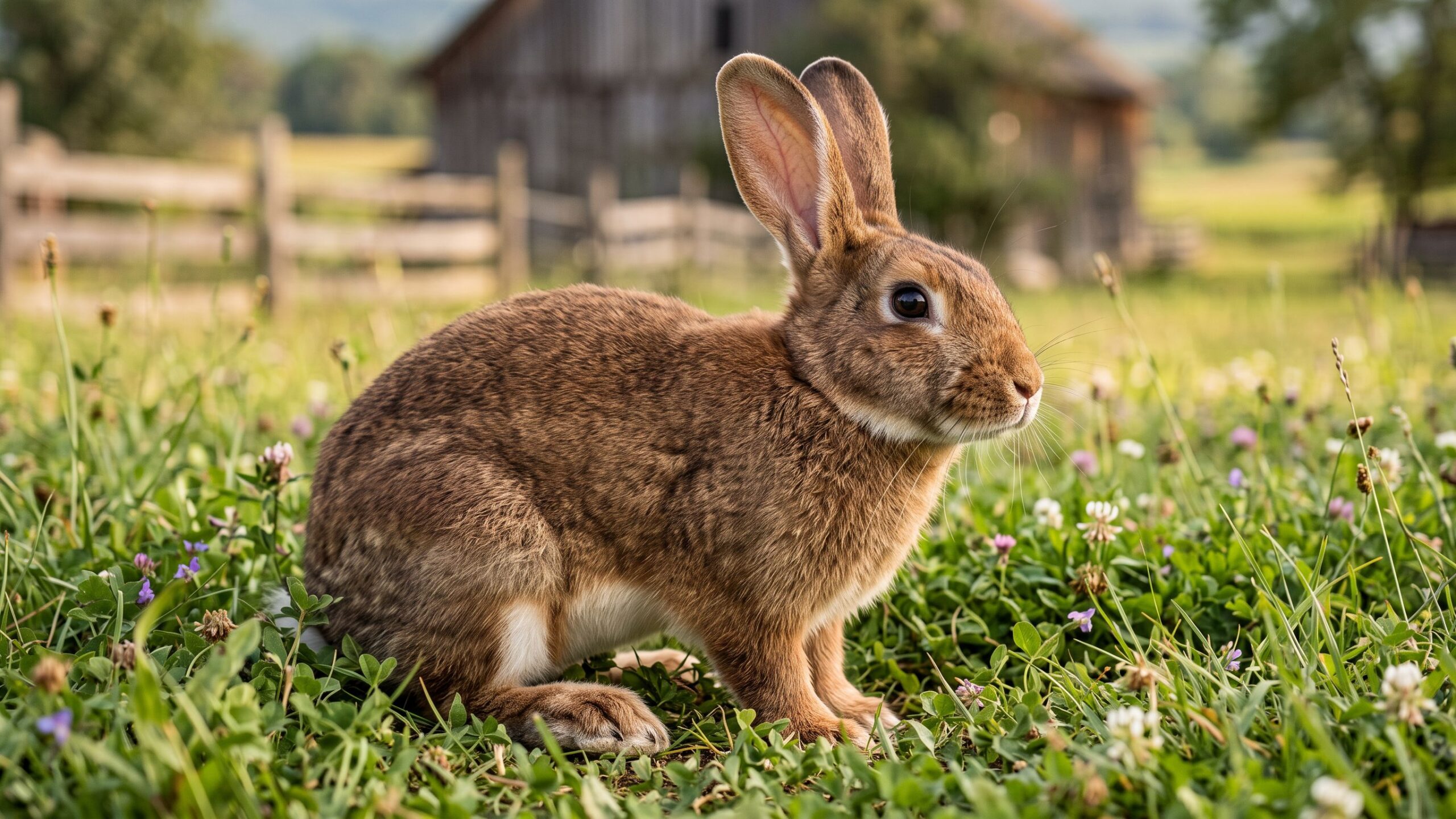
#5: Rabbits (Weight: 4–12 lbs | Lifespan: 8–12 Years | Space: At Least 12–16 sq. ft. of Continuous Living Space per Pair, With Additional Exercise Space)
Rabbits may not immediately come to mind when imagining traditional farm animals, but these soft-furred mammals have played a significant role in small-scale agriculture for centuries. Domestic rabbits, scientifically classified as Oryctolagus cuniculus domesticus, descend from European rabbits and have been raised for meat, fur, fiber, manure, and companionship. Their relatively small size makes them attractive to beginners who lack the acreage required for larger livestock. However, their delicate digestive systems, sensitivity to heat, and need for suitable social and environmental enrichment mean that rabbits deserve considerably more attention than their reputation as simple cage animals might suggest. One of the greatest advantages of raising rabbits is the flexibility of their housing arrangements. Unlike grazing livestock, rabbits do not require large fenced pastures, but they do need spacious, secure living environments that allow them to hop, stretch, stand upright, explore, and rest comfortably. Modern welfare-focused housing recommendations emphasize continuous floor space, exercise opportunities, and enrichment rather than confinement in small traditional hutches. A suitable enclosure should provide solid resting surfaces, protection from weather and predators, comfortable bedding, hiding places, and opportunities for natural behaviors. Wire flooring can contribute to foot injuries when poorly designed or used without appropriate resting areas. Rabbits have a fascinating digestive system adapted to processing high-fiber plant material. They are hindgut fermenters, meaning that specialized microorganisms in the cecum help break down fibrous foods. One of their most unusual behaviors is cecotrophy, the consumption of specially produced soft droppings called cecotropes. These nutrient-rich materials are normally eaten directly from the anus, allowing rabbits to recover vitamins and other nutrients generated during fermentation. Although this behavior may surprise new owners, it is a completely normal and essential part of rabbit digestion. A rabbit’s diet should center on abundant appropriate grass hay, supplemented with suitable leafy greens and measured quantities of balanced rabbit pellets. Fresh water must always be available. Sudden dietary changes can disrupt digestive function, and prolonged refusal to eat is an emergency requiring prompt veterinary attention. Gastrointestinal stasis, dental disease, and other digestive disorders can become life-threatening quickly. Beginners should identify an experienced rabbit veterinarian before bringing animals home.
Rabbits are also more expressive than many people realize. A relaxed rabbit may stretch out on its side, groom a companion, or perform a joyful leap and twist known as a binky. Rabbits sometimes thump their hind feet when alarmed, using vibrations to communicate danger. Their ears provide valuable clues about attention and emotional state, although ear position must be interpreted alongside body posture and breed characteristics. Lop-eared rabbits, for example, cannot express ear movements in exactly the same way as upright-eared breeds. Social relationships are particularly important. Rabbits are naturally social, and many benefit from living with a compatible, bonded rabbit companion. However, introductions must be carefully managed because unfamiliar rabbits can fight and cause serious injuries. Spaying and neutering are often important for preventing unwanted breeding, reducing certain health risks, and improving compatibility. A bonded pair can be a wonderful example of animal companionship, frequently resting together and grooming one another. Historically, rabbit breeding expanded across Europe as domestic rabbits became important sources of food and fur. Over time, breeders developed animals with distinctive coat colors, body shapes, ear types, and fiber qualities. Angora rabbits became especially valued for their long, soft wool, while breeds such as the New Zealand and Californian were developed for commercial production characteristics. For beginners interested primarily in companionship, temperament, health, and manageable grooming needs should take priority over unusual appearance. Rabbits also produce manure that many gardeners appreciate because it can contribute valuable nutrients and organic matter to composting systems. Their manure is often described as relatively mild compared with some other livestock manures, although safe handling and sound gardening practices remain important. Rabbit bedding and manure can be incorporated into appropriately managed compost, connecting animal care with productive gardening. Heat management is especially important because rabbits tolerate high temperatures poorly. Shade, ventilation, cool resting areas, and carefully monitored environmental conditions are essential during summer. Rabbits should never be left in direct sunlight without adequate protection, and owners should recognize signs of heat stress, including rapid breathing, weakness, and unusual behavior. For beginners, rabbits can be rewarding farm animals when owners approach them as intelligent, sensitive creatures rather than inexpensive livestock requiring minimal attention. Their quiet behavior, manageable size, fascinating biology, and potential contributions to a small homestead make them an appealing choice for people willing to provide proper space, companionship, and specialized veterinary care.
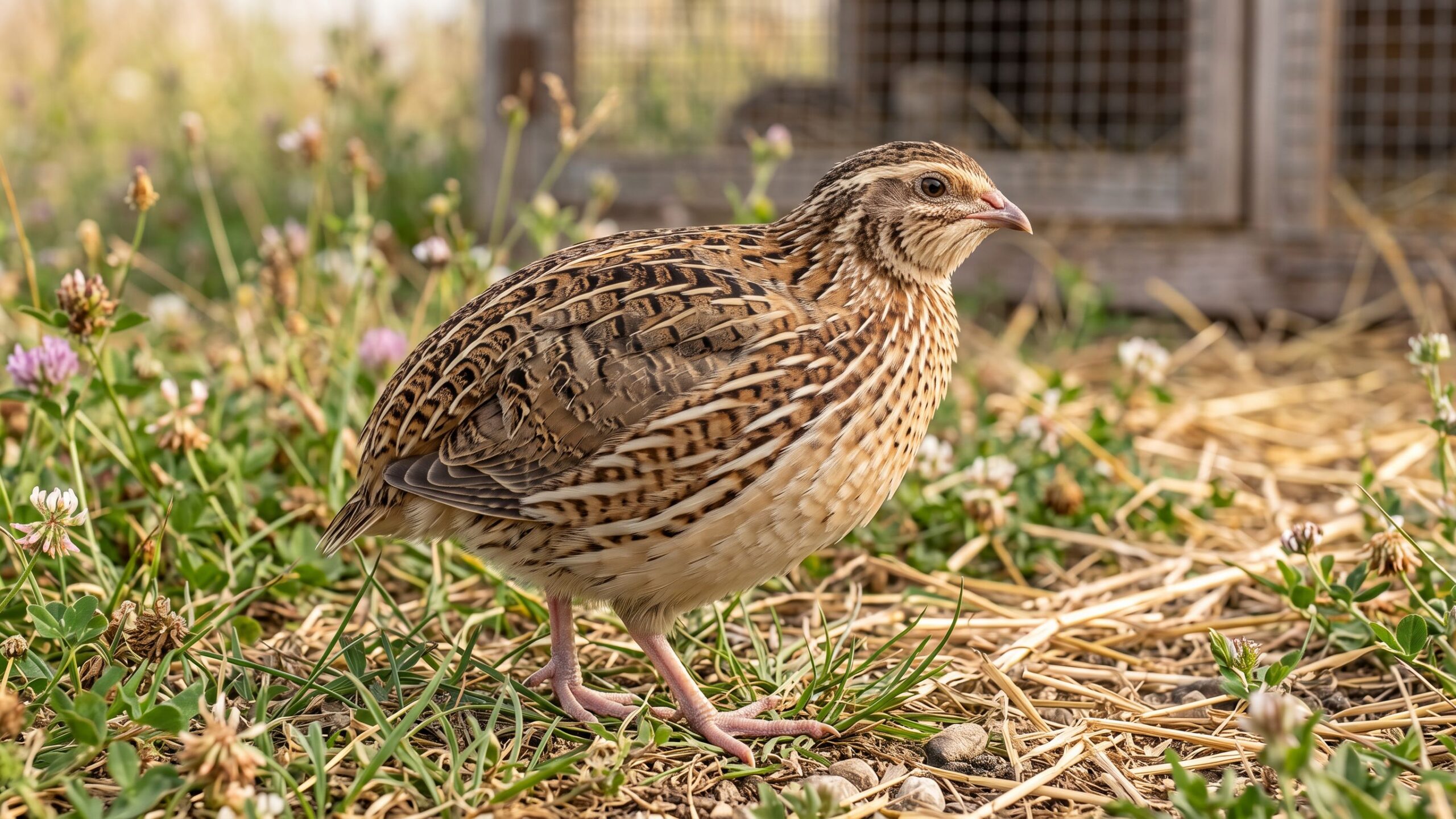
#6: Coturnix Quail (Weight: 4–12 oz | Lifespan: 2–4 Years | Space: Approximately 1–2 sq. ft. per Bird as a Starting Minimum, With More Space and Enrichment Preferred)
For beginners interested in raising productive birds without dedicating an entire backyard to poultry, Coturnix quail offer an intriguing alternative to chickens and ducks. These compact, fast-growing birds belong to the species Coturnix japonica, commonly called Japanese quail, and have a long history of domestication in East Asia. Although quail have been kept for centuries, their popularity in small-scale agriculture has grown because of their relatively modest space requirements, rapid maturity, and distinctive spotted eggs. Their small bodies and quiet, busy movements make them fascinating animals to observe, while their management introduces newcomers to poultry care on a smaller physical scale. One of the most remarkable characteristics of Coturnix quail is their rapid development. Under favorable conditions, females may begin laying eggs at approximately six to eight weeks of age, considerably earlier than most chicken breeds. Productive hens may lay roughly 200–300 eggs annually, depending on genetics, lighting, nutrition, and management. Their eggs are small, typically weighing around 0.3–0.5 ounces, and often feature beautiful brown speckles against pale shells. Because individual eggs are much smaller than chicken eggs, several quail eggs may be needed to replace one large chicken egg in a recipe. Quail are especially appealing to people who enjoy efficient use of space, but their housing needs should not be underestimated. A secure enclosure must provide adequate floor area, shelter, ventilation, appropriate substrate, hiding places, and protection from predators. Quail are ground-dwelling birds that naturally spend much of their time walking, foraging, and seeking cover. They benefit from opportunities to dust-bathe and investigate their surroundings. Housing them in barren, overcrowded cages may cause stress, injuries, and abnormal behaviors. A particularly important safety consideration is their startling response. When frightened, quail may suddenly jump or fly vertically with surprising force. This behavior can cause head injuries if enclosure roofs are rigid and poorly designed. Appropriate housing should account for this instinct through safe ceiling design, sufficient cover, and careful handling practices. Beginners sometimes assume that a small bird must be easy to catch, only to discover how quickly quail can move when startled.
Coturnix quail are also notable for their varied feather colors. Selective breeding has produced numerous domestic color varieties, including Pharaoh, Italian, Tibetan, and English White patterns. Some varieties retain camouflage resembling wild quail, while others display pale or contrasting plumage. Their markings are not merely decorative; wild-type coloration reflects evolutionary adaptations that help ground-dwelling birds blend into vegetation and soil. Their feeding requirements differ from those of many backyard chickens. Growing quail generally require high-protein game-bird or appropriately formulated quail starter feeds, while laying adults need balanced nutrition with adequate calcium. Feed selection should match age and production stage. Because quail are small, water containers must be designed to prevent drowning, especially for chicks. Cleanliness is important because damp bedding and accumulated droppings can contribute to disease. Another interesting aspect of quail keeping is their reproductive behavior. Male Coturnix quail may produce distinctive crowing calls that are generally different from a rooster’s crow, although they can still be noticeable to neighbors. Males may also become aggressive or overmate females when flock composition is unsuitable. People interested solely in eggs can often maintain groups of females without males, avoiding fertilized eggs and reducing certain social complications. Quail are not typically cuddly animals. Some become accustomed to human presence and approach familiar keepers, but many remain cautious and prefer minimal handling. Their small size can make them physically vulnerable, and rough handling may cause injuries. Beginners should appreciate them primarily as active, ground-dwelling birds with natural behaviors rather than expecting the same interactions they might enjoy with tame chickens. Historically, Japanese quail were kept for their vocalizations before becoming increasingly important for egg and meat production. They have also contributed to scientific research because of their rapid development and relatively short generation times. This combination of agricultural and scientific importance gives the species a surprisingly rich history. Coturnix quail are excellent candidates for beginners with limited space who are prepared to learn specialized poultry husbandry. Their rapid maturity, attractive eggs, and engaging behavior make them rewarding, but their short lifespans and sensitivity to housing conditions deserve careful consideration. For people seeking a compact introduction to productive farm birds, quail offer an exciting opportunity.
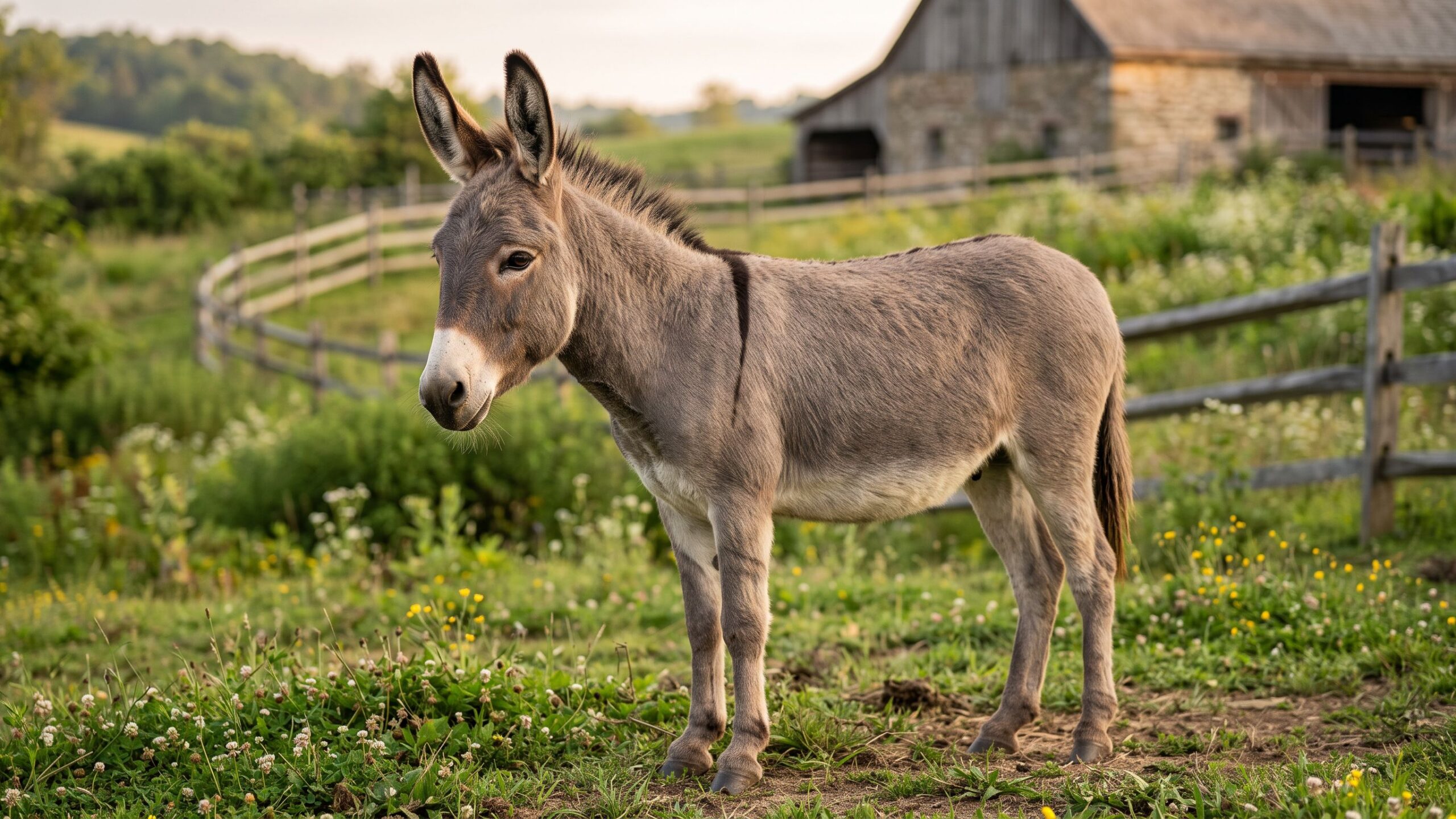
#7: Miniature Donkeys (Weight: 200–350 lbs | Lifespan: 25–35+ Years | Space: Approximately 0.5–1+ Acre for a Small Pair, Depending on Grazing Conditions)
Miniature donkeys bring an unmistakable combination of charm, intelligence, and gentle curiosity to the farmyard. Their oversized ears, expressive eyes, compact bodies, and memorable braying calls make them favorites among people who appreciate equines but prefer animals smaller than full-sized horses. Miniature Mediterranean donkeys trace their development to Mediterranean islands, particularly Sicily and Sardinia, where small donkeys were historically used for transportation and agricultural tasks. Imported populations later became established in the United States, where miniature donkeys gained popularity as companion animals and small-farm residents. Despite their adorable appearance, they remain equines with specialized needs and substantial long-term care requirements. One of the first things beginners notice about miniature donkeys is their thoughtful behavior. Donkeys are sometimes unfairly described as stubborn, but their tendency to hesitate often reflects careful assessment of unfamiliar situations. Unlike horses, which may respond to perceived danger by fleeing rapidly, donkeys can be more inclined to stop and evaluate their surroundings. This difference has contributed to the stereotype of stubbornness, even though patient training and positive reinforcement can produce remarkably cooperative animals. Miniature donkeys are highly social and should generally live with compatible equine companions, ideally other donkeys. Their social bonds can become extremely strong, and separating bonded animals may cause significant distress. A pair of miniature donkeys can often be seen standing close together, grooming one another, or resting in the same area. Their companionship needs make them unsuitable for people seeking a solitary pasture ornament.
Although smaller than standard donkeys, miniature donkeys still require meaningful space, secure fencing, shelter, and regular veterinary care. They need room to walk, exercise, and express natural behaviors. Pasture acreage requirements vary greatly depending on climate, forage availability, soil conditions, and management practices. Rich pasture can actually create problems because donkeys are adapted to extracting nutrients from relatively sparse forage. Excess calories may contribute to obesity, metabolic disorders, and laminitis, a painful condition affecting the sensitive structures inside the hoof. Their feeding requirements are therefore an important consideration. Many donkeys thrive on carefully managed forage diets that may include suitable low-energy hay or straw, depending on individual needs and veterinary guidance. Owners should not assume that feeding a donkey like a horse is appropriate. Access to fresh water, suitable minerals, and regular body-condition monitoring is essential. Concentrated feeds may be unnecessary for healthy adult donkeys and can create problems when used excessively. Miniature donkeys are also known for their distinctive vocalizations. Their bray, often represented as a loud hee-haw, is produced through a combination of inhaled and exhaled sounds. Although their size is small, their voices can be remarkably powerful. Prospective owners should consider nearby neighbors before bringing donkeys home, especially in areas where noise complaints may become an issue. Another fascinating characteristic is their sensitivity to wet weather. Donkey coats generally provide less effective water resistance than horse coats, making dry shelter especially important during prolonged rain and cold conditions. A well-designed shelter should protect them from wind and precipitation while providing adequate ventilation. Muddy footing can contribute to hoof and skin problems, so drainage deserves careful planning. Hoof care is one of the most important ongoing responsibilities. Donkeys require regular inspection and professional trimming by someone experienced with donkey hoof anatomy. Their hoof shape and weight-bearing characteristics differ from those of horses, and inappropriate trimming can create serious problems. Dental examinations, vaccinations, parasite management, and routine veterinary care are also essential. Their long lifespans mean owners must plan for decades of responsible care. Some farms use donkeys as livestock guardians because certain individuals display defensive behavior toward canines. However, this practice is not universally appropriate. Not all donkeys protect livestock, and some may chase or injure smaller animals. Miniature donkeys are generally less suitable for guardian work than appropriately selected larger donkeys, and owners should never assume that an animal will automatically protect a flock. For beginners with adequate land, equine veterinary access, and a strong interest in companionship, miniature donkeys can be wonderful farm residents. They are more expensive and demanding than small poultry, but their intelligence, social bonds, and engaging personalities make them deeply rewarding. Their greatest gift may simply be the daily pleasure of watching two curious long-eared companions approach the fence, hoping for attention and another opportunity to investigate the world around them.
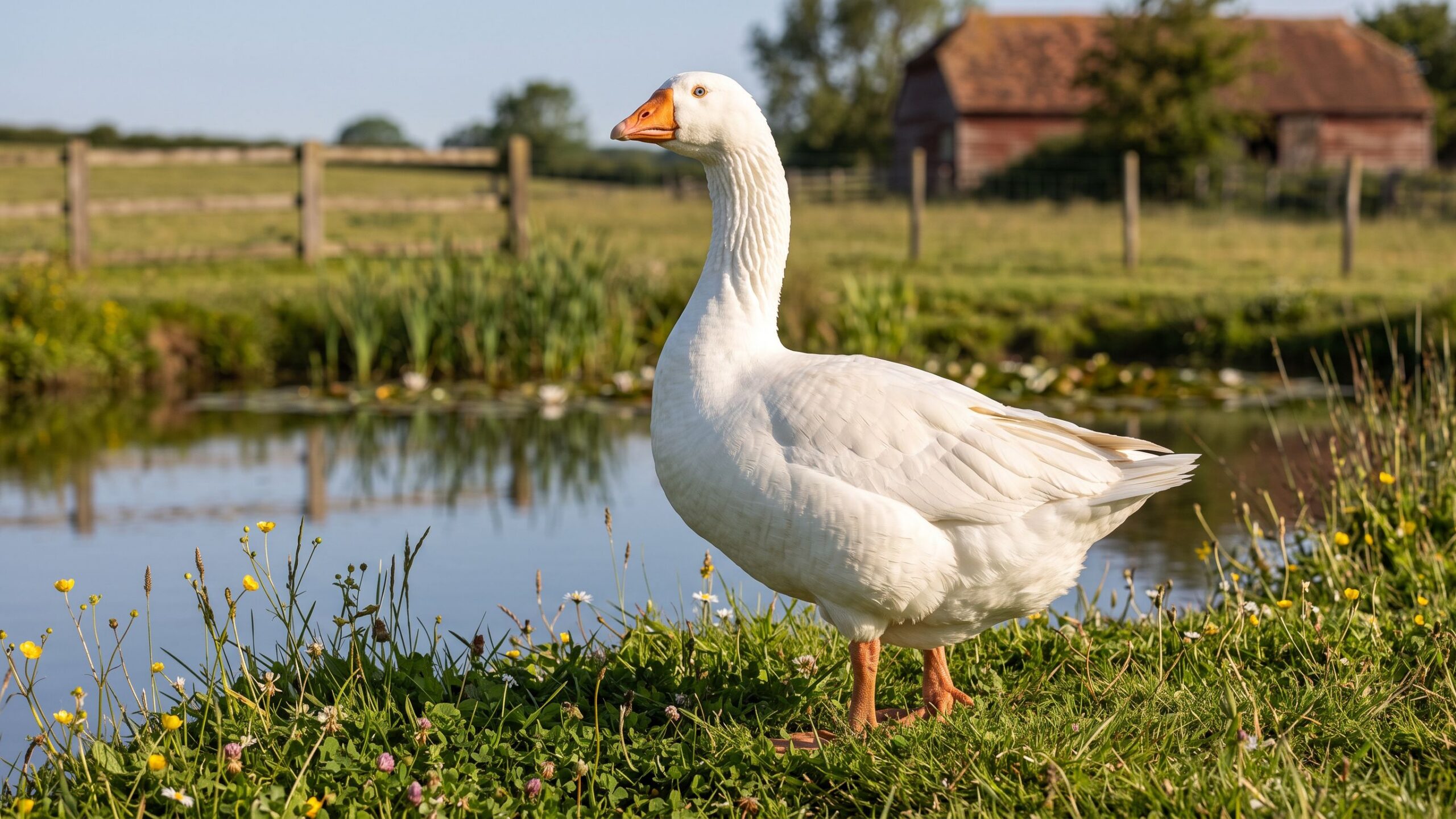
#8: Geese (Weight: 8–20 lbs | Lifespan: 10–20+ Years | Space: Approximately 10 sq. ft. of Indoor Shelter Space per Goose, Plus Generous Outdoor Grazing Space)
Geese have been part of agricultural life for thousands of years, serving as sources of meat, eggs, feathers, and even household alarms. Their impressive size, confident movements, loud calls, and strong social bonds make them among the most distinctive birds found on small farms. Most domestic goose breeds descend from the greylag goose, Anser anser, while Chinese and African geese are associated with domesticated swan geese, Anser cygnoides. These different ancestral lineages have produced domestic breeds with a remarkable range of body sizes, colors, and physical features. For beginners, geese can be rewarding additions to a suitable property, although their territorial behavior and powerful voices require careful consideration. One of the most useful characteristics of geese is their enthusiasm for grazing. Unlike chickens, which spend considerable time scratching through soil, geese consume substantial quantities of grasses and other vegetation. On suitable pasture, they may obtain much of their daily forage through grazing during productive seasons, although balanced nutrition and supplemental feeding remain necessary depending on conditions. Historically, geese were sometimes used to control weeds in agricultural crops, particularly where their grazing preferences could be managed around established plants. However, geese can also damage gardens and sensitive vegetation, so their grazing should be supervised. Geese are naturally alert animals. Their strong awareness of unfamiliar movement and tendency to vocalize when disturbed have earned them a reputation as barnyard watchdogs. One famous historical account describes sacred geese associated with the Roman goddess Juno raising an alarm during a Gallic attack on Rome. Although the details of this ancient story belong partly to legend, it reflects the longstanding association between geese and vigilance. On modern farms, geese may loudly announce approaching visitors, passing animals, or unexpected disturbances. That alertness can also become a challenge. Geese may display territorial behavior, particularly during breeding and nesting seasons. An agitated goose may lower its head, hiss, spread its wings, or move aggressively toward a perceived intruder. Their bites and wing strikes can be painful, especially for children or people unfamiliar with goose behavior. Beginners should learn to recognize warning signals and avoid encouraging aggressive interactions. Calm handling, appropriate boundaries, and careful flock management are important.
Geese form strong social relationships and should generally live with compatible companions. Some establish long-term pair bonds, although pairing patterns vary among individuals and breeds. Their attachment to flockmates can be evident when separated birds call repeatedly or search for one another. Watching geese move together across a pasture reveals their coordinated behavior, with individuals frequently pausing to scan their surroundings while others graze. Their water requirements resemble those of ducks in some respects, but geese are often more capable grazers. They need constant access to clean drinking water and benefit from water deep enough to immerse their heads. Bathing water supports grooming and natural behavior, although a large permanent pond is not essential for every domestic flock. Pools and tubs must be maintained hygienically, and wet areas should be managed to prevent persistent mud and unhealthy conditions. Domestic geese vary considerably in size and temperament. Smaller breeds such as Pilgrim geese may appeal to some beginners, while larger breeds such as Toulouse and Embden geese require more space and produce greater quantities of manure. Breed descriptions can provide useful guidance, but individual personalities and social environments strongly influence behavior. Even a traditionally calm breed can become defensive during nesting. Goose eggs are another interesting feature. They are considerably larger than chicken eggs, often weighing several ounces each, but geese generally lay far fewer eggs annually than productive chicken or duck breeds. Many domestic geese lay seasonally, with production influenced by breed, daylight, age, and management. Their eggs have culinary uses, although owners should follow appropriate food-safety practices. Geese require secure nighttime housing and protection from predators. Despite their confident behavior, they can be vulnerable to foxes, dogs, coyotes, and other animals. Their larger bodies do not make them invincible. Suitable fencing, sturdy shelters, clean bedding, and veterinary care remain essential. Owners should also anticipate noise, especially when multiple geese become excited simultaneously. For beginners with pasture space, patient handling skills, and tolerance for enthusiastic vocalizations, geese can be fascinating farm companions. Their grazing behavior, social intelligence, historical significance, and striking presence make them rewarding additions to the barnyard. However, they are best suited to people who appreciate assertive birds and understand that their watchdog reputation does not replace proper predator protection.
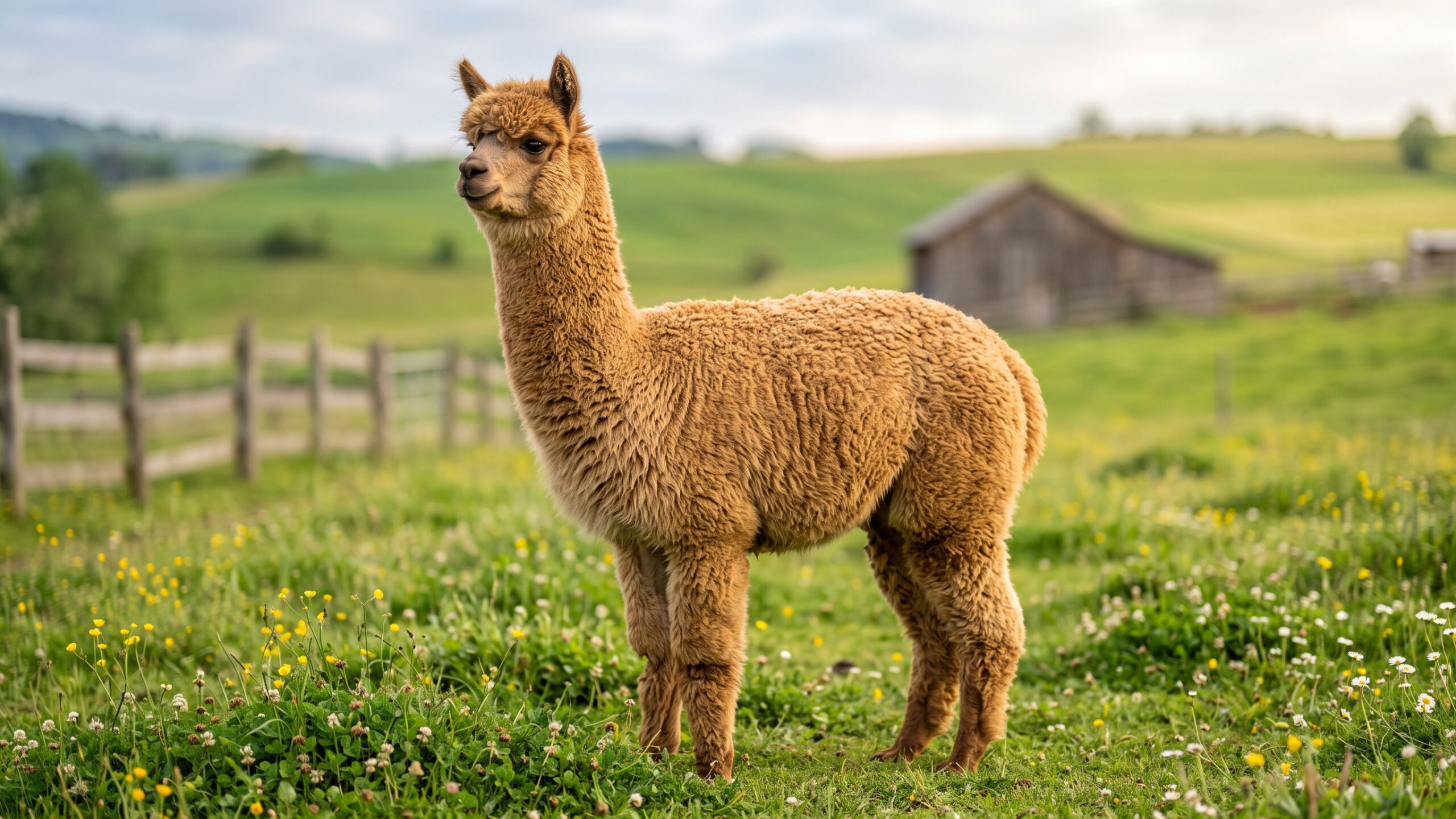
#9: Alpacas (Weight: 100–200 lbs | Lifespan: 15–20+ Years | Space: Approximately 0.5–1 Acre for a Small Group on Productive Pasture, With Supplemental Feeding as Needed)
With their soft fleece, long necks, expressive faces, and gentle movements, alpacas have become some of the most recognizable animals on modern hobby farms. Native to the Andean region of South America, alpacas belong to the camelid family and are closely related to llamas, guanacos, and vicuñas. Their scientific name is Vicugna pacos, and they have been domesticated for thousands of years, primarily for their valuable fiber. Indigenous Andean communities developed sophisticated traditions of camelid husbandry long before alpacas became familiar sights on North American farms. Today, alpacas attract beginners interested in fiber production, pasture management, and the experience of caring for unusual but engaging livestock. One of the most appealing aspects of alpacas is their generally quiet demeanor. Compared with noisy poultry or highly vocal goats, alpacas often communicate through soft humming sounds, body language, and occasional alarm calls. Their calm appearance can create a peaceful atmosphere in the pasture. However, quiet behavior should not be mistaken for effortless care or universal friendliness. Alpacas are prey animals and may become stressed by unfamiliar handling, sudden movements, or isolation from their herd. Alpacas are strongly social and should live in compatible groups. Keeping at least three animals is commonly recommended because they rely heavily on herd companionship and communication. Their social interactions can include following familiar individuals, resting near one another, and maintaining awareness of the group’s movements. They also establish social hierarchies, and conflicts may arise over food, space, or breeding access. Beginners should select compatible animals and provide enough feeding locations to reduce competition.
Their most famous characteristic is their fleece. Alpaca fiber is prized for softness, warmth, and a wide range of natural colors, including white, brown, black, gray, and various intermediate shades. Two primary fleece types are recognized: Huacaya, which produces dense, crimped fiber, and Suri, which produces long, silky locks. Huacaya alpacas are more common, while Suri animals are especially admired for their distinctive hanging fleece. Unlike sheep wool, alpaca fiber generally contains little lanolin, although it still requires cleaning and processing before use. Alpacas usually require annual shearing to prevent excessive fleece accumulation and overheating. This means beginners must arrange professional shearing or develop appropriate skills under experienced supervision. Fleece quality depends on genetics, age, nutrition, health, and environmental conditions. Although alpaca fiber can be valuable, owners should not assume that selling fleece will cover the costs of raising the animals. Processing, transportation, marketing, and limited local demand can affect profitability. A fascinating alpaca behavior is their tendency to use communal dung piles. Rather than scattering droppings randomly across every part of a pasture, groups often establish preferred elimination areas. This habit can make manure collection more convenient and may reduce contamination in certain grazing areas. Alpaca manure can be composted and used as a soil amendment, providing an additional connection between livestock management and gardening. Alpacas are adapted to grazing and browsing on suitable forage, but their nutrition must be carefully managed. They need adequate fiber, appropriate minerals, fresh water, and diets matched to body condition and physiological needs. Their requirements differ from those of sheep and goats, so livestock feed and mineral products should not be substituted casually. Camelid-specific veterinary guidance is important, especially when managing young animals, pregnant females, or individuals with health concerns. One surprising feature of alpaca behavior is spitting. Although alpacas have a reputation for spitting at people, this behavior is more commonly directed toward other alpacas during social disagreements, food competition, or reproductive interactions. Humans may occasionally become unintended targets, particularly when animals are stressed or handled poorly. Their body language often provides warning signs before a spit occurs. Alpacas also possess padded feet with toenails rather than the hard hooves found on many other livestock species. Their foot structure can be relatively gentle on pasture surfaces, but regular toenail trimming remains necessary. Routine health care includes parasite monitoring, dental assessment, vaccinations based on veterinary recommendations, and careful observation for illness. Because alpacas may conceal weakness, subtle behavioral changes should be taken seriously. For beginners with suitable pasture, access to camelid veterinary care, and the resources to maintain a small herd, alpacas offer a distinctive farming experience. They are not the cheapest or simplest animals on this list, but their fascinating history, beautiful fiber, quiet communication, and strong social relationships can make them deeply rewarding. Anyone considering alpacas should visit experienced breeders, learn proper handling techniques, and understand the financial commitment before purchasing a herd.
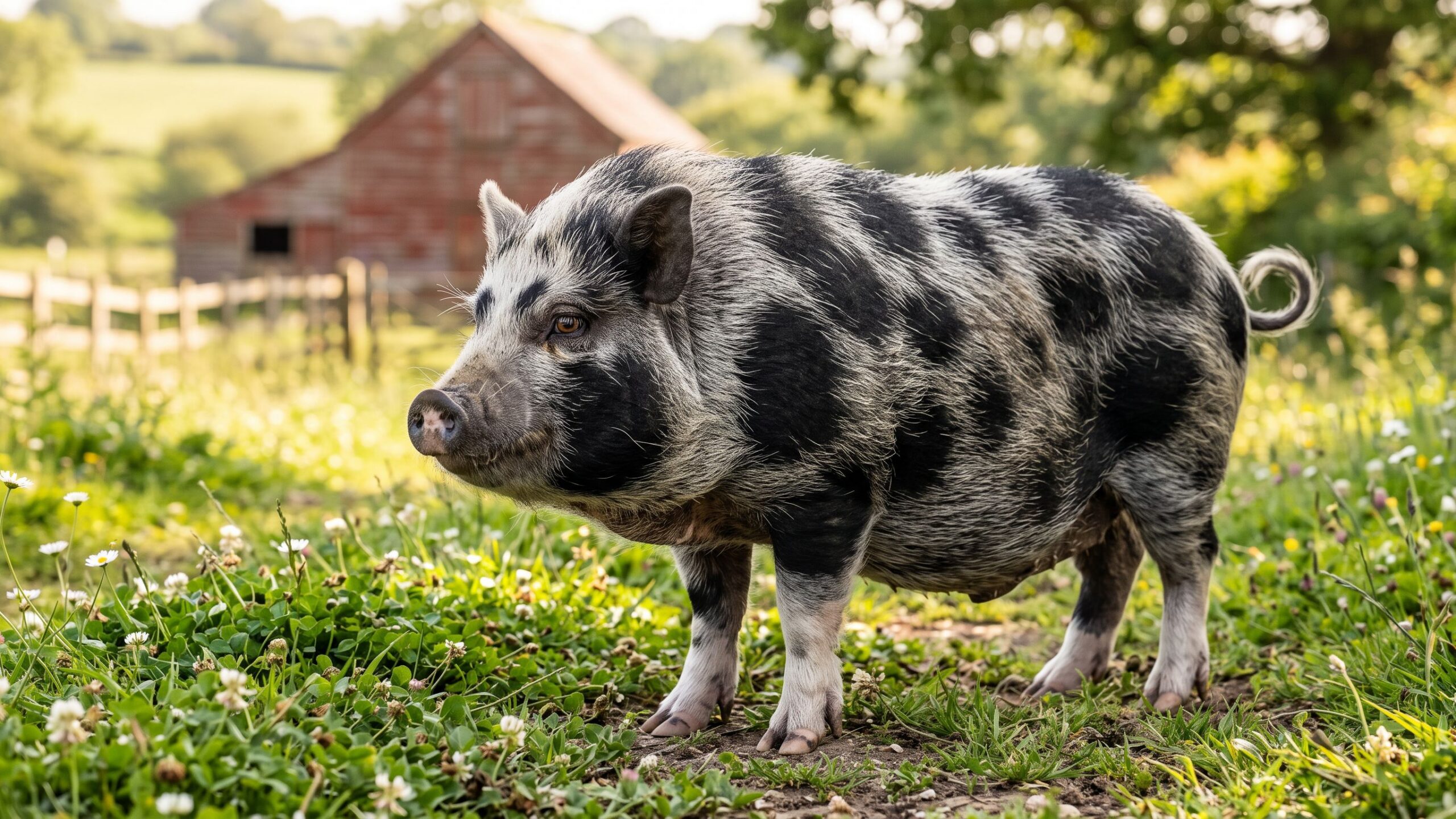
#10: Miniature Pigs (Weight: 70–200+ lbs | Lifespan: 12–20 Years | Space: Several Hundred Square Feet of Secure Outdoor Space per Pig, With Additional Room for Rooting and Enrichment)
Miniature pigs have captured widespread attention because of their intelligence, expressive personalities, and unmistakably charming appearance. From potbellied pigs to smaller domestic pig varieties, these animals can become engaging companions on suitable small farms. However, miniature pigs are also among the most misunderstood animals marketed to beginners. Terms such as teacup pig, micro pig, and pocket pig are not reliable breed classifications or guarantees of adult size. Many pigs advertised as tiny eventually grow much larger than buyers expect. For this reason, miniature pigs appear at the bottom of this beginner-friendly ranking: they can be wonderful farm residents, but successful ownership requires careful planning, realistic expectations, and a serious long-term commitment. Domestic pigs belong to the species Sus scrofa domesticus, descended from wild boar populations domesticated thousands of years ago in different regions of Eurasia. Pigs have accompanied agricultural societies throughout history, providing meat and playing important roles in food systems and rural economies. Their intelligence and adaptability have also made them subjects of behavioral research. Modern studies demonstrate that pigs possess impressive learning abilities, strong memories, and complex social behaviors. One of the most fascinating qualities of pigs is their ability to learn. Many can respond to names, recognize familiar people, solve simple problems, and learn behaviors through positive reinforcement. Some miniature pigs can be trained to enter a designated sleeping area, follow verbal cues, or use a specific elimination location. Their curiosity makes enrichment essential because bored pigs may begin manipulating gates, digging excessively, chewing inappropriate objects, or seeking attention through persistent behavior. Rooting is one of the most important natural pig behaviors. Using their powerful snouts, pigs investigate soil, search for edible materials, and explore their surroundings. This behavior is deeply instinctive and should not be viewed simply as mischief. Providing designated rooting areas, safe substrate, scattered food opportunities, and appropriate enrichment can help meet their behavioral needs. However, owners should expect some landscape disturbance. A pig can quickly transform a carefully maintained patch of grass into a network of excavated soil. Miniature pigs also require secure fencing. Their intelligence and strength allow them to discover weak points in enclosures, push against loose barriers, and investigate gates. Fencing must be designed for the size and behavior of the animals, with adequate shelter and protection from environmental extremes. Pigs are sensitive to heat because they have limited effective sweating ability. Shade, cool drinking water, ventilation, and safe cooling opportunities are essential during hot weather. Nutrition is another area where misconceptions can cause serious harm. Miniature pigs should receive balanced diets formulated for their age, size, and nutritional needs. Overfeeding can contribute to obesity, mobility problems, and other health complications. Conversely, deliberately restricting food to keep a pig unnaturally small is dangerous and unethical. A healthy miniature pig should be allowed to reach its genetically determined adult size while maintaining an appropriate body condition. Pigs are social animals and often benefit from compatible pig companionship. Their relationships can include resting together, communicating through grunts and squeals, and engaging in exploratory behavior. However, introductions must be managed carefully because unfamiliar pigs may fight while establishing social relationships. Keeping a single pig requires especially thoughtful attention to its social needs, and human companionship alone may not fully replace interaction with other pigs. A little-known aspect of pig behavior is the range of sounds they produce. Grunts, squeals, barks, and other vocalizations can communicate excitement, distress, social contact, or anticipation. Experienced keepers often learn to recognize changes in an individual pig’s sounds and body language. Pigs also possess an excellent sense of smell, which helps them investigate food sources and environmental information. Routine care includes hoof maintenance, veterinary examinations, appropriate vaccinations, parasite management, and monitoring for dental problems. Access to veterinarians experienced with miniature pigs can be limited in some areas, so prospective owners should locate professional care before purchasing animals. Spaying or neutering is often important for behavior, reproductive management, and health, but procedures should be discussed with a qualified veterinarian. Miniature pigs can be affectionate, entertaining, and deeply engaging farm companions, yet their intelligence and physical strength create responsibilities that inexperienced owners sometimes underestimate. They are not suitable for every property, and local regulations may classify them as livestock even when kept primarily as pets. For beginners who have carefully researched their needs, prepared secure housing, and accepted the possibility of a much larger adult animal than expected, miniature pigs can provide an extraordinary introduction to the fascinating world of domestic swine.
Conclusion: Finding Your Perfect First Farm Animal
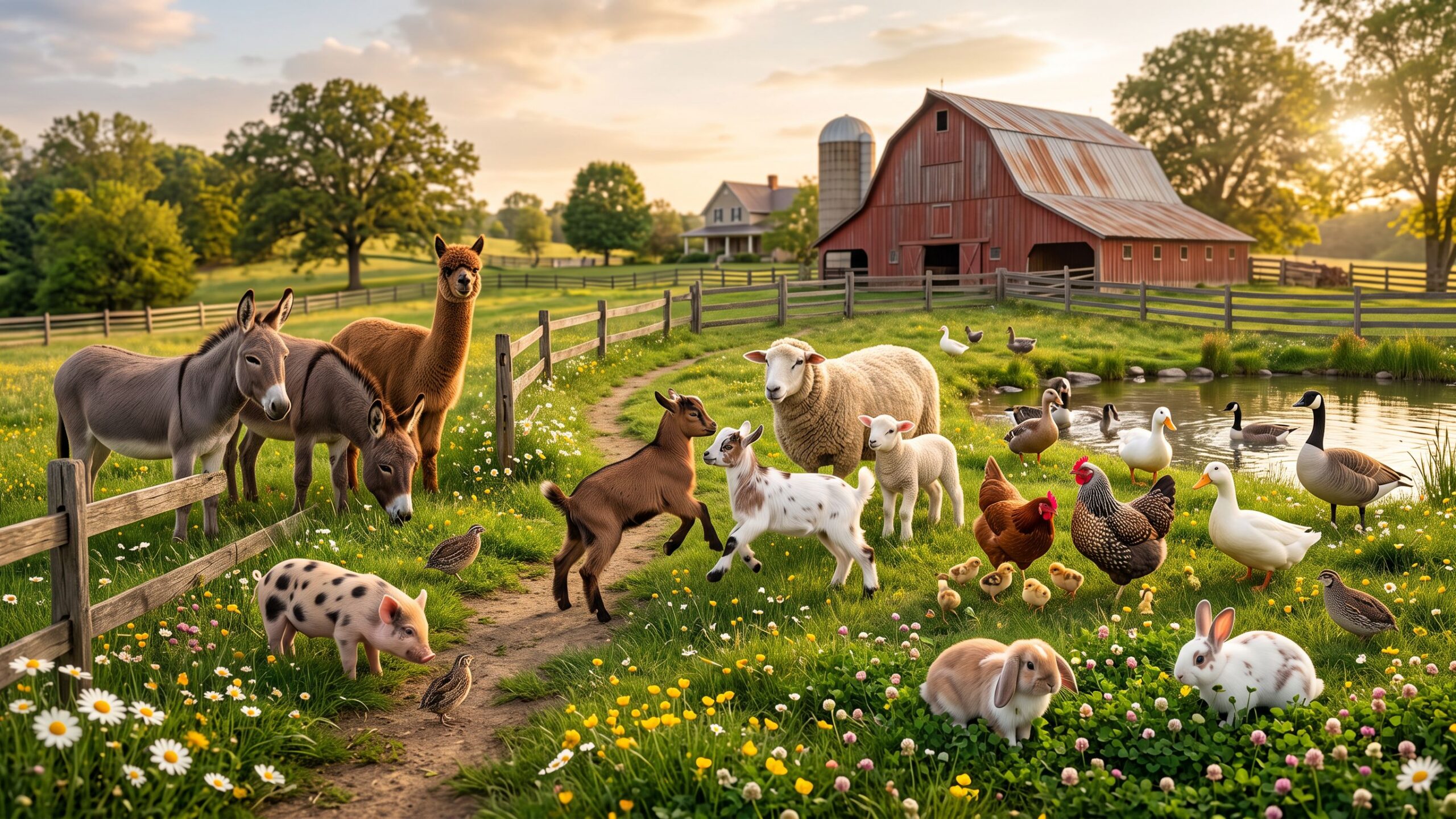
Beginning a journey into farm animal ownership is about much more than choosing the cutest creature in the barnyard. It is an opportunity to learn the rhythms of animal care, develop a deeper understanding of nature, and create meaningful connections with species that have shaped human agriculture for thousands of years. Whether your ideal morning involves collecting warm eggs from a chicken coop, watching ducks splash through a shallow pool, listening to goats greet you at the fence, or observing sheep graze peacefully across a pasture, each species offers its own rewards and responsibilities. The most successful beginner farmers recognize that every animal deserves thoughtful preparation, consistent attention, and a living environment designed around its natural needs. For most newcomers, chickens remain the strongest overall starting choice because of their manageable size, practical egg production, and relatively accessible care requirements. Ducks and Coturnix quail can also be excellent options for people interested in poultry, although their housing and sanitation needs differ considerably. Nigerian Dwarf goats and sheep introduce the joys of managing social grazing animals, while rabbits provide an alternative for those with limited acreage but the ability to offer spacious, carefully maintained housing. Geese, miniature donkeys, alpacas, and miniature pigs can bring unforgettable personalities to a homestead, but their specialized needs, long lifespans, and sometimes considerable expenses make them better suited to beginners who have thoroughly prepared. Before welcoming any farm animal home, consider local zoning rules, fencing requirements, predator risks, veterinary availability, feed costs, daily schedules, and emergency plans. Remember that most livestock species need compatible companions, and animals should never be purchased simply because they appear small, inexpensive, or easy to maintain. The happiest farms are built through patient learning, realistic expectations, and respect for the animals themselves. Start with a species that fits your property and lifestyle, gain confidence through experience, and expand only when you can provide excellent care. With the right preparation, even a modest first flock or herd can become the beginning of a remarkable farming adventure filled with discovery, laughter, responsibility, and unforgettable barnyard memories.