Few farm animals bring as much personality, charm, and lively entertainment to the countryside as ducks. Whether waddling enthusiastically across a grassy yard, splashing through a shallow pond, or communicating with a chorus of cheerful quacks, ducks have an unmistakable presence wherever they live. Their colorful feathers, curious personalities, and remarkable relationship with water make them some of the most fascinating domesticated birds in the world. Most domestic duck breeds descend from the wild mallard, scientifically known as Anas platyrhynchos, and are commonly classified as Anas platyrhynchos domesticus. An important exception is the Muscovy duck (Cairina moschata domestica), which belongs to a different domesticated lineage. Ducks are members of the family Anatidae, a diverse group of waterfowl that also includes geese and swans. Although ducks are commonly associated with ponds, lakes, and wetlands, domestic ducks have become important agricultural animals, valued for their eggs, meat, pest-control abilities, ornamental beauty, and companionship. Their popularity extends from traditional farms to backyard homesteads, where many owners appreciate their social nature and entertaining behavior. Yet ducks are far more than amusing water-loving birds. They possess specialized anatomical adaptations, sophisticated communication systems, strong social instincts, and behaviors shaped by thousands of years of evolution. Understanding their natural history, physical characteristics, and daily needs reveals why ducks deserve recognition as some of the most extraordinary animals in the farmyard.
A: Many domestic ducks live approximately 8–12 years, although breed, environment, diet, and veterinary care can influence their lifespan.
A: No. Domestic ducks do not necessarily need a natural pond, but they require clean drinking water and suitable opportunities to bathe, rinse their eyes, and maintain their feathers.
A: Productive laying breeds may produce approximately 200–300 eggs annually under favorable conditions, while less productive breeds lay fewer.
A: Pekins, Welsh Harlequins, Buff Orpington ducks, and Khaki Campbells are popular choices, although their activity levels, egg production, and care requirements differ.
A: Ducks and chickens can sometimes share a farmyard, but they need species-appropriate food, water, sleeping arrangements, and careful management. Male ducks should not be allowed to mate with hens because serious injuries can result.
A: A complete waterfowl feed appropriate for their age and production stage should be their primary food, supported by fresh water and limited nutritious treats.
A: Some lightweight domestic breeds can fly short distances, but heavier breeds such as Pekins generally have very limited flight ability.
A: Ducks can learn to recognize familiar caregivers through repeated interactions, sounds, feeding routines, and visual cues.
A: Splashing, dabbling, bill-rinsing, and bathing are natural duck behaviors that help them feed, clean their nostrils, and maintain their feathers.
A: Warning signs include unusual lethargy, reduced appetite, limping, difficulty breathing, abnormal droppings, weakness, or sudden changes in behavior. Contact a poultry veterinarian promptly if illness is suspected.
The Ancient Origins and Domestication of Ducks
The history of domestic ducks begins with wild waterfowl inhabiting wetlands, rivers, lakes, and marshes across large portions of the Northern Hemisphere. Most domestic duck breeds trace their ancestry to mallards, adaptable wild ducks recognized for their colorful plumage, broad distribution, and ability to thrive in diverse aquatic environments. Mallards naturally consume aquatic vegetation, seeds, insects, small invertebrates, and other available food sources. Their flexibility in feeding and habitat selection likely contributed to their successful domestication. Archaeological and historical evidence indicates that people began keeping and managing ducks thousands of years ago, particularly in parts of Asia where rice cultivation and wetland agriculture created suitable environments. Ducks could forage in agricultural fields, consume certain pests, and provide eggs and meat, making them valuable additions to early farming communities. Over generations, selective breeding produced domestic ducks with characteristics different from their wild ancestors. Some breeds developed larger bodies, others became prolific egg layers, and ornamental varieties emerged with distinctive colors, feather patterns, or body shapes. The Muscovy duck followed a separate domestication history in the Americas, where Indigenous communities raised these birds before European contact. As trade and migration expanded, domestic ducks spread across continents and became important in regional agricultural traditions. Today, their ancestry remains visible in their behavior. Even heavily domesticated ducks retain strong instincts to dabble in water, preen their feathers, forage through vegetation, and maintain close social relationships. Their history demonstrates how human agriculture and natural waterfowl adaptations combined to create the diverse domestic ducks recognized around the world.
Duck Anatomy: Understanding Their Remarkable Physical Adaptations
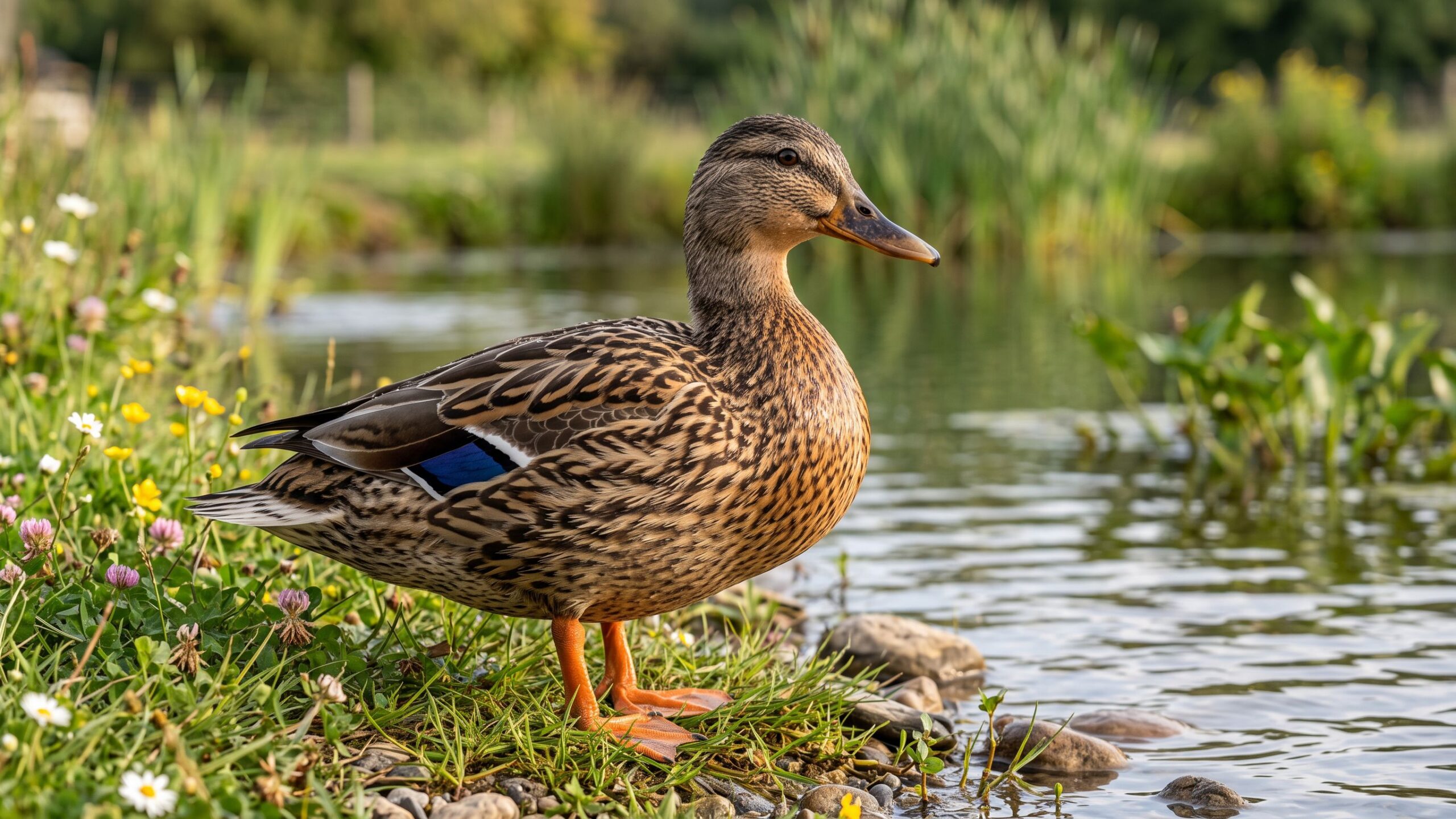
Ducks possess an extraordinary collection of anatomical features that allow them to move between land and water with impressive efficiency. Their most recognizable adaptation is their broad, flattened bill, which helps them gather food from water, mud, and vegetation. Unlike the pointed beaks of chickens, duck bills contain specialized structures called lamellae that help manipulate and filter food particles. The exact shape and function of these structures vary among duck species and feeding styles. Ducks also possess webbed feet, with skin connecting their forward-facing toes. These feet act like paddles, allowing ducks to propel themselves through water while swimming. Although webbed feet make swimming efficient, they contribute to the distinctive waddling gait commonly associated with domestic ducks. Their bodies are covered in overlapping feathers that provide insulation and help protect the skin from moisture. A specialized gland near the base of the tail, called the uropygial or preen gland, produces oily secretions that ducks distribute across their feathers during grooming. Feather structure, careful preening, and natural oils work together to maintain water resistance. Ducks also possess dense down feathers that help trap warm air close to the body. Their eyes are positioned toward the sides of their heads, providing a broad field of vision that assists with predator detection. Body size varies considerably among breeds. Small Call ducks may weigh approximately 1–2 pounds, while large Pekin and Rouen ducks can weigh 7–10 pounds or more. Muscovy drakes may become substantially heavier. These physical adaptations reveal that ducks are specialized waterfowl whose bodies are designed for swimming, foraging, temperature regulation, and life in environments where land and water frequently meet.
Popular Duck Breeds and Their Distinctive Characteristics
Domestic ducks display an impressive variety of sizes, colors, temperaments, and productive abilities. Some breeds are valued for exceptional egg production, while others are admired for their ornamental appearances, calm dispositions, or suitability for small farms. The Pekin duck is among the most recognizable domestic breeds, featuring bright white feathers, an orange bill, and a broad, rounded body. Pekins are commonly raised for meat production, although they can also make engaging backyard companions when provided with appropriate care. Khaki Campbell ducks are famous for their egg-laying abilities, with productive individuals capable of laying approximately 250–300 eggs annually under favorable conditions. Their streamlined bodies and active personalities make them particularly appealing to owners interested in egg production. Indian Runner ducks are instantly recognizable because of their unusually upright posture and energetic walking style. Unlike many ducks that carry their bodies horizontally, Indian Runners stand almost vertically and move with a distinctive running gait. Rouen ducks closely resemble oversized mallards, with beautifully patterned plumage and substantial bodies. Their attractive appearance makes them popular among ornamental poultry enthusiasts. Cayuga ducks are especially striking, displaying glossy black feathers with an iridescent green sheen. Some Cayuga hens produce unusually dark eggs early in their laying cycles. Welsh Harlequins are admired for their attractive plumage, generally manageable temperaments, and reliable laying abilities. Muscovy ducks differ from mallard-derived breeds in both ancestry and appearance. They possess distinctive fleshy facial caruncles and are generally quieter, producing more hissing and trilling sounds than typical quacking. Choosing a duck breed requires consideration of available space, climate, temperament, housing, egg expectations, and access to suitable water facilities. Each breed offers its own combination of beauty, personality, and practical characteristics.
Duck Intelligence: Curious Minds Behind Those Expressive Eyes
Ducks are often celebrated for their amusing personalities, but their intelligence deserves equal attention. These birds possess learning abilities, social awareness, and behavioral flexibility that help them navigate changing environments. Ducks can recognize familiar routines, associate particular sounds or activities with feeding, and learn where important resources are located. Their natural curiosity encourages them to investigate unfamiliar objects, explore new environments, and respond to changes in their surroundings. Young ducklings demonstrate remarkable learning abilities shortly after hatching. One of the most fascinating behaviors associated with ducks is imprinting, a developmental process through which young birds form strong attachments to particular individuals or objects during an early sensitive period. In natural conditions, ducklings typically imprint on their mother and follow her closely as she guides them toward food, water, and shelter. Research has shown that ducklings can learn and discriminate certain visual relationships, suggesting that their early cognitive abilities are more sophisticated than simple recognition. Adult ducks also develop familiarity with flock members and may become comfortable around consistent human caretakers. Some ducks eagerly approach familiar people, especially when feeding routines are involved, while others remain cautious. Their behavior reflects a combination of instinct, learning, temperament, and previous experiences. Environmental enrichment can encourage natural exploration and reduce boredom. Safe pools, varied foraging areas, floating vegetables, and opportunities to investigate different textures provide stimulation. Understanding duck intelligence helps owners appreciate these birds as responsive individuals rather than animals motivated only by food and water.
Duck Social Behavior: Friendship, Flocks, and Group Dynamics
Ducks are naturally social birds that generally thrive when living with compatible companions. In the wild, many duck species gather in groups for feeding, resting, migration, and protection from predators. Domestic ducks retain strong social instincts and often form close associations with familiar flock members. These relationships influence their movements, resting locations, feeding patterns, and responses to unfamiliar situations. Ducks frequently travel together across yards and pastures, creating the entertaining impression of a coordinated procession. However, their group behavior serves practical purposes. Remaining near companions can improve predator awareness and provide social reassurance. Unlike chickens, ducks do not always establish equally rigid or conspicuous pecking orders, although dominance relationships and competition for resources still occur. Group dynamics can be influenced by age, sex, breed, temperament, and previous interactions. Male ducks, known as drakes, may become territorial or competitive during breeding periods. An inappropriate ratio of drakes to females can lead to excessive mating pressure, stress, or injuries. Owners should carefully evaluate flock composition and separate aggressive individuals when necessary. Introducing unfamiliar ducks should be done gradually, allowing birds to become accustomed to one another before unrestricted contact. Ducks also communicate through body posture, head movements, vocalizations, and coordinated activity. Their strong preference for companionship means that keeping a single duck alone is generally inappropriate. A well-managed flock provides opportunities for natural social behavior, mutual awareness, and the lively interactions that make ducks such entertaining farm animals.
Duck Communication: Understanding Quacks, Whistles, and Body Language
The familiar sound of a duck quacking is one of the most recognizable noises in the animal kingdom, but duck communication includes a much broader collection of vocalizations and physical signals. Different duck species and domestic breeds produce distinctive sounds, ranging from loud quacks to soft whistles, grunts, hisses, and murmuring calls. Female mallard-derived domestic ducks typically produce the classic loud quacking sound, while males often make quieter, raspier vocalizations. Muscovy ducks communicate primarily through hissing, trilling, and other relatively soft sounds rather than the familiar mallard-style quack. Vocalizations help ducks maintain contact with companions, express excitement, signal discomfort, and coordinate activities. A duck separated from its flock may produce repeated contact calls, while birds approaching a familiar feeding area may become noticeably more vocal. Mother ducks communicate with their ducklings through soft calls that encourage following and help maintain group cohesion. Ducklings respond with peeping sounds that can indicate contact, excitement, or distress. Body language is equally important. Head bobbing, tail movements, wing positioning, and changes in posture may occur during courtship, social interactions, or responses to environmental stimuli. Ducks may stretch their necks, raise their heads, or become suddenly quiet when detecting possible danger. Learning to recognize normal communication patterns can help caretakers identify unusual behavior and potential welfare concerns. The lively chorus of a duck flock represents a complex system of signals that supports social relationships and everyday survival.
Why Ducks Love Water: Swimming, Splashing, and Natural Instincts
Water is central to duck biology and behavior, influencing everything from feeding and grooming to temperature regulation and social activity. Ducks are naturally adapted to aquatic environments, and their webbed feet, specialized feathers, and streamlined bodies make swimming an important part of their behavioral repertoire. When ducks enter water, they often paddle effortlessly, dip their heads beneath the surface, and engage in enthusiastic bathing movements. These activities are not merely recreational. Bathing helps ducks clean their feathers, remove debris, and maintain proper plumage condition. During preening, ducks carefully arrange their feathers and distribute secretions from their preen glands, supporting water resistance and insulation. Many domestic ducks also practice dabbling, a feeding behavior in which they submerge their heads or tip their bodies forward to search for food beneath the water’s surface. Although ducks are closely associated with ponds, responsible owners do not necessarily need to provide a large natural lake. A clean, appropriately sized pool or water container that allows full head immersion and bathing can support essential behaviors. Ducks must be able to submerge their bills and nostrils to clean them properly. Water sources should be refreshed regularly because ducks frequently introduce mud, feed, and droppings into their bathing areas. Young ducklings require particular supervision around water because they can become chilled or exhausted, especially when raised without a mother duck. Providing safe water access allows ducks to express one of their most distinctive and important natural behaviors.
What Do Ducks Eat? Nutrition, Feeding, and Natural Foraging
Ducks are omnivorous birds that naturally consume a varied assortment of plant and animal materials. Wild ducks may feed on aquatic vegetation, seeds, insects, worms, snails, small crustaceans, and other available organisms. Domestic ducks retain these foraging instincts and often enthusiastically investigate grassy areas, shallow water, and damp soil in search of food. However, a balanced commercial feed appropriate for ducks should form the nutritional foundation of a managed flock. Ducklings require diets designed to support rapid growth, feather development, and healthy skeletal formation. Niacin, a form of vitamin B3, is particularly important for developing ducks because deficiencies can contribute to serious leg and joint problems. Feed formulated specifically for ducks or suitable waterfowl is generally preferable, although appropriately balanced poultry feeds may sometimes be used with veterinary or nutritional guidance. Adult laying ducks require sufficient protein, energy, vitamins, minerals, and calcium to maintain health and support egg production. Ducks may enjoy small amounts of leafy greens, peas, and other suitable treats, but excessive treats can interfere with balanced nutrition. Contrary to popular tradition, bread is not an appropriate dietary staple for ducks because it provides relatively poor nutrition and may contribute to unhealthy feeding habits. Fresh drinking water must always be available alongside food. Ducks frequently use water while swallowing feed, making access especially important. Owners should avoid moldy food, spoiled scraps, chocolate, alcohol, and potentially toxic plants. A balanced diet supports strong bones, healthy feathers, immune function, reproductive performance, and overall well-being.
Duck Egg Production: Understanding Their Remarkable Laying Abilities
Duck eggs have become increasingly popular among backyard poultry enthusiasts because of their rich flavor, substantial size, and usefulness in cooking and baking. Although egg characteristics vary among breeds, duck eggs are often larger than typical chicken eggs and contain proportionally more yolk. Many duck breeds begin laying between approximately 5 and 7 months of age, although genetics, nutrition, season, and environmental conditions influence maturity. Highly productive breeds, such as Khaki Campbells and certain Indian Runner lines, may produce approximately 250–300 eggs annually under favorable conditions. Other breeds lay fewer eggs and are valued primarily for ornamental or meat-producing characteristics. Duck eggs vary in shell color, including white, cream, pale blue, greenish, and occasionally dark gray or blackish appearances. Cayuga ducks are particularly interesting because some hens lay darkly pigmented eggs early in their laying cycles, with shell coloration often becoming lighter over time. As with chickens, female ducks do not require males to produce eggs. Drakes are necessary only when fertile eggs are desired for breeding. Egg production is influenced by daylight, nutrition, age, stress, and seasonal changes. Ducks may reduce laying during molting or unfavorable environmental conditions. Their eggs contain protein, fats, vitamins, and minerals, although nutritional composition varies. Duck eggs should be collected regularly, stored appropriately, and cooked safely because they can carry harmful bacteria just like chicken eggs. For owners interested in small-scale egg production, ducks offer a fascinating alternative to traditional laying hens.
Raising Ducklings: From Tiny Hatchlings to Confident Swimmers
Few farm animals are as irresistibly charming as newly hatched ducklings. Their soft down, tiny bills, curious expressions, and enthusiastic waddling make them favorites among animal lovers. However, successful duckling care requires careful attention to warmth, nutrition, cleanliness, and water safety. Most mallard-derived domestic duck eggs hatch after approximately 28 days of incubation, while Muscovy duck eggs generally require around 35 days. During development, the growing embryo receives nourishment from the egg yolk while gradually forming its organs, feathers, muscles, and skeletal structures. Newly hatched ducklings are relatively mobile but cannot regulate their body temperature as effectively as adults. When raised without a mother duck, they require a warm brooding environment with sufficient space to move away from the heat source. A conventional brooder may begin at approximately 90–95°F during the first week, with temperatures gradually reduced as ducklings develop. Their behavior should guide temperature adjustments. Ducklings that huddle tightly may be cold, while those that avoid warmth or pant may be overheated. Proper starter feed is essential, particularly because growing ducklings require adequate niacin for healthy leg development. Water containers must allow drinking and bill cleaning without creating unnecessary drowning or chilling hazards. Although ducklings are naturally attracted to water, young birds raised without maternal supervision may lack the fully developed water-resistant plumage needed for prolonged swimming. Short, supervised bathing opportunities may be appropriate when water temperature, depth, and drying conditions are carefully managed. As ducklings grow, their down is gradually replaced by juvenile feathers, and their confidence, coordination, and social behavior become increasingly apparent.
Duck Housing: Creating a Safe and Comfortable Environment
Providing appropriate housing is one of the most important responsibilities of duck ownership. Although ducks are often considered hardy farm animals, they require secure shelter, clean bedding, suitable outdoor space, and reliable predator protection. Unlike chickens, most domestic ducks do not naturally seek elevated roosting bars. They generally prefer resting and sleeping on the ground, making comfortable, dry bedding particularly important. A duck house should provide adequate ventilation while protecting birds from heavy rain, strong winds, and extreme temperatures. Because ducks frequently splash water and produce moist droppings, their housing can become wet more quickly than a typical chicken coop. Regular bedding replacement and proper drainage help reduce moisture buildup and maintain healthier living conditions. Space requirements vary according to breed size, climate, flock composition, and management practices. Approximately 4–6 square feet of indoor shelter space per standard-sized duck is a commonly used starting guideline, with substantially more room outdoors. Larger areas are preferable, especially when ducks spend extended periods confined. Outdoor runs should include shaded resting areas, safe walking surfaces, and opportunities for bathing and foraging. Predator protection is essential because ducks may be vulnerable to foxes, raccoons, coyotes, dogs, birds of prey, and other animals. Secure fencing, predator-resistant hardware cloth, and reliable nighttime enclosures help reduce these risks. Water facilities should be designed for easy cleaning and safe entry and exit. A well-maintained duck environment balances security, cleanliness, and opportunities for natural behavior, allowing these active waterfowl to thrive throughout the year.
Duck Grooming: Preening, Bathing, and Feather Maintenance
Ducks devote a substantial portion of their daily activities to maintaining their feathers. Their plumage performs several essential functions, including insulation, protection from moisture, and communication during social interactions. One of the most important grooming behaviors is preening, during which a duck uses its bill to clean, straighten, and arrange individual feathers. Ducks also collect oily secretions from their preen glands and distribute them across their plumage. These secretions, combined with the microscopic structure and alignment of the feathers, help maintain water resistance. Bathing plays an equally important role. Ducks often immerse their heads, splash water across their backs, flap their wings, and shake vigorously after bathing. These movements help remove dirt and debris while allowing feathers to settle into their proper positions. Healthy ducks typically maintain smooth, well-arranged plumage, although feather appearance may change during seasonal molting. Molting involves replacing older feathers with new growth and may temporarily reduce flight ability in some birds. Domestic ducks that have been selectively bred for heavier bodies may already possess limited flight capabilities. Poor feather condition can result from nutritional deficiencies, parasites, inadequate bathing opportunities, illness, or unsuitable environmental conditions. Owners should observe grooming habits and investigate persistent changes in feather quality. Providing clean bathing water, appropriate nutrition, and dry resting areas supports natural feather maintenance. Watching ducks preen and splash may be entertaining, but these activities are also essential components of their physical health.
Duck Health: Common Illnesses and Important Warning Signs
Healthy ducks are generally alert, active, and interested in their surroundings. They should move comfortably, maintain appropriate body condition, and demonstrate normal feeding, drinking, and grooming behaviors. However, ducks can develop a variety of health problems, some of which progress rapidly if left untreated. Common concerns include respiratory infections, intestinal parasites, external parasites, nutritional deficiencies, foot injuries, and reproductive disorders. Bumblefoot, a condition involving inflammation or infection of the foot, may develop when ducks experience repeated pressure, injuries, or unsuitable walking surfaces. Symptoms can include swelling, limping, or reluctance to walk. Nutritional deficiencies are particularly concerning in young ducklings, with inadequate niacin potentially contributing to leg weakness and developmental problems. Laying females may experience reproductive complications, including egg-binding, which can become life-threatening without prompt treatment. Ducks can also be affected by infectious diseases, including avian influenza. Certain highly pathogenic strains can cause severe illness, sudden deaths, and significant losses in domestic poultry flocks. Biosecurity measures such as limiting contact with wild waterfowl, cleaning equipment, and isolating newly acquired birds can reduce exposure risks. Warning signs of illness may include reduced appetite, unusual inactivity, difficulty breathing, persistent diarrhea, abnormal posture, or separation from the flock. Ducks may conceal illness until symptoms become advanced, making daily observation particularly important. Any bird experiencing severe weakness, respiratory distress, inability to stand, or rapidly worsening symptoms should receive prompt veterinary assessment. Preventive care, proper nutrition, clean water, and suitable housing provide the foundation for long-term duck health.
Ducks Through the Seasons: Weather, Molting, and Environmental Adaptation
Ducks are naturally adapted to environments where weather and water conditions can change dramatically throughout the year. Their insulating down feathers, overlapping outer plumage, and specialized circulation help many breeds tolerate relatively cool conditions. However, domestic ducks still require protection from severe weather, prolonged exposure to moisture, and environmental extremes. During winter, dry bedding, wind protection, and access to unfrozen drinking water are essential. Ducks may enjoy exploring snowy environments for short periods, but icy surfaces can increase the risk of slipping or foot injuries. Their feet and exposed tissues can also experience cold-related damage under extreme conditions. Summer presents different challenges, particularly when high temperatures and humidity make it difficult for birds to release excess body heat. Ducks may pant, seek shade, reduce activity, or spend more time near water during hot weather. Providing abundant drinking water, ventilation, and shaded resting areas helps reduce heat stress. Seasonal molting also influences duck appearance and behavior. During molting, old feathers are replaced with new plumage, requiring substantial nutritional resources. Some ducks temporarily reduce reproductive activity during this period. Wild mallards and certain domestic varieties may display seasonal changes in feather coloration, particularly males whose breeding plumage differs from their more subdued eclipse plumage. Understanding these natural seasonal patterns allows owners to provide appropriate care while appreciating the remarkable adaptability of domestic waterfowl.
Are Ducks Good Pets? The Rewards and Responsibilities of Duck Ownership
Ducks can make delightful companions for people who enjoy observing animal behavior and are prepared to meet their specialized needs. Their curious personalities, lively vocalizations, and entertaining interactions make them appealing additions to suitable backyard environments. Many ducks become familiar with their caretakers and learn to recognize feeding routines, voices, and daily activities. Some individuals willingly approach people, while others remain more cautious. Their social nature means they generally thrive in compatible groups rather than living alone. Ducks can also contribute practical benefits to small farms and gardens. They may consume certain insects, slugs, and other invertebrates, although unrestricted access to delicate garden beds can result in damaged plants and muddy soil. Duck eggs provide another potential benefit for owners interested in home food production. However, keeping ducks requires daily commitment. Their need for frequent access to clean water, appropriate bathing facilities, secure housing, and regular cleaning can make them more demanding than some prospective owners expect. Ducks also produce substantial moisture around feeding and bathing areas, making drainage and sanitation especially important. Local regulations may restrict duck ownership or establish requirements concerning noise, housing, and flock size. Families should practice careful hygiene because ducks can carry Salmonella and other microorganisms even when they appear healthy. Handwashing after handling birds, eggs, or equipment is essential, and ducks should not be kept inside household living spaces. For dedicated owners, the rewards extend beyond eggs or practical farm benefits. Ducks offer companionship, fascinating behavior, and daily opportunities to appreciate the natural world.
Fascinating Duck Facts That May Surprise You
Ducks possess numerous extraordinary characteristics that make them some of the most interesting birds in the animal kingdom. Their webbed feet contain specialized blood vessel arrangements that help reduce heat loss in cold environments through countercurrent heat exchange. This adaptation allows many ducks to stand or swim in chilly water without losing body heat as rapidly as might otherwise occur. Their bills are also more sophisticated than they appear. Specialized sensory receptors help ducks detect and manipulate food while foraging in water or mud. Some species can locate food through touch even when visibility is poor. Another remarkable characteristic is their ability to sleep while maintaining awareness of potential threats. Research involving mallards has demonstrated that ducks resting near the edges of groups may keep one eye open and maintain greater alertness in the corresponding brain hemisphere. Ducklings are famous for imprinting, a developmental process that helps them identify and follow a caregiver shortly after hatching. Ducks also possess remarkable feather structures that help repel water, although proper grooming remains essential for maintaining this protection. Not all ducks produce the familiar loud quack. Male mallard-derived ducks generally vocalize differently from females, while Muscovy ducks communicate largely through quieter hisses and trills. Certain domestic breeds also possess surprising appearances. Indian Runner ducks stand unusually upright, Cayugas display iridescent black plumage, and Crested ducks may develop rounded feather crests on their heads. These distinctive characteristics demonstrate the extraordinary diversity produced through natural evolution and selective breeding. From specialized swimming adaptations to complex social behavior, ducks offer an endless collection of fascinating discoveries.
The Role of Ducks in Agriculture, Culture, and Human Society
Ducks have influenced agricultural practices and cultural traditions across many regions of the world. Their relationship with human communities developed partly because they could thrive in wet agricultural landscapes where other domestic animals were less suited to forage. In parts of Asia, ducks have historically been integrated into rice-growing systems, where they may consume insects and weeds while contributing manure to agricultural fields. Such systems require careful management to prevent crop damage and maintain appropriate environmental conditions. Ducks have also provided eggs, meat, feathers, and economic opportunities for small-scale farmers. Their adaptability and relatively manageable size helped establish them as important livestock in many traditional farming communities. Beyond agriculture, ducks appear frequently in folklore, children’s literature, artwork, and popular culture. Their distinctive silhouettes, colorful plumage, and amusing movements have made them familiar symbols of wetlands, rural life, and seasonal migration. Different cultures have developed unique domestic duck breeds suited to local needs and preferences. Preserving heritage duck breeds contributes to agricultural biodiversity and helps maintain valuable genetic characteristics that might otherwise disappear. Modern duck keeping also raises important considerations involving animal welfare, sustainable farming, disease prevention, and responsible breeding. As interest in backyard homesteading continues, ducks are increasingly appreciated not only for their practical contributions but also for their intelligence, personalities, and natural behaviors. Their enduring relationship with humans reflects a remarkable history of adaptation, domestication, and agricultural partnership.
Conclusion: Why Ducks Are Extraordinary Farm Animals
Ducks are far more than charming waterfowl waddling across a farmyard or floating peacefully on a pond. Their remarkable anatomy, fascinating intelligence, complex social relationships, and distinctive natural behaviors make them some of the most extraordinary domesticated birds in the world. From their ancient wild ancestors to today’s diverse domestic breeds, ducks represent thousands of years of adaptation and human partnership. Their specialized bills, webbed feet, insulating feathers, and sophisticated grooming behaviors allow them to thrive in environments where land and water meet. Their communication systems, strong social instincts, and recognizable personalities reveal animals capable of learning, forming relationships, and responding thoughtfully to their surroundings. For people considering raising ducks, successful ownership begins with understanding their biological and behavioral needs. Proper nutrition, clean water, safe bathing opportunities, secure housing, companionship, and veterinary attention are essential to their well-being. Ducks also require thoughtful seasonal management and protection from predators, environmental hazards, and preventable diseases. Whether admired for their beautiful plumage, appreciated for their eggs, or welcomed as entertaining backyard companions, ducks offer countless opportunities for learning and enjoyment. At Duffy Street, exploring farm animals means discovering the remarkable characteristics that make every species unique. Ducks remind us that some of nature’s most captivating creatures can be found in the familiar surroundings of a peaceful farm, where every cheerful quack, enthusiastic splash, and curious waddle reveals another fascinating chapter in the extraordinary world of animals.
Pet Product Reviews
Explore Duffy Street’s Pet Product Reviews! Sniff out the top-rated toys, treats, gear, and gadgets for your pets with our fun, easy-to-read comparisons. We’ve done the digging so you can find the perfect products for your pet friends!