Small enough to capture attention at first glance yet bursting with energy, curiosity, and personality, Nigerian Dwarf goats are among the most delightful animals found on modern farms and homesteads. Their compact bodies, expressive faces, playful movements, and remarkable intelligence have made them favorites among miniature livestock enthusiasts. Whether bouncing across a grassy pasture, balancing on a wooden platform, or eagerly greeting familiar caretakers, these charming goats possess an unmistakable ability to turn ordinary farmyard moments into entertaining adventures. The Nigerian Dwarf goat is a miniature domestic goat breed belonging to the species Capra hircus, also classified by some taxonomic authorities as Capra aegagrus hircus. Like all domestic goats, Nigerian Dwarfs belong to the family Bovidae, which includes sheep, cattle, antelope, and several other hoofed mammals. Despite their small size, Nigerian Dwarf goats are genuine dairy animals capable of producing milk with relatively high butterfat content. Their versatility has helped them become increasingly popular on small farms, family homesteads, and properties where full-sized dairy goats may be impractical. However, Nigerian Dwarf goats are far more than miniature milk producers. They are intelligent, highly social animals with complex communication systems, strong herd instincts, individual personalities, and an extraordinary appetite for exploration. Understanding their history, anatomy, behavior, nutritional needs, and daily care reveals why these little goats have earned such an enthusiastic following among farm animal lovers.
A: Mature does generally stand no taller than approximately 22.5 inches, while bucks may reach 23.5 inches at the withers under common U.S. breed standards. Many adults weigh 50–80 pounds.
A: They commonly live approximately 10–15 years, although some live longer with good nutrition, preventive veterinary care, and safe housing.
A: Yes. Their playful, curious personalities make them popular companion livestock, but they require goat companions, secure outdoor housing, and daily care.
A: Many productive does yield approximately 1–2 quarts of milk daily during lactation, although production varies significantly with genetics, diet, and stage of lactation.
A: No. Goats are social herd animals and should generally live with at least one compatible goat companion.
A: Their diet should primarily consist of suitable forage, such as quality hay and safe browse, supplemented with goat-specific minerals and additional feed when nutritionally necessary.
A: They can be managed on smaller properties than many large livestock species, but they still need sufficient exercise space, appropriate forage or hay, secure fencing, and clean housing.
A: They are intelligent and food-motivated, and many learn to follow caregivers, walk on leads, enter shelters, and respond to consistent positive-reinforcement training.
A: Twins and triplets are common, although single births and larger litters can occur. Pregnancy generally lasts approximately 145–155 days.
A: Warning signs include reduced appetite, abnormal droppings, bloating, pale eyelids, limping, unusual isolation, weakness, or difficulty urinating. Contact a goat-experienced veterinarian promptly when illness is suspected.
The History and Origins of Nigerian Dwarf Goats
The story of the Nigerian Dwarf goat begins with small West African goats that eventually contributed to the development of miniature goat breeds in North America. Although the breed’s name suggests a direct connection to Nigeria, its precise ancestral origins are not fully documented. Small goats from West Africa were imported into the United States during the twentieth century, often through animal collections and zoological institutions. These goats were valued for their compact size, adaptability, and distinctive appearances. Over time, American breeders began selectively developing different miniature goat types from these imported populations. Some breeding programs emphasized the compact, stocky appearance associated with African Pygmy goats, while others favored animals with more refined proportions and recognizable dairy characteristics. The latter breeding direction contributed to the modern Nigerian Dwarf goat. As interest in miniature dairy livestock expanded, Nigerian Dwarfs developed a reputation for combining manageable body size with surprisingly useful milk production. Breed organizations established registration programs and conformation standards to encourage consistent characteristics and preserve breeding records. The American Dairy Goat Association eventually recognized Nigerian Dwarfs as a dairy breed, further strengthening their position within the dairy goat community. Today, Nigerian Dwarf goats are raised throughout the United States and in other countries for milk production, breeding, exhibitions, educational programs, and companionship. Their history reflects a fascinating combination of West African ancestry, American selective breeding, and the growing popularity of small-scale agriculture. Although they are now widely recognized as a distinct breed, their playful behavior, browsing instincts, and social needs remain closely connected to the natural characteristics of domestic goats.
Nigerian Dwarf Goat Size, Appearance, and Physical Characteristics
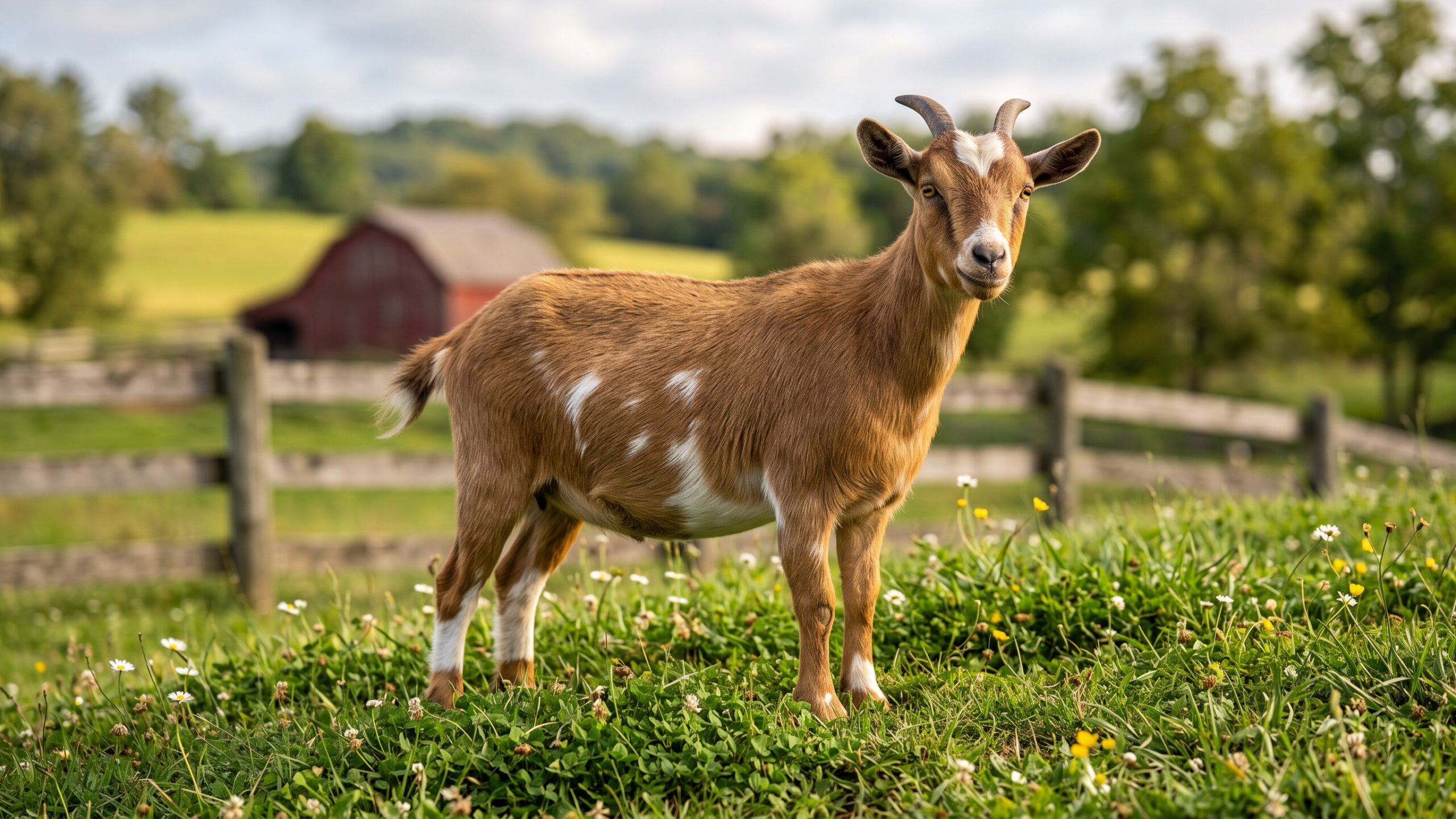
One of the most distinctive characteristics of Nigerian Dwarf goats is their miniature stature combined with the balanced proportions of a dairy goat. Unlike some miniature livestock breeds that appear unusually short-legged or heavily built, Nigerian Dwarfs generally possess relatively refined bodies, proportionate legs, and an alert, graceful appearance. Mature Nigerian Dwarf does typically stand no taller than approximately 22.5 inches at the withers under American Dairy Goat Association breed standards, while bucks may reach approximately 23.5 inches. Adult body weight commonly falls around 50–80 pounds, although individual animals may weigh more or less depending on genetics, age, and condition. Their coats are short and relatively easy to maintain, appearing in an extraordinary assortment of colors and patterns. Black, chocolate, gold, cream, white, and various combinations of these colors are all possible. Some goats display dramatic spotted patterns, contrasting facial markings, or distinctive patches of color across their bodies. Their ears are generally upright, giving them an alert expression, while their eyes feature the horizontal rectangular pupils characteristic of goats. These unusual pupils provide a broad field of vision that helps detect movement and potential predators. Both males and females can naturally develop horns, although some goats are genetically polled, meaning they are born without horns. Nigerian Dwarfs possess cloven hooves that provide stability on uneven terrain and allow them to navigate rocky or sloping environments. Their compact size makes them easier to accommodate than many standard dairy breeds, but they remain strong, agile animals capable of impressive climbing, jumping, and exploration.
Nigerian Dwarf Goat Personality: Playful, Curious, and Full of Character
Few characteristics make Nigerian Dwarf goats more memorable than their lively personalities. These miniature goats are widely admired for their curiosity, social enthusiasm, and energetic behavior. Young Nigerian Dwarfs are especially entertaining, frequently leaping into the air, twisting their bodies, racing across open spaces, and climbing onto elevated objects. These energetic movements are often described as playful jumping or pronking and are commonly associated with excitement and youthful activity. Adult Nigerian Dwarfs may become somewhat calmer with age, but many retain their curiosity and enthusiasm throughout their lives. Individual personalities vary considerably. Some goats are bold explorers that investigate every unfamiliar object, while others prefer observing new situations before approaching. Certain individuals develop strong relationships with familiar caretakers and eagerly seek attention, especially when positive experiences and food rewards are involved. Nigerian Dwarf goats are also remarkably persistent. Their intelligence and natural curiosity can lead them to investigate gates, feeders, storage containers, and almost anything within reach. This behavior can be entertaining, but it also makes secure fencing and careful environmental management essential. Although Nigerian Dwarfs are often described as affectionate, they are not automatically suitable for unrestricted handling by young children. Goats can jump, push, or accidentally knock someone over, particularly when excited. Gentle handling, consistent routines, and respectful interactions help build trust. Their playful personalities make them rewarding companions for people who enjoy active, intelligent farm animals and are prepared to provide appropriate supervision and enrichment.
Nigerian Dwarf Goat Intelligence: Clever Minds in Miniature Bodies
Nigerian Dwarf goats possess many of the cognitive abilities that make domestic goats such fascinating animals. Goats are capable of learning, remembering, recognizing familiar individuals, and solving certain practical problems. Research involving domestic goats has demonstrated that they can learn tasks associated with food rewards and retain some learned information over extended periods. These abilities are especially valuable for animals that naturally explore varied landscapes in search of edible vegetation. Nigerian Dwarfs often learn daily routines quickly, recognizing feeding schedules, familiar voices, and the sounds associated with caretakers approaching their enclosures. Some goats can be trained to respond to simple cues, walk on a lead, or voluntarily participate in routine handling procedures. Positive reinforcement methods, particularly those involving appropriate food rewards, can make training both effective and enjoyable. Their intelligence also explains why they require stimulating environments. A goat confined to a barren enclosure without opportunities to explore may become bored, frustrated, or excessively focused on escaping. Safe climbing structures, varied browsing opportunities, sturdy platforms, and appropriately designed enrichment activities encourage natural investigation. Nigerian Dwarfs may also demonstrate impressive persistence when attempting to reach desirable food or investigate unfamiliar objects. Owners sometimes discover that these little goats can manipulate poorly secured latches or squeeze through surprisingly small openings. Rather than interpreting these behaviors simply as mischief, they can be understood as expressions of natural curiosity and problem-solving ability. Providing appropriate challenges allows Nigerian Dwarf goats to exercise their minds while reducing undesirable behaviors.
Herd Behavior: Why Nigerian Dwarf Goats Need Companionship
Nigerian Dwarf goats are strongly social animals that naturally seek the company of other goats. Their ancestors evolved in environments where group living provided advantages such as improved predator awareness, social learning, and access to shared resources. Domestic goats retain these instincts, and Nigerian Dwarfs generally thrive when housed with compatible herd companions. Keeping a single goat alone can contribute to loneliness, distress, excessive vocalization, and undesirable behaviors. For this reason, responsible owners should plan to keep at least two compatible goats, with larger groups often providing additional social opportunities when sufficient space and resources are available. Within a herd, Nigerian Dwarfs develop relationships that influence feeding order, resting locations, and everyday interactions. Some goats establish dominant positions, while others prefer avoiding confrontation. Social ranking may involve head movements, posturing, pushing, or occasional headbutting. These behaviors are normal within limits, but persistent bullying or injuries indicate that intervention may be necessary. Herd composition also matters. Intact bucks, breeding does, young kids, and castrated males known as wethers may have different management requirements. Wethers are often popular companion animals because they do not produce offspring and generally lack the strong breeding-related behaviors associated with intact bucks. Introducing unfamiliar goats should be done gradually, allowing them to become accustomed to one another while minimizing stress. Multiple feeding locations and adequate shelter space help reduce competition. Understanding herd behavior is essential because companionship is not an optional luxury for Nigerian Dwarf goats; it is a fundamental part of their emotional and behavioral well-being.
How Nigerian Dwarf Goats Communicate
Nigerian Dwarf goats communicate through a fascinating combination of vocalizations, body language, scent, and physical interactions. Their most recognizable sound is the bleat, a vocalization that may vary in pitch, intensity, and duration depending on the situation. Goats may bleat when seeking companions, anticipating food, expressing discomfort, or responding to separation from their herd. Mothers and newborn kids often communicate through distinctive calls that help them recognize and locate one another. Research involving goats suggests that mothers and offspring can distinguish familiar vocalizations, demonstrating the importance of sound in maintaining social relationships. Nigerian Dwarfs also use body language to communicate confidence, curiosity, fear, or social intentions. Ear positioning, tail movement, head posture, and changes in stance can provide clues about a goat’s emotional state. A relaxed goat may move comfortably through its surroundings, while an alarmed animal may become suddenly alert, freeze, or attempt to flee. Headbutting and pushing can occur during play or social competition, although the context and intensity help distinguish harmless interactions from aggression. Scent communication becomes particularly important during breeding. Intact bucks develop a strong musky odor, especially during the breeding season, and may engage in scent-marking behaviors that help communicate reproductive status. Familiarity with these signals allows caretakers to recognize normal behavior and detect unusual changes. Learning the language of Nigerian Dwarf goats makes daily care more rewarding and strengthens the relationship between animals and their human companions.
What Do Nigerian Dwarf Goats Eat? Nutrition and Natural Browsing
Nigerian Dwarf goats are herbivorous ruminants, meaning they possess a specialized digestive system designed to process fibrous plant materials. Like other goats, they have a four-compartment stomach consisting of the rumen, reticulum, omasum, and abomasum. Microorganisms within the rumen help break down plant fibers through fermentation, allowing goats to obtain nutrients from vegetation that humans cannot digest efficiently. Nigerian Dwarfs are natural browsers rather than exclusively grass-grazing animals. They often prefer sampling leaves, shrubs, vines, weeds, and other vegetation while exploring their environment. This selective feeding behavior explains why goats are frequently observed reaching toward branches or investigating plants that other livestock may ignore. For domestic Nigerian Dwarfs, high-quality forage should form the foundation of the diet. Grass hay is commonly suitable for many adult maintenance animals, while growing kids, pregnant does, and lactating females may require additional nutritional support. Alfalfa and other nutrient-rich forages can be useful in appropriate circumstances, but feeding plans should reflect individual requirements. Concentrated grain feeds should not be offered indiscriminately because excessive starch consumption can contribute to digestive disturbances, including ruminal acidosis. Goats also require access to fresh water and a properly balanced mineral supplement formulated for their needs. Copper is an essential nutrient for goats, although mineral supplementation should be managed carefully to avoid imbalances. Owners must also identify and remove poisonous plants from browsing areas. Azaleas, rhododendrons, yew, and certain other ornamental plants can be dangerous. Proper nutrition supports healthy digestion, strong bones, reproductive performance, milk production, and long-term well-being.
Nigerian Dwarf Goat Milk: Small Goats With Impressive Dairy Abilities
One of the most remarkable characteristics of Nigerian Dwarf goats is their ability to produce rich milk despite their miniature size. Although their total milk yield is generally lower than that of standard dairy breeds, Nigerian Dwarfs are valued for milk containing relatively high butterfat and protein levels. Butterfat percentages commonly average around 6–7%, although actual values vary according to genetics, diet, stage of lactation, and individual animals. This richness makes Nigerian Dwarf milk appealing for cheese, yogurt, soap making, and other dairy applications. A productive doe may produce approximately 1–2 quarts of milk per day, although some produce less and exceptional individuals may produce more. Milk production depends on breeding, nutrition, health, management, and lactation stage. Like other dairy goats, Nigerian Dwarf does generally begin producing milk after giving birth. Lactation requires additional nutritional support, adequate hydration, and careful health monitoring. Milking should follow hygienic procedures to reduce contamination and protect udder health. The udder and teats should be examined regularly for swelling, discomfort, abnormal milk, or other signs of mastitis. Because Nigerian Dwarfs are small, their teat size and udder conformation may influence the ease of hand milking. Selective breeding has helped improve dairy characteristics within registered herds. Owners interested in milk production should also understand local regulations governing raw milk handling, consumption, and sales. Nigerian Dwarf goats demonstrate that productive dairy animals do not necessarily need to be large, making them particularly attractive to small-scale homesteaders with appropriate facilities and management experience.
Nigerian Dwarf Goat Breeding and Reproduction
Breeding Nigerian Dwarf goats requires careful planning, knowledge of reproductive biology, and a commitment to the health of both does and kids. Nigerian Dwarfs are often capable of breeding throughout much of the year, although individual animals may still display seasonal patterns. Female goats generally reach sexual maturity relatively young, but physical maturity and appropriate breeding readiness are more important than simply reaching puberty. Breeding immature or undersized does can increase health risks, so decisions should be based on age, body condition, development, and veterinary guidance. The gestation period for Nigerian Dwarf goats averages approximately 150 days, or about five months. Does commonly give birth to twins or triplets, although single kids and larger litters are also possible. During pregnancy, nutritional requirements change, particularly as fetal growth accelerates in the final weeks. Pregnant does require suitable forage, balanced minerals, appropriate body condition, and careful monitoring. As kidding approaches, owners may observe udder development, changes in behavior, and increasing interest in quiet resting locations. Most healthy does can deliver without major complications, but difficult births can occur and may require urgent veterinary assistance. Newborn kids should receive adequate colostrum soon after birth because it provides essential antibodies and nutrients. Their ability to stand, nurse, and maintain body temperature should be monitored closely. Responsible breeding also involves understanding inherited traits, maintaining accurate records, and avoiding indiscriminate reproduction. Nigerian Dwarf kids are undeniably adorable, but every breeding decision creates a responsibility for the long-term welfare of the resulting animals.
Raising Nigerian Dwarf Goat Kids: From Birth to Independence
Few sights on a farm are as entertaining as Nigerian Dwarf goat kids discovering the world around them. These miniature youngsters are often remarkably energetic, quickly developing the ability to stand, walk, and investigate their surroundings. Healthy newborn kids typically attempt to stand and nurse relatively soon after birth, although the timing varies. Their first milk, known as colostrum, is especially important because it contains antibodies that help protect them during early life. Caretakers should ensure that newborn kids receive sufficient colostrum promptly and consult a veterinarian when nursing problems arise. Young kids require warm, dry shelter and protection from drafts, particularly during cold weather. Their small body size makes them vulnerable to chilling, dehydration, and nutritional problems. As they grow, kids begin experimenting with solid foods, nibbling hay, investigating vegetation, and developing the rumen microorganisms necessary for mature digestion. Their playful behavior becomes increasingly obvious during the first weeks of life. Kids frequently jump onto low platforms, race around companions, and perform enthusiastic sideways leaps that seem almost acrobatic. These movements help develop coordination, strength, and social skills. Weaning should occur gradually and at an appropriate developmental stage rather than simply according to a rigid calendar. Young goats also require veterinary guidance concerning parasite management, vaccinations, and preventive health care. Because Nigerian Dwarfs can reach reproductive maturity relatively early, male and female kids may need separation before unintended breeding becomes possible. Raising healthy kids requires attention to nutrition, social development, housing, and long-term management, but the experience offers a fascinating opportunity to observe the earliest stages of goat behavior.
Housing and Fencing: Creating the Perfect Nigerian Dwarf Goat Environment
Although Nigerian Dwarf goats require less physical space than many full-sized livestock breeds, their housing needs should never be underestimated. These active, curious animals require secure fencing, weather protection, dry resting areas, and sufficient room to move and explore. A well-designed goat shelter should protect animals from heavy rain, snow, strong winds, and excessive heat while maintaining adequate ventilation. Goats generally dislike remaining in wet environments, and prolonged exposure to damp bedding can contribute to hoof problems and other health concerns. Clean straw, appropriate livestock bedding, or well-maintained resting surfaces help provide comfort. Outdoor enclosures should contain sturdy fencing designed to withstand climbing, rubbing, and persistent investigation. Nigerian Dwarfs are surprisingly agile and may squeeze through openings that appear too small or climb structures positioned near fence lines. Woven-wire livestock fencing with appropriately sized openings is often used, although fencing design should prevent animals from trapping their heads or horns. Secure gates and reliable latches are equally important. Goats also benefit from environmental enrichment. Stable platforms, low climbing structures, sturdy logs, and varied terrain encourage exercise and natural exploration. All structures should be designed to prevent falls, entrapment, or injuries. Shade is essential during hot weather, while protected resting areas provide comfort during colder seasons. Housing should also allow goats to retreat from aggressive herd members and access food without excessive competition. A thoughtfully designed environment supports both physical safety and the curious, active behavior that makes Nigerian Dwarf goats such engaging animals.
Hoof Care, Grooming, and Everyday Maintenance
Routine maintenance is an essential part of keeping Nigerian Dwarf goats healthy and comfortable. Their cloven hooves grow continuously and require regular inspection and trimming. In natural environments, movement across rocky or abrasive terrain can help wear hooves down, but domestic goats living on soft ground may experience faster hoof overgrowth. Excessively long or uneven hooves can alter walking posture, create discomfort, and increase the risk of injury or infection. Trimming frequency varies according to the individual goat, terrain, hoof growth rate, and environmental conditions, but many goats require attention every four to eight weeks. Owners should learn proper trimming techniques from an experienced professional or veterinarian before attempting the procedure independently. Grooming also contributes to general health. Nigerian Dwarfs have relatively short coats that usually require limited brushing, although regular grooming can remove loose hair, dirt, and debris. During seasonal shedding, brushing may help maintain coat condition and provide an opportunity to inspect the skin for parasites or injuries. Horns, ears, eyes, and teeth should also be observed for unusual changes. Goats naturally shed and replace their coats according to seasonal conditions, and coat appearance may reflect nutritional or health problems. Daily observation is particularly valuable because subtle changes in movement, appetite, or grooming behavior can indicate developing illness. Routine hoof care, clean housing, proper nutrition, and preventive veterinary guidance help Nigerian Dwarf goats remain active and comfortable throughout their lives.
Nigerian Dwarf Goat Health: Common Problems and Warning Signs
Nigerian Dwarf goats are generally hardy animals when provided with appropriate nutrition, housing, and preventive care. However, like all livestock, they are vulnerable to illnesses and conditions that require early recognition and treatment. Internal parasites are among the most important health concerns, particularly gastrointestinal worms that can contribute to anemia, weight loss, weakness, and poor growth. Effective parasite management should be guided by veterinary recommendations and appropriate diagnostic testing rather than relying on indiscriminate deworming. Overuse of deworming medications can contribute to drug resistance. Goats may also develop coccidiosis, respiratory infections, hoof infections, nutritional disorders, and reproductive complications. Enterotoxemia, sometimes associated with sudden dietary changes or disruptions in intestinal bacterial activity, is another serious concern. Vaccination against clostridial diseases, including tetanus and enterotoxemia, is commonly recommended through a veterinarian-directed preventive program. Urinary calculi are particularly important in male goats, especially wethers, because mineral imbalances and inappropriate diets can contribute to urinary obstruction. Straining to urinate, repeated unsuccessful attempts, or signs of severe abdominal discomfort require emergency veterinary attention. Other warning signs include loss of appetite, unusual isolation, persistent diarrhea, difficulty breathing, severe lameness, or sudden behavioral changes. Healthy goats are usually alert, interested in their surroundings, and willing to interact with herd companions. Because goats may conceal weakness, owners should become familiar with each animal’s normal behavior. Prompt veterinary assessment, balanced nutrition, appropriate parasite control, and consistent preventive care are essential to maintaining a healthy Nigerian Dwarf herd.
Nigerian Dwarf Goats Through the Seasons
Seasonal changes influence the comfort, behavior, and management needs of Nigerian Dwarf goats throughout the year. Their small size and relatively short coats mean that shelter and environmental conditions deserve careful attention, particularly during extreme weather. In winter, Nigerian Dwarfs benefit from dry bedding, protection from strong winds, and access to unfrozen drinking water. Healthy adult goats can tolerate cool temperatures when properly acclimated, but newborn kids, elderly animals, and goats experiencing illness may require additional protection. Damp conditions are especially undesirable because wet coats and cold winds can increase heat loss. During summer, shade, ventilation, and abundant clean water become essential. Goats may reduce activity during the hottest parts of the day and seek cooler resting areas. Heat stress can become dangerous when temperatures and humidity rise, particularly if animals lack adequate shelter. Seasonal coat changes also occur as goats shed thicker winter hair and develop lighter summer coats. Reproductive activity may vary throughout the year, although Nigerian Dwarfs are known for their relatively extended breeding potential compared with strongly seasonal breeds. Pasture and browsing availability also change with the seasons, requiring adjustments to forage supplementation. Owners should monitor body condition and avoid sudden dietary changes when transitioning between hay-based winter feeding and fresh spring vegetation. Understanding these seasonal patterns allows caretakers to anticipate challenges and maintain comfortable, healthy conditions throughout the year.
Are Nigerian Dwarf Goats Good Pets?
Nigerian Dwarf goats can make wonderful companion animals for people who appreciate their intelligence, playful behavior, and strong social personalities. Their miniature size makes them more manageable than many larger livestock breeds, but they still require the same fundamental commitment to responsible animal care. Unlike traditional indoor pets, Nigerian Dwarfs are best suited to appropriate outdoor environments where they can browse, climb, explore, and interact with other goats. Their social needs make companionship essential, and prospective owners should plan to keep at least two compatible animals. Wethers are often considered suitable companions because they do not require the specialized breeding management associated with intact bucks or lactating does. Nigerian Dwarfs may form strong associations with familiar people and can learn routines involving feeding, grooming, and handling. Their playful antics provide endless entertainment, but their curiosity can also create challenges. They may chew plants, investigate equipment, climb inappropriate structures, or attempt to escape poorly secured enclosures. Their horns and jumping abilities also require thoughtful supervision around children. Local zoning regulations may restrict goat ownership, even when the animals are miniature. Prospective owners should investigate legal requirements, veterinary availability, feed costs, fencing expenses, and long-term housing needs before bringing goats home. With appropriate care, Nigerian Dwarf goats commonly live around 10–15 years, and some individuals may live longer. Their lifespan represents a substantial commitment, but for dedicated owners, these intelligent miniature goats can become cherished members of the farm.
Fascinating Nigerian Dwarf Goat Facts That May Surprise You
Nigerian Dwarf goats possess numerous remarkable characteristics that make them stand out among domestic livestock. Despite their miniature bodies, they are capable of producing milk with a higher average butterfat concentration than many standard dairy goat breeds. Their small size also makes their jumping abilities particularly impressive. Young Nigerian Dwarfs may leap onto platforms, balance on narrow surfaces, and perform energetic movements that resemble miniature acrobatics. Their eyes contain horizontal rectangular pupils, an adaptation shared with other goats that provides a broad field of vision and helps monitor potential threats. Another fascinating characteristic is their remarkable coat diversity. Nigerian Dwarfs can display a wide range of colors and markings, meaning that even closely related animals may look dramatically different. Their social intelligence is equally interesting. Goats can learn familiar routines, recognize companions, and respond to human behavior. Research involving domestic goats has demonstrated that they can solve certain learning tasks and retain information over time. Nigerian Dwarfs also possess the four-compartment digestive system characteristic of ruminants, allowing them to process fibrous vegetation through microbial fermentation. Their browsing instincts make them enthusiastic investigators of shrubs, branches, and leafy plants rather than animals interested only in grass. Although they are often associated with gentle companionship, they remain athletic livestock capable of strong movements and determined behavior. Their combination of dairy productivity, intelligence, colorful appearances, and lively personalities explains why Nigerian Dwarf goats have become such beloved miniature farm animals.
Nigerian Dwarf Goats in Modern Farming and Homesteading
Nigerian Dwarf goats have become increasingly important within the growing interest in small-scale agriculture, sustainable homesteading, and heritage livestock preservation. Their manageable size makes them appealing to people who want to raise dairy animals without accommodating the larger bodies and greater feed requirements of standard dairy breeds. Although they produce smaller quantities of milk, their relatively rich butterfat content makes them useful for households interested in cheese, yogurt, and other dairy products. Nigerian Dwarfs are also popular in educational farm programs, livestock exhibitions, and breeding communities. Their distinctive appearances and engaging personalities can help introduce visitors to goat biology, animal behavior, and responsible livestock management. Registered breeding programs contribute to maintaining breed standards, recording pedigrees, and improving desirable dairy characteristics. However, responsible breeding should prioritize health, sound structure, temperament, and genetic diversity rather than appearance alone. Nigerian Dwarfs can also contribute manure to properly managed composting systems, although their browsing behavior must be controlled to prevent damage to valuable plants. As interest in miniature livestock grows, prospective owners should remain realistic about their responsibilities. Small goats still require secure fencing, suitable nutrition, veterinary care, companionship, and daily attention. Their popularity reflects a broader appreciation for animals that combine practical agricultural value with individual personality and charm. Nigerian Dwarf goats demonstrate that even the smallest livestock breeds can make meaningful contributions to well-managed farms and homesteads.
Conclusion: Why Nigerian Dwarf Goats Are Extraordinary Farm Animals
Nigerian Dwarf goats prove that extraordinary personality and remarkable abilities do not require extraordinary size. From their West African ancestry and development as a miniature dairy breed to their modern popularity on farms and homesteads, these charming animals represent a fascinating combination of history, intelligence, adaptability, and agricultural usefulness. Their compact bodies, colorful coats, expressive eyes, and playful movements make them instantly appealing, but their true value extends far beyond appearance. Nigerian Dwarfs are intelligent, highly social animals that develop relationships, learn routines, communicate through distinctive sounds, and explore their environments with seemingly endless curiosity. Their ability to produce rich milk despite their small stature adds another remarkable dimension to their versatility. However, responsible ownership requires understanding that miniature goats are still livestock with complex physical and behavioral needs. Proper nutrition, secure housing, companionship, hoof care, veterinary attention, and opportunities for natural browsing and climbing are essential to their well-being. For families, farmers, and animal enthusiasts willing to make that commitment, Nigerian Dwarf goats can provide years of entertainment, companionship, and discovery. At Duffy Street, exploring the world of farm animals means appreciating the remarkable characteristics that make every species and breed unique. Nigerian Dwarf goats remind us that some of the biggest personalities in the animal kingdom come in surprisingly small packages, transforming ordinary pastures into lively playgrounds filled with curiosity, energy, and unforgettable farmyard adventures.
Pet Product Reviews
Explore Duffy Street’s Pet Product Reviews! Sniff out the top-rated toys, treats, gear, and gadgets for your pets with our fun, easy-to-read comparisons. We’ve done the digging so you can find the perfect products for your pet friends!