Few farm animals inspire as much curiosity, amusement, and affection as miniature pigs. With their expressive faces, constantly investigating snouts, compact bodies, and surprisingly playful personalities, these intelligent animals have become increasingly popular among hobby farmers, homesteaders, and people seeking unusual companion animals. Yet miniature pigs are far more complex than their charming appearance suggests. Beneath their rounded bodies and short legs lies an extraordinarily intelligent mammal with sophisticated social relationships, powerful natural instincts, impressive learning abilities, and specialized nutritional requirements. Miniature pigs belong to the domestic pig species, Sus scrofa domesticus, and are members of the family Suidae. They share their ancestry with larger domestic pigs and wild boars, although selective breeding has produced populations with smaller average body sizes and distinctive physical characteristics. The term miniature pig does not describe a single standardized breed. Instead, it refers to several small-bodied pig types, including Vietnamese pot-bellied pigs, Göttingen minipigs, and various selectively bred companion pig populations. Their growing popularity has also created widespread misunderstandings about adult size, temperament, and care. Despite marketing terms such as teacup pig or micro pig, no recognized breed remains permanently the size of a tiny piglet. Healthy adult miniature pigs may weigh substantially more than prospective owners expect. Understanding their history, anatomy, intelligence, behavior, nutrition, reproduction, and daily care is essential for anyone considering these fascinating animals. When raised responsibly, miniature pigs can become engaging, affectionate companions that demonstrate just how remarkable farm animal intelligence can be.
A: Many adult miniature pigs weigh approximately 70–200 pounds or more. Their final size depends on genetics, breed, age, and body condition.
A: Miniature pigs commonly live approximately 12–20 years with proper nutrition, housing, preventive care, and veterinary attention.
A: Teacup pig is a marketing term, not a recognized breed or reliable guarantee of tiny adult size. All miniature pigs grow substantially beyond their newborn size.
A: They can be rewarding companions for experienced, committed owners who can provide adequate space, enrichment, appropriate feeding, veterinary care, and long-term housing.
A: Some miniature pigs can spend time indoors, but they still require substantial exercise, rooting opportunities, secure outdoor access, and a pig-safe environment.
A: They should eat nutritionally complete miniature pig feed in measured portions, supplemented with suitable vegetables and other veterinarian-approved foods.
A: Yes. Many miniature pigs can learn to use designated outdoor areas or appropriately sized litter areas through consistent positive-reinforcement training.
A: Pigs are social animals and generally benefit from compatible pig companions, although introductions should be gradual and carefully supervised.
A: Pigs demonstrate impressive learning, memory, and problem-solving abilities, but intelligence comparisons between different animal species are difficult to measure fairly.
A: Warning signs include reduced appetite, unusual lethargy, difficulty walking, abnormal breathing, vomiting, diarrhea, straining to urinate, or sudden behavioral changes. Contact a pig-experienced veterinarian promptly if illness is suspected.
The History and Origins of Miniature Pigs
The history of miniature pigs is closely connected to the domestication of pigs thousands of years ago. Domestic pigs descend from wild boars, Sus scrofa, which were domesticated independently in different regions, including parts of the Near East and East Asia. Archaeological evidence suggests that pig domestication began approximately 9,000–10,000 years ago, making pigs among humanity’s oldest livestock companions. Early agricultural communities valued pigs for their ability to consume varied foods, reproduce efficiently, and provide meat and other useful products. Over centuries, selective breeding produced domestic pigs with different body sizes, colors, temperaments, and productive characteristics. Some populations remained relatively small because of local breeding practices, environmental conditions, or agricultural needs. The Vietnamese pot-bellied pig became especially influential in the development of modern companion miniature pigs. These pigs originated from smaller-bodied domestic pig populations associated with Southeast Asia and were introduced to North America during the late twentieth century. Their unusual appearance and manageable size compared with commercial farm pigs attracted considerable attention. Other miniature pig populations were developed for scientific research, including Göttingen minipigs, which were selectively bred to produce relatively small, genetically managed animals suitable for biomedical studies. As interest in miniature pigs expanded, breeders developed additional companion pig lines with varied appearances and body sizes. Unfortunately, the popularity of miniature pigs also encouraged misleading advertising, particularly claims that certain animals would remain exceptionally tiny throughout adulthood. Their history illustrates both the remarkable versatility of domestic pigs and the importance of responsible breeding practices that prioritize animal welfare over unrealistic expectations.
Miniature Pig Size, Appearance, and Physical Characteristics
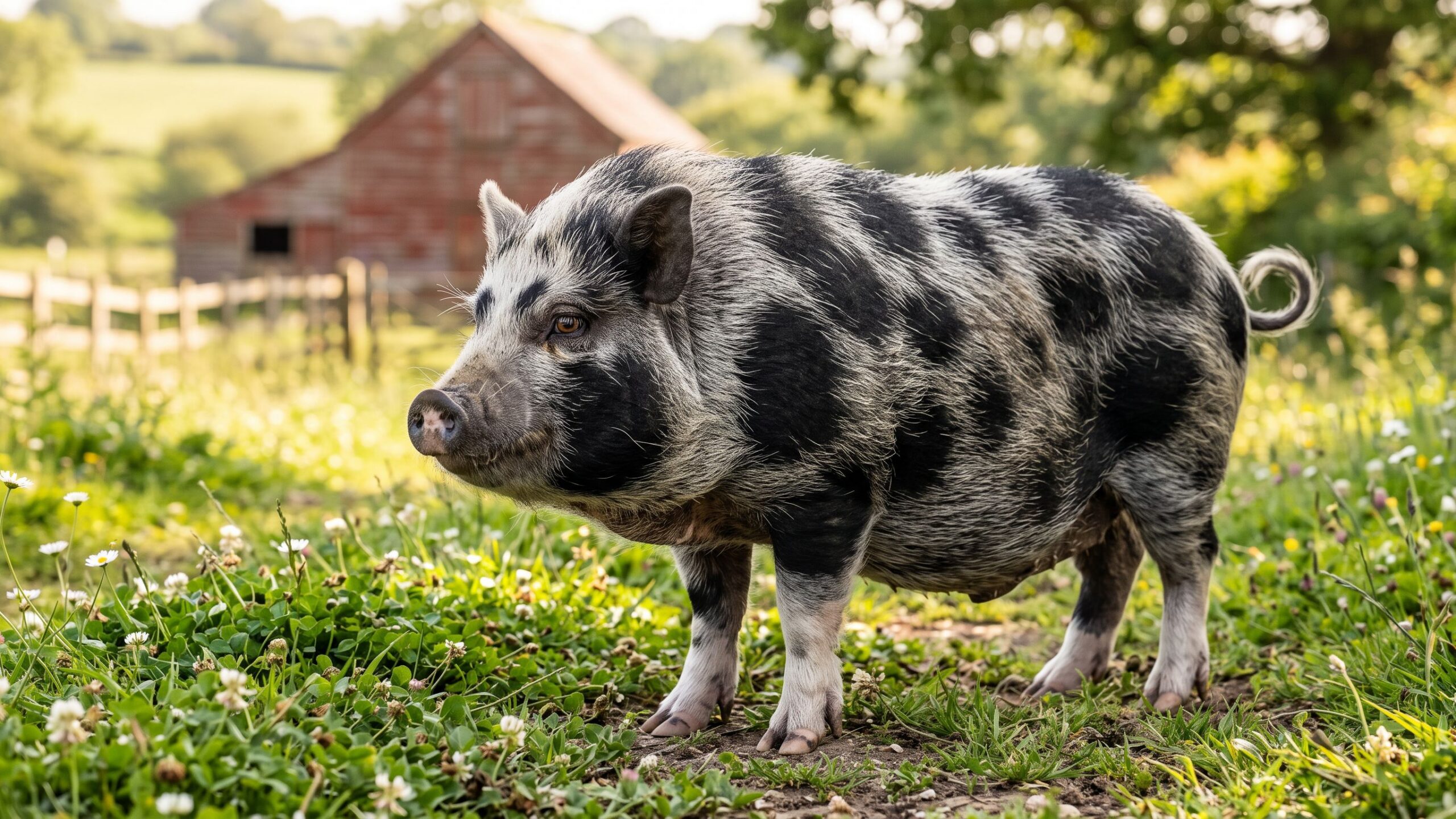
Miniature pigs possess many of the same anatomical characteristics as larger domestic pigs, but selective breeding has produced animals with relatively compact bodies and distinctive proportions. Their sizes vary considerably depending on genetics, age, nutrition, and breeding background. Some adult miniature pigs weigh approximately 70–150 pounds, while others may reach 200 pounds or more. Certain specialized research lines have more predictable size ranges, but companion pigs sold under general miniature labels may have highly variable adult weights. Their shoulder heights commonly range from approximately 14–24 inches, although individual animals may fall outside this range. Miniature pigs typically possess broad heads, strong jaws, muscular necks, sturdy legs, and rounded bodies. Their most recognizable feature is their flexible snout, which contains specialized cartilage and sensory structures that allow them to investigate soil, food, and unfamiliar objects. Their noses are extraordinarily sensitive and play an important role in natural foraging behavior. Pigs possess cloven hooves, with two primary weight-bearing toes on each foot. Their skin may be pink, black, gray, brown, spotted, or patterned, often covered with coarse bristles rather than dense fur. Some miniature pigs have pronounced rounded bellies, short legs, and relatively upright ears, while others display longer snouts or more athletic body shapes. Their tails may be straight or curled depending on genetics. Miniature pigs also possess continuously growing canine teeth, which can become especially prominent in males. Understanding their anatomy helps owners recognize that these animals remain strong, capable livestock mammals regardless of their smaller size.
Popular Miniature Pig Breeds and Types
Miniature pigs are represented by several distinct breeds, research populations, and companion breeding lines. The Vietnamese pot-bellied pig is among the most recognizable types, known for its rounded belly, short legs, relatively compact body, and often dark coloration. These pigs became popular in North America as companion animals during the late twentieth century. Göttingen minipigs are another important population, developed through controlled breeding for scientific research. They are valued for their relatively predictable characteristics and have contributed to studies involving physiology, nutrition, and biomedical science. Juliana pigs are often described as small, spotted pigs with comparatively slender bodies and longer legs, although the term is used inconsistently and pedigree documentation may vary. Kunekune pigs, originating from New Zealand, are another small heritage pig breed often discussed alongside miniature pigs. They possess compact bodies, short snouts, and sometimes distinctive fleshy wattles beneath the jaw. However, mature Kunekune pigs are generally larger than many people imagine when hearing the term miniature. American Mini Pig is another designation used by certain breeders and organizations for companion pigs selected for relatively small stature. Because miniature pig terminology is not standardized across all breeders, labels alone cannot reliably predict adult size. Prospective owners should investigate parent sizes, breeding records, health histories, and the reputation of breeders. The diversity of miniature pigs demonstrates how selective breeding has created a wide range of appearances, but responsible ownership begins with realistic expectations about the size and needs of mature animals.
Miniature Pig Intelligence: Some of the Smartest Animals on the Farm
Miniature pigs are widely recognized for their impressive intelligence, learning abilities, and problem-solving skills. Their cognitive abilities have attracted scientific interest because pigs demonstrate sophisticated memory, environmental awareness, and social learning. Miniature pigs can learn to recognize familiar people, respond to verbal cues, and associate specific actions with rewards. Many can be trained to sit, turn, follow targets, enter transport crates, or perform other behaviors through positive reinforcement. Their strong memories allow them to remember feeding routines, familiar locations, and previous experiences. Pigs are also highly motivated to investigate their surroundings, using their sensitive snouts to explore objects and search for food. This curiosity can make them entertaining companions, but it also means they may become bored or frustrated in environments lacking stimulation. Some pigs learn to manipulate simple latches, push movable objects, or investigate containers in search of food. Their problem-solving abilities are influenced by individual temperament, experience, and motivation. Scientific studies have explored pig cognition through tasks involving spatial learning, discrimination, memory, and social behavior. These findings challenge outdated assumptions that farm pigs are unintelligent or driven solely by appetite. Miniature pigs benefit from training activities, food puzzles, rooting opportunities, and predictable routines that engage their minds. Understanding their intelligence is essential because an understimulated pig may develop destructive or repetitive behaviors. Their remarkable cognitive abilities make them fascinating animals that require thoughtful mental enrichment as well as physical care.
Miniature Pig Personality: Affectionate, Curious, and Sometimes Mischievous
Miniature pigs possess distinctive personalities that often surprise people unfamiliar with domestic swine. Some individuals are outgoing, playful, and eager to interact with familiar caretakers, while others are cautious, independent, or strongly motivated by food. Many miniature pigs enjoy gentle scratching, particularly along the shoulders, belly, or back, once they have developed trust. They may approach familiar people enthusiastically and learn to associate particular routines with attention or rewards. However, their affectionate behavior should not be confused with unconditional obedience. Pigs are intelligent, independent animals capable of expressing frustration, excitement, fear, and social preferences. Their natural rooting instincts encourage them to investigate nearly everything within reach, including soil, bedding, furniture, and unsecured containers. This behavior can be amusing but may also create challenges in homes or poorly prepared enclosures. Miniature pigs can become demanding when they learn that vocalizing or pushing toward people produces food. Consistent boundaries and reward-based training help prevent undesirable habits. Their personalities also change as they mature. Young piglets may appear exceptionally playful and manageable, but adult pigs become stronger and more confident. Hormonal changes can influence behavior, making appropriate reproductive management important. Understanding miniature pig temperament requires recognizing both their capacity for affection and their natural need for independence, exploration, and predictable social interactions.
Miniature Pig Social Behavior: Herd Relationships and Communication
Pigs are naturally social animals that establish relationships, recognize companions, and develop social hierarchies. Wild boars commonly live in groups consisting of related females and their young, while adult males may spend more time alone outside breeding periods. Domestic miniature pigs retain many of these social instincts and generally benefit from appropriate companionship. Compatible pigs may rest together, groom one another through physical contact, explore shared environments, and communicate through vocalizations and body movements. However, introducing unfamiliar pigs can be challenging because established individuals may defend resources or social positions. Initial interactions may involve pushing, chasing, vocalizing, or other dominance-related behaviors. Introductions should be carefully managed in secure environments with sufficient space and multiple feeding locations. Pigs also communicate through scent and physical contact, using their snouts to investigate companions and surroundings. Social isolation can contribute to boredom, frustration, or behavioral problems, particularly when pigs receive limited daily interaction. Although some miniature pigs form strong relationships with humans, human companionship does not necessarily replace the benefits of compatible pig companions. Owners should consider temperament, age, size, sex, and reproductive status when planning group arrangements. Because pigs can become aggressive when competing over food, feeding systems should minimize conflict. Understanding their social behavior allows caretakers to provide environments that support natural relationships and reduce unnecessary stress.
Miniature Pig Communication: Grunts, Squeals, and Body Language
Miniature pigs possess an extensive communication system involving vocalizations, body posture, facial expressions, scent signals, and physical interactions. Their most recognizable sounds include grunts, squeals, snorts, and higher-pitched calls. These vocalizations vary according to context and may communicate excitement, discomfort, social contact, or anticipation. A pig may produce soft grunts while exploring or interacting with companions, while loud squeals can occur during fear, restraint, or intense excitement. Piglets communicate frequently with their mothers, using vocal signals to maintain contact and coordinate nursing. Body language provides additional clues about emotional state. A relaxed pig may move comfortably, investigate its surroundings, or rest with its body stretched out. A frightened or defensive pig may become tense, raise its head, vocalize sharply, or attempt to escape. Pigs also use their snouts to nudge people, investigate objects, and interact with companions. Although nudging may appear affectionate, persistent pushing can become problematic as animals grow larger. Tail movements may occur during excitement or activity, but their meaning should be interpreted alongside other behaviors. Learning to recognize normal vocalizations and body language helps owners distinguish curiosity from stress or aggression. Their communication is far more varied than the familiar image of a pig simply oinking in a barnyard.
What Do Miniature Pigs Eat? Nutrition and Healthy Feeding
Proper nutrition is one of the most important aspects of miniature pig care because these animals are highly food-motivated and prone to excessive weight gain. Pigs are omnivores capable of digesting a wide variety of foods, but domestic miniature pigs require carefully balanced diets rather than unrestricted access to table scraps or commercial livestock feed. A formulated miniature pig diet should provide appropriate protein, energy, vitamins, minerals, and fiber. Feeding requirements vary according to age, body condition, reproductive status, activity level, and health. Growing piglets have different nutritional needs from mature companion pigs, while pregnant or lactating females may require specialized feeding plans. Fresh vegetables and suitable forage can provide dietary variety and enrichment, but treats should remain limited. Excessive fruit, bread, sugary foods, and high-calorie snacks can contribute to obesity. Owners should avoid feeding chocolate, alcohol, moldy foods, and other potentially harmful substances. Some food scraps may also be restricted by local regulations because of animal disease concerns. Fresh drinking water must always be available. Miniature pigs should be monitored for changes in body condition because excessive fat accumulation can affect mobility, cardiovascular health, and overall welfare. Underfeeding is equally dangerous and should never be used to keep a pig artificially small. Appropriate nutrition supports healthy growth, strong bones, normal metabolism, and long-term well-being.
Miniature Pig Rooting: Understanding Their Most Famous Natural Behavior
Rooting is one of the most important natural behaviors displayed by miniature pigs. Their flexible, highly sensitive snouts allow them to investigate soil, move loose materials, and search for edible roots, insects, and other food sources. This behavior is deeply connected to their evolutionary history as omnivorous foragers. Even well-fed miniature pigs retain a strong motivation to root because the activity provides sensory stimulation and opportunities for exploration. In outdoor environments, pigs may turn over soil, investigate vegetation, or create shallow depressions while searching for interesting scents. Although rooting is normal, it can cause substantial damage to lawns, gardens, and landscaped areas. Owners should plan appropriate rooting zones rather than attempting to eliminate the behavior entirely. Designated digging areas containing safe soil or other suitable materials can provide valuable enrichment. Indoor pigs may attempt to root through blankets, bedding, carpets, or furniture when they lack appropriate alternatives. Food-searching activities and puzzle feeders can help satisfy their natural curiosity. Rooting also demonstrates the extraordinary sensitivity of the pig’s snout, which contains numerous sensory receptors. Understanding this behavior is essential for responsible ownership because it allows caretakers to support natural instincts while protecting the surrounding environment. A miniature pig that has opportunities to root, explore, and investigate is more likely to remain mentally engaged and behaviorally satisfied.
Miniature Pig Reproduction: Breeding, Pregnancy, and Farrowing
Miniature pig reproduction follows the general biological patterns of domestic swine, although responsible breeding requires particular attention to size, maturity, and long-term welfare. Female pigs are commonly called gilts before their first litter and sows after giving birth, while adult males are known as boars. Miniature pigs may reach sexual maturity at relatively young ages, making early reproductive management important. However, sexual maturity does not mean an animal is physically or behaviorally ready for responsible breeding. Female pigs typically experience reproductive cycles approximately every 21 days, although individual variation occurs. Pregnancy lasts about 114 days, often remembered through the traditional expression of three months, three weeks, and three days. Litter sizes vary according to breed, genetics, maternal age, and health. Miniature pigs may produce several piglets in a litter, although the number can differ substantially among individuals. Pregnant sows require balanced nutrition, appropriate veterinary monitoring, and comfortable housing. As birth approaches, a sow may display nesting behavior by gathering bedding and preparing a sheltered area. The birthing process is called farrowing. Newborn piglets require warmth, protection, and access to colostrum soon after birth. Responsible breeding also involves avoiding genetic problems, preventing unwanted litters, and ensuring suitable homes for offspring. Because miniature pigs can grow substantially larger than expected, breeding should never be undertaken without careful planning and realistic knowledge of adult size.
Raising Miniature Piglets: From Birth to Curious Youngsters
Miniature piglets are energetic, intelligent, and remarkably quick to explore their surroundings. At birth, piglets are relatively small but already possess many of the sensory and behavioral abilities needed to interact with their environment. Healthy newborns generally begin searching for their mother’s teats shortly after birth and require colostrum to obtain essential antibodies and nutrients. Adequate warmth is particularly important because newborn piglets have limited ability to regulate body temperature. Their resting areas should remain dry, clean, and protected from drafts. During the first weeks, piglets spend substantial time nursing, sleeping, and interacting with littermates. As they develop, their natural curiosity becomes increasingly apparent. Young pigs investigate bedding, nudge companions, and begin exploring solid foods. Their social experiences during early life can influence later behavior, making gentle handling and appropriate environmental exposure valuable. However, piglets should not be separated from their mothers prematurely simply to make them easier to sell or handle. Weaning should occur at an appropriate developmental stage under suitable management conditions. Young miniature pigs require balanced nutrition designed for growing animals, along with safe opportunities for rooting and exploration. Veterinary care should include guidance on parasite management, vaccinations where appropriate, and reproductive planning. Raising healthy piglets requires attention to nutrition, temperature, social development, and long-term housing needs.
Miniature Pig Housing: Creating a Safe and Comfortable Environment
Miniature pigs require thoughtfully designed housing that provides shelter, exercise, enrichment, and opportunities to express natural behavior. Although they are smaller than commercial farm pigs, mature miniature pigs remain strong animals capable of pushing against fencing, moving objects, and digging through soil. Outdoor enclosures should contain secure fencing that prevents escape and protects pigs from potential hazards. Suitable fencing materials must be strong enough to withstand repeated investigation and pressure from curious snouts. Shelter should provide protection from rain, wind, extreme temperatures, and direct sunlight. Dry bedding allows pigs to rest comfortably and helps maintain hygiene. Miniature pigs are sensitive to temperature extremes, particularly excessive heat, because they possess relatively few functional sweat glands. Shade, ventilation, fresh water, and appropriate cooling opportunities are essential during hot weather. Some pigs enjoy access to shallow wallows, which can help with cooling and natural behavior when maintained safely and hygienically. Indoor pigs require carefully prepared environments free of electrical cords, toxic plants, unsecured food, and objects that could be swallowed or damaged. Flooring should provide traction because slippery surfaces can contribute to injuries. Miniature pigs also need sufficient room for walking, exploring, rooting, and resting away from feeding areas. A well-designed environment supports physical health while reducing frustration and destructive behavior.
Miniature Pig Hoof Care, Skin Health, and Everyday Grooming
Miniature pigs require regular maintenance to support healthy movement, skin condition, and overall comfort. Hoof care is particularly important because their hooves continue growing and may become overgrown when natural wear is insufficient. Excessively long hooves can alter posture, create discomfort, and contribute to mobility problems. Many miniature pigs require periodic trimming by an experienced veterinarian or qualified hoof-care professional. The appropriate schedule varies according to growth rate, activity level, and walking surfaces. Owners should also monitor for cracks, injuries, and signs of infection. Skin care is another important consideration. Miniature pigs possess relatively sparse bristles and may develop dry or flaky skin. Gentle brushing can remove loose debris and provide an opportunity to inspect the skin for irritation or parasites. Bathing may occasionally be necessary, but excessive washing or harsh products can worsen dryness. Their ears and eyes should be monitored for discharge, redness, or unusual changes. Dental care is also important because pigs may develop problems involving teeth or tusks. Intact males and some other pigs can develop prominent canine teeth that require professional assessment. Owners should never attempt to trim tusks or perform complex dental procedures without veterinary expertise. Routine care should include monitoring body condition, appetite, movement, behavior, and environmental cleanliness. Consistent maintenance helps miniature pigs remain comfortable and healthy throughout their lives.
Miniature Pig Health: Common Illnesses and Important Warning Signs
Miniature pigs can live healthy lives with appropriate care, but they remain vulnerable to several medical conditions. Obesity is among the most common concerns because pigs are highly food-motivated and may consume excessive calories when feeding is not carefully managed. Excess body weight can contribute to arthritis, reduced mobility, and other health problems. Hoof abnormalities and joint discomfort may also develop, particularly in overweight animals or those housed on unsuitable surfaces. Skin conditions, external parasites, respiratory infections, and gastrointestinal problems are additional concerns. Miniature pigs can develop urinary tract problems, including bladder stones, depending on individual health and dietary factors. Reproductive disorders may occur in intact animals, making spaying and neutering important considerations for companion pigs. Veterinary care should be provided by professionals experienced with swine because miniature pigs have different medical needs from dogs and cats. Vaccination recommendations vary according to region, disease exposure, and management conditions. Owners should also understand that pigs can be affected by serious infectious diseases, including certain swine influenza viruses and other livestock pathogens. Biosecurity is important when introducing new animals or visiting other farms. Warning signs of illness include reduced appetite, unusual inactivity, difficulty breathing, lameness, vomiting, diarrhea, or sudden behavioral changes. Because pigs may conceal discomfort, careful observation is essential. Prompt veterinary assessment helps prevent minor problems from becoming serious medical emergencies.
Miniature Pigs Through the Seasons: Weather and Environmental Adaptation
Seasonal changes influence miniature pig comfort, feeding, activity, and environmental management. Unlike animals with thick insulating fleece, miniature pigs possess relatively sparse hair and may be vulnerable to cold weather when shelter is inadequate. During winter, they require dry bedding, protection from strong winds, and appropriate temperature management. Some pigs benefit from additional insulation or carefully designed heated resting areas, although electrical equipment must be installed safely to prevent burns and fire hazards. Their nutritional needs may change during colder periods, but feeding adjustments should be based on body condition and veterinary guidance. Spring often brings increased outdoor activity and opportunities for rooting and exploration. However, wet soil can create muddy conditions that require drainage and enclosure maintenance. Summer presents particularly important challenges because pigs have limited sweating ability and may overheat rapidly. Shade, ventilation, abundant drinking water, and suitable cooling opportunities help reduce heat stress. Signs of overheating may include rapid breathing, weakness, and unusual inactivity. Autumn often brings changes in temperature and vegetation availability, requiring adjustments to shelter and feeding routines. Miniature pigs may also display seasonal changes in activity and behavior depending on daylight, temperature, and environmental conditions. Understanding these patterns allows owners to provide appropriate care throughout the year while minimizing preventable health risks.
Are Miniature Pigs Good Pets? The Reality of Companion Pig Ownership
Miniature pigs can become affectionate, intelligent, and entertaining companion animals, but they are not suitable for every household. Their remarkable learning abilities and strong personalities make them engaging companions for people prepared to invest time in training and enrichment. Many miniature pigs learn routines, respond to familiar people, and enjoy gentle interaction. Some can be house-trained or taught to use designated elimination areas. However, their natural rooting instincts, substantial adult size, and strong food motivation can create significant challenges. A pig advertised as a tiny companion animal may eventually weigh well over 100 pounds, making realistic expectations essential. Miniature pigs also require specialized veterinary care, appropriate nutrition, hoof maintenance, and secure environments. Their intelligence means they may become frustrated or destructive when bored. They can also develop territorial or demanding behavior without consistent training and appropriate socialization. Spaying and neutering are often recommended for companion pigs because they can reduce unwanted reproduction and certain hormone-related behaviors. Local zoning regulations may prohibit pig ownership even when the animal is marketed as a miniature pet. Prospective owners should investigate legal requirements before acquiring a pig. Miniature pigs commonly live approximately 12–20 years with proper care, and some individuals survive longer. Their lifespan represents a substantial commitment. For knowledgeable owners with suitable facilities, miniature pigs can provide years of companionship and fascinating interactions.
Fascinating Miniature Pig Facts That May Surprise You
Miniature pigs possess numerous extraordinary characteristics that make them some of the most interesting animals on the farm. One of their most remarkable features is their highly sensitive snout, which allows them to investigate their surroundings through touch and smell. Pigs possess an excellent sense of smell and use it extensively when searching for food or exploring unfamiliar environments. Their intelligence is another fascinating characteristic. Miniature pigs can learn complex routines, remember familiar individuals, and solve certain problems involving objects or rewards. Despite popular misconceptions, pigs are naturally clean animals when given sufficient space to separate sleeping and elimination areas. Their reputation for enjoying mud reflects an important biological need rather than a preference for filth. Because pigs have limited sweating ability, wallowing in mud or water can help them regulate body temperature and protect their skin from sunlight and insects. Miniature pigs also communicate through a wide range of grunts, squeals, and other vocalizations. Their social relationships can be surprisingly complex, with individuals recognizing companions and establishing hierarchies. Another interesting fact is that miniature pigs are not a single standardized breed, and their adult sizes vary considerably. The term teacup pig is primarily a marketing label rather than a scientifically recognized size classification. These characteristics reveal animals whose intelligence, sensory abilities, and natural behaviors deserve far more appreciation than their familiar farmyard image suggests.
Miniature Pigs in Modern Farming, Education, and Animal Companionship
Miniature pigs occupy a distinctive position in modern agriculture and animal companionship. Unlike conventional commercial pigs, which are often selected for rapid growth and meat production, many miniature pig populations have been developed for research, exhibition, or companionship. Their relatively small size compared with commercial livestock has made them useful in certain scientific studies involving physiology, metabolism, and biomedical research. Göttingen minipigs, for example, are internationally recognized research animals with carefully managed breeding histories. Miniature pigs are also increasingly encountered on hobby farms, educational properties, and animal sanctuaries. Their intelligence and unusual behavior provide opportunities to teach visitors about swine anatomy, cognition, and responsible animal care. However, their popularity has also created significant animal welfare concerns. Misleading claims about adult size can result in owners acquiring pigs without understanding their eventual space, feeding, and veterinary requirements. Some miniature pigs are surrendered to rescues or sanctuaries after becoming larger or more demanding than expected. Responsible breeding and ownership therefore require accurate information, realistic expectations, and long-term planning. Miniature pigs can be valuable educational ambassadors for understanding farm animal intelligence, but their welfare must remain the priority. Their place in modern farming demonstrates how domestic animals can serve many roles beyond traditional agricultural production.
Conclusion: Why Miniature Pigs Are Extraordinary Farm Animals
Miniature pigs are far more than adorable animals with rounded bellies and curious snouts. Their ancient ancestry, remarkable intelligence, sophisticated social relationships, and distinctive personalities make them some of the most fascinating domestic animals in the world. From their origins among domesticated wild boar populations to the development of modern miniature pig types, these animals represent thousands of years of human partnership and selective breeding. Their extraordinary sense of smell, powerful rooting instincts, impressive memories, and ability to learn complex routines reveal animals capable of engaging deeply with their environments. Their social communication and individual personalities demonstrate that pigs are thoughtful, responsive mammals deserving of informed and respectful care. However, responsible miniature pig ownership requires more than affection and enthusiasm. These animals need balanced nutrition, secure housing, environmental enrichment, appropriate companionship, hoof care, veterinary attention, and realistic expectations about adult size. Their long lifespans and specialized requirements make them a substantial commitment for any prospective owner. Whether admired for their intelligence, appreciated for their unique agricultural history, or welcomed as engaging companions, miniature pigs offer countless opportunities for learning and discovery. At Duffy Street, exploring farm animals means recognizing the remarkable qualities that make every species unique. Miniature pigs remind us that some of the most extraordinary minds in the barnyard belong to animals whose curiosity, determination, and intelligence are every bit as impressive as their unforgettable personalities.
Pet Product Reviews
Explore Duffy Street’s Pet Product Reviews! Sniff out the top-rated toys, treats, gear, and gadgets for your pets with our fun, easy-to-read comparisons. We’ve done the digging so you can find the perfect products for your pet friends!