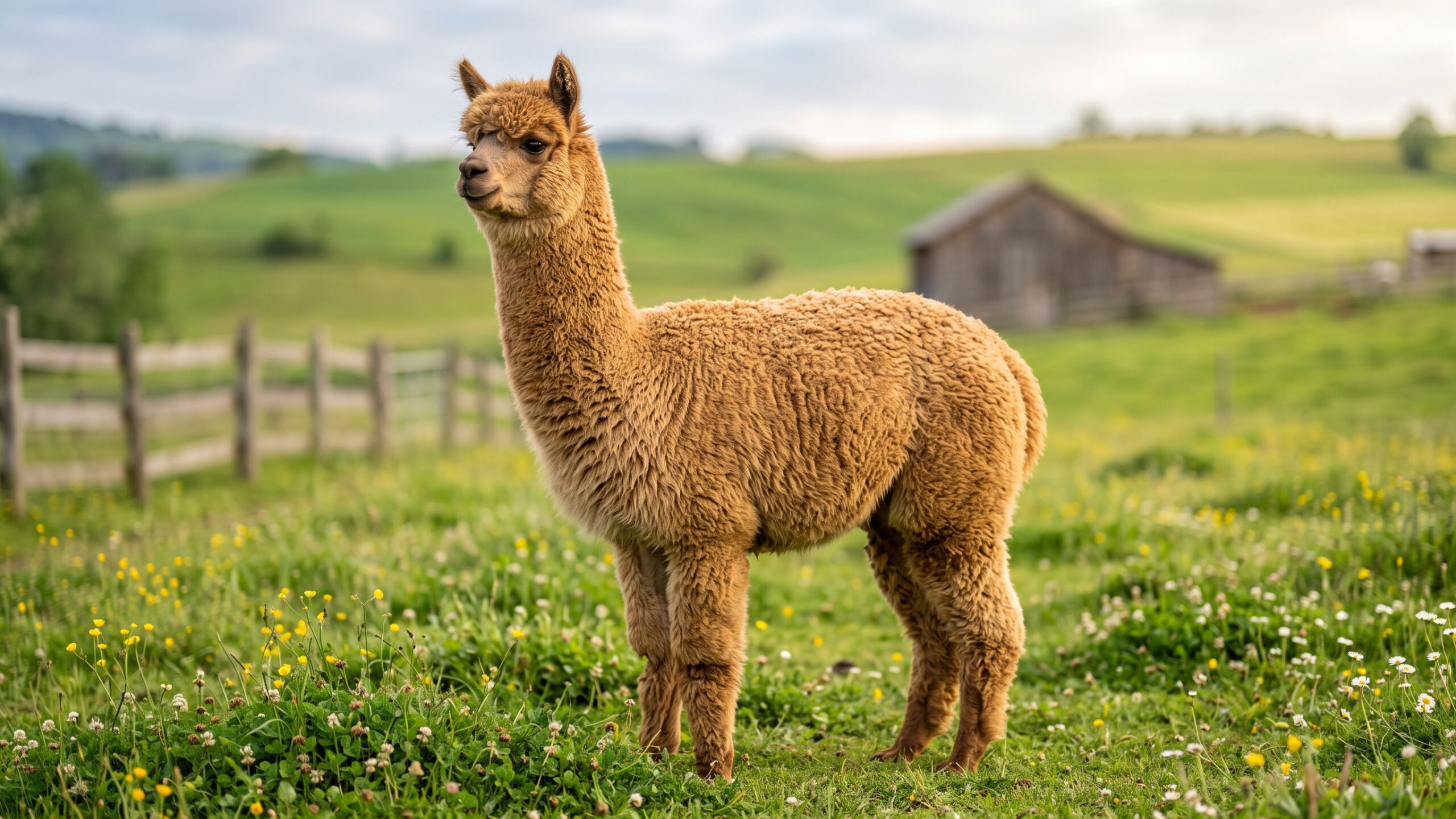
Few farm animals possess the extraordinary combination of elegance, curiosity, and irresistible charm found in alpacas. With their long graceful necks, expressive eyes, compact bodies, and famously soft fleece, these remarkable animals have become favorites among fiber enthusiasts, small-scale farmers, and animal lovers around the world. Their gentle appearance often attracts immediate attention, but alpacas are far more than beautiful animals wandering through picturesque pastures. They possess fascinating social structures, distinctive communication systems, specialized digestive adaptations, and a history deeply connected to the ancient civilizations of South America. Scientifically known as Vicugna pacos, alpacas belong to the family Camelidae, which also includes llamas, camels, guanacos, and vicuñas. Although alpacas resemble small llamas, they are a separate domesticated species with different physical characteristics and traditional agricultural purposes. Alpacas were primarily developed for fiber production, while llamas historically served important roles as pack animals. Today, alpacas are raised for their luxurious fleece, breeding, agricultural exhibitions, and companionship. Their relatively manageable size makes them appealing to certain small farms, although their specialized nutritional, social, and medical needs require thoughtful preparation. Understanding their history, anatomy, intelligence, behavior, reproduction, and everyday care reveals why alpacas deserve recognition as some of the most fascinating and distinctive animals in the farmyard.
A: Most alpacas live approximately 15–20 years, although some live longer with proper nutrition, housing, parasite management, and veterinary care.
A: Adult alpacas commonly weigh approximately 100–200 pounds, depending on age, sex, genetics, and body condition.
A: Alpacas can be suitable for dedicated beginners who have adequate land, compatible herd companions, appropriate fencing, and access to a camelid-experienced veterinarian.
A: No. Alpacas are social herd animals and should generally be kept in compatible groups of at least three to support normal social behavior.
A: Alpacas primarily eat suitable pasture grasses and grass hay, supplemented with camelid-specific minerals and additional feed when nutritionally necessary.
A: Yes. Most alpacas require shearing approximately once each year to maintain fleece quality and reduce the risk of overheating.
A: Alpacas are generally smaller and bred primarily for fiber, while llamas are larger and have traditionally been used for packing, guarding, and fiber production.
A: Alpacas usually give birth to a single cria after a pregnancy lasting approximately 11–12 months. Twins are uncommon.
A: Alpacas primarily spit at other alpacas during disagreements, but they may also spit toward people when frightened, stressed, or improperly handled.
A: Warning signs include reduced appetite, weight loss, isolation, abnormal droppings, difficulty walking, labored breathing, or unusual weakness. Contact a camelid-experienced veterinarian promptly if illness is suspected.
The Ancient History and Andean Origins of Alpacas
The history of alpacas begins high in the Andes Mountains of South America, where indigenous communities developed sophisticated relationships with domesticated camelids thousands of years ago. Archaeological and genetic evidence indicates that alpacas were domesticated approximately 6,000 years ago, primarily from wild vicuñas. Their domestication occurred in regions associated with present-day Peru and surrounding Andean territories, where high elevations, cool temperatures, and challenging landscapes shaped both animal adaptations and agricultural traditions. Ancient Andean communities recognized the remarkable qualities of alpaca fiber and selectively managed these animals for textile production. During the rise of the Inca Empire, alpaca fleece became an important material for clothing, blankets, ceremonial textiles, and other woven goods. Fine textiles held considerable cultural and economic significance, with particularly luxurious fibers associated with prestige and high social standing. Alpacas were also integrated into agricultural systems that relied on careful herd management and seasonal grazing. Following European colonization, traditional Andean camelid populations experienced major disruptions, including changes in land use, livestock management, and breeding practices. Nevertheless, alpacas remained important to communities throughout the Andes. During the twentieth century, interest in alpaca fiber expanded internationally, leading to the establishment of breeding populations in North America, Australia, Europe, and other regions. Today, Peru remains central to the global alpaca industry, while smaller farms around the world continue to raise these animals for fiber and companionship. Their history represents an extraordinary connection between human craftsmanship, mountain agriculture, and the remarkable adaptations of domesticated South American camelids.
Alpaca Anatomy: Understanding Their Graceful and Unique Bodies
Alpacas possess distinctive anatomical characteristics that reflect their evolutionary history in the challenging environments of the Andes. Adult alpacas commonly stand approximately 32–39 inches tall at the shoulders and weigh around 100–200 pounds, although individual size varies according to genetics, age, sex, and body condition. Their bodies are relatively compact, supported by long, slender legs and a graceful neck. Unlike horses, cattle, or sheep, alpacas have two-toed feet with soft pads and toenails rather than conventional hard hooves. These padded feet provide traction while generally causing less concentrated pressure on the ground than the hooves of many larger livestock species. Their upper lips are split and highly mobile, allowing them to grasp vegetation with precision. Alpacas possess a specialized digestive system with three stomach compartments, commonly labeled C1, C2, and C3. Although they are not true ruminants, they ferment fibrous vegetation and regurgitate material for additional chewing, allowing efficient nutrient extraction. Their large eyes and relatively long eyelashes contribute to their expressive appearance, while their upright ears help detect sounds from different directions. Alpacas also possess continuously erupting teeth that require appropriate monitoring. Their most celebrated anatomical feature is their fleece, which grows in dense fibers across much of the body. Fiber characteristics vary according to type, genetics, nutrition, and age. Their combination of padded feet, specialized digestion, protective fleece, and efficient grazing reflects generations of adaptation to demanding mountain environments.
Huacaya and Suri Alpacas: Understanding the Two Main Types
Alpacas are generally divided into two main types based on the structure and appearance of their fleece: Huacaya and Suri. Although both belong to the same species, their fiber characteristics create dramatically different appearances. Huacaya alpacas are the more common type and are recognized for their dense, fluffy fleece that grows outward from the body. Their fibers typically possess noticeable crimp, creating a soft, springy texture that gives the animals their familiar teddy-bear appearance. Huacaya fleece is valued for its warmth, versatility, and suitability for many textile applications. Suri alpacas possess a different fleece structure. Their fibers grow in long, silky locks that hang close to the body, creating an elegant appearance reminiscent of flowing strands of hair. Suri fiber is often prized for its luster, smoothness, and drape. Both types occur in a wide range of natural colors, including white, cream, fawn, brown, gray, black, and various intermediate shades. Alpaca breeders carefully evaluate fleece density, fineness, uniformity, staple length, and other characteristics when selecting breeding animals. Although fleece type is the most obvious distinction, individual alpacas also vary in body structure, temperament, and productive characteristics. Neither type is universally better than the other. Huacaya alpacas may appeal to owners interested in fluffy fleece and traditional yarn production, while Suri alpacas attract enthusiasts who appreciate silky, lustrous fiber. Understanding these differences helps prospective owners choose animals suited to their interests and management goals.
Alpaca Personality: Gentle, Curious, and Full of Individuality
Alpacas are often described as gentle, observant, and curious animals, but their personalities are more complex than their peaceful appearance might suggest. Many alpacas display a cautious approach to unfamiliar situations, preferring to observe people or objects from a comfortable distance before investigating. This behavior reflects their evolutionary history as prey animals that depend on vigilance and coordinated group responses for survival. Some alpacas become comfortable around familiar caretakers and may approach voluntarily, particularly when feeding routines or positive experiences are involved. Others remain more reserved and prefer limited physical contact. Unlike dogs, alpacas do not generally seek frequent hugging or close restraint, and their boundaries should be respected. Individual temperament is influenced by genetics, early experiences, social environment, and handling practices. Young alpacas may display playful behavior, including running, jumping, and energetic interactions with companions. Adults often communicate their preferences through posture, movement, and subtle facial expressions. Alpacas can also become defensive when frightened or crowded, sometimes kicking or spitting to increase distance from perceived threats. Their personalities become especially apparent within established herds, where some individuals are bold and inquisitive while others prefer remaining close to familiar companions. Gentle handling, predictable routines, and positive reinforcement can help develop trust. Understanding their individual personalities allows caretakers to create respectful relationships that support both human safety and animal welfare.
Alpaca Intelligence: Learning, Memory, and Environmental Awareness
Alpacas possess cognitive abilities that help them navigate social relationships, recognize familiar environments, and respond to changing circumstances. Their intelligence is closely connected to their natural instincts as social grazing animals. Alpacas can learn feeding routines, recognize familiar caretakers, and become accustomed to consistent handling procedures. With patient training, many alpacas can learn to walk on a halter, stand calmly for routine examinations, and cooperate during basic husbandry activities. Their strong environmental awareness means they often notice changes that humans might overlook. A newly positioned object, unfamiliar sound, or unexpected movement may attract immediate attention from the herd. Alpacas frequently respond by pausing, raising their heads, and evaluating the situation before deciding whether to approach or retreat. Their cautious behavior should not be mistaken for an inability to learn. In fact, consistent positive experiences can help alpacas become more confident in familiar settings. They may remember stressful interactions and become reluctant to repeat procedures associated with discomfort. Environmental enrichment can support their natural curiosity and encourage exploration. Varied grazing areas, safe obstacles, appropriate social interaction, and predictable routines provide opportunities for stimulation. Because alpacas are highly social, much of their learning occurs within the context of herd behavior. Understanding their intelligence encourages owners to use calm, patient training methods and to recognize that these animals respond best when their natural instincts are respected.
Alpaca Herd Behavior: Strong Social Bonds and Group Dynamics
Alpacas are strongly social animals that naturally seek companionship and security within groups. Their herd instincts are essential to their emotional well-being and influence feeding, resting, movement, and responses to potential threats. In a stable herd, alpacas may graze together, rest near familiar companions, and communicate through subtle vocalizations and body movements. Social relationships can develop over time, with individuals displaying preferences for particular herd members. Alpacas also establish social hierarchies that influence interactions and access to resources. Dominance behavior may involve posturing, chasing, pushing, or spitting, particularly during competition or reproductive activity. Intact males can display stronger territorial or competitive behavior than females or geldings. Because alpacas depend heavily on social companionship, keeping a single alpaca alone is generally inappropriate. Owners should maintain compatible groups, with herd composition carefully planned according to sex, age, temperament, and breeding goals. Introducing unfamiliar animals requires patience because established groups may initially react cautiously or defensively. Adequate space, multiple feeding locations, and opportunities to move away from conflict help reduce social tension. Alpacas may also respond strongly when separated from familiar companions, sometimes becoming visibly distressed or vocal. Their strong herd instincts explain why group management is one of the most important aspects of responsible alpaca ownership. A stable, compatible herd supports natural behavior, reduces stress, and contributes to overall health.
Alpaca Communication: Humming, Spitting, and Body Language
Alpacas possess a distinctive communication system involving vocalizations, body posture, ear movements, facial expressions, and scent-related behaviors. One of their most recognizable sounds is humming, a soft vocalization that may occur during social interactions, maternal communication, uncertainty, or mild distress. The meaning of humming depends on context, and experienced caretakers often learn to recognize differences in tone and behavior. Alpacas may also produce alarm calls when detecting unfamiliar animals or potential threats. These calls can alert other herd members and encourage coordinated vigilance. Spitting is another well-known behavior, although it is often misunderstood. Alpacas primarily use spitting during social disagreements, competition over food, or defensive interactions with other alpacas. They may occasionally spit toward people when frightened, restrained, or improperly handled. Spitting can involve saliva or partially digested stomach contents, depending on the intensity of the interaction. Ear position provides additional clues about emotional state. Forward-facing ears may indicate attention or curiosity, while ears held back can signal irritation, fear, or discomfort. Alpacas also communicate through head movements, neck posture, and changes in body tension. During breeding, males may produce a distinctive vocalization known as orgling. Mothers and young communicate through familiar sounds and close physical contact. Learning to recognize these signals helps caretakers understand herd relationships and identify potential stress. Alpaca communication is subtle, expressive, and closely connected to their sophisticated social behavior.
What Do Alpacas Eat? Nutrition and Their Specialized Digestive System
Alpacas are herbivorous grazing animals whose digestive systems are adapted to extracting nutrients from fibrous vegetation. Their natural diets consist primarily of grasses and other suitable forage plants. Unlike true ruminants such as cattle and sheep, alpacas possess a three-compartment stomach that supports microbial fermentation and efficient digestion. Their ability to utilize relatively modest-quality forage reflects their adaptation to high-altitude environments where vegetation may be sparse or seasonal. For most healthy adult alpacas, good-quality grass hay and appropriate pasture form the foundation of the diet. Nutritional requirements vary according to age, body condition, pregnancy, lactation, fiber production, and environmental conditions. Growing crias and pregnant or lactating females may require additional nutritional support. Commercial feeds formulated specifically for camelids can provide supplemental nutrients when necessary, but excessive concentrated feed may contribute to obesity or digestive problems. Alpacas also require constant access to clean drinking water and appropriately balanced minerals. Their mineral requirements differ from those of sheep, making species-specific feeding guidance important. Owners should consult a veterinarian or qualified livestock nutritionist when developing supplementation programs. Alpacas are particularly vulnerable to problems associated with poor-quality forage, sudden dietary changes, and inappropriate feeding practices. Pasture management also matters because overgrazing can reduce forage availability and increase parasite exposure. Providing balanced nutrition supports healthy fleece growth, reproductive performance, immune function, and long-term well-being.
Alpaca Fleece: The Extraordinary Fiber That Made Them Famous
Alpaca fleece is one of the most celebrated natural fibers in the world, admired for its softness, warmth, lightweight feel, and versatility. For thousands of years, Andean communities have used alpaca fiber to produce clothing, blankets, and intricately woven textiles. Today, alpaca fleece remains highly valued among textile manufacturers, hand spinners, knitters, and fiber artists. One of its most appealing characteristics is the wide range of natural colors available without dyeing. Alpacas can produce fleece in shades of white, cream, fawn, brown, gray, black, and various intermediate tones. Fiber quality depends on characteristics such as fineness, uniformity, length, density, and the presence of coarse guard hairs. Fine alpaca fiber can feel exceptionally soft against the skin, making it suitable for scarves, sweaters, hats, and other garments. Huacaya fleece is commonly associated with crimp and loft, while Suri fiber is valued for its smoothness and luster. Alpaca fiber contains relatively little lanolin compared with sheep wool, which can simplify certain cleaning processes, although it does not guarantee that every finished product will be suitable for people with sensitive skin. Most alpacas require annual shearing to prevent excessive fleece accumulation and overheating. Skilled shearers remove the fleece carefully while minimizing stress and injury. The harvested fiber can then be sorted, cleaned, processed, and transformed into yarn or finished textiles. Alpaca fleece represents an extraordinary combination of natural beauty, agricultural tradition, and practical usefulness.
Alpaca Breeding: Reproduction, Pregnancy, and Birth
Alpaca reproduction differs in several important ways from that of many other domestic livestock species. Female alpacas are commonly called females or dams, while breeding males are referred to as studs or herdsires. A young alpaca is known as a cria. Alpacas are induced ovulators, meaning ovulation is generally triggered by mating rather than occurring according to a fixed spontaneous cycle. This reproductive characteristic allows breeding to occur during different times of the year, although management practices and environmental conditions influence breeding schedules. Alpaca gestation commonly lasts approximately 11–12 months, with an average near 345 days. Most pregnancies result in a single cria, while twins are extremely uncommon and carry substantial risks. Responsible breeders carefully evaluate the health, age, body condition, and genetic characteristics of potential parents. Female alpacas should not be bred simply because they have reached puberty; adequate physical maturity is important for safe reproduction. During pregnancy, nutrition and veterinary monitoring help support maternal health and fetal development. As birth approaches, pregnant females may become restless or separate slightly from the herd. Alpacas often give birth during daylight hours, although exceptions occur. Most healthy females deliver naturally, but difficult births require prompt veterinary assistance. Newborn crias should stand and nurse promptly, receiving colostrum that provides essential antibodies and nutrients. Responsible breeding requires careful planning, appropriate veterinary support, and a commitment to the long-term welfare of both mothers and offspring.
Raising Alpaca Crias: From Newborns to Curious Youngsters
Newborn alpaca crias are among the most delightful sights on a farm. Their long legs, delicate necks, soft fleece, and curious expressions give them an appearance that seems almost impossibly charming. Healthy crias generally attempt to stand shortly after birth and begin searching for their mother’s milk. Their early survival depends heavily on receiving sufficient colostrum, which supplies antibodies and nutrients essential for immune protection. A cria that fails to nurse adequately requires prompt veterinary attention. Newborn alpacas are vulnerable to chilling, dehydration, and other complications, making careful observation particularly important during the first days of life. As crias grow, they become increasingly active and begin exploring their surroundings. Their playful behavior often includes running, jumping, and energetic group movements. Young alpacas may engage in pronking, a distinctive bounding movement in which all four feet leave the ground. This behavior can occur during excitement or playful activity and is especially entertaining to observe. Crias gradually begin sampling grass and hay while continuing to nurse. Their digestive systems develop as microbial populations establish themselves within the stomach compartments. Weaning should be planned carefully to minimize stress and ensure adequate nutritional development. Young alpacas also benefit from appropriate socialization, preventive veterinary care, parasite management, and gentle handling. Excessive human bonding during early development can create behavioral problems in some animals, particularly intact males, making appropriate boundaries important. Raising healthy crias requires patience, careful management, and respect for their natural social development.
Alpaca Housing: Creating a Safe and Comfortable Farm Environment
Alpacas require secure, well-managed environments that provide opportunities for grazing, social interaction, shelter, and natural movement. Although their ancestors evolved in the challenging conditions of the Andes, domestic alpacas still need protection from extreme weather and unsuitable living conditions. A well-designed shelter should provide shade during hot weather, protection from strong winds and heavy precipitation, and dry resting areas. Alpacas generally tolerate cool conditions reasonably well when properly acclimated and protected by adequate fleece, but prolonged exposure to wet or severe weather can create health risks. Newly shorn alpacas are particularly vulnerable to chilling because they have lost much of their natural insulation. Outdoor enclosures should contain secure fencing suitable for camelids. Woven-wire fencing is commonly used, although designs should minimize the possibility of animals becoming trapped or injured. Barbed wire is generally unsuitable because it can damage fleece and cause injuries. Pasture space requirements vary according to climate, forage productivity, herd size, and management practices. Owners should avoid relying on a universal stocking density because land carrying capacity differs substantially between regions. Alpacas also benefit from designated feeding areas, clean water sources, and sheltered spaces where subordinate animals can avoid competition. Predator protection is another important consideration, particularly in areas with coyotes, dogs, or other carnivores. Appropriate fencing and carefully managed guardian animals may help reduce risks. Thoughtful housing supports physical comfort, healthy fleece, natural behavior, and stable herd relationships.
Alpaca Grooming, Shearing, and Everyday Maintenance
Alpaca maintenance involves several specialized responsibilities that differ from the care of sheep, goats, and other farm animals. One of the most important tasks is annual shearing. Because alpaca fleece continues growing, most animals require shearing approximately once each year, typically before the hottest part of the season. Excessive fleece accumulation can contribute to overheating, discomfort, and hygiene problems. Skilled shearing should be performed with appropriate restraint and equipment to minimize stress and injury. Alpacas also require regular toenail trimming because their nails grow continuously and may become overgrown when natural wear is insufficient. The frequency of trimming varies according to terrain, individual growth, and management conditions. Their padded feet should be inspected for injuries, swelling, or signs of infection. Dental care is another important consideration. Alpacas possess continuously erupting teeth, and certain animals may develop dental abnormalities requiring professional evaluation. Adult males may develop prominent fighting teeth that sometimes require management by experienced veterinary professionals. Owners should never attempt complex dental procedures without appropriate training. Routine health checks should include assessing body condition, skin health, fleece quality, movement, appetite, and behavior. Because thick fleece can conceal weight loss, hands-on body condition assessment is particularly valuable. Regular cleaning of feeding areas, water containers, and shelters helps reduce contamination. Consistent grooming, shearing, toenail care, and veterinary monitoring contribute to healthy, comfortable alpacas.
Alpaca Health: Common Illnesses and Important Warning Signs
Alpacas are generally resilient animals when provided with appropriate nutrition, housing, and preventive care, but they remain vulnerable to several significant health concerns. Internal parasites are among the most important challenges, particularly gastrointestinal worms that can contribute to weight loss, anemia, weakness, and reduced productivity. The barber pole worm, Haemonchus contortus, can cause severe anemia in susceptible animals. Parasite management should be guided by veterinary recommendations, diagnostic testing, and appropriate pasture practices rather than indiscriminate deworming. Alpacas may also experience respiratory infections, dental disease, nutritional deficiencies, reproductive complications, and foot injuries. Heat stress is another serious concern, particularly when animals carry heavy fleeces during warm weather. Signs may include rapid breathing, weakness, reduced activity, and difficulty regulating body temperature. In some regions, meningeal worm, Parelaphostrongylus tenuis, presents an important risk to alpacas and llamas. This parasite is associated with white-tailed deer and can cause severe neurological disease in susceptible camelids. Owners in affected regions should discuss prevention strategies with experienced veterinarians. Alpacas can also develop digestive disturbances, although their signs may differ from those observed in other livestock. Warning signs of illness include reduced appetite, unusual isolation, persistent diarrhea, abnormal posture, difficulty walking, or changes in normal behavior. Because alpacas may conceal signs of weakness, consistent observation is essential. Preventive care, appropriate nutrition, parasite management, and access to knowledgeable veterinary professionals are fundamental to maintaining healthy herds.
Alpacas Through the Seasons: Weather, Fleece, and Environmental Adaptation
Seasonal changes influence alpaca comfort, nutritional requirements, fleece management, and daily behavior. Their thick fleece provides valuable insulation during cool weather, reflecting their ancestry in high-altitude Andean environments. However, winter conditions still create challenges involving wet bedding, frozen water, limited pasture availability, and severe storms. Dry shelter, adequate forage, and protection from prolonged moisture are important throughout colder months. Spring often brings increased pasture growth and preparation for annual shearing. Owners should monitor forage quality carefully because sudden dietary changes can affect digestive health. Summer presents particularly important management considerations. Alpacas carrying heavy fleeces may become vulnerable to overheating, especially in humid climates. Appropriate shearing schedules, shade, ventilation, and abundant clean drinking water help reduce heat stress. Some owners provide fans or other cooling measures when temperatures become excessive. Autumn often coincides with changes in pasture availability and the development of new fleece growth. Nutritional adjustments may be necessary as vegetation quality declines. Alpacas also experience changes in activity patterns depending on temperature, precipitation, and environmental conditions. Their seasonal needs vary according to age, body condition, fleece length, and local climate. Understanding these patterns allows caretakers to anticipate potential health risks and provide appropriate management throughout the year.
Are Alpacas Good Pets? Understanding Companion Alpaca Ownership
Alpacas can make rewarding companion animals for people who appreciate their gentle appearance, quiet communication, and fascinating social behavior. Their relatively manageable size and calm reputation make them appealing to small farm owners and homesteaders. However, alpacas are not naturally equivalent to dogs, cats, or other animals commonly kept for frequent physical affection. Many alpacas prefer maintaining a comfortable distance from people and may become stressed by hugging, grabbing, or unnecessary restraint. Their personalities vary, and some individuals become particularly comfortable around familiar caretakers. Gentle handling and consistent routines can help develop trust. Because alpacas are strongly social, they should be kept with compatible alpaca companions rather than housed alone. A small herd provides opportunities for natural communication, grazing, and social relationships. Prospective owners should also consider the financial responsibilities associated with fencing, shelter, forage, annual shearing, toenail trimming, veterinary care, and parasite management. Alpacas commonly live approximately 15–20 years with proper care, and some individuals survive longer. Their lifespan represents a meaningful commitment. Families should supervise interactions between alpacas and children because even gentle animals can kick or spit when frightened. Local zoning regulations may also restrict camelid ownership. For dedicated caretakers, alpacas offer years of enjoyment through their distinctive personalities, beautiful fleece, and engaging natural behaviors.
Fascinating Alpaca Facts That May Surprise You
Alpacas possess numerous remarkable characteristics that distinguish them from other domestic farm animals. One of their most unusual features is their soft, padded feet, which differ from the hard hooves of cattle, sheep, and horses. These feet help distribute pressure across the ground and provide traction on varied terrain. Alpacas also possess a three-compartment stomach adapted for microbial fermentation, allowing them to extract nutrients from fibrous vegetation. Their fleece occurs in an extraordinary range of natural colors, making alpaca fiber particularly appealing to textile enthusiasts. Another fascinating characteristic is their tendency to use communal dung piles. Rather than depositing manure randomly throughout a pasture, alpacas often return to shared areas for elimination. This behavior can simplify certain aspects of pasture sanitation, although waste still requires appropriate management. Alpacas also communicate through soft humming sounds and may produce alarm calls when detecting potential threats. Their distinctive pronking behavior, involving energetic bouncing movements, can be especially entertaining to observe. Unlike llamas, alpacas were primarily domesticated for fiber production rather than carrying heavy loads. Their closest wild ancestor is generally considered the vicuña, a smaller South American camelid famous for its exceptionally fine fiber. Alpacas also possess strong social instincts and may become distressed when separated from familiar companions. These remarkable characteristics reveal an animal whose biology, behavior, and history are far more complex than its fluffy appearance might suggest.
Alpacas in Modern Farming, Fiber Production, and Sustainable Agriculture
Alpacas have become increasingly popular in modern small-scale agriculture because of their luxurious fiber, distinctive appearance, and compatibility with certain pasture-based farming systems. Their fleece supports a specialized industry involving fiber harvesting, processing, spinning, weaving, and finished textile production. Small farms may sell raw fleece, processed roving, yarn, or handmade products, although profitability depends on fiber quality, processing costs, market demand, and management expenses. Alpaca fiber is valued for its softness, warmth, and range of natural colors. However, raising alpacas should not be viewed as a guaranteed source of income. Veterinary care, fencing, feed, shearing, and other operating expenses can be substantial. Beyond fiber production, alpacas participate in agricultural exhibitions, educational programs, and carefully managed farm visitor experiences. Their unusual appearance often creates opportunities to teach people about camelid anatomy, Andean agricultural history, and responsible livestock care. Some farms also explore the use of alpaca manure as a soil amendment after appropriate handling and management. Alpacas may fit well into certain rotational grazing systems, although their environmental impact depends on stocking density, pasture condition, and local ecological factors. Responsible breeding programs help preserve desirable fiber characteristics, sound structure, temperament, and genetic diversity. As interest in natural fibers and small-scale farming continues, alpacas remain fascinating examples of how traditional agricultural animals can find new roles in contemporary rural life.
Conclusion: Why Alpacas Are Extraordinary Farm Animals
Alpacas are far more than adorable, fluffy animals wandering through green pastures. Their ancient Andean origins, extraordinary fleece, sophisticated social relationships, and remarkable biological adaptations make them some of the most fascinating domesticated animals in the world. From their close evolutionary relationship with wild vicuñas to their important role in the textile traditions of ancient South American civilizations, alpacas represent thousands of years of human partnership and selective breeding. Their padded feet, specialized digestive systems, expressive communication, and strong herd instincts reveal animals uniquely adapted to their environments. Their beautiful fleece continues to inspire fiber artists and agricultural enthusiasts, while their gentle personalities and curious behavior make them appealing companions on appropriately managed farms. However, responsible alpaca ownership requires more than providing pasture and enjoying their charming appearance. These animals need balanced nutrition, compatible herd companions, secure housing, annual shearing, regular toenail care, parasite management, and knowledgeable veterinary attention. Their long lifespans and specialized requirements make them a meaningful commitment for dedicated owners. Whether admired for their luxurious fiber, appreciated for their agricultural contributions, or welcomed as fascinating companions, alpacas offer countless opportunities for learning and discovery. At Duffy Street, exploring farm animals means celebrating the remarkable qualities that make every species unique. Alpacas remind us that some of the most extraordinary animals combine ancient history, remarkable intelligence, natural beauty, and a wonderfully curious personality beneath an unforgettable coat of soft, luxurious fleece.
Pet Product Reviews
Explore Duffy Street’s Pet Product Reviews! Sniff out the top-rated toys, treats, gear, and gadgets for your pets with our fun, easy-to-read comparisons. We’ve done the digging so you can find the perfect products for your pet friends!