Few farm animals command attention quite like geese. With their elegant necks, powerful wings, distinctive honking calls, and confident personalities, these remarkable birds bring an unmistakable presence to pastures, ponds, and barnyards. Whether grazing peacefully across a grassy field, marching together toward a familiar caretaker, or loudly announcing the arrival of an unfamiliar visitor, geese possess a combination of intelligence, social awareness, and bold behavior that sets them apart from many other domestic birds. Domestic geese belong to the family Anatidae, which also includes ducks and swans. Most traditional European domestic goose breeds descend from the greylag goose, Anser anser, while Chinese and African domestic geese primarily trace their ancestry to the swan goose, Anser cygnoides. These different ancestral lineages have contributed to the remarkable diversity of domestic goose breeds recognized today. Geese have been associated with human agriculture for thousands of years, providing meat, eggs, feathers, down, and valuable grazing services. However, their agricultural usefulness represents only part of their fascinating story. Geese are highly social birds capable of forming strong pair bonds, recognizing familiar individuals, communicating through complex vocalizations, and displaying remarkable protective instincts toward their offspring. Their behavior reflects a combination of domestication and natural instincts inherited from wild waterfowl. Understanding their history, anatomy, intelligence, feeding habits, reproductive biology, and care requirements reveals why geese deserve recognition as some of the most extraordinary birds in the farmyard.
A: Many domestic geese live approximately 15–25 years with proper nutrition, housing, predator protection, and veterinary care.
A: Pilgrim, American Buff, and some other manageable domestic breeds may suit beginners, depending on available space, temperament, and care experience.
A: A large natural pond is not essential, but geese need clean drinking water and benefit from safe bathing access that allows normal preening and feather maintenance.
A: Geese primarily consume suitable grasses and other vegetation, supplemented with balanced waterfowl feed and fresh drinking water.
A: Many domestic goose breeds lay approximately 20–60 eggs per breeding season, although certain breeds and individual birds may produce more.
A: Yes. Geese can provide eggs, meat, grazing services, and companionship, but they require appropriate space, secure housing, and careful flock management.
A: They can sometimes share farm environments, but separate feeding arrangements, adequate space, safe water access, and monitoring for aggression are important.
A: Some geese become territorial, especially during nesting season. Calm handling, adequate space, and respecting nesting areas can help reduce conflict.
A: Many domestic goose eggs hatch after approximately 28–35 days of incubation, depending on breed and incubation conditions.
A: Warning signs include reduced appetite, drooping wings, abnormal breathing, limping, unusual droppings, weakness, or sudden behavioral changes. Contact a poultry veterinarian promptly if illness is suspected.
The Ancient History and Domestication of Geese
The relationship between humans and geese stretches back thousands of years, making them among the earliest domesticated waterfowl. Archaeological and historical evidence suggests that goose domestication occurred in more than one region, involving different wild ancestors. In parts of Europe and the Mediterranean, domestic geese developed primarily from greylag geese, while East Asian domestic goose populations originated largely from swan geese. Ancient Egyptian artwork depicts geese in agricultural and ceremonial settings, demonstrating their importance in early human societies. Geese were valued for their meat, eggs, feathers, and down, while their loud calls and alert behavior also made them useful as living alarms around settlements. One famous historical tradition involves geese associated with the protection of ancient Rome. According to Roman accounts, sacred geese kept at the Temple of Juno alerted defenders during a nighttime attack on the Capitoline Hill. Although details of the story belong partly to historical tradition, it illustrates the longstanding association between geese and vigilance. As agriculture expanded throughout Europe and Asia, selective breeding produced domestic geese with different body sizes, feather colors, growth rates, and reproductive characteristics. Some breeds were developed for substantial meat production, while others became valued for eggs, feathers, or ornamental appearance. Geese eventually spread to additional continents through trade, migration, and agricultural settlement. Today, domestic geese are raised around the world, from traditional rural farms to modern homesteads and specialized breeding programs. Their history reflects a remarkable partnership between humans and waterfowl, shaped by practical agriculture, cultural traditions, and the enduring appeal of these intelligent birds.
Goose Anatomy: Understanding Their Powerful and Elegant Bodies
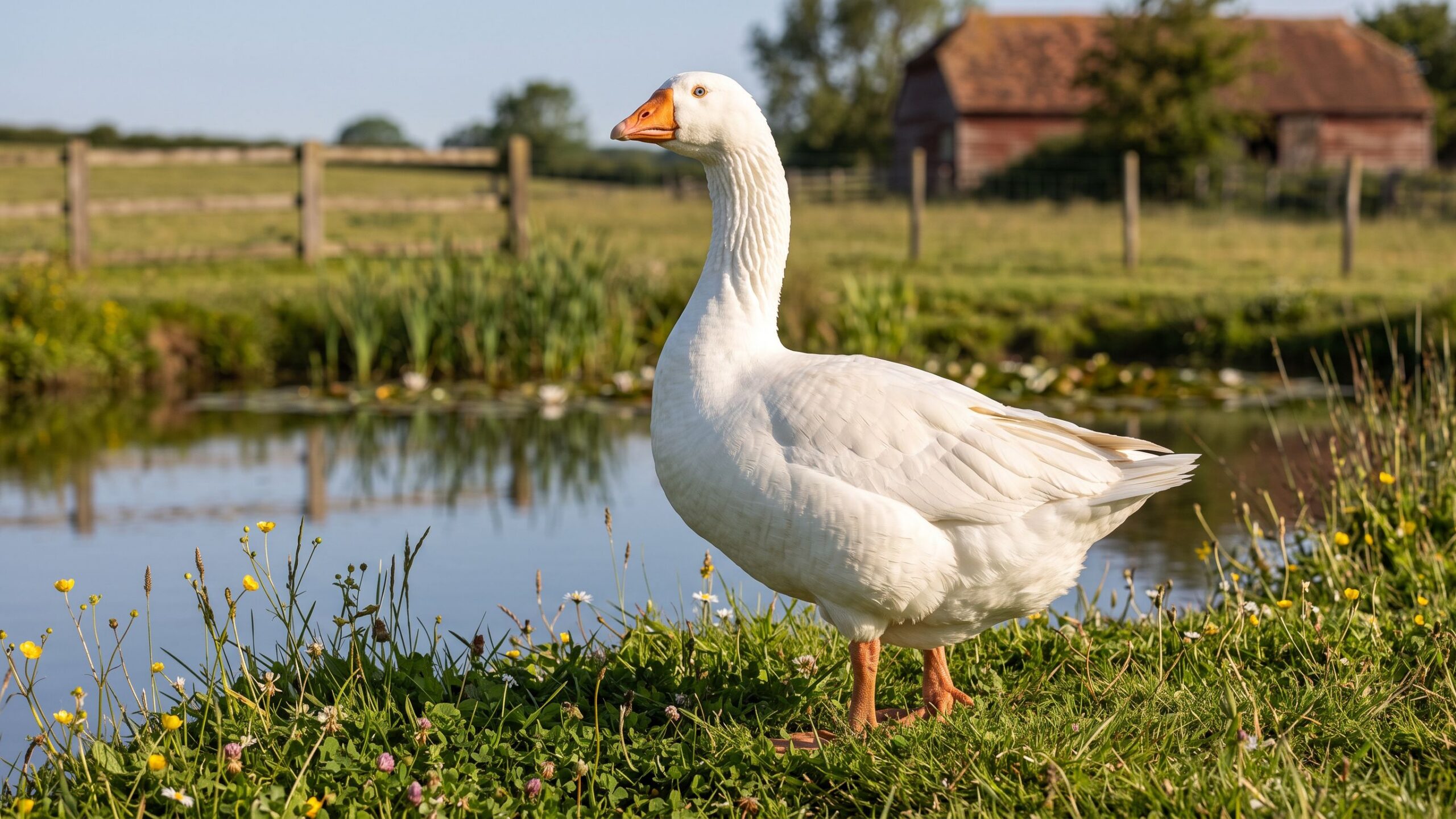
Geese possess a collection of anatomical adaptations that allow them to walk, graze, swim, and communicate effectively. Their most recognizable physical feature is their long neck, which provides flexibility when reaching vegetation, grooming feathers, and observing their surroundings. Their bodies are generally broad and muscular, supported by relatively short but strong legs. Unlike chickens, geese possess webbed feet that allow them to propel themselves efficiently through water. Their bills are adapted for grasping and tearing vegetation, reflecting their largely herbivorous feeding habits. Small tooth-like structures called lamellae line portions of the bill and help geese grip and manipulate food. These structures are not true teeth, but they can make a goose’s bill surprisingly effective when pulling grass or investigating objects. Geese possess powerful wings covered with overlapping feathers that provide insulation, protection, and aerodynamic surfaces. Many heavy domestic breeds have limited flight ability because selective breeding increased their body mass, while lighter breeds may retain the ability to fly short distances. Their feathers are maintained through regular preening, supported by oils distributed from the preen gland near the tail. Geese also possess relatively broad fields of vision, allowing them to monitor their surroundings for movement and potential threats. Their body sizes vary considerably among breeds. Smaller domestic geese may weigh approximately 8–12 pounds, while large mature ganders of heavy breeds may exceed 20 pounds. Their combination of strong legs, webbed feet, protective plumage, and flexible necks reflects their evolutionary origins as adaptable waterfowl.
Popular Goose Breeds and Their Distinctive Characteristics
Domestic geese display a remarkable range of sizes, colors, body shapes, and personalities. Selective breeding has produced varieties suited to meat production, ornamental keeping, grazing, and small-scale farming. Embden geese are among the most recognizable heavy breeds, admired for their pure white plumage, orange bills, and substantial bodies. Mature Embden ganders commonly weigh approximately 20–26 pounds, making them impressive farm birds. Toulouse geese are another famous breed, originating in France and known for their gray plumage and large, rounded bodies. Certain exhibition Toulouse lines possess prominent dewlaps and particularly heavy builds. Chinese geese are distinguished by their long necks, relatively upright posture, and noticeable knobs at the bases of their bills. They are often considered active, vocal birds and are associated with comparatively strong egg production. African geese also possess prominent bill knobs and substantial bodies, although their breed development and appearance differ from those of Chinese geese. Pilgrim geese are particularly interesting because they are an autosexing breed, meaning males and females can often be distinguished by plumage coloration. Males are generally white, while females display gray coloring. American Buff geese possess attractive warm buff-colored feathers and are valued for their calm appearance and traditional farmyard appeal. Sebastopol geese are especially distinctive because of their long, curling feathers, which create an unusual ornamental appearance. Each breed offers different characteristics, and prospective owners should consider climate, temperament, space, productivity, and grooming needs before selecting birds. The diversity of domestic geese demonstrates how centuries of breeding have transformed wild waterfowl into a fascinating assortment of agricultural and ornamental animals.
Goose Intelligence: Remarkable Memories and Learning Abilities
Geese possess impressive cognitive abilities that contribute to their reputation as alert, observant, and sometimes surprisingly clever birds. Their intelligence is closely connected to their social behavior and evolutionary history as animals that depend on group coordination, environmental awareness, and strong family relationships. Geese can learn familiar routines, recognize feeding locations, and distinguish people they encounter regularly. Many domestic geese quickly associate particular sounds, movements, or times of day with feeding and other activities. Their ability to recognize familiar individuals helps explain why some geese respond calmly to regular caretakers while reacting loudly to strangers. Research involving geese and other waterfowl has explored social learning, navigation, recognition, and behavioral flexibility. Their natural vigilance requires them to monitor changing environments and respond appropriately to potential threats. Geese may also investigate unfamiliar objects, explore new areas, and learn from repeated experiences. Their strong memories can influence future behavior. A goose that has experienced rough handling may remain cautious around particular situations, while one raised with gentle, consistent interactions may become more comfortable with human presence. Environmental enrichment supports their mental well-being. Opportunities to graze, swim, explore safe areas, and interact with compatible companions encourage natural behavior. Their intelligence also means that confinement in monotonous environments can contribute to frustration or undesirable behavior. Understanding goose cognition helps caretakers appreciate these birds as thoughtful, socially aware animals rather than simply loud or territorial farmyard residents.
Goose Social Behavior: Strong Bonds, Flock Dynamics, and Family Relationships
Geese are highly social birds whose relationships influence nearly every aspect of their daily lives. Wild geese are famous for forming strong pair bonds and maintaining family groups during migration and seasonal movements. Domestic geese retain many of these instincts, often developing close relationships with mates and familiar flock companions. A bonded pair may spend substantial time together, moving, feeding, resting, and communicating in coordinated ways. Some geese maintain long-term pair relationships, although pair bonds can change depending on circumstances. Family bonds become especially noticeable during the breeding season, when adults may display strong protective behavior toward nests and goslings. Within larger groups, geese establish social relationships and may compete over food, resting locations, or access to mates. Dominance interactions can involve vocalizations, wing displays, chasing, or occasional physical confrontations. These behaviors are influenced by breed, sex, age, available space, and reproductive status. Geese generally benefit from living with compatible companions because isolation can contribute to distress and abnormal behavior. However, flock management requires attention to individual personalities and group composition. Intact ganders may become particularly assertive during breeding periods, and overcrowding can increase aggression. Providing sufficient grazing space, multiple feeding locations, and opportunities to retreat from conflict helps maintain peaceful social interactions. Understanding goose relationships reveals an animal whose emotional and behavioral life is deeply connected to companionship, communication, and family structure.
Goose Communication: Honking, Hissing, and Body Language
Geese are among the most vocal animals commonly found on farms, using a wide range of sounds and physical signals to communicate. Their most recognizable vocalization is the honk, which can vary in pitch, intensity, and rhythm depending on the situation. Geese may honk to maintain contact with companions, announce unfamiliar activity, express excitement, or communicate during movement. Different breeds possess distinctive vocal tendencies, with some Chinese geese being especially well known for their frequent calls. Hissing is another important signal, often associated with discomfort, defensiveness, or a desire to increase distance from a perceived threat. A goose that stretches its neck forward, lowers its head, opens its wings, or advances while hissing may be warning an approaching person or animal to move away. These behaviors are particularly common during nesting and gosling-rearing periods. Geese also communicate through quieter contact calls and subtle body movements. Parents and goslings maintain contact through recognizable vocalizations, helping family members remain together during feeding and movement. Wing displays, head movements, posture changes, and coordinated flock behavior provide additional information about social intentions. Learning to recognize these signals helps owners distinguish normal communication from escalating aggression or distress. Goose vocalizations are not simply random noise. They form an important communication system that supports flock cohesion, reproductive behavior, and responses to environmental changes.
Why Geese Love Water: Swimming, Preening, and Natural Instincts
Geese are waterfowl, and their relationship with water plays an important role in their natural behavior and physical well-being. Their webbed feet allow them to swim efficiently, while their buoyant bodies and specialized feathers help them remain comfortable in aquatic environments. Water provides opportunities for bathing, preening, social interaction, and exploration. Geese regularly clean their feathers by splashing, dipping their heads, and moving water across their bodies. After bathing, they often preen carefully, arranging feathers and distributing oils from the preen gland. This maintenance helps preserve feather condition and water resistance. Although domestic geese can obtain much of their food through grazing on land, access to clean water remains important for natural behavior. A large pond is not always necessary, but geese should have access to water deep enough to immerse their heads fully and clean their nostrils and eyes. Suitable bathing areas can provide additional welfare benefits when maintained hygienically. Water containers should be designed to prevent contamination and allow safe access. Geese may also use water during courtship and mating, although reproductive behavior can occur on land as well. Their enthusiasm for splashing and bathing can create muddy conditions around water sources, making drainage and regular cleaning important. Providing appropriate water access allows domestic geese to express behaviors closely connected to their evolutionary history as aquatic birds.
What Do Geese Eat? Nutrition and Natural Grazing
Geese are primarily herbivorous birds that naturally consume grasses, tender shoots, leaves, and other suitable vegetation. Their grazing habits distinguish them from many other domestic poultry species. Geese possess strong bills and specialized feeding structures that allow them to grasp and tear grass efficiently. When provided with suitable pasture, they may spend substantial portions of the day grazing. However, pasture quality varies according to season, climate, and management conditions, and grass alone may not meet every nutritional requirement. Domestic geese require balanced diets containing appropriate energy, protein, vitamins, and minerals. Commercial waterfowl or suitable poultry feeds can provide nutritional support when grazing is insufficient. Growing goslings, breeding adults, and laying females have different nutritional requirements. Calcium is particularly important during egg production because it supports healthy shell formation. Fresh drinking water must always be available, especially during feeding, because geese use water to help swallow and clear food from their bills. Small quantities of appropriate vegetables and leafy greens can provide variety, but excessive treats should not replace balanced nutrition. Owners should avoid moldy feed, spoiled food, and potentially toxic plants. Bread is not an appropriate staple food because it provides poor nutritional balance and can displace healthier foods. Geese also require suitable grit when consuming certain whole grains or fibrous materials. Proper nutrition supports healthy feather growth, reproductive performance, strong bones, and long-term well-being.
Goose Eggs: Large, Rich, and Surprisingly Fascinating
Goose eggs are among the most distinctive products associated with domestic waterfowl. Considerably larger than chicken eggs, they possess thick shells, substantial yolks, and rich culinary characteristics. A typical goose egg may weigh approximately 5–7 ounces, although size varies according to breed, age, and individual bird. Their shells are commonly white or cream-colored and can be noticeably thicker than those of chicken eggs. Goose eggs contain protein, fats, vitamins, and minerals, and their relatively large yolks make them appealing for certain baking applications and specialty dishes. However, geese generally lay far fewer eggs annually than domestic chickens or highly productive duck breeds. Egg production varies considerably among goose breeds. Some heavy breeds may produce approximately 20–40 eggs per season, while more productive lines may lay substantially more under favorable conditions. Many geese are seasonal layers, with egg production increasing during particular times of the year as daylight and reproductive hormones change. Female geese do not require males to produce eggs, although fertile eggs require successful mating. Eggs should be collected carefully, handled hygienically, and stored appropriately. As with other poultry eggs, thorough cooking helps reduce foodborne illness risks. Their impressive size, seasonal production, and distinctive culinary qualities make goose eggs an interesting aspect of small-scale farming and traditional food culture.
Goose Reproduction: Breeding, Nesting, and Incubation
Goose reproduction is strongly influenced by seasonal changes, social relationships, and environmental conditions. Many domestic geese breed primarily during late winter and spring, although timing varies according to breed, climate, and management practices. Female geese are called geese, while males are known as ganders. Ganders may become more vocal and protective during the breeding season, particularly when defending mates or nesting areas. Geese often form strong pair bonds, and established pairs may remain together across multiple breeding seasons. A nesting female typically seeks a sheltered location where she can arrange bedding materials and lay a clutch of eggs. Clutch size varies, but several eggs are common. Incubation generally lasts approximately 28–35 days, depending on the breed and ancestral lineage. Many European domestic geese hatch after roughly 28–30 days, while some swan-goose-derived breeds may require slightly longer. Some domestic geese retain strong brooding instincts and will incubate their own eggs, while others may be less consistent. Artificial incubation is also used in managed breeding programs. Successful incubation requires appropriate temperature, humidity, ventilation, and egg turning. Newly hatched goslings depend on warmth, protection, and suitable nutrition. Responsible breeding should prioritize healthy parent birds, appropriate flock ratios, and adequate facilities for offspring. Because adult geese can become protective during nesting, caretakers should approach breeding birds calmly and avoid unnecessary disturbances.
Raising Goslings: From Fluffy Hatchlings to Growing Geese
Goslings are among the most charming young birds found on farms, with their soft down, rounded bodies, curious expressions, and energetic movements. Unlike many songbirds, goslings are precocial, meaning they hatch with open eyes, down-covered bodies, and the ability to move relatively soon after emerging from the egg. However, they still depend on warmth, protection, and appropriate nutrition during early development. Newly hatched goslings should remain warm and dry until they are ready for suitable brooding conditions. When raised artificially, they require a carefully managed heat source and sufficient space to move toward or away from warmth. Their behavior helps indicate comfort. Goslings that crowd tightly beneath the heat source may be cold, while those that pant or remain far away may be overheated. Proper flooring is important because slippery surfaces can contribute to leg problems. Young goslings require balanced waterfowl starter feed, with attention to adequate niacin and other nutrients essential for healthy development. Fresh drinking water must be available in containers designed to prevent drowning and excessive soaking. Goslings grow rapidly and soon begin exploring grass and other suitable vegetation. Their natural grazing instincts emerge early, and they may eagerly follow familiar caretakers or adult geese. This following behavior is influenced by early social learning and imprinting. As they develop feathers and greater temperature regulation, goslings become increasingly capable of spending time outdoors under appropriate conditions. Raising healthy goslings requires attention to warmth, nutrition, water safety, social development, and predator protection.
Goose Housing: Creating a Safe and Comfortable Farm Environment
Domestic geese require housing that accommodates their substantial bodies, active grazing behavior, and strong social instincts. Although geese are often hardy birds, they still need protection from severe weather, predators, and unsuitable living conditions. A well-designed shelter should provide dry resting areas, adequate ventilation, and protection from strong winds and heavy precipitation. Geese generally prefer sleeping on the ground rather than using elevated roosting bars like chickens. Clean bedding, such as suitable straw or other absorbent materials, helps maintain comfort and hygiene. Outdoor enclosures should provide sufficient room for walking, grazing, bathing, and social interaction. Space requirements vary according to breed size, pasture quality, flock composition, and environmental conditions. Secure fencing is important because domestic geese may wander, and predators can threaten both adults and goslings. Foxes, coyotes, dogs, raccoons, and other animals may pose risks depending on the region. Predator-resistant nighttime housing can provide additional protection. Water sources should be managed carefully because geese frequently splash and create wet conditions around drinking and bathing areas. Good drainage helps reduce mud accumulation and sanitation problems. Shade is important during hot weather, while protected shelter supports comfort during colder seasons. Geese also benefit from varied environments containing grazing areas, safe resting spaces, and opportunities to explore. Thoughtful housing design supports natural behavior while reducing preventable injuries and health problems.
Goose Grooming, Feather Care, and Everyday Maintenance
Geese devote considerable time to maintaining their feathers, using their bills to clean, align, and condition their plumage. This natural grooming behavior, known as preening, is essential for feather health and insulation. During preening, geese distribute oils from the preen gland and remove debris from their feathers. Access to suitable bathing water supports this process by allowing birds to wash and rearrange their plumage. Unlike wool-producing animals, geese do not require routine shearing or clipping for basic coat maintenance. However, caretakers should monitor feather condition, skin health, and general appearance. Damaged feathers, excessive feather loss, or unusual bald patches may indicate stress, nutritional deficiencies, parasites, or other health problems. Geese undergo molting, a natural process in which old feathers are replaced with new ones. During this period, feather appearance may become uneven, and birds may temporarily lose some flight ability. Proper nutrition supports healthy feather regrowth. Foot care is another important consideration. Geese can develop foot injuries or infections, particularly when housed on persistently wet, dirty, or abrasive surfaces. Regular inspection helps identify swelling, cuts, or signs of bumblefoot. Their bills and eyes should also be observed for unusual changes. Daily cleaning of water containers and regular bedding maintenance reduce contamination and support flock health. Consistent observation, appropriate bathing opportunities, and clean housing help geese maintain their natural appearance and physical comfort.
Goose Health: Common Illnesses and Important Warning Signs
Geese are generally resilient birds when provided with appropriate nutrition, housing, and preventive care. However, they remain vulnerable to several diseases and health conditions that require early recognition. Common concerns include respiratory infections, intestinal parasites, nutritional deficiencies, foot injuries, and reproductive complications. Young goslings may develop leg weakness or growth problems when diets lack essential nutrients, including adequate niacin. Adult geese can experience foot infections such as bumblefoot, particularly when standing on unsuitable surfaces. Reproductive problems, including egg-binding, may occur in laying females and can become serious without prompt veterinary attention. Geese are also susceptible to certain infectious poultry diseases, including avian influenza. Because disease risks vary by region, biosecurity and veterinary guidance are important components of responsible flock management. New birds should be quarantined appropriately before joining established groups, and equipment should be cleaned regularly. Healthy geese are usually alert, responsive, and interested in their surroundings. Warning signs of illness may include reduced appetite, unusual inactivity, difficulty breathing, persistent diarrhea, lameness, or separation from the flock. Birds often conceal weakness, making subtle behavioral changes especially important. Sudden deaths, neurological symptoms, or multiple sick birds require urgent veterinary assessment and may warrant contacting appropriate animal health authorities. Preventive care, balanced nutrition, clean water, secure housing, and consistent observation help maintain healthy geese throughout their lives.
Geese Through the Seasons: Weather, Molting, and Natural Adaptation
Seasonal changes influence goose behavior, reproduction, feather condition, and management requirements. Many domestic geese retain biological rhythms inherited from wild migratory ancestors, including seasonal breeding and molting patterns. During winter, geese may tolerate cool conditions reasonably well because of their insulating feathers and natural waterfowl adaptations. However, prolonged exposure to wet bedding, freezing water, or severe storms can create health risks. Dry shelter, adequate forage, and unfrozen drinking water remain essential. Spring often brings increased reproductive activity, nesting behavior, and the arrival of goslings. Ganders may become more protective during this period, requiring additional caution around nesting areas. Summer introduces concerns involving heat stress, water quality, and parasite activity. Geese benefit from shade, ventilation, and opportunities to bathe during warm weather. Molting may occur after the breeding season, with birds replacing worn feathers and temporarily appearing less tidy. Autumn often brings changes in grazing conditions as vegetation growth slows. Nutritional supplementation may become necessary when pasture quality declines. Although many domestic geese no longer migrate, they may retain behavioral responses to seasonal daylight changes. Understanding these patterns helps caretakers anticipate reproductive behavior, dietary adjustments, and environmental challenges. Appropriate seasonal management allows geese to remain healthy and comfortable throughout the year.
Are Geese Good Pets? Understanding Their Personalities and Responsibilities
Geese can make rewarding companion animals for people who appreciate intelligent, social, and highly expressive birds. Many domestic geese become familiar with regular caretakers and may approach them eagerly, especially when positive interactions are associated with feeding or routine care. Some geese develop strong attachments to particular people or companions, while others remain more independent. However, geese are not universally gentle or suitable for frequent physical handling. Their protective instincts can become especially pronounced during breeding and nesting periods. A goose that hisses, spreads its wings, or advances toward someone may be communicating a need for distance. Families should supervise interactions between geese and children because these birds can nip, strike with their wings, or knock smaller children off balance. Geese also require companionship, and keeping a single goose without suitable social partners is generally inappropriate. Their vocal nature should be considered carefully, particularly in residential areas where loud honking may disturb neighbors. Prospective owners should investigate local zoning regulations, available grazing space, predator risks, and veterinary access before acquiring birds. Domestic geese commonly live approximately 10–20 years with proper care, and some individuals may live considerably longer. Their lifespan represents a meaningful commitment. For dedicated owners, geese offer fascinating social interactions, distinctive personalities, and the opportunity to observe one of the most intelligent groups of domestic waterfowl.
Fascinating Goose Facts That May Surprise You
Geese possess numerous extraordinary characteristics that make them stand out among domestic birds. One of their most remarkable features is their ability to form strong pair bonds, sometimes maintaining relationships across multiple breeding seasons. Their family connections can be equally impressive, with parents protecting and guiding goslings during early development. Geese also possess excellent hearing and strong environmental awareness, helping explain their reputation as alert farmyard animals. Their distinctive honking calls serve important social functions and can communicate information across considerable distances. Another fascinating characteristic is their grazing ability. Unlike many poultry species, geese consume substantial quantities of grass and can spend hours feeding across suitable pastures. Their bills contain lamellae that help them grasp and tear vegetation, although these structures are not true teeth. Domestic geese also display impressive physical diversity, ranging from large white Embdens to elegant Chinese geese and ornamental Sebastopols with curling feathers. Their webbed feet and specialized plumage make them efficient swimmers, while their preening behavior helps maintain feather condition. Some lighter domestic breeds retain limited flight ability, while heavier breeds are generally less capable of sustained flight. Geese can recognize familiar individuals and learn routines, making them surprisingly interactive farm animals. Their combination of intelligence, strong social relationships, distinctive anatomy, and agricultural usefulness reveals a fascinating world far beyond their familiar honking calls.
Geese in Agriculture, Culture, and Human History
Geese have played important roles in agriculture and human culture for thousands of years. Ancient societies raised them for meat, eggs, feathers, and down, while their alert behavior made them useful around farms and settlements. Goose feathers were historically used in bedding, clothing, and writing instruments, including quill pens. Their down remains valued for insulation in certain products, although animal welfare concerns have increased attention to responsible sourcing and alternative materials. Geese have also appeared in folklore, mythology, literature, and traditional celebrations. Their reputation for vigilance contributed to stories involving sacred geese and the defense of ancient Rome. In agricultural settings, geese have sometimes been used for vegetation management because of their enthusiasm for grazing. Historically, certain farms employed geese to help control weeds in crops, although their effectiveness depends on crop type, timing, and careful management. Modern goose farming continues in various regions for meat, eggs, breeding, and specialty agricultural products. Heritage breed conservation has also become increasingly important as some traditional goose populations decline. Maintaining genetic diversity helps preserve distinctive characteristics associated with climate adaptation, temperament, productivity, and appearance. As interest in small-scale farming grows, geese continue to attract attention for their practical value and remarkable personalities. Their enduring relationship with humans reflects a combination of agricultural usefulness, cultural significance, and the fascination inspired by these bold, intelligent birds.
Conclusion: Why Geese Are Extraordinary Farm Birds
Geese are far more than loud, protective birds wandering across pastures and ponds. Their ancient history, remarkable intelligence, strong family relationships, distinctive anatomy, and impressive grazing abilities make them some of the most fascinating animals in the farmyard. From their wild greylag and swan goose ancestors to the remarkable diversity of domestic breeds recognized today, geese represent thousands of years of adaptation, selective breeding, and human partnership. Their ability to recognize familiar individuals, communicate through varied vocalizations, maintain pair bonds, and protect their offspring reveals a complex social world that deserves appreciation. Their webbed feet, specialized bills, insulating feathers, and natural affinity for water demonstrate an extraordinary combination of biological adaptations. However, responsible goose ownership requires more than providing pasture and a pond. These birds need balanced nutrition, secure housing, clean water, companionship, appropriate veterinary care, and environments that support their natural behaviors. Their strong personalities and protective instincts also require respectful handling and thoughtful flock management. Whether admired for their beauty, appreciated for their agricultural contributions, or welcomed as engaging companions, geese offer countless opportunities for learning and discovery. At Duffy Street, exploring farm animals means recognizing the remarkable characteristics that make every species unique. Geese remind us that intelligence, loyalty, confidence, and family devotion can be found throughout the animal kingdom, sometimes announced by an unmistakable honk echoing across the countryside.
Pet Product Reviews
Explore Duffy Street’s Pet Product Reviews! Sniff out the top-rated toys, treats, gear, and gadgets for your pets with our fun, easy-to-read comparisons. We’ve done the digging so you can find the perfect products for your pet friends!