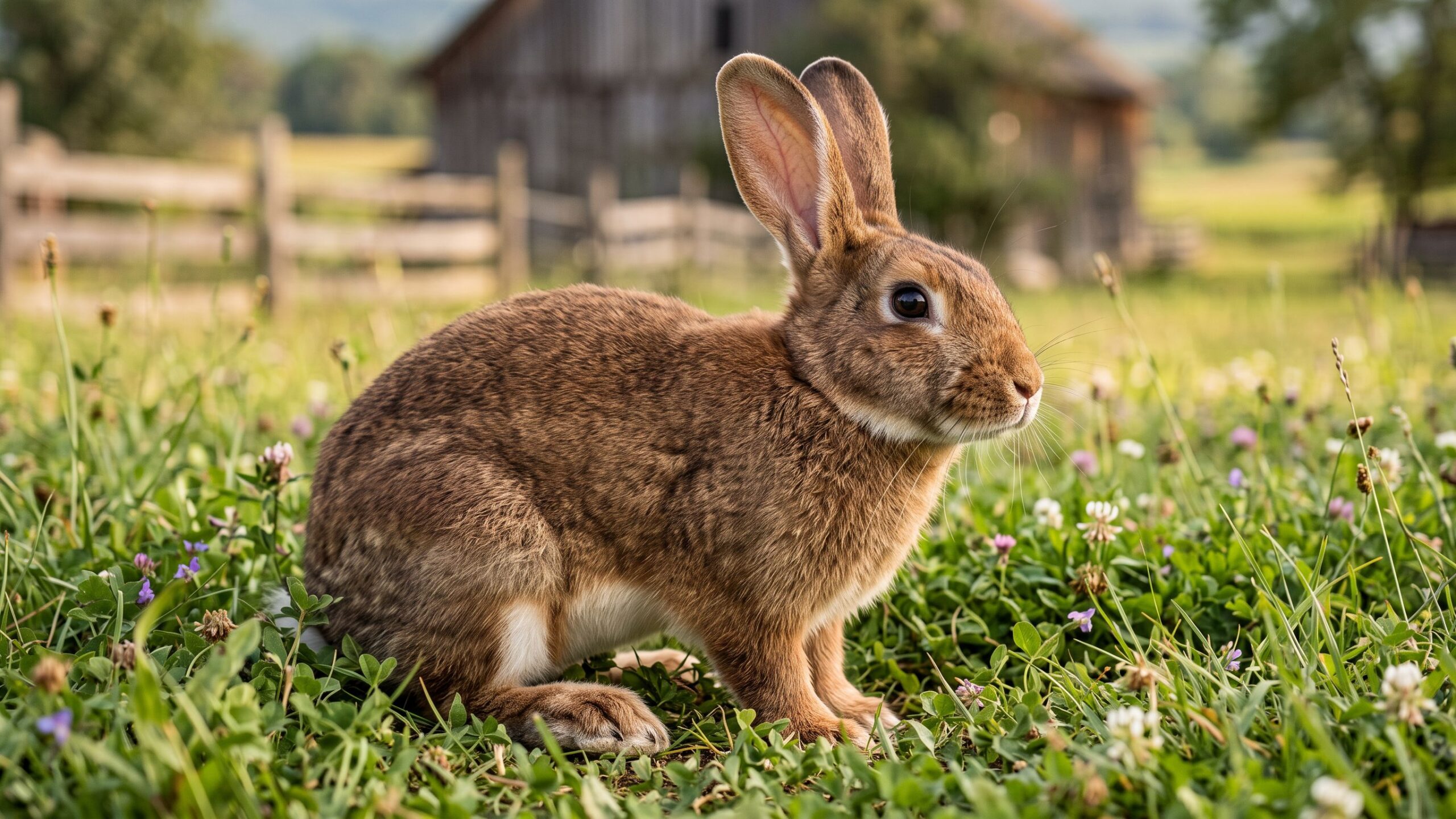
Few animals capture the imagination quite like rabbits. With their velvety fur, expressive ears, twitching noses, and remarkable ability to leap across grassy fields, rabbits have become beloved symbols of gentleness, curiosity, and countryside life. Yet beneath their charming appearance lies an extraordinary animal with complex social relationships, specialized digestive biology, impressive intelligence, and natural instincts shaped by millions of years of evolution. The domestic rabbit, scientifically classified as Oryctolagus cuniculus domesticus, is the domesticated form of the European rabbit, Oryctolagus cuniculus. Rabbits belong to the family Leporidae within the order Lagomorpha, which also includes hares and several related species. Although rabbits are often mistaken for rodents, they belong to a separate evolutionary group distinguished by important anatomical characteristics, including an additional pair of small upper incisors located behind their main front teeth. Domestic rabbits have been selectively bred for centuries, producing an extraordinary variety of breeds differing in size, coat texture, coloration, ear shape, and temperament. Some rabbits are raised for companionship, while others have historically been associated with fiber production, agricultural exhibitions, or meat production. Regardless of their purpose, rabbits remain intelligent, sensitive animals with highly specialized care requirements. Their social nature, powerful hind legs, unusual digestive systems, and remarkable reproductive abilities make them fascinating subjects for anyone interested in farm animals. Understanding their history, biology, behavior, and welfare needs reveals why rabbits deserve far more recognition than their familiar image as adorable, fluffy creatures might suggest.
A: Many well-cared-for domestic rabbits live approximately 8–12 years, although longevity varies with breed, genetics, diet, and veterinary care.
A: Mini Rex, Dutch, and certain other medium-sized breeds are often considered by beginners, but individual temperament, grooming needs, and proper handling matter more than breed alone.
A: Rabbits are social animals and often benefit from a compatible, properly bonded rabbit companion. Introductions should be gradual, and reproductive status must be managed carefully.
A: Most healthy adult rabbits need unlimited grass hay, fresh water, suitable leafy greens, and measured portions of plain rabbit pellets.
A: RHDV2 vaccination is an important preventive measure where available. Other vaccination recommendations depend on local disease risks and veterinary guidance.
A: Yes. Many rabbits learn to use litter boxes, especially when provided with suitable litter, consistent routines, and appropriate enclosure arrangements.
A: Many rabbits prefer interacting with people at ground level rather than being picked up. Handling should always support the body and hindquarters securely.
A: Domestic rabbit litters commonly contain approximately 4–12 kits, although litter size varies considerably by breed, age, and individual circumstances.
A: Rabbits can be housed outdoors only when their environment provides appropriate space, weather protection, predator security, temperature control, and regular monitoring. Indoor housing is often easier to manage safely.
A: Warning signs include reduced appetite, fewer droppings, hunched posture, tooth grinding associated with pain, difficulty breathing, head tilt, or unusual lethargy. Not eating or passing droppings is an urgent veterinary concern.
The Ancient Origins and Domestication of Rabbits
The history of domestic rabbits begins with wild European rabbits inhabiting the Iberian Peninsula and surrounding regions. These animals developed in environments where open grasslands, scrubland, and underground burrow systems provided food and protection from predators. Wild European rabbits are social animals that often live in colonies, constructing networks of tunnels and chambers known as warrens. Their ability to reproduce rapidly and adapt to changing environments contributed to their success across parts of Europe. Human interactions with rabbits began long before formal domestication. Ancient communities hunted rabbits for food and used their skins for practical purposes. The Romans maintained rabbits in enclosed areas, although these early management practices were different from the selective breeding associated with modern domestication. The process of domesticating rabbits occurred gradually over many centuries, particularly in Europe, where rabbits were increasingly managed for food, fur, and eventually ornamental characteristics. Historical accounts often associate rabbit breeding with medieval monasteries, but the exact timeline and circumstances of domestication remain subjects of scientific investigation. As breeding practices developed, people selected rabbits for particular body sizes, coat colors, fur qualities, and temperaments. These efforts eventually produced the remarkable diversity of domestic rabbit breeds recognized today. Rabbits spread to different continents through human migration, trade, and agricultural expansion. In some regions, introduced rabbits became invasive and caused significant ecological damage, demonstrating their impressive reproductive abilities and adaptability. Modern domestic rabbits retain many behaviors inherited from their wild ancestors, including digging, chewing, territorial marking, hiding, and seeking companionship. Their history illustrates the complicated relationship between humans, domestication, and the natural instincts that continue to shape rabbit behavior.
Rabbit Anatomy: Understanding Their Remarkable Physical Features
Rabbits possess a fascinating collection of anatomical adaptations that allow them to move quickly, detect danger, and survive as specialized herbivores. Their most recognizable features are their long ears, which serve important functions beyond giving rabbits their distinctive appearance. Rabbit ears contain extensive blood vessels that help regulate body temperature by allowing excess heat to dissipate. Their ears can also rotate independently, helping rabbits detect sounds from different directions without turning their entire bodies. Their eyes are positioned toward the sides of their heads, providing a broad field of vision that helps them monitor their surroundings for predators. Rabbits possess powerful hind legs designed for rapid acceleration, jumping, and sudden changes in direction. Their front legs are shorter and assist with digging, grooming, and movement. Unlike many other mammals, rabbits have continuously growing teeth that require regular wear through chewing appropriate fibrous foods. Their digestive systems are equally specialized. Rabbits are hindgut fermenters, meaning microbial fermentation occurs primarily in a large structure called the cecum. This process allows them to extract nutrients from plant materials that would otherwise be difficult to digest. Another remarkable adaptation involves their production of cecotropes, nutrient-rich droppings that rabbits normally consume directly from the anus. This behavior allows them to recover vitamins, microbial protein, and other valuable nutrients. Rabbit fur varies dramatically among breeds, ranging from short, dense coats to exceptionally long fibers. Their tails are typically short and rounded, although wild rabbits often display contrasting tail coloration that may function as a visual signal during escape. These adaptations reveal an animal uniquely designed for vigilance, efficient digestion, and rapid movement.
Popular Rabbit Breeds and Their Distinctive Characteristics
Domestic rabbits display an extraordinary variety of sizes, colors, coat textures, and personalities. Selective breeding has produced everything from tiny dwarf rabbits weighing only a few pounds to giant breeds capable of exceeding 15 pounds. The Holland Lop is among the most recognizable companion breeds, admired for its compact body, rounded face, and distinctive drooping ears. Holland Lops typically weigh approximately 2–4 pounds when mature and are popular among enthusiasts who appreciate their manageable size. Netherland Dwarf rabbits are even smaller, often weighing approximately 1–2.5 pounds. Their short ears, compact bodies, and expressive faces make them especially distinctive. Mini Rex rabbits are celebrated for their remarkably soft, plush coats, which have a velvety texture created by the unusual structure of their fur. Lionhead rabbits possess a distinctive mane of longer hair around the head and neck, giving them an appearance reminiscent of a miniature lion. Flemish Giants represent the opposite end of the size spectrum. These impressive rabbits commonly weigh 13–20 pounds or more and are known for their substantial bodies and generally calm reputations. Angora rabbits are famous for their long, luxurious fiber, which requires extensive grooming and specialized maintenance. Californian and New Zealand rabbits are historically associated with commercial rabbit production, although they may also be kept for exhibition or companionship. Each breed possesses its own combination of physical characteristics and management considerations. However, breed alone does not guarantee temperament. Individual personality, socialization, handling experiences, and environmental conditions all influence behavior. Choosing the right rabbit requires considering available space, grooming requirements, veterinary access, and the owner’s ability to provide long-term care.
Rabbit Intelligence: Clever Minds Behind Those Twitching Noses
Rabbits are frequently underestimated when discussions turn to animal intelligence. Their quiet behavior and cautious nature can create the impression that they are simple animals motivated primarily by food and instinct. In reality, rabbits possess learning abilities, strong memories, and impressive environmental awareness. Domestic rabbits can learn to recognize familiar people, respond to consistent routines, and associate particular sounds or activities with rewards. Many rabbits can be trained to use litter boxes, especially after appropriate neutering or spaying, and some can learn simple cues through positive reinforcement. Their natural curiosity encourages them to investigate unfamiliar objects, explore safe environments, and search for hidden food. Rabbits are also capable of remembering important locations within their surroundings, including hiding places, feeding areas, and familiar pathways. Their intelligence is closely connected to their evolutionary history as prey animals. Rabbits often approach new situations cautiously because rapid threat detection and careful decision-making are essential survival strategies. Their behavior may appear timid, but caution should not be confused with an inability to learn. Environmental enrichment helps support their cognitive well-being. Cardboard tunnels, safe chew toys, digging boxes, and food-searching activities provide opportunities for exploration and problem-solving. Rabbits may also develop preferences for particular toys, resting locations, and companions. Understanding rabbit intelligence encourages caretakers to provide stimulating environments rather than treating rabbits as animals content to remain confined in small cages. Their ability to learn, adapt, and interact with their surroundings makes them engaging companions with complex behavioral needs.
Rabbit Social Behavior: Companionship, Bonding, and Communication
Rabbits are naturally social animals, and their relationships with other rabbits play an important role in their emotional and behavioral well-being. Wild European rabbits commonly live in social colonies, where individuals interact through grooming, scent marking, body language, and territorial behavior. Domestic rabbits retain many of these instincts and often benefit from living with a compatible rabbit companion. Bonded rabbits may groom one another, rest side by side, share exploration activities, and seek comfort through physical closeness. However, successful rabbit companionship requires careful introductions because unfamiliar rabbits may initially display territorial behavior or aggression. Spaying and neutering are generally important steps in responsible rabbit bonding, helping reduce reproductive risks and some hormone-related conflicts. Introductions should occur gradually in appropriately managed neutral environments. Rabbits also establish social relationships through subtle signals. One rabbit may lower its head to request grooming, while another may respond by licking its companion’s forehead or ears. Chasing, mounting, or brief posturing can occur during bonding, but persistent fighting or injuries require immediate separation. Rabbits should never be forced into close contact when aggressive behavior is escalating. Although human companionship can be meaningful, it does not always replace the behavioral benefits of a compatible rabbit partner. Owners should consider each rabbit’s temperament, health, and previous social experiences when planning introductions. Understanding rabbit social behavior reveals that these animals are not naturally solitary creatures content with minimal interaction. Their relationships can be affectionate, complicated, and deeply important to their quality of life.
Rabbit Communication: Understanding Thumping, Purring, and Body Language
Rabbits communicate through a fascinating combination of body movements, subtle sounds, facial expressions, and scent signals. Unlike many farm animals, rabbits are often relatively quiet, making their physical behavior especially important for understanding their emotional states. One of their most recognizable communication behaviors is thumping. A rabbit may strike the ground forcefully with its hind feet to signal alarm, express agitation, or respond to something unfamiliar. This behavior reflects the warning signals used by wild rabbits when detecting potential danger. Rabbits also produce soft tooth-purring sounds by gently grinding their teeth when relaxed or content. However, loud or forceful tooth grinding may indicate pain, particularly when accompanied by reduced appetite, hunched posture, or inactivity. Body positioning provides additional clues. A relaxed rabbit may stretch out comfortably, rest with its legs extended, or perform a sudden joyful leap known as a binky. During a binky, the rabbit may jump into the air, twist its body, and kick its feet in an energetic display often associated with excitement. Rabbits may also nudge people or companions with their noses, lick familiar individuals, or gently investigate objects through sniffing. Flattened ears, tense posture, wide eyes, or repeated attempts to hide can indicate fear or discomfort. Scent marking plays an important role in territorial communication, with rabbits using glands located around the chin and other areas to leave chemical signals. Learning to recognize these behaviors allows caretakers to understand their rabbits more accurately and respond to their needs with greater sensitivity.
What Do Rabbits Eat? Nutrition, Hay, and Healthy Digestion
Proper nutrition is one of the most important foundations of rabbit health. Rabbits are specialized herbivores whose digestive systems depend on a consistent supply of fibrous plant material. For most healthy adult domestic rabbits, unlimited access to high-quality grass hay should form the foundation of the diet. Timothy, orchard grass, and meadow hay are common options. Hay provides essential fiber that supports normal intestinal movement and helps wear down continuously growing teeth. Fresh leafy greens can contribute additional nutrients and variety, while a measured quantity of appropriate rabbit pellets may help meet nutritional requirements. Young, growing, pregnant, or lactating rabbits have different dietary needs and may benefit from feeding plans that include alfalfa-based products under appropriate guidance. Fresh drinking water must always be available. Rabbits should not be fed diets dominated by carrots, fruit, seeds, or commercial treats. Although carrots are strongly associated with rabbits in popular culture, their sugar content makes them better suited to occasional small treats than everyday staples. Sudden dietary changes can disrupt the delicate balance of microorganisms in the rabbit’s digestive system. Foods such as chocolate, onions, and certain ornamental plants should be avoided because they may be harmful or toxic. Another essential aspect of rabbit digestion involves cecotrophy, the normal consumption of nutrient-rich cecotropes. This process allows rabbits to recover vitamins and other nutrients produced through fermentation. A rabbit that stops eating or producing normal droppings may be experiencing a serious medical emergency. Understanding the relationship between fiber, dental wear, and digestive function is essential for responsible rabbit care.
Rabbit Reproduction: Understanding Breeding, Pregnancy, and Kindling
Rabbits are famous for their reproductive abilities, a characteristic that has influenced their success in both natural and domestic environments. Female rabbits are called does, males are known as bucks, and newborn rabbits are called kits. Domestic rabbits can reach sexual maturity relatively young, although the exact timing varies according to breed size and individual development. Smaller breeds may mature earlier than larger breeds. Unlike many mammals that ovulate according to a regular cycle, rabbits are induced ovulators, meaning ovulation is generally triggered by mating. Their gestation period averages approximately 31 days, making pregnancy relatively short compared with many other domestic mammals. Litter sizes vary widely according to breed, age, genetics, and maternal condition. A doe may produce several kits in a single litter, although small and large litters are both possible. Before giving birth, a pregnant doe may begin gathering nesting materials and pulling fur from her body to line a sheltered nesting area. The birthing process is commonly called kindling. Newborn kits are typically born blind, deaf, and nearly hairless, making them entirely dependent on their mother’s care. Mother rabbits usually nurse their young only briefly once or twice per day, a behavior that can surprise inexperienced owners. Responsible breeding requires careful attention to maternal health, appropriate nutrition, genetics, and the long-term welfare of offspring. Unplanned reproduction can quickly create serious housing and care challenges, making spaying and neutering important considerations for companion rabbits.
Raising Baby Rabbits: From Fragile Kits to Curious Youngsters
The early development of baby rabbits is a remarkable process that transforms fragile newborn kits into energetic, independent youngsters within a relatively short period. At birth, domestic rabbit kits are typically blind, nearly hairless, and unable to regulate their body temperature effectively. They depend on a warm, secure nest and their mother’s milk for survival. A healthy mother usually provides sufficient care without constant human intervention, although owners should monitor the nest and seek veterinary guidance when problems arise. Newborn kits generally begin developing visible fur within their first week, while their eyes typically open around 10 days of age. As they grow, they become increasingly active, exploring the nest and eventually venturing into their surroundings. Their digestive systems develop gradually, and they begin investigating solid foods while continuing to nurse. Young rabbits require appropriate nutrition, clean housing, and protection from temperature extremes. Weaning should not occur prematurely because early separation can interfere with nutritional development and digestive health. By approximately eight weeks of age, many domestic kits are capable of independent feeding, although breed and individual development may influence timing. Socialization during early life can help rabbits become more comfortable with gentle handling and routine human interactions. However, young rabbits should never be handled roughly or subjected to unnecessary stress. Their delicate skeletons and powerful hind legs make improper restraint particularly dangerous. Raising healthy kits requires patience, careful observation, and an understanding of their rapid physical and behavioral development.
Rabbit Housing: Creating a Safe, Spacious, and Comfortable Environment
A suitable rabbit enclosure must provide far more than a small cage containing food and water. Rabbits are active animals that require enough room to hop, stretch, stand upright, explore, and engage in natural behaviors. Traditional small hutches often fail to provide adequate space for long-term welfare. Modern rabbit care emphasizes spacious living areas with attached exercise space or appropriately rabbit-proofed indoor environments. Housing should include secure hiding places, comfortable resting surfaces, suitable flooring, and opportunities for enrichment. Wire flooring can contribute to foot injuries and should not serve as the primary surface for rabbits. Solid, supportive flooring with appropriate traction is generally preferable. Rabbits are also sensitive to environmental temperatures, particularly excessive heat. Their thick fur and limited ability to release heat make overheating a serious concern. Outdoor housing requires protection from direct sunlight, rain, wind, predators, and extreme weather. Indoor rabbits benefit from safe environments free of exposed electrical cords, toxic plants, and chewable hazards. Because rabbits naturally dig and chew, enclosures should be constructed from durable, non-toxic materials. Litter boxes can help maintain cleanliness, and many rabbits learn to use them consistently. Suitable bedding and regular cleaning reduce moisture buildup and support hygiene. Rabbits also need safe opportunities for exercise outside their primary resting areas. Tunnels, platforms, cardboard structures, and digging opportunities can provide valuable stimulation. A well-designed rabbit environment balances physical safety, comfort, social interaction, and the freedom to express natural behavior.
Rabbit Grooming: Fur Care, Nail Trimming, and Everyday Maintenance
Rabbit grooming requirements vary considerably according to breed, coat type, and individual health. Short-haired rabbits generally require regular brushing, particularly during seasonal shedding, while long-haired breeds may need daily attention to prevent matting. Angora rabbits are especially demanding because their long fiber can become tangled and uncomfortable without consistent grooming. Rabbits naturally groom themselves and their companions, but human assistance remains important for maintaining coat condition and detecting potential problems. Excessive loose fur may be swallowed during grooming, making appropriate brushing particularly useful during heavy shedding periods. However, hair accumulation in the digestive tract is often associated with underlying gastrointestinal motility problems rather than simply excessive grooming. Rabbits also require periodic nail trimming because overgrown nails can affect movement and increase the risk of injury. Their teeth should be monitored indirectly through appetite, chewing behavior, and veterinary examinations, since dental abnormalities may develop even when the visible front teeth appear normal. Owners should never attempt to trim rabbit teeth at home. The skin around the hindquarters should be inspected regularly, particularly in rabbits with mobility problems or difficulty grooming. Soiled fur can attract flies and increase the risk of flystrike, a potentially life-threatening condition. Bathing rabbits in water is generally discouraged because it can cause severe stress, chilling, and other complications. Spot cleaning and veterinary-approved grooming methods are safer when necessary. Routine grooming provides an opportunity to observe changes in weight, skin condition, mobility, and overall health.
Rabbit Health: Common Illnesses and Important Warning Signs
Rabbits have specialized medical needs, and access to a veterinarian experienced in rabbit care is essential. One of the most serious health concerns is gastrointestinal stasis, a condition involving reduced or disrupted movement of material through the digestive tract. Symptoms may include decreased appetite, reduced droppings, abdominal discomfort, hunched posture, and unusual inactivity. A rabbit that stops eating or producing normal fecal pellets requires urgent veterinary attention because gastrointestinal problems can become life-threatening rapidly. Dental disease is another common concern. Rabbit teeth grow continuously, and improper wear or abnormal tooth alignment can lead to painful overgrowth, mouth injuries, and difficulty eating. Respiratory infections, urinary disorders, parasites, and skin conditions may also occur. Flystrike is particularly dangerous during warm weather when flies lay eggs on soiled or damaged skin, allowing larvae to develop. Reproductive health is another important consideration. Unspayed female rabbits face an increased risk of uterine disease, including uterine cancer, as they age. Spaying can reduce these risks and prevent unwanted pregnancies. Rabbit hemorrhagic disease virus type 2, commonly called RHDV2, is a highly contagious and often fatal viral disease affecting domestic and wild rabbits. Vaccination availability and recommendations vary by region, making veterinary consultation important. Healthy rabbits are generally alert, interested in food, and responsive to their surroundings. Warning signs such as difficulty breathing, loss of appetite, severe diarrhea, inability to move normally, or sudden behavioral changes should never be ignored. Preventive veterinary care, proper nutrition, clean housing, and consistent observation are essential to long-term rabbit health.
Rabbits Through the Seasons: Weather, Shedding, and Environmental Changes
Seasonal changes influence rabbit behavior, coat condition, and environmental care requirements. Rabbits naturally adapt to changing temperatures through variations in fur density, activity patterns, and behavioral responses. Many rabbits develop thicker coats during cooler periods and shed more heavily as temperatures rise. Seasonal shedding can produce substantial quantities of loose fur, making regular grooming particularly important. Although rabbits may tolerate cool weather reasonably well when properly acclimated and protected, exposure to damp conditions, strong winds, and freezing temperatures can still create health risks. Outdoor rabbits require dry shelter, adequate bedding, and protection from extreme weather. Summer heat presents an especially serious concern. Rabbits cannot sweat effectively and rely partly on their ears and behavioral adjustments to regulate body temperature. During hot weather, they may stretch out on cooler surfaces, reduce activity, or seek shaded resting areas. Heatstroke can develop rapidly when temperatures become excessive, particularly in poorly ventilated enclosures. Owners should provide shade, cool drinking water, ventilation, and appropriate cooling options. Frozen water bottles wrapped in towels or cool ceramic surfaces may provide additional comfort when used safely. Seasonal changes may also influence reproductive behavior and activity levels. Indoor rabbits experience more stable conditions, but they still benefit from appropriate temperature control and environmental enrichment. Understanding seasonal needs helps caretakers prevent avoidable health problems and maintain comfortable living conditions throughout the year.
Are Rabbits Good Pets? Understanding Responsible Rabbit Ownership
Rabbits can make wonderful companion animals for people who appreciate their intelligence, quiet communication, and distinctive personalities. However, their care requirements are often more demanding than prospective owners expect. Unlike the common image of rabbits living contentedly in small cages, healthy rabbits require substantial space, daily exercise, mental stimulation, appropriate nutrition, and opportunities for social interaction. Many rabbits develop strong relationships with familiar caretakers and may enjoy gentle petting, particularly around the forehead and cheeks. However, most rabbits do not naturally enjoy being lifted or carried because restraint can trigger fear responses associated with their prey-animal instincts. Their delicate skeletal structures also make improper handling dangerous. Rabbits can learn routines, use litter boxes, and explore appropriately rabbit-proofed indoor environments. Their social needs should also be considered, with compatible bonded pairs often providing valuable companionship. Spaying and neutering can help prevent unwanted reproduction and reduce certain health and behavioral concerns. Prospective owners should budget for high-quality hay, fresh vegetables, suitable housing, enrichment materials, and veterinary care. Rabbits commonly live approximately 8–12 years with proper care, and some individuals live longer. This lifespan represents a substantial commitment. Families should supervise interactions between rabbits and young children to prevent accidental injuries or stressful handling. For people prepared to understand their unique needs, rabbits can become affectionate, engaging companions that offer years of enjoyment and fascinating behavioral discoveries.
Fascinating Rabbit Facts That May Surprise You
Rabbits possess numerous extraordinary characteristics that make them some of the most interesting small mammals in the animal kingdom. Their teeth grow continuously throughout life, making proper dietary fiber and dental health essential. Their powerful hind legs allow them to accelerate quickly, leap impressive distances, and change direction suddenly when escaping danger. Wild European rabbits can create elaborate underground warrens containing interconnected tunnels and nesting chambers. Another fascinating characteristic is their nearly panoramic field of vision, which helps them detect movement across a broad area. Rabbits also possess an unusual digestive adaptation called cecotrophy, allowing them to consume specialized nutrient-rich droppings and recover valuable vitamins and microbial protein. Their ears serve as both hearing organs and important structures for releasing excess body heat. Rabbits can communicate through thumping, body posture, scent marking, and subtle vocalizations. Their joyful jumping behavior, known as binkying, often reflects excitement or positive stimulation. Domestic rabbits display remarkable physical diversity, ranging from tiny Netherland Dwarfs to enormous Flemish Giants. Some breeds possess upright ears, while others have drooping ears created through selective breeding. Rabbits are also capable of learning routines, recognizing familiar individuals, and developing preferences for particular environments and companions. These characteristics reveal an animal far more complex than the familiar image of a quiet creature nibbling carrots in a grassy field.
The Role of Rabbits in Agriculture, Culture, and Human History
Rabbits have influenced human societies through agriculture, textile production, scientific research, literature, and cultural traditions. Historically, domestic rabbits were raised for meat and fur, providing resources for households and agricultural communities. Certain breeds, particularly Angora rabbits, became important for producing fine animal fibers used in specialized textiles. Rabbit breeding also developed into a popular agricultural and exhibition activity, with enthusiasts establishing breed standards and organizations dedicated to preserving distinctive characteristics. Beyond farming, rabbits hold a prominent place in folklore and popular culture. Their rapid reproduction has contributed to associations with fertility and renewal, while their quick movements and cautious behavior have inspired countless stories. Rabbits appear in children’s literature, traditional tales, artwork, and seasonal celebrations. However, their relationship with humans also illustrates the environmental consequences of introducing species outside their native ranges. In regions such as Australia, introduced European rabbits became major invasive animals, causing significant damage to vegetation, agricultural landscapes, and native ecosystems. Modern rabbit ownership increasingly emphasizes animal welfare, appropriate housing, responsible breeding, and preventive veterinary care. Conservation efforts also distinguish domestic rabbits from wild rabbit populations, which may face different ecological pressures and disease threats. Their long relationship with people demonstrates how a relatively small animal can influence agriculture, culture, environmental management, and human understanding of animal behavior.
Conclusion: Why Rabbits Are Extraordinary Farm Animals
Rabbits are far more than soft, adorable creatures with twitching noses and fluffy tails. Their remarkable anatomy, specialized digestive systems, sophisticated social behavior, and fascinating history make them some of the most extraordinary animals associated with farms and homesteads. From their wild European ancestors to the remarkable diversity of domestic breeds recognized today, rabbits represent centuries of adaptation, selective breeding, and human companionship. Their intelligence, communication abilities, strong memories, and natural curiosity reveal animals capable of learning, forming relationships, and responding sensitively to their environments. Their powerful hind legs, continuously growing teeth, and specialized digestive processes demonstrate an extraordinary combination of biological adaptations. However, responsible rabbit care requires more than providing food and a comfortable resting place. These animals need high-quality hay, appropriate veterinary care, spacious housing, mental stimulation, safe exercise opportunities, and meaningful social interaction. Their sensitivity to digestive problems, heat, stress, and improper handling makes informed ownership especially important. Whether admired for their beautiful coats, appreciated for their historical agricultural contributions, or welcomed as intelligent companions, rabbits offer countless opportunities for learning and discovery. At Duffy Street, exploring farm animals means celebrating the remarkable qualities that make every species unique. Rabbits remind us that some of nature’s most fascinating creatures are not necessarily the largest or loudest animals in the barnyard, but the quiet, curious individuals whose extraordinary abilities become apparent when we take the time to understand their world.
Pet Product Reviews
Explore Duffy Street’s Pet Product Reviews! Sniff out the top-rated toys, treats, gear, and gadgets for your pets with our fun, easy-to-read comparisons. We’ve done the digging so you can find the perfect products for your pet friends!