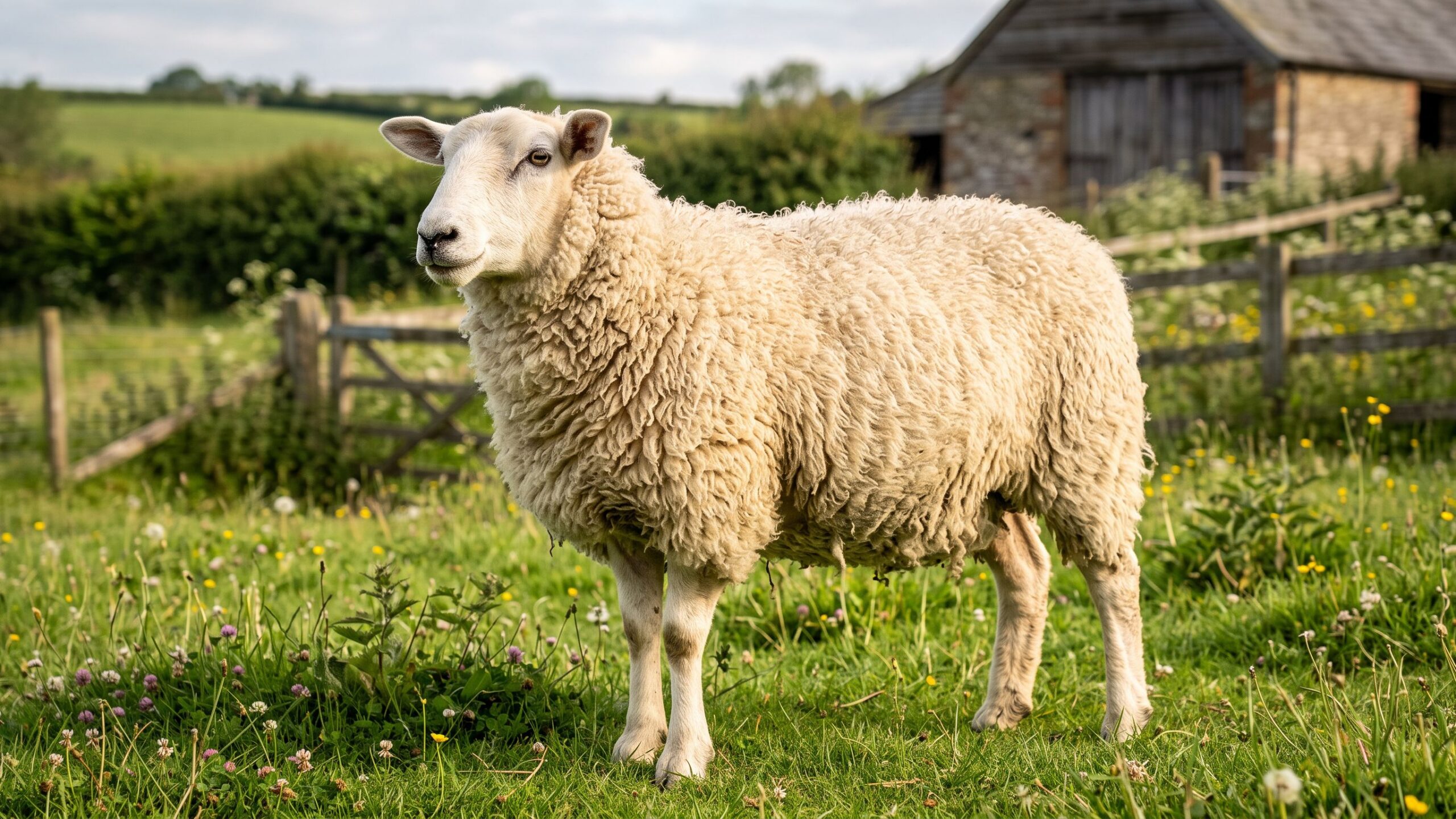
Few farm animals inspire the same sense of peaceful countryside charm as sheep. Their soft, woolly coats, gentle expressions, and familiar habit of grazing together across green pastures have made them enduring symbols of rural life. Yet beneath their calm appearance lies a surprisingly sophisticated animal with remarkable social intelligence, strong survival instincts, impressive memories, and a history closely intertwined with human civilization. The domestic sheep, scientifically known as Ovis aries, belongs to the family Bovidae, which also includes goats, cattle, antelope, and several other hoofed mammals. Sheep are among the earliest livestock animals domesticated by humans, with archaeological evidence suggesting that their domestication began approximately 10,000–11,000 years ago in parts of Southwest Asia. Over thousands of years, selective breeding transformed their wild ancestors into an extraordinary variety of domestic sheep differing in size, wool quality, appearance, temperament, and agricultural purpose. Today, sheep are raised around the world for wool, meat, milk, breeding, vegetation management, and companionship. Although they are often portrayed as simple animals that instinctively follow one another, sheep possess complex social relationships and cognitive abilities that challenge this familiar stereotype. They recognize individual flock members, respond to human handling, communicate through vocalizations and body language, and demonstrate strong preferences for familiar companions. Understanding their biology, behavior, and care requirements reveals why sheep deserve recognition as some of the most fascinating and historically important animals in the farmyard.
A: Most domestic sheep live approximately 10–12 years, although some may reach 15 years or longer with proper nutrition, housing, and veterinary care.
A: Katahdin, Dorper, Southdown, and certain heritage breeds can be suitable for beginners, depending on climate, farming goals, and management experience.
A: Most wool-producing sheep require regular shearing, typically at least once annually, while many hair sheep naturally shed and may not need routine shearing.
A: Sheep are highly social flock animals and should generally be kept with other compatible sheep rather than living alone.
A: Land requirements vary widely with forage quality, rainfall, breed, and feeding practices. Productive pasture may support several sheep per acre, while poor grazing land may require substantially more acreage.
A: Sheep primarily consume suitable pasture grasses, legumes, and hay, with sheep-specific minerals and supplemental feed provided when nutritionally necessary.
A: Many ewes give birth to one or two lambs, although twins, triplets, and larger litters occur depending on breed, genetics, and nutrition.
A: Sheep can become comfortable around familiar caregivers, especially when handled calmly and consistently, although individual temperaments vary.
A: They can sometimes share pasture, but their mineral requirements, feeding behaviors, parasite management, and housing needs differ. Sheep must be protected from excessive copper intake.
A: Warning signs include isolation, reduced appetite, limping, abnormal breathing, diarrhea, pale eyelids, bloating, or unusual weakness. Contact a sheep-experienced veterinarian promptly if illness is suspected.
The Ancient History and Domestication of Sheep
The relationship between humans and sheep began long before modern farms, organized livestock exhibitions, or commercial wool production existed. Archaeological discoveries indicate that early communities in Southwest Asia began domesticating wild sheep during the development of agriculture in the Neolithic period. The Asiatic mouflon, a wild sheep native to parts of western Asia, is generally considered a principal ancestor of modern domestic sheep. These early animals were initially valued primarily for their meat, hides, and other practical resources. Over time, humans began selectively breeding sheep for characteristics that made them increasingly useful and manageable. One of the most important developments involved the gradual emergence of sheep with fleeces suitable for textile production. Early wild sheep possessed coats containing a mixture of hair and wool, but selective breeding eventually produced animals with much denser, more uniform wool growth. This transformation helped establish wool as one of the most valuable materials in ancient economies. Sheep spread throughout Europe, Africa, and Asia as agricultural communities expanded and trade routes developed. Their adaptability allowed them to thrive in environments ranging from mountainous grasslands to dry, open plains. Wool became an important commodity in ancient civilizations, supporting clothing production, trade, and the development of specialized textile industries. Sheep also acquired symbolic significance in religious traditions, mythology, literature, and cultural ceremonies. Their association with pastoral life became deeply embedded in human history. Today, domestic sheep remain important agricultural animals, and their remarkable diversity reflects thousands of years of selective breeding, environmental adaptation, and human partnership.
Sheep Anatomy: Understanding Their Unique Physical Features
Sheep possess specialized anatomical features that allow them to survive and thrive as grazing herbivores. Their bodies are supported by four sturdy legs ending in cloven hooves, which provide stability and traction across grasslands, hillsides, and uneven terrain. Their eyes are positioned toward the sides of their heads and contain distinctive horizontal rectangular pupils. This unusual eye structure provides a broad field of vision, allowing sheep to monitor their surroundings for potential predators while grazing. Unlike humans, sheep have no upper front incisors. Instead, their lower incisors press against a firm dental pad in the upper jaw, allowing them to grasp and tear vegetation efficiently. Sheep are ruminants, meaning they possess a four-compartment stomach consisting of the rumen, reticulum, omasum, and abomasum. This digestive system allows microorganisms to break down fibrous plant materials through fermentation, making grasses and other vegetation useful sources of nutrition. One of their most recognizable physical characteristics is their fleece, although not all sheep grow thick wool. Some breeds possess hair coats that shed naturally, while traditional wool breeds produce continuously growing fibers requiring regular shearing. Horn development also varies. Certain breeds are naturally hornless, a characteristic known as polled, while others may develop impressive curved horns. Depending on the breed, horns may occur in males, females, or both. Adult sheep vary enormously in size, with smaller breeds sometimes weighing less than 100 pounds and large mature rams exceeding 300 pounds. Their physical diversity reflects generations of adaptation to different environments and agricultural purposes.
Popular Sheep Breeds and Their Distinctive Characteristics
The world of domestic sheep contains hundreds of breeds, each developed for particular climates, agricultural purposes, or desirable physical characteristics. Some breeds are celebrated for producing luxurious wool, while others are valued for meat production, dairy capabilities, hardiness, or distinctive appearances. Merino sheep are among the most famous wool-producing breeds, recognized for their exceptionally fine fleece. Merino wool is widely used in clothing because of its softness, breathability, and insulating properties. Suffolk sheep are easily identified by their black faces and legs contrasting with their white woolly bodies. These substantial animals are commonly raised for meat production and are valued for their growth characteristics. Dorset sheep are another important breed, known for their adaptability and reproductive abilities. Some Dorset lines can breed outside the strongly seasonal patterns seen in many other sheep breeds. Jacob sheep are particularly striking because of their spotted fleeces and the possibility of developing two, four, or even six horns. Their unusual appearance has made them favorites among heritage livestock enthusiasts. Babydoll Southdown sheep have become popular on small farms because of their compact size, woolly faces, and generally calm dispositions. Icelandic sheep are admired for their hardiness, colorful fleeces, and ability to thrive in challenging northern climates. Katahdin sheep represent a different approach to sheep keeping because they are hair sheep that naturally shed much of their coats, reducing the need for traditional shearing. East Friesian sheep are recognized for their dairy abilities and are frequently associated with specialized sheep milk production. Choosing the right breed requires considering climate, available pasture, wool management, temperament, production goals, and veterinary resources. Each breed offers its own combination of practical value, beauty, and fascinating characteristics.
Sheep Intelligence: Smarter Than Their Reputation Suggests
Sheep are frequently portrayed as unintelligent animals that simply follow the movements of their flock. However, scientific research has demonstrated that sheep possess impressive cognitive abilities involving memory, recognition, learning, and social awareness. Studies have shown that sheep can recognize and remember the faces of familiar sheep and humans. Their ability to distinguish individuals helps them maintain relationships within social groups and respond appropriately to familiar companions. Research has also demonstrated that sheep can learn visual discrimination tasks and retain certain learned information over time. These abilities suggest that their behavior involves more than automatic responses to environmental stimuli. Sheep are capable of learning routines, recognizing feeding locations, and responding to consistent handling practices. Their natural caution around unfamiliar situations is sometimes mistaken for a lack of intelligence, but this behavior reflects their evolutionary history as prey animals. Approaching new objects carefully and remaining close to familiar companions can provide important survival advantages. Sheep also demonstrate individual personality differences. Some animals are curious and willing to explore unfamiliar surroundings, while others are more cautious or strongly attached to particular flock members. Positive, predictable handling can help sheep become more comfortable around people, although they may remain sensitive to sudden movements and loud noises. Providing appropriate environmental enrichment, stable social groups, and opportunities for natural grazing supports their cognitive and behavioral well-being. Understanding sheep intelligence encourages more respectful handling and challenges outdated assumptions about these remarkable farm animals.
Flock Behavior: Why Sheep Prefer Living Together
Sheep are strongly social animals that naturally seek safety and companionship within groups. Their flocking behavior evolved as an important defense against predators, allowing individuals to benefit from collective awareness and coordinated movement. When sheep detect a potential threat, they may gather closely together, move away from danger, or follow the movements of nearby companions. This behavior helps explain the familiar image of sheep traveling as a group across pastures. However, flocking involves more than instinctive following. Sheep develop social relationships, recognize familiar individuals, and may display preferences for particular companions. Ewes and their offspring often form especially strong bonds, while other relationships may develop through familiarity and shared experiences. Social hierarchies can also occur, influencing access to resources and interactions between individuals. Dominance may be expressed through body positioning, pushing, or headbutting, particularly among rams. Because sheep depend heavily on companionship, isolation can cause significant distress. Keeping a single sheep without suitable companions is generally inappropriate. Owners should maintain compatible groups and introduce unfamiliar animals gradually to reduce stress and aggression. Adequate pasture space, multiple feeding locations, and appropriate shelter help support peaceful flock interactions. Sheep may also respond strongly to changes in their social environment, such as the removal of familiar companions or the introduction of new animals. Understanding flock dynamics allows caretakers to recognize normal behavior and create environments that support the natural social needs of these animals.
Sheep Communication: Understanding Bleats, Body Language, and Social Signals
Although sheep are often associated with a simple “baa,” their communication systems involve a variety of vocalizations, body movements, and behavioral signals. Bleating is among their most recognizable sounds and may occur when sheep seek companions, communicate with offspring, anticipate feeding, or experience distress. Ewes and newborn lambs develop distinctive vocal relationships that help them recognize and locate one another. Research has demonstrated that sheep can distinguish familiar voices, supporting communication within social groups. Vocalizations may differ in pitch, duration, and intensity depending on the situation. Body language provides additional information about a sheep’s emotional state. Ear position, head movement, posture, and movement patterns can indicate alertness, curiosity, fear, or social intentions. A relaxed sheep may graze comfortably with its head lowered, while an alarmed animal may raise its head, become motionless, or move closer to flock companions. Rams may use head lowering, pawing, and headbutting during competition or territorial interactions. Sheep also communicate through scent, particularly during reproductive behavior and maternal bonding. Their strong sense of smell helps them recognize familiar individuals and investigate their environment. Understanding these signals is valuable for caretakers because changes in vocalization or behavior may indicate stress, illness, or discomfort. Sheep communication is therefore far more complex than the occasional bleat heard across a pasture, reflecting the sophisticated social relationships that support flock life.
What Do Sheep Eat? Nutrition, Grazing, and Their Remarkable Digestive System
Sheep are herbivorous ruminants that primarily consume grasses, legumes, and other suitable vegetation. Their digestive systems are specially adapted to extract nutrients from fibrous plant materials through microbial fermentation. The rumen, the largest compartment of their stomach, contains microorganisms that break down plant fibers and produce compounds the sheep can use for energy. This remarkable digestive process allows sheep to thrive on forage that would be difficult for many other animals to digest. High-quality pasture or hay should form the foundation of most sheep diets. Nutritional requirements vary according to age, breed, body condition, pregnancy, lactation, and environmental conditions. Growing lambs and lactating ewes generally require more energy and protein than mature animals maintained without reproductive demands. Concentrated feeds may be necessary in certain situations, but excessive grain consumption can contribute to serious digestive problems, including ruminal acidosis. Sheep also require constant access to clean drinking water and appropriate mineral supplementation. One particularly important consideration involves copper. Although copper is an essential nutrient, sheep are more susceptible to copper toxicity than goats and cattle. Mineral supplements should therefore be formulated specifically for sheep unless a veterinarian recommends otherwise. Pasture management is equally important because overgrazing can damage vegetation, increase parasite exposure, and reduce forage quality. Rotational grazing may help maintain healthier pastures when properly planned. Owners should also identify potentially poisonous plants and prevent access to contaminated or moldy feed. Balanced nutrition supports healthy wool growth, reproductive performance, immune function, and overall longevity.
Sheep Wool: Nature’s Remarkable Renewable Fiber
Wool is one of the most recognizable and historically valuable products associated with sheep. This natural fiber has been used for clothing, blankets, textiles, insulation, and countless other purposes for thousands of years. Wool fibers are primarily composed of keratin, the same structural protein found in human hair and nails. Their natural crimp, elasticity, and ability to trap air contribute to wool’s insulating properties. Wool can help retain warmth in cold conditions while also allowing moisture vapor to move through the fabric, making it useful in a wide range of climates. Different sheep breeds produce dramatically different wool types. Merino sheep are famous for their fine, soft fibers, while other breeds produce longer, coarser wool suitable for carpets, rugs, or durable textiles. Some heritage breeds produce naturally colored wool in shades of brown, gray, black, and cream. Most traditional wool sheep require regular shearing because their fleeces continue growing and do not shed naturally. Shearing is generally performed at least once annually, although schedules vary according to breed, climate, and management practices. Skilled shearing helps prevent overheating, excessive wool accumulation, and hygiene problems. Improper shearing can cause injuries, making experienced handling important. Hair sheep, such as Katahdins, differ because they naturally shed much of their coats and generally do not require conventional shearing. Wool production demonstrates how selective breeding transformed sheep into animals capable of producing one of humanity’s most versatile natural materials.
Sheep Reproduction: Understanding Breeding, Pregnancy, and Lambing
Sheep reproduction follows biological patterns influenced by breed, age, nutrition, environmental conditions, and seasonal changes. Many sheep breeds are seasonal breeders, with reproductive activity increasing as daylight hours shorten during autumn. This timing historically helped ensure that lambs were born during spring, when weather conditions and forage availability were often more favorable. However, some breeds possess extended breeding seasons or greater reproductive flexibility. Female sheep are called ewes, males are known as rams, and their offspring are called lambs. The gestation period for sheep averages approximately 147 days, or about five months. Ewes commonly give birth to one or two lambs, although triplets and larger litters occur in certain breeds and breeding lines. During pregnancy, nutritional requirements gradually increase, particularly during the final weeks when fetal growth accelerates. Proper body condition is important because both undernutrition and excessive body condition can contribute to complications. As lambing approaches, ewes may become restless, separate from the flock, or seek quiet areas. Most healthy ewes can deliver naturally, but difficult births and other complications may require veterinary assistance. Newborn lambs should receive adequate colostrum promptly after birth because it provides essential antibodies and nutrients. Responsible breeding requires careful selection of healthy animals, appropriate reproductive management, and a commitment to the welfare of both mothers and offspring. Understanding sheep reproduction helps farmers anticipate seasonal responsibilities and provide suitable care throughout the breeding cycle.
Raising Lambs: From Newborns to Growing Young Sheep
Newborn lambs are among the most endearing sights on a farm, with their soft coats, delicate legs, and energetic movements. Healthy lambs typically attempt to stand shortly after birth and begin searching for their mother’s udder. Their early survival depends heavily on receiving adequate colostrum, which supplies antibodies and essential nutrients during the first hours of life. Lambs that fail to nurse promptly may require urgent assistance. Maintaining body temperature is another important concern, particularly during cold or wet weather. Newborn lambs can lose heat rapidly, making dry bedding, shelter, and careful observation essential. As lambs grow, they begin exploring their surroundings and developing social relationships with other young sheep. Playful behavior becomes increasingly obvious as they race across pastures, leap into the air, and engage in energetic movements sometimes described as gamboling. These activities help develop coordination, strength, and social skills. Young lambs gradually begin sampling hay, grass, and other forage while continuing to nurse. Their digestive systems develop over time as microorganisms establish themselves within the rumen. Weaning should occur at an appropriate stage based on age, growth, nutritional intake, and management conditions. Lambs also require preventive health care, including parasite management and vaccinations recommended by a veterinarian. Their growth rates vary considerably among breeds and production systems. Raising healthy lambs requires attention to nutrition, shelter, social development, and early recognition of illness, but it offers a fascinating opportunity to observe the development of one of humanity’s oldest domesticated animals.
Sheep Housing: Creating a Safe and Comfortable Farm Environment
Providing appropriate housing and pasture management is essential to maintaining healthy sheep. Although many breeds are well adapted to outdoor environments, sheep still require protection from extreme weather, predators, and unsuitable living conditions. A well-designed shelter should provide dry resting areas, adequate ventilation, and protection from strong winds, heavy rain, and severe temperatures. Sheep with thick fleeces may tolerate cool weather reasonably well when dry and properly acclimated, but wet wool, chilling winds, and prolonged exposure can create health risks. Newly shorn sheep and newborn lambs require particular attention because they have reduced insulation. Outdoor areas should provide sufficient grazing space and opportunities for natural movement. Stocking density depends on pasture quality, rainfall, climate, soil conditions, and management practices, so there is no universal acreage requirement suitable for every property. Secure fencing helps prevent escapes and reduce predator risks. Woven-wire livestock fencing is commonly used, although fencing design should minimize the possibility of sheep becoming trapped or injured. Predators such as coyotes, dogs, foxes, and other carnivores may threaten sheep, particularly lambs. Appropriate fencing, secure nighttime areas, and carefully managed livestock guardian animals can help reduce losses. Feeders and water containers should be positioned to minimize contamination and competition. Regular removal of wet bedding and manure helps maintain sanitation. A thoughtfully managed sheep environment balances natural grazing opportunities with reliable shelter, predator protection, and access to essential resources.
Sheep Hoof Care, Grooming, and Everyday Maintenance
Routine maintenance plays an important role in sheep health and welfare. Their cloven hooves grow continuously and require regular inspection to identify overgrowth, injuries, or signs of infection. Hoof trimming needs vary depending on breed, terrain, moisture, and individual hoof growth. Sheep living on soft or wet ground may experience different hoof conditions than animals moving across dry, abrasive surfaces. Excessively overgrown hooves can alter walking posture and contribute to discomfort, while inappropriate trimming can cause injuries. Owners should learn proper techniques from experienced professionals or veterinarians. Footrot and other infectious hoof conditions can cause significant lameness, making early detection especially important. Wool sheep also require regular fleece management. Shearing helps prevent excessive wool accumulation, overheating, and hygiene problems. Some sheep may require additional cleaning around the tail and hindquarters to reduce fecal contamination. This is particularly important because soiled wool can attract flies and contribute to flystrike, a potentially serious condition involving fly larvae developing in contaminated or damaged tissues. Routine health checks should include examining body condition, eyes, ears, skin, hooves, and movement. Because thick wool can conceal weight loss, hands-on body condition assessment is especially useful. Appropriate grooming, hoof care, parasite monitoring, and preventive veterinary attention help maintain comfort and reduce avoidable health problems.
Sheep Health: Common Illnesses and Important Warning Signs
Sheep are generally resilient animals when provided with appropriate nutrition, housing, and preventive care, but they remain vulnerable to a variety of health problems. Internal parasites are among the most significant concerns, particularly gastrointestinal worms that can contribute to anemia, diarrhea, weight loss, weakness, and reduced growth. The barber pole worm, Haemonchus contortus, is especially important in many sheep-producing regions because heavy infestations can cause severe anemia and even death. Parasite management should be guided by veterinary recommendations, appropriate diagnostic testing, and pasture management rather than indiscriminate medication use. Sheep may also develop respiratory infections, footrot, nutritional deficiencies, reproductive complications, and digestive disorders. Enterotoxemia, caused by certain toxins produced by Clostridium perfringens, is another serious disease associated with sheep and lambs. Vaccination programs commonly include protection against clostridial diseases, although specific recommendations vary by region and management system. Pregnancy toxemia can occur in pregnant ewes, particularly during late gestation when energy demands increase. Warning signs of illness may include reduced appetite, unusual isolation, difficulty walking, persistent diarrhea, labored breathing, or changes in normal behavior. Sheep often conceal signs of weakness because of their prey-animal instincts, making consistent observation essential. Sudden bloating, severe weakness, inability to stand, or significant respiratory distress requires urgent veterinary attention. Preventive care, balanced nutrition, parasite control, and appropriate flock management are fundamental to long-term sheep health.
Sheep Through the Seasons: Weather, Wool Growth, and Adaptation
Seasonal changes influence sheep behavior, nutrition, reproductive activity, and management needs throughout the year. Many sheep breeds possess adaptations that allow them to tolerate cool weather, particularly when protected by thick, dry fleeces. However, winter conditions still create challenges involving frozen water, limited pasture availability, wet bedding, and exposure to severe storms. Adequate forage and shelter are especially important because sheep may require additional energy to maintain body temperature during prolonged cold periods. Spring often brings new pasture growth and, in many traditional production systems, the arrival of newborn lambs. Rapid changes in forage quality require careful feeding management to reduce digestive disturbances. Summer presents different concerns, including heat stress, parasite activity, and fly-related problems. Sheep carrying heavy fleeces may become uncomfortable during hot weather, making appropriate shearing schedules important. Shade, ventilation, and abundant clean water help reduce heat-related risks. Autumn frequently coincides with increased breeding activity in seasonally reproductive breeds. Pasture quality may decline as temperatures fall, requiring adjustments to hay supplementation. Wool growth and coat changes also vary according to breed. Hair sheep often shed naturally, while wool breeds generally require planned shearing. Understanding these seasonal patterns allows caretakers to anticipate changes in nutritional requirements, health risks, and reproductive management. Thoughtful seasonal care helps sheep remain comfortable and productive throughout the year.
Are Sheep Good Pets? Understanding Companion Sheep Ownership
Sheep can make rewarding companion animals for people who appreciate their gentle appearance, social behavior, and peaceful grazing habits. Certain breeds are particularly popular among small farm owners because of their manageable size or calm dispositions. Babydoll Southdowns, Shetlands, and some hair sheep breeds may appeal to people interested in keeping sheep primarily for companionship, although temperament varies among individuals. Sheep can become familiar with consistent caretakers and may learn to approach when feeding routines begin. However, they are not naturally equivalent to dogs or cats and may remain cautious around unfamiliar people or sudden movements. Their strong flocking instincts make companionship essential, and keeping a single sheep alone is generally inappropriate. Wethers, or castrated male sheep, are sometimes selected as companion animals because they do not require breeding management. Sheep ownership involves substantial responsibilities, including pasture management, secure fencing, appropriate nutrition, parasite prevention, hoof care, and veterinary access. Wool breeds also require regular shearing. Prospective owners should investigate local zoning requirements and ensure that their property can support livestock safely. Families should supervise interactions between sheep and young children because even gentle animals can push, startle, or accidentally cause injuries. With proper care, many sheep live approximately 10–12 years, although some may survive considerably longer. Their lifespan represents a meaningful commitment. For dedicated owners, sheep can provide years of companionship, educational opportunities, and enjoyment through their fascinating natural behaviors.
Fascinating Sheep Facts That May Surprise You
Sheep possess numerous remarkable characteristics that challenge their reputation as simple grazing animals. One of the most impressive involves their facial recognition abilities. Research has demonstrated that sheep can distinguish and remember familiar faces, including those of other sheep and humans. Their horizontal rectangular pupils provide an exceptionally broad field of vision, helping them detect potential threats while grazing. Sheep also possess sophisticated digestive systems that allow microorganisms to break down fibrous plant materials through fermentation. Another fascinating characteristic is the diversity of their wool. Different breeds produce fibers ranging from exceptionally fine and soft to long, coarse, and durable. Some sheep naturally shed their coats, while others require regular shearing because their wool continues growing. Certain breeds also display unusual horn arrangements. Jacob sheep may possess multiple horns, sometimes developing four or even six. Sheep communicate through vocalizations, body language, and scent, and mothers can recognize their lambs through familiar signals. Their strong social instincts help maintain flock cohesion and contribute to coordinated movement during potential threats. Sheep are also capable of learning routines and remembering important environmental information. Their reproductive patterns can be influenced by seasonal daylight changes, helping synchronize lambing with favorable conditions in many traditional environments. These characteristics demonstrate that sheep are far more biologically and behaviorally sophisticated than their familiar farmyard image might suggest.
The Importance of Sheep in Agriculture, Culture, and Human History
Sheep have played an extraordinary role in shaping human civilization. As one of the earliest domesticated livestock species, they contributed to the development of settled agriculture, textile production, trade, and pastoral traditions. Their wool became a valuable material for clothing, blankets, and other textiles, helping support economies across ancient and medieval societies. Sheep also provided meat, milk, hides, and manure, making them versatile agricultural animals. In many regions, sheep farming became closely associated with particular landscapes and cultural identities. Traditional shepherding practices developed around seasonal grazing routes, flock management, and the use of livestock guardian or herding dogs. Sheep appear frequently in religious traditions, literature, folklore, and artistic expression, often symbolizing gentleness, innocence, community, or pastoral life. Modern sheep production continues to support rural livelihoods and agricultural industries around the world. Sheep may also contribute to vegetation management when grazing is carefully planned, although excessive stocking can damage ecosystems and reduce plant diversity. Heritage breed conservation has become increasingly important because maintaining genetic diversity helps preserve characteristics associated with disease resistance, climate adaptation, wool quality, and other valuable traits. As interest in sustainable agriculture and small-scale farming grows, sheep remain relevant not only for their agricultural contributions but also for their historical significance and distinctive natural behaviors.
Conclusion: Why Sheep Are Extraordinary Farm Animals
Sheep are far more than peaceful animals grazing across green hillsides. Their remarkable history, sophisticated social relationships, impressive memories, specialized digestive systems, and extraordinary wool-producing abilities make them some of the most fascinating domesticated animals in the world. From their ancient wild ancestors to the hundreds of breeds recognized today, sheep represent thousands of years of evolution, selective breeding, and partnership with human communities. Their ability to recognize familiar individuals, communicate through vocalizations and body language, and maintain strong flock relationships reveals an animal with complex behavioral and emotional needs. Their diverse appearances, adaptable grazing habits, and valuable agricultural contributions have helped establish them as enduring symbols of farm life. However, responsible sheep ownership requires more than providing pasture and shelter. These animals need appropriate nutrition, companionship, secure environments, regular hoof care, parasite management, and veterinary attention. Wool-producing breeds also require thoughtful fleece management to maintain comfort and health. Whether admired for their beautiful wool, appreciated for their agricultural contributions, or welcomed as gentle companions on a small farm, sheep offer countless opportunities for learning and discovery. At Duffy Street, exploring farm animals means recognizing the remarkable qualities that make every species special. Sheep remind us that beneath the quiet beauty of a grazing flock lies a fascinating world of intelligence, instinct, history, and natural wonder, waiting to be appreciated by anyone willing to look a little closer.
Pet Product Reviews
Explore Duffy Street’s Pet Product Reviews! Sniff out the top-rated toys, treats, gear, and gadgets for your pets with our fun, easy-to-read comparisons. We’ve done the digging so you can find the perfect products for your pet friends!