Few animals are as instantly recognizable as the chicken. From the familiar crow of a rooster announcing the morning to the gentle clucking of hens exploring a grassy farmyard, chickens have become enduring symbols of agricultural life. Yet beneath their seemingly ordinary appearance lies an extraordinary world of intelligence, communication, social relationships, and natural instincts. The domestic chicken, scientifically known as Gallus gallus domesticus, is a domesticated form of the red junglefowl (Gallus gallus), a wild bird native to parts of South and Southeast Asia. Chickens belong to the family Phasianidae, which also includes pheasants, partridges, and several other ground-dwelling birds. Over thousands of years, chickens have evolved alongside human civilization, becoming valuable sources of food, important agricultural animals, and increasingly popular backyard companions. Today, domestic chickens are among the most numerous birds on Earth, with global populations numbering in the tens of billions. Their widespread success reflects their remarkable adaptability, reproductive abilities, and close relationship with people. However, chickens are far more than egg-producing farm animals. They possess individual personalities, recognize familiar companions, communicate through distinct vocalizations, and establish complicated social hierarchies. Whether raised on a traditional farm, kept in a suburban backyard, or admired for their colorful appearances, chickens offer an incredible opportunity to explore the fascinating relationship between humans and domesticated animals.
A: Many backyard chickens live approximately 5–10 years, although some live longer with suitable genetics, nutrition, housing, and veterinary care.
A: No. Hens naturally produce eggs without a rooster. Roosters are only necessary when naturally fertilized eggs are desired.
A: Productive laying breeds may produce approximately 200–300 eggs annually under favorable conditions, while other breeds produce substantially fewer.
A: Rhode Island Reds, Plymouth Rocks, Australorps, Orpingtons, and Sussex chickens are frequently recommended because of their generally manageable temperaments and practical egg production.
A: Chickens can fly short distances or flutter onto elevated structures, but most domestic breeds cannot sustain long-distance flight.
A: A complete feed appropriate for their age and production stage should form the foundation of their diet, accompanied by constant access to fresh water. Treats should remain limited.
A: Common backyard guidelines suggest roughly 3–4 square feet per standard-sized chicken inside the coop and 8–10 square feet in an outdoor run, with additional space preferred.
A: Yes. Chickens can learn to recognize familiar people through repeated interactions, visual cues, sounds, and feeding routines.
A: Chickens use grit in their muscular gizzards to grind certain foods because they lack teeth for chewing.
A: Warning signs include unusual lethargy, reduced appetite, breathing difficulties, abnormal droppings, isolation, limping, or sudden changes in egg production. Contact a poultry veterinarian promptly if illness is suspected.
The Ancient Origins and Domestication of Chickens
The history of chickens begins thousands of years ago in the tropical forests and agricultural landscapes of Asia. Their primary wild ancestor, the red junglefowl, inhabited forests, woodland edges, and areas surrounding early human settlements. These wild birds possessed many characteristics still visible in domestic chickens, including colorful plumage, strong scratching instincts, elaborate courtship behaviors, and complex social relationships. Archaeological and genetic research suggests that chicken domestication began in Southeast Asia, although the exact timing and locations remain subjects of scientific investigation. As early agricultural communities expanded, cultivated grains and food scraps likely attracted junglefowl into closer contact with humans. Over generations, people began managing and selectively breeding these birds for desirable characteristics, gradually producing animals that differed from their wild ancestors. Interestingly, chickens were not always valued primarily for eggs or meat. In several ancient societies, roosters held ceremonial, religious, and symbolic importance. Their distinctive crowing became associated with sunrise, vigilance, courage, and renewal. As trade networks expanded, chickens traveled throughout Asia, the Middle East, Africa, and Europe, eventually spreading across much of the world. Different communities developed breeds suited to local climates, agricultural practices, and cultural preferences. Some chickens were selected for reliable egg production, while others were bred for larger bodies, unusual feather patterns, or ornamental appearances. Despite centuries of selective breeding, domestic chickens retain many ancestral behaviors. Their instinct to scratch through soil, dust bathe, establish social hierarchies, and seek elevated sleeping locations reflects their evolutionary origins. Understanding this history helps explain why modern chickens behave the way they do and why providing opportunities for natural activities remains essential to their well-being.
Chicken Anatomy: Understanding Their Unique Physical Features
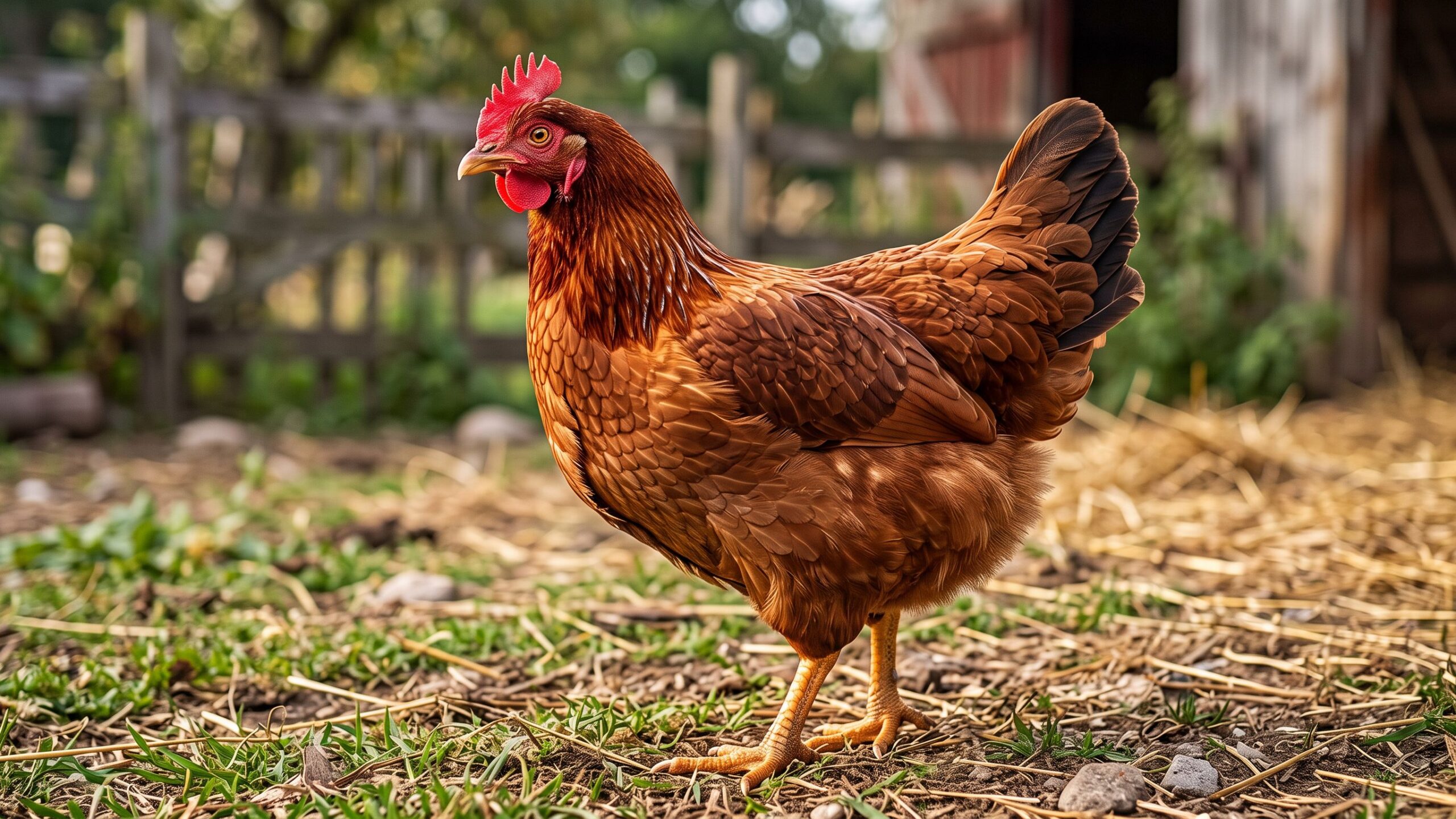
Chickens possess a fascinating combination of anatomical features that distinguish them from mammals and many other domestic animals. Their bodies are covered in feathers that provide insulation, protection, and visual signals during social interactions. Feathers vary in structure and function, with contour feathers shaping the body, flight feathers supporting limited flight, and softer downy feathers helping retain warmth. One of the most recognizable features of a chicken is its comb, the fleshy structure located on top of the head. Combs appear in several forms, including single, rose, pea, and walnut shapes, depending on the breed. Beneath the beak hang the wattles, which are similarly fleshy and often brightly colored. Both structures help regulate body temperature by allowing heat to escape through their blood-rich tissues. Chickens have strong legs and feet designed for walking, scratching, digging, and maintaining balance. Most breeds possess four toes on each foot, although some, including Silkies and Faverolles, commonly have five. Roosters frequently develop pointed spurs on their legs that may be used during defensive encounters or competition. Unlike mammals, chickens do not possess teeth. Instead, their digestive systems include a muscular organ called the gizzard, which grinds food into smaller particles. Their eyes are positioned on the sides of their heads, providing a broad field of vision that helps detect potential predators. Although chickens are birds, most domestic breeds are not capable of sustained long-distance flight. However, lighter breeds can fly short distances, reach elevated perches, and sometimes escape surprisingly tall enclosures. Their combination of specialized feathers, powerful feet, excellent eyesight, and efficient digestion makes chickens remarkably well adapted to life as active ground-foraging birds.
Popular Chicken Breeds and Their Distinctive Characteristics
The world of chicken breeds is incredibly diverse, with hundreds of recognized breeds and varieties displaying different colors, sizes, personalities, and productive abilities. Some chickens are prized for their egg-laying performance, while others are admired for their gentle temperaments, unusual appearances, or historical significance. The Rhode Island Red is among the most recognizable American breeds, known for its rich reddish-brown feathers, hardy constitution, and dependable production of brown eggs. These active, adaptable chickens have long been favorites among farmers and backyard poultry enthusiasts. Buff Orpingtons are particularly popular with families because of their rounded bodies, golden feathers, and generally calm dispositions. Their friendly reputations make them appealing companions, although individual personalities can vary. Plymouth Rocks, especially the black-and-white Barred Plymouth Rock, are valued for their attractive feather patterns, adaptability, and reliable egg production. White Leghorns are famous for their impressive laying abilities and energetic personalities. These relatively lightweight chickens are closely associated with commercial white egg production. Silkies are among the most visually distinctive breeds, featuring unusually soft, fluffy plumage, dark skin, and feathered legs. Their gentle personalities and tendency toward broodiness make them popular ornamental chickens. Other fascinating breeds include the Brahma, a large, heavily feathered bird; the Polish chicken, recognized for its dramatic head crest; and the Ameraucana, known for producing blue eggs. Bantam chickens represent smaller-sized varieties that can be especially appealing to enthusiasts with limited space, although they still require suitable housing and protection. Selecting the right breed involves considering climate, available space, temperament, egg production expectations, and the owner’s experience. Each breed brings its own combination of beauty, behavior, and practical characteristics to the farmyard.
Chicken Intelligence: Smarter Than Most People Realize
Chickens are frequently underestimated when discussions turn to animal intelligence. However, scientific research has demonstrated that these birds possess sophisticated learning abilities, impressive memories, and complex social awareness. Chickens can distinguish familiar individuals, recognize important environmental cues, and learn associations between particular actions and rewards. Their ability to remember companions and navigate social relationships is especially important within established flocks. Studies have shown that chickens can learn through observation, allowing them to adjust their behavior based on experiences involving other birds. Young chicks begin developing important learning abilities shortly after hatching, and communication between a mother hen and her developing offspring can begin before the chicks emerge from their eggs. Research has also explored chickens’ abilities to discriminate between quantities, remember locations, and make decisions involving rewards. Although these abilities should not be confused with human reasoning, they demonstrate that chicken behavior involves more than simple instinctive reactions. Chickens also display recognizable personality differences. Some individuals eagerly investigate unfamiliar objects, while others approach new situations cautiously. Certain hens become comfortable interacting with familiar caretakers, whereas others prefer observing from a distance. Their intelligence becomes especially apparent when they are given opportunities to explore stimulating environments. Scattered feed, varied foraging materials, safe perches, and changes in their surroundings can encourage investigation and natural problem-solving behaviors. Recognizing chicken intelligence changes how these animals are understood and cared for. Rather than viewing chickens as interchangeable farm animals, responsible caretakers can appreciate them as individuals capable of learning, remembering, adapting, and developing meaningful social relationships.
The Pecking Order: Understanding Chicken Social Behavior
Chickens are highly social animals that naturally organize themselves into groups known as flocks. Within these groups, individuals develop relationships that influence access to food, preferred resting locations, and interactions with other birds. The familiar expression “pecking order” originated from observations of chicken behavior and describes the social hierarchy that often develops within a flock. Dominant chickens may receive priority access to desirable resources, while lower-ranking individuals sometimes avoid confrontation by moving away or yielding space. However, chicken society is more complicated than a simple ranking system. Age, familiarity, confidence, previous interactions, and individual temperament can all influence social relationships. Roosters may contribute to flock organization by watching for danger, producing alarm calls, and drawing hens’ attention to food sources. Nevertheless, hens can establish stable social groups without the presence of a rooster. Problems sometimes develop when unfamiliar chickens are introduced into an established flock. Existing birds may chase, peck, or temporarily exclude newcomers while social relationships are reorganized. Gradual introductions, adequate space, multiple feeding stations, and careful observation can help reduce conflict. Although occasional pecking is part of normal chicken communication, persistent aggression should never be ignored. Repeated attacks, injuries, feather loss, or birds being prevented from eating can indicate serious welfare concerns. Chickens also form familiar associations and may prefer spending time near particular flock members. Their social lives demonstrate the importance of companionship and explain why chickens should generally be kept in compatible groups rather than living alone.
Chicken Communication: The Meaning Behind Clucks, Crows, and Calls
A chicken flock produces an impressive variety of sounds, each potentially carrying information about the birds’ activities, surroundings, or emotional states. Roosters are best known for crowing, a loud vocalization commonly associated with sunrise. However, roosters may crow throughout the day, particularly when responding to environmental changes, establishing their presence, or interacting with other birds. Their internal biological clocks contribute to the timing of early-morning crowing, making this behavior more complicated than simply reacting to sunlight. Hens communicate through softer clucks, contact calls, and louder vocalizations associated with excitement or egg laying. Mother hens use distinctive sounds to communicate with their chicks, encouraging them to gather, follow, or investigate food. Chicks respond with peeping calls that can indicate contact, discomfort, or distress. One of the most fascinating aspects of chicken communication involves predator warnings. Research has demonstrated that chickens can produce different alarm calls in response to aerial and ground-based threats. These vocalizations may help other flock members respond appropriately to potential danger. Chickens also communicate through body language. Feather positioning, wing movements, head posture, and physical distance can signal confidence, fear, courtship, or defensive intentions. A relaxed chicken may move comfortably through its environment, while an alarmed bird may become suddenly alert, crouch, or seek shelter. Learning to recognize these communication patterns helps owners understand flock dynamics and identify unusual behavior. The familiar sounds of a barnyard are therefore part of a surprisingly sophisticated communication system that supports chicken survival and social organization.
What Do Chickens Eat? Nutrition, Feeding, and Natural Foraging
Chickens are omnivorous animals, meaning their natural diets include both plant and animal materials. Wild junglefowl consume seeds, vegetation, insects, worms, and other small invertebrates while searching through forest floors and surrounding habitats. Domestic chickens retain these strong foraging instincts and often spend hours scratching through soil, investigating plants, and searching for edible materials. However, a healthy domestic chicken requires more than whatever it can discover outdoors. A balanced commercial poultry feed appropriate for the bird’s age and reproductive stage should form the foundation of its diet. Young chicks need specially formulated starter feed containing nutrients necessary for rapid growth and development. Growing birds require diets suited to their changing nutritional needs, while laying hens benefit from adequate calcium to support eggshell formation. Protein is essential for muscle development, feather growth, and general body maintenance. Nutritional requirements may increase during molting, when chickens replace old feathers with new plumage. Small quantities of appropriate vegetables, leafy greens, and other treats can provide enrichment, but excessive treats may interfere with balanced nutrition. Chickens that consume whole grains or fibrous foods may require suitable grit to help their gizzards grind these materials. Laying hens may also benefit from supplemental oyster shell offered separately as a calcium source. Fresh, clean drinking water must remain available throughout the day, particularly during hot weather. Owners should avoid moldy feed, spoiled food, chocolate, alcohol, and other potentially harmful substances. Proper nutrition supports stronger immune function, healthy feathers, reproductive performance, and overall longevity, making feeding one of the most important responsibilities in chicken care.
Egg Production: How Chickens Create Their Remarkable Eggs
Egg production is one of the most familiar characteristics of domestic chickens, yet the biological process behind each egg is remarkably sophisticated. A hen’s reproductive system begins developing the yolk inside an ovarian follicle. Following ovulation, the yolk enters the oviduct, where additional egg components form as it travels through specialized reproductive structures. The egg white, also known as albumen, surrounds the yolk, followed by the development of shell membranes and the protective outer shell. This entire process generally takes approximately 24–26 hours, although the timing varies among individual hens. Many chicken breeds begin laying eggs between approximately 18 and 24 weeks of age, while larger or slower-maturing breeds may begin later. Egg production depends on genetics, age, nutrition, daylight exposure, health, and environmental conditions. Some highly productive laying strains can produce more than 300 eggs annually under favorable management conditions, while many traditional backyard breeds lay fewer. Eggshell colors vary according to genetics and may include white, brown, blue, green, or tinted shades. Contrary to popular belief, shell color does not inherently determine nutritional quality. Another common misconception is that hens need roosters to produce eggs. Hens naturally lay eggs without mating, although a rooster is required for fertilization when breeding is intended. Egg production often decreases during molting, periods of reduced daylight, or advancing age. Understanding the egg-laying process helps owners maintain realistic expectations and recognize that chickens remain valuable animals even when their productive laying years have passed.
Raising Baby Chicks: From Hatching to Independence
The development of a chicken from a tiny embryo into an active, feathered bird is one of the most fascinating processes in farm animal reproduction. Under suitable incubation conditions, chicken eggs generally hatch after approximately 21 days. During development, the growing embryo receives nourishment from the yolk and gradually forms its organs, muscles, bones, and feathers. As hatching approaches, the chick begins preparing to break through the eggshell using a temporary structure called the egg tooth. Newly hatched chicks are covered in soft down and can begin moving around relatively soon after emerging. However, they cannot regulate their body temperature as effectively as mature chickens and require an appropriate source of warmth. When a mother hen is not providing heat, caretakers typically use a carefully managed brooder. A conventional heat-lamp brooder commonly begins around 95°F at chick level during the first week, with temperatures gradually reduced as the chicks grow and develop feathers. Heat plates require different setup considerations, and chick behavior should always guide adjustments. Chicks that crowd tightly beneath a heat source may be cold, while chicks that consistently avoid it or pant may be overheated. Clean bedding, properly formulated starter feed, and accessible drinking water are essential. As chicks mature, their down is replaced by juvenile feathers, their coordination improves, and their natural curiosity becomes increasingly apparent. Young chickens begin exploring, scratching, and developing social relationships early in life. Moving chicks outdoors should depend on their feather development, weather conditions, available shelter, and ability to remain comfortably warm. Careful management during these early weeks establishes the foundation for healthy adulthood.
Chicken Housing: Creating a Safe and Comfortable Coop
A properly designed chicken coop provides more than shelter from unpleasant weather. It serves as a secure nighttime refuge, a protected nesting environment, and an essential component of overall flock welfare. Chickens need housing that remains dry, well ventilated, and protected from predators. Poor ventilation can allow moisture, dust, and ammonia to accumulate, potentially contributing to respiratory problems. However, ventilation should be arranged to prevent uncomfortable drafts directly across roosting birds during cold weather. Space requirements vary according to breed size, flock composition, climate, and the amount of time birds spend indoors. A commonly used starting guideline for standard-sized backyard chickens is approximately 3–4 square feet of indoor coop space per bird, along with at least 8–10 square feet per bird in an outdoor run. More generous space allowances are preferable, especially when birds spend extended periods confined. Chickens naturally prefer sleeping on elevated perches, so sturdy roosting bars should be included in the coop. Nesting boxes provide quiet, sheltered locations for hens to lay eggs. Outdoor areas should offer shade, opportunities for dust bathing, suitable ground surfaces, and room to forage. Predator protection is particularly important because chickens may be vulnerable to raccoons, foxes, coyotes, hawks, dogs, and other animals. Secure fencing, predator-resistant hardware cloth, reliable doors, and appropriate ground barriers can reduce risks. Regular cleaning helps control parasites, moisture, odors, and harmful bacterial buildup. A successful chicken enclosure balances security with comfort, allowing birds to express natural behaviors while remaining protected from environmental hazards.
Dust Bathing, Preening, and Other Fascinating Chicken Behaviors
Some of the most entertaining chicken behaviors are also essential to their physical and psychological well-being. Dust bathing is a particularly memorable example. A chicken may lower itself into dry soil, spread its wings, kick loose material through its feathers, and wriggle enthusiastically from side to side. Although this behavior can appear unusual, it helps maintain feather condition and may assist in controlling certain external parasites. Chickens also devote considerable time to preening, using their beaks to arrange feathers, remove debris, and distribute natural oils. These grooming activities help maintain the protective and insulating qualities of their plumage. Sunbathing is another distinctive behavior. Chickens sometimes stretch one wing outward, tilt their bodies toward sunlight, and remain unusually still while warming themselves. To an unfamiliar observer, this posture may appear alarming, but relaxed sunbathing is normal. Foraging is equally important. Chickens instinctively scratch through soil and bedding, investigate unfamiliar objects, and peck at potential food sources. These activities provide physical exercise and mental stimulation. Young chickens may also engage in energetic running, wing flapping, and exploratory movements that reflect their developing coordination and curiosity. Environmental enrichment encourages these natural behaviors and can help reduce boredom-related problems, including excessive feather pecking. Providing safe foraging materials, varied perches, and opportunities to explore allows chickens to engage in the activities their bodies and instincts evolved to perform. Observing these behaviors reveals the remarkable complexity hidden within everyday farmyard life.
Chicken Health: Common Illnesses and Important Warning Signs
Maintaining a healthy chicken flock requires consistent observation, preventive care, and access to appropriate veterinary assistance. Healthy chickens are generally alert, active, and responsive to their surroundings. Their eyes should appear clear, their breathing should be comfortable, and their movements should be coordinated. Because chickens are prey animals, they may conceal signs of weakness or illness until a condition becomes advanced. Subtle behavioral changes can therefore provide important early warnings. A chicken that becomes unusually quiet, separates from its flock, stops eating, or remains fluffed up for extended periods may be experiencing illness. Common poultry health concerns include respiratory infections, intestinal parasites, external mites and lice, nutritional deficiencies, injuries, and reproductive disorders. Respiratory symptoms such as persistent sneezing, wheezing, nasal discharge, or difficulty breathing require attention. Laying hens may develop reproductive problems, including egg-binding or inflammation of reproductive tissues. Symptoms such as repeated straining, weakness, abdominal swelling, or an abnormal upright stance may indicate a potentially serious condition. Highly pathogenic avian influenza is another important concern because certain outbreaks can cause severe illness and sudden deaths among poultry. Biosecurity measures, including limiting contact with wild birds, cleaning equipment, and carefully introducing new flock members, can reduce disease risks. New chickens should ideally undergo an appropriate quarantine period before joining an established flock. Preventive veterinary guidance, balanced nutrition, clean housing, and regular health checks support long-term flock wellness. Any chicken showing severe respiratory distress, inability to stand, significant injury, or rapidly worsening symptoms should receive prompt veterinary assessment.
Chickens Through the Seasons: Weather, Molting, and Adaptation
Seasonal changes influence chicken behavior, health, and reproductive activity throughout the year. Different breeds tolerate environmental conditions differently, making climate an important consideration when selecting and caring for poultry. Many cold-hardy breeds can tolerate relatively low temperatures when provided with dry shelter, adequate ventilation, and protection from strong drafts. However, exposed combs and wattles may be vulnerable to frostbite during severe winter weather. Hot weather presents a different set of challenges. Chickens cannot sweat like humans and rely on behaviors such as panting, spreading their wings, and seeking shade to release excess body heat. During summer heat waves, access to cool drinking water, ventilation, and shaded resting areas becomes particularly important. Seasonal changes also influence egg production. Shorter daylight periods may reduce reproductive activity, causing hens to lay fewer eggs during autumn and winter. Molting commonly occurs when daylight decreases, although timing varies. During this process, chickens shed older feathers and grow replacements, temporarily redirecting energy and nutrients away from egg production. Feather growth requires substantial protein, and birds may appear less attractive or temporarily uncomfortable while new plumage develops. Owners should avoid unnecessary handling of sensitive new feathers, sometimes called pin feathers. Understanding these seasonal rhythms allows caretakers to distinguish normal biological changes from potential health concerns. With appropriate adjustments to shelter, nutrition, and daily management, chickens can remain healthy and comfortable throughout the changing seasons.
Are Chickens Good Pets? Understanding Backyard Chicken Ownership
Chickens have become increasingly popular as backyard companions, attracting people who appreciate their personalities, entertaining behaviors, and ability to produce fresh eggs. For families interested in farm animals, chickens can provide opportunities to learn about animal care, responsibility, agriculture, and natural behavior. Many chickens become comfortable around familiar people, especially when approached calmly and handled gently from a young age. Some individuals eagerly investigate their caretakers, follow familiar routines, or approach when they recognize the possibility of food. However, not every chicken enjoys physical contact, and individual boundaries should be respected. Unlike solitary household pets, chickens are social birds that generally require the companionship of other chickens. Keeping a compatible flock allows them to communicate, establish relationships, and engage in natural group activities. Backyard chicken ownership also requires substantial preparation. Owners must provide suitable housing, daily feeding and watering, regular cleaning, predator protection, and access to veterinary care when necessary. Local zoning regulations may restrict flock sizes, prohibit roosters, or establish specific housing requirements. Families should also understand that chickens can carry Salmonella bacteria without appearing sick. Washing hands after handling poultry or equipment, keeping chickens out of indoor living areas, and supervising young children are essential hygiene practices. Although chickens may provide fresh eggs and contribute to garden management, they should never be treated as disposable animals once egg production declines. Responsible ownership involves a commitment to their welfare throughout their natural lives.
Fascinating Chicken Facts That May Surprise You
Chickens possess numerous remarkable characteristics that challenge their reputation as ordinary farm animals. Their eyesight is particularly impressive. Unlike humans, chickens can perceive ultraviolet wavelengths, allowing them to detect visual information outside the range of human vision. Their broad visual field helps them monitor their surroundings while searching for food and watching for predators. Chickens also possess specialized digestive systems that compensate for their lack of teeth. Their muscular gizzards grind food, often with assistance from swallowed grit, allowing them to process a varied diet. Another surprising fact involves their evolutionary ancestry. Chickens, like all modern birds, belong to the surviving dinosaur lineage. Their ancestors were theropod dinosaurs, making today’s familiar barnyard birds distant evolutionary relatives of animals such as Tyrannosaurus rex. Chickens also display sophisticated sleeping behaviors. Research involving birds has demonstrated that some species can maintain partial environmental awareness while sleeping, and chickens exhibit both rapid eye movement and non-rapid eye movement sleep. Their reproductive abilities are equally fascinating. Hens can produce eggs without mating, and eggshell pigmentation is largely determined by genetics. Chickens can recognize familiar individuals, learn environmental routines, and respond differently to various threats. Roosters possess internal biological clocks that help regulate the timing of their crowing. Perhaps most interestingly, chickens demonstrate substantial variation in temperament, curiosity, confidence, and social behavior. These characteristics reveal that every flock contains individuals with their own preferences and behavioral tendencies, making chicken observation far more engaging than many people expect.
The Importance of Chickens in Agriculture and Human Culture
Chickens have played an extraordinary role in shaping agricultural traditions, food systems, and cultural practices around the world. Their ability to produce eggs and provide meat has made them valuable livestock for countless communities. Because chickens can be raised on relatively small areas of land compared with many larger farm animals, they have historically supported household food production and small-scale farming. Their manure can also contribute nutrients to compost systems when handled and processed appropriately. Beyond agriculture, chickens have appeared in mythology, folklore, religious traditions, literature, and artistic expression. Roosters have frequently symbolized courage, vigilance, and the arrival of daylight, while hens have been associated with nurturing and protection. Different regions developed distinctive chicken breeds reflecting local climates, agricultural needs, and cultural preferences. Heritage breeds preserve generations of selective breeding and contribute valuable genetic diversity to domestic poultry populations. Modern chicken production also raises important questions about animal welfare, sustainability, disease prevention, and responsible agricultural practices. As interest in backyard poultry keeping continues, many people are rediscovering the importance of understanding chickens as living animals rather than simply agricultural products. Their relationship with humans represents a remarkable example of domestication, cooperation, and adaptation across generations. From small rural homesteads to modern agricultural systems, chickens remain deeply connected to everyday human life.
Conclusion: Why Chickens Are Truly Extraordinary Farm Animals
Chickens may be among the world’s most familiar farm animals, but their everyday presence should never overshadow their remarkable complexity. From their ancient junglefowl ancestors to the colorful breeds found in modern backyards, chickens represent thousands of years of evolution, domestication, and human partnership. Their intelligence, communication abilities, social relationships, and natural behaviors reveal an animal far more sophisticated than its traditional barnyard reputation suggests. Chickens recognize familiar companions, establish social hierarchies, respond to environmental threats, and demonstrate individual personalities that make every flock unique. Their impressive reproductive biology, diverse appearances, and adaptability have helped them become some of the most successful domesticated birds in history. However, raising chickens responsibly requires more than providing a coop and collecting eggs. These birds need balanced nutrition, secure shelter, appropriate companionship, veterinary attention, and opportunities to engage in natural behaviors such as scratching, foraging, dust bathing, and roosting. Understanding these needs allows owners to create environments that support both physical health and behavioral well-being. Whether admired for their colorful feathers, appreciated for their eggs, or welcomed as entertaining backyard companions, chickens offer endless opportunities for discovery. At Duffy Street, celebrating farm animals means recognizing the remarkable qualities that make every species special. Chickens remind us that some of nature’s most fascinating creatures are not hidden in distant wildernesses but are living, communicating, and exploring right in the familiar surroundings of the farmyard.
Pet Product Reviews
Explore Duffy Street’s Pet Product Reviews! Sniff out the top-rated toys, treats, gear, and gadgets for your pets with our fun, easy-to-read comparisons. We’ve done the digging so you can find the perfect products for your pet friends!