The Firefish Goby, scientifically known as Nemateleotris magnifica, is one of the most elegant and beginner-friendly saltwater fish in the marine aquarium hobby. Known for its slender body, striking coloration, and graceful hovering behavior, this peaceful reef fish is a favorite among aquarists who want both beauty and calm personality in their aquarium. Its bright white front half gradually blending into fiery orange, red, and yellow toward the tail gives it a dramatic appearance that stands out in reef tanks without overwhelming the space.
Despite the common name “goby,” the Firefish Goby is technically more closely related to dartfish than true gobies. It is often also called the Fire Dartfish or Magnificent Dartfish. Its long dorsal fin, alert posture, and quick darting movements make it one of the most visually distinctive fish in saltwater aquariums. While it may appear delicate, it is surprisingly hardy when kept in the right environment.
Native to the tropical Indo-Pacific region, the Firefish Goby inhabits reef slopes, lagoons, and sandy-bottom coral areas where it can hover safely near burrows or rock crevices. In the wild, it depends heavily on shelter and quick escape routes, often darting into hiding at the first sign of danger. This natural behavior remains strong in captivity and shapes much of its aquarium care requirements.
Because of its peaceful nature and reef-safe habits, the Firefish Goby is often recommended as one of the best beginner marine fish. It does not disturb corals, invertebrates, or most tankmates, and it adapts well to prepared foods when settled. However, its timid personality means that proper tank planning is essential for long-term success.
Understanding the Firefish Goby means appreciating not just its beauty, but also its need for stability, security, and thoughtful care. It is a fish that rewards patience with elegance and quiet personality.
A: Yes, they are beginner-friendly if kept in a peaceful and stable saltwater aquarium.
A: Yes, they are considered reef safe and usually leave corals alone.
A: A tank around 20 gallons or larger is commonly recommended for one Firefish.
A: Yes, they are famous jumpers, so a secure lid is extremely important.
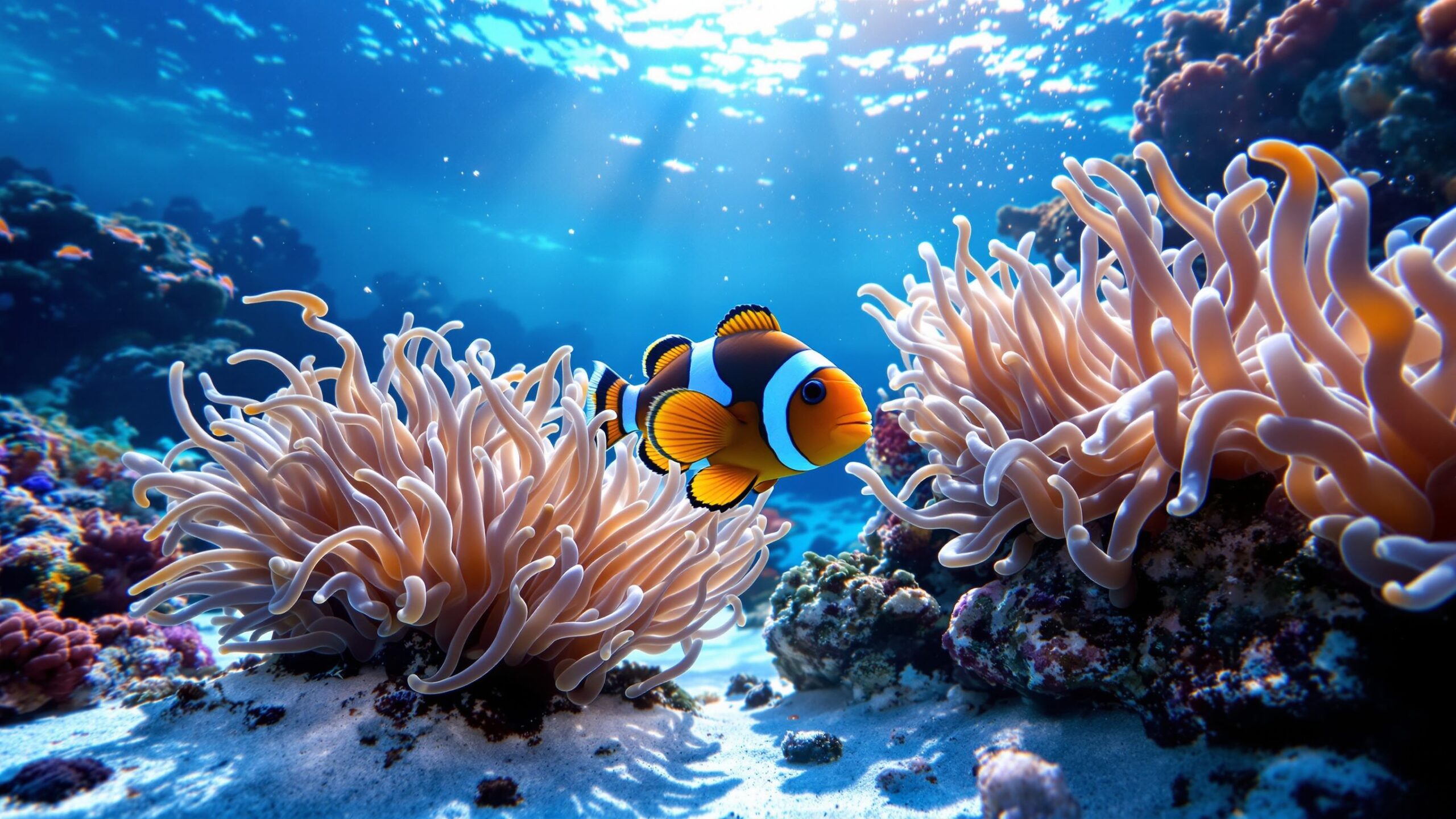
A: Yes, peaceful clownfish and Firefish often do well together in the right setup.
A: They eat frozen mysis shrimp, brine shrimp, marine pellets, and other small meaty foods.
A: No, they are peaceful and usually avoid confrontation.
A: They are naturally shy and may hide more if stressed or newly introduced.
A: Sometimes bonded pairs work, but random pairing can lead to fighting.
A: They often live 3–5 years or longer with proper care.
Natural Habitat and Geographic Range
The Firefish Goby is found throughout the Indo-Pacific region, including areas around East Africa, the Red Sea, the Maldives, Indonesia, the Philippines, Australia, and islands across the Pacific Ocean. It thrives in warm tropical marine environments where coral reefs meet sandy substrates and sheltered reef slopes.
In the wild, Firefish Gobies are commonly found at depths ranging from around 20 to over 200 feet, although they are often most visible in moderate reef depths where water movement is gentle and protection is available. They prefer areas with loose rubble, coral branches, caves, and small rock openings that allow quick retreat from predators.
Unlike bold open-water fish, Firefish Gobies rely heavily on secure shelter. They usually hover just above the substrate near a chosen burrow or crevice, always staying close enough to disappear instantly if threatened. This constant awareness is one of their defining survival traits.
They are often seen alone, in bonded pairs, or occasionally in small loose groups when young. Adults tend to become more territorial and are usually most comfortable with a clearly defined personal space.
The water in their natural habitat remains warm and stable, generally between 75 and 82 degrees Fahrenheit, with excellent oxygenation and consistent salinity. Healthy coral reef systems are essential to their survival, providing food opportunities, shelter, and breeding areas.
Because reef degradation threatens these ecosystems, habitat protection remains important for maintaining healthy wild populations.
Physical Appearance and Identification
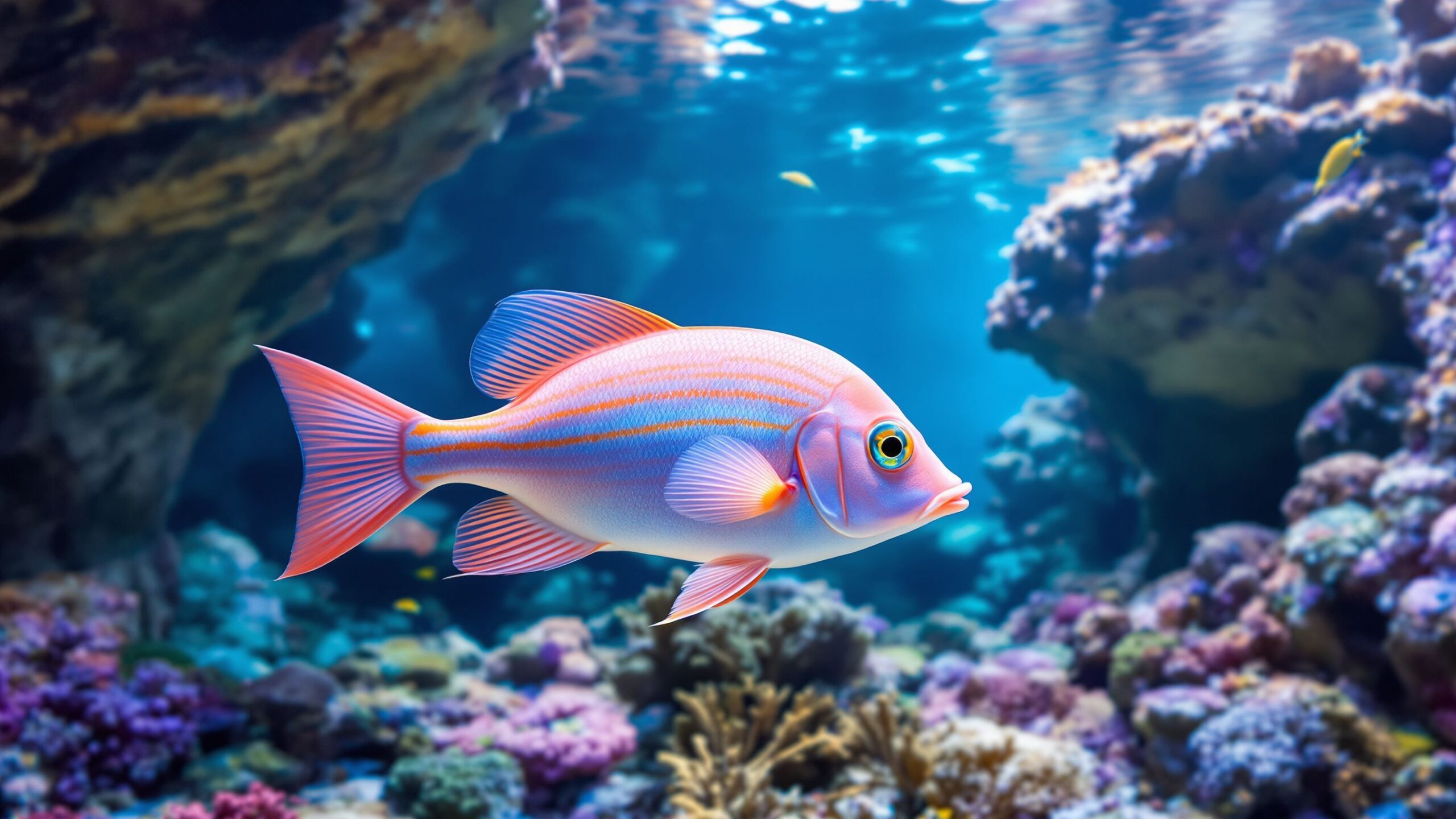
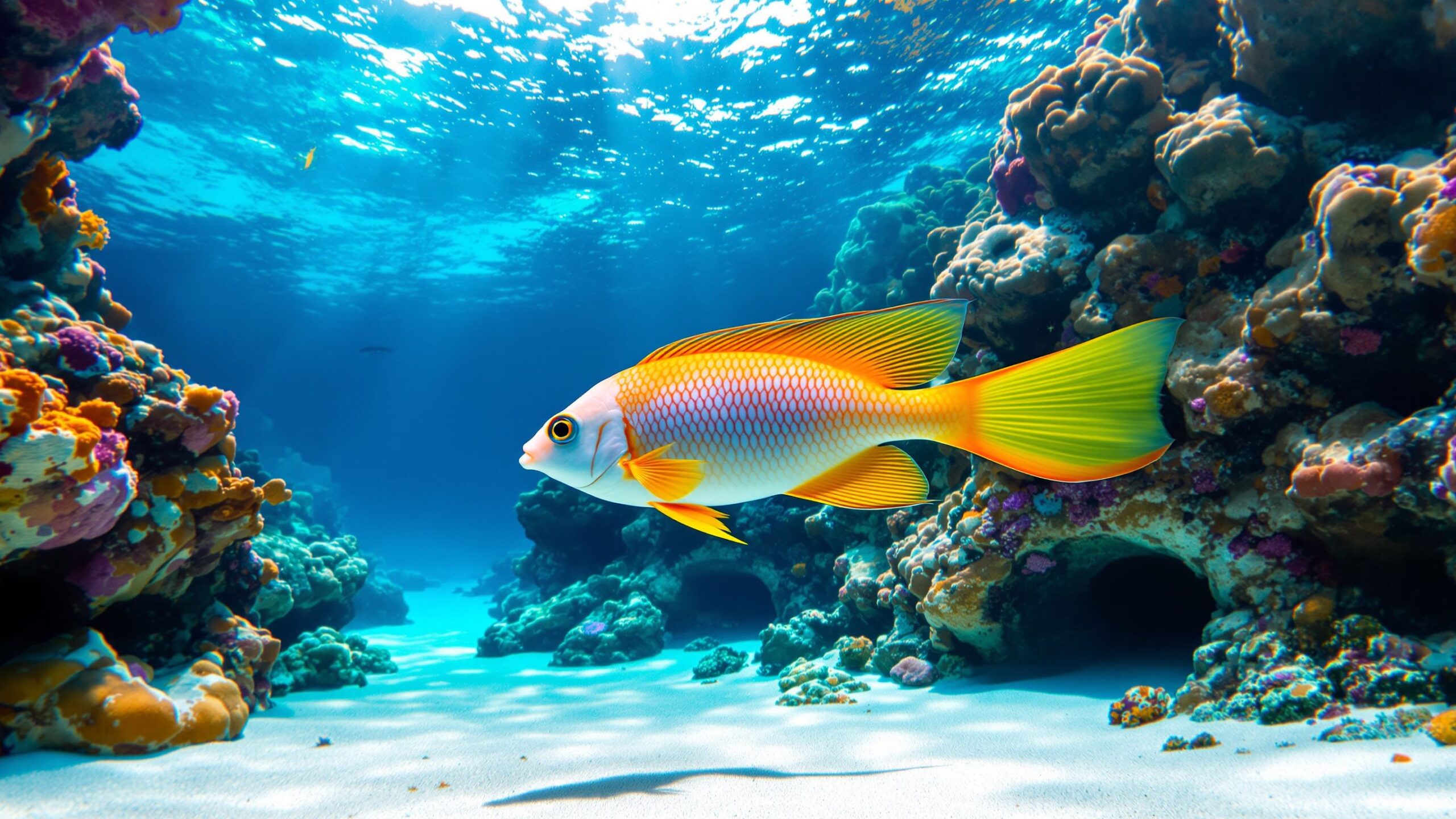
The Firefish Goby is admired for its sleek, elegant body shape and vivid coloration. Its front half is usually bright white or pale cream, gradually blending into vibrant orange, red, pink, and yellow tones toward the rear of the body and tail. This flame-like color transition is the reason for its common name.
Most adults grow to around two and a half to three inches in length, making them a small but highly noticeable addition to reef aquariums. Their slender body and pointed face give them a streamlined appearance, while their large eyes reflect their constant alertness.
One of the most recognizable features is the long, upright dorsal fin that often stands like a banner above the body. This fin adds to their graceful appearance and helps distinguish them from other small reef fish.
Their tail is forked and lightly flowing, giving them smooth hovering movements rather than rapid aggressive swimming. They often appear to float calmly in open water near their hiding place, facing into gentle current.
They are sometimes confused with similar dartfish species such as the Purple Firefish or Helfrichi Firefish, but the classic Firefish Goby has the signature white-to-red flame coloration that makes identification easier.
Healthy specimens display strong, vivid colors and a confident hovering posture. Faded coloration or constant hiding may indicate stress or poor tank conditions.
Behavior and Personality
Firefish Gobies are famous for their peaceful, shy, and graceful personalities. They are among the least aggressive marine fish and are highly valued for community reef tanks where calm compatibility matters.
Most of their day is spent hovering in midwater near a chosen shelter, carefully watching their surroundings. They may dart out to feed, explore briefly, or interact with a bonded partner before quickly returning to their safe zone.
Their greatest strength is also their greatest challenge—they are extremely cautious. Sudden movement, aggressive tankmates, or unstable environments can cause them to hide constantly or experience significant stress. A calm tank environment is essential for helping them feel secure.
They are also known for being exceptional jumpers. When startled, they can launch themselves out of the aquarium with surprising speed. Because of this, a secure lid is considered absolutely necessary for keeping Firefish Gobies safely.
They are usually best kept singly or as a bonded pair. Keeping multiple Firefish together in smaller tanks often leads to territorial conflict unless they are a true pair. Unrelated individuals may fight despite their otherwise peaceful reputation.
Once comfortable, they often become visible and interactive during feeding time. Their hovering behavior and elegant movements make them one of the most relaxing fish to watch in a reef tank.
Diet in the Wild and Aquarium
In the wild, Firefish Gobies are carnivorous planktivores. They feed primarily on zooplankton, tiny crustaceans, copepods, amphipods, larvae, and other small drifting organisms carried by ocean currents. Their feeding style involves hovering in place and making quick, precise strikes at passing food.
Because they remain close to shelter, they rely on nearby feeding opportunities rather than long-distance hunting. This behavior makes them efficient and energy-conscious reef fish.
In aquariums, they adapt well to a variety of prepared foods once settled. Frozen mysis shrimp, enriched brine shrimp, finely chopped seafood, marine pellets, and quality flakes are commonly accepted. Smaller food sizes work best because of their delicate mouth structure.
Feeding once or twice daily in moderate portions is usually ideal. They often prefer calm feeding environments where faster, more aggressive fish are not stealing food before they can eat.
A varied diet helps maintain strong coloration, healthy immune function, and long-term vitality. Vitamin-enriched frozen foods are especially useful for new arrivals adjusting to captivity.
Because shy individuals may hide during feeding, observation is important to ensure they are actually eating well rather than being outcompeted.
Aquarium Care and Tank Requirements
Firefish Gobies are excellent beginner saltwater fish when their need for security is properly respected. A minimum tank size of around 20 gallons is often suitable for a single individual or bonded pair, although larger tanks provide greater stability and better tankmate options.
A reef tank with live rock is ideal because it offers the caves, crevices, and hiding spaces they depend on. Open sand areas combined with rock shelters create the most natural and comfortable environment.
Water temperature should remain stable between 76 and 80 degrees Fahrenheit, with salinity around 1.023 to 1.025 specific gravity. Ammonia and nitrite should always remain at zero, and nitrate should be kept low for long-term health.
Like many marine fish, they value stability more than perfection. Sudden shifts in salinity, temperature, or pH can cause major stress. A fully cycled tank is essential before introduction.
A secure lid cannot be optional. Firefish Gobies are famous escape artists, and many losses happen simply because of uncovered openings in otherwise excellent tanks.
They are reef-safe and do not bother corals, shrimp, snails, or most invertebrates. This makes them ideal for peaceful reef displays.
Compatible tankmates often include clownfish, gobies, blennies, Royal Grammas, smaller wrasses, and peaceful reef-safe species. Aggressive fish like large dottybacks, triggers, or overly dominant wrasses should be avoided.
With proper care, Firefish Gobies commonly live three to five years in captivity, and some live even longer.
Why the Firefish Goby Remains So Popular
Few saltwater fish combine elegance, peace, and beginner-friendly care as beautifully as the Firefish Goby. Its graceful hovering behavior and flame-colored body create immediate visual appeal without the aggression often associated with bright reef fish.
Its calm personality makes it ideal for peaceful reef tanks, while its reef-safe habits allow it to coexist with corals and invertebrates without trouble. It brings movement and beauty without creating chaos.
Its shy but observant nature gives it a unique charm. Watching a Firefish hover calmly above the sand before darting back into its cave creates a sense of natural reef behavior that many aquarists love.
For beginners, it offers a manageable and rewarding introduction to marine fishkeeping. For experienced hobbyists, it remains a timeless favorite because of its beauty and understated personality.
For general readers, the Firefish Goby is a reminder that even the smallest reef fish can be extraordinary. Its colors, behavior, and survival strategies reveal how much complexity exists beneath the surface of coral reef life.
Whether seen in a tropical reef or thriving in a peaceful home aquarium, Nemateleotris magnifica continues to earn its place as one of the finest beginner saltwater fish in the hobby. Its beauty is obvious, but its true appeal lies in its quiet elegance and remarkable resilience.
Pet Product Reviews
Explore Duffy Street’s Pet Product Reviews! Sniff out the top-rated toys, treats, gear, and gadgets for your pets with our fun, easy-to-read comparisons. We’ve done the digging so you can find the perfect products for your pet friends!