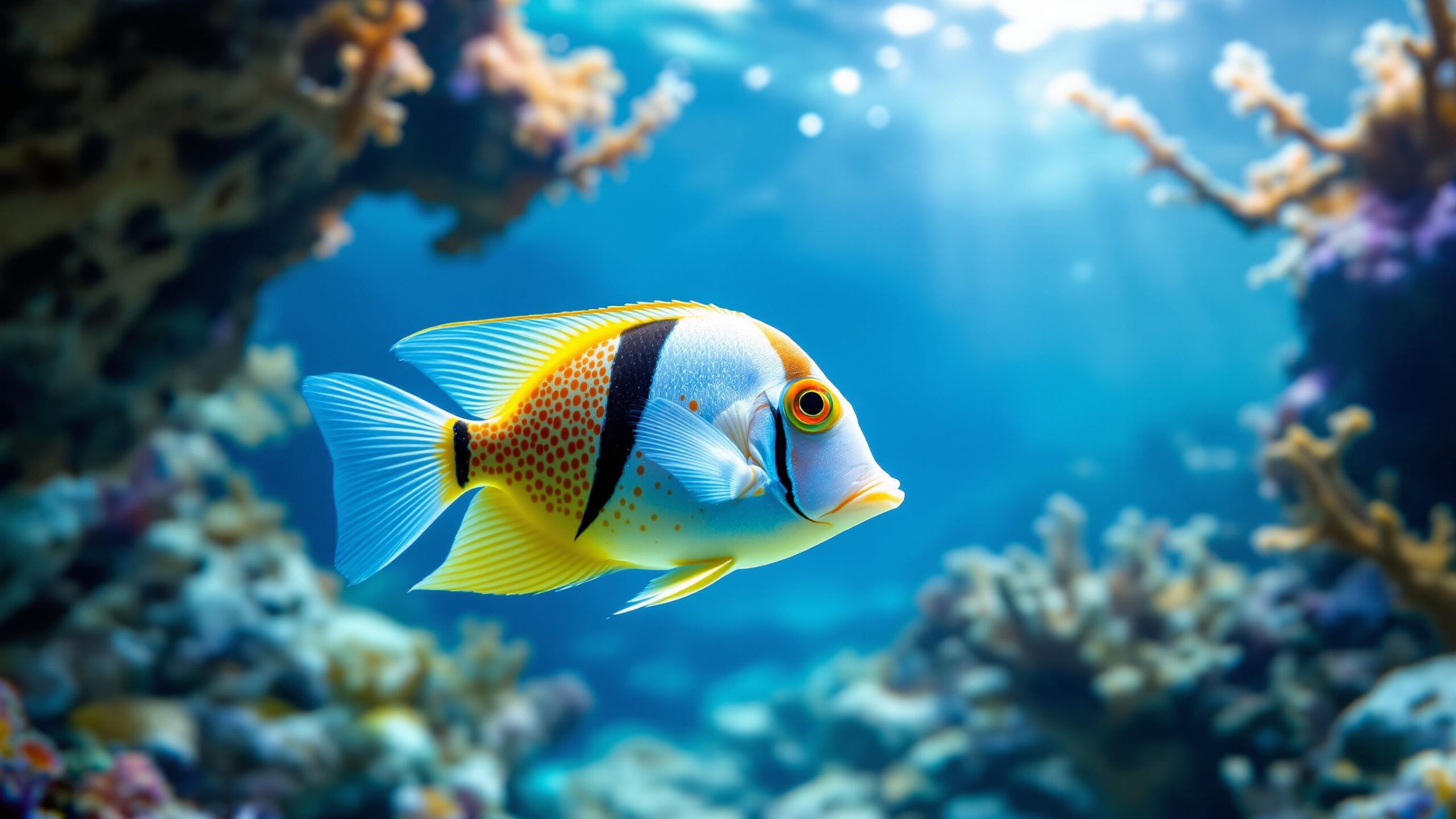
Zebra Danios, scientifically known as Danio rerio, are among the most iconic and widely cherished freshwater aquarium fish of all time. With their signature blue-and-silver racing stripes, tireless energy, and playful personality, Zebra Danios have captured the hearts of aquarists for generations. They are hardy, social, fast-swimming, and endlessly entertaining to watch. Yet behind their lively appearance lies a fascinating evolutionary history and a surprisingly important role in science, ecology, and aquarium culture. Whether you’re a new hobbyist searching for a beginner-friendly species, or a seasoned aquarist drawn to their spirited schooling behavior, Zebra Danios offer a vibrant combination of activity, adaptability, and scientific intrigue. This full guide explores the origins, behavior, varieties, care, breeding, and scientific significance of one of the world’s most beloved freshwater fish.
A: A group of at least 6 is recommended so they can school naturally and feel secure.
A: A 10–20 gallon or larger tank with good length is ideal for their active swimming style.
A: In most homes, yes. While they tolerate slightly cooler water, they do best with stable, warm temperatures.
A: Yes. They are peaceful and mix well with many small, calm species that can handle their energy.
A: They are usually non-nippy, but if kept in too small a group or cramped tank, they may pester slower tankmates.
A: Feed small amounts 1–2 times per day, offering only what they can finish in a few minutes.
A: They typically do not damage healthy plants, though they may peck at biofilm or soft debris on leaves.
A: Yes. With a separate breeding tank, spawning mops, and gentle conditions, they will readily scatter eggs.
A: This can indicate poor water quality, stress, illness, or too small a group; test water and review stocking.
A: With good care, zebra danios often live 3–5 years, sometimes longer in stable, well-maintained aquariums.
Origins of the Zebra Danio: Fast Swimmers of South Asia’s Sunlit Streams
Zebra Danios are native to the warm, shallow waters of South Asia, particularly India, Bangladesh, Pakistan, and Nepal. They inhabit clear streams, rice paddies, irrigation canals, seasonal ponds, and slow-moving rivers. These ecosystems shift dramatically throughout the year—from monsoon floods that create sprawling temporary waterways to dry seasons that concentrate fish into tighter, warmer pools.
To survive in such dynamic environments, Zebra Danios evolved into agile, fast-moving swimmers capable of navigating shifting currents, fluctuating water levels, and sudden environmental changes. Their horizontal stripes help them blend into sunlit ripple patterns, offering camouflage from predators. Their lean, torpedo-shaped bodies allow rapid bursts of speed. Their instinct to form tight, synchronized schools enhances their survival, making them harder to target and helping them locate food more efficiently.
The wild Danio’s evolutionary story explains why they remain one of the hardiest and most adaptable species in the aquarium trade.
The Science Behind Their Signature Stripes: More Than Just Decoration
The classic Zebra Danio pattern—alternating horizontal blue and silver stripes—is among the most recognizable markings in the fishkeeping world. But these stripes are more than just beautiful; they serve important evolutionary and biological functions.
The metallic blue comes from iridophores, specialized reflective cells that refract light. Under sunlight or aquarium lighting, these cells shimmer, producing a striking sheen that signals health and vitality to potential mates. Meanwhile, melanophores and other pigment cells create the contrasting silver and gold tones.
The stripes also provide hydrodynamic advantages during schooling. When a large group of Zebra Danios swims together, the parallel lines help individuals align with their neighbors, reducing energy expenditure and improving maneuverability. Scientists studying collective movement often use Zebra Danios to understand swarm behavior, comparing their schooling patterns to those of birds or insects.
These small fish are a living example of how evolution shapes beauty, function, and social intelligence all at once.
Zebra Danio Behavior: High-Speed Schooling, Playfulness, and Endless Curiosity
Zebra Danios are one of the most active and engaging schooling fish available. They thrive in groups of six or more, where their natural social dynamics come alive. In a proper school, they race together across the tank, take turns darting through plants, and display charming “follow the leader” behavior.
They are naturally playful and inquisitive, often investigating decorations, exploring new areas, or initiating bursts of synchronized swimming. Because of their constant motion, they prefer tanks with open swimming space and gentle currents. Their agility and enthusiasm can be contagious—many aquarists report that simply watching a school of energetic Danios reduces stress and brings a sense of liveliness to the room.
Despite their bold appearance, Zebra Danios are peaceful and non-confrontational, making them ideal community fish. Their activity level brings balance to planted tanks, and their schooling creates beautiful visual flow.
Varieties of Zebra Danios: From Classic Stripes to Long-Fin Elegance
Decades of selective breeding have created several popular Zebra Danio varieties, each offering its own distinctive charm. The classic Zebra Danio displays crisp blue-and-silver horizontal stripes and an agile, streamlined shape. Long-Fin Zebra Danios exhibit elegant flowing fins that trail behind them like delicate ribbons, adding a graceful aesthetic to planted aquariums.
Golden Zebra Danios lack typical dark pigmentation, giving them a bright gold-and-white striped appearance that glows under aquarium lights. Leopard Danios add a unique spotted pattern, resembling a constellation of black dots across a golden or silvery body. Meanwhile, the Pearl Danio and related species offer shimmering, opalescent hues within the same family of energetic fish.
While these varieties differ visually, all maintain the same spirited personality, adaptability, and schooling behavior that define Danio rerio.
Creating the Perfect Zebra Danio Aquarium: Space, Movement, and Light
Zebra Danios thrive in aquariums that match their natural environment—bright, open, and filled with gentle flow. A tank of at least 20 gallons is ideal for a proper school, with horizontal swimming space far more important than height. Long tanks allow Danios to sprint, turn, and display their full range of natural movement.
Water temperatures between 70°F and 78°F suit them well, and they can tolerate slightly cooler conditions better than many tropical fish. This flexibility reflects their habitat’s seasonal changes. Gentle filtration creates currents that mimic stream-like environments without overwhelming the fish. Danios often swim into the flow playfully, using it to exercise or ride the current.
Live plants enhance both natural beauty and fish comfort. Species such as vallisneria, bacopa, hornwort, and rotala complement their environment, providing light cover while leaving open swimming channels. Gravel or sand substrates work well, and the lighting should be bright enough to highlight their reflective stripes without stressing the fish.
Water Quality and Stability: The Key to Long-Term Danio Health
Though extremely hardy, Zebra Danios flourish when water quality is stable and well-maintained. They prefer neutral to slightly alkaline conditions, with a pH between 6.8 and 7.8. Ammonia and nitrite must remain at zero, while nitrate should stay as low as possible through regular water changes.
Because Zebra Danios are active swimmers, they benefit from well-oxygenated water. Surface agitation from filters or air stones enhances oxygen levels and encourages natural behavior.
Danios also thrive in mature aquariums. Their fast metabolism and energetic lifestyle make biological stability important for long-term success. With proper care, Zebra Danios can live five years or more—far longer than many new aquarists expect.
Feeding Zebra Danios: Fueling Speed, Color, and Energy
Zebra Danios are omnivores with a strong appetite for small, protein-rich foods. In the wild, they feed on insects, tiny worms, crustaceans, and drifting organic particles. In aquariums, they thrive on a balanced diet of flakes, micro-pellets, and small frozen or live foods.
Brine shrimp, daphnia, mosquito larvae, and micro-worms enhance their color and vitality. High-protein treats boost their energy, while plant-based foods support digestion and overall health. Danios are rapid feeders, often racing to the surface the moment food touches the water. Feeding small amounts once or twice daily keeps them active and thriving.
Tankmates and Compatibility: Zebra Danios in the Community Aquarium
Zebra Danios are famously peaceful and highly compatible with a wide range of tankmates. Their speed and sociability make them excellent companions for other gentle species that enjoy similar environments.
Ideal tankmates include rasboras, tetras, platies, swordtails, corydoras, shrimp, snails, dwarf gouramis, and rainbowfish. Avoid pairing them with slow, long-finned fish such as angelfish or bettas, as Zebra Danios’ high energy may cause stress for more delicate species.
A well-planned community tank with active species creates beautiful movement across all water levels.
Breeding Zebra Danios: Energetic Spawners with Fascinating Courtship
Breeding Zebra Danios is both exciting and achievable. Their spawning ritual is fast-paced and playful. Males chase females with rapid bursts of movement before the pair scatters fertilized eggs among plants or spawning mops.
Because adults may eat the eggs, many aquarists use separate breeding tanks or remove adults after spawning. Eggs hatch within 48 to 72 hours, and fry become free-swimming shortly thereafter. They feed initially on infusoria before transitioning to powdered fry food or baby brine shrimp.
Watching tiny Danio fry develop stripes over time is a magical and rewarding experience, especially for hobbyists interested in breeding projects.
Common Health Concerns: Prevention Through Care and Observation
Zebra Danios are robust fish but can experience health issues when kept in inadequate conditions. Their fast metabolism makes them vulnerable to underfeeding if kept with more aggressive eaters. Their active swimming style means they require ample space—overcrowding may cause stress.
Ich is one of the most common issues but responds well to early treatment. Danios may also develop fin tears if kept with fin-nippers or aggressive tankmates. Clean water, stable temperatures, and proper tankmates prevent most health concerns.
Given ideal conditions, Zebra Danios are among the longest-lived beginner fish, often exceeding four or five years of healthy life.
Environmental Enrichment: Encouraging Natural Behavior and Activity
Zebra Danios thrive in enriched environments that provide stimulation, movement, and variation. Adding plants, driftwood, gentle currents, and open swimming lanes encourages natural schooling and exploratory behavior. Subtle changes to décor or flow patterns can reinvigorate the school’s interest in their surroundings.
Because they are highly social, maintaining a school of at least six is essential. Larger groups—ten or more—create mesmerizing displays of synchronized swimming, enhancing both fish health and tank aesthetics.
Why Zebra Danios Remain One of the World’s Most Popular Aquarium Fish
Zebra Danios embody everything aquarists love: resilience, beauty, energy, social intelligence, and boundless personality. They are beginner-friendly yet endlessly fascinating, capable of thriving in a variety of aquarium setups. Their shimmering stripes catch the eye, their spirited motion brings tanks to life, and their peaceful nature makes them ideal community companions.
Their role in scientific research—including genetics, behavior, and developmental biology—adds another layer of significance to these incredible fish. Whether admired for their speed, their stripes, or their science, Zebra Danios stand as one of the most enduring and beloved species in aquarium history.
Pet Product Reviews
Explore Duffy Street’s Pet Product Reviews! Sniff out the top-rated toys, treats, gear, and gadgets for your pets with our fun, easy-to-read comparisons. We’ve done the digging so you can find the perfect products for your pet friends!